
An appealing instrumental rendition by The Musicians of Swanne Alley.
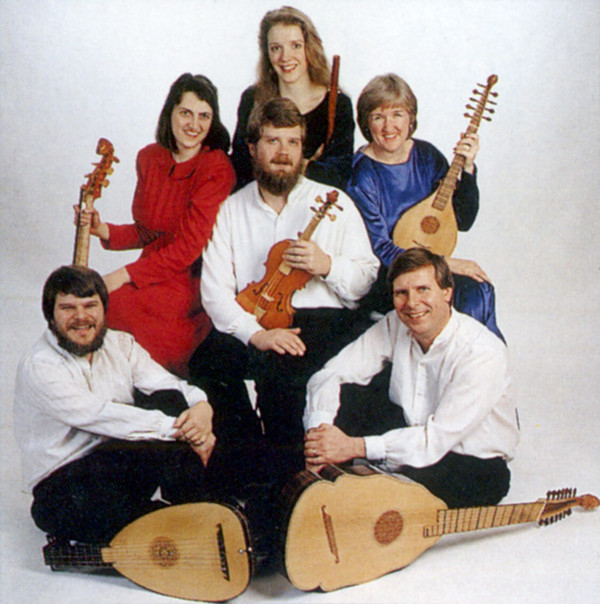
An appealing instrumental rendition by The Musicians of Swanne Alley.
William Byrd (c1540 - 1623): Come to me, grief, for ever a 5 voci (pubblicato in Psalms, sonnets, and songs of sadness and piety to five parts, 1588, n. 34). Versione per canto e consort di viole: Emily van Evera, soprano; The Musicians of Swanne Alley.
Come to me, grief, for ever,
Come to me tears day and night,
Come to me plaint, ah helpless,
Just grief, heart tears, plaint worthy.
Go from me dread to die now
Go from me care to live more,
Go from me joys all on earth,
Sidney, O Sidney is dead.
He whom the Court adorned,
He whom the country courtesied,
He who made happy his friends,
He that did good to all men.
Sidney, the hope of lands strange,
Sidney, the flower of England,
Sidney, the spirit heroic,
Sidney id dead, O dead.
Dead? no, no, but renowed
With the anointed one,
Honour on earth at his feet,
Bliss everlasting his seat.
Come to grief for ever
Come to me tears day and night,
Come to me plaint, ah helpless,
Just grief, heart tears, plaint worthy.
Avevamo già incontrato sir Philip Sidney (1554 - 17 ottobre 1586), una delle menti più brillanti dell’Inghilterra elisabettiana, ricordando la sua storia d’amore con Penelope Devereux e ascoltando le tre composizioni su altrettante sue poesie (tratte da Astrophel and Stella) pubblicate nell’antologia A Musicall Banquet (1610) curata da Robert Dowland. Per altre informazioni su Sidney vi rimando all’interessantissimo blog di Luisa Zambrotta.

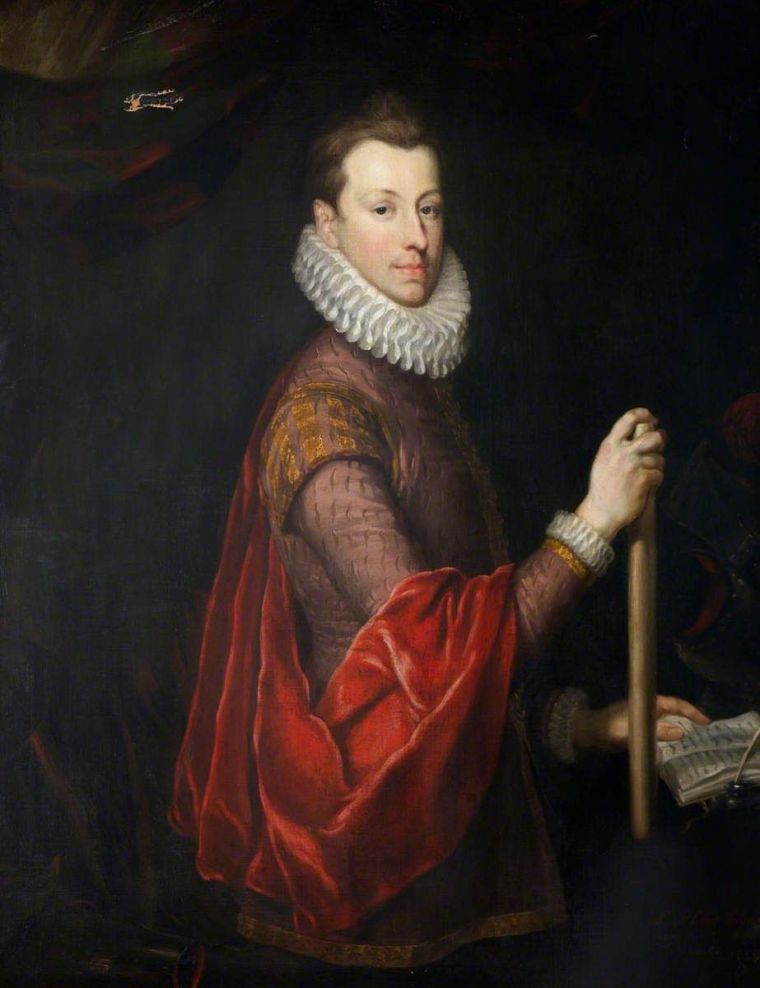 George Knapton (1698 - 1778): ritratto di sir Philip Sidney, da Isaac Oliver
Anonimo (XVI-XVII secolo): O dear life, when shall it be, ayre su testo di Philip Sidney (1554 - 1586) tratto da Astrophel and Stella (Tenth Song). Emma Kirkby, soprano; David Thomas, basso; The Consort of Musicke, dir. Anthony Rooley.
O dear life, when shall it be
That mine eyes thine eyes may see;
And in them thy mind discover,
Whether absence hath had force,
Thy remembrance to divorce
From the image of thy lover?
Or if I myself find not,
After [Though my] parting aught forgot:
Nor debarr’d from Beauty’s treasure,
Let no tongue aspire to tell
In what high joys I shall dwell,
Only Thought aims at the pleasure.
Thought, therefore, I will send thee
To take up the place for me:
Long I will not after tarry:
There, unseen, thou may’st be bold,
Those fair wonders to behold,
Which in them my hopes do carry.
Thought, see thou no place forbear,
Enter bravely everywhere;
Seize on all to her belonging:
But, if thou wouldst guarded be,
Fearing her beams, take with thee
Strength of liking, rage of longing.
O my thought! my thoughts surcease,
Thy delights my woes increase;
My life fleets with too much thinking:
Think no more, but die in me,
Till thou shalt revived be,
At her lips my nectar drinking.
È di autore ignoto anche il secondo brano su testo di Philip Sydney inserito da Robert Dowland nella raccolta A Musicall Banquet (Londra 1610, n. V).
la 10ª canzone di Astrophel and Stella ispirò anche William Byrd (c1540 - 1623), che sui versi di Sidney compose un partsong a 5 voci (pubblicato in Songs of sundrie natures, 1589, n. 33). L’ascoltiamo qui nella interpretazione a voce sola con accompagnamento strumentale dei Musicians of Swanne Alley, solista il soprano Emily van Evera:


Anonimo (sec. XVII): Cold and raw ovvero The Maid who Sold her Barley o anche The Farmer’s Daughter, ballad di probabile origine scozzese. The Baltimore Consort.
Cold and raw the North did blow, bleak in a morning early;
All the trees were hid with snow, cover’d with winter fearly.
As I came riding o’er the slough, I met with a farmer’s daughter,
Rosie cheeks, and bonny brow, geud faith, made my mouth to water.
Down I vail’d my bonnet low, meaning to show my breeding,
She return’d a graceful bow, her visage far exceeding:
I ask’d her where she went so soon, and long’d to begin a parley:
She told me to the next market town, a purpose to sell her barley.
«In this purse, sweet soul!» said I, «twenty pound lies fairly,
Seek no farther one to buy, for I’se take all thy barley:
Twenty more shall purchase delight, thy person I love so dearly,
If thou wilt lig by me all night, and gang home in the morning early.»
«If forty pound would buy the globe, this thing I’s not do, sir;
Or were my friends as poor as Job, I’d never raise’em so, sir:
For shou’d you prove to-night my friend, we’se get a young kid together,
And you’d be gone e’r nine months end, & where shall I find the father?»
«Pray what would my parents say, if I should be so silly,
To give my maidenhead away, and lose my true love, Billy!
Oh this would bring me to disgrace, and therefore I say you nay, sir;
And if that you would me embrace, first marry, & then you may, sir!»
I told her I had wedded been, fourteen years and longer,
Else I’d chuse her for my queen, and tye the knot yet stronger.
She bid me then no farther roame, but manage my wedlock fairly,
And keep my purse for poor spouse at home, for some other should have her barley.
Then as swift as any roe, she rode away and left me;
After her I could not go, of joy she quite bereft me:
Thus I my self did disappoint, for she did leave me fairly,
My words knock’d all things out of joint, I lost both the maid and the barley.
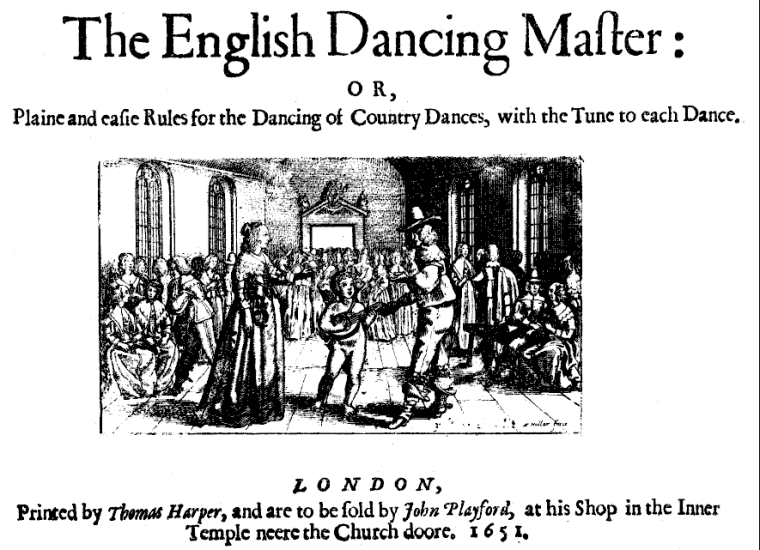
Il testo è compreso nella monumentale silloge Wit and Mirth, or Pills to Purge Melancholy curata da Thomas D’Urfey, la cui 1a edizione risale al 1698; nel corso degli anni è stato associato a musiche diverse: la versione del Baltimore Consort adotta la melodia di Stingo, or The Oyle of Barley, un jig (danza) tratta dalla raccolta The English dancing master (16511, n. 10) di John Playford; stingo e oil of barley sono due modi di dire popolari con i quali all’epoca si indicava una birra forte a gradazione elevata. Ecco Stingo nell’interpretazione dei Musicians of Swanne Alley:
La melodia doveva essere assai popolare nel primo Settecento, tant’è vero che Pepusch la utilizzò per rivestire di musica l’aria «If any Wench Venus’s Girdle wear», cantata da Mrs Peachum nella 4a scena del I atto della Beggar’s Opera di John Gay (rappresentata per la 1a volta nel 1728). Qui è eseguita dall’ensemble The Broadside Band diretto da Jeremy Barlow, con Patrizia Kwella voce solista:
If any Wench Venus’s Girdle wear,
Though she be never so ugly;
Lilies and Roses will quickly appear,
And her Face look wond’rous smugly.
Beneath the left Ear so fit but a Cord,
(A Rope so charming a Zone is!)
The Youth in his Cart hath the Air of a Lord,
And we cry, There dies an Adonis!
All’aria di Mrs Peachum la Broadside Band fa seguire [a 1:17] una breve serie di variazioni per violino e basso continuo sulla medesima melodia, pubblicate con il titolo Up in the Morning Early dal compositore e violinista scozzese William McGibbon (1690 - 1756).


 la regina gioiosa