

The name Matterhorn comes from the Swiss German words Matt, “meadow,” and Horn, “peak” .
Photo taken by Guglielmo a few minutes ago.
Joachim Raff (1822 - 1882): Sinfonia n. 10 in fa minore op. 213, Zur Herbstzeit (1879). Philharmonia Hungarica, dir. Werner Andreas Albert.

Kurt Weill (1900 - 1950): September Song (1938); testo di Maxwell Anderson (1888 - 1959). Lotte Lenya, voce; American Theater Songs Orchestra, dir. Maurice Levine.
Oh, it’s a long, long while from May to December
But the days grow short when you reach September
When the autumn weather turns the leaves to flame
One hasn’t got time for the waiting game.
Oh, the days dwindle down to a precious few
September, November
And these few precious days I’ll spend with you
These precious days I’ll spend with you.

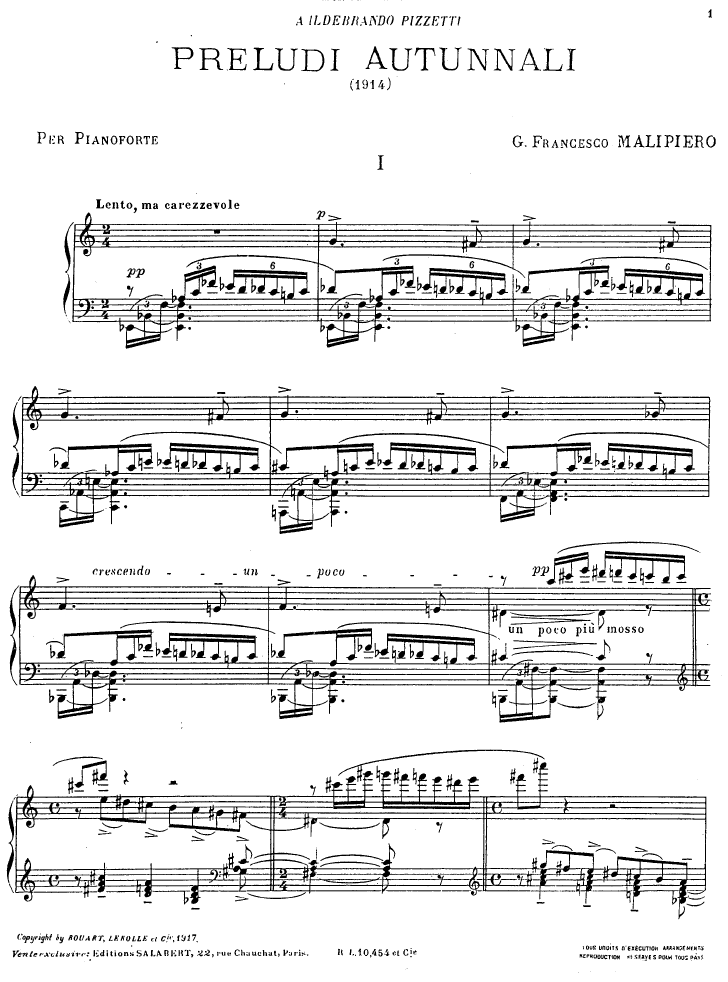
Gian Francesco Malipiero (1882 - 1° agosto 1973): Preludi autunnali per pianoforte (1914). Stefano Ligoratti.
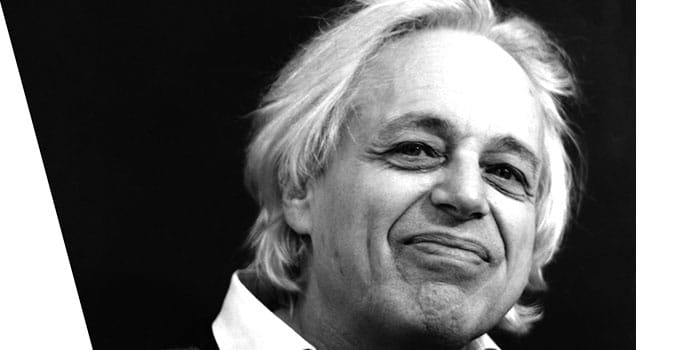
György Ligeti (28 maggio 1923 - 2006): Studio per pianoforte n. 6, Automne à Varsovie (1985). Idil Biret.
Einojuhani Rautavaara (9 ottobre 1928 - 2016): Syksyiset puutarhat / Autumn Gardens per orchestra (1999). Helsingin kaupunginorkesteri (Orchestra filarmonica di Helsinki), dir. Vladimir Aškenazi.
I. Poetico
II. Tranquillo [10:39]
III. Giocoso e leggiero [15:47]
« I have often likened the composer to a gardener: both are observers and overseers of organic growth rather than builders or assemblers of ready parts and elements. I would, furthermore, like my compositions to resemble an English garden, free-growing and organic, as opposed to a French garden, geometrically trimmed in angular shapes. These sentiments are possibly due to the fact that the work was commissioned by a British orchestra for an English festival.
« The name of the work is a quotation from the libretto of my opera The House of the Sun: “like a butterfly in a dark autumn garden”. The motif to which these words are sung is the theme for the variations in the first movement. Their texture gradually grows and quickens. Following on without a break is a slow, poetic movement of even rhythms and dynamics. The quick, lively finale begins giocoso e leggiero. But autumn is also a time of colour, and of death. At the end the music thus turns into a festive dance con grandezza. Maybe it bears the echo of a sarabande to the dying splendour of summer – or as T. S. Eliot put it: “late roses filled with early snow”. »
Einojuhani Rautavaara

Tōru Takemitsu (1930 - 1996): In an Autumn Garden per orchestra gagaku (1973-79). Kunaichō Gakubu.
Il gagaku è una tradizione musicale giapponese propria della corte imperiale di Kyōto; introdotta in Giappone dalla Cina nel VI secolo, divenne ufficiale circa duecento anni più tardi. L’orchestra gagaku comprende strumenti a fiato (ryūteki o in alternativa komabue, flauti traversi; hichiriki, oboe; shō, organo a bocca), a corda (biwa, liuto; gakusō e yamatogoto, cetre; kugo, arpa angolare) e a percussione (gong e tamburi di varie dimensioni).

Cécile Chaminade (1857 - 1944): Automne, étude de concert in re bemolle maggiore per pianoforte op. 35 n. 2 (1886). Takashi Satō.
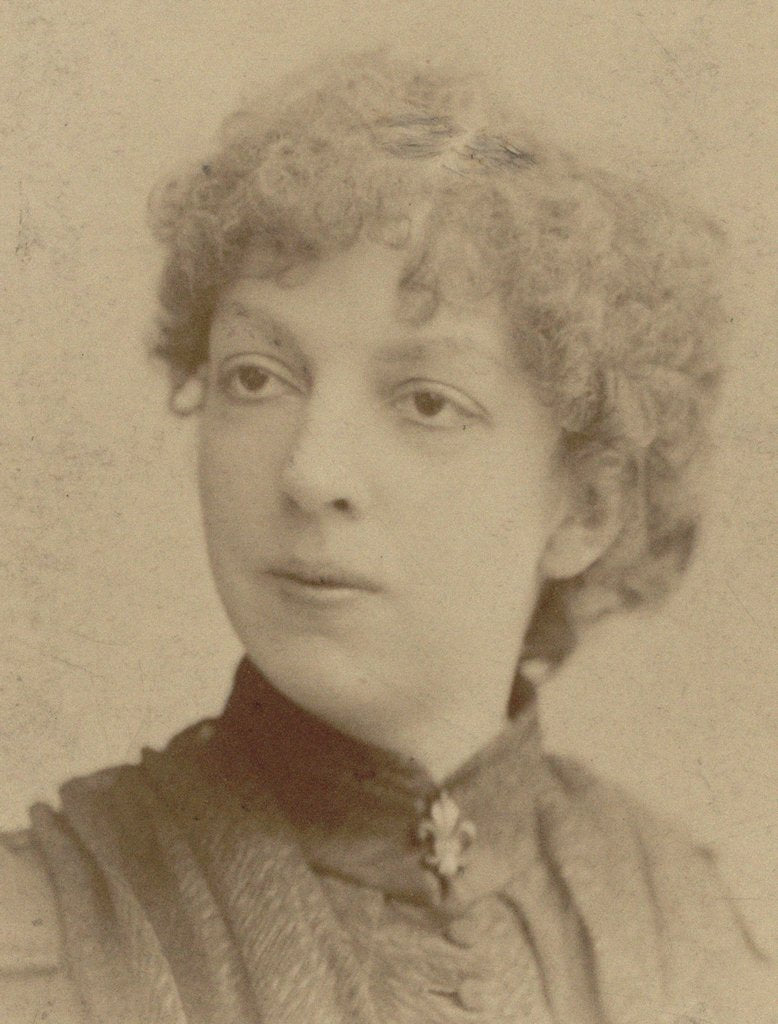
Mel (Mélanie Hélène) Bonis (1858 - 1937): Pensées d’automne per pianoforte (1894). Claudine Simon.
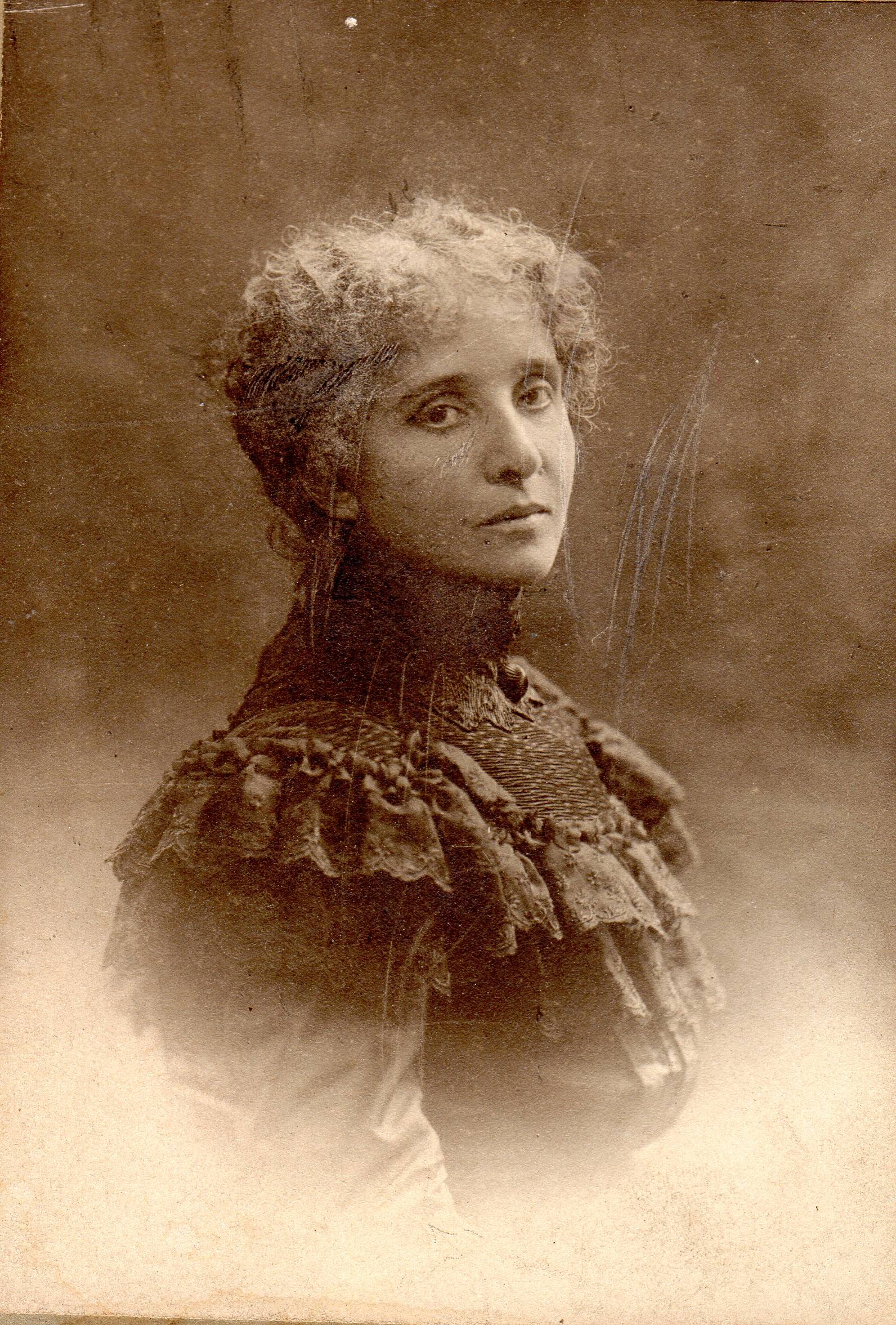
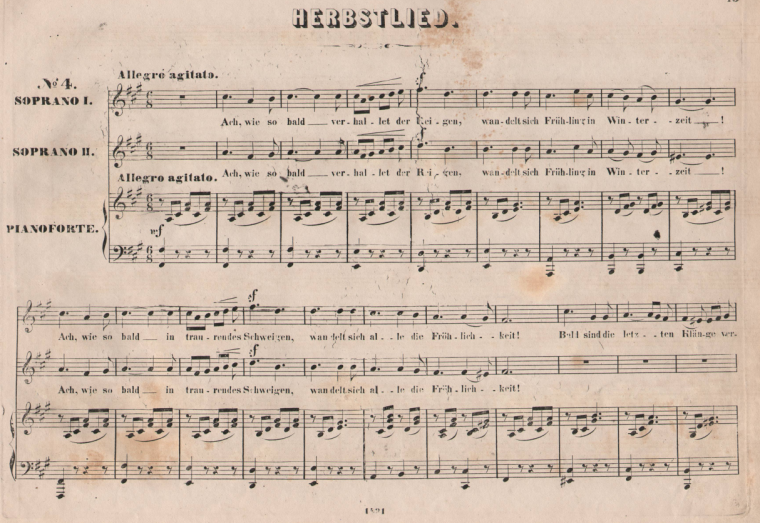
Felix Mendelssohn-Bartholdy (1809 - 1947): Herbstlied, duetto op. 63 n. 4 (1844); testo di Karl Klingemann (1798-1862). Barbara Bonney, soprano; Angelika Kirchschlager, mezzosoprano; Malcolm Martineau, pianoforte.
Ach, wie so bald verhallet der Reigen,
Wandelt sich Frühling in Winterzeit!
Ach, wie so bald in trauerndes Schweigen
Wandelt sich alle der Fröhlichkeit!
Bald sind die letzten Klänge verflogen!
Bald sind die letzten Sänger gezogen!
Bald ist das letzte Grün dahin!
Alle sie wollen heimwärts ziehn!
Ach, wie so bald verhallet der Reigen,
Wandelt sich Lust in sehnendes Leid.
Wart ihr ein Traum, ihr Liebesgedanken?
Süß wie der Lenz und schnell verweht?
Eines, nur eines will nimmer wanken:
Es ist das Sehnen, das nimmer vergeht.
Ach, wie so bald verhallet der Reigen!
Ach, wie so bald in trauerndes Schweigen
Wandelt sich alle die Fröhlichkeit!
(Oh, quanto presto s’arresta la danza, la primavera si tramuta in inverno; oh, quanto presto in doloroso silenzio si tramuta ogni allegria.
Presto si affievoliscono gli ultimi suoni! Presto se ne vanno gli ultimi alati cantori! Presto l’ultimo verde scompare! Tutti vogliono tornare a casa.
Oh, quanto presto s’arresta la danza e il piacere si trasforma in mesto dolore!
Eravate soltanto un sogno, voi, pensieri d’amore? Dolce come la primavera e presto svanito? Una cosa, solo una cosa non cambierà mai: la nostalgia, che mai se ne va.
Oh, quanto presto s’arresta la danza! Oh, quanto presto in doloroso silenzio si tramuta ogni allegria.)
Franz Schubert (1797 - 1828): Herbst, Lied D 945 (1828); testo di Ludwig Rellstab (1799 - 1860). Dietrich Fischer-Dieskau, baritono; Gerald Moore, pianoforte.
Es rauschen die Winde
So herbstlich und kalt;
Verödet die Fluren,
Entblättert der Wald.
Ihr blumigen Auen!
Du sonniges Grün!
So welken die Blüten
Des Lebens dahin.
Es ziehen die Wolken
So finster und grau;
Verschwunden die Sterne
Am himmlischen Blau!
Ach, wie die Gestirne
Am Himmel entflieh’n,
So sinket die Hoffnung
Des Lebens dahin!
Ihr Tage des Lenzes
Mit Rosen geschmückt,
Wo ich die Geliebte
Ans Herze gedrückt!
Kalt über den Hügel
Rauscht, Winde, dahin!
So sterben die Rosen
Des Lebens dahin.
(Soffiano i venti gelidi dell’autunno; la campagna si fa sterile, il bosco perde le foglie. Che ne è di voi, prati fioriti, e di te, verde solare? Così avvizziscono i fiori della vita.
Passano nuvole scure e grigie; scompaiono le stelle nel blu del cielo! Ah, come fuggono le stelle dal cielo, così svanisce la speranza dalla vita!
Dove siete, giornate primaverili adornate di rose, quando stringevo al cuore la mia amata? Scendete gelidi dalla collina, venti! Così muoiono le rose della vita.)

Edvard Grieg (1843 - 1907): I høst (In autunno), ouverture da concerto op. 11 (1874). Orchestra Sinfonica di Göteborg, dir. Neeme Järvi.
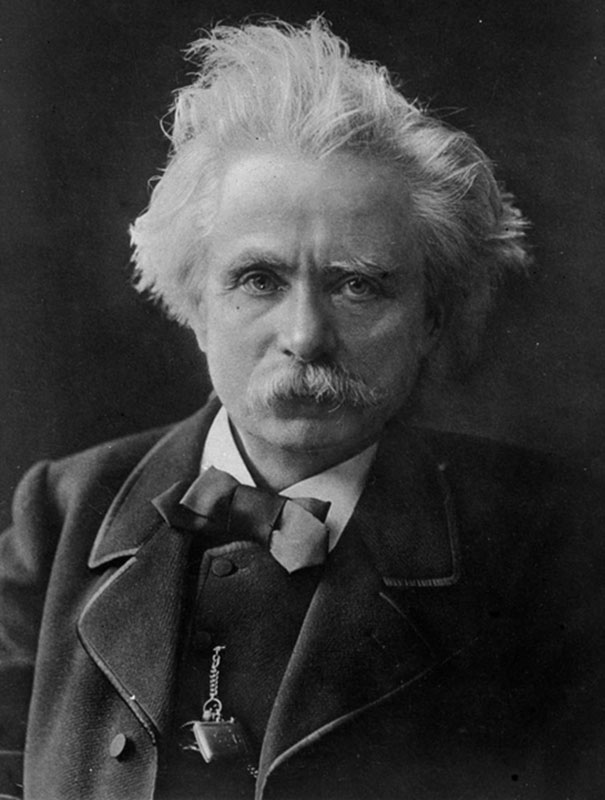
Gabriel Fauré (1845 - 1924): Automne, mélodie op. 18 n. 3 (1878), testo di Armand Silvestre (1837 - 1901). Janine Devost (1932 - 1985), soprano; David Selig, pianoforte.
Automne au ciel brumeux, aux horizons navrants,
Aux rapides couchants, aux aurores pâlies,
Je regarde couler, comme l’eau du torrent,
Tes jours faits de mélancolie.
Sur l’aile des regrets mes esprits emportés,
– Comme s’il se pouvait que notre âge renaisse! –
Parcourent, en rêvant, les coteaux enchantés,
Où jadis sourit ma jeunesse!
Je sens, au clair soleil du souvenir vainqueur,
Refleurir en bouquet les roses deliées,
Et monter à mes yeux des larmes, qu’en mon coeur,
Mes vingt ans avaient oubliées!

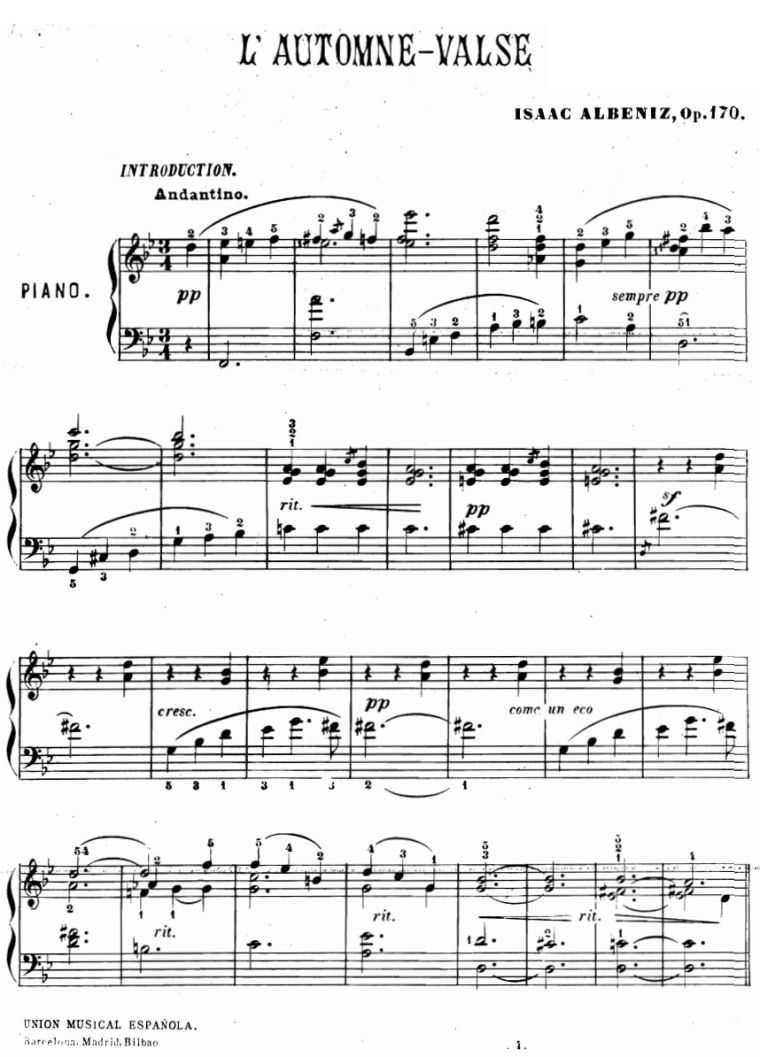
Isaac Albéniz (1860 - 1909): L’automne, valzer in sol minore per pianoforte op. 170 (1890). Rosa Antonelli.
Simon Bainbridge (30 agosto 1952 - 2021): Herbsttag / Autumn Day per doppio coro a cappella (1993) su testo di Rainer Maria Rilke nella traduzione inglese di James Blair Leishman. The Ionian Singers, dir. Timothy Salter.
|
Herr: es ist Zeit. Der Sommer war sehr groß Befiehl den letzten Früchten voll zu sein; Wer jetzt kein Haus hat, baut sich keines mehr. |
Lord, it is time. The summer was so great. Command the last fruits to incarnadine; He’ll not build now, who has no house awaiting. |


 la regina gioiosa