Twill by Twilight

Tōru Takemitsu (1930 - 1996): Twill by Twilight (In memory of Morton Feldman) per orchestra (1988). Tōkyō Metropolitan Symphony Orchestra, dir. Ryusuke Numajiri.

« In Twill by Twilight, the twill weave of the music takes effect by means of an extremely limited musical unit or what we might better call the musical principle which exists prior to the forming of the melody or the taking shape of the rhythm. Subtle variations in pastel colors express the moment just after sunset when twilight turns toward darkness. The work was commissioned by the Yomiuri Nippon Symphony Orchestra on the occasion of its 25th anniversary. It was composed as a fond reminiscence of a man who was both my friend and a unique composer, Morton Feldman, who died in 1987 » (Tōru Takemitsu).
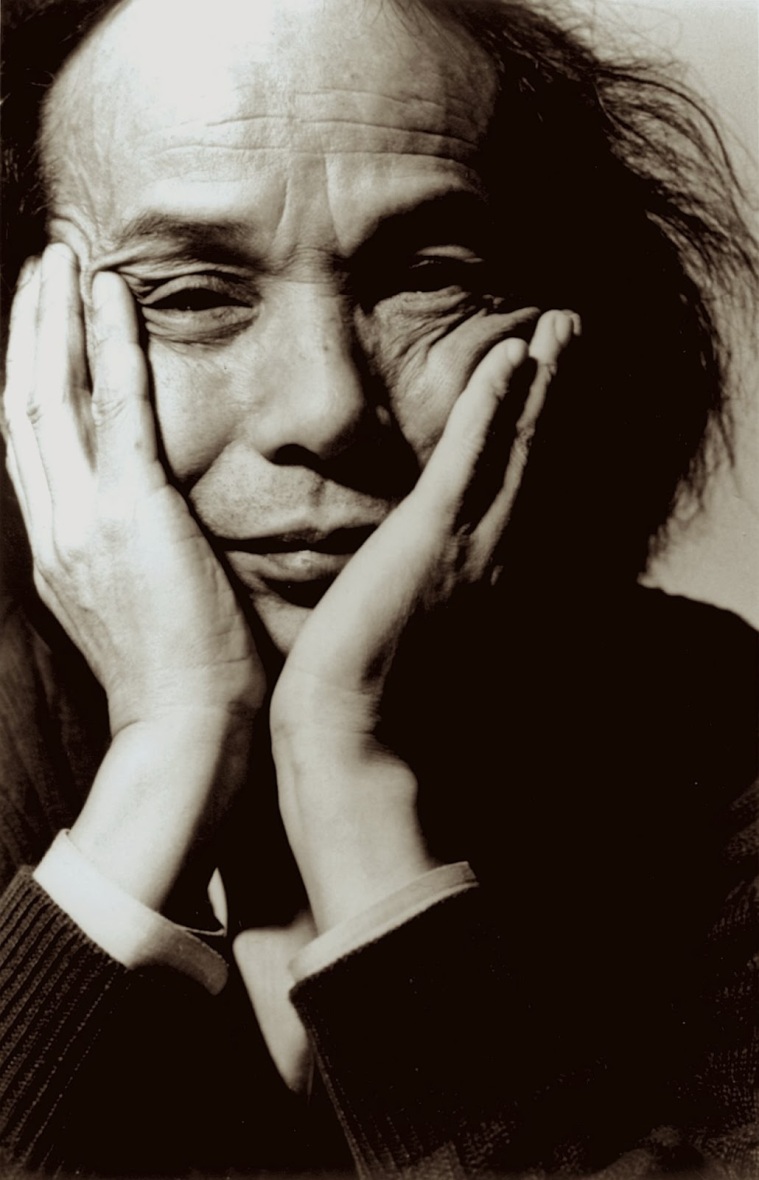
La sua musica fa cose strane con il tempo

Tōru Takemitsu (8 ottobre 1930 - 1996): リヴァラン – Riverrun per pianoforte e orchestra (1984). Noriko Ogawa, pianoforte; BBC Philharmonic Orchestra, dir. Juanjo Mena.
Il titolo del post di oggi mi è stato ispirato da un interessante articolo di Tom Service dedicato a Takemitsu.

TT

How slow the wind

Tōru Takemitsu (1930 - 20 febbraio 1996): How slow the wind (1991). Netanya Kibbutz Orchestra, dir. Yaron Gottfried. Video art di Yael Toren.
Ancora una composizione di Takemitsu ispirata da versi di Emily Dickinson:

How slow the Wind — how slow the Sea —
how late their Feathers be!

Čajkovskij: Le Stagioni – 10


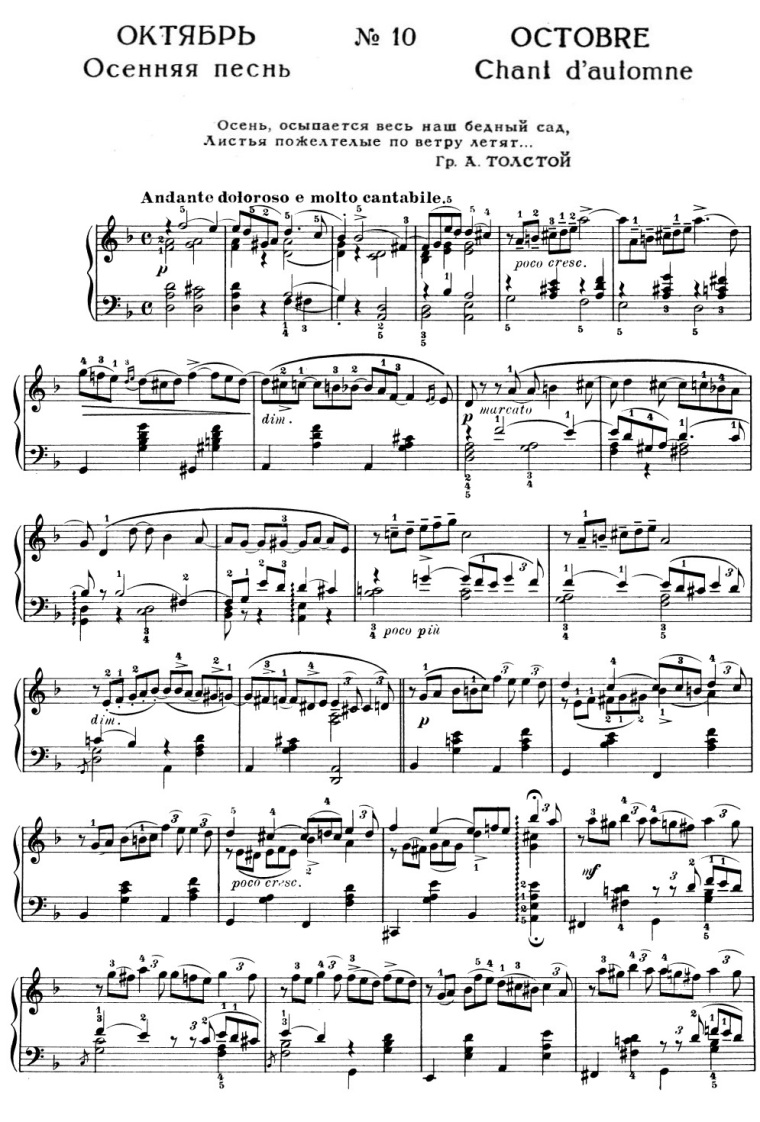
Pëtr Il’ič Čajkovskij (1840 - 1893): Времена года / Les Saisons op. 37a (1875-76), 10. Октябрь: Осенняя песнь / Octobre: Chant d’automne. Versione originale: Valentyna Lysycja, pianoforte. Trascrizione per orchestra di Aleksandr Gauk (1893 - 1963): Orchestra da camera di Mosca, dir. Constantine Orbelian.
Il dolente Canto autunnale fu pubblicato nell’ottobre 1876 sul periodico sanpietroburghese «Нувеллист» (Nuvellist), associato a versi di Aleksej Kostantinovič Tolstoj (1858):

Осень. Обсыпается весь наш бедный сад,
Листья пожелтелые по ветру летят…
Autunno. Si spoglia il nostro povero giardino,
foglie ingiallite che volano nel vento…


Di Octobre, indubbiamente uno dei «mesi» più famosi della raccolta, esistono vari adattamenti per strumenti diversi. Ecco come l’esegue sull’arpa Pauline Haas:


Il brano è stato trascritto per clarinetto e quartetto d’archi da Tōru Takemitsu (1930 - 1996). Rob Patterson, clarinetto; Hrabba Atladottir e Mathew Oshidam, violini; Elizabeth Prior, viola; Evgeny Tonkha, violoncello.

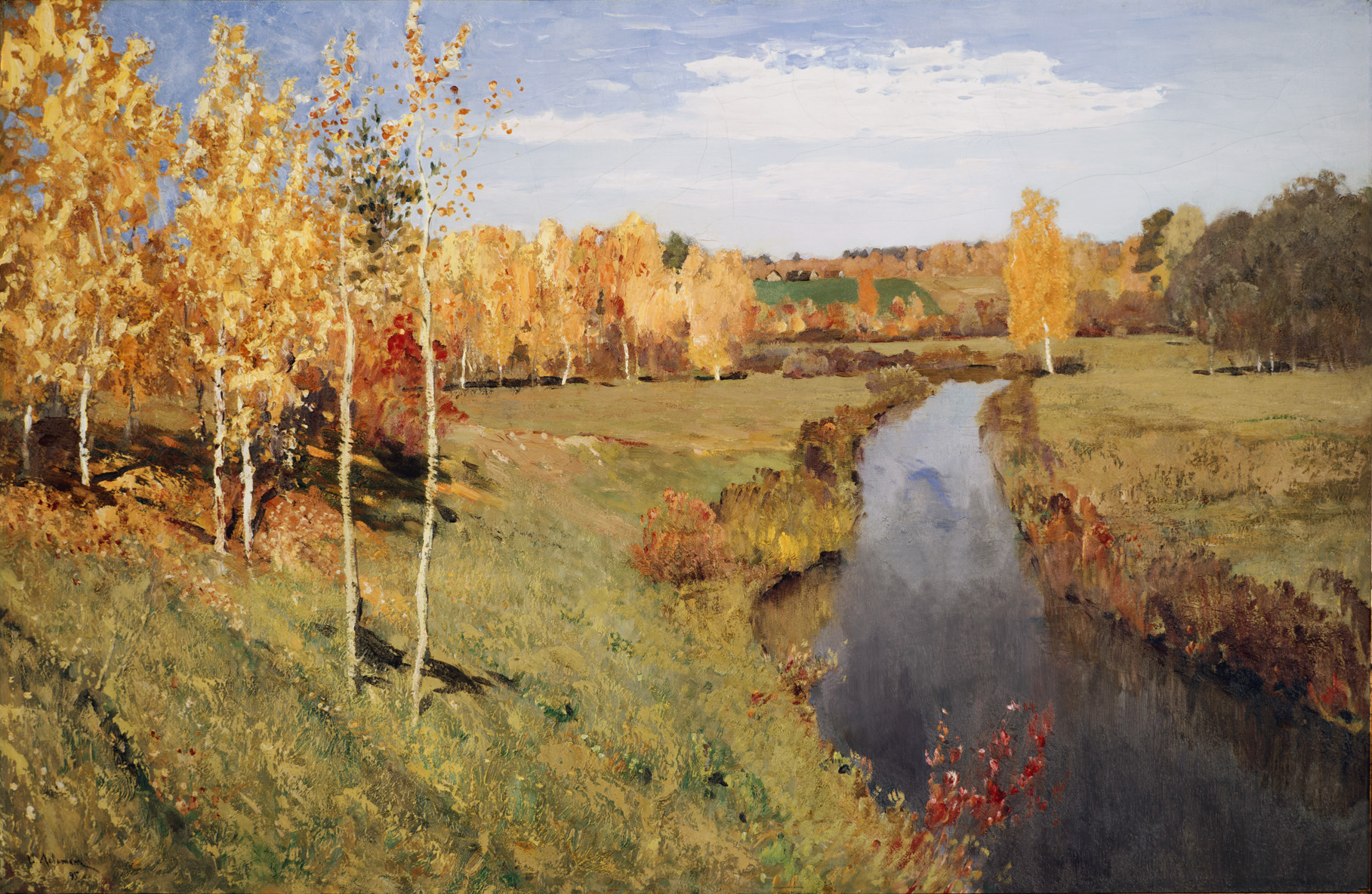
Levitan, Autunno dorato
Isaak Il’ič Levitan (1860-1900): Autunno dorato (1895)

Autunno – VIII

Tōru Takemitsu (1930 - 1996): In an Autumn Garden per orchestra gagaku (1973-79). Kunaichō Gakubu.

Il gagaku è una tradizione musicale giapponese propria della corte imperiale di Kyōto; introdotta in Giappone dalla Cina nel VI secolo, divenne ufficiale circa duecento anni più tardi. L’orchestra gagaku comprende strumenti a fiato (ryūteki o in alternativa komabue, flauti traversi; hichiriki, oboe; shō, organo a bocca), a corda (biwa, liuto; gakusō e yamatogoto, cetre; kugo, arpa angolare) e a percussione (gong e tamburi di varie dimensioni).