
 Johann Gottlieb Graun (28 ottobre 1703 - 27 ottobre 1771): Concerto in la maggiore per viola da gamba e archi. Vittorio Ghielmi, viola da gamba; Wiener Akademie, dir. Martin Haselböck.
I. Allegretto
II. Adagio
III. Allegro
Johann Gottlieb Graun (28 ottobre 1703 - 27 ottobre 1771): Concerto in la maggiore per viola da gamba e archi. Vittorio Ghielmi, viola da gamba; Wiener Akademie, dir. Martin Haselböck.
I. Allegretto
II. Adagio
III. Allegro
Johann Gottlieb Graun (28 ottobre 1703 - 27 ottobre 1771): Concerto in sol minore per oboe, archi e basso continuo. Heinz Holliger, oboe; Camerata Bern, dir. Alexander van Wijnkoop.

Dominick Argento (27 ottobre 1927 - 2019): Six Elizabethan Songs (1958). Barbara Bonney, soprano; André Previn, pianoforte.
Spring (Thomas Nashe, 1567-1601: da Summer’s Last Will and Testament, 1592)
Spring, the sweet Spring, is the year’s pleasant king;
Then blooms each thing, then maids dance in a ring,
Cold doth not sting, the pretty birds do sing,
Cuckoo, jug-jug, pu-we, to-witta-woo!
The palm and may make country houses gay,
Lambs frisk and play, the shepherd pipes all day,
And we hear aye birds tune this merry lay,
Cuckoo, jug-jug, pu-we, to-witta-woo!
The fields breathe sweet, the daisies kiss our feet,
Young lovers meet, old wives a-sunning sit,
In every street these tunes our ears do greet,
Cuckoo, jug-jug, pu-we, to-witta-woo!
Spring! The sweet Spring!
Sleep (Samuel Daniel, 1562-1619: da Delia, 1592)
Care-charmer Sleep, son of the sable Night,
Brother to Death, in silent darkness born,
Relieve my anguish and restore thy light,
With dark forgetting of my cares, return;
And let the day be time enough to mourn
The shipwreck of my ill-adventur’d youth:
Let waking eyes suffice to wail their scorn,
Without the torment of the night’s untruth.
Cease, dreams, th’ images of day-desires
To model forth the passions of the morrow;
Never let rising sun approve you liars,
To add more grief to aggravate my sorrow.
Still let me sleep, embracing clouds in vain;
And never wake to feel the day’s disdain.
Winter (William Shakespeare, 1564-1616: da Love’s Labour’s Lost V/2, 1597)
When icicles hang by the wall
And Dick the shepherd blows his nail,
And Tom bears logs into the hall,
And milk comes frozen home in pail;
When blood is nipt and ways be foul,
Then nightly sings the staring owl:
Tu-who!
Tu-whit! Tu-who! — A merry note!
While greasy Joan doth keel the pot.
When all aloud the wind doth blow,
And coughing drowns the parson’s saw,
And birds sit brooding in the snow,
And Marian’s nose looks red and raw;
When roasted crabs hiss in the bowl
Then nightly sings the staring owl:
Tu-who!
Tu-whit! Tu-who! — A merry note!
While greasy Joan doth keel the pot.
Dirge (Shakespeare: da Twelfth Night II/4, 1602)
Come away, come away, death,
And in sad cypress let me be laid;
Fly away, fly away, breath;
I am slain by a fair cruel maid.
My shroud of white, stuck all with yew,
O prepare it!
My part of death, no one so true
Did share it.
Not a flower, not a flower sweet,
On my black coffin let there be strown;
Not a friend, not a friend greet
My poor corpse, where my bones shall be thrown:
[A thousand, thousand sighs to save,]
Lay me, O where
Sad true lover never find my grave,
To weep there!
Diaphenia (Henry Constable, 1562-1613: Damelus’ Song to his Diaphenia, c1600)
Diaphenia, like the daffadowndilly,
White as the sun, fair as the lily,
Heigh ho, how I do love thee!
I do love thee as my lambs
Are belovèd of their dams:
How blest were I if thou would’st prove me.
Diaphenia, like the spreading roses,
That in thy sweets all sweets encloses,
Fair sweet, how I do love thee!
I do love thee as each flower
Loves the sun’s life-giving power;
For dead, thy breath to life might move me.
Diaphenia, like to all things blessèd,
When all thy praises are expressèd,
Dear joy, how I do love thee!
As the birds do love the spring,
Or the bees their careful king, —
Then in requite, sweet virgin, love me!
Hymn (Ben Jonson, 1572-1637: Hymn to Diana)
Queen and huntress, chaste and fair,
Now the sun is laid to sleep,
Seated in thy silver chair,
State in wonted manner keep:
Hesperus entreats thy light,
Goddess excellently bright.
Earth, let not thy envious shade
Dare itself to interpose;
Cynthia’s shining orb was made
Heav’n to clear when day did close;
Bless us then with wishèd sight,
Goddess excellently bright.
Lay thy bow of pearl apart,
And thy crystal shining quiver;
Give unto the flying hart
Space to breathe, how short so-ever:
Thou that mak’st a day of night,
Goddess excellently bright.
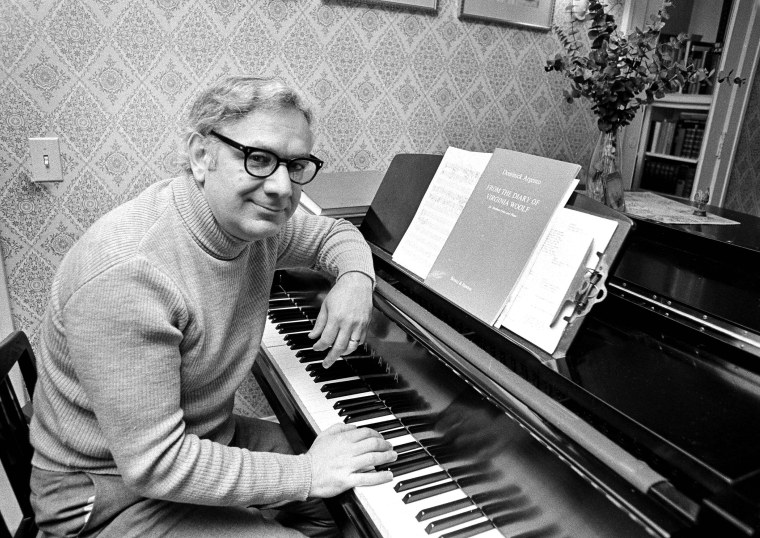
Conlon Nancarrow (27 ottobre 1912 - 1997): Study for Player Piano No. 21 (Canon X; 1961). Pianoforte automatico Ampico Bösendorfer di Jürgen Hocker, dedicatario della composizione.

Andrzej Panufnik (1914 - 27 ottobre 1991): Sinfonia n. 1, Rustica (1948, rev. 1955). Polska Orkiestra Radiowa, dir. Łukasz Borowicz.

Niccolò Paganini (27 ottobre 1782 - 1840): Concerto n. 1 in re maggiore per violino e orchestra op. 6 (1815). Hilary Hahn, violino; Sveriges Radios Symfoniorkester, dir. Eije Oue.

Stefano Golinelli (26 ottobre 1818 - 1891): La danza dei vampiri, scherzo per pianoforte op. 52. Realizzazione MIDI.
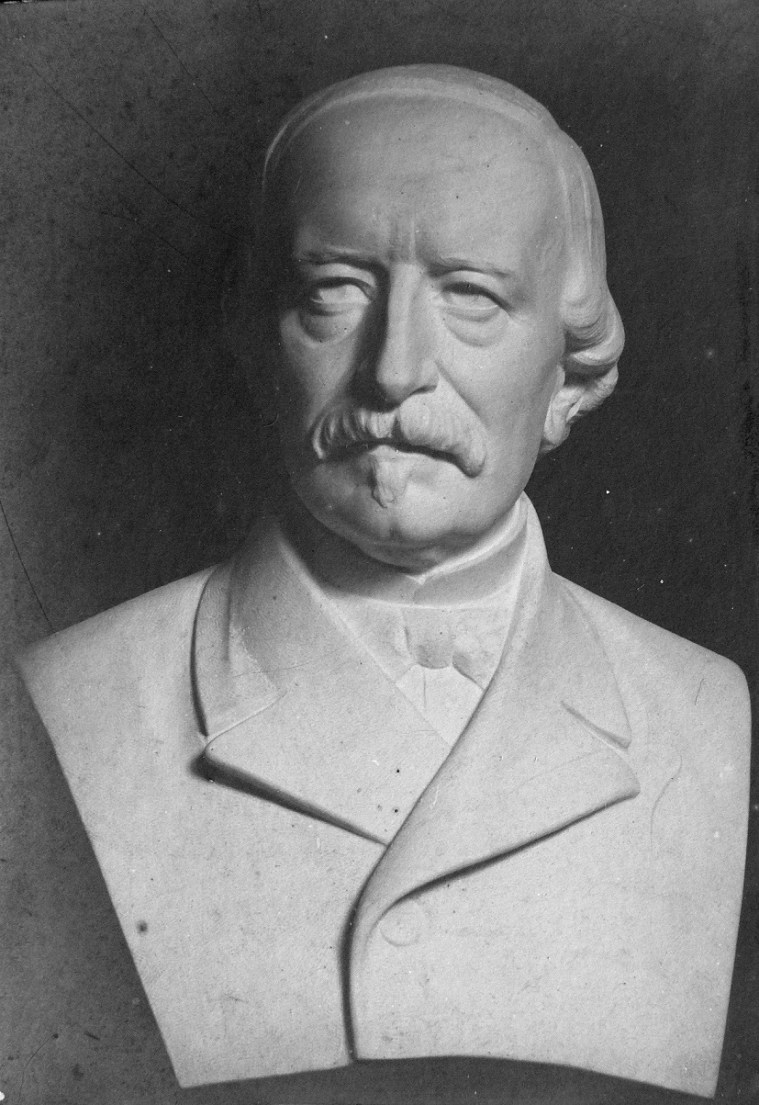
Herman Strategier (1912 - 26 ottobre 1988): Partita in modi antichi per orchestra (1954). Nederlands Radio Kamer Filharmonie, dir. Henk Spruit.
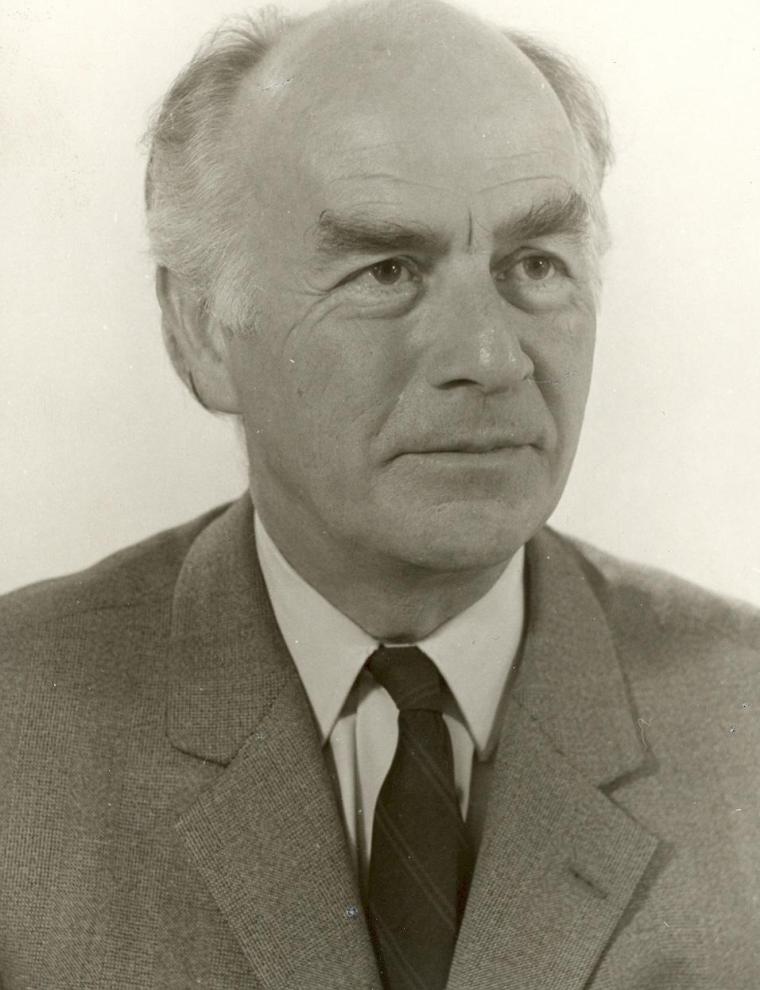
Hans Leo Hassler von Roseneck (26 ottobre 1564 - 1612): Verbum caro factum est, mottetto a 6 voci (pubblicato in Cantiones sacrae, 1591, n. 30). The Exon Singers.
Verbum caro factum est
et habitavit in nobis.
Et vidimus gloriam ejus,
gloriam quasi Unigeniti a patre,
plenum gratiae et veritatis.

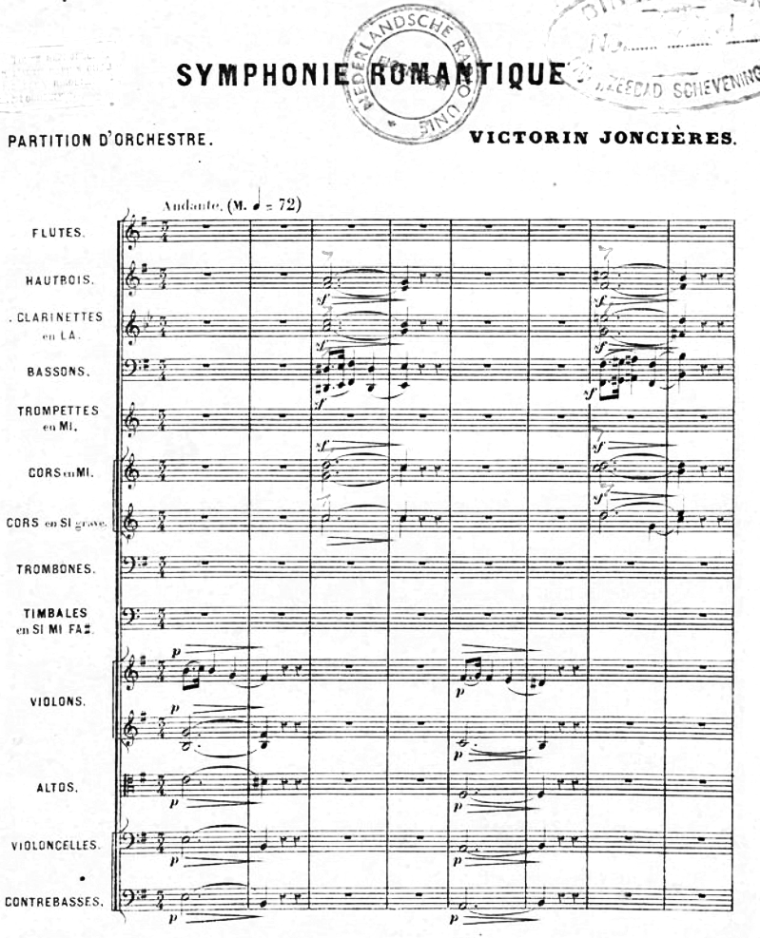
Victorin (de) Joncières (pseudonimo di Félix-Ludger Rossignol; 1839 - 26 ottobre 1903): Symphonie romantique in mi minore (1873). Interpreti non identificati.
Howard Hanson (26 ottobre 1896 - 1981): Sinfonia n. 1 in mi minore op. 22, Nordica (1922). Seattle Symphony Orchestra, dir. Gerard Schwarz.

Domenico Scarlatti (26 ottobre 1685 - 1757): Sonata in re maggiore K 29. Gianandrea Pauletta, clavicembalo.

Louis-Nicolas Clérambault (1676 - 26 ottobre 1749): Suite du Premier Ton (dal Premier Livre d’Orgue, 1710). Loek Jehee all’organo della Concathédrale Notre-Dame-du-Bourguet in Forcalquier (Alpes-de-Haute-Provence).

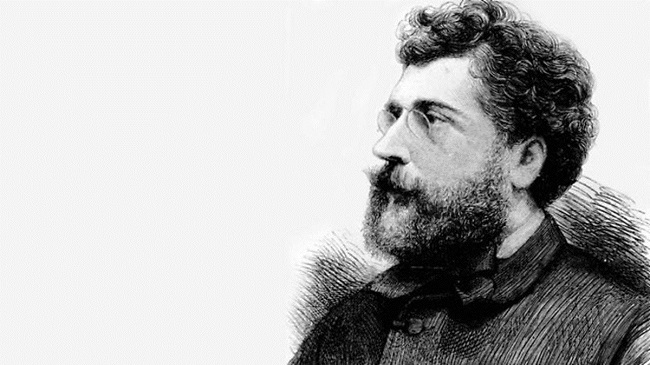
Georges Bizet (25 ottobre 1838 - 1875): Jeux d’enfants, 12 pezzi per pianoforte a 4 mani op. 22 (1871). Alfons e Aloys Kontarsky.
Bizet: Petite suite (trascrizione per orchestra dei Jeux d’enfants n. VI, III, II, XI e XII). Philharmonia Orchestra, dir. sir Adrian Boult (in concerto, 1964).
 Jean Rogister (25 ottobre 1879 - 1964): Concerto in la maggiore per viola e orchestra (1914). Thérèse-Marie Gilissen, viola; Orchestra sinfonica di Pécs, dir. Marc Trautmann.
 Sergej Ėduardovič Bortkevič (1877 - 25 ottobre 1952): Esquisses de Crimée per pianoforte op. 8 (1908). Pavel Gintov.
Cemal Reşit Rey (25 ottobre 1904 - 7 ottobre 1985): Enstantaneler, «impressioni sinfoniche» (1931). Magyar Állami Hangversenyzenekar (Orchestra sinfonica di Stato ungherese), dir. Cem Mansur.
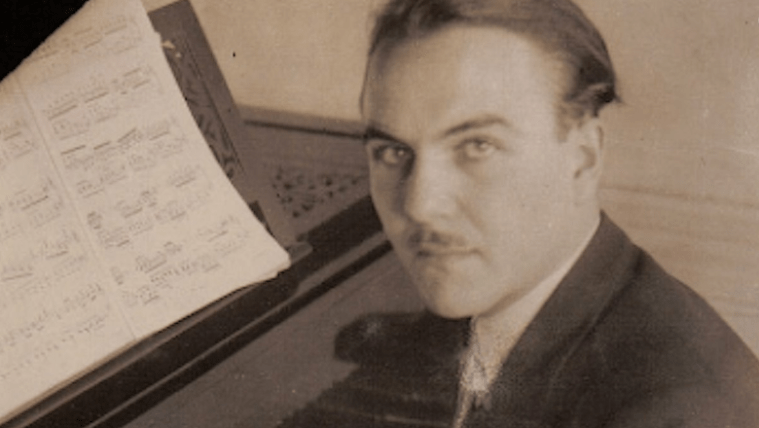
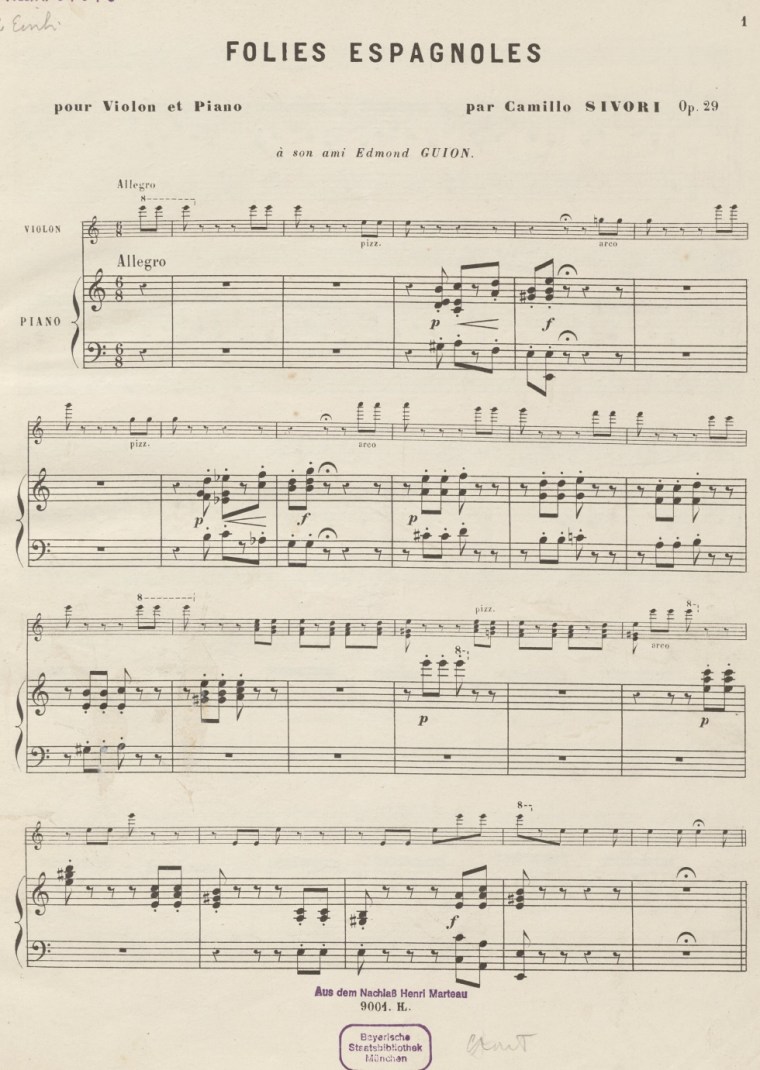
Camillo Sivori (25 ottobre 1815 - 1894): Folies espagnoles per violino e pianoforte op. 29. Fulvio Luciani, violino; Massimiliano Motterle, pianoforte.
Manuel Manrique de Lara (24 ottobre 1863 - 1929): La Orestiada, trilogia sinfonica (1890). Orquesta Filarmónica de Málaga, dir. José Luis Temes.

Pierre Sancan (24 ottobre 1916 - 20 ottobre 2008): Sonatina per flauto e pianoforte (1946). Claude Regimbald, flauto; Claude Webster, pianoforte.

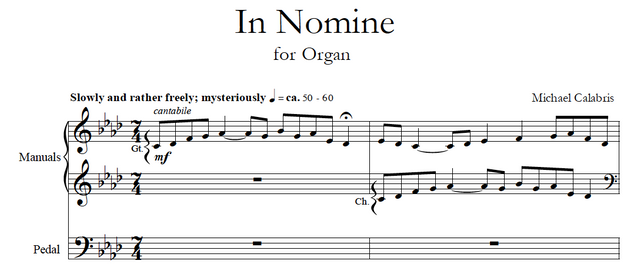
Michael Calabris (1984): In nomine per organo (2015). Carson Cooman.
Petr Eben (1929 - 24 ottobre 2007): Hommage à Dietrich Buxtehude, Toccatenfuge (1987). Pier Damiano Peretti all’organo Zanin (1999) della Chiesa parrocchiale di Santa Maria Addolorata in Selva di Fasano (Brindisi).

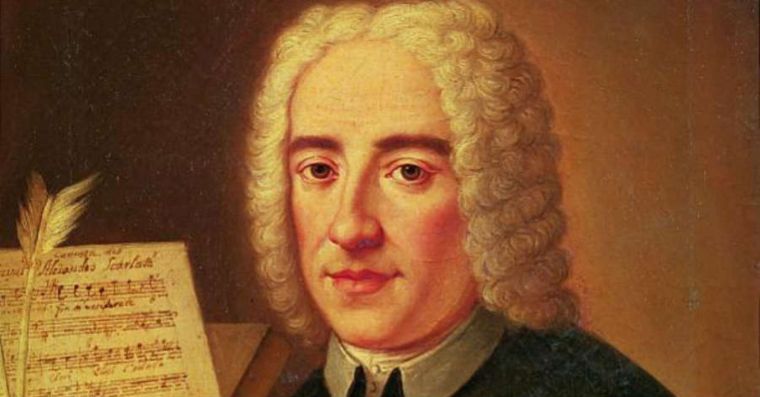
Alessandro Scarlatti (1660 - 24 ottobre 1725): Toccata per cembalo d’ottava stesa (1723). Andrea Marcon.

Alessandro Scarlatti (1660 - 24 ottobre 1725): Concerto grosso n. 3 in fa maggiore. Accademia Bizantina, dir. Ottavio Dantone.
Carlo Filago (1589 - 23 ottobre 1644): Quam pulchra es, amica mea, mottetto «a doi canti» (pubblicato in Sacrarum cantionum Liber Tertius, 1619). Instrumenta Musica, dir. Ercole Nisini.
Quam pulchra es, amica mea,
columba mea, immaculata mea
et odor vestimentorum super omnia aromata.
Alleluia.

Orlando Gibbons (1583 - 1625): In nomine a 5. Philip Jones Brass Ensemble.

Toshio Hosokawa (23 ottobre 1955): Landscape I per quartetto d’archi (1992). Arditti Quartet.

 Albert Lortzing (23 ottobre 1801 - 1851): Konzertstück in mi maggiore per corno e orchestra. Peter Damm, corno; Staatskapelle Dresden, dir. Siegfried Kurz.
Il brano, in un unico movimento, si articola nelle seguenti sezioni: Andante – Variazioni – Poco più lento – Allegretto – Tempo I – Allegretto – Cadenza – Tempo I.
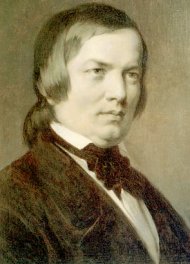 Robert Schumann (1810 - 1956): Konzertstück per 4 corni e orchestra op. 86 (1849). Roger Montgomery, Gavin Edwards, Susan Dent e Robert Maskell, corni; Orchestre révolutionnaire et romantique, dir. John Eliot Gardiner.
Lebhaft – Romanze [7:03] – Sehr Lebhaft [12:01]
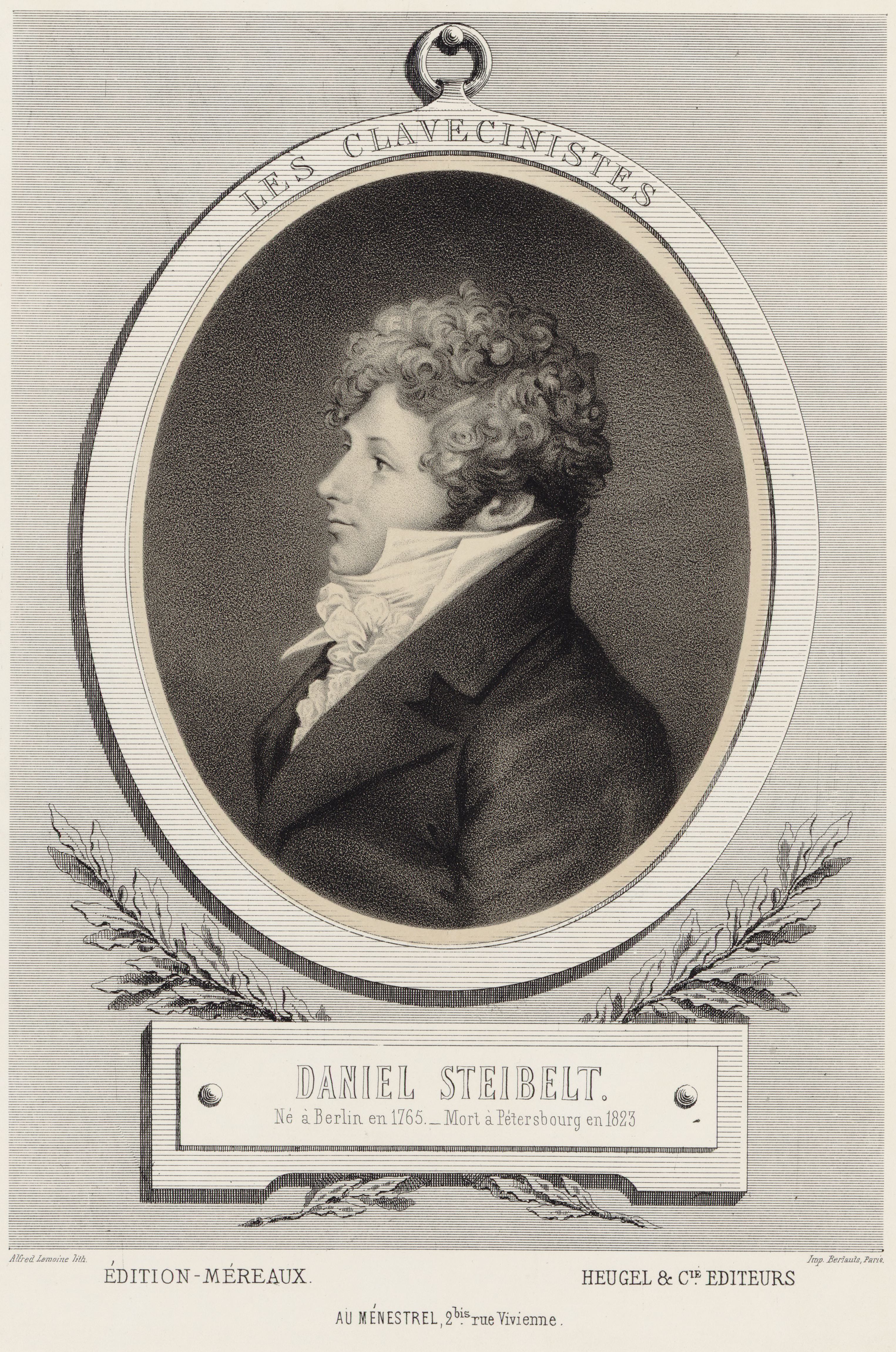
Daniel Steibelt (22 ottobre 1765 - 2 ottobre 1823): Concerto per arpa e orchestra (1807). Masumi Nagasawa, arpa; Kölner Akademie, dir. Michael Alexander Willens.
Franz Liszt (22 ottobre 1811 - 1886): Feuille d’album n. 2 S. 534/2bis (1849). Clemens Muller, pianoforte.
Si tratta della terza versione di una terza versione. All’origine vi è un Lied su testo di Felix Lichnowsky, intitolato Die Zelle im Nonnenwerth (S. 274/1, del 1841); la sua 3ª versione fu redatta nel 1845 con testo tradotto in francese da Étienne Monnier e il titolo di Élégie (S. 301b/2); della trascrizione per pianoforte di quel brano, questa è appunto la 3ª versione.

Franz Liszt: Die Zelle im Nonnenwerth (Élégie) per violoncello e pianoforte S. 382 (c1883; trascrizione della 2ª versione del Lied di cui sopra). János Fejérvári, violoncello; Zoltán Fejérvári, pianoforte.


 la regina gioiosa