Valerij Viktorovič Želobinskij (1913 - 13 agosto 1946): 12 Canti senza parole per pianoforte op. 35 (pubblicati postumi nel 1948). Esegue lo youtuber Gamma1734, matematico di professione e pianista-divulgatore per passione.
Jules Massenet (1842 - 13 agosto 1912): Suite sinfonica n. 7, Scènes alsaciennes (Souvenirs) (1882). Orchestre de la Société des Concerts du Conservatoire, dir. Albert Wolff.
Dimanche matin: Allegretto moderato – Andante religioso – Tempo I
Au cabaret: Allegro – Allegro moderato assai – Tempo I
Sous les tilleuls: Adagio sostenuto
Dimanche soir: Allegro moderato – Retraite française: Allegro moderato – Adagio – Tempo I – Allegro
Nella Retraite française suonano «à l’extérieur» (dietro le quinte) una tromba da segnali, un tamburo militare e una campana.
Per comprendere il significato della parola souvenirs (ricordi) nel sottotitolo, giova rammentare che, all’epoca in cui questa suite fu composta, l’Alsazia non era territorio francese: a seguito della sconfitta nella guerra del 1870 (cui Massenet aveva preso parte come volontario nella Guardia nazionale), la Francia era stata costretta a cedere Alsazia e Lorena al regno di Prussia (trattato di Francoforte, 1871); le due regioni furono restituite alla Francia dopo la prima guerra mondiale (trattato di Versailles, 1919).
André Jolivet (8 agosto 1905 - 1974): Trois Poèmes per onde Martenot e pianoforte (1935). Jeanne Loriod, onde Martenot; Yvonne Loriod, pianoforte.
Sérimpie
Ondes
Chant d’oppression
«Sérimpie» è una trascrizione del brano «La Princesse de Bali», n. 3 della suite Mana, 6 pezzi per pianoforte composti da Jolivet nello stesso anno. Prende nome da una danza di corte giavanese (srimpi) di andamento assai lento.
«Ondes» è una trascrizione del II movimento della Sonata per violino e pianoforte, del 1932.
«Chant d’oppression» era stato originariamente concepito per viola.
Philipp Jarnach (26 luglio 1892 - 1982): Das Amrumer Tagebuch, tre pezzi per pianoforte op. 30 (1940-42). Esegue l’autore.
A Amrum, una delle isole Frisone Settentrionali, Jarnach aveva soggiornato nel 1939 insieme con la moglie Elisabeth (dedicataria della composizione) durante il viaggio di nozze.
Pëtr Il’ič Čajkovskij (1840 - 1893): Времена года / Les Saisons op. 37a (1875-76), 7. Июль: Песня косаря / Juillet: Chant du faucheur. Versione originale: Valentyna Lysycja, pianoforte. Trascrizione per orchestra di Aleksandr Gauk (1893 - 1963): Orchestra da camera di Mosca, dir. Constantine Orbelian.
Sul periodico sanpietroburghese «Нувеллист» (Nuvellist), ove il brano fu originariamente pubblicato nel luglio 1876, questo Chant du faucheur venne associato a versi di Aleksej Vasil’evič Kol’cov (da Косарь, Il falciatore, 1836):
Раззудись, плечо!
Размахнись, рука!
Ты пахни в лицо,
Ветер с полудня!
Distenditi, spalla!
Slànciati, braccio!
Soffiami in faccia,
vento del Sud!
P.D.Q. Bach (alias Peter Schickele; 17 luglio 1935 - 2024): Grand Serenade for an Awful Lot of Winds and Percussion (1992). Turtle Mountain Naval Base Tactical Wind Ensemble, dir. Peter Schickele.
Grand Entrance
Simply Grand Minuet
Romance in the Grand Manner
Rondo Mucho Grando
Grand Entrance : la solennità un po’ statica, severa ma non seria, del I movimento è punteggiata dai versi di alcuni pennuti che incautamente si sono introdotti nell’auditorium; non vorrei dirlo, ma… insomma… peggio per loro. Simply Grand Minuet : in questo minuetto reboante la banda si fa accompagnare dal suono di ance e bocchini staccati dai rispettivi aerofoni; l’effetto nel complesso ricorda un po’ i richiami da caccia: forse i suonatori vorrebbero catturare altri volatili da sacrificare sull’altare di P.D.Q. Romance in the Grand Manner : in sostanza è una suggestiva armonizzazione di Old Folks at Home ovvero Swanee River, celeberrimo minstrel song composto da Stephen Foster nel 1851. Rondo Mucho Grando : il brano più esteso della suite è introdotto da un triplice rullo di timpano e tamburo militare, che si risolve in uno spaventoso crasho grosso quando l’armamentario delle percussioni rovina (fortuitamente?) a terra. Il tema principale del rondò, semplice e orecchiabile (più o meno), s’incrocia di continuo con segnali militari (carica!), con la fanfara che all’ippodromo annuncia l’inizio delle corse e con suggestioni blues. La sezione centrale si apre con una citazione di You Gotta Be a Football Hero, subito metamorfizzato nel tema iniziale del Quartetto n. 7 (op. 59 n. 1) di Beethoven. Una sirena sancisce la fine delle ostilità.
Grand Entrance: in his static solemnity, stern but not serious, the 1st movement is dotted by the cries of some birds who recklessly entered the auditorium; I don’t want to say it, but– well– worse for them. Simply Grand Minuet: playing this booming minuet the band is accompanied by reeds and mouthpieces detached from their respective aerophones; the overall effect is somewhat reminiscent of hunting calls: maybe our players would like to capture other birds to be sacrificed on the altar of P.D.Q. Romance in the Grand Manner: it substantially is a suggestive harmonization of Old Folks at Home or Swanee River, a famous minstrel song composed by Stephen Foster in 1851. Rondo Mucho Grando: the most extensive movement of the Serenade is introduced by a triple roll performed by timpani and snare drum, which results in a frightening crasho grosso when all the percussion instruments fall (fortuitously?) to the ground. The main theme of the Rondo, (almost) simple and catchy, constantly intersects with military signals (charge!), the fanfare that announces the start of races at the hippodrome and bluesy tones. The middle section opens with a quote from You Gotta Be a Football Hero, which is immediately metamorphosed into the first theme of Beethoven’s Quartet no. 7 (op. 59 n. 1). A siren marks the end of hostilities.
Ernest Bloch (24 luglio 1880 - 15 luglio 1959): Suite hébraïque per viola e orchestra (1951). Gérard Caussé, viola; Orchestre de la Suisse Romande, dir. Lior Shambadal.
Leoš Janáček (3 luglio 1854 - 1928): Suita (o Serenada) per orchestra op. 3 (1891). Janáčkova filharmonie Ostrava, dir. Otakar Trhlík.
Con moto [0:07]
Adagio [3:16]
Allegretto [10:05]
Con moto [12:44]
Appassionato studioso delle tradizioni musicali della propria terra, Janáček ne adotta gli elementi caratteristici — come per esempio le formule ripetitive — in varie composizioni. Il delizioso Allegretto della Suita op. 3 era già stato inserito, come II movimento, con strumentazione leggermente diversa, nella serie delle Danze dei lachi (1889).
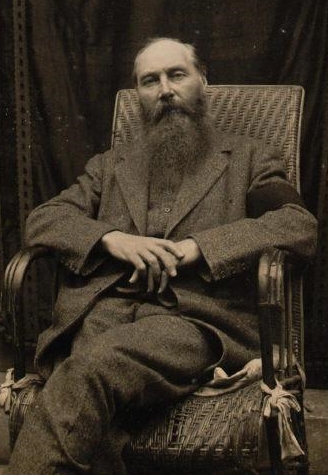
Leoš Janáček con la moglie Zdenka Schulzová nel 1881.
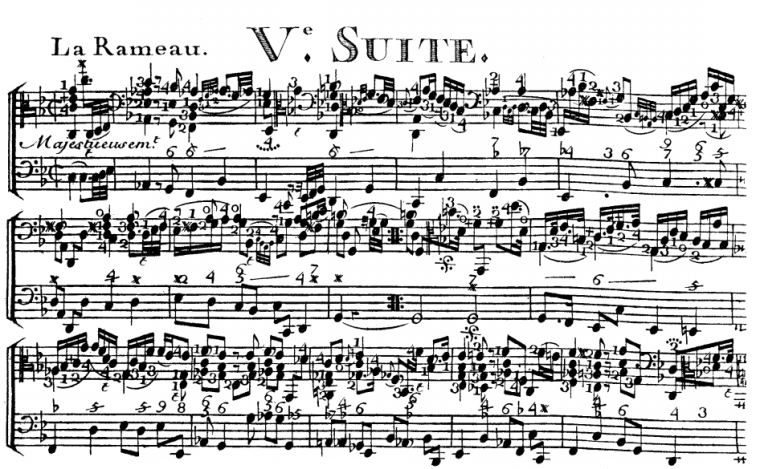
Antoine Forqueray (1672 - 28 giugno 1745): Suite in do minore per viola da gamba e basso continuo, n. 5 della raccolta di Pièces de viole pubblicata postuma dal figlio Jean-Baptiste nel 1747. Sigiswald Kuijken, viola da gamba principale; Wieland Kuijken (viola da gamba) e Gustav Leonhardt (clavicembalo), basso continuo.
Pëtr Il’ič Čajkovskij (1840 - 1893): Времена года / Les Saisons op. 37a (1875-76), 6. Июнь: Баркарола / Juin: Barcarolle. Versione originale: Valentyna Lysycja, pianoforte. Trascrizione per orchestra di Aleksandr Gauk (1893 - 1963): Orchestra da camera di Mosca, dir. Constantine Orbelian.
Originariamente il brano fu pubblicato sul periodico sanpietroburghese «Нувеллист» (Nuvellist) nel giugno 1876, associato a una quartina di Aleksej Nikolaevič Pleščeev:
Выйдем на берег, там волны
Ноги нам будут лобзать.
Звезды с таинственной грустью
Будут над нами сиять.
Andiamo a riva, dove le onde
baceranno i nostri piedi.
Le stelle, con misteriosa tristezza,
brilleranno su di noi.
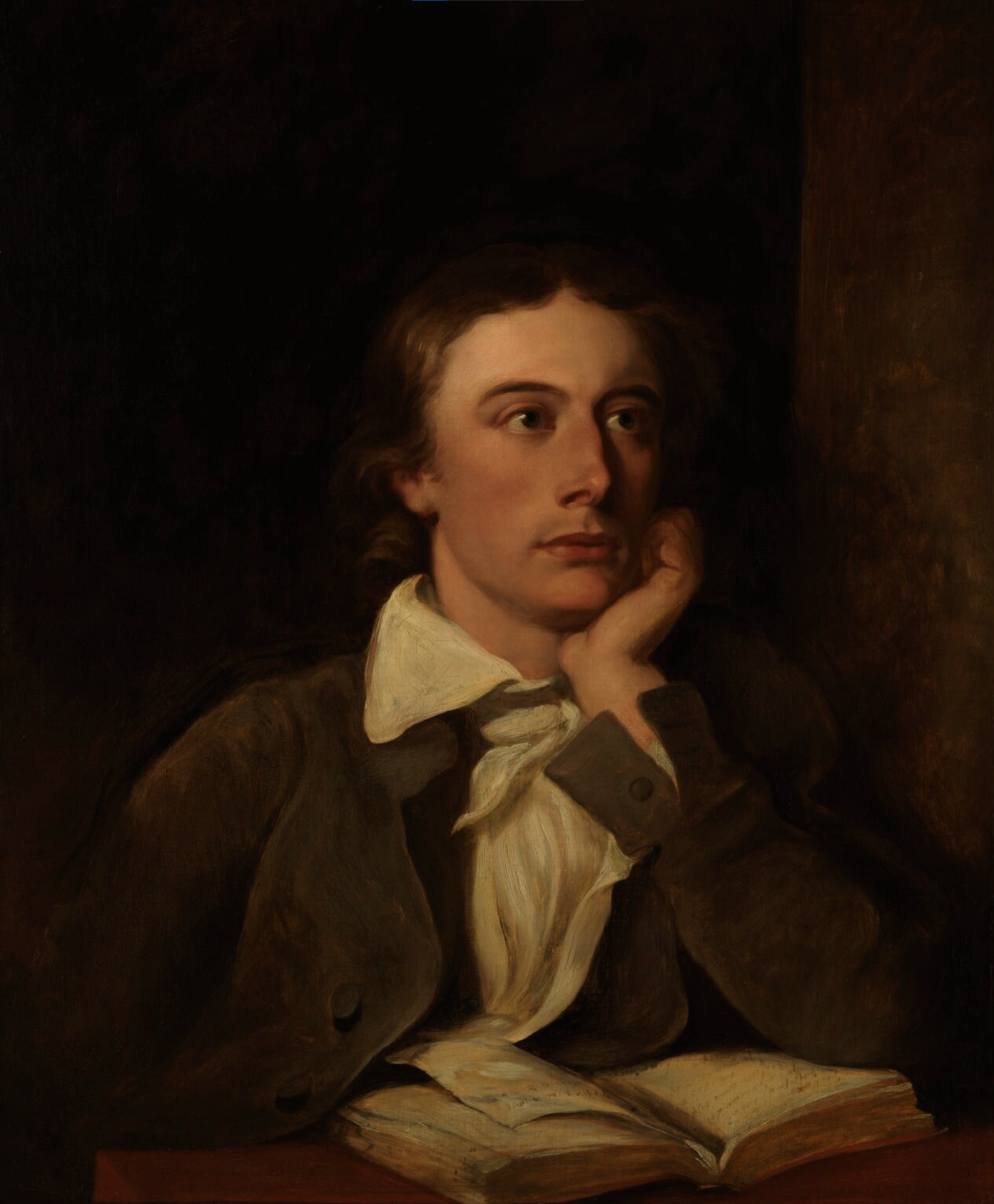
Miriam Gideon (1906 - 18 giugno1996): Of Shadows Numberless, suite per pianoforte (1966) ispirata dall’Ode to a Nightingale di John Keats. Paula Ennis-Dwyer.
Allegretto: « …magic casements opening on seas of perilous foam »
Animato: « …the blushful Hippocrene » [1:50]
Ritornelle: « …magic casements opening » [3:17]
Presto: « …the murmurous haunt of flies on summer eves » [3:55]
Tranquillamente: « …white hawthorne and the pastoral eglantine » [5:57]
Moderato: « …Adieu! Thy plaintive anthem fades past the near meadows » [9:27]
John Keats
Ode to a Nightingale
My heart aches, and a drowsy numbness pains
My sense, as though of hemlock I had drunk,
Or emptied some dull opiate to the drains
One minute past, and Lethe-wards had sunk:
‘Tis not through envy of thy happy lot,
But being too happy in thy happiness,—
That thou, light-wingèd Dryad of the trees,
In some melodious plot
Of beechen green, and shadows numberless,
Singest of summer in full-throated ease.
Oh for a draught of vintage! that hath been
Cool’d a long age in the deep-delvèd earth,
Tasting of Flora and the country green,
Dance, and Provençal song, and sunburnt mirth!
Oh for a beaker full of the warm South,
Full of the true, the blushful Hippocrene,
With beaded bubbles winking at the brim,
And purple-stainèd mouth;
That I might drink, and leave the world unseen,
And with thee fade away into the forest dim:
Fade far away, dissolve, and quite forget
What thou among the leaves hast never known,
The weariness, the fever, and the fret
Here, where men sit and hear each other groan;
Where palsy shakes a few, sad, last gray hairs,
Where youth grows pale, and spectre-thin, and dies
Where but to think is to be full of sorrow
And leaden-eyed despairs;
Where Beauty cannot keep her lustrous eyes,
Or new Love pine at them beyond to-morrow.
Away! away! for I will fly to thee,
Not charioted by Bacchus and his pards,
But on the viewless wings of Poesy,
Though the dull brain perplexes and retards:
Already with thee! tender is the night,
And haply the Queen-Moon is on her throne,
Cluster’d around by all her starry Fays;
But here there is no light,
Save what from heaven is with the breezes blown
Through verdurous glooms and winding mossy ways.
I cannot see what flowers are at my feet,
Nor what soft incense hangs upon the boughs,
But, in embalmèd darkness, guess each sweet
Wherewith the seasonable month endows
The grass, the thicket, and the fruit-tree wild;
White hawthorn, and the pastoral eglantine;
Fast-fading violets cover’d up in leaves;
And mid-May’s eldest child,
The coming musk-rose, full of dewy wine,
The murmurous haunt of flies on summer eves.
Darkling I listen; and for many a time
I have been half in love with easeful Death,
Call’d him soft names in many a musèd rhyme,
To take into the air my quiet breath;
Now more than ever seems it rich to die,
To cease upon the midnight with no pain,
While thou art pouring forth thy soul abroad
In such an ecstasy!
Still wouldst thou sing, and I have ears in vain—
To thy high requiem become a sod.
Thou wast not born for death, immortal Bird!
No hungry generations tread thee down;
The voice I hear this passing night was heard
In ancient days by emperor and clown:
Perhaps the selfsame song that found a path
Through the sad heart of Ruth, when, sick for home
She stood in tears amid the alien corn;
The same that ofttimes hath
Charm’d magic casements, opening on the foam
Of perilous seas, in faery lands forlorn.
Forlorn! the very word is like a bell
To toll me back from thee to my sole self.
Adieu! the Fancy cannot cheat so well
As she is famed to do, deceiving elf.
Adieu! adieu! thy plaintive anthem fades
Past the near meadows, over the still stream,
Up the hillside; and now ‘tis buried deep
In the next valley-glades.
Was it a vision, or a waking dream?
Fled is that music:—do I wake or sleep?
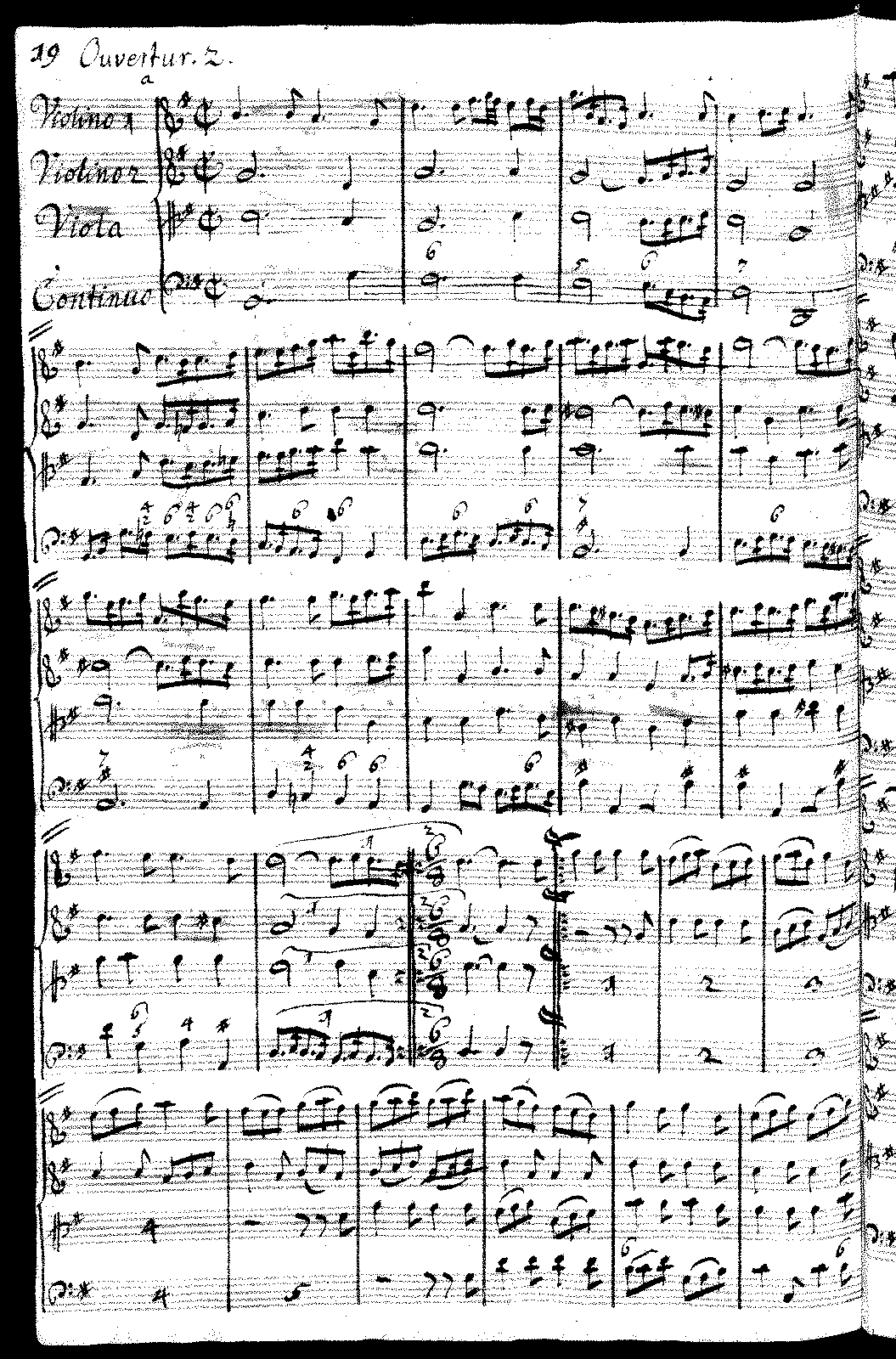
Johann Bernhard Bach (1676 – 11 giugno 1749): Ouverture (Suite) per orchestra n. 2 in sol maggiore. L’Achéron, dir. François Joubert-Caillet.
Ouverture
Gavotte en rondeau [3:11]
Sarabande [4:54]
Bourrée [6:48]
Air [8:03]
Menuet [13:42]
Gigue [14:33]
Organista a Erfurt, a Magdeburgo e infine a Eisenach, dove fu anche clavicembalista di corte del duca Giovanni Guglielmo di Sassonia-Eisenach, Johann Bernhard Bach era un cugino di secondo grado di Johann Sebastian.
Laurent Petitgirard (10 giugno 1950): Les brumes de maigret, suite sinfonica. Orchestre Philharmonique de Monte-Carlo diretto dall’autore.
Antologia delle musiche composte da Petitgirard per la serie televisiva Maigret (1991, protagonista Bruno Cremer), tratta dai romanzi di Simenon.
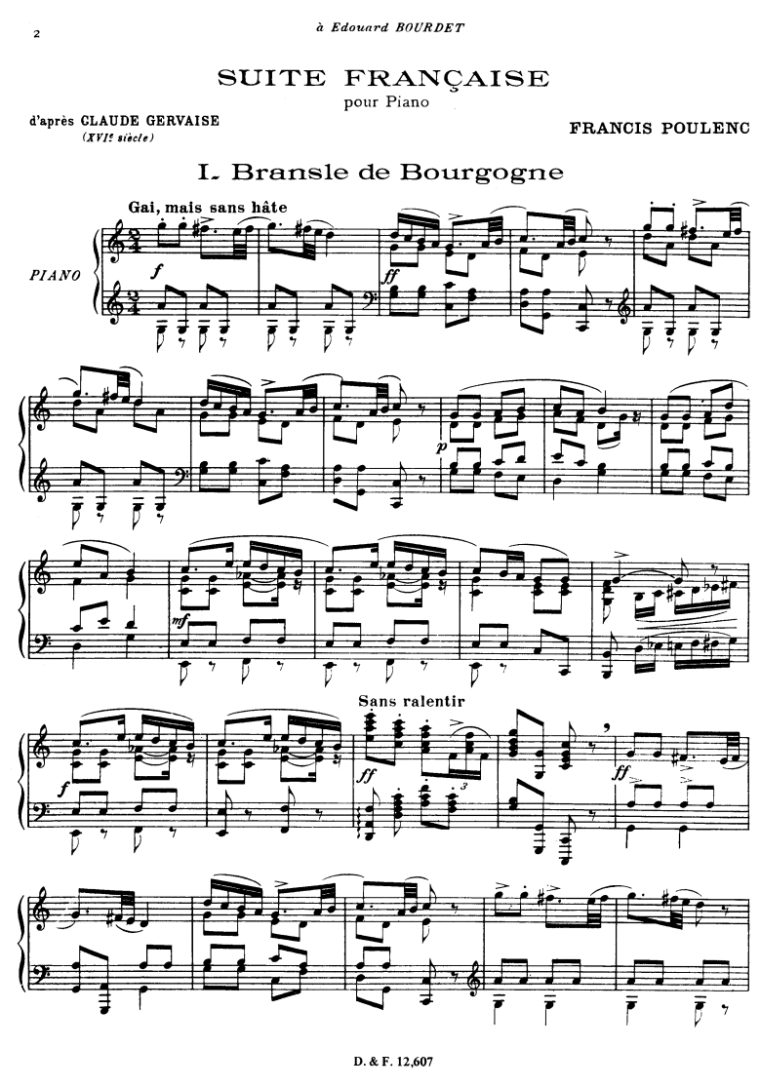
Francis Poulenc (1899 - 1963): Suite française d’après Claude Gervaise (1935), versione per pianoforte eseguita in concerto da Alicia de Larrocha.
Bransle de Bourgogne
Pavane [1:31]
Petite Marche militaire [3:45]
Complainte [4:43]
Bransle de Champagne [6:04]
Sicilienne [7:47]
Carillon [9:15]
Poulenc, il più sottovalutato dei compositori francesi del ‘900, compose la Suite française nel 1935 affinché fosse eseguita durante la rappresentazione del II atto del dramma La reine Margot di Édouard Bourdet. La suite consiste in una rielaborazione di alcuni brani tratti dai Livres de danceries pubblicati intorno al 1550 da Claude Gervaise: si tratta dunque di una serie di danze rinascimentali (bran[s]le, pavane, sicilienne), cui si aggiungono una “piccola marcia militare”, un carillon e una complainte (n. 4) che è l’unico pezzo interamente composto da Poulenc.
La medesima Suite nella versione per piccola orchestra. New Music Studium, dir. Antonio Plotino.
Bransle de Bourgogne
Pavane [1:23]
Petite marche militaire [4:05]
Complainte [5:10]
Bransle de Champagne [6:30]
Sicilienne [8:19]
Carillon [10:05]
Infine, la trascrizione per pianoforte e quintetto di fiati realizzata da Katsuhisa Ohtaki nel 1992. Ensemble Orphée.
Iannis Xenakis (29 maggio 1922 - 2001): Pléïades per percussioni (1979). Les Percussions de Strasbourg.
Mélanges
Métaux [8:30]
Claviers [21:58]
Peaux [32:00]
Il titolo è da intendersi nell’accezione di «pluralità». Commissionata dal Théâtre de l’Opéra du Rhin per le Percussions de Strasbourg, la composizione venne presentata in uno spettacolo intitolato Concile musical nell’ambito del quale le quattro parti di Pléïades vennero alternate a dodici brani antifonici di Giovanni Gabrieli. Métaux è scritto per sei strumenti inventati dal compositore e battezzati complessivamente sixxen, da six = sei e Xen(akis): formati da pezzi di metalli diversi, comprendono diciannove altezze di suono distribuite secondo una scala non equalizzata che comprende intervalli di terzi e quarti di tono e loro multipli, il cui effetto timbrico è molto simile a quello del gamelan balinese.
Joachim Raff (27 maggio 1822 - 1882): Italienische Suite per grande orchestra WoO 35 (1871). Štátna filharmónia Košice (Orchestra filarmonica di Stato slovacca di Košice), dir. Richard Edlinger.
Jacob Druckman (1928 - 24 maggio 1996): Prism per orchestra (1980). New York Philharmonic Orchestra, dir. Zubin Mehta.
I tre movimenti di Prism utilizzano temi tratti da lavori teatrali del passato incentrati sul mito di Medea: rispettivamente la tragédie-lyrique Médée (1693) di Marc-Antoine Charpentier, il dramma per musica Il Giasone (1649) di Francesco Cavalli e l’opéra-comique Médée (1797) di Luigi Cherubini.

 Valerij Viktorovič Želobinskij (1913 - 13 agosto 1946): 12 Canti senza parole per pianoforte op. 35 (pubblicati postumi nel 1948). Esegue lo youtuber Gamma1734, matematico di professione e pianista-divulgatore per passione.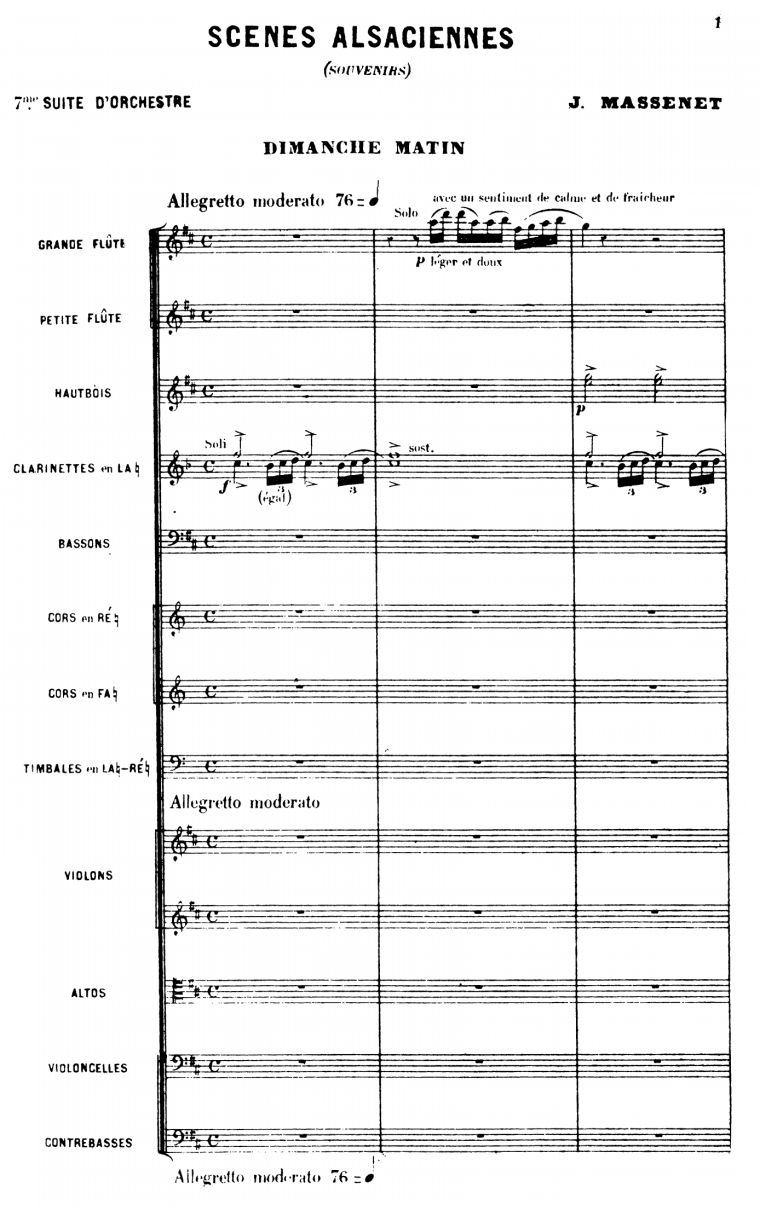

 Johann Theile (29 luglio 1646 - 1724): Suite in la minore dal Musikalisches Kunstbuch (1691). Hamburger Ratsmusik, dir. Simone Eckert.
 Philipp Jarnach (26 luglio 1892 - 1982): Das Amrumer Tagebuch, tre pezzi per pianoforte op. 30 (1940-42). Esegue l’autore.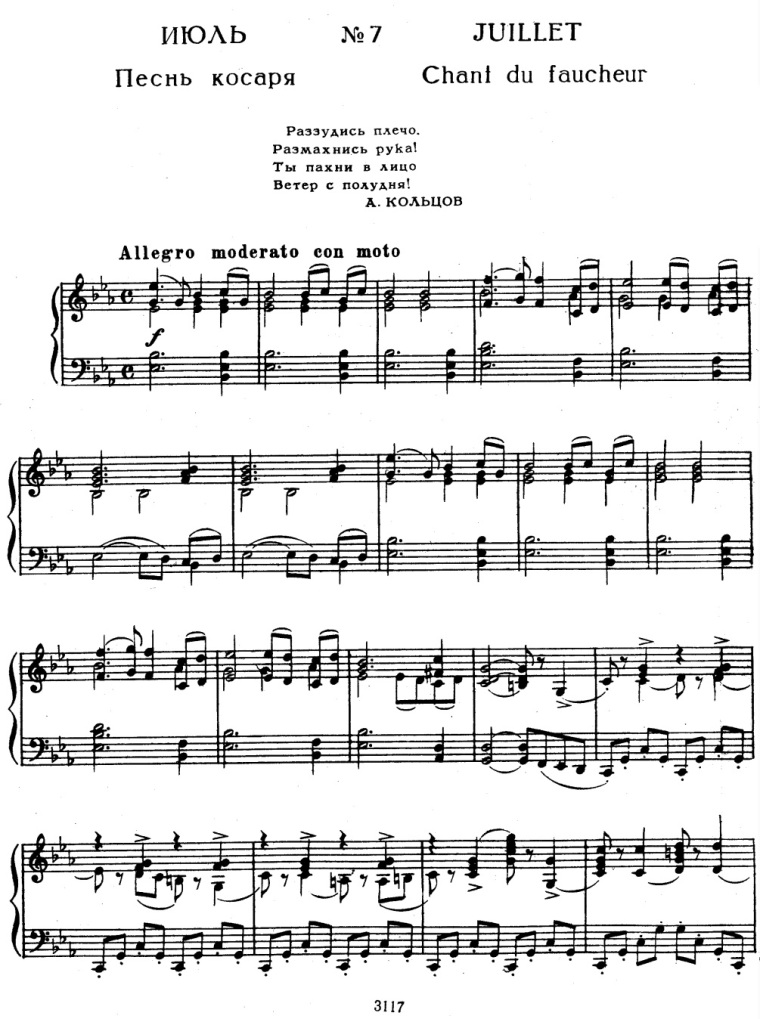


 Leoš Janáček con la moglie Zdenka Schulzová nel 1881.









 la regina gioiosa