
Pancrace Royer (c1705 - 11 gennaio 1755): L’Incertaine (dalle Pièces de clavecin, 1746). Fernando De Luca, clavicembalo.

Pancrace Royer (c1705 - 11 gennaio 1755): L’Incertaine (dalle Pièces de clavecin, 1746). Fernando De Luca, clavicembalo.
Reinhold Glier (o Glière; 11 gennaio 1875 - 1956): Suite dal balletto Красный мак / Il papavero rosso op. 70 (1927). BBC Philharmonic Orchestra, dir. sir Edward Downes.
La « Danza del marinaio russo », probabilmente la più celebre composizione di Glier, consiste in una serie di variazioni via via più concitate sul tema di un antico canto tradizionale, Jabločko («La piccola mela»).

Benjamin Godard (1849 - 10 gennaio 1895): Symphonie orientale op. 84 (1884). Royal Scottish National Orchestra, dir. Martin Yates.
I singoli movimenti della Sinfonia sono ispirati da altrettanti componimenti poetici di autori diversi, fra i quali lo stesso Godard; le poesie sono riportate sulla partitura nella forma qui sotto indicata.
I. Les Éléphants (Leconte de Lisle): Andante con moto
Le sable rouge est comme une mer sans limite,
Et qui flambe, muette, affaissée en son lit.
Une ondulation immobile remplit
L’horizon aux vapeurs de cuivre où l’homme habite.
[…]
Tel l’espace enflammé brûle sous les cieux clairs;
Mais, tandis que tout dort aux mornes solitudes,
Les éléphants rugueux, voyageurs lents et rudes,
Vont au pays natal à travers les déserts.
D’un point de l’horizon, comme des masses brunes,
Ils viennent, soulevant la poussière et l’on voit,
Pour ne point dévier du chemin le plus droit,
Sous leur pied large et sûr crouler au loin les dunes.
[…]
L’oreille en éventail, la trompe entre les dents,
Ils cheminent, l’œil clos. Leur ventre bat et fume,
Et leur sueur dans l’air embrasé monte en brume,
Et bourdonnent autour mille insectes ardents.
Mais qu’importent la soif et la mouche vorace,
Et le soleil cuisant leur dos noir et plissé?
Ils révent en marchant du pays délaissé,
Des forêts de figuiers où s’abrita leur race.
Ils reverront le fleuve échappé des grands monts,
Où nage en mugissant l’hippopotame énorme;
Où, blanchis par la lune, et projetant leur forme,
Ils descendaient pour boire en écrasant les joncs.
Aussi, pleins de courage et de lenteur ils passent
Comme une ligne noire, au sable illimité;
Et le désert reprend son immobilité
Quand les lourds voyageurs à l’horizon s’effacent.
II. Chinoiserie (Auguste de Châtillon): Allegro moderato [5:35]
On entendait, au lointain,
Tinter un son argentin
De triangles, de sonnettes,
De tambourins, de clochettes;
C’étaient des gens de Nankin,
Des Mandarins en goguette,
Qui revenaient d’une fête,
D’une fête de Pékin.
III. Sara la Baigneuse (Victor Hugo): Andantino con moto [9:22]
Sara, belle d’indolence,
Se balance
Dans un hamac, au-dessus
Du bassin d’une fontaine
Toute pleine
D’eau puisée à l’Ilyssus;
Et la frêle escarpolette
Se reflète
Dans le transparent miroir,
Avec la baigneuse blanche
Qui se penche,
Qui se penche pour se voir.
[…]
Mais Sara la nonchalante
Est bien lente
A finir ses doux ébats;
Toujours elle se balance
En silence,
Et va murmurant tout bas:
“Oh ! si j’étais capitane,
“Ou sultane,
“Je prendrais des bains ambrés,
“Dans un bain de marbre jaune,
“Prés d’un trône,
“Entre deux griffons dorés !
“J’aurais le hamac de soie
“Qui se ploie
“Sous le corps prêt à pâmer;
“J’aurais la molle ottomane
“Dont émane
“Un parfum qui fait aimer.”
[…]
Ainsi se parle en princesse,
Et sans cesse
Se balance avec amour,
La jeune fille rieuse,
Oublieuse
Des promptes ailes du jour.
[…]
IV. Le rêve de la Nikia (Benjamin Godard): Quasi adagio [15:36]
Elle est jeune, elle est belle; et pourtant la tristesse
Assombrit ses grands yeux.
Aucun penser d’amour ne charme sa jeunesse.
Son cœur ambitieux
Rêve d’une contrée, inconue et lointaine,
Où d’un peuple puissant
Et respecté de tous, elle deviendrait reine.
Là-bas, à l’Occident,
Sont de grandes cités aux splendeurs sans pareilles;
Là, la Science et l’Art,
Au souffle du Génie, enfantent des merveilles!…
Son beau rêve, au hasard,
Vers ces mondes nouveaux, l’emporte sur son aile.
Son cœur ambitieux
N’a nul penser d’amour. Elle est jeune, elle est belle,
Et pourtant la tristesse assombrit ses grands yeux.
V. Marche turque (Godard): Tempo di marcia [21:55]
Là – Allah – Ellalah!
Que les chrétiens maudits périssent sous la hache
Et que Mahomet règne! Il n’est point de cœur lâche
Parmi les fiers soldats du Prophète sacré.
Que dans tout l’Univers Allah soit adoré!

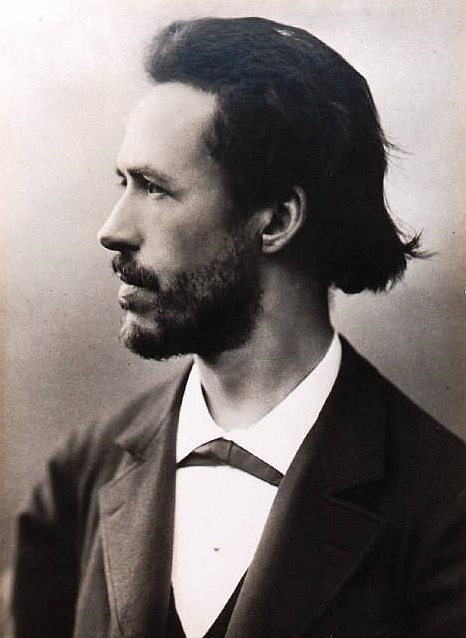
Jean Martinon (10 gennaio 1910 - 1976): Sinfonia n. 3, Symphonie irlandaise (1948). Orchestre National de l’ORTF, dir. Pierre-Michel Le Conte.

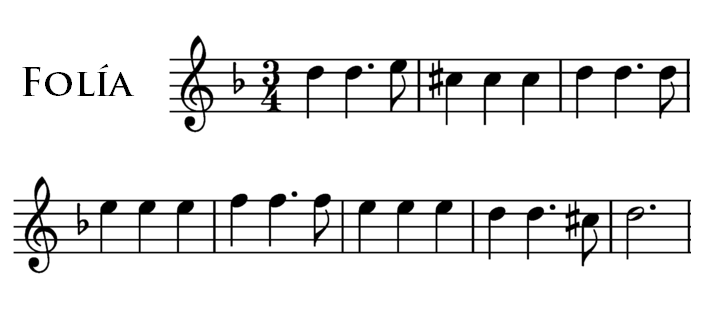
Arcangelo Corelli (1653 - 1713): Sonata per violino e basso in re minore op. 5 n. 12, La Follia (1700). Fabio Paggioro, violino; Massimiliano Ferrati, pianoforte.
Marin Marais (1656 - 1728): Couplets de folies per viola da gamba e basso (1701). La Spagna: Alejandro Marías, viola da gamba solista; Pablo Garrido, viola da gamba per il basso continuo; Juan Carlos de Mulder, tiorba; Ramiro Morales, chitarra barocca; Jorge López-Escribano, clavicembalo.
Reinhard Keiser (9 gennaio 1674 - 1739): Ouverture per il Singspiel Der lächerliche Prinz Jodelet (1726). Das Lausitzer Barockensemble.
E ora, una lectio magistralis di Francesco Di Fortunato:
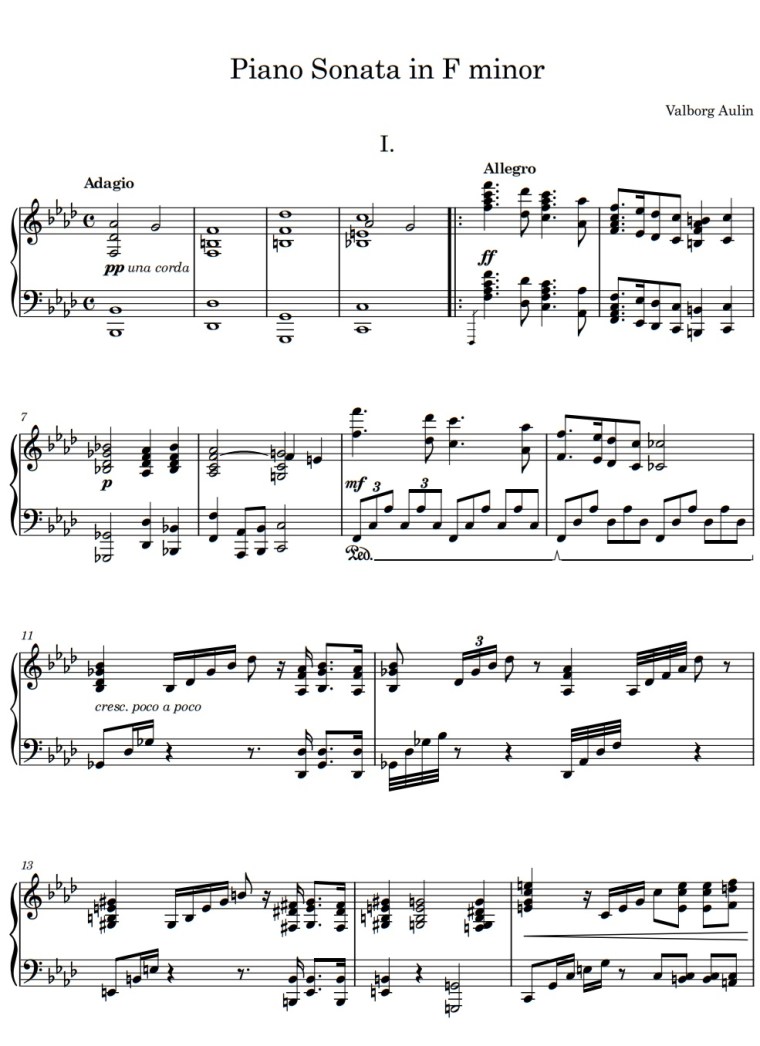
Valborg Aulin (9 gennaio 1860 - 11 gennaio 1928): Sonata per pianoforte in fa minore op. 14, Grande Sonate sérieuse (1885). Lucia Negro.
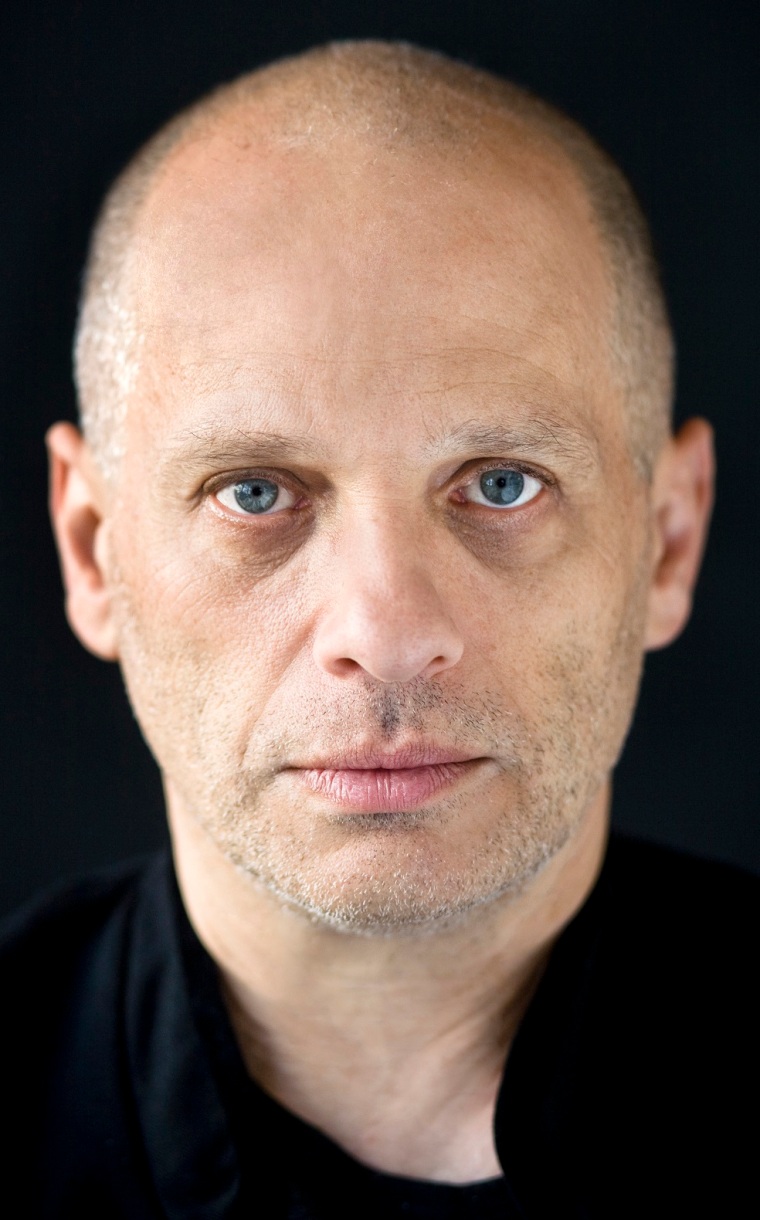
David Lang (8 gennaio 1957): The Anvil Chorus per 1 percussionista (1991). Flavio Tanzi.
« When percussionist Steve Schick asked me to write him a solo piece I wanted to do something that showed percussion’s connection to real life activities. I didn’t want to work with the pretty instruments, like vibraphone or chimes, that were invented so that percussionists could play politely with other musicians. I wanted to write a piece that reminded the listener of the glorious history of percussion — that since the beginning of time people have always banged on things as a result of their professions.
« Then I remembered that I had once read a book on the history of blacksmithing, and I had become particularly interested in how medieval blacksmiths used song to help them in their work. Although small jobs could be accomplished by individual smiths, larger jobs created an interesting problem — how could several smiths hammer on a single piece of metal without getting in each other’s way? Smiths solved this problem by singing songs together which would control the beat patterns of the hammers. There was a different song for each number of participating blacksmiths — obviously, a song that allowed for three hammer strokes would be confusing and even dangerous if used to coordinate four smiths.
« My solo percussion piece The anvil chorus also uses a “melody” to control various beat patterns. The “melody” is played on resonant junk metals of the percussionist’s choosing, and, by adding certain rules, it triggers an odd accompaniment of non-resonant junk metals, played both by hand and by foot » (David Lang)
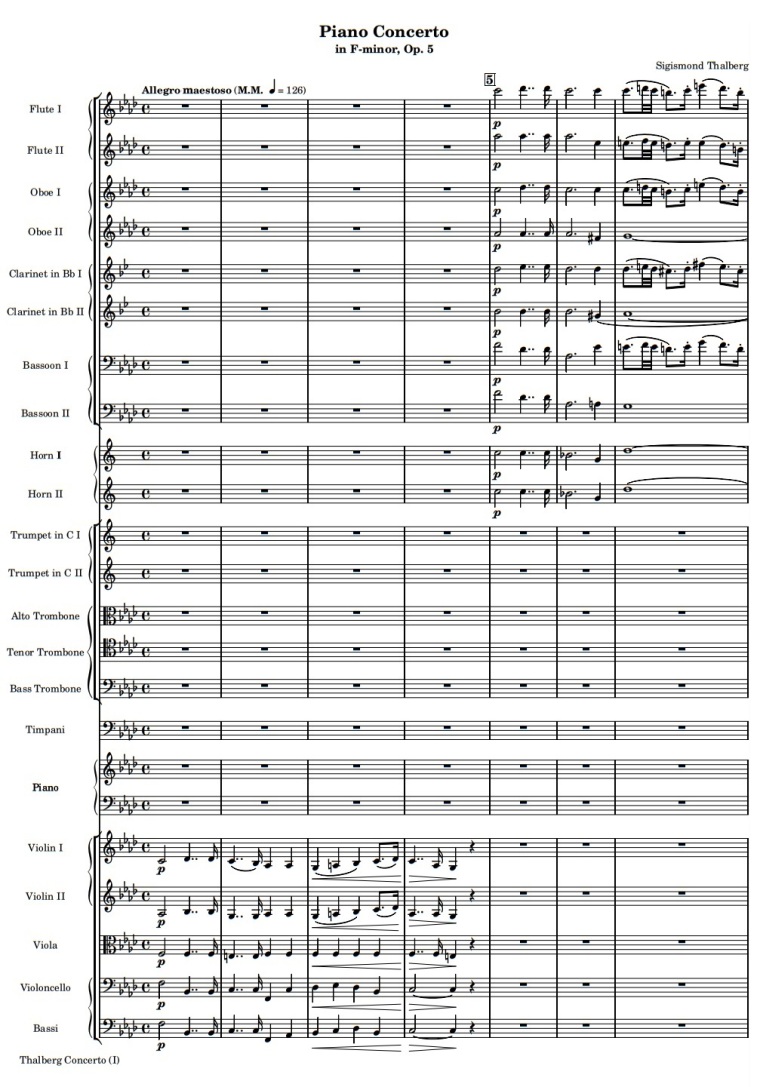
Sigismond Thalberg (8 gennaio 1812 - 1871): Concerto per pianoforte e orchestra in fa minore op. 5 (1830), dedicato a Johann Nepomuk Hummel. Francesco Nicolosi, pianoforte; Razumovsky Symphony Orchestra, dir. Andrew Mogrelia.
Antonio Scontrino (1850 - 7 gennaio 1922): Sei Bozzetti per clarinetto e pianoforte (1909). Sergio Bosi, clarinetto; Riccardo Bartoli, pianoforte.

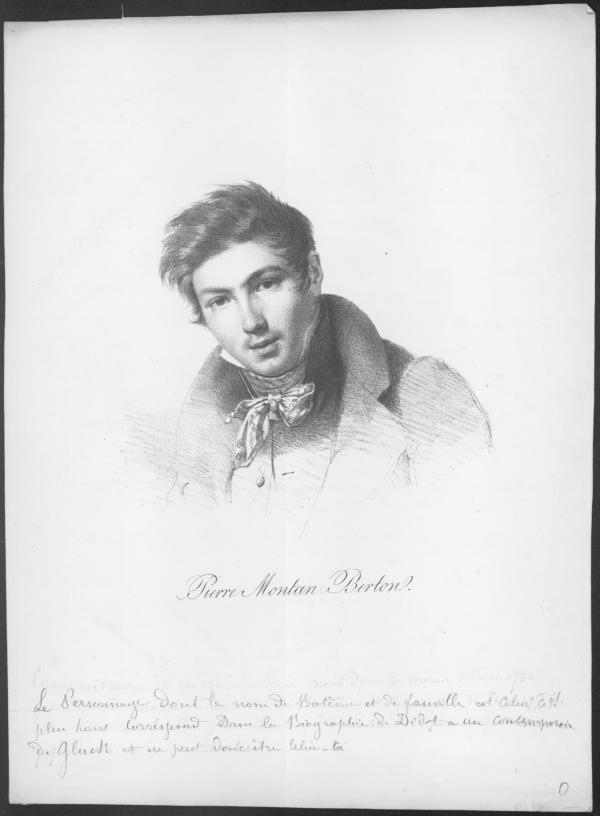
Pierre-Montan Berton (7 gennaio 1727 - 1780): Nouvelle Chaconne in mi minore (1762). Bayerische Kammerphilharmonie, Reinhard Goebel.
César Cui (6 gennaio 1835 - 1918): In modo populari, petite suite per orchestra (n. 3) op. 43 (1890). Hong Kong Philharmonic Orchestra, dir. Kenneth Schermerhorn.

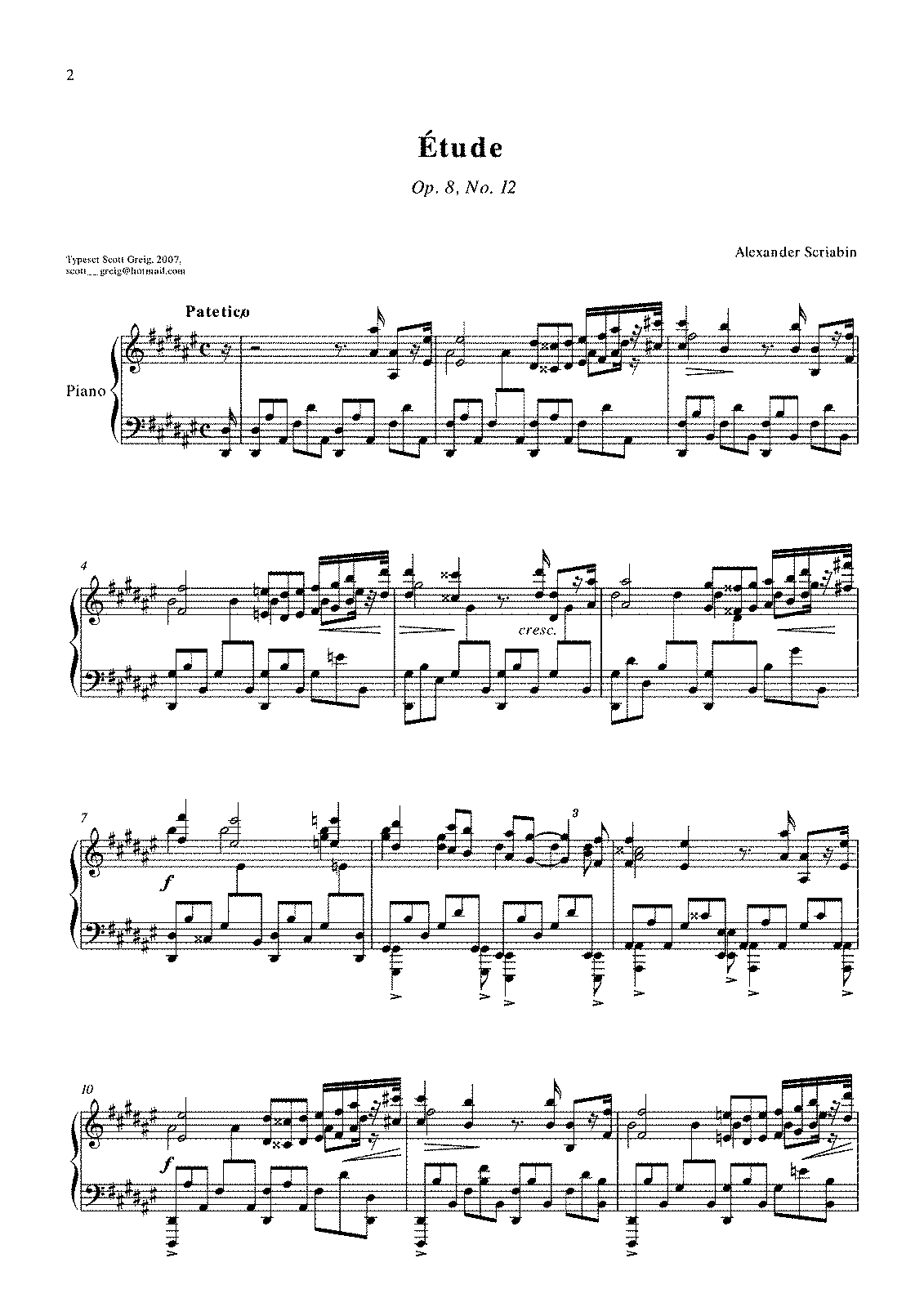
Aleksandr Nikolaevič Skrjabin (6 gennaio 1872 - 1915): 12 Études per pianoforte op. 8 (1894). Vladimir Sofronickij (registrazione del 1952 circa).
Anonimo (Richard Motley, sec. XVII - XVIII): The Emperor of the Moon, country dance. Paul O’Dette, cittern; The King’s Noyse, dir. David Douglass.
Danza e melodia prendono il titolo dall’omonima farsa di Aphra Behn (1640 - 1689), rappresentata al Duke’s Theatre di Londra nel 1687. L’autore della musica è stato recentemente identificato in tal Richard Motley, musicista e maestro di danza attivo fra il 1688 circa e il 1710. Pubblicata per la prima volta in appendice al II volume dell’antologia Vinculum societatis, or The tie of good company being a choice collection of the newest songs now in use (1688), la composizione fu poi rielaborata da Henry Purcell per essere inserita nell’8a edizione (1690) della raccolta The English Dancing Master, curata da Henry Playford, figlio e erede di John.


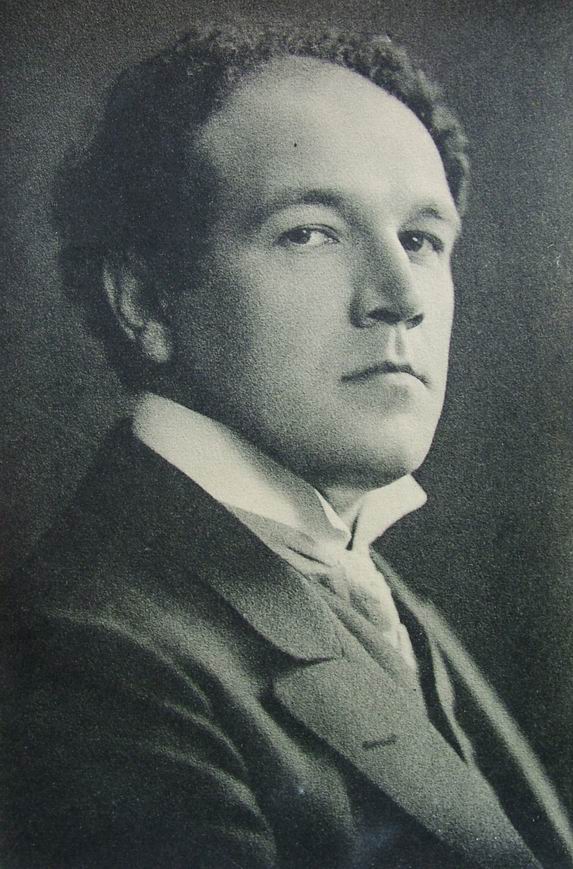
Nikolaj Karlovič Metner (o Medtner; 5 gennaio 1880 - 1951): Melodie dimenticate per pianoforte, I serie, op. 38 (1919-22). Geoffrey Tozer.
Dietrich Buxtehude (1637 - 1707): «Alleluia» dalla cantata Der Herr ist mit mir BuxWV 15. Ensemble Accentus, Insula Orchestra, dir. Laurence Equilbey.
Questa breve e deliziosa composizione su basso ostinato si evolve per intero nell’ambito tonale di do minore, salvo poi risolversi in un solare accordo di do maggiore, ossia con una formula cadenzale comunemente detta terza piccarda o di Piccardia. Secondo Jean-Jacques Rousseau (Dictionnaire de musique, 1767) il nome sarebbe dovuto al fatto che questo tipo di cadenza fu a lungo impiegato nella musica liturgica, e quindi in Piccardia, regione storica della Francia settentrionale, ricca di chiese e cattedrali:
« Tierce picarde parce que cette façon de terminer a survécu le plus longtemps dans la musique religieuse et donc en Picardie, où il y a de la musique dans un grand nombre de cathédrales et d’églises » (Dictionnaire, p. 727).
Secondo altri studiosi, la denominazione deriverebbe invece dall’antico francese picart, vale a dire pungente, acuto, con riferimento al segno della grafia musicale (diesis o bequadro) che trasforma appunto in maggiore un accordo minore. Ma nemmeno questa spiegazione pare del tutto soddisfacente.

* * *

 Gilles Binchois (c1400 - 1460): Filles à marier, chanson a 4 voci. Comet Musicke (sopra); Ensemble «Gilles Binchois», dir. Dominique Vellard.
Una delle più interessanti chansons d’autore del Quattrocento. Il testo consiste in un severo ammonimento.
Tenor :
Se tu te marieras,
tu t’en repentiras.
Et quant? Et quant?
Avant qu’il soit ung an.
Cantus &c:
Filles à marier,
ne vous mariez ja
se bien vous ne sçavés
quel mary vous prendra:
car, se jalousie a,
jamais ne vous ne luy
au cuer joye n’ara.
Et pour ce pensés y.
Alfred Grünfeld (1852 - 4 gennaio 1924): Étude à la tarantella per pianoforte op. 47 n. 3 (1898). Esegue l’autore, il quale fu tra i primi pianisti che incisero dischi fonografici; questa registrazione è del 1905.

Josef Suk (4 gennaio 1874 - 1935): Serenata per orchestra d’archi op. 6 (1892). Philharmonisches Staatsorchester Hamburg, dir. Kent Nagano.

Kevin Puts (3 gennaio 1972): Credo per quartetto d’archi (2007). Quartetto «Miró».

Aleksandr Tichonovič Grečaninov (1864 - 3 gennaio 1956): Sinfonia n. 1 in si minore op. 6 (1894). Filarmonica «George Enescu», dir. Richard Edlinger.
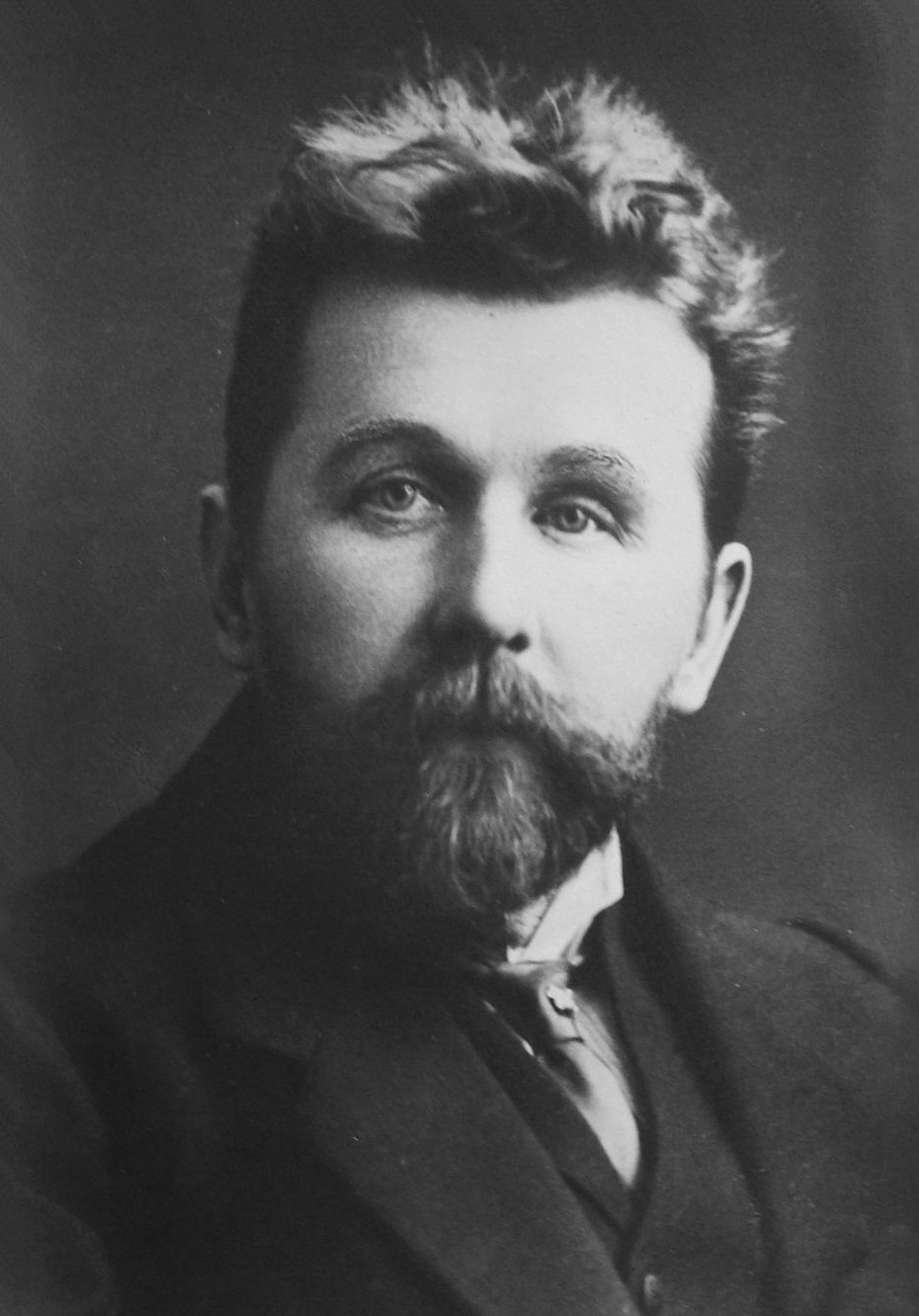
Milij Alekseevič Balakirev (2 gennaio 1837 - 1910): Islamej, fantasia orientale op. 18 (1869). Boris Berezovskij, pianoforte.

Péter Eötvös (2 gennaio 1944 - 2024): Cosmos (1961, rev. 1999), versione per 2 pianoforti. Andreas Grau e Götz Schumacher.
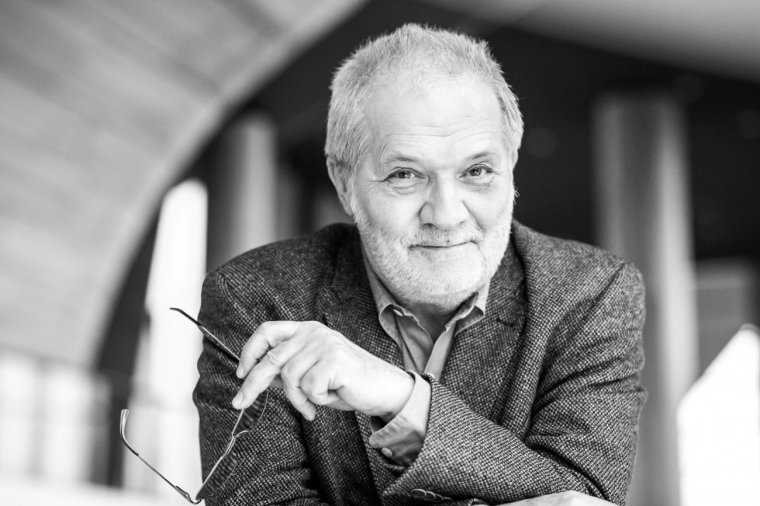
Ignaz von Beecke (1733 - 2 gennaio 1803): Quintetto con pianoforte in la min. BEEV 96 (c1770). Diogenes Quartet; Andreas Kirpal, pianoforte.

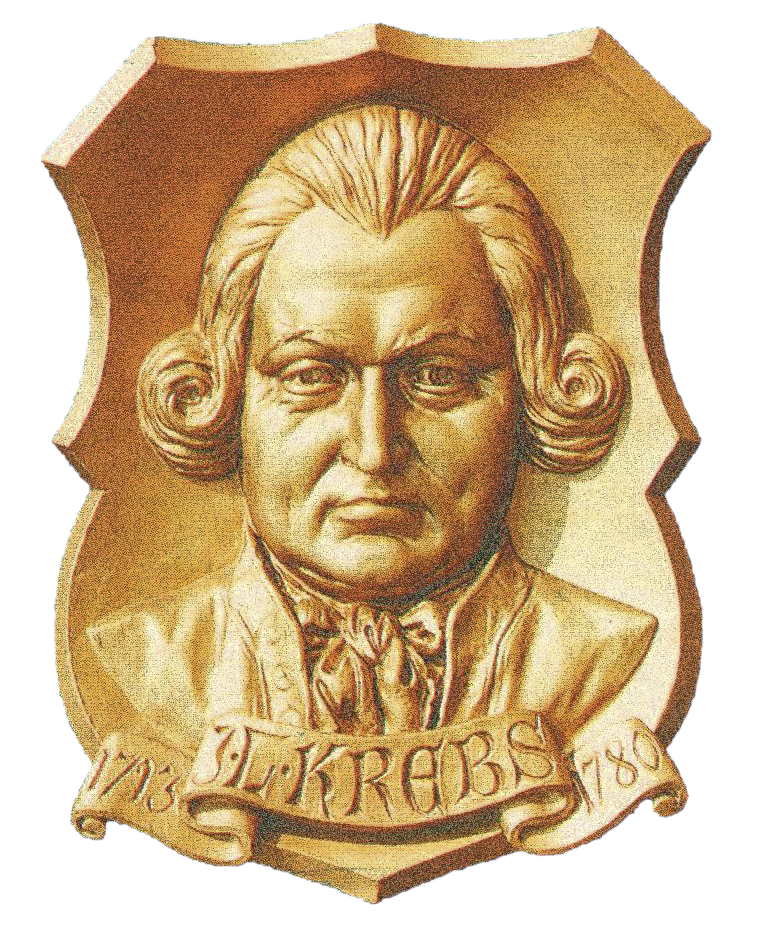 Johann Ludwig Krebs (1713 - 1° gennaio 1780): Toccata e fuga in mi maggiore «pro organo pleno». Massimo Gabba all’organo Mascioni della Chiesa di San Giovanni Evangelista in Alessandria.
Athanasius Kircher (1602 - 1680): Tarantella napoletana, tono hypodorico (dal trattato Magnes, sive De arte magnetica, 1641). Ensemble L’Arpeggiata, diretto da Christina Pluhar.
Johann Sebastian Bach (1685 - 1750): Toccata e fuga in re minore (detta Dorica) BWV 538. Ton Koopman, organo.

Ludwig van Beethoven (1770 - 1827): Auld Lang Syne, n. 11 degli Zwölf Schottische Lieder mit obligater Begleitung von Pianoforte, Violine und Violoncell WoO 156 (1818); melodia tradizionale (da alcuni attribuita a Davide Rizzio), testo di Robert Burns. Felicity Lott, soprano; John Mark Ainsley, tenore; Thomas Allen, baritono; Elizabeth Layton, violino; Ursula Smith, violoncello; Malcolm Martineau, pianoforte.
Should auld acquaintance be forgot
And never brought to mind?
Should auld acquaintance be forgot
And auld lang syne!
For auld lang syne, my dear,
For auld lang syne
We’ll tak a cup o’ kindness yet,
For auld lang syne.
We twa hae run about the braes,
And pa’d the gowans fine;
But we’ve wander’d mony a weary foot,
Sin’ auld lang syne.
For auld lang syne, my dear…
And there’s a hand, my trusty fiere!
And gie’s a hand o’ thine!
And we’ll take a right gude-willie-waught,
For auld lang syne.
For auld lang syne, my dear…

Jennifer Higdon (31 dicembre 1962): Concerto per violino e orchestra (2008; Premio Pulitzer 2010). Solista: Hilary Hahn (dedicataria della composizione); Royal Liverpool Philharmonic Orchestra, dir. Vasilij Petrenko.
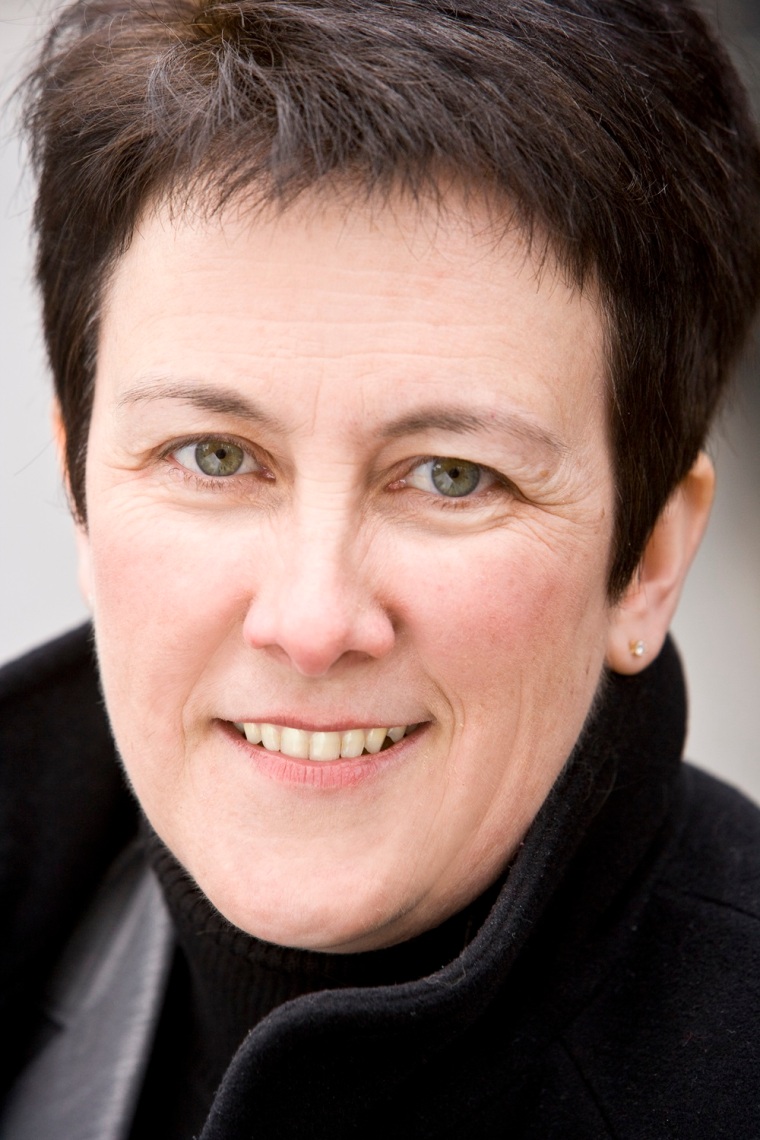
Sylvio Lazzari (30 dicembre 1857 - 1944): Sonata in mi minore-maggiore per violino e pianoforte op. 24 (1893). Marcello Defant, violino; Andrea Bambace, pianoforte.

Hai un account WordPress.com? Accedi ora.


