
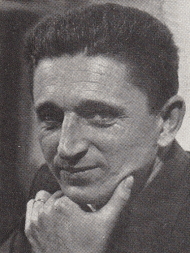
 Lubor Bárta (8 agosto 1928 - 1972): Concerto per viola e orchestra (1957). Pavel Vítek, viola; Moravská filharmonie Olomouc, dir. Tomáš Koutník.
- Allegro comodo
- Moderato assai [8:02]
- Allegro con brio [17:24]
Lubor Bárta (8 agosto 1928 - 1972): Concerto per viola e orchestra (1957). Pavel Vítek, viola; Moravská filharmonie Olomouc, dir. Tomáš Koutník.
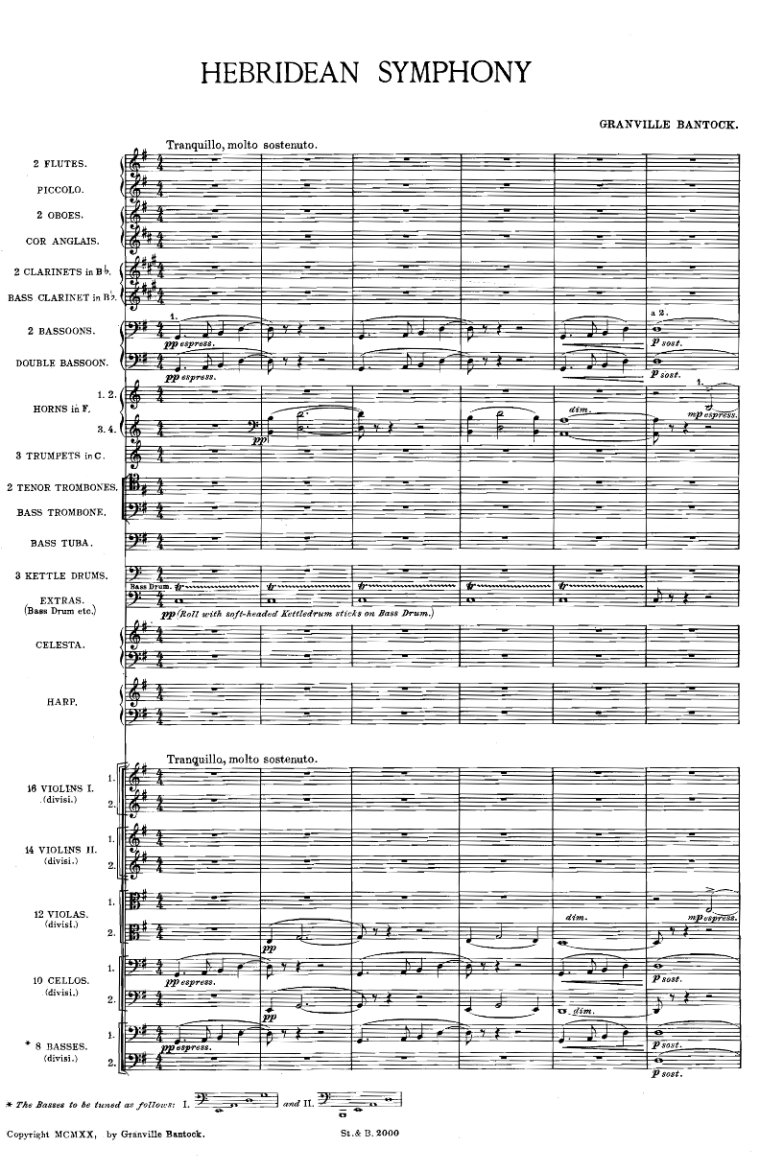
Sir Granville Bantock (7 agosto 1868 - 1946): Hebridean Symphony (1913). Slovenská filharmónia, dir. Adrian Leaper.
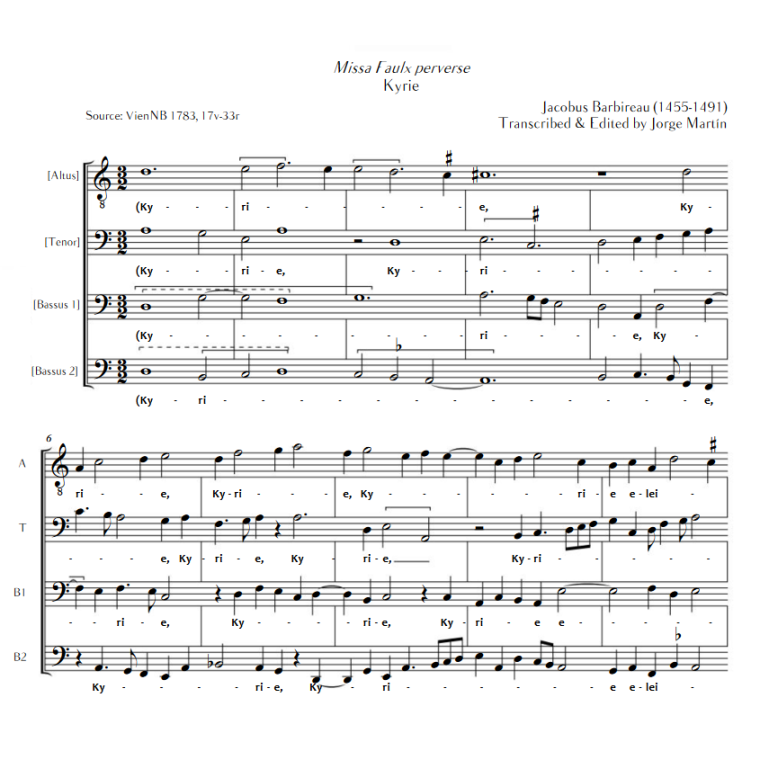
Jacobus Barbireau (1455 - 7 agosto 1491): Missa «Faulx perverse» a 4 voci. Ensemble «Josquin Desprez».
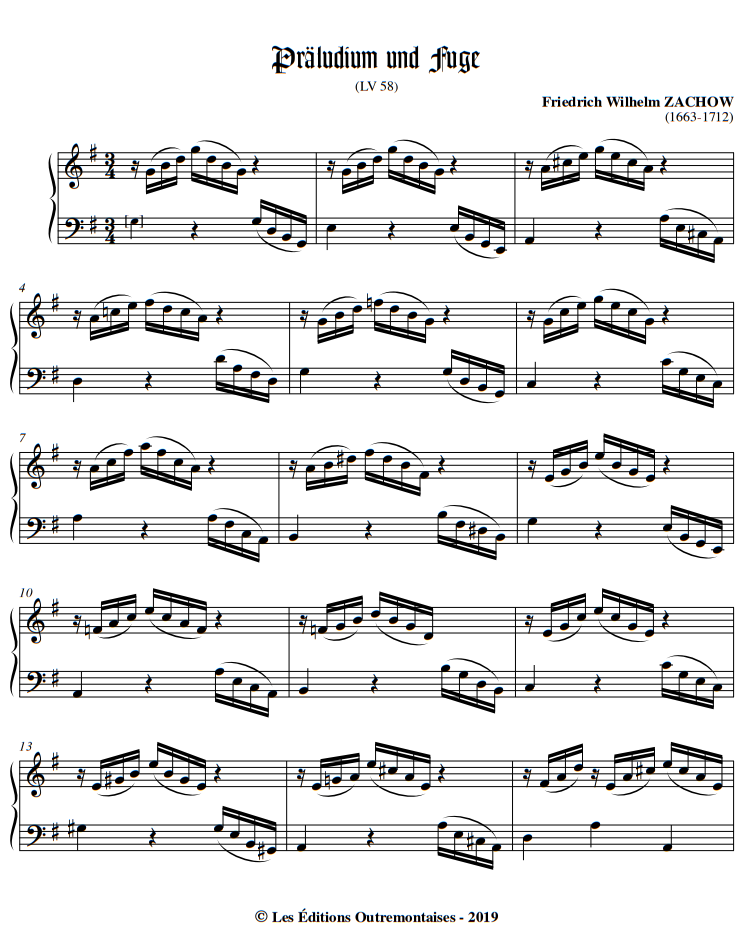
Friedrich Wilhelm Zachow o Zachau (1663 - 7 agosto 1712): Preludio e Fuga in sol maggiore LV 58. Irénée Peyrot, organo.
Henry Litolff (7 agosto 1818 - 5 agosto 1891): Concerto symphonique n. 4 in re minore per pianoforte e orchestra op. 102 (c1852). Gerald Robbins, pianoforte; Orchestre national de l’Opéra de Monte-Carlo, dir. Édouard van Remoortel.

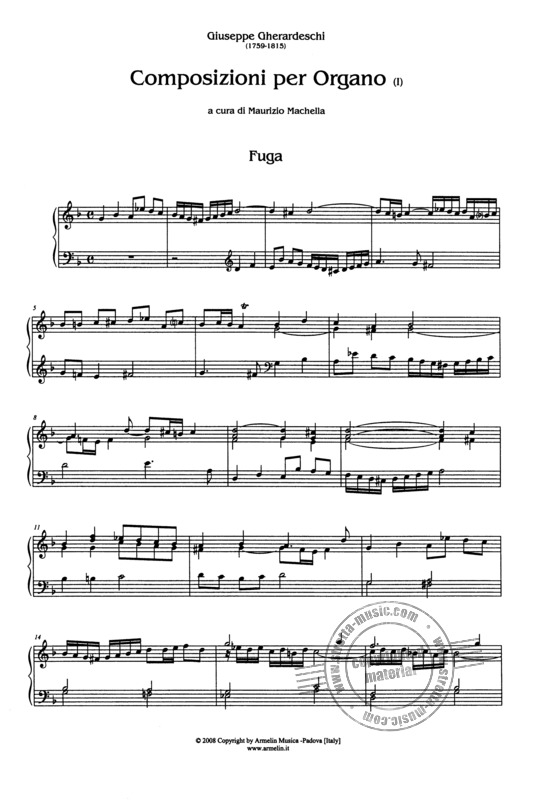
Giuseppe Gherardeschi (1759 - 6 agosto 1815): Fuga in sol minore. Giovanni Ciardi, organo.
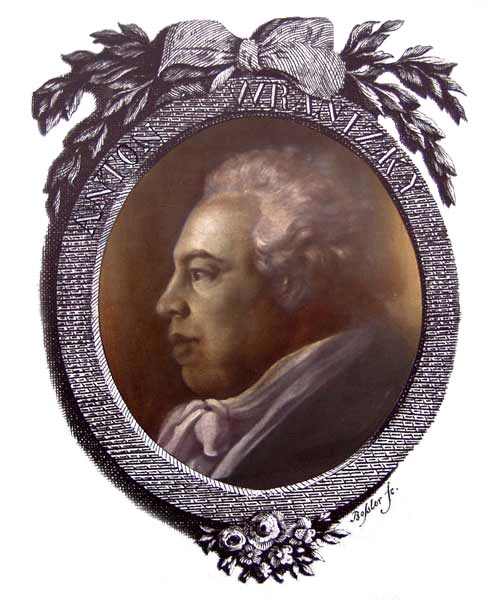
Antonín Vranický ovvero Anton Wranitzky (1761 - 6 agosto 1820): Sinfonia in do maggiore, Aphrodite (1796). Dvořákův komorní orchestr, dir. Vladimír Válek.
Nicolas Chédeville (1705 - 6 agosto 1782): Sonata in sol minore per oboe e continuo, n. 6 della raccolta Il pastor fido (pubblicata nel 1737 come op. 13 di Antonio Vivaldi). Paul Goodwin, oboe; Nigel North, arciliuto e chitarra barocca; Susan Sheppard, violoncello; Frances Eustace, fagotto; John Toll, clavicembalo e organo.

Hans Gál (5 agosto 1890 - 1987): Concerto in do maggiore per pianoforte e orchestra op. 57 (1948). Hartmut Hudezeck, pianoforte; Philharmonisches Orchester Altenburg-Gera, dir. Laurent Wagner.

Eugen Suchoň (1908 - 5 agosto 1993): Symfonietta rustica per orchestra (1955-56). Eesti Riiklik Sümfooniaorkester (Orchestra sinfonica nazionale dell’Estonia), dir. Neeme Järvi.

Betsy Jolas (5 agosto 1926): Quatuor II per soprano, violino, viola e violoncello (1966). Mady Mesplé, soprano; Trio À Cordes Français: Gérard Jarry, violino; Serge Collot, viola; Michel Tournus, violoncello.
Siegfried Wagner (1869 - 4 agosto 1930): Sehnsucht, poema sinfonico, da Schiller (1895). Philharmonisches Staatsorchester Hamburg, dir. Werner Andreas Albert.
Scritta a 26 anni dal figlio di Richard Wagner e Cosima Liszt, questa composizione fu ritrovata solo nel 1979.

Alberto Franchetti (1860 - 4 agosto 1942): Nella Foresta Nera, impressione sinfonica (1902). Orchestra Sinfonica Moldava, dir. Silvano Frontalini.

Olga Neuwirth (4 agosto 1968) : Trurl-Tichy-Tinkle per pianoforte (2016). Robert Fleitz.

Olivier Alain (3 agosto 1918 - 1994): Chanson de la brume en mer per organo op. 64 (1940). Luca Massaglia.
.

August Klughardt (1847 - 3 agosto 1902): Sinfonia n. 3 in re maggiore op. 37 (1879). Anhaltische Philharmonie Dessau, dir. Golo Berg.
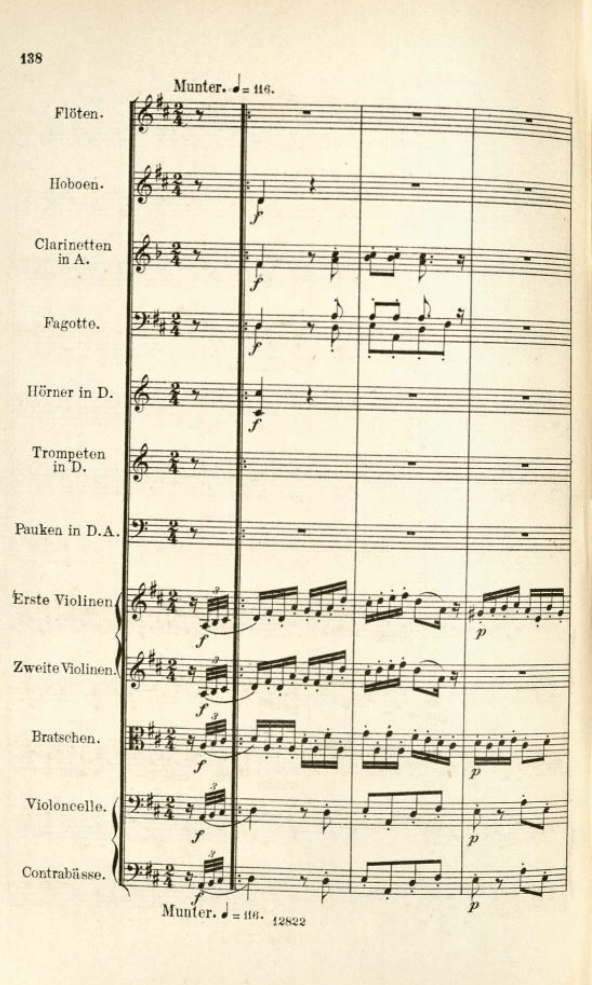
Karl Amadeus Hartmann (2 agosto 1905 - 1963): Sinfonia n. 7 (1958). Bamberger Symphoniker, dir. Ingo Metzmacher.

Oswald von Wolkenstein (c1377 - 2 agosto 1445): Ain graserin durch kúlen tau. Ensemble für frühe Musik Augsburg.
Ain graserin durch kúlen tau
mit weissen, blossen fússlin zart
hat mich erfreut in grúner au;
das macht ir sichel brawn gehart,
do ich ir half den gattern rucken,
smucken fúr die schrencken,
lencken, sencken in die seul,
wolbewart, damit das freul
hinfúr an sorg nicht fliesen möcht ir gensel.
Als ich die schön her zeunen sach,
ain kurze weil ward mir ze lanck,
bis das ich ir den ungemach
tett wenden zwischen zwaier schranck.
mein häcklin klein hett ich ir vor
embor zu dienst gewetzet,
gehetzet, netzet; wie dem was,
schúbren half ich ir das gras.
«Zuck nicht, mein schatz!»
«Simm nain ich, lieber Jensel.»
Als ich den kle hett abgemät
und all ir lucken wolverzeunt,
dannocht gert si, das ich jät
noch ainmal inn der nidern peunt;
ze lon wolt si von rosen winden,
binden mir ain krenzel.
«Swenzel, renzel mir den flachs!»
«Treut in, wiltu, das er wachs!
herz liebe gans, wie schön ist dir dein grensel.»

Carlos Chávez (1899 - 2 agosto 1978): Toccata per percussioni (1942). Les Percussions de Strasbourg.

Carlos Chávez (1899 - 2 agosto 1978): Sinfonia n. 2, Sinfonía India (1935-36). Orquesta Sinfónica del Estado de México (l’indicazione nel video è errata), dir. Enrique Bátiz.

Andre Hajdu (1932 - 1º agosto 2016): divertimento per orchestra d’archi. IDF Education Corps Chamber Orchestra, dir. Hillel Zori.

Giovanni Ernesto di Sassonia-Weimar (1696 - 1º agosto 1715): Concerto in sol maggiore per violino e orchestra. Thüringer Bach Collegium.
Lo stesso concerto nella trascrizione per organo eseguita da Johann Sebastian Bach (BWV 592). Ton Koopman all’organo Schnitger della Martinikerk in Groninga.

Fabrizio de Rossi Re (1960): Spaventati dalla tempesta per orchestra, liberamente ispirato dal De rerum natura di Lucrezio (1992). Orchestra Sinfonica Abruzzese, dir. Flavio Emilio Scogna.
Oggi è il compleanno del Maestro: auguri!

Ignacio Cervantes (31 luglio 1847 - 1905): Serenata cubana. Yleana Bautista, pianoforte.

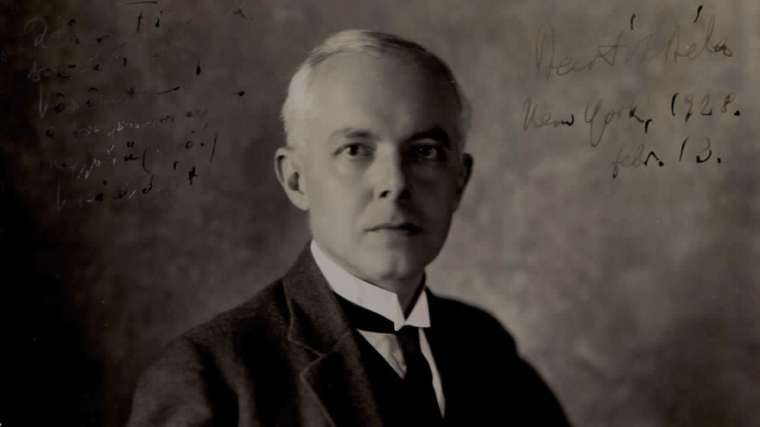
Béla Bartók (1881 - 1945): Divertimento per archi Sz. 113, BB 118 (1939). Cameristi della Scala, dir. Wilson Hermanto.
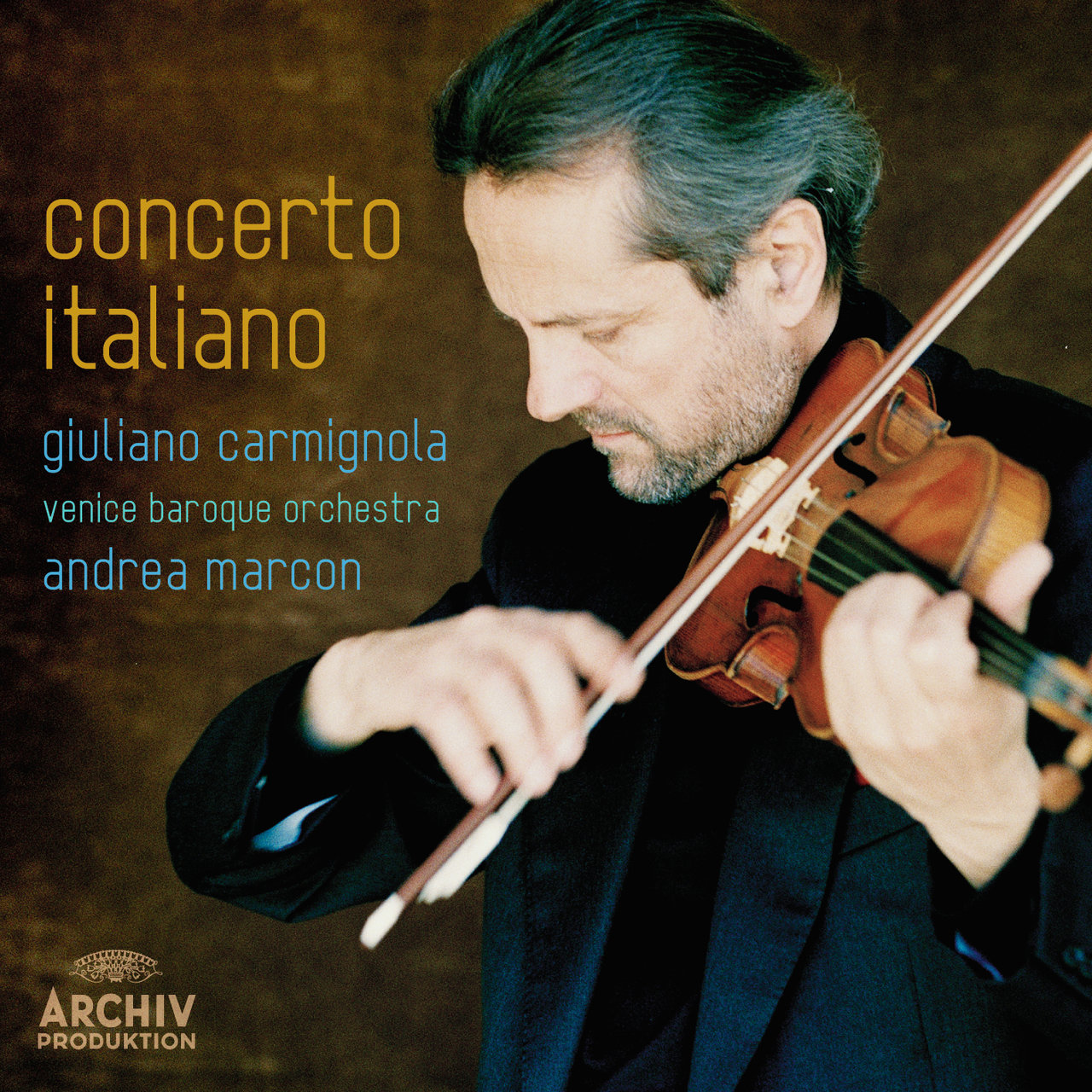
Michele Stratico (31 luglio 1728 - 1783): Concerto in sol minore per violino e archi. Giuliano Carmignola, violino; Venice Baroque Orchestra, dir. Andrea Marcon.
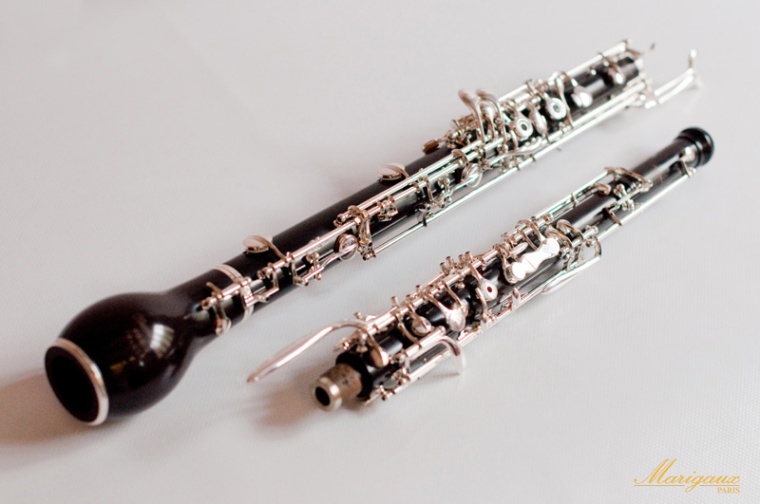
Josef Fiala (1748 - 31 luglio 1816): Concerto in mi bemolle maggiore per corno inglese e orchestra. Heinz Holliger, corno inglese; English Chamber Orchestra, dir. Raymond Leppard.
Barbara Giuranna (1899 - 30 luglio 1998): Toccata per pianoforte (1937). Maria Elisa Tozzi.

Bonaventura Somma (30 luglio 1893 - 1960): Toccata per organo (1934). Maurizio Mancino.

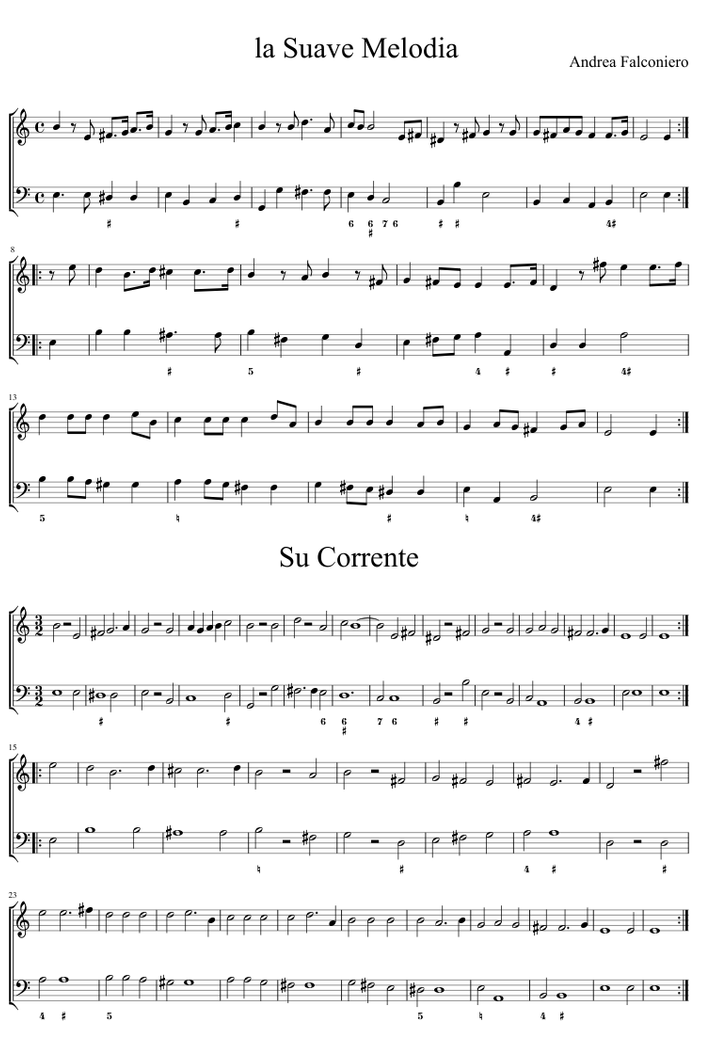
Andrea Falconiero o Falconieri (c1585 - 29 luglio 1656): La Suave Melodia e Su Corrente, dal I Libro di canzone, sinfonie, fantasie… (1650). La Musa Armonica: Lina Manrique, viola da gamba; Parsival Castro, tiorba; Diogo Rodrigues, chitarra barocca.
Hai un account WordPress.com? Accedi ora.

