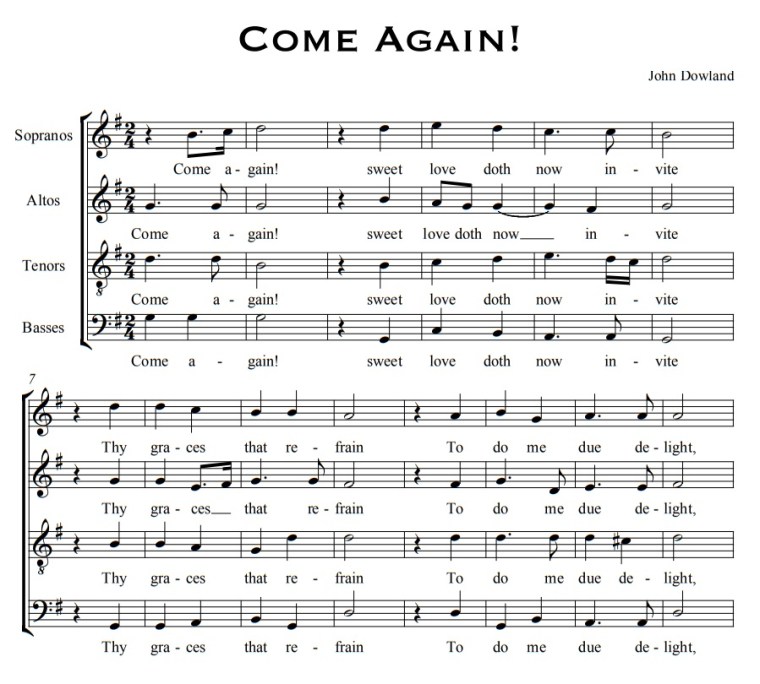
John Dowland (1563 - 1626): Come again, ayre* (dal First Booke of Songes or Ayres of fowre partes with Tableture for the Lute, 1597, n. 17). Paul Agnew, tenore; Christopher Wilson, liuto.
Come again! sweet love doth now invite
Thy graces that refrain
To do me due delight,
To see, to hear, to touch, to kiss, to die,
With thee again in sweetest sympathy.
Come again! that I may cease to mourn
Through thy unkind disdain;
For now left and forlorn
I sit, I sigh, I weep, I faint, I die
In deadly pain and endless misery.
All the day the sun that lends me shine
By frowns do cause me pine
And feeds me with delay;
Her smiles, my springs that makes my joys to grow,
Her frowns the Winters of my woe.
All the night my sleeps are full of dreams,
My eyes are full of streams.
My heart takes no delight
To see the fruits and joys that some do find
And mark the storms are me assign’d.
Out alas, my faith is ever true,
Yet will she never rue
Nor yield me any grace;
Her eyes of fire, her heart of flint is made,
Whom tears nor truth may once invade.
Gentle Love, draw forth thy wounding dart,
Thou canst not pierce her heart;
For I, that do approve
By sighs and tears more hot than are thy shafts
Did tempt while she for triumph laughs.
(*) Per ayre si intende un genere musicale fiorito in Inghilterra tra la fine del Cinquecento e la terza decade del secolo successivo. L’ayre è un brano a più voci (solitamente quattro) con accompagnamento di liuto; ciò che lo distingue dalle composizioni congeneri del periodo precedente è il fatto che alla voce più acuta è affidata una parte spiccatamente melodica, sul modello della «monodia accompagnata» italiana e dell’air de cour francese. Gli interpreti hanno dunque la possibilità di eseguire un ayre o secondo tradizione, con tutte le parti vocali e con l’accompagnamento del liuto ad libitum, oppure seguendo la moda dell’epoca, cioè con il canto della sola parte più acuta sostenuto dal liuto. In quest’ultimo caso, al liuto spesso si aggiunge una viola da gamba che ha il compito di irrobustire la linea del basso.
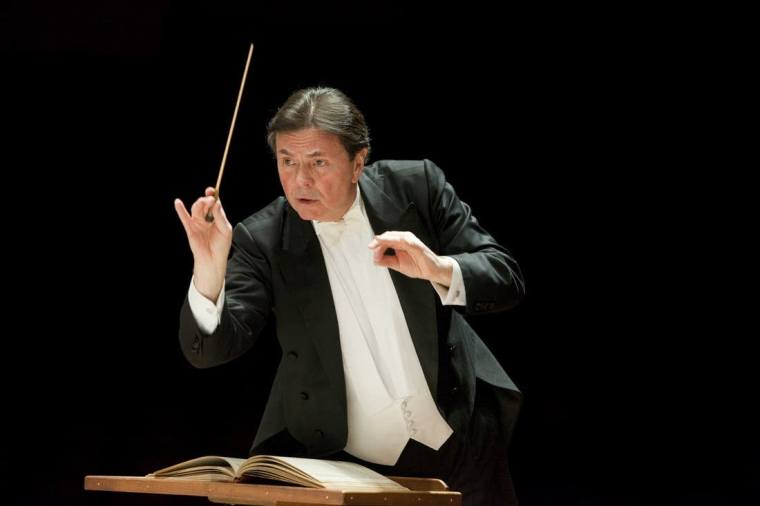
Al’fred Šnitke (Alfred Schnittke; 1934 - 3 agosto 1998): Suite in stile antico per violino e pianoforte op. 80 (1972). Irina Tseitlin, violino; Patrick Dheur, pianoforte.
Orlando di Lasso (1530/32 - 1594): Matona mia cara, villanella a 4 voci (dal Libro de Villanelle, Moresche, et altre Canzoni, 1581, n. 12). The Hilliard Ensemble, dir. Paul Hillier.
Matona mia cara, mi follere canzon
cantar sotto finestra, lantze bon compagnon. Don don don diri diri don don don don.
Ti prego m’ascoltare che mi cantar de bon
e mi ti foller bene come greco e capon.
Com’andar alle cazze, cazzar con le falcon,
mi ti portar beccazze, grasse come rognon.
Se mi non saper dire tante belle rason,
Petrarca mi non saper, ne fonte d’Helicon.
Se ti mi foller bene mi non esser poltron;
mi ficcar tutta notte, urtar come monton.
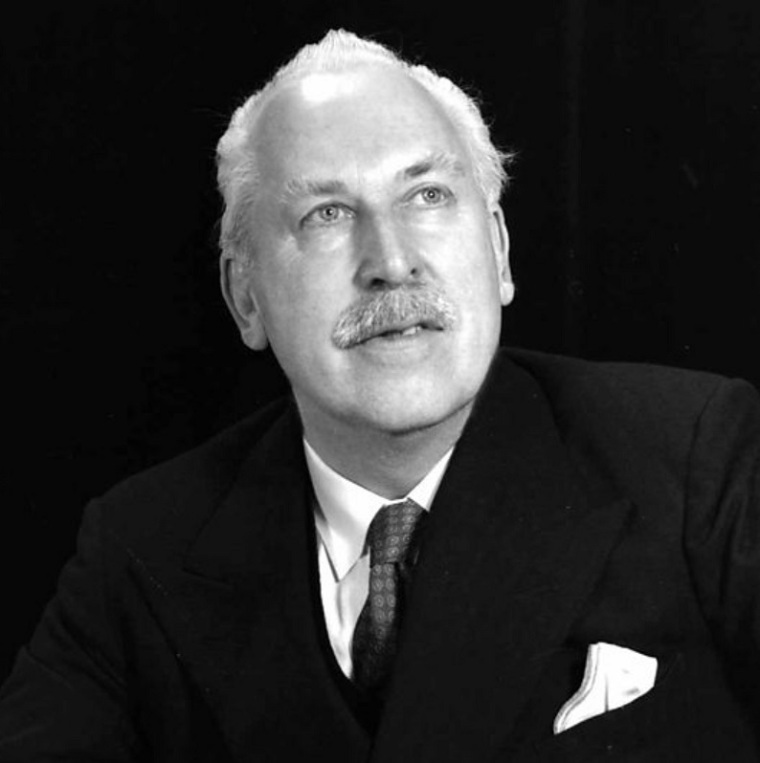
Sir Arthur Bliss (2 agosto 1891 - 1975): Concerto per violoncello e orchestra op. 120 (1970). Tim Hugh, violoncello; English Northern Philharmonia, dir. David Lloyd-Jones.
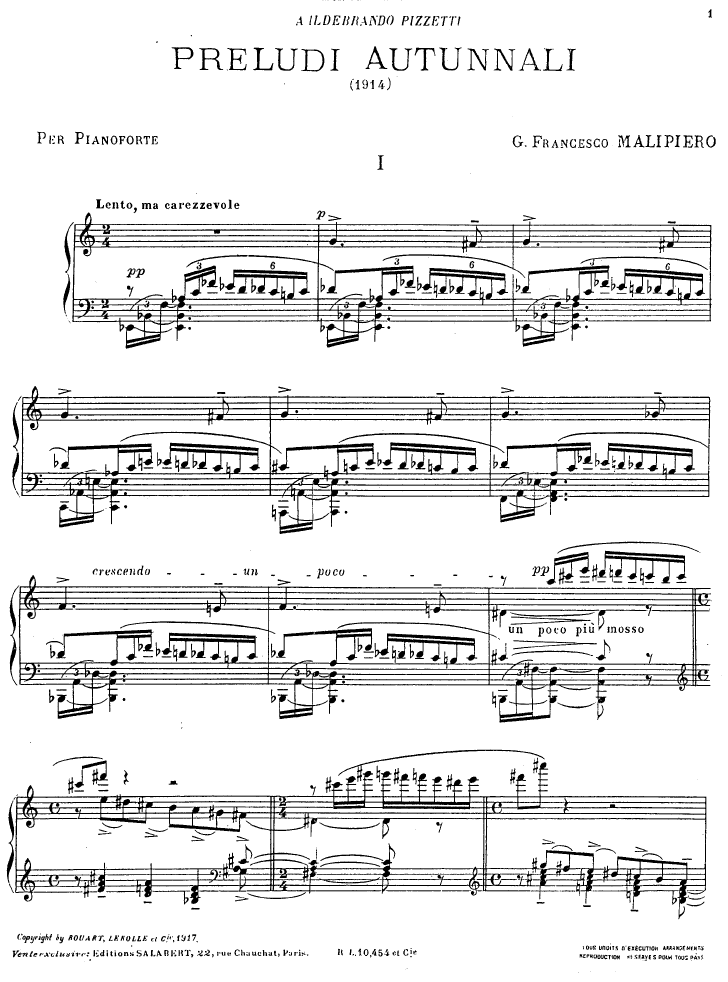
Gian Francesco Malipiero (1882 - 1° agosto 1973): Sinfonie del silenzio e della morte per orchestra (1908). Orchestra Sinfonica di Mosca, dir. Antonio de Almeida.
Gian Francesco Malipiero (1882 - 1º agosto 1973): Gabrieliana per orchestra (1971), rielaborazione di brani di Giovanni Gabrieli. Orchestra della Svizzera Italiana, dir. Christian Benda.
Franz Liszt (1811 - 31 luglio 1886): Au lac de Wallenstadt per pianoforte, n. 2 (Andante placido in la bemolle maggiore) dell’album Années de pèlerinage: Première année (Suisse) S 160 (1848–55). Lazar Berman.
Robert Planquette (31 luglio 1848 - 1903): Ouverture per l’opéra-comique Les Cloches de Corneville (1877). New Philharmonia Orchestra, dir. Richard Bonynge.
George Szell (1897 - 30 luglio 1970): Variazioni per orchestra sopra un tema originale op. 4 (1915). The Cleveland Orchestra, dir. Carl Topilow.
Leoš Janáček (1854 - 1928): Sinfonietta (1926). The Cleveland Orchestra, dir. George Szell.
Allegretto – Allegro maestoso
Andante – Allegretto
Moderato
Allegretto
Andante con moto
🇮🇹 Nato come György Széll a Budapest, stabilitosi negli Stati Uniti nel 1939, fu uno dei più grandi direttori d’orchestra del secolo scorso; guidò l’Orchestra di Cleveland in un cospicuo numero di interpretazioni esemplari. Pochi sanno che si era dedicato anche alla composizione.
La Sinfonietta di Janáček è una descrizione musicale della città di Brno nel giorno della conquista dell’indipendenza dal dissolto impero asburgico alla fine della grande guerra. È una delle composizioni che preferisco di uno dei musicisti che prediligo: l’ascoltai per la prima volta, molti anni fa, proprio in questa interpretazione di Szell, trasmessa da Radio3.
🇬🇧 Born as György Széll in Budapest, settled in the United States in 1939, he was one of the greatest conductors of the last century; he led the Cleveland Orchestra in a number of exemplary performances. Few know that he had also ventured into composition.
Janáček’s Sinfonietta is a musical description of the city of Brno on the day of gaining independence from the dissolved Habsburg Empire at the end of the First World War. It is one of my favorite compositions by one of my favorite musicians: I heard it for the first time, many years ago, precisely in this performance by Szell, broadcast on the radio.
Andrea Falconiero o Falconieri (c1585 - 29 luglio 1656): Passacalle a 3, dal I Libro di canzone, sinfonie, fantasie… (1650). Hespèrion XXI, dir. Jordi Savall.
La passacaglia esercita da sempre un fascino particolare sull’ascoltatore, secondo me dovuto essenzialmente a due sue caratteristiche fondamentali: una è l’andamento lento e solenne, l’altra è l’iterazione ininterrotta della linea del basso — è quello che in termini tecnici si chiama basso ostinato. L’unione dei due elementi crea un sortilegio quasi ipnotico, che induce ad abbandonarsi alla musica danzando o comunque a muoversi seguendone il ritmo. A ben vedere, sono fatte in questo modo le nenie che accompagnano i riti incantatori degli sciamani, e del resto hanno natura simile molte musiche di tradizione popolare, europee e no, che spesso hanno ispirato i musicisti “colti”.
La musica ripetitiva piace, ha successo. Penso ai minimalisti, certo, ma credo poi che non sia un caso se alcune composizioni del repertorio classico, come il Canone di Pachelbel e «Nell’antro del re della montagna» dal Peer Gynt di Grieg, caratterizzate appunto dalla ripetizione di formule armoniche e melodiche, siano recentemente diventate icone pop.
Anonymous (second half of the sixteenth century, British): Greensleeves. Alfred Deller, countertenor; Desmond Dupre, lute.
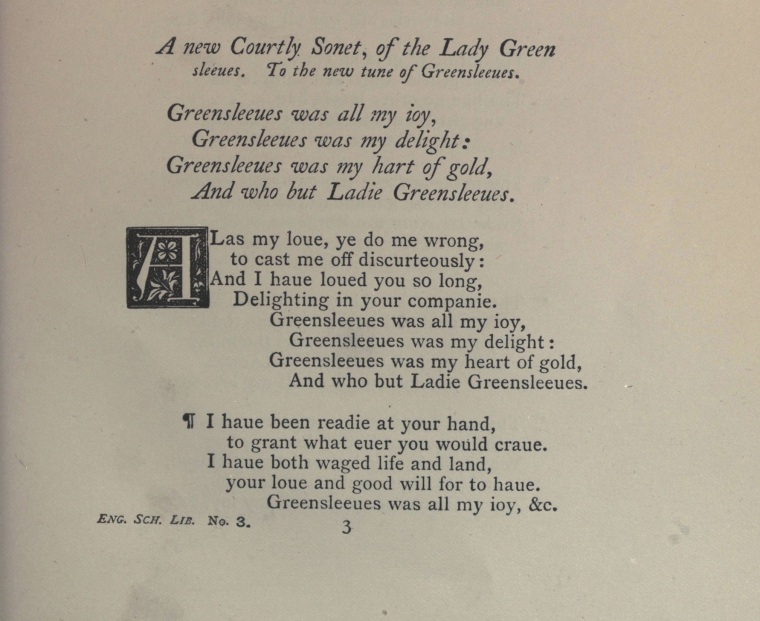
Deller’s interpretation gives us the opportunity to hear both the oldest known version of Greensleeves tune and some stanzas taken from the first known edition of the lyrics, a 1584 collection entitled A Handful of Pleasant Delites. Here is the full text (italicized stanzas are omitted by Deller):
Alas, my love, you do me wrong
To cast me off discourteously,
For I have loved you well and long,
Delighting in your company.
Greensleeves was all my joy,
Greensleeves was my delight,
Greensleeves was my heart of gold,
And who but my lady Greensleeves.
I have been ready at your hand,
To grant whatever you would crave;
I have both waged life and land,
Your love and good-will for to have.
I bought three kerchers to thy head,
That were wrought fine and gallantly;
I kept them both at board and bed,
Which cost my purse well-favour’dly.
I bought thee petticoats of the best,
The cloth so fine as fine might be:
I gave thee jewels for thy chest;
And all this cost I spent on thee.
Thy smock of silk both fair and white,
With gold embroidered gorgeously;
Thy petticoat of sendall right;
And this I bought thee gladly.
Thy girdle of gold so red,
With pearls bedecked sumptously,
The like no other lasses had;
And yet you do not love me!
Thy purse, and eke thy gay gilt knives,
Thy pin-case, gallant to the eye;
No better wore the burgess’ wives;
And yet thou wouldst not love me!
Thy gown was of the grassy green,
The sleeves of satin hanging by;
Which made thee be our harvest queen;
And yet thou wouldst not love me!
Thy garters fringed with the gold,
And silver aglets hanging by;
Which made thee blithe for to behold;
And yet thou wouldst not love me!
My gayest gelding thee I gave,
To ride wherever liked thee;
No lady ever was so brave;
And yet thou wouldst not love me!
My men were clothed all in green,
And they did ever wait on thee;
All this was gallant to be seen;
And yet thou wouldst not love me!
They set thee up, they took thee down,
They served thee with humility;
Thy foot might not once touch the ground;
And yet thou wouldst not love me!
For every morning, when thou rose,
I sent thee dainties, orderly,
To cheer thy stomach from all woes;
And yet thou wouldst not love me!
Thou couldst desire no earthly thing,
But still thou hadst it readily,
Thy music still to play and sing;
And yet thou wouldst not love me!
And who did pay for all this gear,
That thou didst spend when pleased thee?
Even I that am rejected here,
And thou disdainst to love me!
Well! I will pray to God on high,
That thou my constancy mayst see, And that, yet once before I die,
Thou wilt vouchsafe to love me!
Greensleeves, now farewell! Adieu!
God I pray to prosper thee!
For I am still thy lover true;
Come once again and love me!
From a reprint, dated 1878, of A Handful of Pleasant Delites
Greensleeves cannot be missing from an anthology of Shakespearean music: the ballad of the beautiful green-sleeved lady is in fact mentioned twice in the comedy The Merry Wives of Windsor (first published in 1602, though believed to have been written in or before 1597). Its plot is well known: the pot-bellied and cash-strapped knight John Falstaff awkwardly tries to seduce two ladies, Mistress Ford and Mistress Page, married to wealthy merchants living in Windsor (in Berkshire); by gaining their favour, Sir John hopes to fix his financial woe, but is quickly unmasked: the wives find he sent them identical love letters and take revenge by playing tricks on Falstaff.
When the hoax comes to light, Mistress Ford comments on the fact with these words (act 2, scene 1):
I shall think the worse of fat men, as long as I have an eye to make difference of men’s liking: and yet he would not swear; praised women’s modesty; and gave such orderly and well-behaved reproof to all uncomeliness, that I would have sworn his disposition would have gone to the truth of his words; but they do no more adhere and keep place together than the Hundredth Psalm to the tune of Green Sleeves.
It’s true: Psalm 100 does not adhere to Greensleeves; but it must be said that this is a purely metrical matter — the verses of the psalm («O be joyful in the Lord, all ye lands» according to the Great Bible, 1539) do not fit at all to the tune of the ballad — and not a sort of moral prohibition. Adapting a sacred text to a familiar secular melody (this is called contrafactum) has never been a problem, and we have already seen (click here) that Greensleeves itself has given its tune to a religious chant.
The last prank against Falstaff takes place in the forest of Windsor, where he is invited to go, dressed as a hunter, for a love rendezvous (act 5, scene 5). «Sir John!» says Mistress Ford, «Art thou there, my deer? my male deer?»; Falstaff replies by stating that «a tempest of provocation» will not be able to distract him from her, even if the sky thunders «to the tune of Green Sleeves»:
My doe with the black scut! Let the sky rain potatoes; let it thunder to the tune of Green Sleeves, hail kissing-comfits and snow eringoes; let there come a tempest of provocation, I will shelter me here.
(A few brief explanations:
– potatoes: when the potato was introduced to Europe, precisely at the time of Shakespeare, it was considered an aphrodisiac;
– kissing-comfits: perfumed sugar sweets, used to freshen the breath;
– eringoes: does not refer to the herbaceous plants of this name, but to the pleurotus eryngii, called king trumpet or king oyster mushroom, considered an aphrodisiac since ancient times.)
Anonimo inglese della seconda metà del Cinquecento: Greensleeves. Alfred Deller, controtenore; Desmond Dupré, liuto.
L’interpretazione di Deller e Dupré ci dà modo di ascoltare la più antica versione conosciuta della melodia e, insieme, alcune strofe tratte dalla prima edizione nota del testo, una raccolta del 1584 intitolata A Handful of Pleasant Delites. Ecco il testo completo (le parti in corsivo sono omesse da Deller):
Alas, my love, you do me wrong
To cast me off discourteously,
For I have loved you well and long,
Delighting in your company.
Greensleeves was all my joy,
Greensleeves was my delight,
Greensleeves was my heart of gold,
And who but my lady Greensleeves.
I have been ready at your hand,
To grant whatever you would crave;
I have both waged life and land,
Your love and good-will for to have.
I bought three kerchers to thy head,
That were wrought fine and gallantly;
I kept them both at board and bed,
Which cost my purse well-favour’dly.
I bought thee petticoats of the best,
The cloth so fine as fine might be:
I gave thee jewels for thy chest;
And all this cost I spent on thee.
Thy smock of silk both fair and white,
With gold embroidered gorgeously;
Thy petticoat of sendall right;
And this I bought thee gladly.
Thy girdle of gold so red,
With pearls bedecked sumptously,
The like no other lasses had;
And yet you do not love me!
Thy purse, and eke thy gay gilt knives,
Thy pin-case, gallant to the eye;
No better wore the burgess’ wives;
And yet thou wouldst not love me!
Thy gown was of the grassy green,
The sleeves of satin hanging by;
Which made thee be our harvest queen;
And yet thou wouldst not love me!
Thy garters fringed with the gold,
And silver aglets hanging by;
Which made thee blithe for to behold;
And yet thou wouldst not love me!
My gayest gelding thee I gave,
To ride wherever liked thee;
No lady ever was so brave;
And yet thou wouldst not love me!
My men were clothed all in green,
And they did ever wait on thee;
All this was gallant to be seen;
And yet thou wouldst not love me!
They set thee up, they took thee down,
They served thee with humility;
Thy foot might not once touch the ground;
And yet thou wouldst not love me!
For every morning, when thou rose,
I sent thee dainties, orderly,
To cheer thy stomach from all woes;
And yet thou wouldst not love me!
Thou couldst desire no earthly thing,
But still thou hadst it readily,
Thy music still to play and sing;
And yet thou wouldst not love me!
And who did pay for all this gear,
That thou didst spend when pleased thee?
Even I that am rejected here,
And thou disdainst to love me!
Well! I will pray to God on high,
That thou my constancy mayst see, And that, yet once before I die,
Thou wilt vouchsafe to love me!
Greensleeves, now farewell! Adieu!
God I pray to prosper thee!
For I am still thy lover true;
Come once again and love me!
Da una ristampa, datata 1878, di A Handful of Pleasant Delites
In una antologia di «musica scespiriana», Greensleeves non può mancare: la canzone della bella signora dalle maniche verdi è infatti menzionata nella commedia The Merry Wives of Windsor (pubblicata per la prima volta nel 1602, ma si ritiene sia stata scritta prima del 1597). La trama è nota: il panciuto e squattrinato cavaliere John Falstaff tenta maldestramente di sedurre due signore, Mistress Ford e Mistress Page, sposate a ricchi borghesi di Windsor (nel Berkshire); ottenendo i loro favori sir John spera di sistemare le proprie finanze, ma viene subito smascherato: le due donne si accorgono di aver ricevuto lettere d’amore identiche, perciò decidono di vendicarsi e ordiscono alcune perfide burle ai danni di Falstaff.
Quando l’imbroglio viene scoperto, questo è il commento di Mistress Ford (atto II, scena 1ª):
I shall think the worse of fat men, as long as I have an eye to make difference of men’s liking: and yet he would not swear; praised women’s modesty; and gave such orderly and well-behaved reproof to all uncomeliness, that I would have sworn his disposition would have gone to the truth of his words; but they do no more adhere and keep place together than the Hundredth Psalm to the tune of Green Sleeves.
È vero, Greensleeves non va d’accordo con il Salmo 100: ma è un impedimento di carattere puramente metrico – i versi («Acclamate il Signore, voi tutti della terra»; nella versione della Great Bible, 1539: «O be joyful in the Lord, all ye lands») non combaciano affatto con la melodia – e non una sorta di divieto morale. L’adattamento di un testo sacro a una melodia profana («travestimento spirituale») non ha mai costituito un problema, e del resto abbiamo già visto (qui) che, nel corso della sua storia pluricentenaria, la stessa Greensleeves ha prestato la propria melodia a un canto religioso.
L’ultima burla ai danni di Falstaff ha luogo nella foresta di Windsor, dove egli viene invitato a recarsi, vestito da cacciatore, per un incontro amoroso (atto V, scena 5ª). «Sir John!», lo apostrofa Mistress Ford, «Art thou there, my deer? my male deer?»; Falstaff risponde affermando che nemmeno una «tempesta di amorose provocazioni», fra le quali la melodia di Greensleeves, riuscirà a distoglierlo da lei:
My doe with the black scut! Let the sky rain potatoes; let it thunder to the tune of Green Sleeves, hail kissing-comfits and snow eringoes; let there come a tempest of provocation, I will shelter me here.
(Qualche breve spiegazione:
– potatoes: quando la patata fu introdotta in Europa, appunto all’epoca di Shakespeare, era considerata afrodisiaca;
– kissing-comfits: dolcetti di zucchero profumati, usati per rinfrescare l’alito;
– eringoes: non si riferisce alle piante erbacee in Italia chiamate calcatreppole, bensì al fungo da noi comunemente noto come cardoncello, nome scientifico pleurotus eryngii, fin dall’Antichità considerato afrodisiaco.)
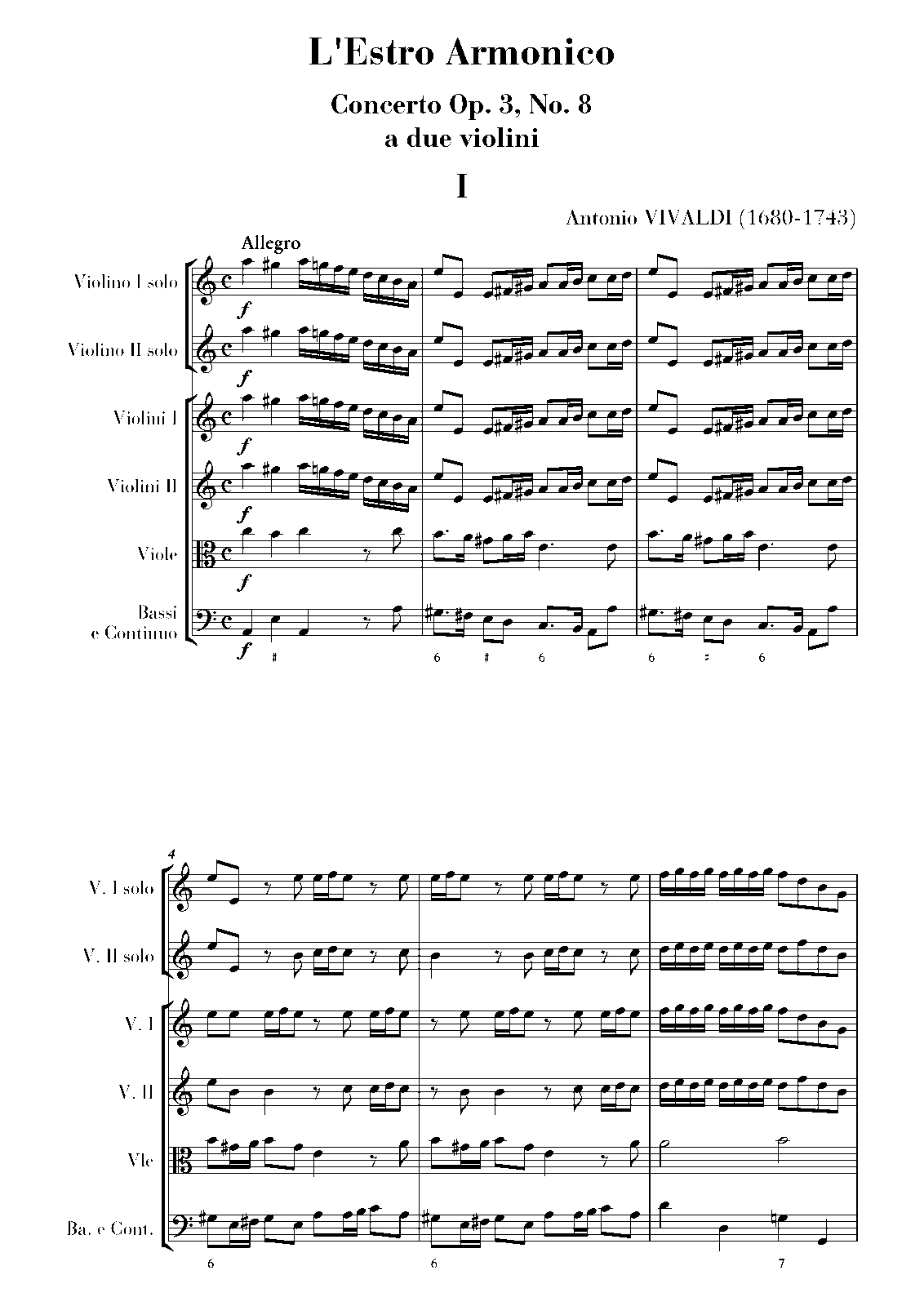
Antonio Vivaldi (1678 - 28 luglio 1741): Concerto in la minore per 2 violini, archi e continuo op. 3 (L’estro armonico, 1711) n. 8, RV 522. Ensemble Tafelmusik, dir. Jeanne Lamon.
Allegro
Larghetto e spiritoso [3:21]
Allegro [6:15]
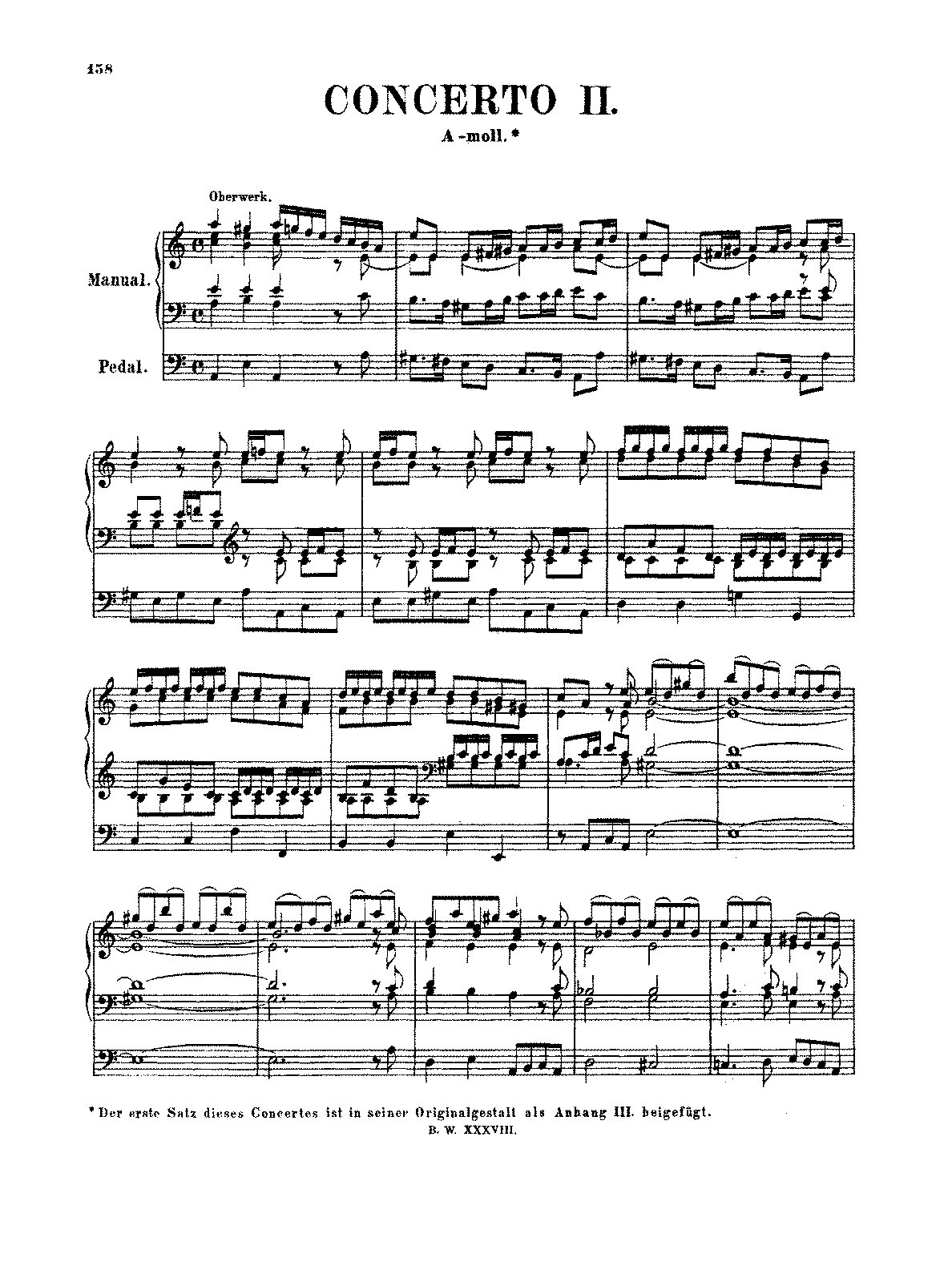
Johann Sebastian Bach (1685 - 28 luglio 1750): Concerto in la minore per organo BWV 593, trascrizione del Concerto RV 522 di Vivaldi. Simon Preston.
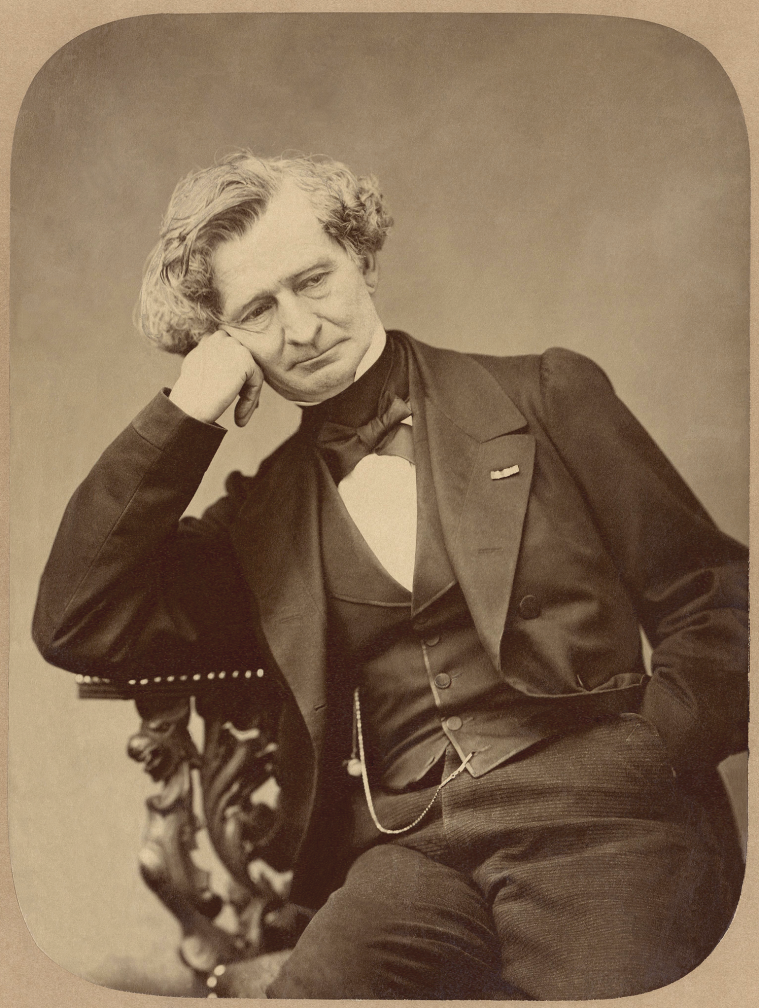
Hector Berlioz (1803 - 1869): Roméo et Juliette, symphonie dramatique op. 17 (1839); libretto by Émile Deschamps, based on Shakespeare’s play Romeo and Juliet. Marianne Crebassa, mezzo-soprano; Paolo Fanale, tenor; Alex Esposito, bass; Choeur de Radio France directed by Howard Arman; Orchestre national de France; Daniele Gatti, conductor.
PREMIÈRE PARTIE
Introduction: Combats – Tumulte – Intervention du Prince [1:45]
Prologue:
Récitatif choral: «D’anciennes haines endormies» [6:50]
Strophes: «Premiers transports que nul n’oublie» [12:09]
Récitatif et Scherzetto: «Bientôt de Roméo la pâle rêverie» [19:27]
DEUXIÈME PARTIE
Roméo seul – Tristesse – Bruits lontains de concert et bal [23:13]
Grande fête chez Capulet [30:50]
Nuit sereine – Le Jardin de Capulet, silencieux et désert – Les jeunes Capulets, sortant de la fête, passent en chantant des réminiscences de la musique du bal – Scène d’amour [37:30]
Scherzo: La reine Mab, ou la Fée des songes [59:33]
TROISIÈME PARTIE
Convoi funèbre de Juliette: «Jetez des fleurs pour la vierge expirée» [1:07:59]
Roméo au tombeau des Capulets [1:18:43]
Finale:
La foule accourt au cimetière – Rixe des Capulet et des Montagus [1:26:59]
Récitatif et Air du Père Laurence: «Pauvres enfants que je pleure» [1:31:19]
Serment de réconciliation: «Jurez donc par l’auguste symbole» [1:40:20]
Einojuhani Rautavaara (1928 - 27 luglio 2016): Cantus arcticus, concerto per uccelli (registrati su nastro magnetico) e orchestra op. 61 (1972). Sinfonieorchester des Mitteldeutschen Rundfunks, dir. Max Pommer.
Franz Doppler (1821 - 27 luglio 1883): Concerto in re minore per 2 flauti e orchestra (). Patrick Gallois e Kazunori Seo, flauti; Jyväskylä Sinfonia, dir. Patrick Gallois.
Con il suo ensemble, The Broadside Band, Jeremy Barlow ha lavorato a lungo e proficuamente sulle musiche utilizzate da Johann Christoph Pepusch nell’Opera del mendicante (The Beggar’s Opera, 1728) di John Gay: la quale è l’unica ballad opera di cui si parli ancora ai nostri giorni, grazie anche al rifacimento brechtiano del 1928, Die Dreigroschenoper, che adotta però musiche originali composte da Kurt Weill. Per l’Opera del mendicante invece, com’è noto, Pepusch adattò i testi di Gay a melodie che all’epoca avevano una certa notorietà, prendendole a prestito da broadside ballads, arie d’opera, inni religiosi e canti di tradizione popolare.
Oltre a produrre un’edizione completa del lavoro di Gay e Pepusch, Barlow e la sua band hanno inciso (per Harmonia Mundi, 1982) anche un’antologia degli airs più famosi (in tutto nove brani), di ciascuno dei quali proponendo non solo la versione dell’Opera del mendicante ma anche la composizione originale e eventuali altre sue trasformazioni, varianti e parodie.
L’ultima sezione dell’antologia, che qui sottopongo alla vostra attenzione, è dedicato a Greensleeves. Comprende, nell’ordine:
una improvvisazione sul passamezzo antico, eseguita al liuto da George Weigand
Greensleeves, la più antica versione nota della melodia (dal William Ballet’s Lute Book, c1590-1603) con la più antica versione nota del testo (da A Handful of Pleasant Delights, 1584), cantata da Paul Elliott accompagnato al liuto da Weigand [1:13]
Alas, my love, you do me wrong,
To cast me off discourteously.
And I have loved you so long,
Delighting in your company.
Greensleeves was all my joy,
Greensleeves was my delight,
Greensleeves was my heart of gold,
And who but my Lady Greensleeves.
I have been ready at your hand,
To grant whatever you wouldst crave,
I have both waged life and land,
Your love and goodwill for to have.
Well I will pray to God on high
That thou my constancy mayst see,
And that yet once before I die,
Thou wilt vouchsafe to love me.
Greensleeves, now farewell, adieu,
God I pray to prosper thee,
For I am still thy lover true,
Come once again and love me.
Greensleeves, la versione più diffusa all’inizio del Seicento, secondo William Cobbold (1560 - 1639) e altri autori, con improvvisazioni eseguite da Weigand alla chitarra barocca e da Rosemary Thorndycraft al bass viol [4:07]
la versione dell’Opera del mendicanteche già conosciamo, interpretata ancora da Elliott a solo [5:27]
un misto di tre jigs irlandesi eseguito da Barlow al flauto e da Alastair McLachlan al violino [6:03]:
– A Basket of Oysters (da Moore’s Irish Melodies, 1834)
– A Basket of Oysters or Paddythe Weaver (Aird’s selection, 1788)
– Greensleeves (versione raccolta a Limerick nel 1852)
With his ensemble, The Broadside Band, Jeremy Barlow worked extensively and profitably on the music used by Johann Christoph Pepusch in John Gay’s The Beggar’s Opera (1728): it is the only ballad opera that is still talked about today, thanks also to Bertolt Brecht’s 1928 remake, Die Dreigroschenoper, which however features original music composed by Kurt Weill. The Beggar’s Opera is quite different: Pepusch adapted Gay’s texts to tunes that were already well known at the time, borrowing from popular ballads, opera arias, religious hymns and folk songs.
Barlow and his band recorded a complete edition of Gay and Pepusch’s work, as well as an anthology of its most famous arias (nine pieces in all), included not only the version from The Beggar’s Opera, but also the original composition and some of its variants and parodies.
The last track in that anthology, the one I’m submitting to you here, is dedicated to Greensleeves. It includes, in order:
Greensleeves, earliest version of melody (from William Ballet’s Lute Book, c1590-1603) with earliest surviving words (A Handful of Pleasant Delights, 1584), sung by Paul Elliott accompanied on lute by Weigand [1:13]
Alas, my love, you do me wrong,
To cast me off discourteously.
And I have loved you so long,
Delighting in your company.
Greensleeves was all my joy,
Greensleeves was my delight,
Greensleeves was my heart of gold,
And who but my Lady Greensleeves.
I have been ready at your hand,
To grant whatever you wouldst crave,
I have both waged life and land,
Your love and goodwill for to have.
Well I will pray to God on high
That thou my constancy mayst see,
And that yet once before I die,
Thou wilt vouchsafe to love me.
Greensleeves, now farewell, adieu,
God I pray to prosper thee,
For I am still thy lover true,
Come once again and love me.
Greensleeves, the most widespread version at the beginning of the seventeenth century, according to William Cobbold (1560 - 1639) and other authors, with improvisations performed by Weigand on baroque guitar and by Rosemary Thorndycraft on bass viol [4:07]
The Beggar’s Opera version (we already know it) sung by Elliott a solo [5:27]
a medley of three Irish jigs performed by Barlow on flute and Alastair McLachlan on violin [6:03]:
– A Basket of Oysters (from Moore’s Irish Melodies, 1834)
– A Basket of Oysters or Paddythe Weaver (Aird’s selection, 1788)
– Greensleeves (collected Limerick 1852).
Eduard Schütt (1856 - 26 luglio 1933): Scènes champêtres, quatre morceaux caractéristiques pour piano à 4 mains op. 46 (1895). Andrea Bambace e Sabrina Kang.
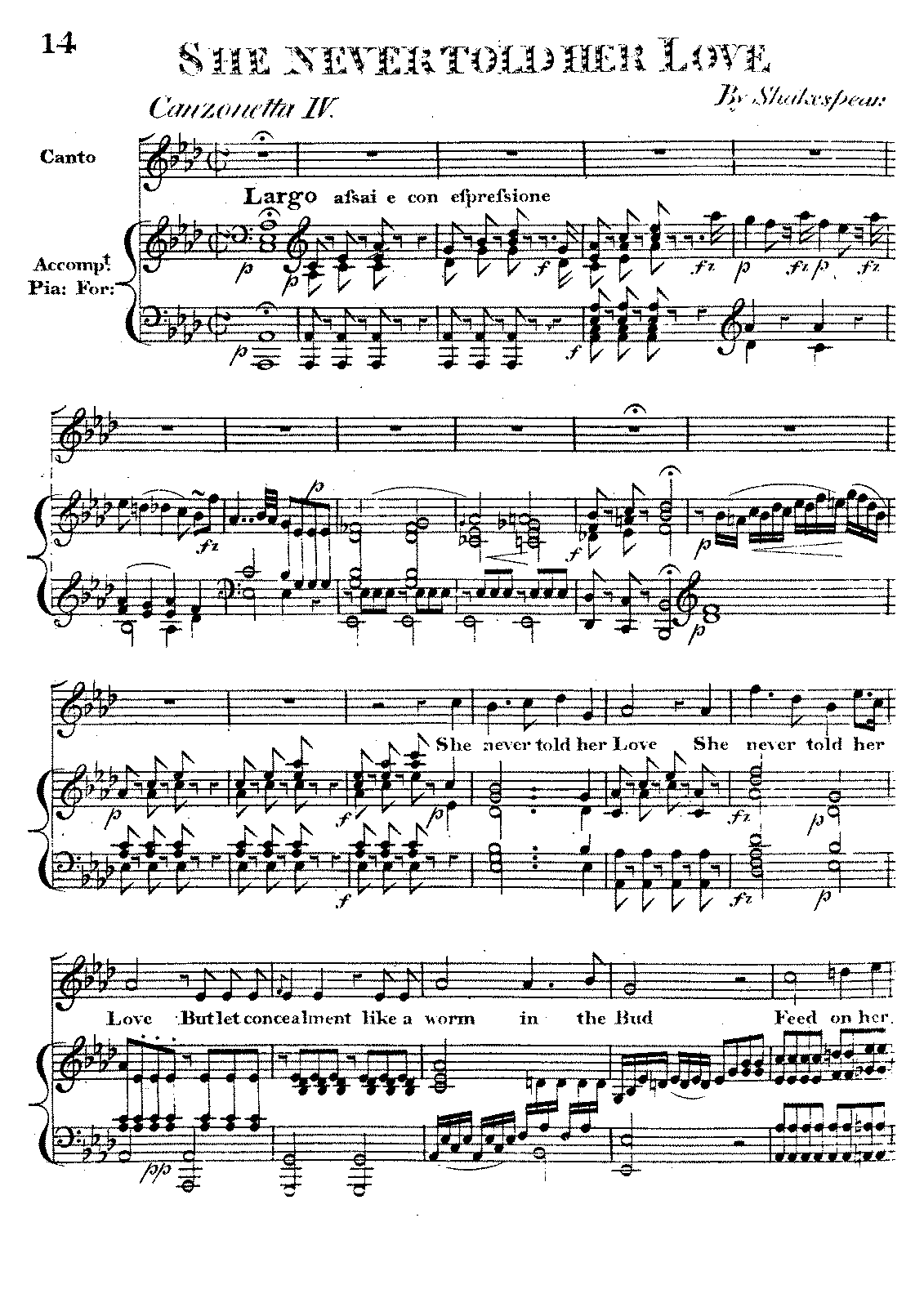
Franz Josef Haydn (1732 - 1809): She never told her love, canzonetta for voice and keyboard instrument Hob.XXVIa:34 (1794-95); lyrics by William Shakespeare (Twelfth Night, act 2, scene 4). Anne Sofie von Otter, mezzo-soprano; Melvyn Tan, fortepiano.
She never told her love,
but let concealment,
like a worm in the bud,
feed on her damask cheek,
she sat,
like patience on a monument,
smiling, smiling at grief.
Agostino Steffani (25 luglio 1654 - 1728): Stabat mater a 6 voci, coro, archi e basso continuo (1728). Coro della Radio Svizzera, dir. Diego Fasolis; I Barocchisti, dir. René Clemencic.
Gerard Schwarz (1947): Variations on Greensleeves for violin and orchestra (2008). Maria Larionoff, violin; Seattle Symphony Orchestra conducted by the composer.



 Gianni Possio (3 agosto 1953): Serenata per 8 strumenti a fiato (1983). Ottetto Classico Italiano.







 From a reprint, dated 1878, of A Handful of Pleasant Delites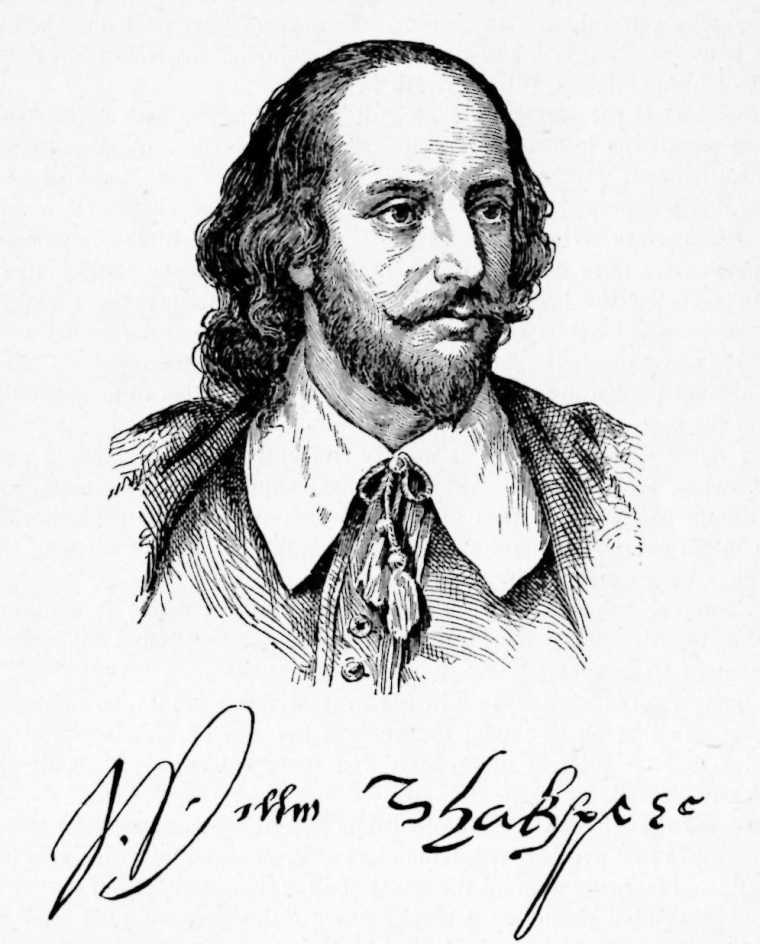




 Agostino Steffani (25 luglio 1654 - 1728): Stabat mater a 6 voci, coro, archi e basso continuo (1728). Coro della Radio Svizzera, dir. Diego Fasolis; I Barocchisti, dir. René Clemencic.