
Antonín Vranický ovvero Anton Wranitzky (1761 - 6 agosto 1820): Sinfonia in do maggiore, Aphrodite (1796). Dvořákův komorní orchestr, dir. Vladimír Válek.
- Adagio – Allegro con fuoco
- Andante – Allegro [12:10]
- Adagio – Allegro vivace [18:57]
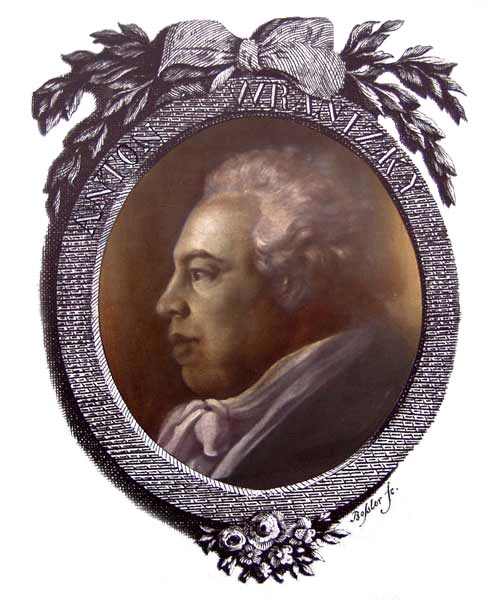
Antonín Vranický ovvero Anton Wranitzky (1761 - 6 agosto 1820): Sinfonia in do maggiore, Aphrodite (1796). Dvořákův komorní orchestr, dir. Vladimír Válek.
Nicolas Chédeville (1705 - 6 agosto 1782): Sonata in sol minore per oboe e continuo, n. 6 della raccolta Il pastor fido (pubblicata nel 1737 come op. 13 di Antonio Vivaldi). Paul Goodwin, oboe; Nigel North, arciliuto e chitarra barocca; Susan Sheppard, violoncello; Frances Eustace, fagotto; John Toll, clavicembalo e organo.

Hans Gál (5 agosto 1890 - 1987): Concerto in do maggiore per pianoforte e orchestra op. 57 (1948). Hartmut Hudezeck, pianoforte; Philharmonisches Orchester Altenburg-Gera, dir. Laurent Wagner.

Eugen Suchoň (1908 - 5 agosto 1993): Symfonietta rustica per orchestra (1955-56). Eesti Riiklik Sümfooniaorkester (Orchestra sinfonica nazionale dell’Estonia), dir. Neeme Järvi.

Betsy Jolas (5 agosto 1926): Quatuor II per soprano, violino, viola e violoncello (1966). Mady Mesplé, soprano; Trio À Cordes Français: Gérard Jarry, violino; Serge Collot, viola; Michel Tournus, violoncello.
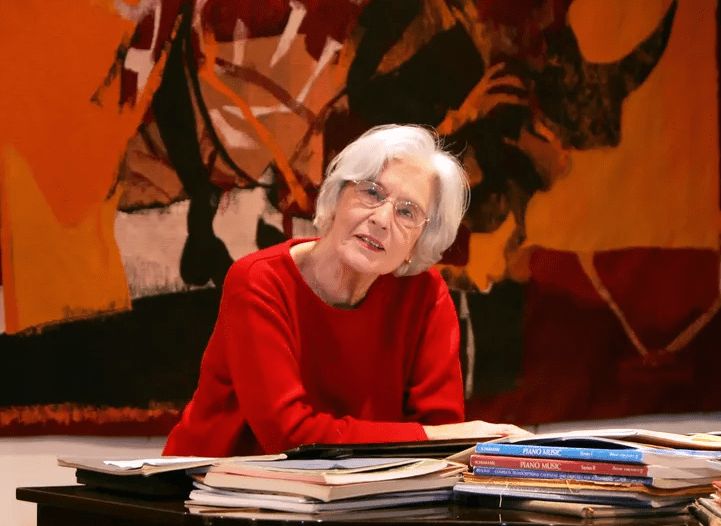
Siegfried Wagner (1869 - 4 agosto 1930): Sehnsucht, poema sinfonico, da Schiller (1895). Philharmonisches Staatsorchester Hamburg, dir. Werner Andreas Albert.
Scritta a 26 anni dal figlio di Richard Wagner e Cosima Liszt, questa composizione fu ritrovata solo nel 1979.

Alberto Franchetti (1860 - 4 agosto 1942): Nella Foresta Nera, impressione sinfonica (1902). Orchestra Sinfonica Moldava, dir. Silvano Frontalini.

Olga Neuwirth (4 agosto 1968) : Trurl-Tichy-Tinkle per pianoforte (2016). Robert Fleitz.

Olivier Alain (3 agosto 1918 - 1994): Chanson de la brume en mer per organo op. 64 (1940). Luca Massaglia.
.

August Klughardt (1847 - 3 agosto 1902): Sinfonia n. 3 in re maggiore op. 37 (1879). Anhaltische Philharmonie Dessau, dir. Golo Berg.
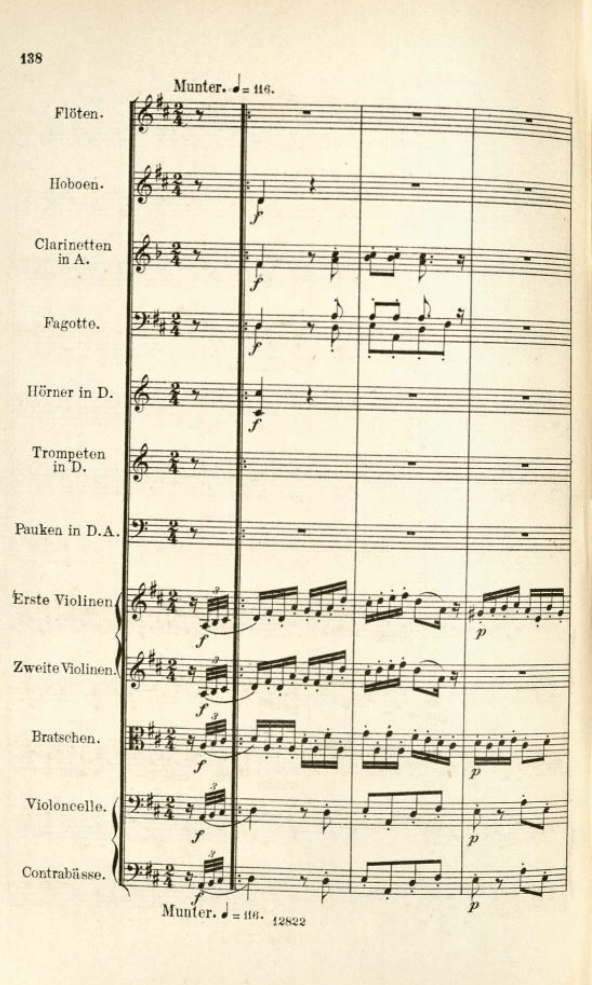
Karl Amadeus Hartmann (2 agosto 1905 - 1963): Sinfonia n. 7 (1958). Bamberger Symphoniker, dir. Ingo Metzmacher.

Oswald von Wolkenstein (c1377 - 2 agosto 1445): Ain graserin durch kúlen tau. Ensemble für frühe Musik Augsburg.
Ain graserin durch kúlen tau
mit weissen, blossen fússlin zart
hat mich erfreut in grúner au;
das macht ir sichel brawn gehart,
do ich ir half den gattern rucken,
smucken fúr die schrencken,
lencken, sencken in die seul,
wolbewart, damit das freul
hinfúr an sorg nicht fliesen möcht ir gensel.
Als ich die schön her zeunen sach,
ain kurze weil ward mir ze lanck,
bis das ich ir den ungemach
tett wenden zwischen zwaier schranck.
mein häcklin klein hett ich ir vor
embor zu dienst gewetzet,
gehetzet, netzet; wie dem was,
schúbren half ich ir das gras.
«Zuck nicht, mein schatz!»
«Simm nain ich, lieber Jensel.»
Als ich den kle hett abgemät
und all ir lucken wolverzeunt,
dannocht gert si, das ich jät
noch ainmal inn der nidern peunt;
ze lon wolt si von rosen winden,
binden mir ain krenzel.
«Swenzel, renzel mir den flachs!»
«Treut in, wiltu, das er wachs!
herz liebe gans, wie schön ist dir dein grensel.»

Carlos Chávez (1899 - 2 agosto 1978): Toccata per percussioni (1942). Les Percussions de Strasbourg.

Carlos Chávez (1899 - 2 agosto 1978): Sinfonia n. 2, Sinfonía India (1935-36). Orquesta Sinfónica del Estado de México (l’indicazione nel video è errata), dir. Enrique Bátiz.

Andre Hajdu (1932 - 1º agosto 2016): divertimento per orchestra d’archi. IDF Education Corps Chamber Orchestra, dir. Hillel Zori.

Giovanni Ernesto di Sassonia-Weimar (1696 - 1º agosto 1715): Concerto in sol maggiore per violino e orchestra. Thüringer Bach Collegium.
Lo stesso concerto nella trascrizione per organo eseguita da Johann Sebastian Bach (BWV 592). Ton Koopman all’organo Schnitger della Martinikerk in Groninga.

Fabrizio de Rossi Re (1960): Spaventati dalla tempesta per orchestra, liberamente ispirato dal De rerum natura di Lucrezio (1992). Orchestra Sinfonica Abruzzese, dir. Flavio Emilio Scogna.
Oggi è il compleanno del Maestro: auguri!

Ignacio Cervantes (31 luglio 1847 - 1905): Serenata cubana. Yleana Bautista, pianoforte.

Béla Bartók (1881 - 1945): Divertimento per archi Sz. 113, BB 118 (1939). Cameristi della Scala, dir. Wilson Hermanto.
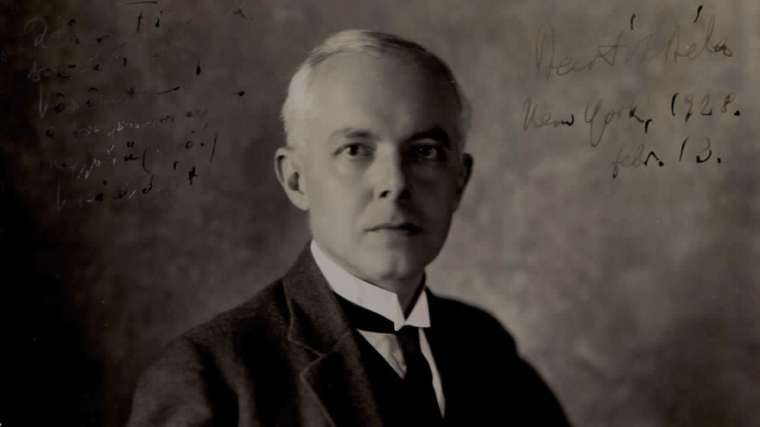
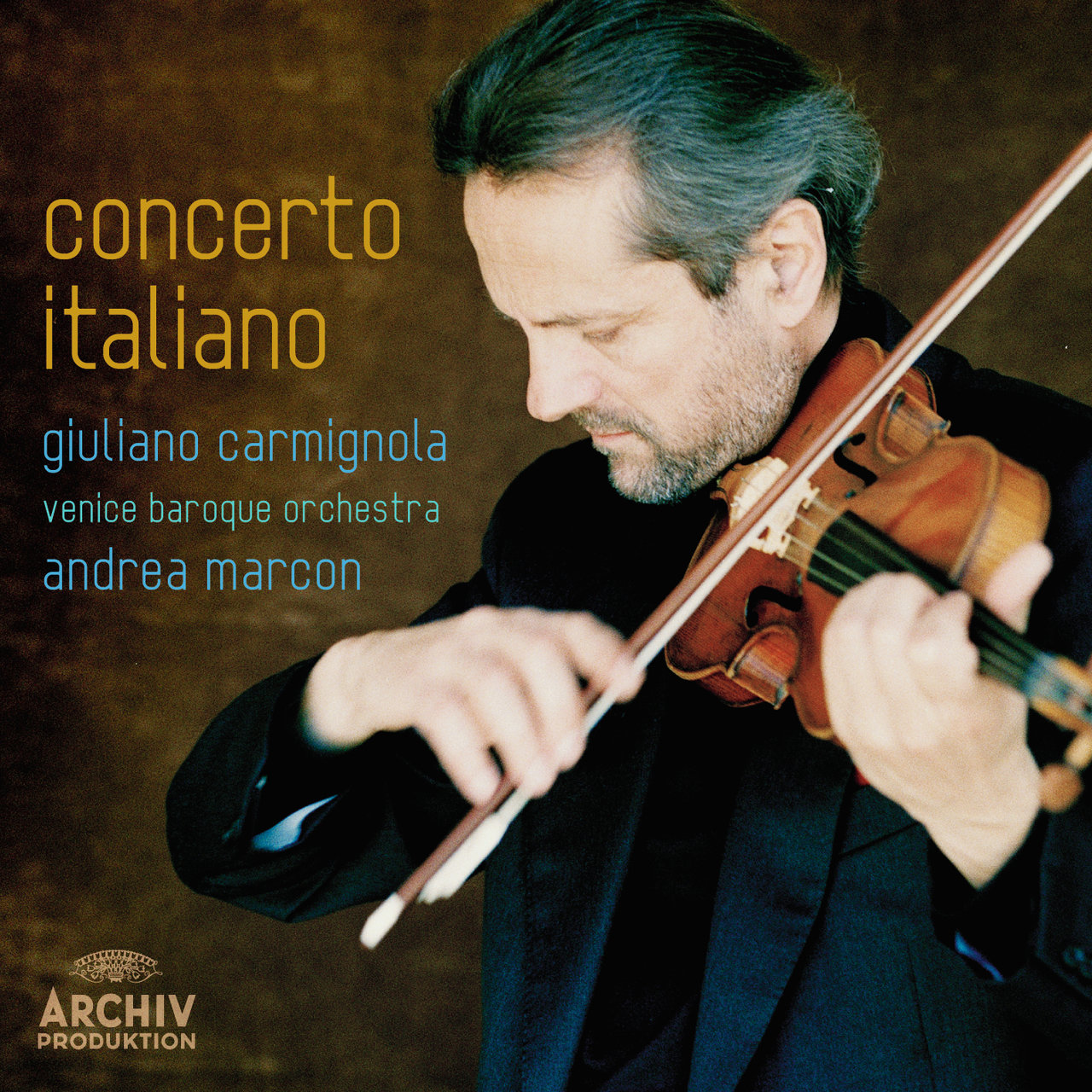
Michele Stratico (31 luglio 1728 - 1783): Concerto in sol minore per violino e archi. Giuliano Carmignola, violino; Venice Baroque Orchestra, dir. Andrea Marcon.
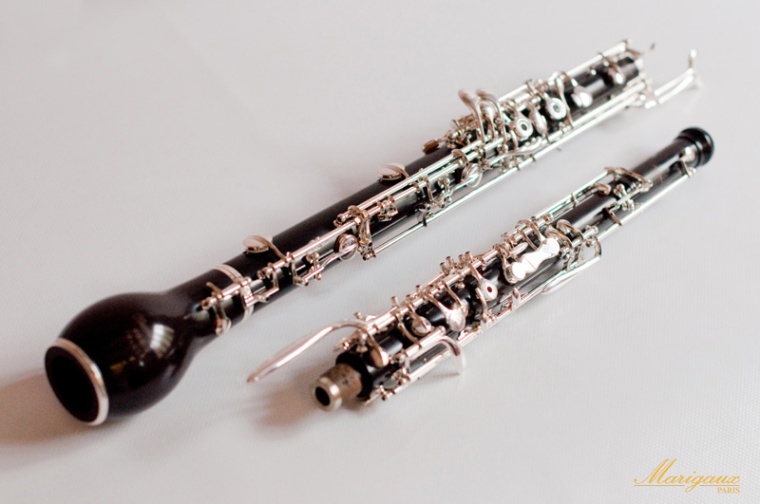
Josef Fiala (1748 - 31 luglio 1816): Concerto in mi bemolle maggiore per corno inglese e orchestra. Heinz Holliger, corno inglese; English Chamber Orchestra, dir. Raymond Leppard.
Barbara Giuranna (1899 - 30 luglio 1998): Toccata per pianoforte (1937). Maria Elisa Tozzi.

Bonaventura Somma (30 luglio 1893 - 1960): Toccata per organo (1934). Maurizio Mancino.

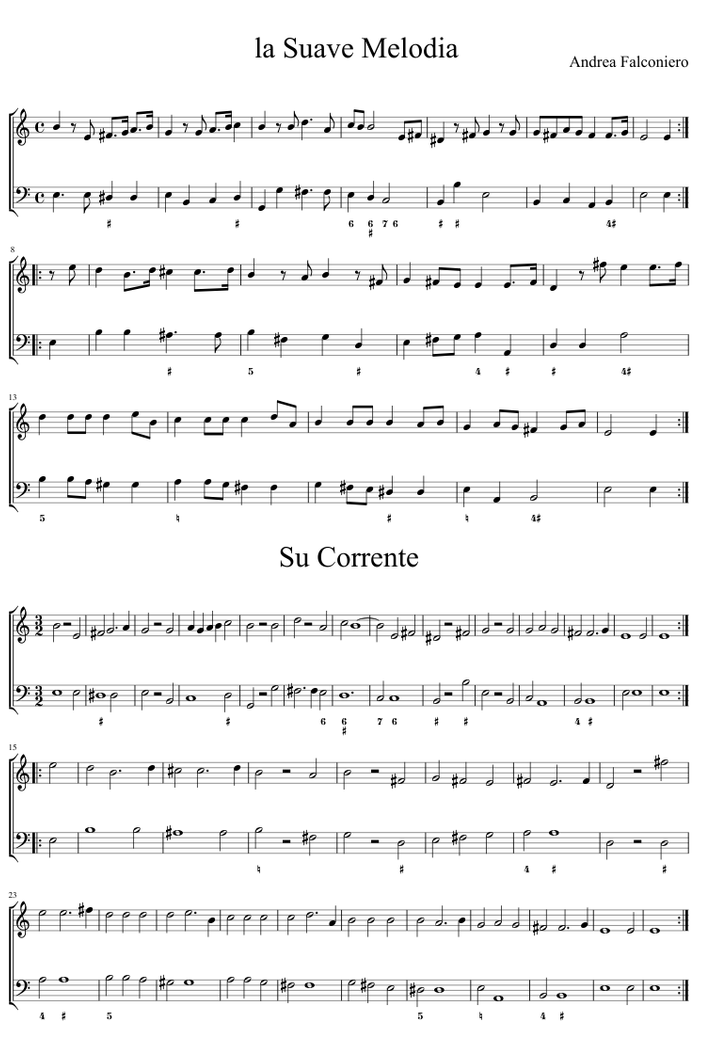
Andrea Falconiero o Falconieri (c1585 - 29 luglio 1656): La Suave Melodia e Su Corrente, dal I Libro di canzone, sinfonie, fantasie… (1650). La Musa Armonica: Lina Manrique, viola da gamba; Parsival Castro, tiorba; Diogo Rodrigues, chitarra barocca.
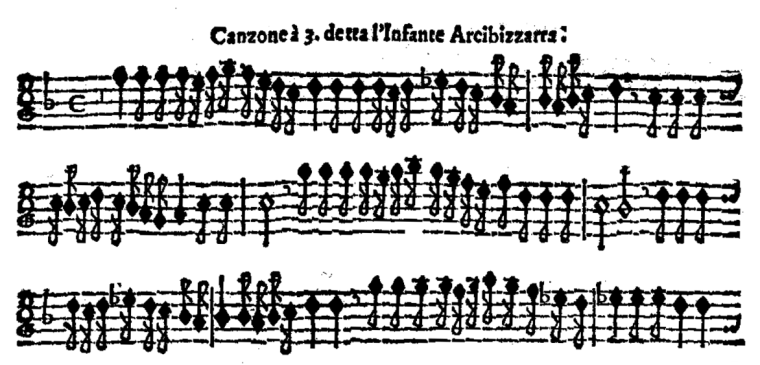
Andrea Falconiero o Falconieri (c1585 - 29 luglio 1656): Canzone a 3, detta l’Infante Arcibizzarra, dal I Libro di canzone, sinfonie, fantasie… (1650). Accademia Bizantina, dir. Ottavio Dantone.
Anonimo (sec. XVII): Barbara Allen, ballad di origine scozzese. Alfred Deller, controtenore; Desmond Dupré, liuto.
In Scarlet town where I was born
There was a fair maid dwellin’,
Made ev’ry youth cry «Well-a-day.»
Her name was Barbara Allen.
All in the merry month of may,
When green buds they were swellin’,
Young Jemmy Grove on his death-bed lay
For love of Barbara Allen.
So slowly, slowly she came up,
And slowly she came nigh him,
And all she said when there she came:
«Young man, I think you’re dyin’.»
When he was dead, and laid in grave,
Her heart was struck with sorrow.
«Oh mother, mother, make my bed:
For I shall die tomorrow.»
Farewell, she said, ye virgins all,
And shun the fault I fell in:
Henceforth take warning by the fall
Of cruel Barbara Allen.

Boris Asaf’ev (29 luglio 1884 - 1949): Sonatina per oboe e pianoforte (1939). Ivan Paisov, oboe; Natal’ja Ščerbakova, pianoforte.

 Johann Theile (29 luglio 1646 - 1724): Suite in la minore dal Musikalisches Kunstbuch (1691). Hamburger Ratsmusik, dir. Simone Eckert.
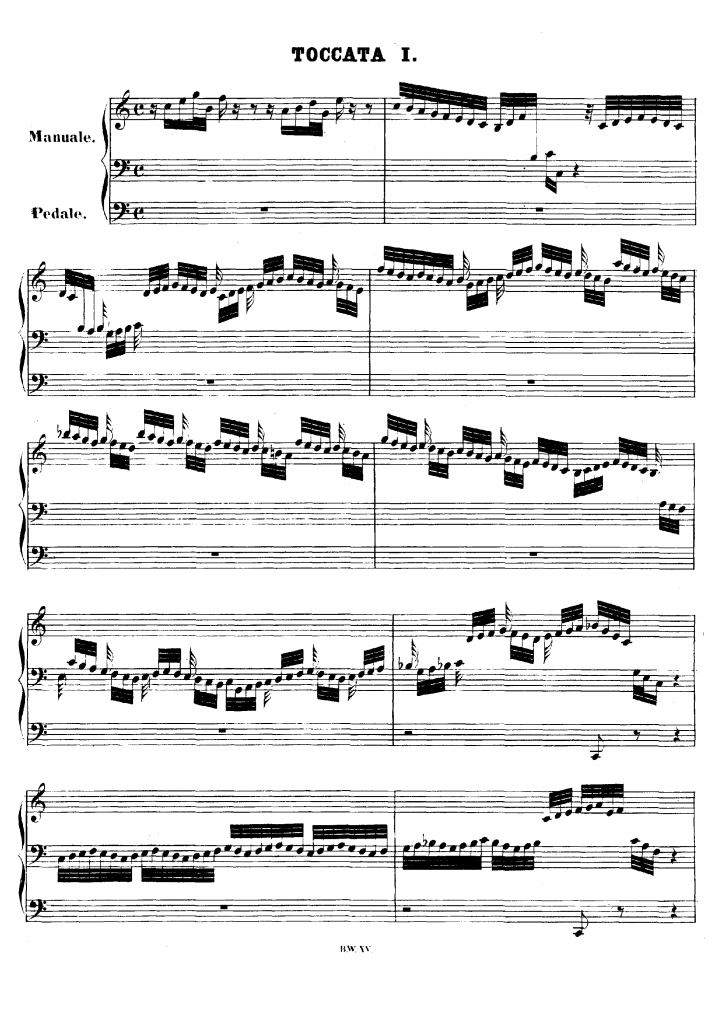
Johann Sebastian Bach (1685 - 28 luglio 1750): Toccata, Adagio e Fuga in do maggiore per organo BWV 564 (c1710-17). E(dward George) Power Biggs (1906 - 1977) .
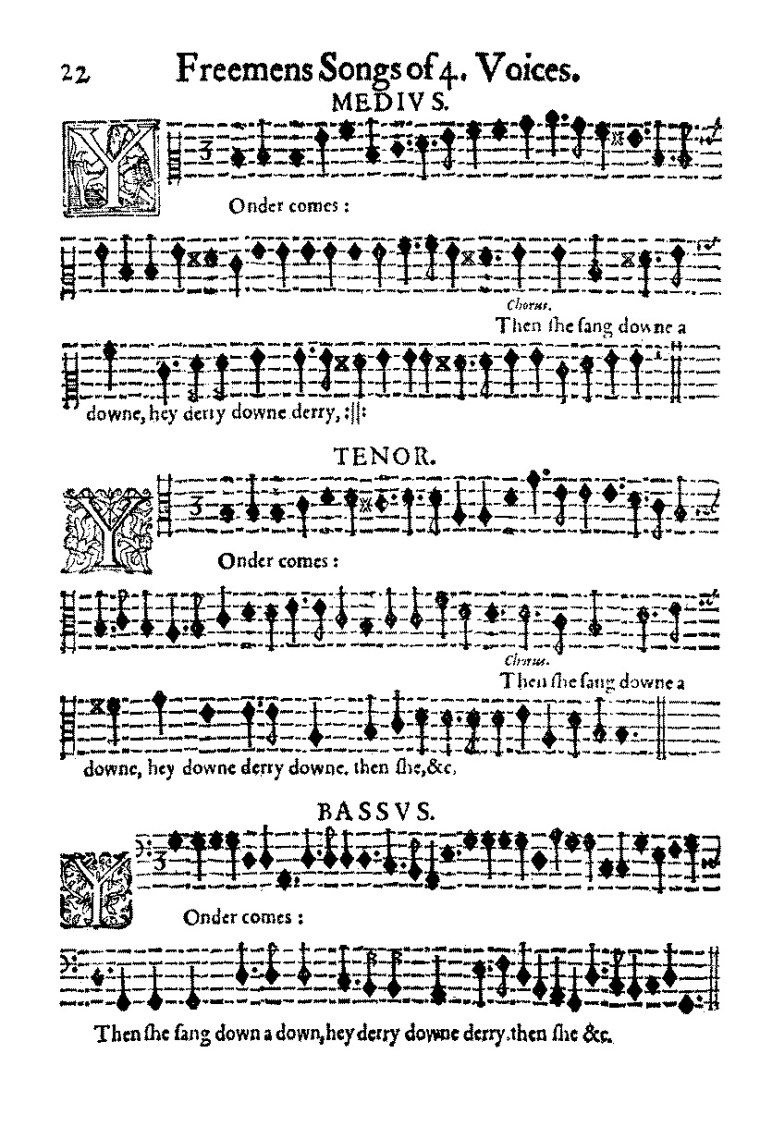
Thomas Ravenscroft (c1582 - c1633): Yonder comes a courteous knight, partsong a 4 (pubblicato in Deuteromelia, 1609, n. 22). Pro Cantione Antiqua.
Notevoli il testo, che presenta alla fine una «morale» davvero curiosa 🙂 , e l’armonizzazione, severa e moderna allo stesso tempo, nonché l’interpretazione dell’ensemble Pro Cantione Antiqua.
Yonder comes a courteous knight,
Lustely raking over the lay;
He was well ware of a bonny lasse,
As she came wand’ring over the way.
Then she sang downe a downe, hey downe derry.
Jove you speed, fayre ladye, he said,
Among the leaves that be so greene;
If I were a king, and wore a crowne,
Full soone, fair lady, shouldst thou be a queen.
Also Jove save you, faire lady,
Among the roses that be so red;
If I have not my will of you,
Full soone, faire lady, shall I be dead.
[Then he lookt east, then hee lookt west,
He lookt north, so did he south;
He could not finde a privy place,
For all lay in the divel’s mouth.]
If you will carry me, gentle sir,
A mayde unto my father’s hall,
Then shall you have your will of me,
Under purple and under paule.
[He set her up upon a steed,
And him selfe upon another,
And all the day he rode her by,
As though they had been sister and brother.]
When she came to her father’s hall,
It was well walled round about;
She rode in at the wicket-gate,
And shut the foure-ear’d foole without.
You had me, quoth she, abroad in the field,
Among the corne, amidst the hay,
Where you might had your will of mee,
For, in good faith, sir, I never said nay.
[Ye had me also amid the field,
Among the rushes that were so browne,
Where you might had your will of me,
But you had not the face to lay me downe.]
He pulled out his nut-browne sword,
And wipt the rust off with his sleeve,
And said: Jove’s curse come to his heart,
That any woman would beleeve!
When you have your owne true-love
A mile or twaine out of the towne,
Spare not for her gay clothing,
But lay her body flat on the ground.

 la regina gioiosa