
Krzysztof Meyer (11 agosto 1943): Canzona per violoncello e pianoforte (1981). Luca Fiorentini, violoncello; Jakub Tchorzewski, pianoforte.
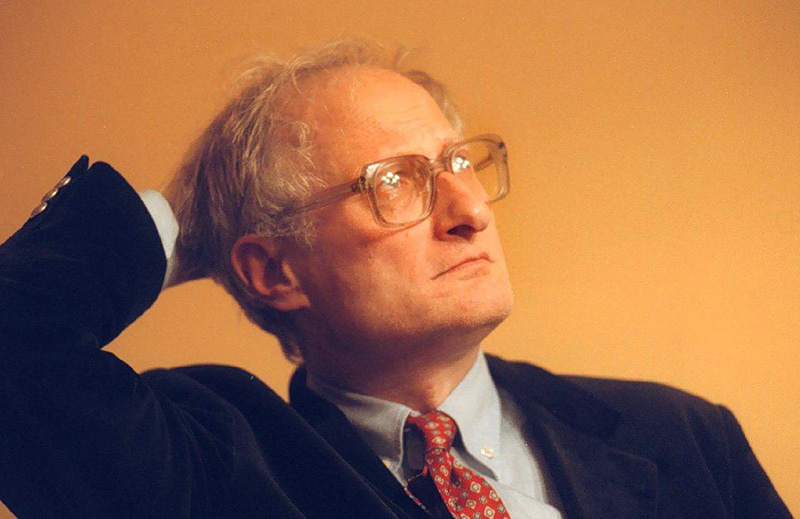
Krzysztof Meyer (11 agosto 1943): Canzona per violoncello e pianoforte (1981). Luca Fiorentini, violoncello; Jakub Tchorzewski, pianoforte.
David Popper (1843 - 7 agosto 1913): Requiem per 3 violoncelli e pianoforte op. 66 (1892). Rajan Krishnaswami, Brian Wharton e Jonathan Salman, violoncelli; Mark Salman, pianoforte.

Al’fred Šnitke (Alfred Schnittke; 1934 - 3 agosto 1998): Suite in stile antico per violino e pianoforte op. 80 (1972). Irina Tseitlin, violino; Patrick Dheur, pianoforte.

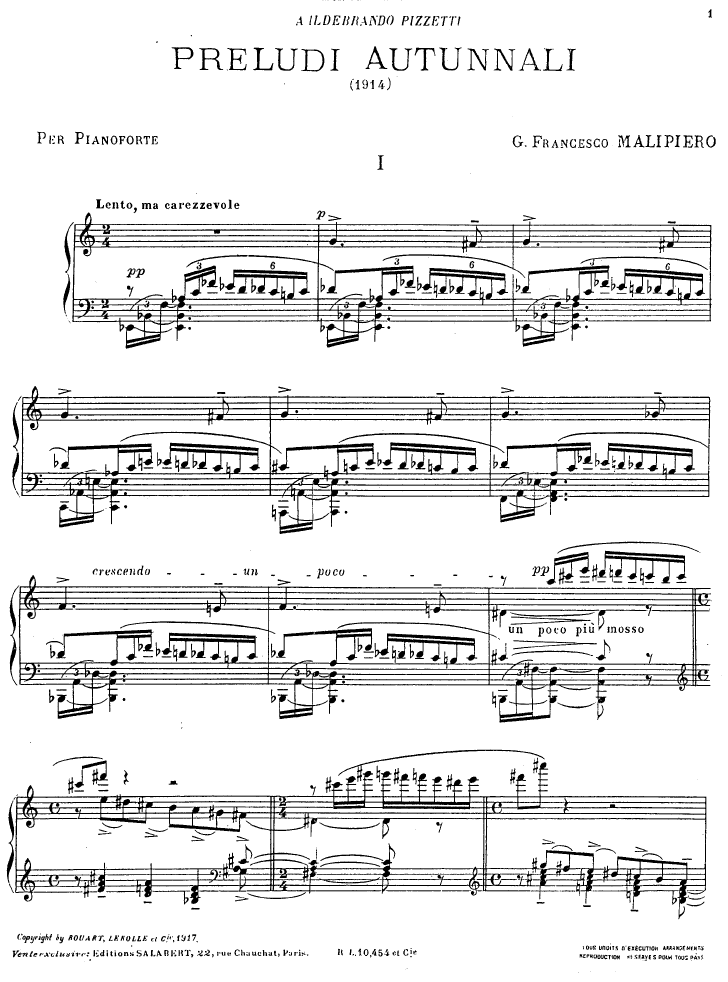
Gian Francesco Malipiero (1882 - 1° agosto 1973): Preludi autunnali per pianoforte (1914). Stefano Ligoratti.
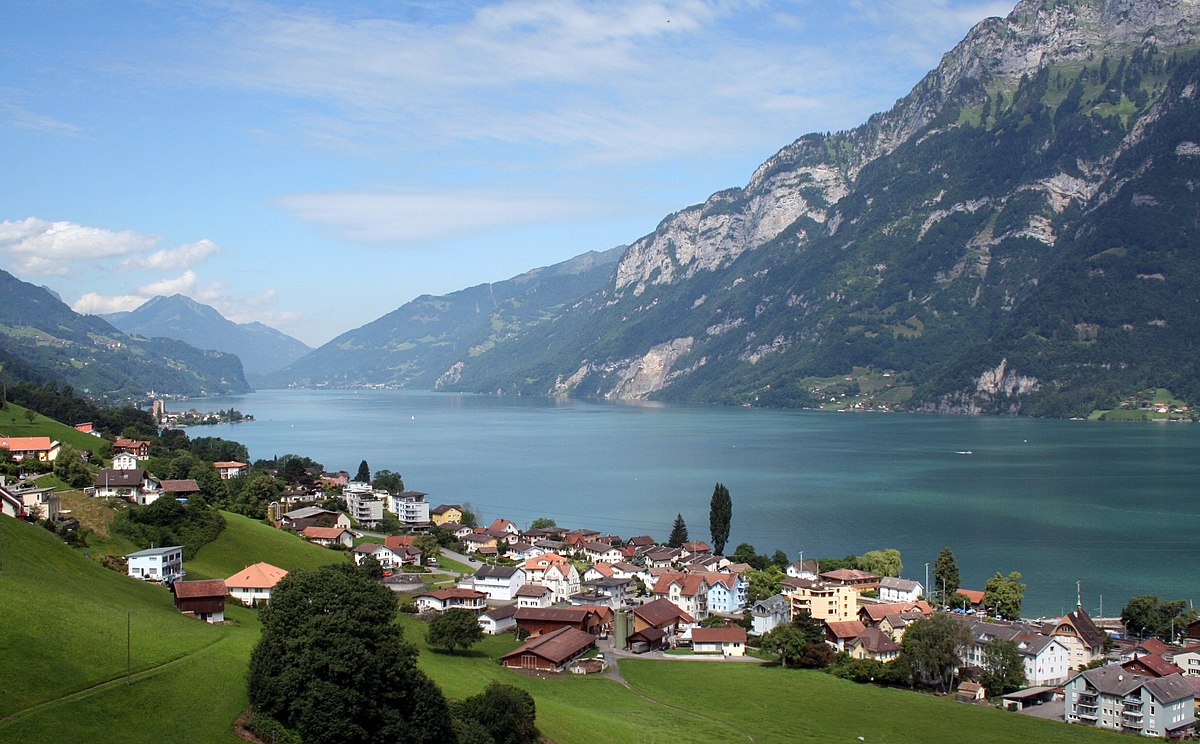
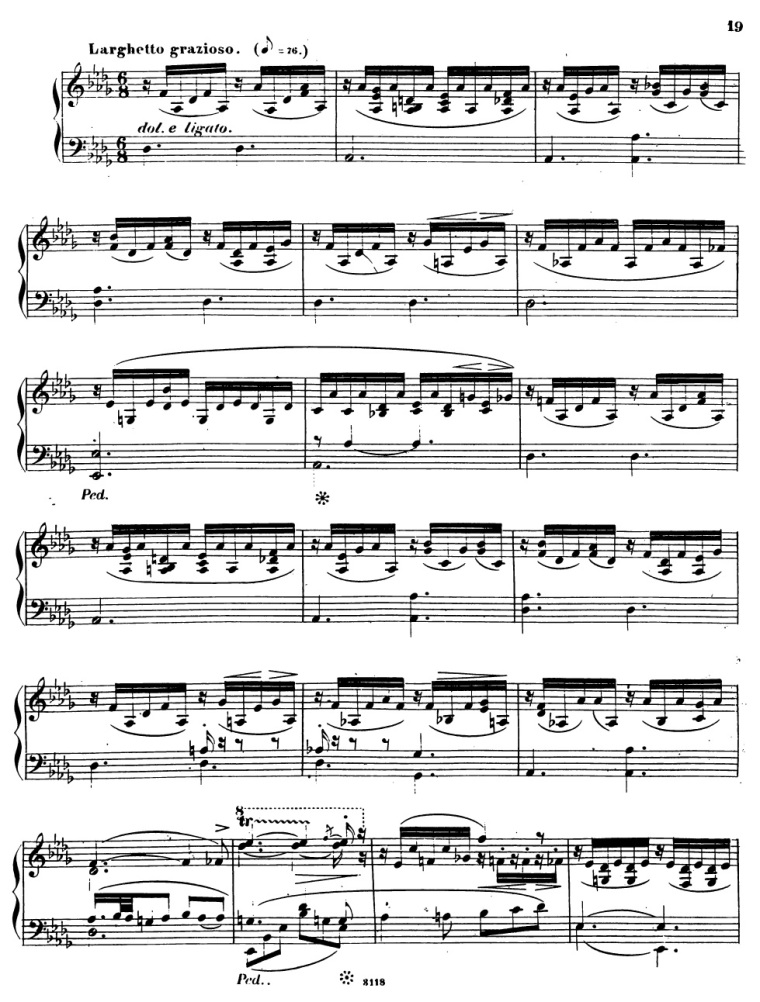
Franz Liszt (1811 - 31 luglio 1886): Au lac de Wallenstadt per pianoforte, n. 2 (Andante placido in la bemolle maggiore) dell’album Années de pèlerinage: Première année (Suisse) S 160 (1848–55). Lazar Berman.

.
Herman Severin Løvenskiold (30 luglio 1815 - 1870): Quartetto con pianoforte in fa minore op. 26 (c1862). Interpreti non identificati.
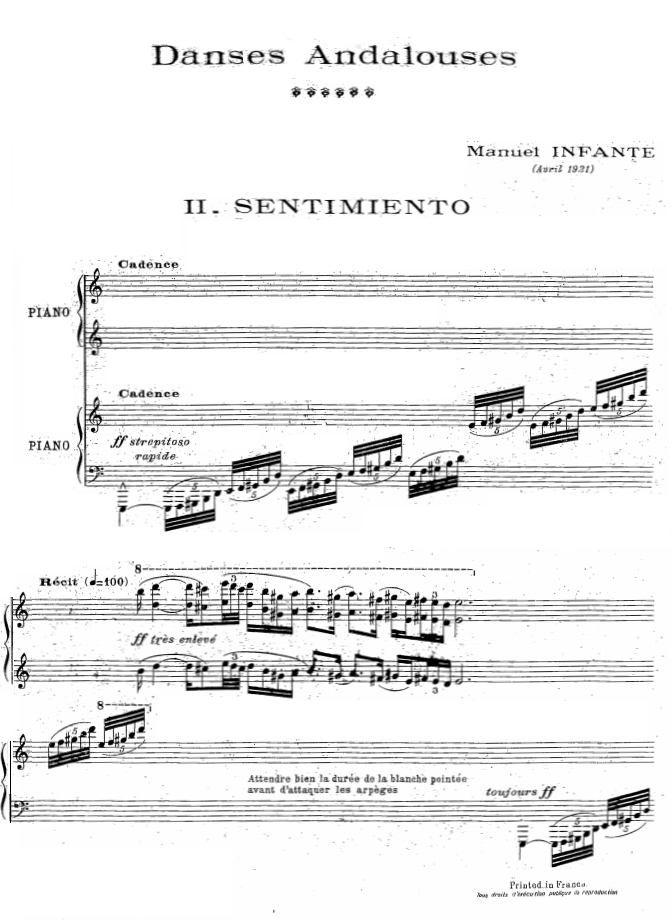
Manuel Infante (29 luglio 1883 - 1958): Danses andalouses per 2 pianoforti (1922). Katia e Marielle Labèque.
Eduard Schütt (1856 - 26 luglio 1933): Scènes champêtres, quatre morceaux caractéristiques pour piano à 4 mains op. 46 (1895). Andrea Bambace e Sabrina Kang.

Like a worm in the bud
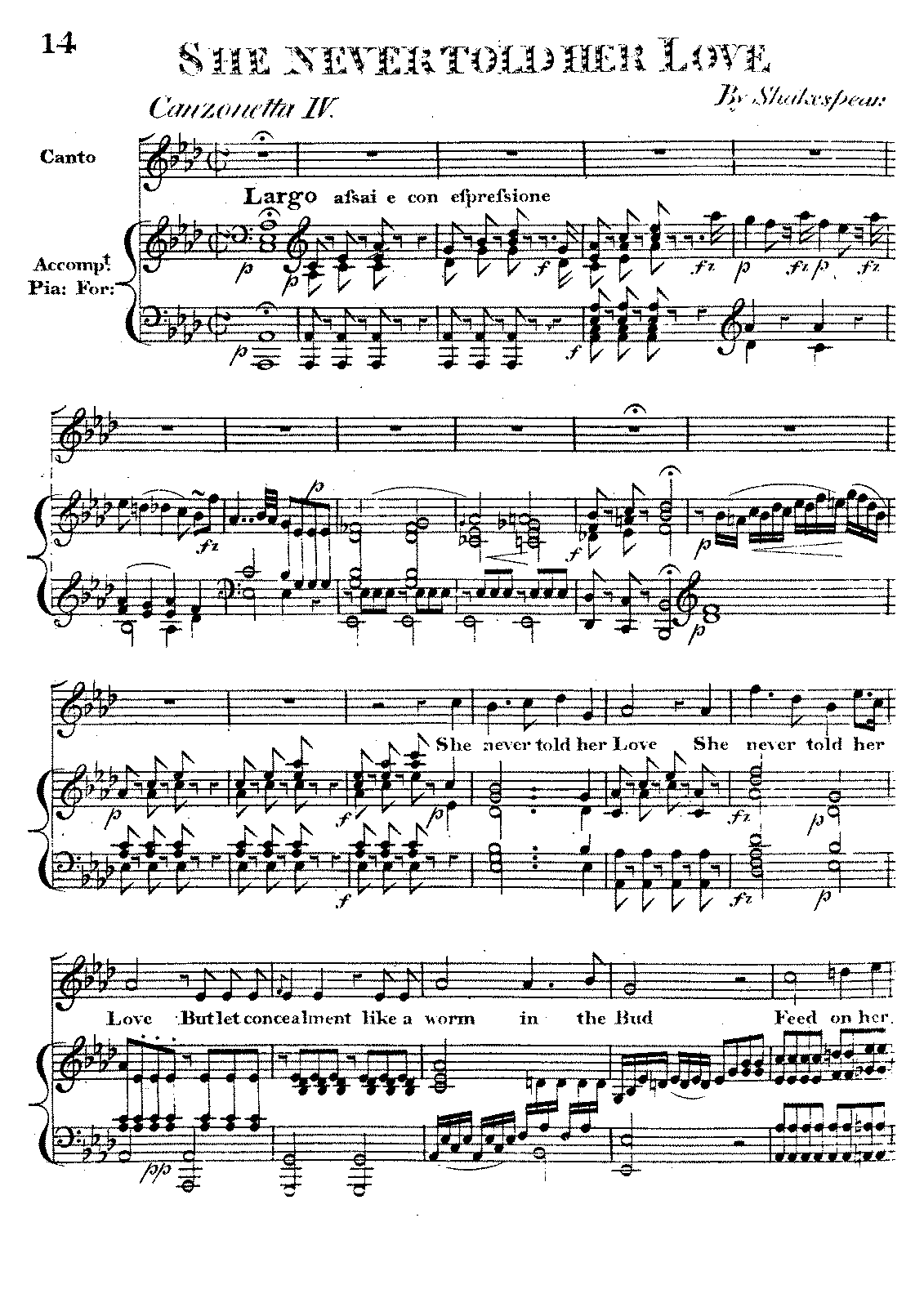
Franz Josef Haydn (1732 - 1809): She never told her love, canzonetta for voice and keyboard instrument Hob.XXVIa:34 (1794-95); lyrics by William Shakespeare (Twelfth Night, act 2, scene 4). Anne Sofie von Otter, mezzo-soprano; Melvyn Tan, fortepiano.
She never told her love,
but let concealment,
like a worm in the bud,
feed on her damask cheek,
she sat,
like patience on a monument,
smiling, smiling at grief.
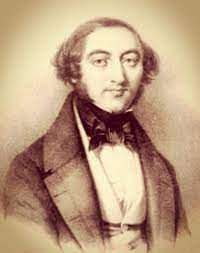 Eduard Marxsen (23 luglio 1806 - 1887): Rondo brillant in fa maggiore per pianoforte op. 9. Anthony Spiri.
Georges Auric (1899 - 23 luglio 1983): Sonata in sol maggiore per violino e pianoforte (1936). Frank Peter Zimmermann, violino; Alexander Lonquich, pianoforte.

Beauty and kindness
Franz Schubert (1797 - 1828): An Silvia, Lied for voice and piano op. 106 n. 4, D 891 (1826); lyrics by William Shakespeare (from The Two Gentlemen of Verona, act 4, scene 2), German translation by Eduard von Bauernfeld. Fritz Wunderlich, tenor; Hubert Giesen, piano.
|
Was ist Silvia, saget an,
Dass sie die weite Flur preist? Schön und zart seh’ ich sie nah’n, Auf Himmels Gunst und Spur weist, Dass ihr alles untertan. Ist sie schön und gut dazu? Darum Silvia, tön’, o Sang, |
Who is Silvia? what is she,
That all our swains commend her? Holy, fair, and wise is she; The heaven such grace did lend her, That she might admirèd be. Is she kind as she is fair? Then to Silvia let us sing, |

Carlo Boccadoro (20 luglio 1963): Soul Brother n. 1 per vibrafono, flauto, clarinetto basso, pianoforte, violino e violoncello (2011). Ensemble Sentieri selvaggi diretto dall’autore.
Fryderyk Chopin (1810 - 1849): Mazurka in fa diesis minore op. 6 n. 1 (1830-31). Arthur Rubinstein, pianoforte.
Il tono popolareggiante è posto subito in evidenza, con la caratteristica terzina che inizia ciascuna semifrase del primo tema; questo consiste di due periodi, uguali nella prima metà e differenti nella seconda, ed è ripetuto cinque volte: la prima ripetizione è immediata, mentre alle successive sono intercalati altri tre episodi, il secondo dei quali è una variante del primo. La struttura complessiva segue dunque lo schema AABAB’ACA. Nel tema A, all’inizio del secondo periodo è posta la didascalia «rubato»: questa indicazione ricorre in tutte le Mazurche delle prime raccolte, fino al secondo brano dell’op. 24.
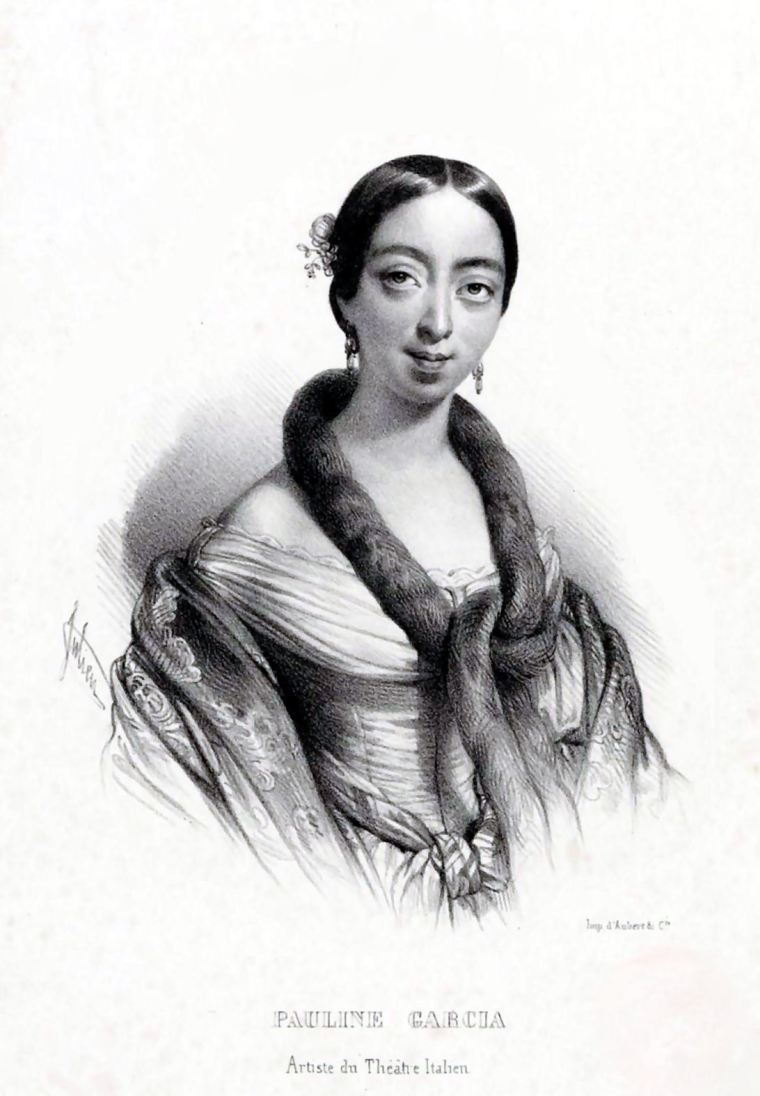
Pauline Viardot-García (18 luglio 1821 - 1910): Plainte d’amour, sulla Mazurca op. 6 n. 1 di Chopin; testo di Louis Pomey. Marina Comparato, mezzosoprano; Elisa Triulzi, pianoforte.
Chère âme, sans toi j’expire,
Pourquoi taire ma douleur?
Mes lèvres veulent sourire
Mes yeux disent mon malheur.
Hélas! Loin de toi j’expire.
Que ma cruelle peine,
De ton âme hautaine
Désarme la rigueur.
Cette nuit dans un rêve,
Je croyais te voir;
Ah, soudain la nuit s’achève,
Et s’enfuit l’espoir.
Je veux sourire
Hélas! La mort est dans mon coeur.
Celebre mezzosoprano e compositrice, sorella della non meno famosa Maria Malibran, la Viardot fu allieva e amica di Chopin, che per lei nutrì sempre profonda stima e simpatia. Sembra che Fryderyk non disprezzasse affatto quel tipo di elaborazioni delle sue opere: alla Viardot espresse anzi il proprio gradimento. Pauline Viardot pubblicò due raccolte di Mazourkas de Chopin arrangées pour la voix, in tutto 12 brani, nel 1848.
NB: salvo diversa indicazione, i testi inseriti negli articoli dedicati a Chopin nel presente blog sono tratti dal volume Chopin: Signori il catalogo è questo di C. C. e Giorgio Dolza, Einaudi, Torino 2001.
Jane Vieu (15 luglio 1781 - 1955): Sérénade japonaise, mélodie (1903) su testo di Serge Rello. Katherine Eberle, mezzosoprano; Robin Guy, pianoforte.
Mets ta robe d’azur,
Chausse tes pieds fragiles.
Près du bambou flexible
Une source frémit:
Les étoiles s’y mirent,
En des sursauts fébriles,
Comme des yeux de femme
Aux yeux de leur ami!
Viens, Taïmu, descends,
La rosée est divine,
Clair joyau sous la lune
A l’opalin baiser;
Je voudrais l’accrocher
A ta blonde poitrine
Et la prendre à tes cils,
Pour aller m’en griser.
Mets ta robe d’azur…
La lune de cristal
Fait la nature bléme,
C’est l’heure du silence ému!
Le cœur s’écoute mieux!
Il semble que tout s’aime!
Aimons nous! douce Taïmu!
Mets ta robe d’azur…

Unsuk Chin (14 luglio 1961): Allegro ma non troppo per percussionista e nastro magnetico (1994-98). Solista Ying-Hsueh Chen.
Unsuk Chin: Toccata (Studio per pianoforte n. 5, 2003). Mei Yi Foo, pianoforte.
Unsuk Chin: Mad Tea-Party Ouverture dall’opera Alice in Wonderland (libretto di David Henry Hwang, da Lewis Carroll; 2007). Orchestra Filarmonica di Seul, dir. Myung-Whun Chung.

Louis Ganne (1862 - 13 luglio 1923): Andante et Scherzo per flauto e pianoforte (1901). Michel Debost, flauto; Christian Ivaldi, pianoforte.

George Gershwin (1898 - 11 luglio 1937): Swanee (1919) eseguito al pianoforte dall’autore (incisione su rullo per pianoforte automatico). Il brano fu concepito, almeno in parte, come parodia di Old Folks At Home ovvero Swanee River (1851), famosissimo minstrel song di Stephen Foster.
Lo stesso brano cantato da Al Jolson, sul testo originale di Irving Caesar, nel film Rapsodia in blu (Rhapsody in Blue), biografia cinematografica di Gershwin diretta nel 1945 da Irving Rapper.
I’ve been away from you a long time.
I never thought I’d missed you so.
Somehow I feel
You love is real,
Near you I long to wanna be.
The birds are singin’, it is song time,
The banjos strummin’ soft and low.
I know that you
Yearn for me too.
Swanee! You’re calling me!
Swanee!
How I love you, how I love you!
My dear ol’ Swanee,
I’d give the world to be
Among the folks in
D-I-X-I-E-ven now My mammy’s
Waiting for me,
Praying for me,
Down by the Swanee.
The folks up north will see me no more
When I go to the Swanee Shore!
Swanee eseguito dal Banjo-Orchestra, uno strumento meccanico recentemente prodotto dalla D. C. Ramey Piano Company di Marysville, Ohio, sulla base del pressoché omonimo Banjorchestra, realizzato nel 1914 dalla Connorized Music Company, che aveva sedi a New York, a Chicago e a Saint Louis.

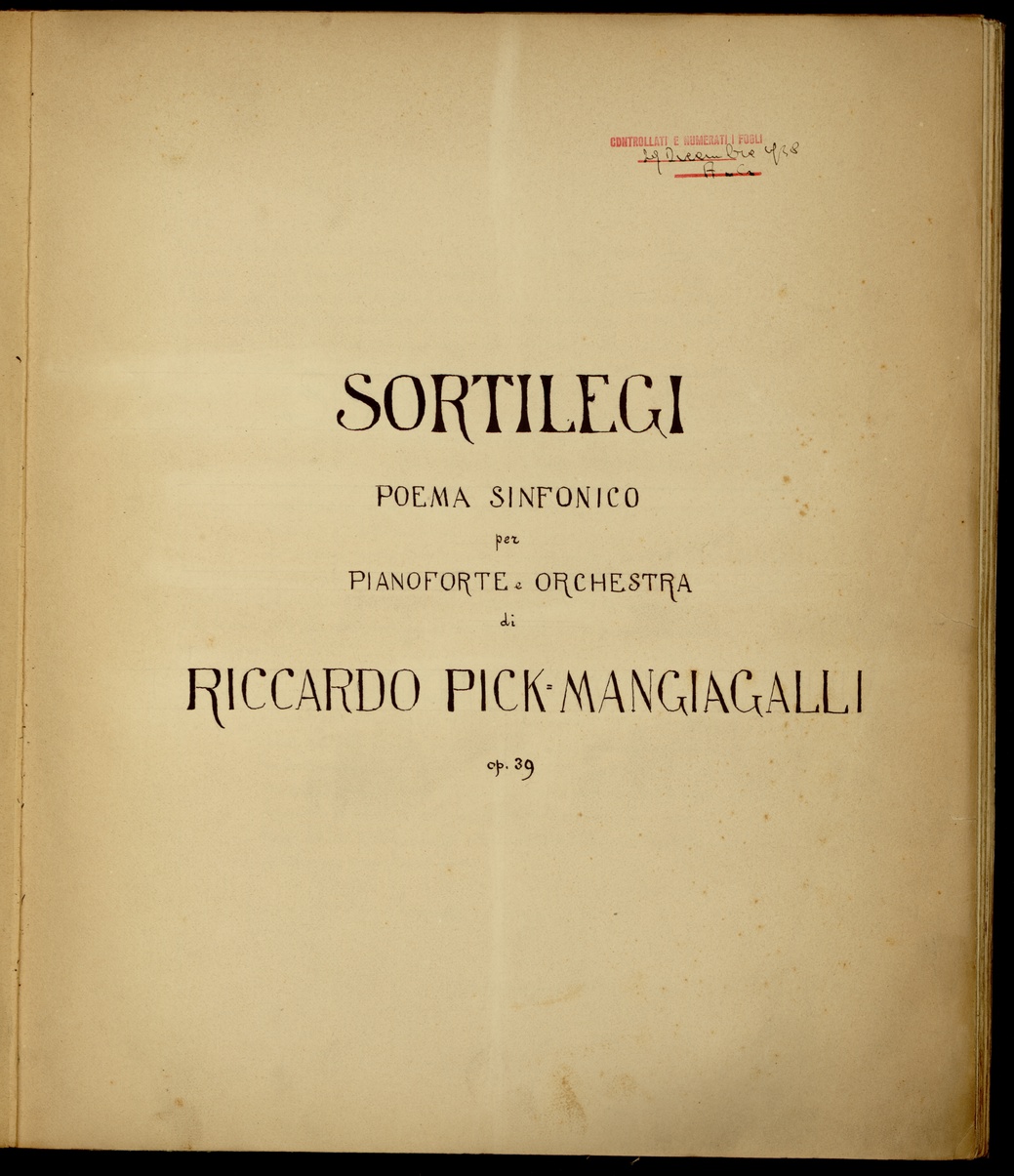
Riccardo Pick-Mangiagalli (10 luglio 1882 - 8 luglio 1949): Sortilegi, poema sinfonico per pianoforte e orchestra op. 39 (1917). Stephanie Onggowinoto, pianoforte; Jakarta Concert Orchestra, dir. Avip Priatna.
Philippe Gaubert (5 luglio 1879 - 8 luglio 1941): Trois Aquarelles per flauto, violoncello e pianoforte (1921). Leone Buyse, flauto; Desmond Hoebig, violoncello; Robert Moeling, pianoforte.

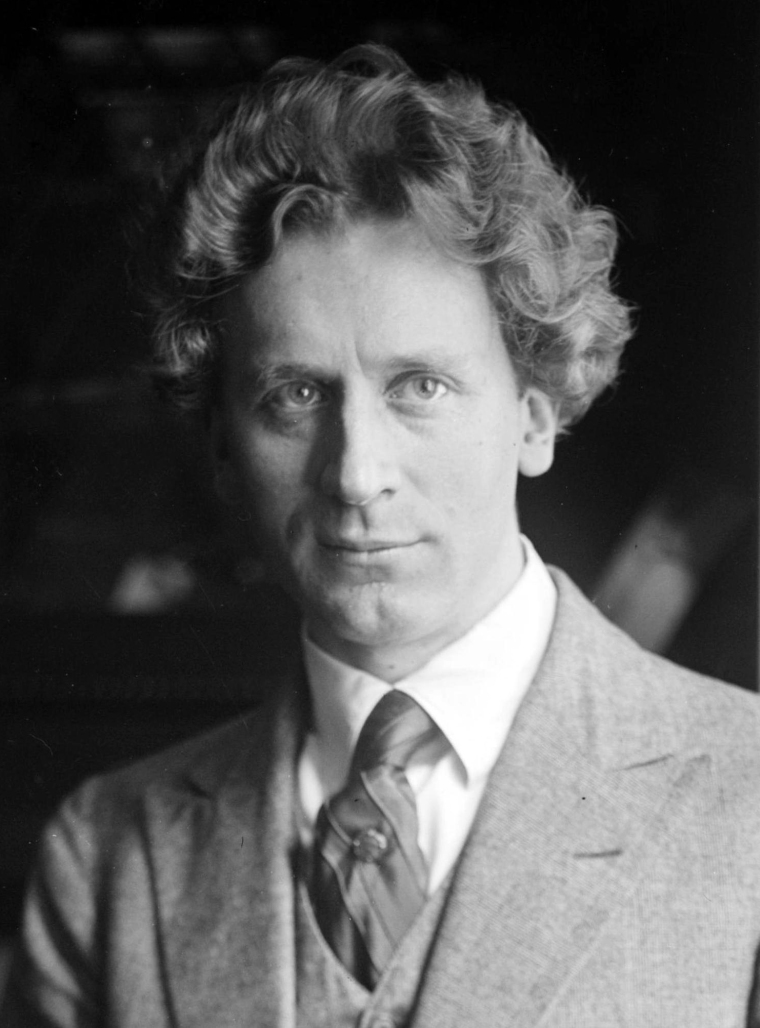
Percy Grainger (8 luglio 1882 - 1961): In a Nutshell, «Suite for Orchestra, Piano and Deagan Percussion Instruments» (1916). BBC Philharmonic Orchestra, dir. Richard Hickox.
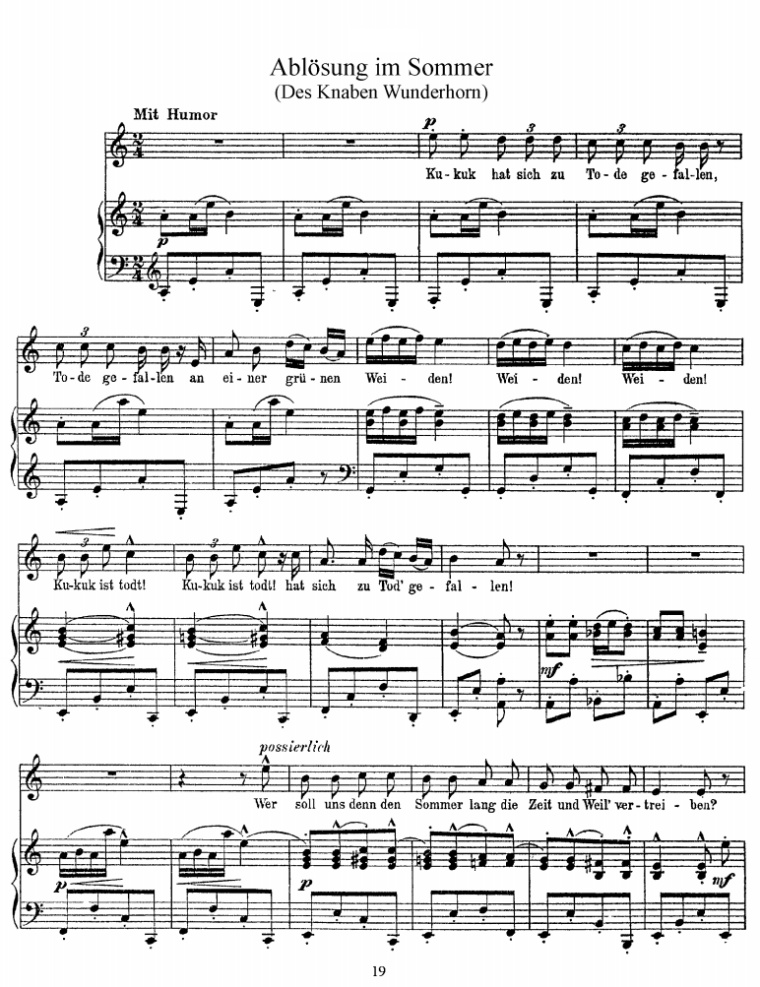
Gustav Mahler (7 luglio 1860 - 1911): Ablösung im Sommer (Cambio della guardia in estate), Lied in la minore per voce e pianoforte (c1887-90); testo tratto dalla raccolta Des Knaben Wunderhorn rielaborato da Mahler. Dietrich Fischer-Dieskau, baritono; Leonard Bernstein, pianoforte (registrazione dell’8 novembre 1968).
Lo stesso Lied nella versione orchestrale di Harold Byrns. Bernd Weikl, baritono; Philharmonia Orchestra, dir. Giuseppe Sinopoli.
|
Kuckuck hat sich zu Tode gefallen Ei! Das soll tun Frau Nachtigall, Wir warten auf Frau Nachtigall, |
Il cucù è caduto, morto, Ah! Ci penserà il signor usignolo Aspettiamo il signor usignolo, |
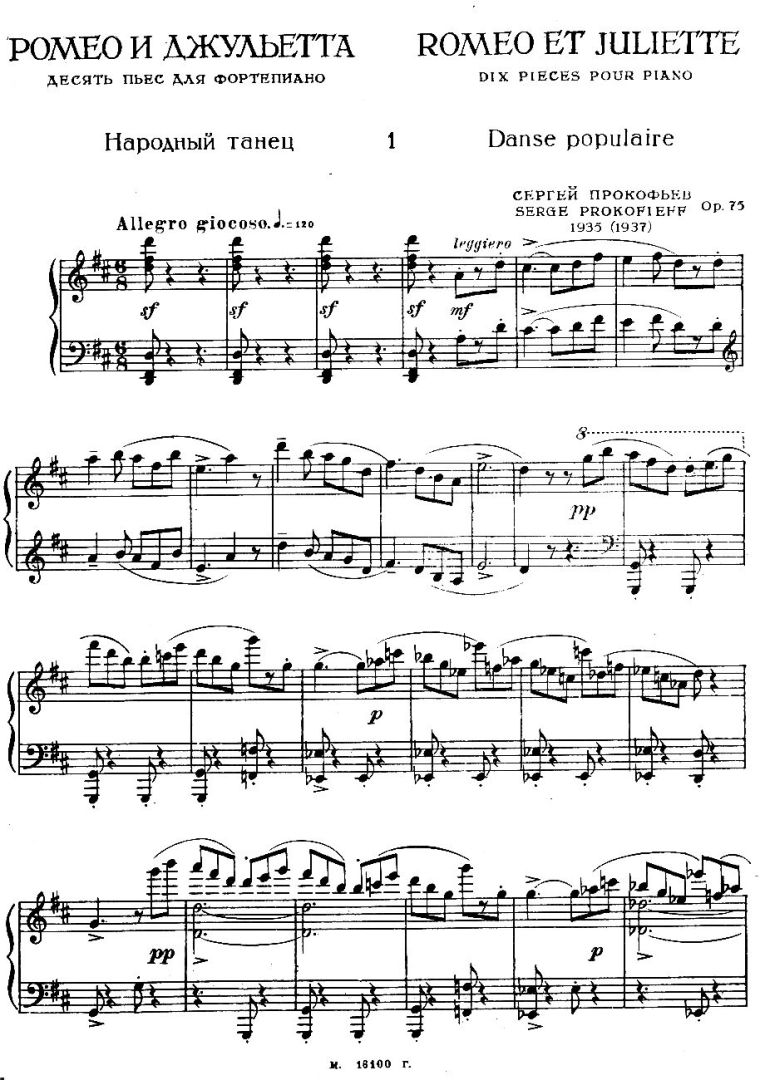
Romeo and Juliet, a piano suite
Sergei Prokofiev (Sergej Sergeevič Prokof’ev; 1891 - 1953): 10 Pieces for piano from the ballet Romeo and Juliet / Десять пьес для фортепиано из балета Ромео и Джульетта op. 75 (1937). Igor Roma, piano.
 Louis Durey (1888 - 3 luglio 1979): Sonatina per flauto e pianoforte op. 25 (1920). Daniela Dottori, flauto; Luca Moscardi, pianoforte.
 Alberto Colla (2 luglio 1968): Moonbow, notturno IV per pianoforte (2009). Gianluca Cascioli.
« Il IV Notturno per pianoforte è ispirato a un fenomeno naturale: il moonbow (arco lunare o notturno), un arcobaleno prodotto dalla luce riflessa dalla superficie della luna invece che da quella diretta del sole. Può essere avvistato nelle notti di vivida luce lunare, ma è comunque un fenomeno etereo, impalpabile, estremamente sfuggevole, a causa della fioca luce che lo genera. È sempre situato dalla parte del cielo opposta rispetto alla posizione del satellite. Dato che la nostra percezione dei colori in condizioni di poca luminosità è bassa, gli arcobaleni lunari sono percepiti come soffusi archi bianchi » (Alberto Colla).
Erik Satie (1866 - 1° luglio 1925): Pièces froides. Airs à faire fuir I, II & III (1897). Jean-Yves Thibaudet, pianoforte.

Ferdinando Paër (1° luglio 1771 - 1839): Sonata per pianoforte n. 3 in mi bemolle maggiore. Andrea Di Renzo, fortepiano.

Johann Sebastian Bach (1685 - 1750): Chromatische Fantasie und Fuge in re minore BWV 903 (c1717-23). Chiara Massini, clavicembalo, e Andrea Bacchetti, pianoforte.
La Fuga ha inizio rispettivamente a [6:09] e a [7:00]

Magnus Lindberg (27 giugno 1958): Secondo Concerto per pianoforte orchestra (2012). Yefim Bronfman, pianoforte; New York Philharmonic Orchestra, dir. Alan Gilbert.

Alberto Ginastera (1916 - 25 giugno 1983): Suite de danzas criollas per pianoforte op. 15 (1946). Dmytro Choni.


 la regina gioiosa