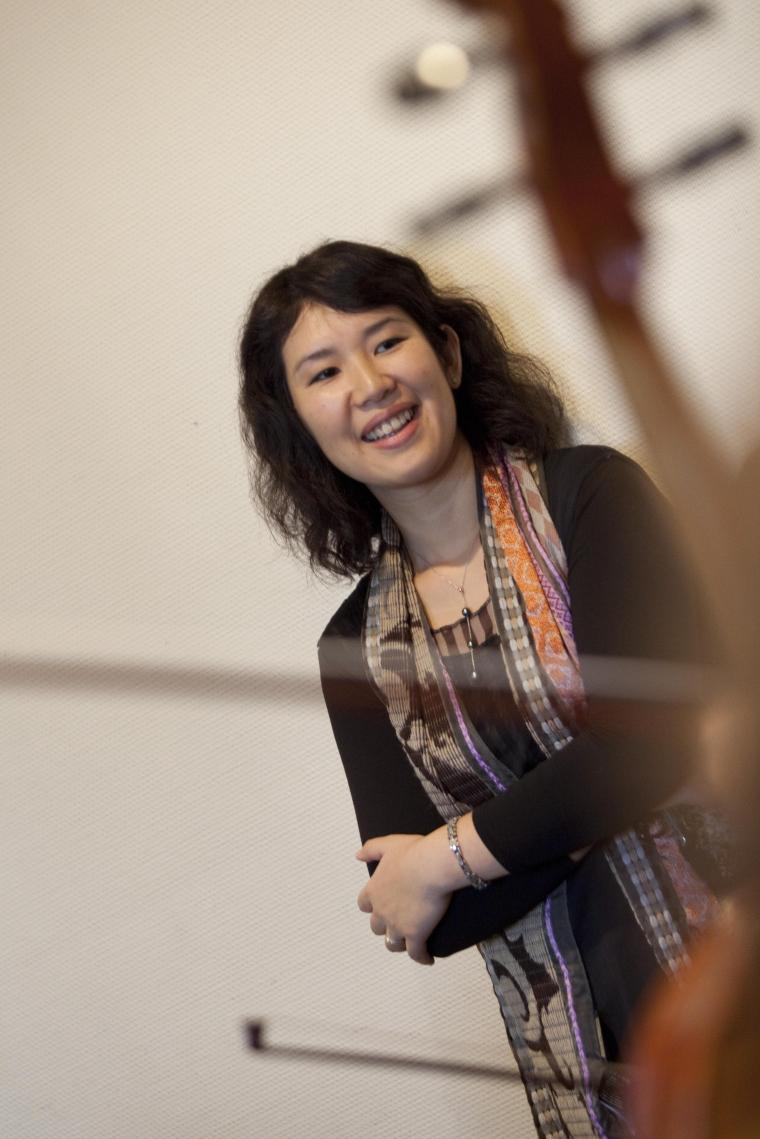
Issay Dobrowen (27 febbraio 1891 - 1953): Concerto in do diesis minore per pianoforte e orchestra op. 20 (1912-1926). Jørn Fossheim, pianoforte; Orchestra filarmonica di San Pietroburgo, dir. Aleksandr Sergeevič Dmitriev.
Moderato
Scherzo: Presto [15:15]
Intermezzo: Andante sostenuto [17:54]
Finale [24:48]
Nato Icchok Zorachovič Barabejčik a Nižnij Novgorod, nel 1929 Dobrowen prese la cittadinanza norvegese.
Alfred Bachelet (26 febbraio 1864 - 10 febbraio 1944): Dans la montagne, ballata per corno e pianoforte (1907). Douglas Loundeen, corno; Barbara González-Palmer, pianoforte.
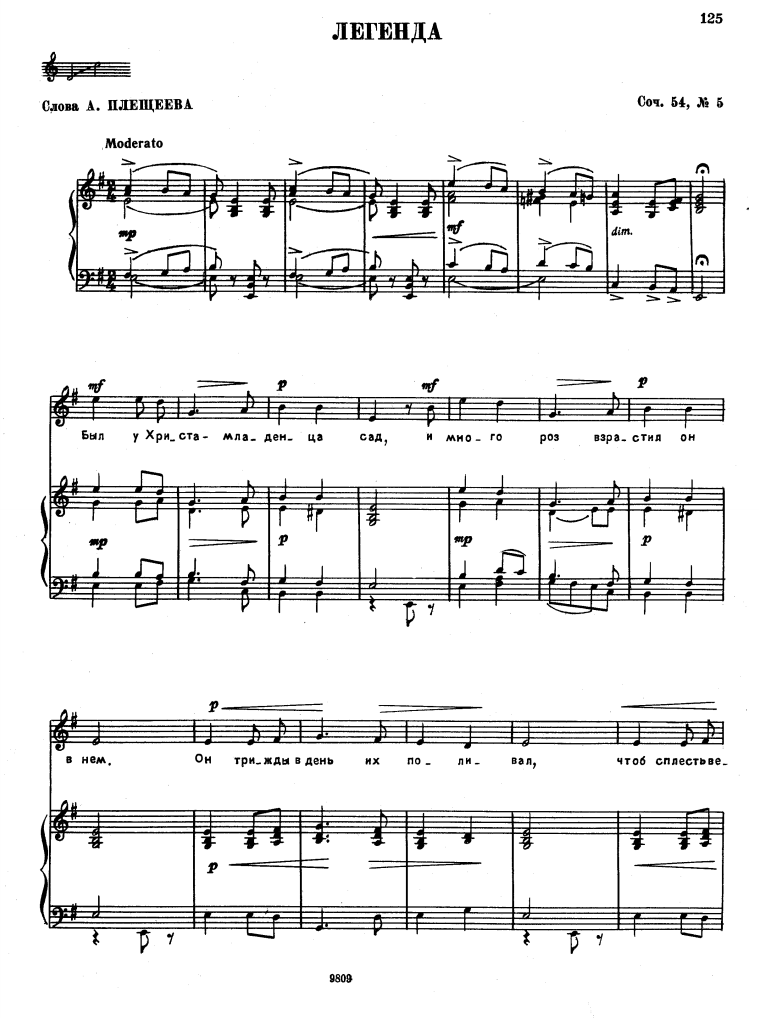
Pëtr Il’ič Čajkovskij (1840 - 1893): Leggenda per voce e pianoforte op. 54 n. 5 (1883). Nicolai Gedda, tenore; Geoffrey Parsons, pianoforte.
Il testo è costituito da una traduzione russa, eseguita da Aleksej Nikolaevič Pleščeev (1825-1893), di una poesia, un tantino antisemita, di Richard Henry Stoddard (1825-1903) intitolata Roses and Thorns (vedi oltre).
Lo stesso brano nell’orchestrazione di Čajkovskij, interpretato (con testo inglese) da Peter Pears con l’English Chamber Orchestra diretta da Benjamin Britten.
Versione per coro a cappella eseguita dal Coro da camera del Ministero della cultura dell’URSS diretto da Valerij Kuzmič Poljanskij. Registrazione del 1988.
Anton Stepanovič Arenskij (1861 - 25 febbraio 1906): Variazioni per archi sopra un tema di Čajkovskij op. 35a (1894). London Symphony Orchestra, dir. John Barbirolli. Registrazione del 1947.
R. H. Stoddard: Roses and Thorns (1857).
The young child Jesus had a garden,
Full of roses, rare and red:
And thrice a day he watered them,
To make a garland for his head.
When they were full-blown in the garden,
He called the Jewish children there,
And each did pluck himself a rose,
Until they stripped the garden bare.
«And now how will you make your garland?
For not a rose your path adorns.»
«But you forget», he answered them,
«That you have left me still the thorns.»
They took the thorns, and made a garland,
And placed it on his shining head;
And where the roses should have shone
Were little drops of blood instead!
Sveinbjörn Sveinbjörnson (1847 - 23 febbraio 1927): Trio per pianoforte e archi in mi minore. Nína Margrét Gunnarsdóttir, pianoforte; Auður Hafsteinsdóttir, violino; Sigurgeir Agnarsson, violoncello.
Luc Beauséjour interpreta la Toccata e Fuga in re minore, composta forse da J. S. Bach (BWV 565) o più probabilmente da Johann Peter Kellner (*), suonando un clavicembalo provvisto di due manuali e una pedaliera.
L’esistenza di strumenti consimili è documentata a partire dal Quattrocento: un clavichordum cum calcatorio è citato nel trattato enciclopedico Liber XX Artium (c1460) di Paulus Paulirinus ovvero Pavel Žídek; il disegno di un clavicordo con pedaliera si trovava in una copia manoscritta, ora perduta, risalente al 1467 dei Flores musice del teorico trecentesco Hugo von Reutlingen.
L’epoca di maggior diffusione del clavicembalo con pedaliera è comunque il Settecento, quando fu soprattutto usato dagli organisti per esercitarsi; ma è probabile che proprio per questo tipo di strumento Bach abbia composto le sei Triosonaten BWV 525-530.
Verso la metà dell’Ottocento ebbe una certa diffusione il pianoforte con pedaliera, strumento per il quale Schumann scrisse gli Studi op. 56, gli Schizzi op. 58 e le Fugen über BACH op. 60; anche Alkan e Gounod dedicarono alcune composizioni al pianoforte con pedaliera.
(*) Sull’argomento si veda l’ultima parte dell’articolo Falsi celebri.
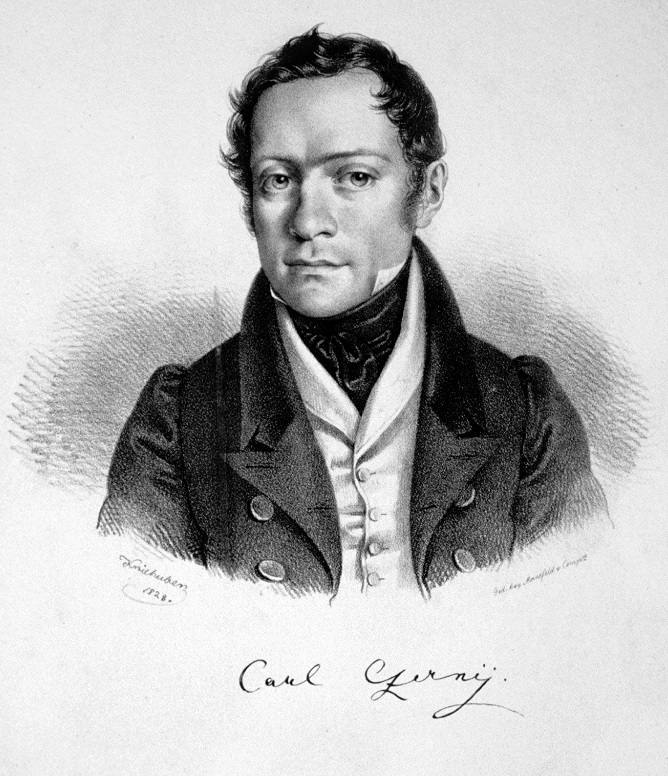
Carl Czerny (21 febbraio 1791 - 1857): L’hommage, notturno in mi maggiore per pianoforte (n. 1 dell’op. 604, 8 Nocturnes romantiques de différents caractères, 1843). Isabelle Oehmichen.
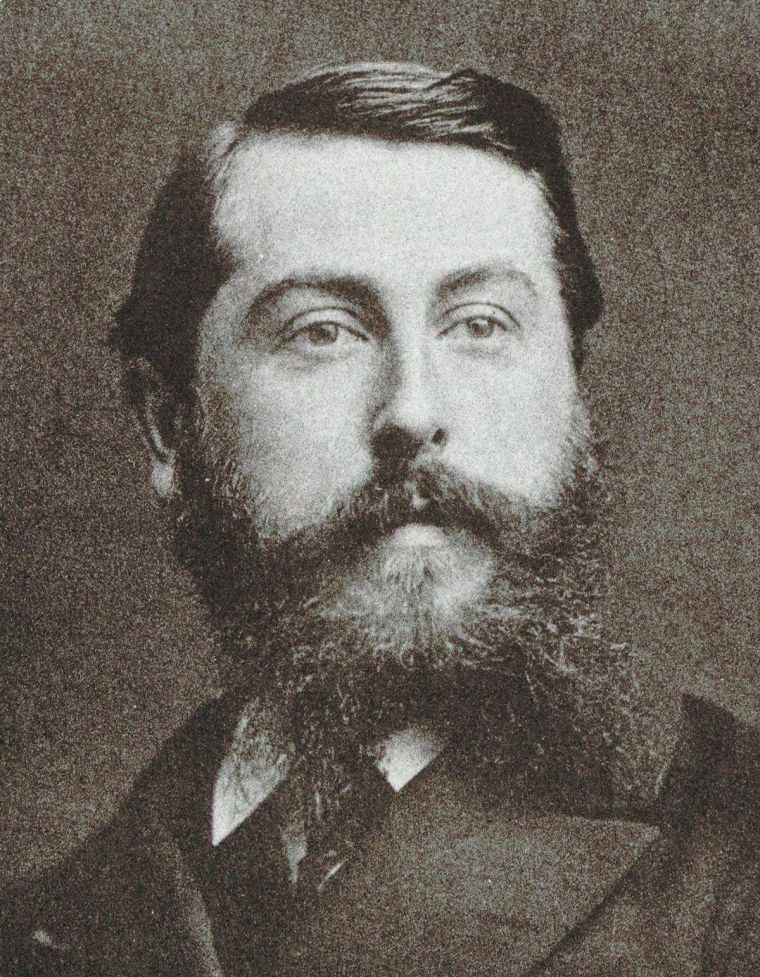
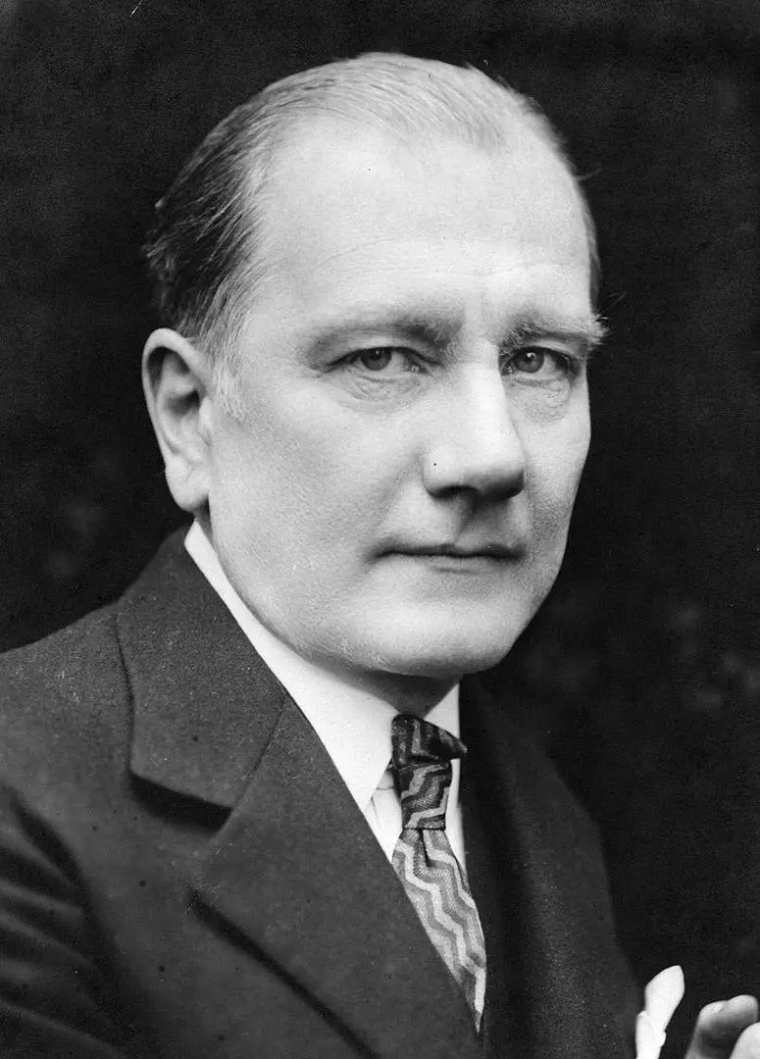
Ernő Dohnányi (1877 - 1960): Walzer per pianoforte (1925) da Coppélia (1870) di Léo Delibes (21 febbraio 1836 - 1891). Superlativa interpretazione del grande pianista magiaro Géza Anda (1921 - 1976), registrata nel 1954.
Nella composizione di Dohnányi sono in realtà rielaborate due diverse valses tratte dal balletto di Delibes: la prima, celeberrima, si trova nel I atto ed è nota come «Valse de Swanilda» (titolo che non compare sulla partitura):
Nella sezione centrale Dohnányi utilizza il tema della «Valse de la poupée», dal II atto:
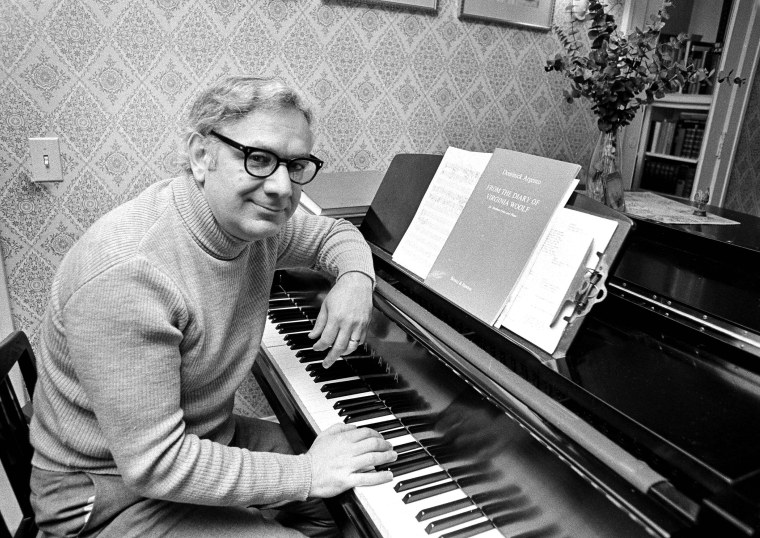
Dominick Argento (1927 - 20 febbraio 2019): From the Diary of Virginia Woolf, ciclo di composizioni per canto e pianoforte (1974). Janet Baker, mezzosoprano, e Martin Isepp, pianoforte (primi interpreti).
I testi sono tratti da A Writer’s Diary: Being Extracts from the Diary of Virginia Woolf, pubblicato nel 1954; il ciclo valse a Dominick Argento il Premio Pulitzer per la musica nel 1975. In merito a questo lavoro del compositore statunitense sono disponibili in rete un’accurata analisi di Noelle Woods e una guida all’interpretazione curata da Jacquelyn Matava.
I. The Diary (April, 1919)
What sort of diary should I like mine to be? Something… so elastic that it will embrace anything, solemn, slight or beautiful that comes into my mind. I should like it to resemble some deep old desk… in which one flings a mass of odds and ends without looking them through. I should like to come back, after a year or two, and find that the collection had sorted itself and refined itself and coalesced, as such deposits so mysteriously do, into a mould, transparent enough to reflect the light of our life…
II. Anxiety (October, 1920) [3:56]
Why is life so tragic; so like a little strip of pavement over an abyss. I look down; I feel giddy; I wonder how I am ever to walk to the end. But why do I feel this: Now that I say it I don’t feel it. The fire burns; we are going to hear the Beggar’s Opera. Only it lies all about me; I can’t keep my eyes shut… And with it all how happy I am—if it weren’t for my feeling that it’s a strip of pavement over an abyss.
III. Fancy (February, 1927) [5:53]
Why not invent a new kind of play; as for instance:
Woman thinks…
He does.
Organ plays.
She writes.
They say:
She sings.
Night speaks
They miss
IV. Hardy’s Funeral (January, 1928) [8:34]
Yesterday we went to Hardy’s funeral. What did I think of? Of Max Beerbohm’s letter… or a lecture… about women’s writing. At intervals some emotion broke in. But I doubt the capacity of the human animal for being dignified in ceremony. One catches a bishop’s frown and twitch; sees his polished shiny nose; suspects the rapt spectacled young priest, gazing at the cross he carries, of being a humbug; …next here is the coffin, an overgrown one; like a stage coffin, covered with a white satin cloth; bearers elderly gentlemen rather red and stiff, holding to the corners; pigeons flying outside, …procession to poets corner; dramatic “In sure and certain hope of immortality” perhaps melodramatic… Over all this broods for me some uneasy sense of change and mortality and how partings are deaths; and then a sense of my own fame… and a sense of the futility of it all.
V. Rome (May, 1935) [15:03]
Rome: tea. Tea in café. Ladies in bright coats and white hats. Music. Look out and see people like movies… Ices. Old man who haunts the Greco… Fierce large jowled old ladies…talking about Monaco (; about) Talleyrand. Some very poor black wispy women. The effect of dowdiness produced by wispy hair. (Rome. Sunday café… Very cold…) The Prime Minister’s letter offering to recommend me for the Companion of Honour. No.
VI. War (June, 1940) [18:19]
This, I thought yesterday, may be my last walk… the war — our waiting while the knives sharpen for the operation — has taken away the outer wall of security. No echo comes back. I have no surroundings… Those familiar circumvolutions — those standards — which have for so many years given back an echo and so thickened my identity are all wide and wild as the desert now. I mean, there is no “autumn”, no winter. We pour to the edge of a precipice… and then? I can’t conceive that there will be a 27th June 1941.
VII. Parents (December, 1940) [24:13]
How beautiful they were, those old people — I mean father and mother — how simple, how clear, how untroubled. I have been dipping into old letters and father’s memoirs. He loved her: oh and was so candid and reasonable and transparent… How serene and gay even, their life reads to me: no mud; no whirlpools. And so human — with the children and the little hum and song of the nursery. But if I read as a contemporary I shall lose my child’s vision and so must stop. Nothing turbulent; nothing involved; no introspection.
VIII. Last Entry (March, 1941) [28:57]
No: I intend no introspection. I mark Henry James’ sentence: observe perpetually. Observe the oncome of age. Observe greed. Observe my own despondency. By that means it becomes serviceable. Or so I hope. I insist on spending this time to the best advantage. I will go down with my colours flying… Occupation is essential. And now with some pleasure I find that it’s seven; and must cook dinner. Haddock and sausage meat. I think it is true that one gains a certain hold on sausage and haddock by writing them down.
[…to come back after a year or two, and find that the collection had sorted itself and refined itself and coalesced, as such deposits so mysteriously do, into a mould transparent enough to reflect the light of our life.]
Fryderyk Chopin (1810 - 1849): Sonata in sol minore per violoncello e pianoforte op. 65 (1845-46). Pavel Gomzjakov, violoncello; Maria João Pires, pianoforte.
Allegro moderato
Scherzo: Allegro con brio [17:10]
Largo [22:45]
Finale. Allegro [26:42]
L’ultima opera pubblicata da Chopin è dedicata all’amico Auguste-Joseph Franchomme, all’epoca il più famoso violoncellista francese, insieme con il quale il compositore eseguì più volte questa Sonata – fra l’altro, nel corso dell’ultimo concerto tenuto da Chopin, alla Salle Pleyel di Parigi il 16 febbraio 1848.
«Il primo movimento, il capolavoro, non fu compreso. Agli ascoltatori apparve oscuro, involuto, appesantito da troppe idee […] La Sonata è una delle composizioni più vaste, più complesse, più difficili e meno apprezzate dell’intero repertorio chopiniano» (G. Belotti).
George Antheil (1900 - 12 febbraio 1959): Ballet mécanique per pianoforti, percussioni, cicalini elettrici e eliche da aeroplano (1923-25, rev. 1952-53); originariamente composto per il film cubista omonimo, diretto da Fernand Léger con la collaborazione di Dudley Murphy e Man Ray. Philadelphia Virtuosi Chamber Orchestra, dir. Daniel Spalding.
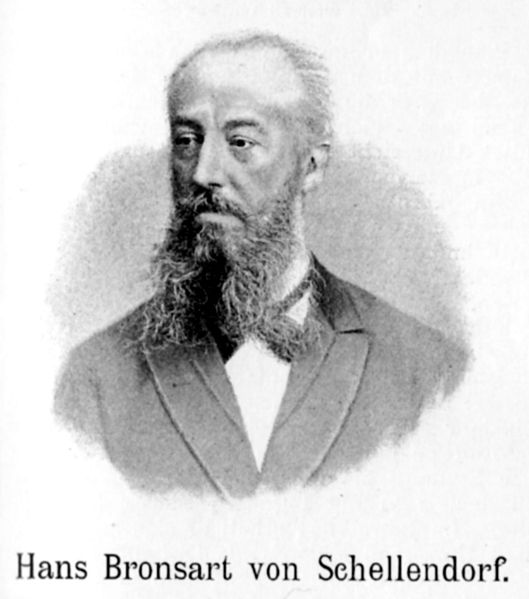
Hans Bronsart von Schellendorff (11 febbraio 1830 - 1913): Concerto in fa diesis minore per pianoforte e orchestra op. 10 (1872). Michael Ponti, pianoforte; Westfälisches Sinfonieorchester, dir. Richard Kapp.
Allegro maestoso
Adagio ma non troppo [12:57]
Allegro con fuoco [20:24]
Questo Concerto, che si conclude con una vigorosa tarantella, fu assai apprezzato da Hans von Bülow, il quale lo definì «il Concerto più significativo della cosiddetta Scuola di Weimar».
Antonio Bazzini (1818 - 10 febbraio 1897): La Ronde des lutins, scherzo fantastico per violino e pianoforte op. 25. Chloë Hanslip, violino; Caspar Frantz, pianoforte.
Johann Peter Pixis (10 febbraio 1788 - 1874): Concerto in fa diesis minore per pianoforte, violino e archi. Mary Louise Boehm, pianoforte; Kees Kooper, violino; Westfälisches Sinfonie-Orchester, dir. Siegfried Landau.
Francis Poulenc (1899 - 30 gennaio 1963): Concerto per due pianoforti e orchestra (1932), qui interpretato dal compositore insieme con Jacques Février (1959); l’Orchestre National de la Radio-Télévison Française è diretto da Georges Prêtre.
Allegro ma non troppo
Larghetto
Allegro molto
Ispirato, in parte, dal Concerto in sol di Ravel, nel movimento centrale contiene un tenero omaggio a Mozart; tutto è comunque impregnato da un senso dell’ironia molto “francese”. Fu lo stesso autore a definire questo concerto «puro Poulenc».
Poldowski (pseudonimo di Régine Wieniawski; 1879 - 28 gennaio 1932): Berceuse d’Armorique (1914) su testo di Anatole Le Braz. Angelique Zuluaga, soprano; Gwendolyn Mok, pianoforte.
Dors, petit enfant, dans ton lit bien clos:
Dieu prenne en pitié les bons matelots!
Chante ta chanson, chante, bonne vieille!
La lune se lève et la mer s’éveille.
Au Pays du Froid, la houle des fjords
Chante sa berceuse en berçant les morts.
Dors, petit enfant, dans ton lit bien doux,
Car tu t’en iras comme ils s’en vont tous.
Tes yeux ont dèjà la couleur des flots.
Dieu prenne en pitié les bons matelots!

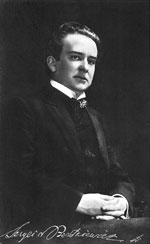 Sergej Ėduardovič Bortkevič (28 febbraio 1877 - 1952): Dieci Preludi per pianoforte op. 33 (1926). Jouni Somero.



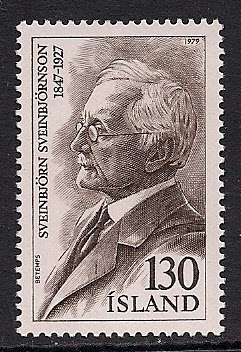 Sveinbjörn Sveinbjörnson (1847 - 23 febbraio 1927): Trio per pianoforte e archi in mi minore. Nína Margrét Gunnarsdóttir, pianoforte; Auður Hafsteinsdóttir, violino; Sigurgeir Agnarsson, violoncello.
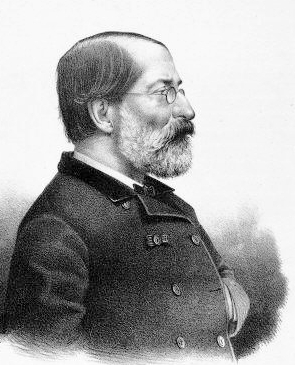
 Léo Delibes
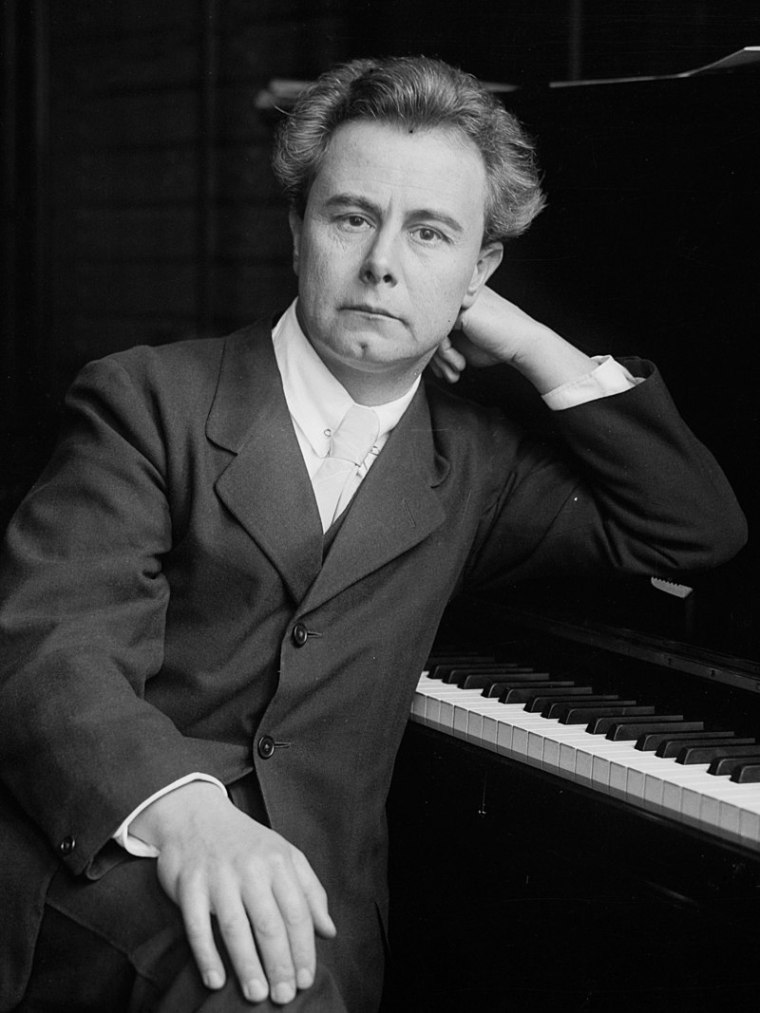
  Ernő Dohnányi


 Emanuele Krakamp (13 febbraio 1813 - 1883): Sei Romanze floreali per flauto e pianoforte op. 191. Maurizio Bignardelli, flauto; Claudio Curti Gialdino, pianoforte.




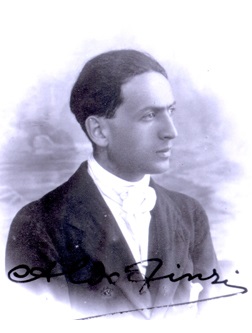 Aldo Finzi (4 febbraio 1897 - 7 febbraio 1945): Toccata per pianoforte (1931-37). Simonetta Heger.