
Julius Reubke (1834 - 3 giugno 1858): Scherzo in re minore per pianoforte op. 3 (1858). Mario Patuzzi.

Julius Reubke (1834 - 3 giugno 1858): Scherzo in re minore per pianoforte op. 3 (1858). Mario Patuzzi.
Johannes Schenck (o Johan Schenk; 3 giugno 1660 - p1712): Suite in la minore per viola da gamba e basso continuo op. 6 n. 6 (pubblicato nella raccolta Scherzi musicali, 1701). Bettina Hoffmann, viola da gamba; ensemble Modo Antiquo: Alfonso Fedi, clavicembalo; Luca Franco Ferrari, viola da gamba; Paolo Fanciullacci, violone; Gian Luca Lastraioli, tiorba.

Myriam Reid, harp.
The King’s Singers a cappella.
The Baltimore Consort.

Marc-André Hamelin e iPi si cimentano in ardite reinterpretazioni dell’op. 64 n. 1 di Chopin 🙂
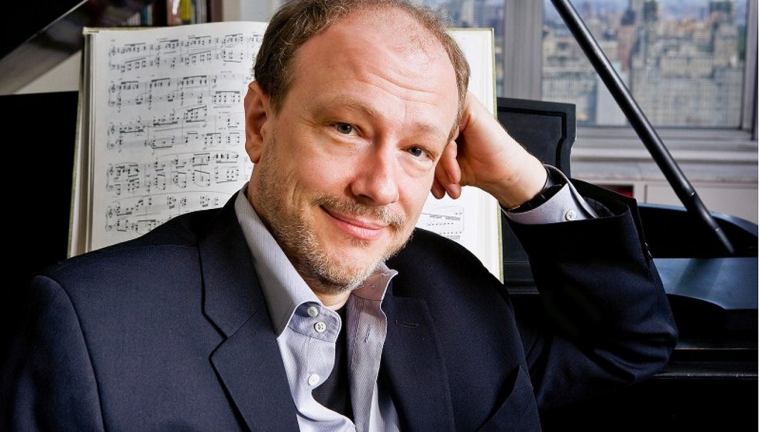
Louis Vierne (1870 - 2 giugno 1937): Fantômes, n. 4 della Suite III per organo op. 55 (24 Pièces de Fantaisie, 1927). Ben Bloor.

Hamlet and Ophelia
 Guillaume Lekeu (1870 - 1894): Étude symphonique no. 2: Hamlet et Ophélie (1889). Orchestre Philharmonique de Liège, dir. Pierre Bartholomée.
Lekeu: Ophélie (2a versione, 1890). Stessi interpreti.
Józef Elsner (1° giugno 1769 - 1854): Polonaise in mi bemolle maggiore. Urszula Bartkiewicz, clavicembalo.

Michail Ivanovič Glinka (1° giugno 1804 - 1857): Capriccio brillante sopra la «jota aragonesa», ouverture spagnola n. 1 (1845). Orchestra Sinfonica di Stato dell’URSS, dir. Evgenij Svetlanov.
Glinka: Souvenir d’une nuit d’été à Madrid, ouverture spagnola n. 2 (1851). Stessi interpreti.
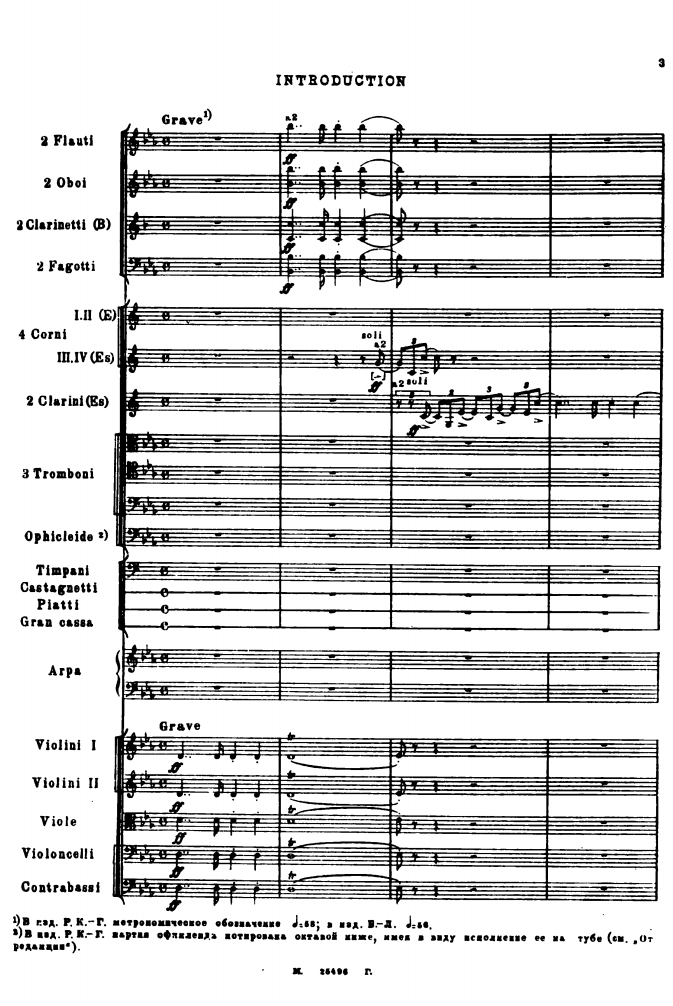
A Shakespearean Suite
 Josef Bohuslav Foerster (1859 - 1951): Suita ze Shakespeareho per orchestra op. 76 (1908-09). Orchestra sinfonica di Praga, dir. Václav Smetáček.
Louise Farrenc (31 maggio 1804 - 1875): Seconda Sinfonia in op. 35 (1845). Solistes Européens Luxembourg, dir. Christoph König.

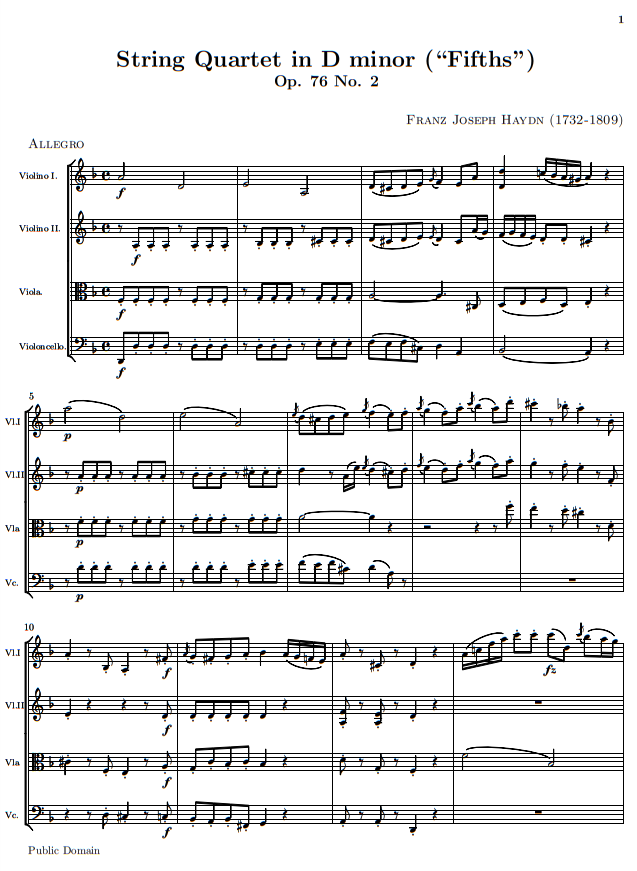
Franz Joseph Haydn (1732 - 31 maggio 1809): Quartetto in re minore op. 76 n. 2 Hob. III:76, detto Quintenquartett (1796-97). Kuijken Quartet.
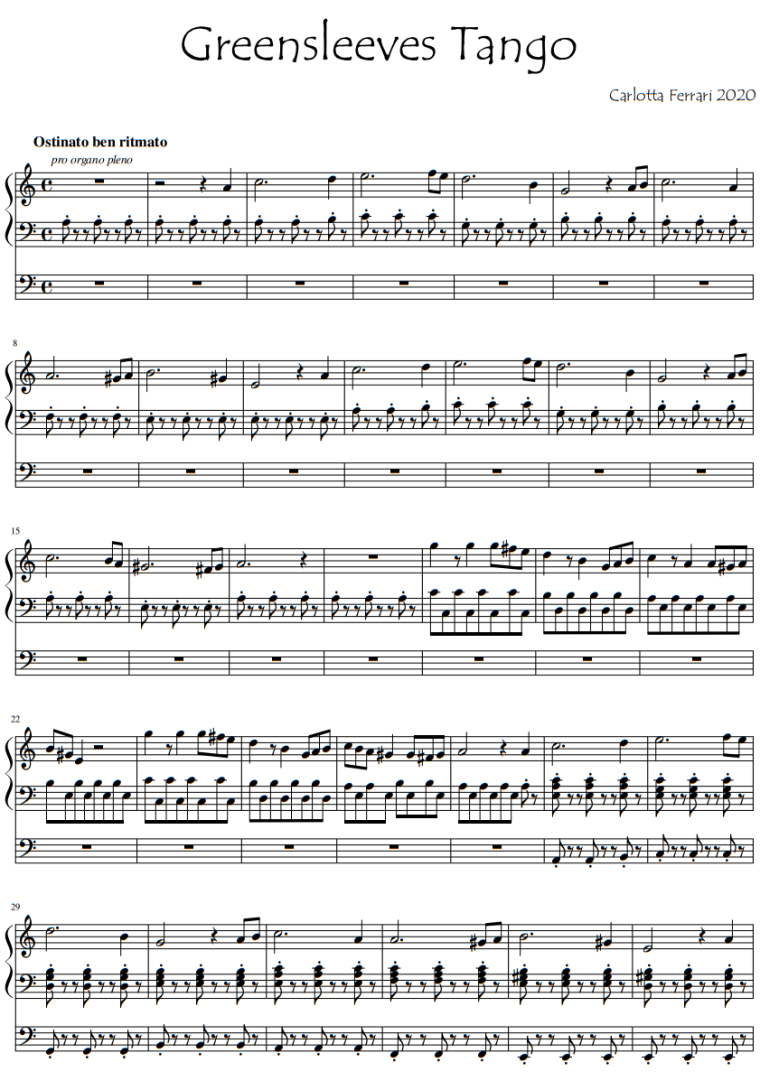
Carlotta Ferrari (1975): Greensleeves Tango per organo (2020). Carson Cooman.
Marcel Dupré (3 maggio 1886 - 30 maggio 1971): Sinfonia in sol minore per organo e orchestra op. 25 (1928). Daniel Jay McKinley, organo; Columbus Indiana Philharmonic Orchestra, dir. David Bowden.

 Josef Slavík (1806 - 30 maggio 1833): Capriccio in re maggiore per violino solo (1824). Pavel Šporcl.
Hamlet according to Abbé Vogler
Georg Joseph Vogler (1749 - 1814): Ouverture per l’Amleto di William Shakespeare (Mannheim, 1779). London Mozart Players, dir. Matthias Bamert.
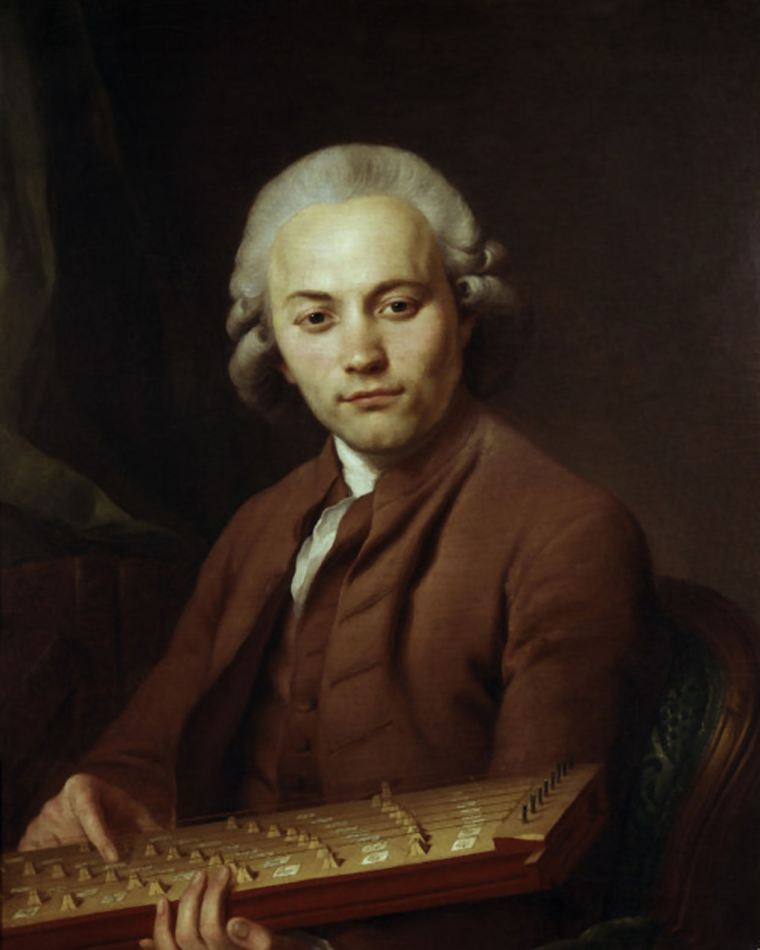
Milij Alekseevič Balakirev (1837 - 29 maggio 1910): Melodia spagnola per pianoforte (1902). Alexander Paley.

Josef Suk (1874 - 29 maggio 1935): Asrael, sinfonia funebre in do minore op. 27 (1906), in memoria di Antonín Dvořák e di sua figlia Otilka (moglie di Suk). Symphonieorchester des Bayerischen Rundfunks, dir. Rafael Kubelík.

György Ligeti (28 maggio 1923 - 2006): Lux aeterna per coro misto a 16 voci (1966). A Cappella Amsterdam, dir. Daniel Reuss.

György Ligeti (28 maggio 1923 - 2006): Volumina (1961-66). Franz Danksagmüller all’organo grande della Chiesa di Sankt Jakobi in Lubecca.
Qui Ligeti parla di questa sua composizione (la traduzione in italiano non è impeccabile).

György Ligeti (28 maggio 1923 - 2006): Studio per pianoforte n. 6, Automne à Varsovie (1985). Idil Biret.
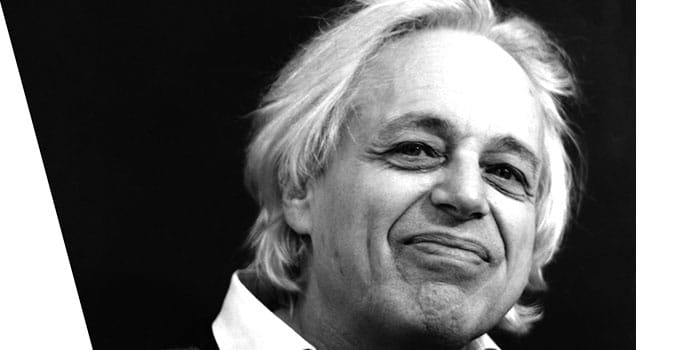
György Ligeti (28 maggio 1923 - 2006): Continuum per clavicembalo (1968). Kru Pin.

György Ligeti (28 maggio 1923 - 2006): Musica ricercata, 11 pezzi per pianoforte (1951-53). Nare Karoyan.

György Ligeti (28 maggio 1923 - 2006): Lontano per orchestra (1967). Wiener Philharmoniker, dir. Claudio Abbado.
Lontano è una delle opere fondamentali di Ligeti, risale al periodo in cui decise di sperimentare procedure compositive totalmente nuove e inusitate. Il titolo (in italiano) fa riferimento a una lontananza intesa in senso non solo spaziale, ma anche “storico” e soprattutto musicale: i suoni giungono all’ascoltatore da una grande distanza, che è quella che Ligeti pone fra ciò che è stato, in ambito musicale, e la propria creazione.
L’epoca di composizione (anni ’60) è la stessa di Atmosphères, brano che è stato inserito da Kubrick, insieme con altre cose di Ligeti, nella colonna sonora di 2001: Odissea nello spazio. Di Lontano si sono serviti lo stesso Kubrick in Shining e Scorsese in Shutter Island.

György Ligeti (28 maggio 1923 - 2006): Hungarian Rock – Chaconne (1978). Elisabeth Chojnacka, clavicembalo.

György Ligeti (28 maggio 1923 - 2006): Atmosphères per orchestra (1961). Orchestre Philharmonique de Radio France, dir. Alan Gilbert.

György Ligeti (28 maggio 1923 - 2006): Passacaglia ungherese per clavicembalo (1978). Elisabeth Chojnacka (1939 - 28 maggio 2017).
György Ligeti (28 maggio 1923 - 2006): Studio per pianoforte n. 13, L’escalier du diable / The Devil’s Staircase (1991). Federico Colli.

Luciano Berio (1925 - 27 maggio 2003): Quattro versioni originali della «Ritirata notturna di Madrid» di Boccherini sovrapposte e trascritte per orchestra (1975). Orchestra sinfonica di Milano «Giuseppe Verdi», dir. Riccardo Chailly.
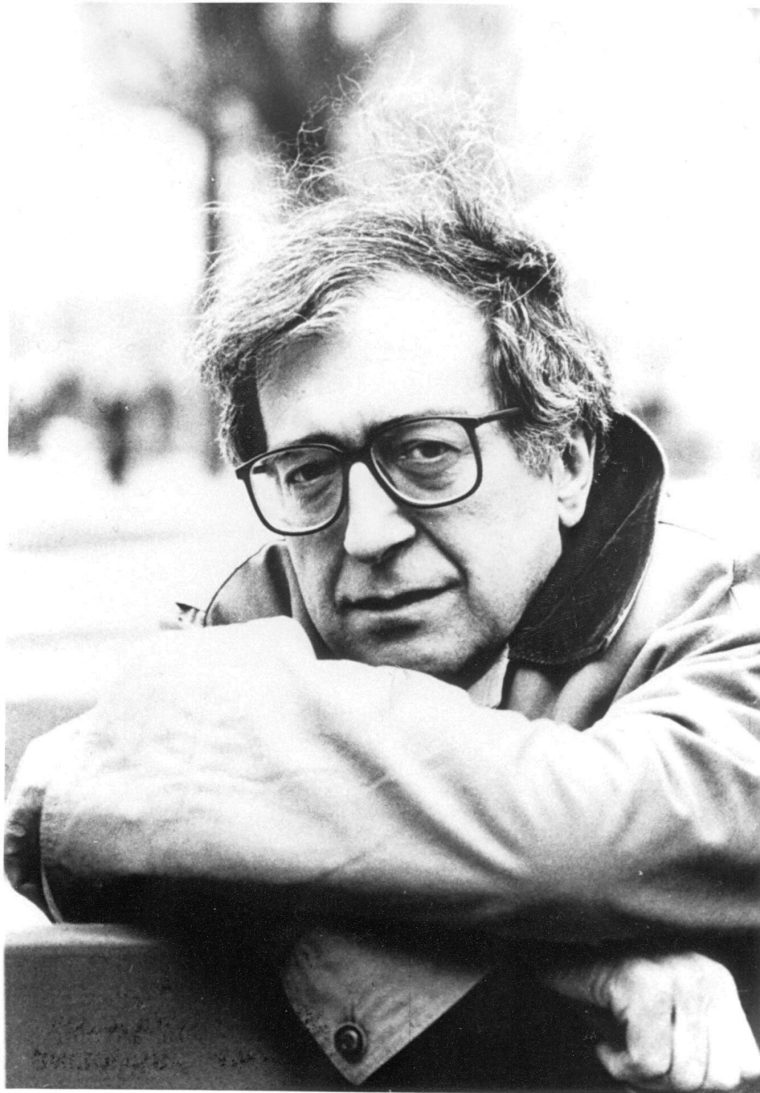
Luciano Berio (1925 - 27 maggio 2003): Folk Songs per mezzosoprano e 7 strumentisti (1964). Cathy Berberian, mezzosoprano; The Juilliard Ensemble, dir. Luciano Berio.
Luciano Berio (1925 - 27 maggio 2003): Sonata per pianoforte (2001). Diego Maccagnola.

 la regina gioiosa