Jacques Chailley (24 marzo 1910 - 21 gennaio 1999): Prélude-Dédicace (sur B-A-C-H) per organo, composto nel 1985 nell’ambito delle celebrazioni per il trecentesimo anniversario della nascita di Johann Sebastian Bach. Carson Cooman.
Cristóbal Halffter (24 marzo 1930 - 2021): Llanto por las víctimas de la violencia per live electronics e orchestra (1971). Realizzazione elettronica di Hans Peter Haller; SWF Sinfonieorchester Baden Baden, dir. Ernest Bour.
Francesca Lebrun (nata Franziska Danzi; 24 marzo 1756 - 1791): Sonata per violino e strumento a tastiera in fa maggiore op. 1 n. 3 (1780). Dana Maiben, violino; Monica Jakuc, fortepiano.
Louis Glass (23 marzo 1864 - 1936): Sinfonia n. 3 in re maggiore op. 30, Skovsymfoni (Sinfonia della foresta; 1901). BBC Philharmonic Orchestra, dir. Edward Downes.
Matilde Salvador (23 marzo 1918 - 2007) : El ruiseñor i la rosa, balletto (1958) ispirato da un racconto di Oscar Wilde. Orquesta de Valencia, dir. Enrique García Asensio.
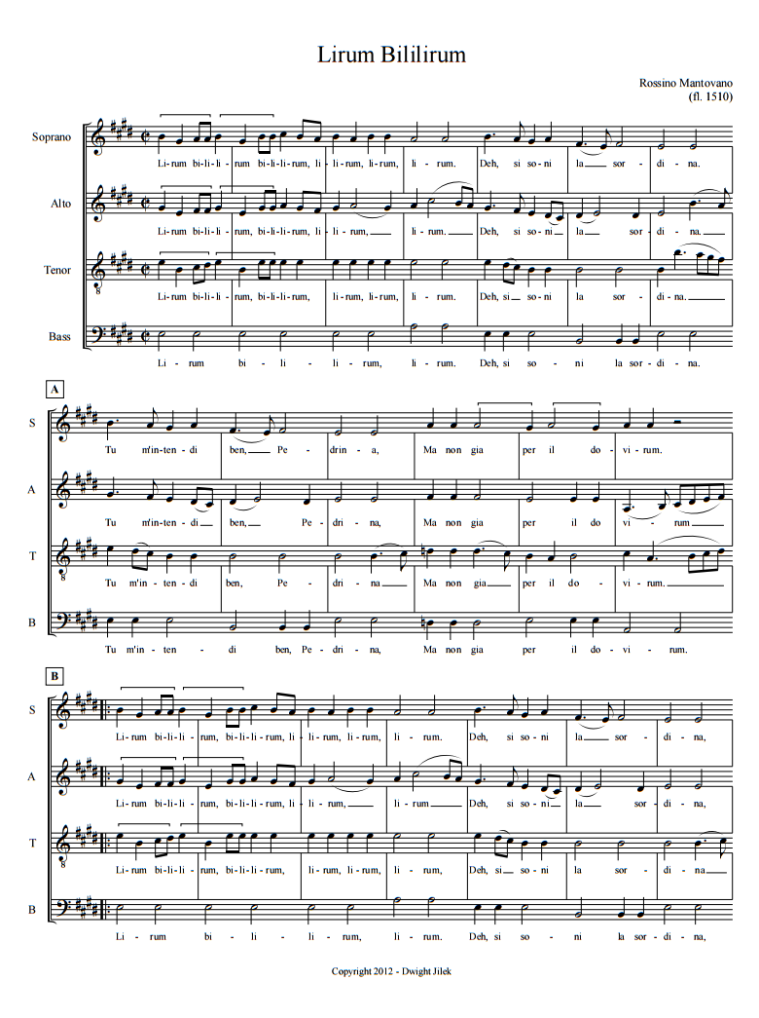
Rossino Mantovano (attivo all’inizio del XVI secolo): Lirum bililirum, frottola a 4 voci. Ensemble Retrover.
Lirum bililirum bililirum
lirum lirum lirum,
De si soni la sordina.
Tu m’intendi ben, Pedrina,
Ma non già pel dovirum.
Lirum bililirum bililirum
lirum lirum lirum,
De si soni la sordina.
L’è ses agn che’t vo mi ben
E che’t son bon servidor,
Ma t’aspet che ‘l so ben
Ch’al fin sclopi per amor,
De non da plu tant dolor,
Tu sa ben che dis il virum.
Lirum…
Ta recordet quant t’me des
La tua fe si alegrament
E ch’a Ivagnel t’m giures
De volim per to servent,
Mi per litra incontinent
At resposi cum suspirum.
Lirum…
Quant apensi al temp passat
E che to servita indaren
Am doni desperat
Al demoni da l’inferum.
Masno maidi ques inverem
Em voi da te partirum.
Lirum…
Con pot mal soffri traitora
Che ch’si vivi disperat,
Dam audenza almac un hora
Che sero al tut pagat,
Fam un ferit e suglat
Del mio bon fidel servirum.
Lirum bililirum bililirum
lirum lirum lirum,
De si soni la sordina.
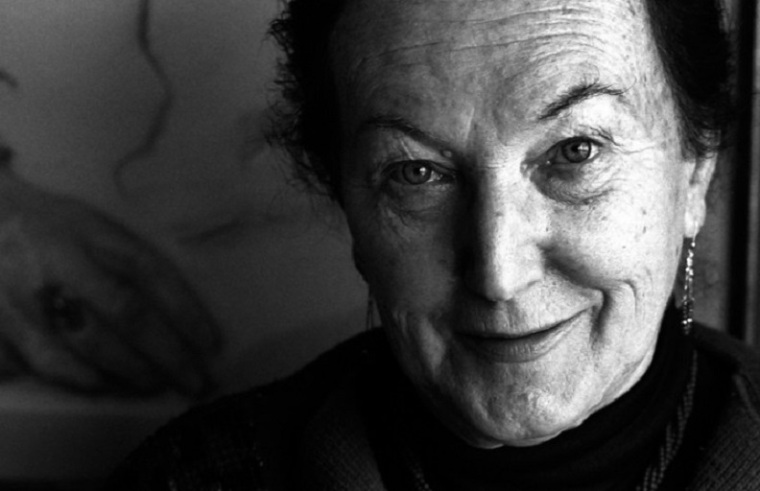
Teresa Procaccini (23 marzo 1934): Viaggio a Las Vegas per pianoforte e orchestra op. 204 (1958, rev. 2008). Paolo Cuccaro, pianoforte; Orchestra della Magna Grecia, dir. Piero Romano.
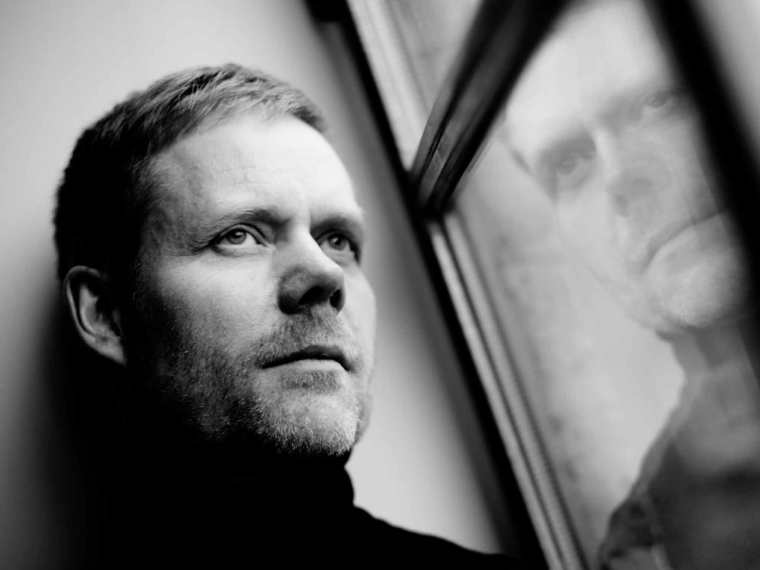
Le Quattro stagioni di Vivaldi ri-composte da Max Richter (22 marzo 1966). Daniel Hope, violino solista; Ensemble LPR, dir. Tito Muñoz; con la partecipazione dell’autore.
Johann Ulrich Steigleder (22 marzo 1593 - 1635): Ricercare in sol maggiore (pubblicato in Ricercar tabulatura organis et organædis unice inserviens et maxime conducens adornata, 1624). Gary Verkade, organo.
Vieri Tosatti (1920 - 22 marzo 1999): Concerto iperciclico in un movimento per clarinetto e orchestra da camera (1970). Giuseppe Garbarino, clarinetto; membri dell’Orchestra «Alessandro Scarlatti» di Napoli diretti dall’autore.
Joseph Schwantner (22 marzo 1943): Aftertones of Infinity, poema sinfonico (1978); composizione vincitrice del Premio Pulitzer nel 1979. The Juilliard Orchestra, dir. Leonard Slatkin.
Sir Andrew Lloyd Webber, barone Lloyd-Webber (22 marzo 1948): Suite sinfonica dal musical The Phantom of the Opera (1986). The Andrew Lloyd Webber Orchestra, dir. Simon Lee.
Aleksandr Konstantinovič Glazunov (1865 - 21 marzo 1936): Sinfonia n. 6 in do minore op. 58 (1896). Orchestra sinfonica di Mosca, dir. Aleksandr Anisimov.
Modest Petrovič Musorgskij (21 marzo 1839 - 1881): La presa di Kars, marcia trionfale per orchestra (1880). Orchestra Sinfonica Accademica di Stato dell’URSS, dir. Evgenij Svetlanov.
Scritta nel 1880, riutilizzando in parte la «Processione dei principi» composta per l’opera collettiva Mlada (1872), fu poi completata da Rimskij-Korsakov. Intende commemorare un episodio della guerra di Crimea risalente al novembre del 1855: la conquista della città turca di Kars, assediata da mesi e devastata dal colera, da parte delle truppe del generale Nikolaj Nikolaevič Murav’ëv – il quale, in seguito, per decreto imperiale poté mutare il proprio cognome in Murav’ëv-Karskij.
Bernd Alois Zimmermann (20 marzo 1918 - 1970): Musique pour les soupers du roi Ubu, «ballet noir en sept parties et une entrée» (1962-66) su soggetto tratto da Ubu roi di Alfred Jarry. Kölner Rundfunkorchester, dir. Michael Gielen.
Entrée de l’Académie: Ubu Roi, Capitaine Bordure et ses Partisans
Couplet: Mère Ubu et ses Gardes [4:34]
Couplet: Pile, Cotice et l’Ours [6:22]
Couplet: Le Cheval à Phynances et les Larbins de Phynances [7:33]
Couplet: Pavane de Pissembock et Pissdoux [8:31]
Couplet: Berceuse des petits financiers qui ne peuvent pas s’endormir [11:44]
Elsa Barraine (1910 - 20 marzo 1999): Musique rituelle per organo, xilofono e tam-tam (1967); ispirata dal Libro tibetano dei morti. Raffi Ourgandjian, organo; Benoît Cambreling, xilofono; Jean-Luc Rimey-Meille, tam-tam.
L’évanouissement
Les divinités paisibles
Les divinités irritées
Les démons
La fermeture des portes
Les crochets de la grâce
La délivrance différée
Il tam-tam è uno strumento idiofono a percussione affine al gong ma, a differenza di quest’ultimo, a suono indeterminato.
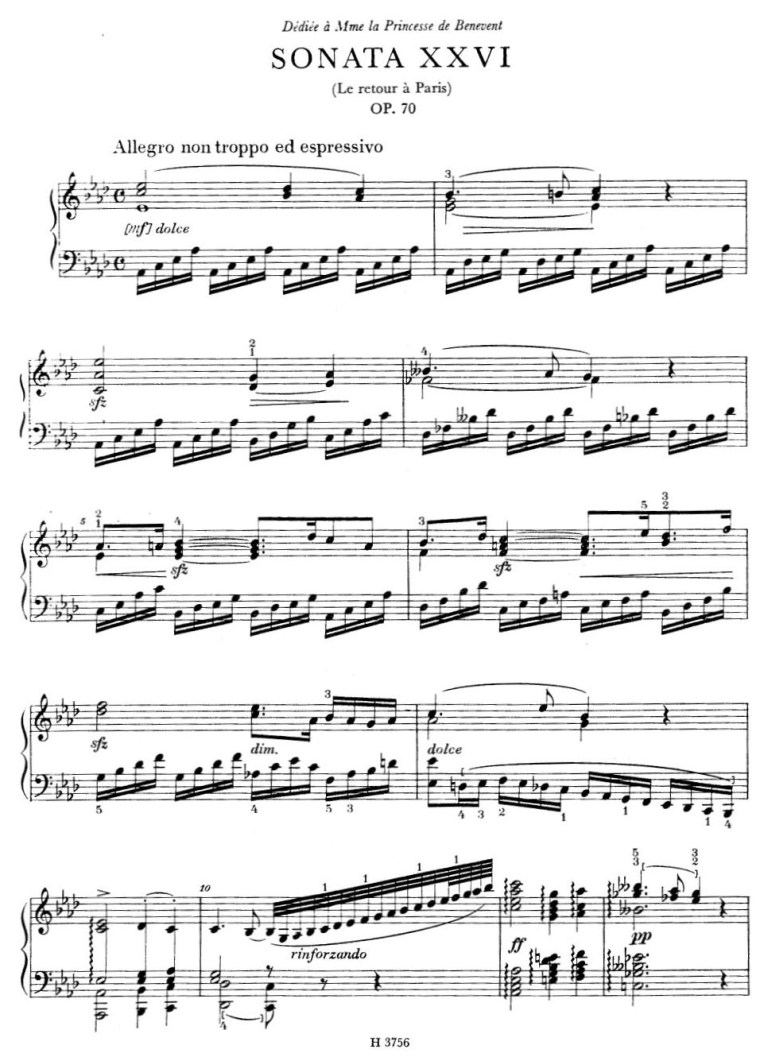
Jan Václav Dusík (Jan Ladislav Dussek; 1760 - 20 marzo 1812): Sonata per pianoforte n. 26 in la bemolle maggiore, Le Retour à Paris ovvero Plus ultra (1807; pubblicata da editori diversi con diversi numeri d’opus). Zvi Meniker, fortepiano.
Luigi Stefano Giarda (19 marzo 1868 - 1952): Más allá de la muerte, poema sinfonico op. 131 (1922). Orquesta Sinfónica de Chile, dir. José Luis Domínguez.
Francesco Gasparini (19 marzo 1661 - 22 marzo 1727): Panis angelicus, «Mottetto a Canto solo per l’Elevatione». Paola Crema, soprano; Deniel Perer, organo.
Panis angelicus
Fit panis hominum;
Dat panis coelicus
Figuris terminum:
O res mirabilis!
Manducat Dominum
Pauper, servus et humilis.


 Jacques Chailley (24 marzo 1910 - 21 gennaio 1999): Prélude-Dédicace (sur B-A-C-H) per organo, composto nel 1985 nell’ambito delle celebrazioni per il trecentesimo anniversario della nascita di Johann Sebastian Bach. Carson Cooman.


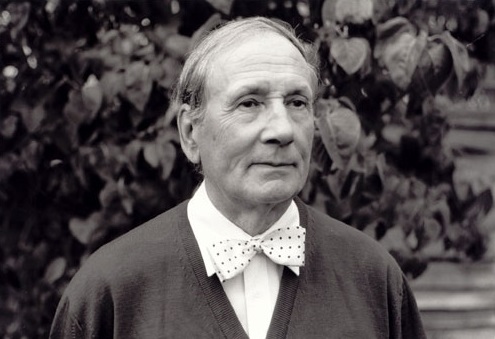


 Pierick Houdy (1929 - 22 marzo 2021): Concerto Français per arpa e orchestra (1998). Isabelle Perrin, arpa; Orchestre de Bretagne, dir. Pascal Rophé.
:format(jpeg):mode_rgb():quality(90)/discogs-images/R-11095510-1509778163-6709.jpeg.jpg)


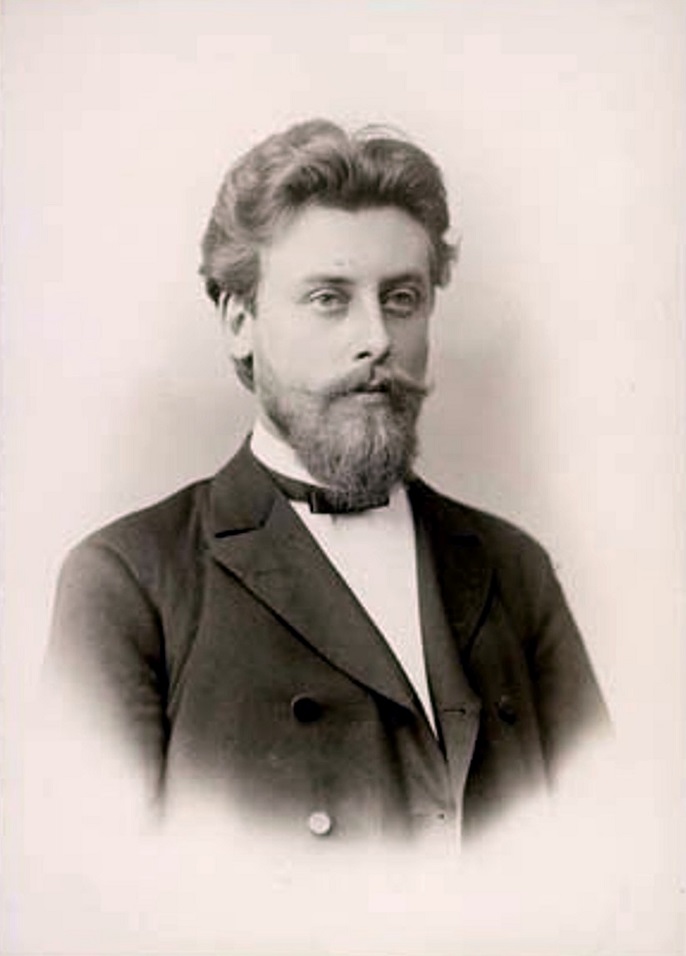
 Aleksej Vladimirovič Stančinskij (21 marzo 1888 - 1914): Sonata per pianoforte n. 2 in sol maggiore (1912). Daniel Blumenthal, pianoforte.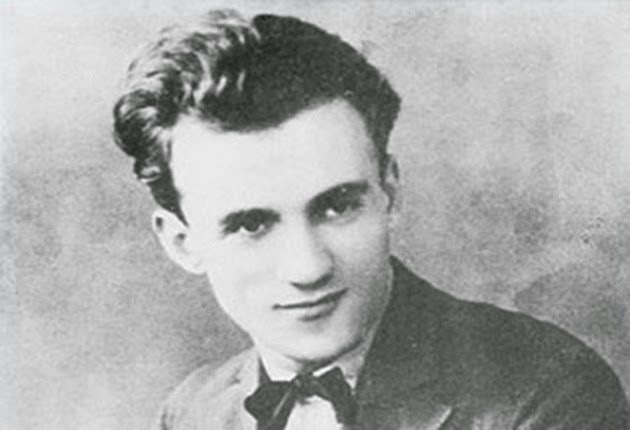
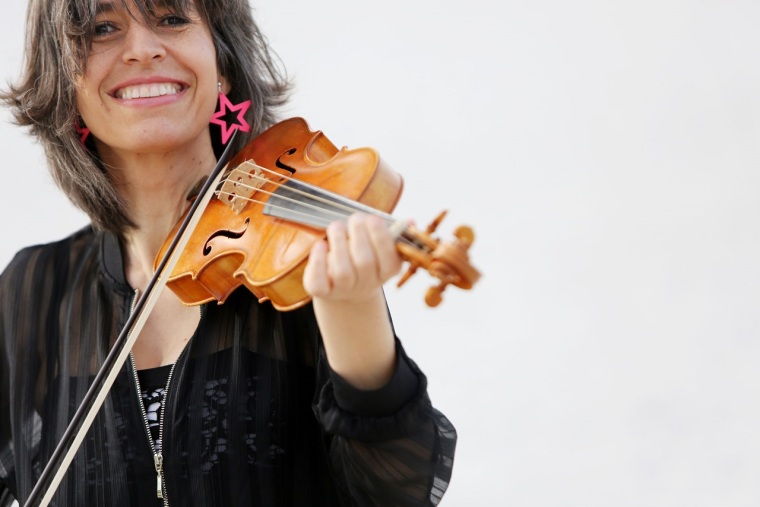 Amandine Beyer è Early Music Day Ambassador per il 2023




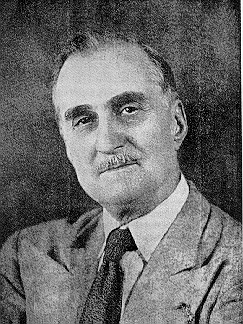 Luigi Stefano Giarda (19 marzo 1868 - 1952): Más allá de la muerte, poema sinfonico op. 131 (1922). Orquesta Sinfónica de Chile, dir. José Luis Domínguez.

 la regina gioiosa