
Andrzej Panufnik (1914 - 27 ottobre 1991): Sinfonia n. 1, Rustica (1948, rev. 1955). Polska Orkiestra Radiowa, dir. Łukasz Borowicz.
- Con Tenerezza
- Con Grazia [8:14]
- Con Espressione [13:11]
- Con Vigore [17:30]

Andrzej Panufnik (1914 - 27 ottobre 1991): Sinfonia n. 1, Rustica (1948, rev. 1955). Polska Orkiestra Radiowa, dir. Łukasz Borowicz.
Niccolò Paganini (27 ottobre 1782 - 1840): Concerto n. 1 in re maggiore per violino e orchestra op. 6 (1815). Hilary Hahn, violino; Sveriges Radios Symfoniorkester, dir. Eije Oue.

Stefano Golinelli (26 ottobre 1818 - 1891): La danza dei vampiri, scherzo per pianoforte op. 52. Realizzazione MIDI.
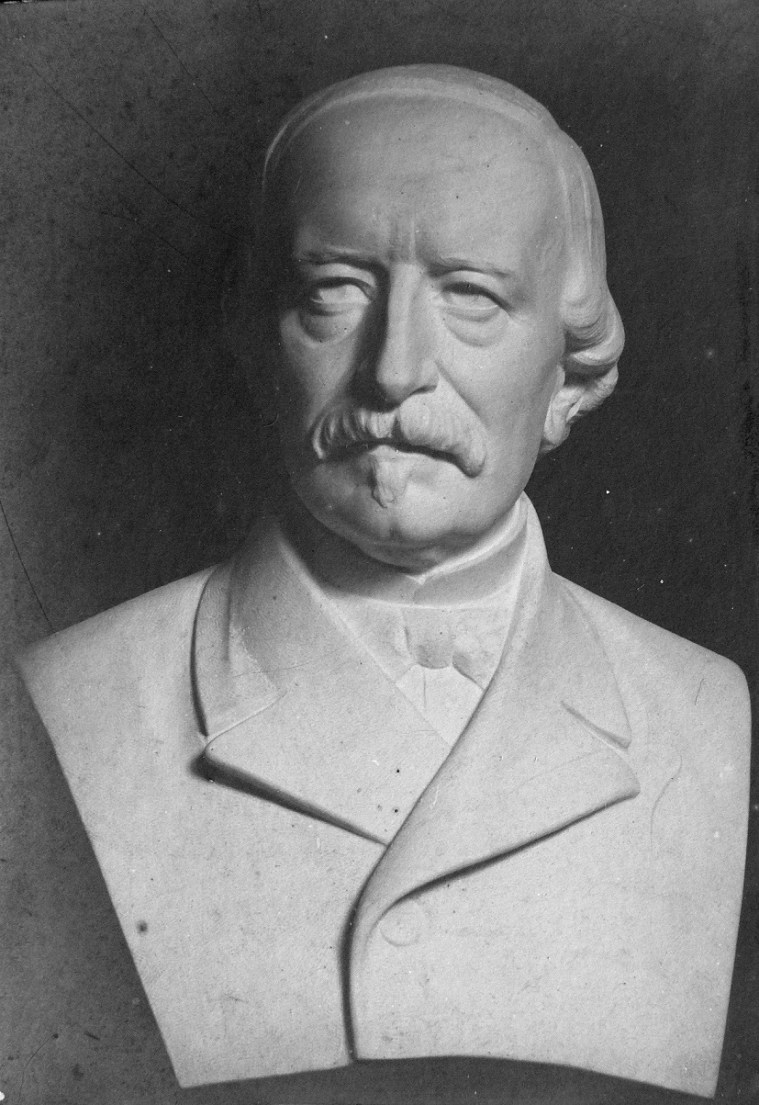
Herman Strategier (1912 - 26 ottobre 1988): Partita in modi antichi per orchestra (1954). Nederlands Radio Kamer Filharmonie, dir. Henk Spruit.
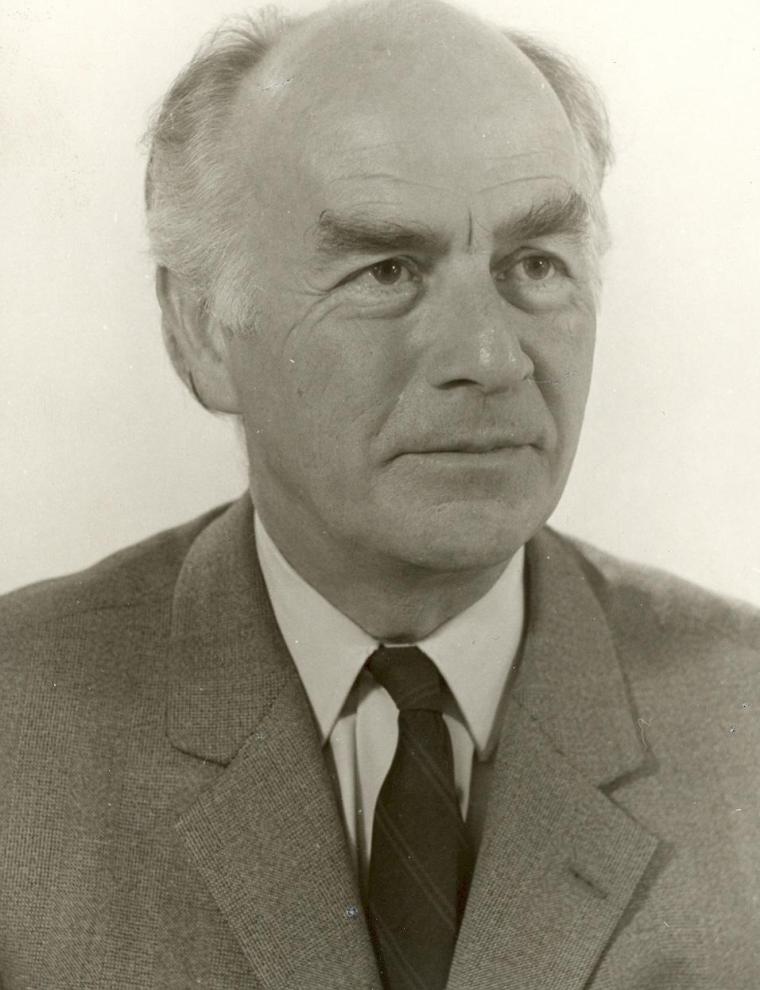
Hans Leo Hassler von Roseneck (26 ottobre 1564 - 1612): Verbum caro factum est, mottetto a 6 voci (pubblicato in Cantiones sacrae, 1591, n. 30). The Exon Singers.
Verbum caro factum est
et habitavit in nobis.
Et vidimus gloriam ejus,
gloriam quasi Unigeniti a patre,
plenum gratiae et veritatis.

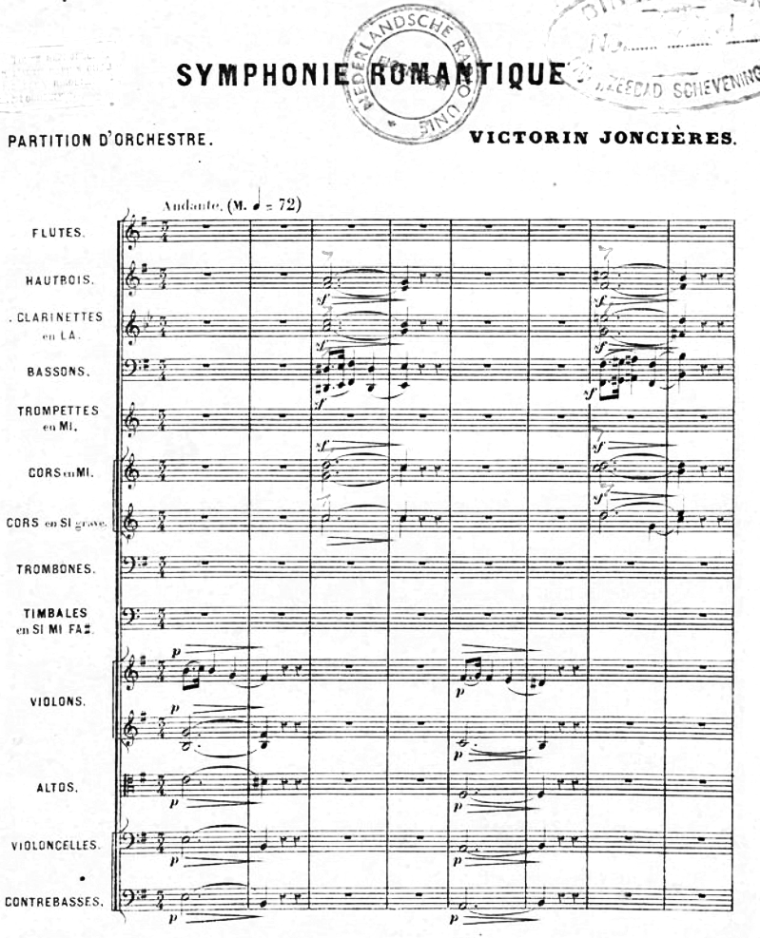
Victorin (de) Joncières (pseudonimo di Félix-Ludger Rossignol; 1839 - 26 ottobre 1903): Symphonie romantique in mi minore (1873). Interpreti non identificati.
Howard Hanson (26 ottobre 1896 - 1981): Sinfonia n. 1 in mi minore op. 22, Nordica (1922). Seattle Symphony Orchestra, dir. Gerard Schwarz.

Domenico Scarlatti (26 ottobre 1685 - 1757): Sonata in re maggiore K 29. Gianandrea Pauletta, clavicembalo.

Louis-Nicolas Clérambault (1676 - 26 ottobre 1749): Suite du Premier Ton (dal Premier Livre d’Orgue, 1710). Loek Jehee all’organo della Concathédrale Notre-Dame-du-Bourguet in Forcalquier (Alpes-de-Haute-Provence).

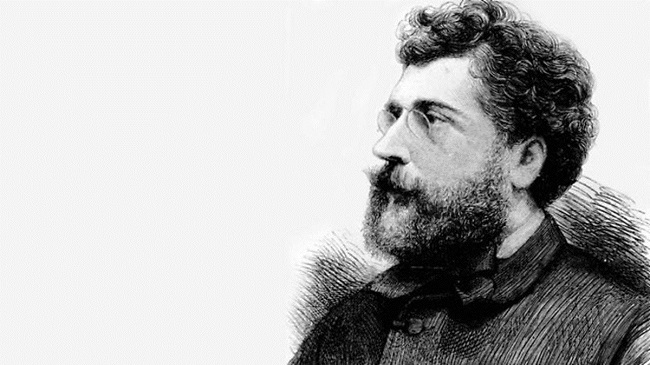
Georges Bizet (25 ottobre 1838 - 1875): Jeux d’enfants, 12 pezzi per pianoforte a 4 mani op. 22 (1871). Alfons e Aloys Kontarsky.
Bizet: Petite suite (trascrizione per orchestra dei Jeux d’enfants n. VI, III, II, XI e XII). Philharmonia Orchestra, dir. sir Adrian Boult (in concerto, 1964).
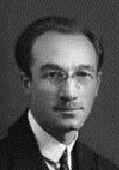 Jean Rogister (25 ottobre 1879 - 1964): Concerto in la maggiore per viola e orchestra (1914). Thérèse-Marie Gilissen, viola; Orchestra sinfonica di Pécs, dir. Marc Trautmann.
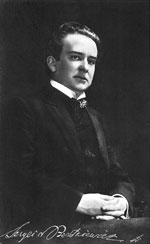 Sergej Ėduardovič Bortkevič (1877 - 25 ottobre 1952): Esquisses de Crimée per pianoforte op. 8 (1908). Pavel Gintov.
Cemal Reşit Rey (25 ottobre 1904 - 7 ottobre 1985): Enstantaneler, «impressioni sinfoniche» (1931). Magyar Állami Hangversenyzenekar (Orchestra sinfonica di Stato ungherese), dir. Cem Mansur.
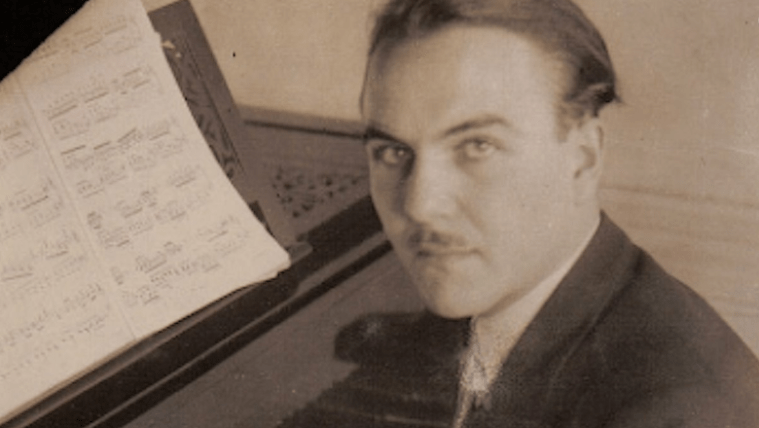
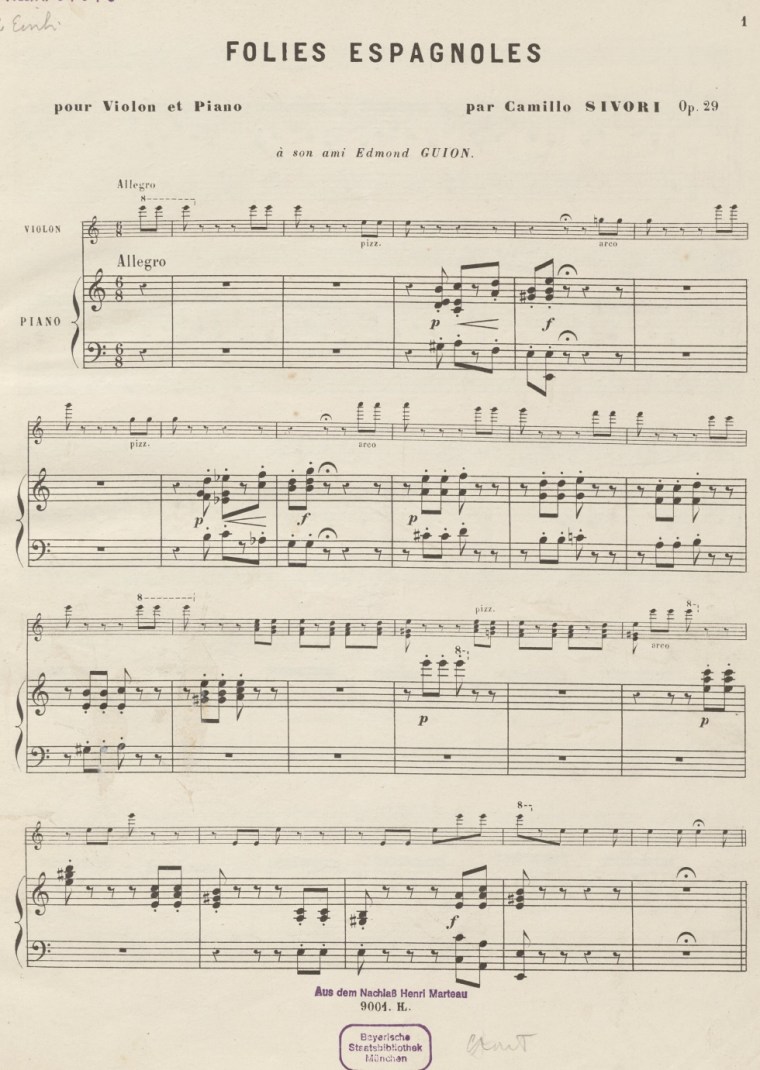
Camillo Sivori (25 ottobre 1815 - 1894): Folies espagnoles per violino e pianoforte op. 29. Fulvio Luciani, violino; Massimiliano Motterle, pianoforte.
Manuel Manrique de Lara (24 ottobre 1863 - 1929): La Orestiada, trilogia sinfonica (1890). Orquesta Filarmónica de Málaga, dir. José Luis Temes.

Pierre Sancan (24 ottobre 1916 - 20 ottobre 2008): Sonatina per flauto e pianoforte (1946). Claude Regimbald, flauto; Claude Webster, pianoforte.

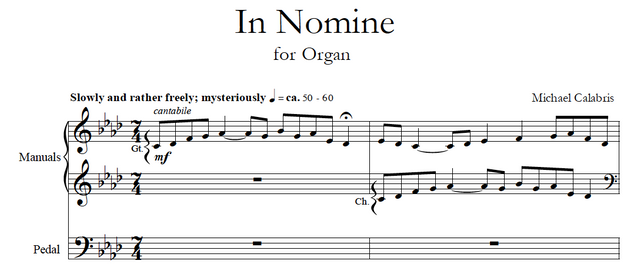
Michael Calabris (1984): In nomine per organo (2015). Carson Cooman.
Petr Eben (1929 - 24 ottobre 2007): Hommage à Dietrich Buxtehude, Toccatenfuge (1987). Pier Damiano Peretti all’organo Zanin (1999) della Chiesa parrocchiale di Santa Maria Addolorata in Selva di Fasano (Brindisi).

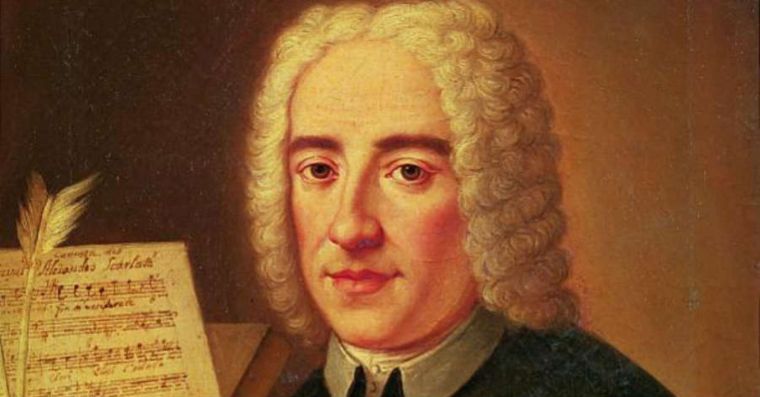
Alessandro Scarlatti (1660 - 24 ottobre 1725): Toccata per cembalo d’ottava stesa (1723). Andrea Marcon.

Alessandro Scarlatti (1660 - 24 ottobre 1725): Concerto grosso n. 3 in fa maggiore. Accademia Bizantina, dir. Ottavio Dantone.
Carlo Filago (1589 - 23 ottobre 1644): Quam pulchra es, amica mea, mottetto «a doi canti» (pubblicato in Sacrarum cantionum Liber Tertius, 1619). Instrumenta Musica, dir. Ercole Nisini.
Quam pulchra es, amica mea,
columba mea, immaculata mea
et odor vestimentorum super omnia aromata.
Alleluia.

Orlando Gibbons (1583 - 1625): In nomine a 5. Philip Jones Brass Ensemble.

Toshio Hosokawa (23 ottobre 1955): Landscape I per quartetto d’archi (1992). Arditti Quartet.

 Albert Lortzing (23 ottobre 1801 - 1851): Konzertstück in mi maggiore per corno e orchestra. Peter Damm, corno; Staatskapelle Dresden, dir. Siegfried Kurz.
Il brano, in un unico movimento, si articola nelle seguenti sezioni: Andante – Variazioni – Poco più lento – Allegretto – Tempo I – Allegretto – Cadenza – Tempo I.
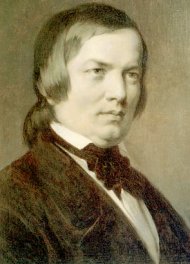 Robert Schumann (1810 - 1956): Konzertstück per 4 corni e orchestra op. 86 (1849). Roger Montgomery, Gavin Edwards, Susan Dent e Robert Maskell, corni; Orchestre révolutionnaire et romantique, dir. John Eliot Gardiner.
Lebhaft – Romanze [7:03] – Sehr Lebhaft [12:01]
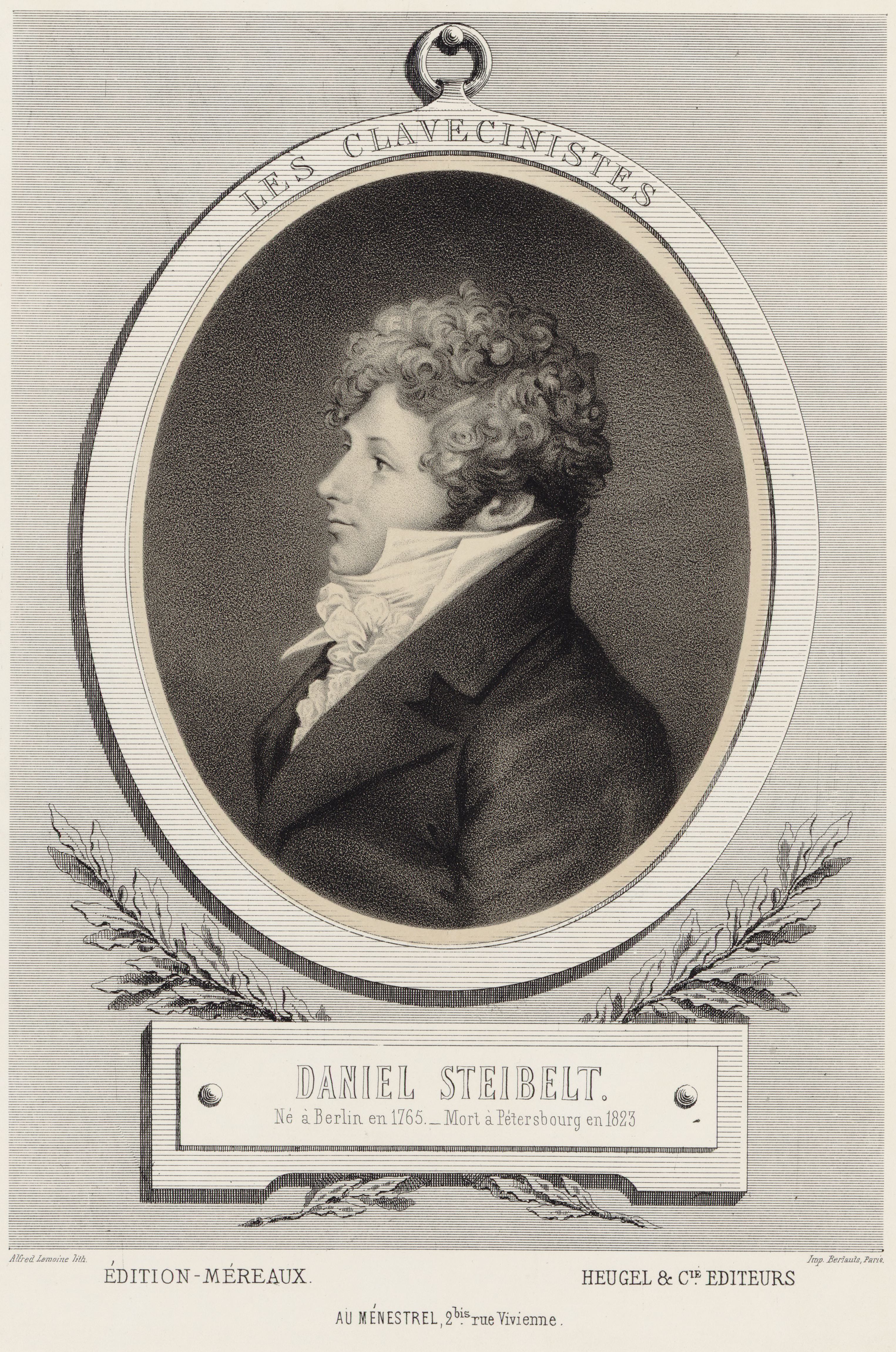
Daniel Steibelt (22 ottobre 1765 - 2 ottobre 1823): Concerto per arpa e orchestra (1807). Masumi Nagasawa, arpa; Kölner Akademie, dir. Michael Alexander Willens.
Franz Liszt (22 ottobre 1811 - 1886): Feuille d’album n. 2 S. 534/2bis (1849). Clemens Muller, pianoforte.
Si tratta della terza versione di una terza versione. All’origine vi è un Lied su testo di Felix Lichnowsky, intitolato Die Zelle im Nonnenwerth (S. 274/1, del 1841); la sua 3ª versione fu redatta nel 1845 con testo tradotto in francese da Étienne Monnier e il titolo di Élégie (S. 301b/2); della trascrizione per pianoforte di quel brano, questa è appunto la 3ª versione.

Franz Liszt: Die Zelle im Nonnenwerth (Élégie) per violoncello e pianoforte S. 382 (c1883; trascrizione della 2ª versione del Lied di cui sopra). János Fejérvári, violoncello; Zoltán Fejérvári, pianoforte.

Nicholas Strogers (attivo nella 2a metà del XVI secolo): In nomine a 6. Hespèrion XX, dir. Jordi Savall.

 Ernst Mielck (24 ottobre 1877 - 22 ottobre 1899); Sinfonia in fa minore op. 4 (1897). Radion sinfoniaorkesteri, dir. Sakari Oramo.
Samuel Arnold (1740 - 22 ottobre 1802): Sonata in sol maggiore per clavicembalo op. 10 n. 1 (1775). Christine Sartoretti.
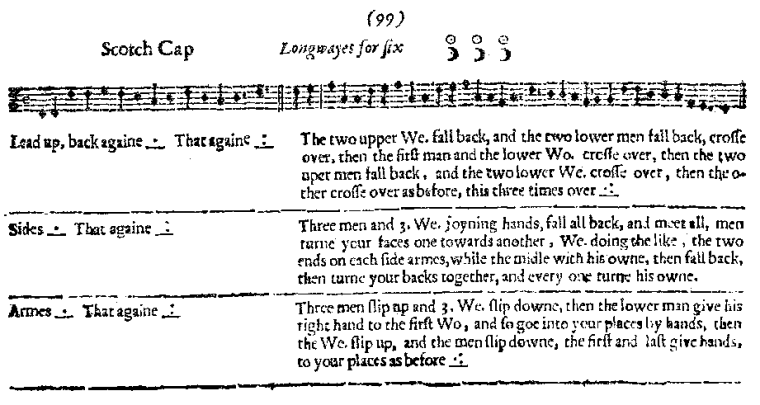
Anonimo (XVII secolo): Scotch Cap (da John Playford, The English Dancing Master, Londra 16511, n. 99). The Baltimore Consort.
La melodia è nota anche con il titolo Edinburgh Castle.


 la regina gioiosa