
Biagio Marini (1594 - 17 novembre 1663): Sonata variata in la minore per violino e basso continuo (pubblicata in Sonate, symphonie, canzoni, etc. op. VIII, 1626, n. 58). Ensemble Helianthus: Olivia Centurioni, violino; Evangelina Mascardi, tiorba.

Biagio Marini (1594 - 17 novembre 1663): Sonata variata in la minore per violino e basso continuo (pubblicata in Sonate, symphonie, canzoni, etc. op. VIII, 1626, n. 58). Ensemble Helianthus: Olivia Centurioni, violino; Evangelina Mascardi, tiorba.
 Thomas Ford (c1580 - sepolto il 17 novembre 1648): Faire, sweet, cruell, ayre (pubblicato in Musicke of Sundrie Kindes, 1607, vol. I, n. 7). Victoria Cassano, soprano; Javier Ovejero Mayoral, liuto.
Faire, sweet, cruell, why doest thou flie mee,
Goe not, oh goe not from thy deerest,
Though thou doest hasten I am nie thee,
When thou see’mst farre then am I neerest,
Tarrie then and take me with you.
Fie, fie, sweetest here is no danger,
Flie not, oh flie not loue pursues thee,
I am no foe, nor forraine stranger,
Thy scornes with fresher hope renewes me,
Tarrie then and take me with you.
Hugh Aston (c1485 - 17 novembre 1558): A Hornepype. Marco Lo Muscio, organo.
Secondo alcuni studiosi, questa hornpipe è da considerarsi uno dei primissimi brani che siano stati composti in quello che viene chiamato «stile idiomatico», cioè tenendo conto delle caratteristiche tecniche, acustiche e espressive degli strumenti cui sono destinati.
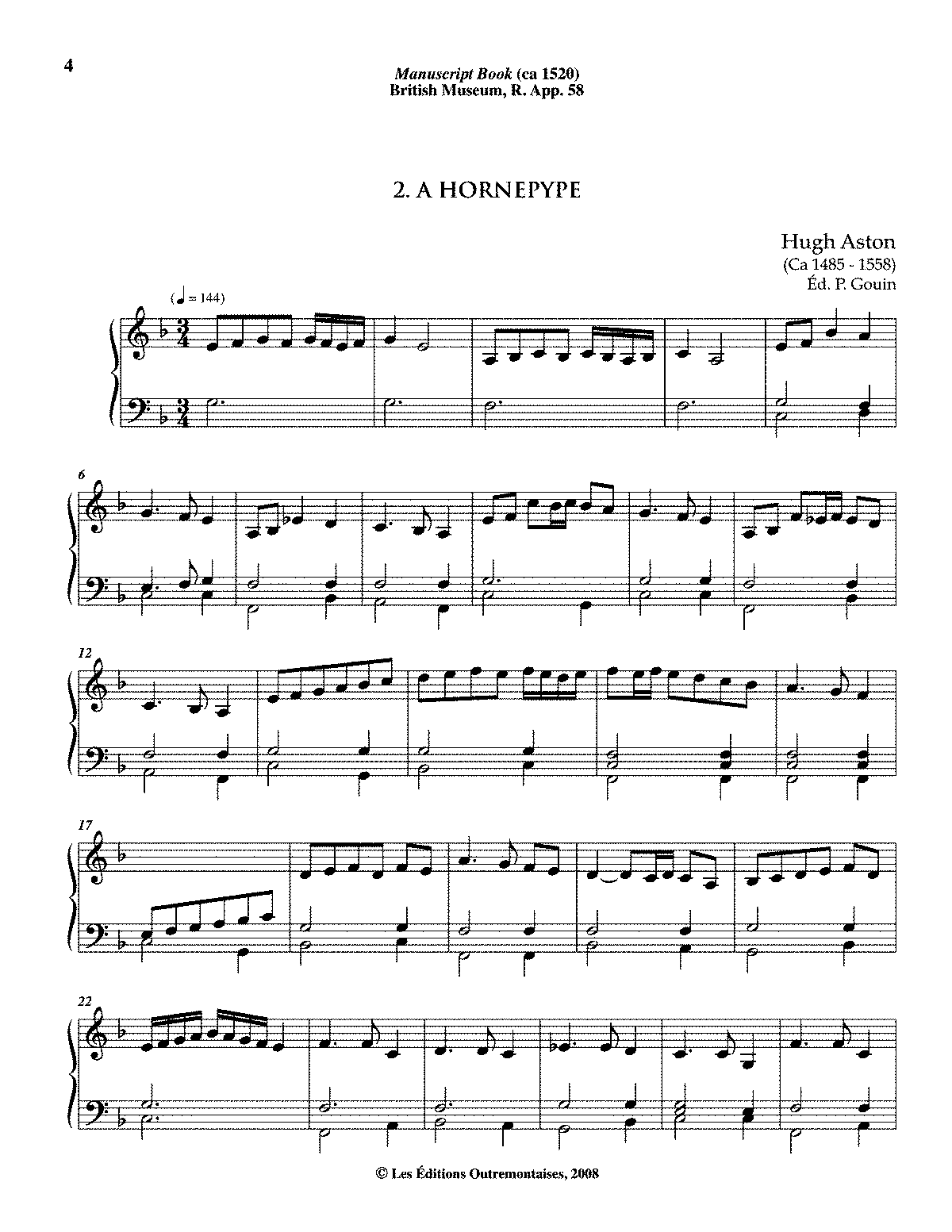
Eduard Tubin (1905 - 17 novembre 1982): Sinfonia n. 2 in si minore, Legendaarne (1937). Sveriges Radios Symfoniorkester, dir. Neeme Järvi.
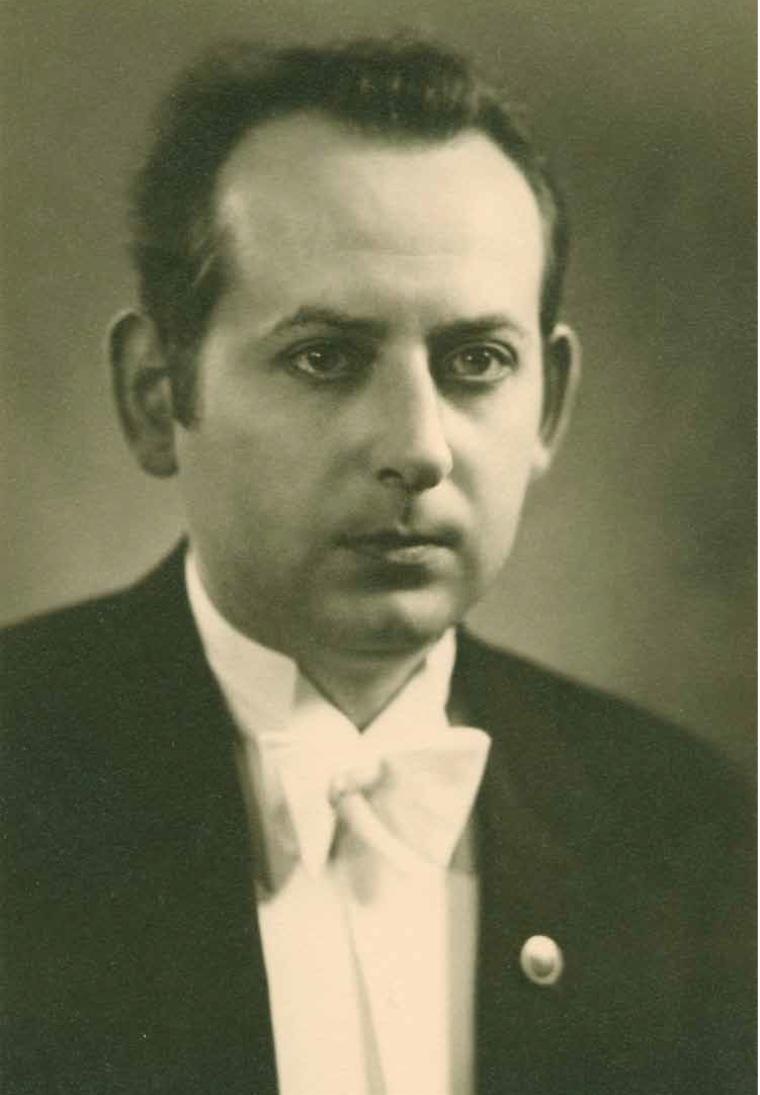
Guillaume Dumanoir père (16 novembre 1615 - 1697): Suite du Ballet de Stockholm. Le Concert des Nations, dir. Jordi Savall.
Domenico Alaleona (16 novembre 1881 - 1928): La città fiorita, cinque «impronte» per pianoforte (1918). Fausto Bongelli.
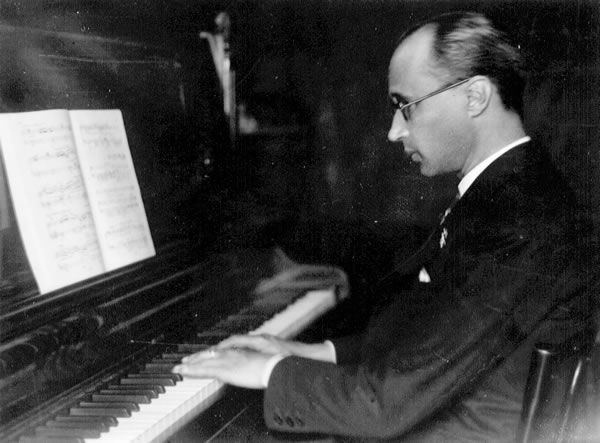
Paolo Quagliati (1555 - 16 novembre 1628): Ricercare (n. 19 delle Ricercate et Canzone per sonare, et cantare, 1611). Aaron Edward Carpene, organo.


«La vita è un’orchestra che suona sempre, intonata, stonata»
José Saramago
(16 novembre 1922 - 2010)
Paul Hindemith (16 novembre 1895 - 1963): Concerto per organo e orchestra (1962). Iveta Apkalna, organo; Rundfunk-Sinfonieorchester Berlin, dir. Marek Janowski.

Charles-Antoine Campion (Carlo Antonio Campioni; 16 novembre 1720 - 1788): Sonata in sol minore per 2 violini e basso continuo op. 4a n. 2 (c1770). The Vivaldi Project: Elizabeth Field e Allison Edberg Nyquist, violini; Stephanie Vial, violoncello.
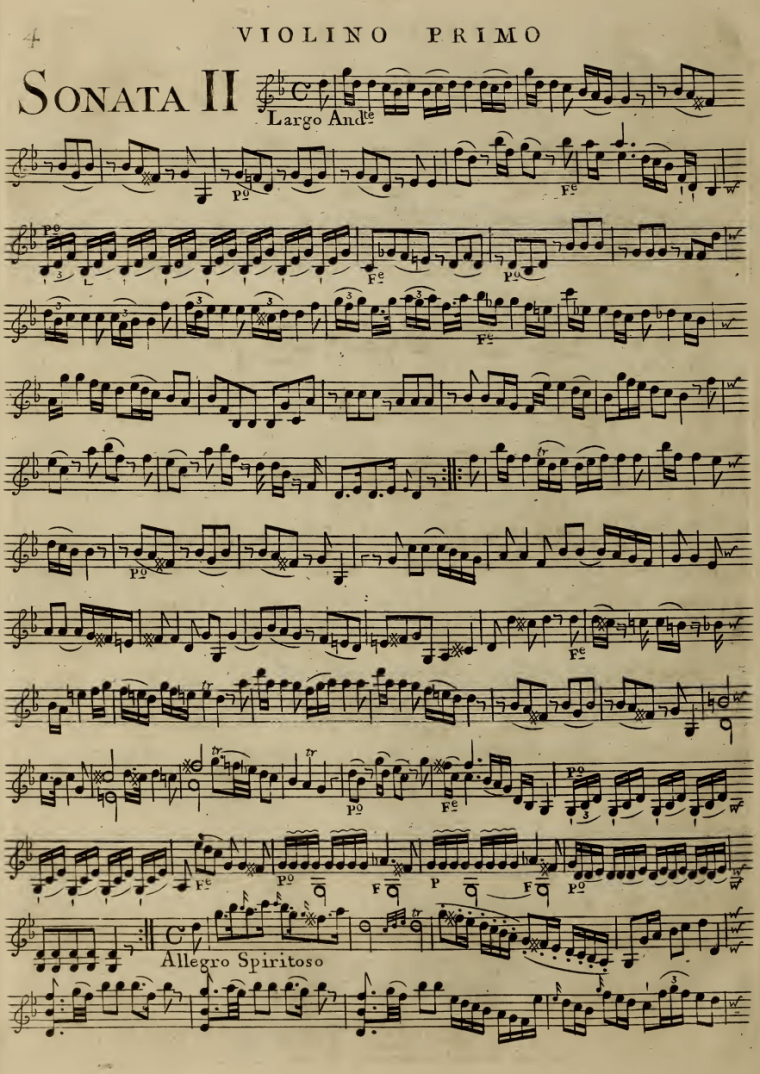
William Herschel (15 novembre 1738 - 1822): Sinfonia n. 12 in re maggiore (1762). London Mozart Players, dir. Matthias Bamert.


 Augustin Barié (15 novembre 1883 - 1915): Sinfonia per organo in si bemolle minore op. 5 (1907). Sean Redrow.
Jan Pieterszoon Sweelinck (1562 - 1621): Almande Gratie, 4 variazioni sulla canzone studentesca More palatino SwWV 318. Gavin Black, clavicembalo.
Johann Staden (1581 - 15 novembre 1634): Allamanda varirt sul medesimo tema. Thilo Muster, organo.
Gisbert Steenwick (1642 - 1679): More palatino, 3 variazioni (dall’album per la sua allieva Anna Maria van Eyl, 1671). Ernst Stolz, organo.
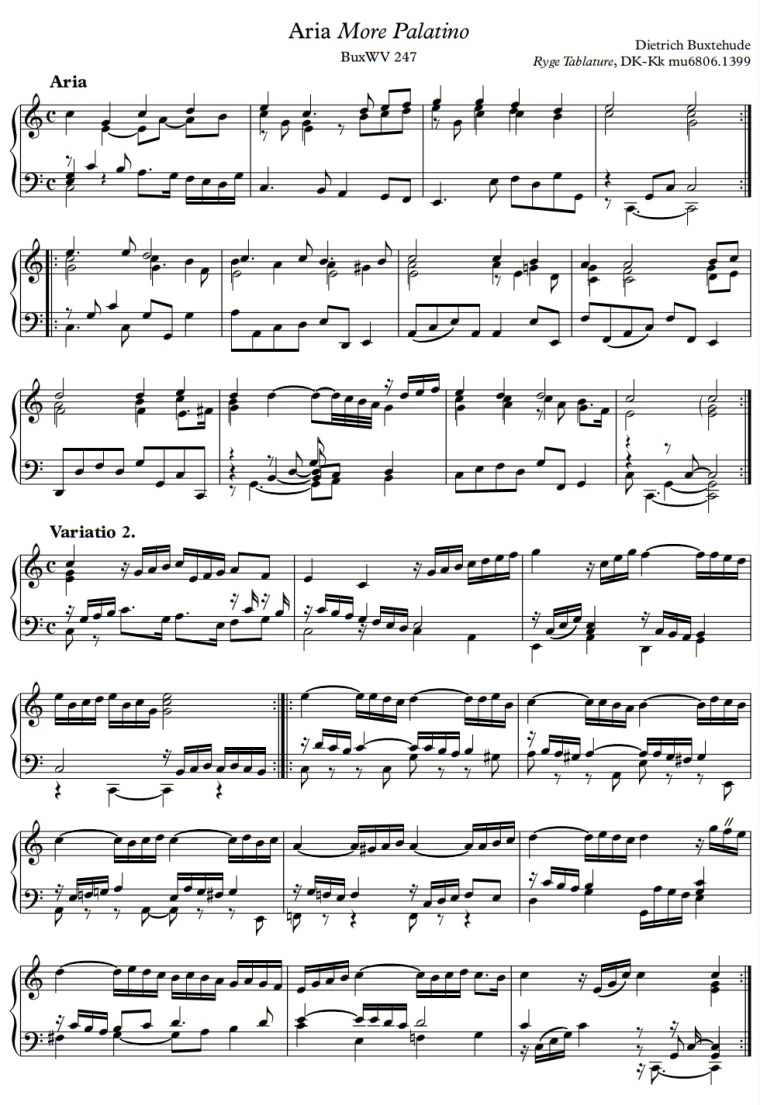
Dietrich Buxtehude (1637 - 1707): Aria: More palatino, 12 variazioni BuxWV 247. Basilio Timpanaro, organo.
More palatino bibimus; ne gutta supersit
unde suam possit musca levare sitem.
Sic bibimus, sic vivimus
dum academici.
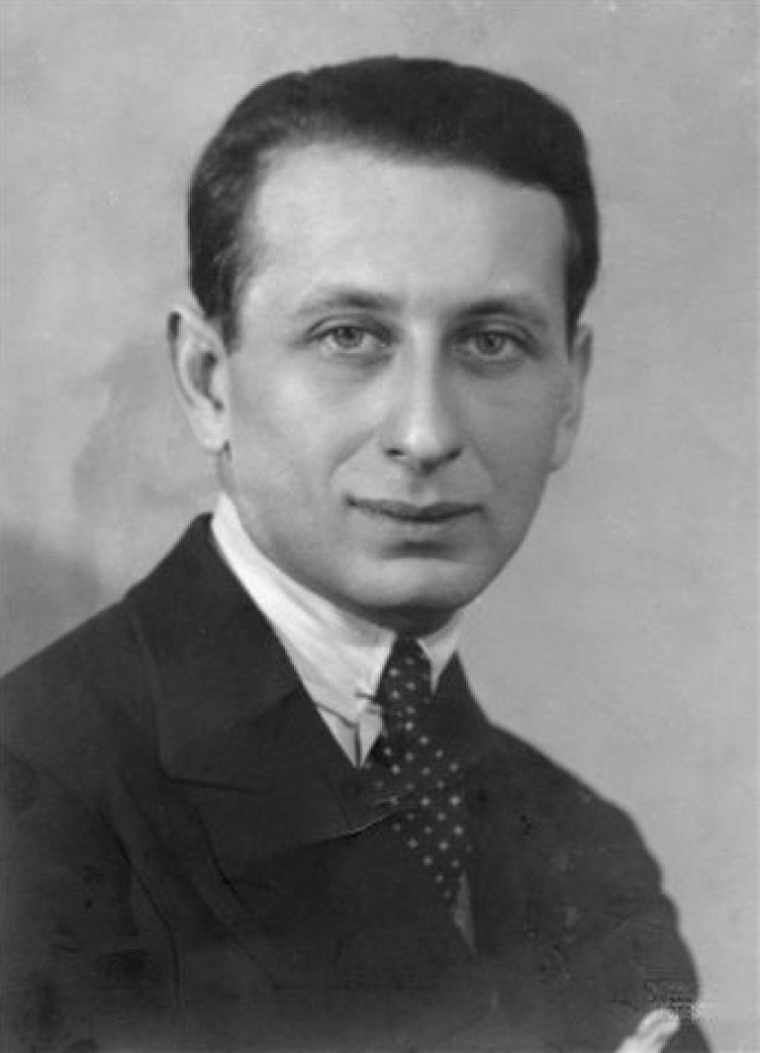
Alexandre Tansman (1897 - 15 novembre 1986): Sonatine transatlantique per pianoforte (1930). Daniel Blumenthal.
 Andrij Jakovyč Štoharenko (Andrej Jakovič Štogarenko; 1902 - 15 novembre 1992): Образы / Immagini per pianoforte (1970). Ludmila Kasjanenko.
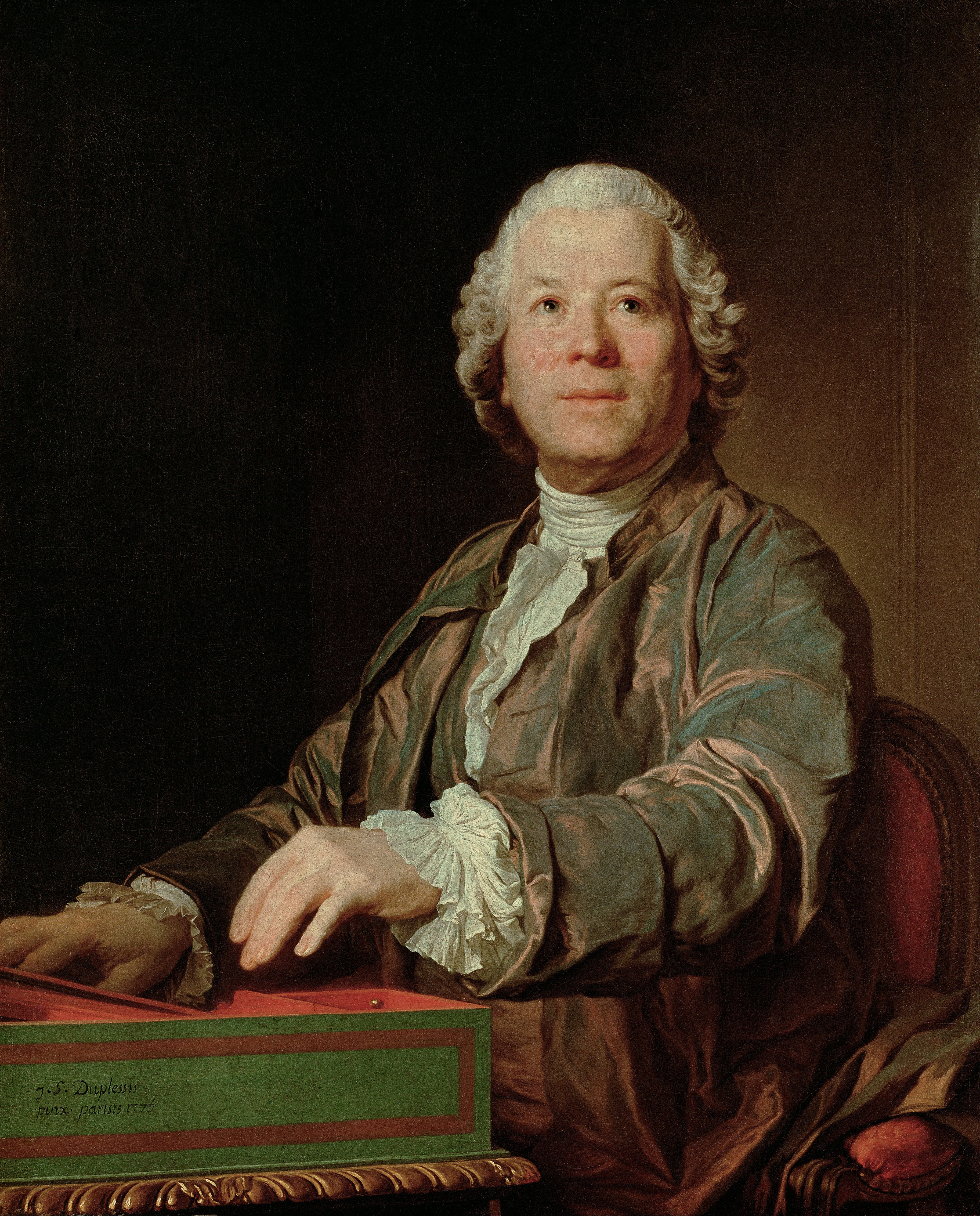
Christoph Willibald Gluck (1714 - 15 novembre 1787): Orfeo ed Euridice (1762), ouverture. English Baroque Soloists, dir. John Eliot Gardiner.
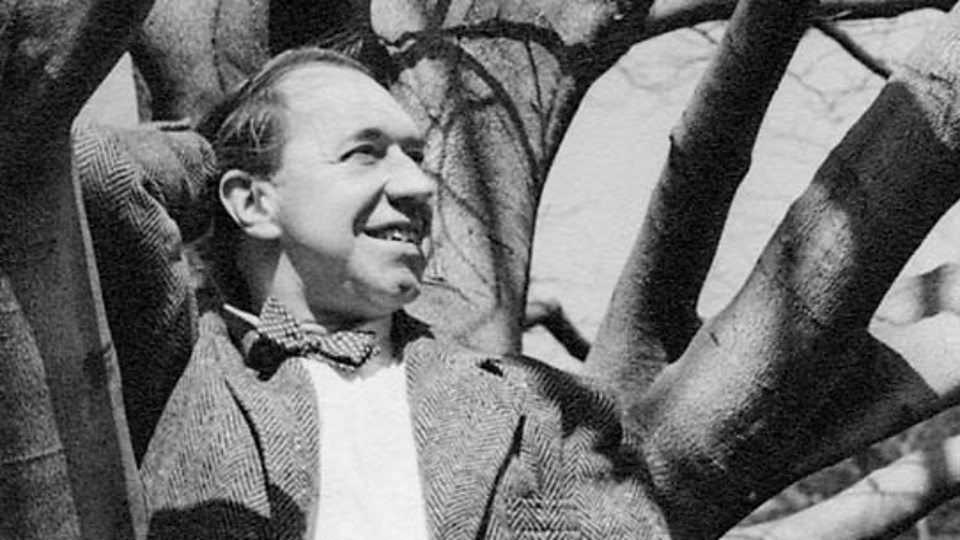
Richard Addinsell (1904 - 14 novembre 1977): The Isle of Apples (c1960-70). BBC Concert Orchestra, dir. Kenneth Alwyn.
Celebre pressoché solo per il così soprannominato Concerto di Varsavia, che fa parte della colonna sonora di Dangerous Moonlight, un film di guerra diretto da Brian Desmond Hurst nel 1941, Addinsell scrisse diverse altre musiche per il cinema, fra cui quelle per Addio, Mr. Chips! (Goodbye, Mr. Chips, 1939) di Sam Wood.
La partitura di The Isle of Apples fu rinvenuta dopo la morte del compositore. Il titolo di questo breve idillio sinfonico fa probabilmente riferimento alla leggendaria isola di Avalon, citata come «Insula Avallonis» e poi come «Insula Pomorum quae Fortunata vocatur» nell’Historia regum Britanniae di Goffredo di Monmouth. Secondo le leggende arturiane, a Avalon fu forgiata Excalibur, e in seguito l’isola accolse le spoglie mortali di Artù — si è ipotizzato che Addinsell abbia composto The Isle of Apples dopo la scomparsa dell’amica e collaboratrice Clemence Dane (1888 - 1965).
Fanny Mendelssohn (14 novembre 1805 - 1847): Ouverture in do maggiore (1832). The Women’s Philharmonic, dir. JoAnn Falletta.

Jacob TV (Jacob ter Veldhuis; 14 novembre 1951): Rainbow Concerto per violoncello e orchestra (2002). Marien van Staalen (dedicatario del Concerto), violoncello; Het Gelders Orkest, dir. Jurjen Hempel.

Marien van Staalen
Aaron Copland (14 novembre 1900 - 1990): Twelve Poems of Emily Dickinson (1950). Barbara Bonney, soprano; André Previn, pianoforte.
Nature, the gentlest mother
Impatient of no child,
The feeblest or the waywardest, —
Her admonition mild
In forest and the hill
By traveller is heard,
Restraining rampant squirrel
Or too impetuous bird.
How fair her conversation,
A summer afternoon, —
Her household, her assembly;
And when the sun goes down
Her voice among the aisles
Incites the timid prayer
Of the minutest cricket,
The most unworthy flower.
When all the children sleep
She turns as long away
As will suffice to light her lamps;
Then, bending from the sky,
With infinite affection
And infiniter care,
Her golden finger on her lip,
Wills silence everywhere.
There came a wind like a bugle;
It quivered through the grass,
And a green chill upon the heat
So ominous did pass
We barred the windows and the doors
As from an emerald ghost;
The doom’s electric moccasin
That very instant passed.
On a strange mob of panting trees,
And fences fled away,
And rivers where the houses ran
The living looked that day,
The bell within the steeple wild
The flying tidings whirled.
How much can come and much can go,
And yet abide the world!
Why do they shut Me out of Heaven?
Did I sing too loud?
But I can say a little “Minor”
Timid as a Bird!
Wouldn’t the Angels try me
Just once more
Just see if I troubled them
But don’t shut the door!
Oh, if I were the Gentleman
In the “White Robe”
And they were the little Hand that knocked
Would I forbid?
[Why do they shut Me out of Heaven?
Did I sing too loud?]
The World feels Dusty
When We stop to Die
We want the Dew then
Honors taste dry
Flags vex a Dying face
But the least Fan
Stirred by a friend’s Hand
Cools like the Rain
Mine be the Ministry
When they Thirst comes
Dews of Thyself to fetch
And Holy Balms
Heart, we will forget him
You and I, tonight.
You may forget the warmth he gave,
I will forget the light.
When you have done, pray tell me,
That I my thoughts may dim;
Haste! lest while you’re lagging,
I may remember him!
Dear March, come in!
How glad I am!
I looked for you before.
Put down your hat –
You must have walked –
How out of breath you are!
Dear March, how are you?
And the rest?
Did you leave Nature well?
Oh, March, come right upstairs with me,
I have so much to tell!
I got your letter, and the bird’s;
The maples never knew
That you were coming, – I declare,
How red their faces grew!
But, March, forgive me –
And all those hills
You left for me to hue,
There was no purple suitable,
You took it all with you.
Who knocks? that April?
Lock the door!
I will not be pursued!
He stayed away a year, to call
When I am occupied.
But trifles look so trivial
As soon as you have come,
And blame is just as dear as praise
And praise as mere as blame.
Sleep is supposed to be,
By souls of sanity,
The shutting of the eye.
Sleep is the station grand
Down which on either hand
The hosts of witness stand!
Morn is supposed to be,
By people of degree,
The breaking of the day.
Morning has not occurred!
That shall aurora be
East of Eternity;
One with the banner gay,
One in the red array, –
That is the break of day.
When they come back if Blossoms do
I always feel a doubt
If Blossoms can be born again
When once the Art is out
When they begin, if Robins may,
I always had a fear
I did not tell, it was their last Experiment
Last Year,
When it is May, if May return,
Had nobody a pang
Lest in a Face so beautiful
He might not look again?
If I am there,
One does not know
What Party one may be
Tomorrow, but if I am there
I take back all I say
I felt a funeral in my brain,
And mourners to and fro,
Kept treading, treading, till it seemed
That sense was breaking through.
And when they all were seated
A service like a drum
Kept beating, beating, till I thought
My mind was going numb.
And then I heard them lift a box,
And creak across my soul
With those same boots of lead, again.
Then space began to toll
As all the heavens were a bell,
And Being but an ear,
And I and silence some strange race,
Wrecked, solitary, here.
I’ve heard an Organ talk, sometimes
In a Cathedral Aisle,
And understood no word it said
Yet held my breath, the while
And risen up and gone away,
A more Berdardine Girl
Yet know not what was done to me
In that old Hallowed Aisle.
Going to Heaven!
I don’t know when,
Pray do not ask me how, –
Indeed I’m too astonished
To think of answering you!
Going to Heaven! –
How dim it sounds!
And yet it will be done
As sure as flocks go home at night
Unto the shepherd’s arm!
Perhaps you’re going too!
Who knows?
If you should get there first
Save just a little place for me
Close to the two I lost!
The smallest “robe” will fit me,
And just a bit of “crown”;
For you know we do not mind our dress
When we are going home.
Going to Heaven!
I’m glad I don’t believe it
For it would stop my breath,
And I’d like to look a little more
At such a curious earth!
I am glad they did believe it
Whom I have never found
Since the mighty autumn afternoon
I left them in the ground.
Because I could not stop for Death —
He kindly stopped for me —
The carriage held but just ourselves —
and Immortality.
We slowly drove — he knew no haste,
And I had put away
My labour, and my leisure too
For His Civility —
We passed the school, where children played,
Their lessons scarcely done.
We passed the fields of gazing grain,
We passed the setting sun.
We paused before a house that seemed
a swelling of the ground;
The roof was scarcely visible,
The cornice but a mound.
Since then ’tis centuries; but each
Feels shorter than the day
I first surmised the horses’ heads
Were toward eternity.

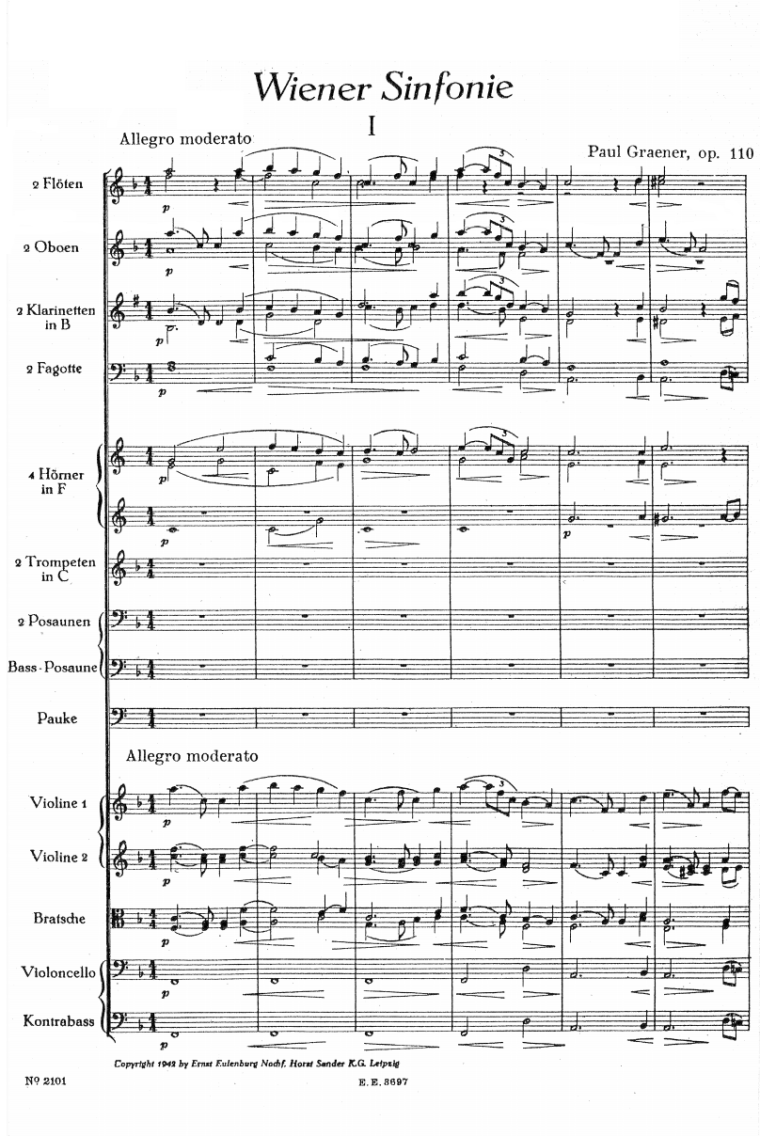
Paul Graener (1872 - 14 novembre 1944): Wiener Sinfonie op. 110 (1941). Philharmonisches Orchester Altenburg-Gera, dir. Eric Solén.
Yan Maresz (14 novembre 1966): Éclipse per clarinetto e 14 strumenti (1999). Jean-Marc Foltz, clarinetto, United Instruments of Lucilin, dir. Mark Foster.

Johann Nepomuk Hummel (14 novembre 1778 - 1837): Sonata n. 2 in mi bemolle maggiore per pianoforte op. 13, Alleluja (c1804). Vincenzo Balzani.
« Nel primo movimento il primo tema, molto incisivo e accompagnato da un basso staccatissimo, è indicato nella sua ultima apparizione con “Alleluja”. Può darsi, ma non si è trovata fino ad ora la fonte, che si tratti di una citazione da una messa o da un oratorio, ma comunque sia il tono di giubilo dell’Alleluja percorre tutto il primo movimento. Il secondo movimento, in forma bitematica tripartita, è una vera e propria scena lirica intensamente patetica, e il terzo movimento riunisce i caratteri dello scherzo e della marcia in quello che in realtà è un vero e proprio concertato operistico » (Piero Rattalino).

Johann Evangelist Brandl (14 novembre 1760 - 1837): Quintetto in do maggiore per violino, viola, violoncello, fagotto e pianoforte op. 61 (1800). Calamus Ensemble.

 Jan Zach (13 novembre 1699 - 1773): Concerto in do minore per arpa e orchestra. Mariella Nordmann, arpa; Orchestre d’Auvergne, dir. Jean-Jacques Kantorow.
Gioachino Rossini (1792 - 13 novembre 1868): Un petit train de plaisir (Comique : Imitatif) per pianoforte. Il Maestro Antonio Ballista esegue il brano leggendone le didascalie esplicative.

Nikolaj Karlovič Metner (o Medtner; 1880 - 13 novembre 1951): Sonata n. 13 in fa minore per pianoforte op. 53 n. 2, Sonata minacciosa (1931-32). Geoffrey Tozer.
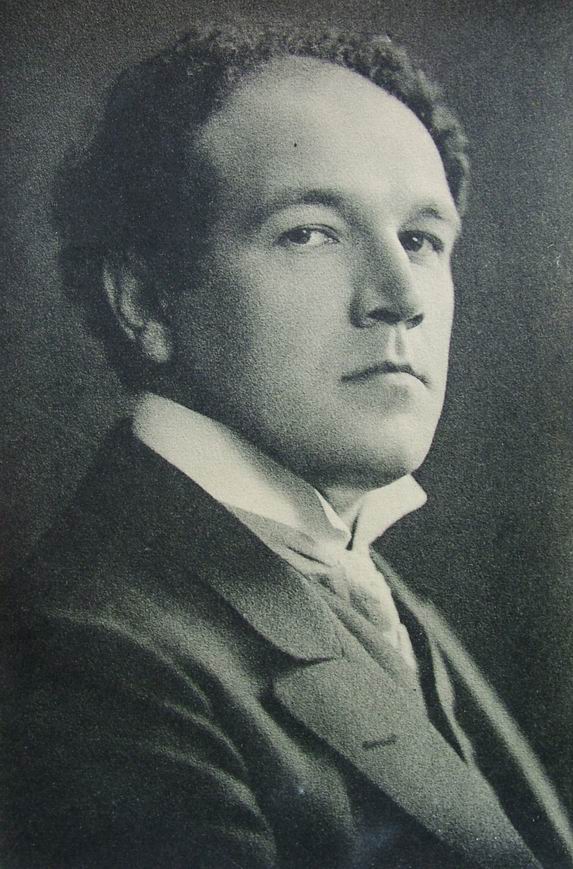
Maurice Delage (13 novembre 1879 - 1961): Bateau ivre, poema sinfonico (1954) ispirato dall’omonima poesia di Arthur Rimbaud. Orchestre National de la RTF, dir. Manuel Rosenthal.
Et je voguais, lorsqu’à travers mes liens frêles
Des noyés descendaient dormir, à reculons!

Maurice Ohana (1913 - 13 novembre 1992): Études chorégraphiques per strumenti a percussione (1955). Ted Babcock, Sarrah Cantrell, Em Feeney, Miles Salerni, Kevin Schlossman e Nick Stone, percussioni; dir. Thomas Burritt.
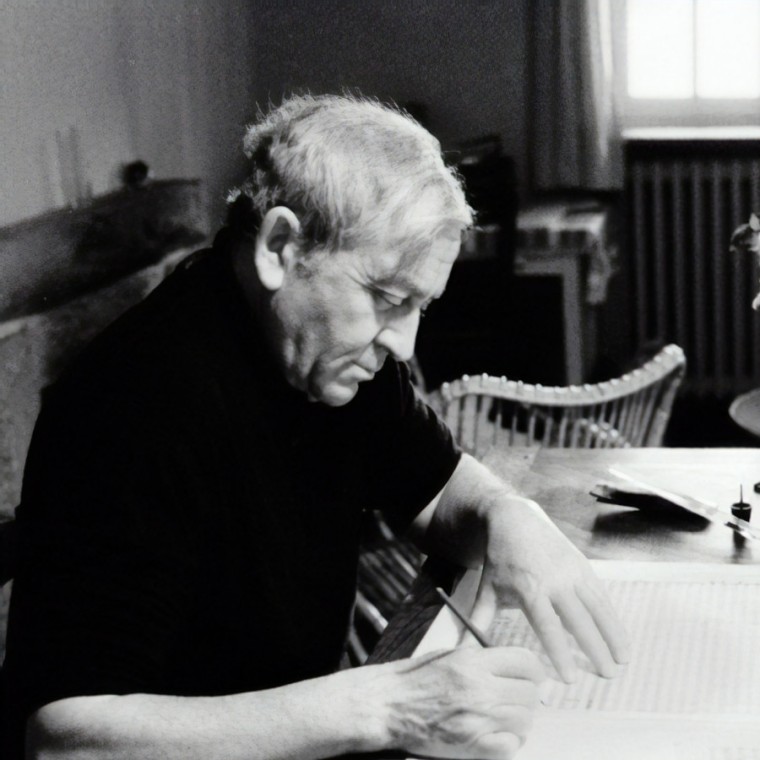
Bernhard Romberg (13 novembre 1767 - 1841): Prima Sinfonia in do minore op. 23, Trauer-Sinfonie (1810); composta in memoria di Luisa di Meclemburgo-Strelitz, regina di Prussia (1776 - 1810). Kölner Akademie, dir. Michael Alexander Willens.


 la regina gioiosa