Quanto piace al mondo è breve sogno

Sigismondo d’India (c1582 - 19 aprile 1629): Voi ch’ascoltate, madrigale a 2 voci (pubblicato nel volume Le Musiche… Libro III a una e due voci, 1618, n. 1), su testo di Francesco Petrarca (Canzoniere, Sonetto I). Gloria Banditelli, mezzosoprano; Fabio Bonizzoni, clavicembalo.

Voi ch’ascoltate in rime sparse il suono
di quei sospiri ond’io nudriva ’l core
in sul mio primo giovenile errore
quand’era in parte altr’uom da quel ch’i’ sono,

del vario stile in ch’io piango et ragiono
fra le vane speranze e ’l van dolore,
ove sia chi per prova intenda amore,
spero trovar pietà, nonché perdono.

Ma ben veggio or sì come al popol tutto
favola fui gran tempo, onde sovente
di me medesmo meco mi vergogno;

et del mio vaneggiar vergogna è ’l frutto,
e ’l pentersi, e ’l conoscer chiaramente
che quanto piace al mondo è breve sogno.

Sigismondo d'India, Voi ch'ascoltate

La regina d’aprile

A l'entrada del tens clar

Ripubblico questo breve articolo, dedicato a due piccoli gioielli della musica medievale, perché mi pare che abbia suscitato interesse. Alla prima delle due composizioni il presente blog deve il suo nome.


1. La danza gioiosa

A l’entrada del temps clar è uno dei più celebri brani del repertorio musicale medievale. È una balada (canzone a ballo) su testo in lingua d’oc, risalente al XII o all’inizio del XIII secolo, tra­man­dataci dal manoscritto detto Chansonnier de Saint-Germain-des-Prés, oggi alla Bibliothèque Nationale de France, reliquia di considerevole importanza in quanto si tratta di una delle più antiche fonti di musica profana che ci siano pervenute: databile intorno agli anni 1230, è all’incirca contemporaneo del codice dei Carmina Burana.
In quanto assai famosa, A l’entrada del temps clar è stata anche assai maltrattata. YouTube ne offre numerose interpretazioni, e molte sono quelle insensatamente… fracassone, ove con grida più o meno sguaiate e abbondanza di percussioni si vorrebbero rendere evidenti le presun­te origini e i pretesi caratteri popolareschi della composizione. Ma tutto questo sembra poco attendibile. All’epoca, la musica “popolare” — cioè, alla lettera, la musica del popolo, che chiamiamo così per contrapporla a quella eseguita nelle chiese e nelle corti aristocratiche — non era reputata degna di nota: le probabilità che un brano del repertorio popolare potesse essere preso in considerazione dal compilatore dello Chansonnier de Saint-Germain-des-Prés sono pressoché nulle. Del resto, nel manoscritto parigino la nostra balada, quantunque anonima, è inclusa nel gruppo dei componimenti trobadorici, e sappiamo bene che l’arte dei trovatori è tutto fuorché popolaresca. L’analisi del brano rivela tratti com­po­si­tivi alquanto raffinati, tanto nel testo quanto nella melodia.
Dopo aver ascoltato tutto quanto YouTube ha da proporre in merito, di A l’entrada del temps clar ho infine scelto due interpretazioni che mi paiono interessanti per motivi differenti. La prima si trova in uno dei dischi che la Casa editrice Fratelli Fabbri allegò alla Storia della musica pubblicata nel 1964; ha tutto il fascino della semplicità: è esclusivamente cantata (non sono in grado di ri­sa­lire ai nomi degli interpreti) e l’unico tipo di elaborazione musicale consiste nel canto anti­fonale, ossia nel contrapporre la voce solista femminile al coro maschile, affidando alternativamente all’una e all’altro strofe e refrain, seguendo una prassi esecutiva molto antica, denominata appunto alternatim. La seconda interpretazione adotta il medesimo criterio ma aggiunge alle voci un cospicuo numero di strumenti: l’ensemble è lo Studio der frühen Musik diretto da Thomas Binkley, ove spicca il bel timbro tenorile di Nigel Rogers.


Il testo è stato variamente interpretato, sia in senso letterale sia come allegoria, in qualche caso facendo riferimento a antichi riti pagani che celebravano la fine dell’inverno. «All’entrata del tempo chiaro», ossia all’inizio della primavera, una bella regina fiorente (aurilhosa, cioè «aprilosa»: ecco un bel neologismo di ottocento anni fa; piacque molto a Ezra Pound) invita tutti i giovani a unirsi a lei in una danza gioiosa, incurante della gelosia dell’anziano re, il quale tenta di disturbare la danza perché es en cremetar, ovvero teme fortemente — e a ragione — che la regina voglia curarsi non di un vecchio, bensì di «un leggiadro giovincello che ben sappia sollazzare la donna savorosa». E chi la vede danzare potrà a buon diritto dire che al mondo non esiste alcuna che sia pari alla regina gioiosa.

A l’entrada del temps clar, eya,
Per joia recomençar, eya,
E per jelos irritar, eya,
Vol la regina mostrar
Qu’el’es si amorosa.
 A la vi’, a la via, jelos!
 Laissatz nos, laissatz nos
 Balar entre nos, entre nos.

El’ a fait pertot mandar, eya,
Non sia jusqu’a la mar, eya,
Piucela ni bachalar, eya,
Que tuit non vengan dançar
En la dansa joiosa.
 A la vi’…

Lo reis i ven d’autra part, eya,
Per la dança destorbar, eya,
Que el es en cremetar, eya,
Que om no li volh emblar
La regin’aurilhosa.
 A la vi’…

Mais per nient lo vol far, eya,
Qu’ela n’a sonh de vielhart, eya,
Mais d’un leugier bachalar, eya,
Qui ben sapcha solaçar
La domna saborosa.
 A la vi’…

Qui donc la vezes dançar, eya,
E son gent cors deportar, eya,
Ben pogra dir de vertat, eya,
Qu’el mont non aja sa par
La regina joiosa.
 A la vi’, a la via, jelos,
 Laissatz nos, laissatz nos
 Balar entre nos, entre nos.


2. Il fiore della vita

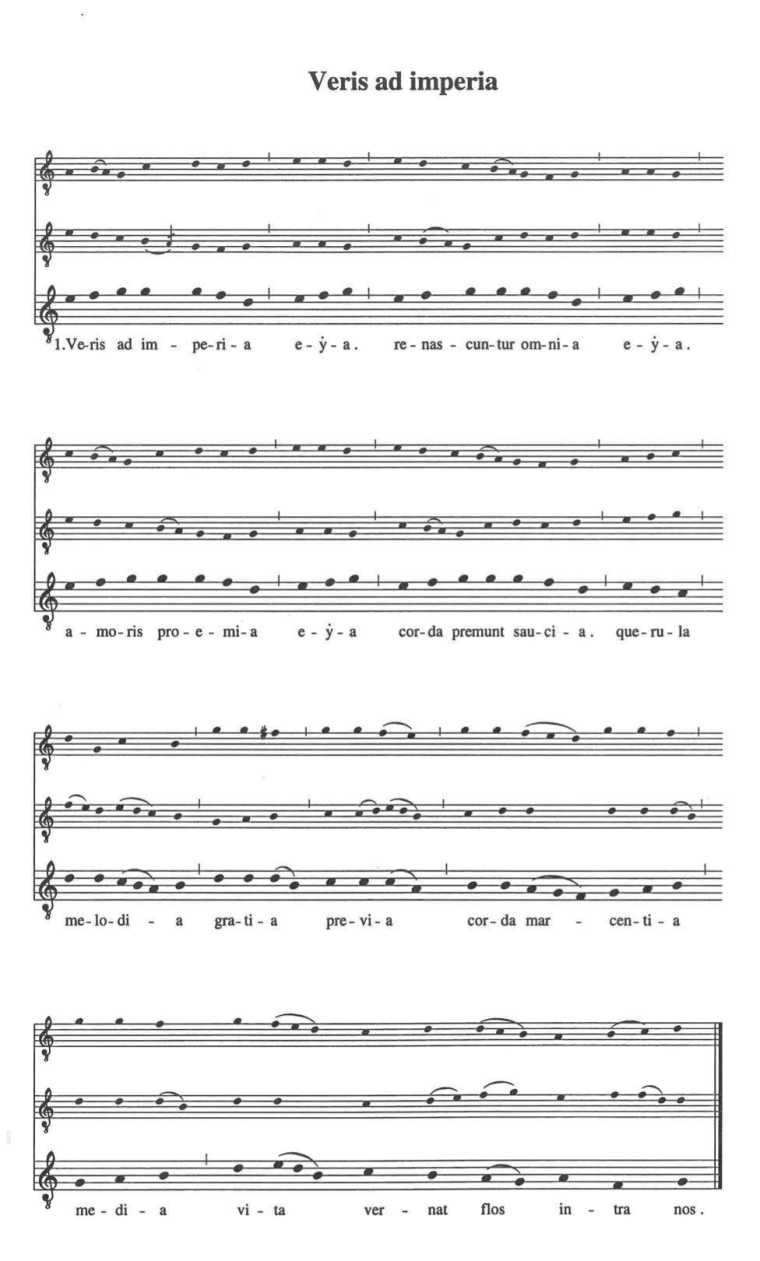
Se A l’entrada del temps clar è famosa, non altrettanto noto è che la sua melodia fu utilizzata da un anonimo esponente della cosiddetta Scuola di Notre-Dame come base per la composizione di un conductus a 3 voci. Il brano in questione s’intitola Veris ad imperia e ci è pervenuto tramite un altro importante manoscritto duecentesco, detto Antiphonarium mediceum in quanto conservato presso la Biblioteca Medicea Laurenziana di Firenze, ma redatto a Parigi e interamente dedicato al repertorio della celebre scuola polifonica che fiorì nella capitale francese. Nell’ambito di tale repertorio, Veris ad imperia è uno dei non molti componimenti che adottano come tenor un canto non liturgico; si tratta anzi a tutti gli effetti di una composizione profana che parla di amori terreni e non spirituali, quelli che sbocciano in primavera e feriscono i cuori.
Fra le non molte interpretazioni di questo delizioso conductus proposte da YouTube ho scelto quella, agile e spigliata, del già citato Studio der frühen Musik diretto da Thomas Binkley.

Veris ad imperia, eya,
Renascuntur omnia, eya,
Amoris proemia, eya,
Corda premunt saucia
Querula melodia.
Gratia previa,
Corda marcentia
Media.
Vite vernat flos intra nos.

Suspirat Lucinia, eya,
Nostra sibi conscia, eya,
Impetrent suspiria, eya,
Quod sequatur venia,
Dirige vita via
Gratia previa
Vie dispendia
Gravia.
Vite vernat flos intra nos.

L’infinito

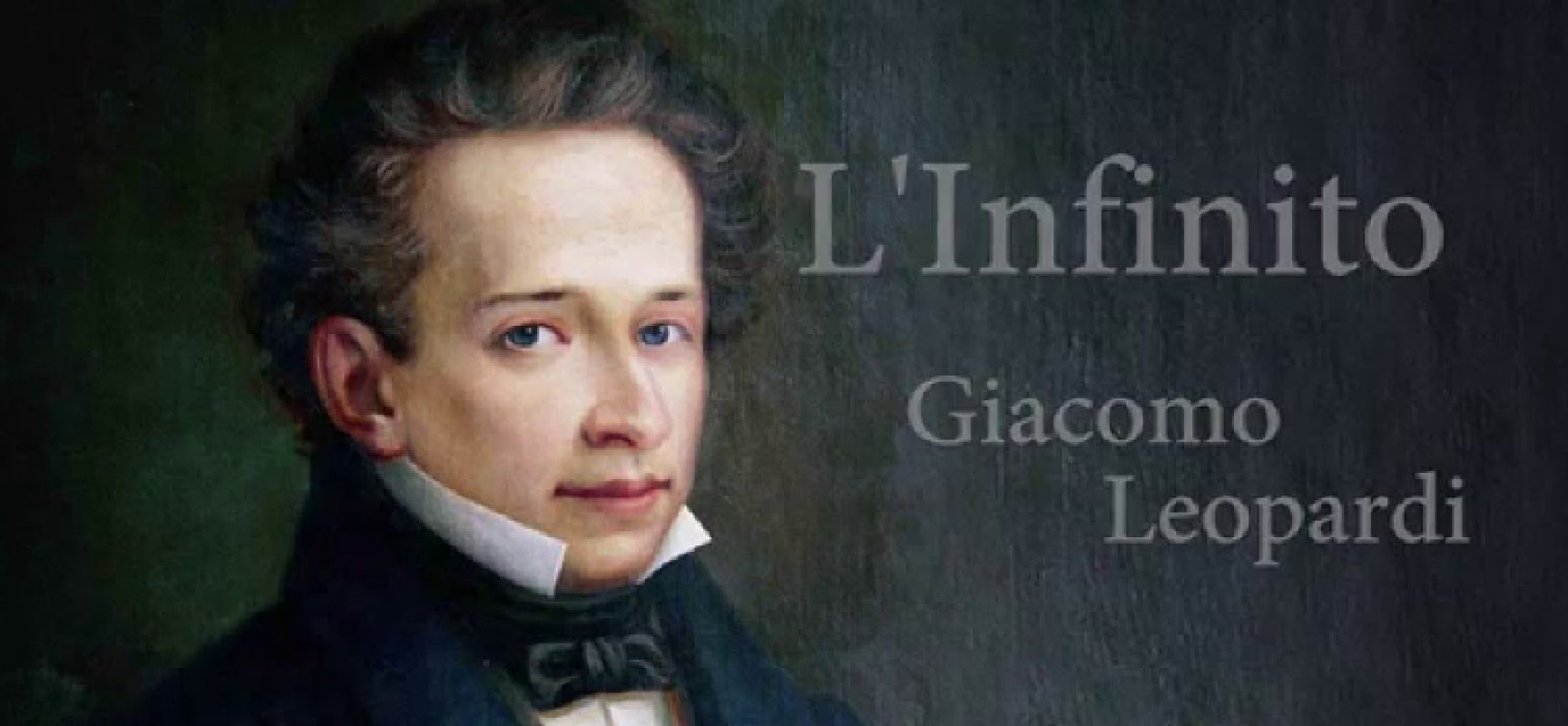
L'infinito

Sempre caro mi fu quest’ermo colle,
E questa siepe, che da tanta parte
Dell’ultimo orizzonte il guardo esclude.
Ma sedendo e mirando, interminati
Spazi di là da quella, e sovrumani
Silenzi, e profondissima quiete
Io nel pensier mi fingo; ove per poco
Il cor non si spaura. E come il vento
Odo stormir tra queste piante, io quello
Infinito silenzio a questa voce
Vo comparando: e mi sovvien l’eterno,
E le morte stagioni, e la presente
E viva, e il suon di lei. Così tra questa
Immensità s’annega il pensier mio:
E il naufragar m’è dolce in questo mare.


Gaetano Braga (1829 - 1907): L’infinito per voce, violoncello e pianoforte. Amor Lilia Perez, mezzosoprano; Galileo Di Ilio, violoncello; Giuseppe Sabatini, pianoforte.


Mario Castelnuovo-Tedesco (3 aprile 1895 - 1968): L’infinito per voce e pianoforte op. 22 (1921). Leonardo De Lisi, tenore; Anna Toccafondi, pianoforte.

The Protestation & Love’s Constancy

The Protestation: A Sonnet
(Thomas Carew, 1595 - 1640)

No more shall meads be deck’d with flowers,
Nor sweetness dwell in rosy bowers,
Nor greenest buds on branches spring,
Nor warbling birds delight to sing,
Nor April violets paint the grove,
If I forsake [When once I leave] my Celia’s love.

The fish shall in the ocean burn,
And fountains sweet shall bitter turn;
The humble oak no flood shall know,
When floods shall highest hills o’er-flow;
Blacke Lethe shall oblivion leave,
If e’er my Celia I deceive.

Love shall his bow and shaft lay by,
And Venus’ doves want wings to fly;
The sun refuse to show his light,
And day shall then be turn’d to night;
And in that night no star appear,
If once I leave my Celia dear.

Love shall no more inhabit earth,
Nor lovers more shall love for worth,
Nor joy above in heaven dwell,
Nor pain torment poor souls in hell;
Grim death no more shall horrid prove,
If e’er I leave bright Celia’s love.


Love’s Constancy, sul testo di Carew, è fra le composizioni più note di Nicholas Lanier (1588 - 24 febbraio 1666); in rete se ne trovano varie interpretazioni: vi propongo l’ascolto di quelle che mi paiono le più interessanti.

Amanda Sidebottom, soprano, e Erik Ryding, liuto.


Anna Dennis, soprano; Hanneke van Proosdij, clavicembalo; Elisabeth Reed, viola da gamba; David Tayler, chitarra barocca.


La performance del soprano Ellen Hargis accompagnata da Paul O’Dette alla tiorba è accessibile soltanto su YouTube, in quanto il proprietario del video ne ha disattivata la visione in altri siti web. Potete ascoltarla qui.


Anton van Dyck: ritratto di Nicholas Lanier

Anton van Dyck: ritratto di Nicholas Lanier

Il vino

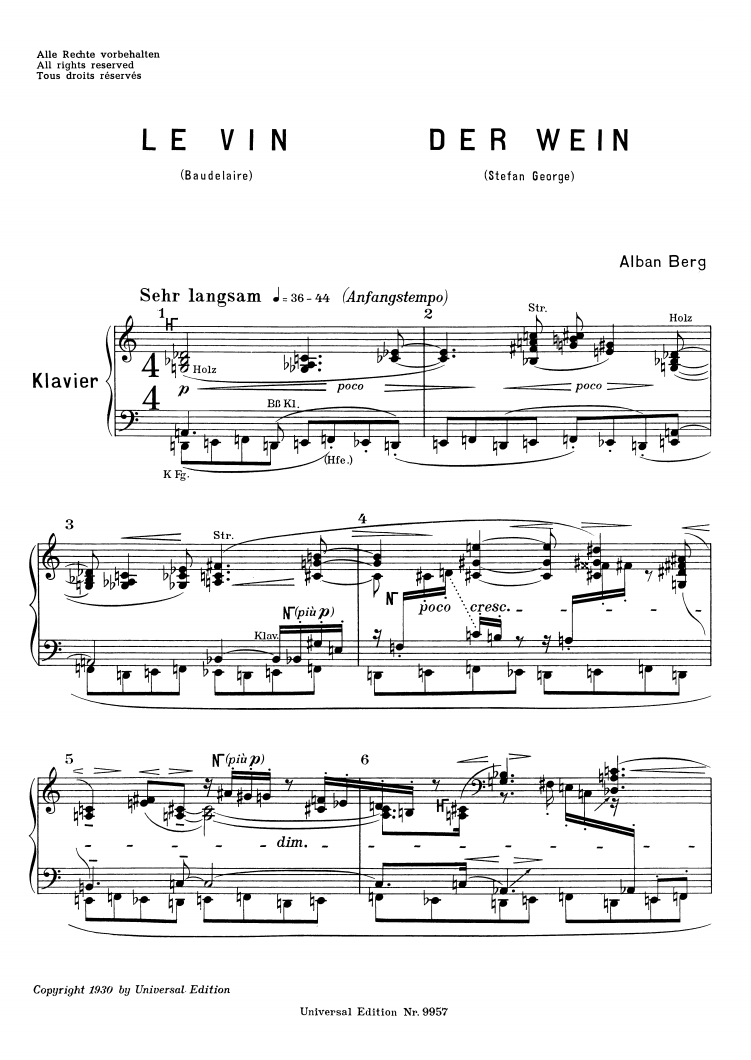
Alban Berg (9 febbraio 1885 - 1935): Der Wein / Le Vin, aria da concerto per soprano e orchestra (1929) su poesie di Charles Baudelaire nella traduzione di Stefan George. Dorothy Dorow, soprano; Wiener Philharmoniker, dir. Karl Böhm.

Berg scelse di musicare la prima e le ultime due delle cinque poesie di Baudelaire che costi­tuiscono il ciclo Le Vin, inserito nella raccolta Les Fleurs du mal (1857). La musica è adattata sia ai versi francesi sia alla traduzione tedesca che ne diede Stefan George nel 1901. Invertendo l’ordine originale delle due ultime poesie, Berg crea una forma tripartita ad arco, nella quale elementi e modi espressivi che caratterizzano la prima lirica tornano nella terza, mentre la seconda a sua volta è in forma di scherzo tripartito.

1. Die Seele des Weines ‒ L’Âme du vin

Des Weines Geist begann im Faß zu singen:
«Mensch, teurer Ausgestoßener, dir soll
Durch meinen engen Kerker durch erklingen
Ein Lied von Licht und Bruderliebe voll.

Ich weiß: am sengend heißen Bergeshange
Bei Schweiß und Mühe nur gedeih ich recht
Da meine Seele ich nur so empfange,
Doch bin ich niemals undankbar und schlecht.

Und dies bereitet mir die größte Labe,
Wenn eines Arbeitmatten Mund mich hält,
Sein heißer Schlund wird mir zum kühlen Grabe,
Das mehr als kalter Keller mir gefällt.

Hörst du den Sonntagsgesang aus frohem Schwarme?
Nun kehrt die Hoffnung prickelnd in mich ein:
Du stülpst die Ärmel, stützest beide Arme,
Du wirst mich preisen und zufrieden sein.

Ich mache deines Weibes Augen heiter,
Und deinem Sohne leih´ ich frische Kraft;
Ich bin für diesen zarten Lebensstreiter
Das Öl, das Fechtern die Gewandtheit schafft.

Und du erhältst von diesem Pflanzenseime,
Den Gott, der ewige Sämann, niedergießt,
Damit in deiner Brust die Dichtkunst keime,
die wie ein seltener Baum zum Himmel sprießt.»

Un soir, l’âme du vin chantait dans les bouteilles:
«Homme, vers toi je pousse, ô cher déshérité,
Sous ma prison de verre et mes cires vermeilles,
Un chant plein de lumière et de fraternité!

Je sais combien il faut, sur la colline en flamme,
De peine, de sueur et de soleil cuisant
Pour engendrer ma vie et pour me donner l’âme;
Mais je ne serai point ingrat ni malfaisant.

Car j’éprouve une joie immense quand je tombe
Dans le gosier d’un homme usé par ses travaux,
Et sa chaude poitrine est une douce tombe
Où je me plais bien mieux que dans mes froids caveaux.

Entends-tu retentir les refrains des dimanches
Et l’espoir qui gazouille en mon sein palpitant?
Les coudes sur la table et retroussant tes manches,
Tu me glorifieras et tu seras content.

J’allumerai les yeux de ta femme ravie;
À ton fils je rendrai sa force et ses couleurs
Et serai pour ce frêle athlète de la vie
L’huile qui raffermit les muscles des lutteurs.

En toi je tomberai, végétale ambroisie,
Grain précieux jeté par l’éternel Semeur,
Pour que de notre amour naisse la poésie
Qui jaillira vers Dieu comme une rare fleur!»

2. Der Wein der Liebenden ‒ Le Vin des amants

Prächtig ist heute die Weite −
Stränge und Sporen beiseite −
Reiten wir auf dem Wein
In den Feeenhimmel hinein!

Engel für ewige Dauer
Leidend im Fieberschauer ·
Durch des Morgens blauen Kristall
Fort in das leuchtende All!

Wir lehnen uns weich auf den Flügel
Des Windes der eilt ohne Zügel.
Beide voll gleicher Lust

Laß Schwester uns Brust an Brust
Fliehn ohne Rast und Stand
In meiner Träume Land!

Aujourd’hui l’espace est splendide!
Sans mors, sans éperons, sans bride,
Partons à cheval sur le vin
Pour un ciel féerique et divin!

Comme deux anges que torture
Une implacable calenture,
Dans le bleu cristal du matin
Suivons le mirage lointain!

Mollement balancés sur l’aile
Du tourbillon intelligent,
Dans un délire parallèle,

Ma soeur, côte à côte nageant,
Nous fuirons sans repos ni trêves
Vers le paradis de mes rêves!

3. Der Wein des Einsamen ‒ Le Vin du solitaire

Der sonderbare Blick der leichten Frauen
Der auf uns gleitet wie das weisse Licht
Des Mondes auf bewegter Wasserschicht −
Will er im Bade seine Schönheit schauen −

Der lezte Taler an dem Spielertisch
Ein frecher Kuß der hagern Adeline
Erschlaffenden Gesang der Violine
Der wie der Menschheit fernes Qualgezisch:

Mehr als dies alles schätz ich, tiefe Flasche,
Den starken Balsam den ich aus dir nasche
Und der des frommen Dichters Müdheit bannt.

Du giebst ihm Hoffnung, Liebe, Jugendkraft
Und Stolz − dies Erbteil aller Bettlerschaft −
Der uns zu Helden macht und Gottverwandt.

Le regard singulier d’une femme galante
Qui se glisse vers nous comme le rayon blanc
Que la lune onduleuse envoie au lac tremblant,
Quand elle y veut baigner sa beauté nonchalante;

Le dernier sac d’écus dans les doigts d’un joueur;
Un baiser libertin de la maigre Adeline;
Les sons d’une musique énervante et câline,
Semblable au cri lointain de l’humaine douleur,

Tout cela ne vaut pas, ô bouteille profonde,
Les baumes pénétrants que ta panse féconde
Garde au coeur altéré du poète pieux;

Tu lui verses l’espoir, la jeunesse et la vie,
– Et l’orgueil, ce trésor de toute gueuserie,
Qui nous rend triomphants et semblables aux Dieux!

Berg, Der Wein

Del ciel regina – I

Giovanni Pierluigi da Palestrina (1525 - 2 febbraio 1594): Vergine bella, madrigale spirituale a 5 voci (1581) su testo di Fran­cesco Petrarca (1ª strofe). Ensemble Officium, dir. Wilfried Rombach.

Vergine bella, che di sol vestita,
coronata di stelle, al sommo Sole
piacesti sí, che ’n te Sua luce ascose,
amor mi spinge a dir di te parole:
ma non so ’ncominciar senza tu’ aita,
et di Colui ch’amando in te si pose.
Invoco lei che ben sempre rispose,
chi la chiamò con fede:
Vergine, s’a mercede
miseria extrema de l’humane cose
già mai ti volse, al mio prego t’inchina,
soccorri a la mia guerra,
bench’i’ sia terra, et tu del ciel regina.

Palestrina, Vergine bella

Apparizioni molteplici di una pulce

Es war einmal ein König,
Der hatt’ einen großen Floh,
Den liebt’ er gar nicht wenig,
Als wie seinen eig’nen Sohn.
Da rief er seinen Schneider,
Der Schneider kam heran;
« Da, miß dem Junker Kleider
Und miß ihm Hosen an! »

In Sammet und in Seide
War er nun angetan,
Hatte Bänder auf dem Kleide,
Hatt’ auch ein Kreuz daran,
Und war sogleich Minister,
Und hatt einen großen Stern.
Da wurden seine Geschwister
Bei Hof auch große Herrn.

Und Herrn und Frau’n am Hofe,
Die waren sehr geplagt,
Die Königin und die Zofe
Gestochen und genagt,
Und durften sie nicht knicken,
Und weg sie jucken nicht.
Wir knicken und ersticken
Doch gleich, wenn einer sticht.

(Wolfgang Goethe, Faust. Erster Teil )

C’era una volta un re
che aveva una grossa pulce
e l’amava non poco,
come se fosse suo figlio.
Così chiamò il sarto
e il sarto arrivò:
« Prendi le misure a questo signore
per gli abiti e per i pantaloni! »

Di velluto e di seta
fu dunque vestita,
aveva anche nastri
e aveva una croce su,
poi venne nominata ministro
e portava una grande stella.
Anche i suoi parenti a corte
diventarono gran signori.

E dame a cavalieri a corte
erano tormentati assai,
la regina e le cameriere
punte e morsicate,
ma non potevano schiacciarle
né cacciarle via.
Noi, chi ci punge e ci morde
lo schiacciamo e lo cacciamo subito!

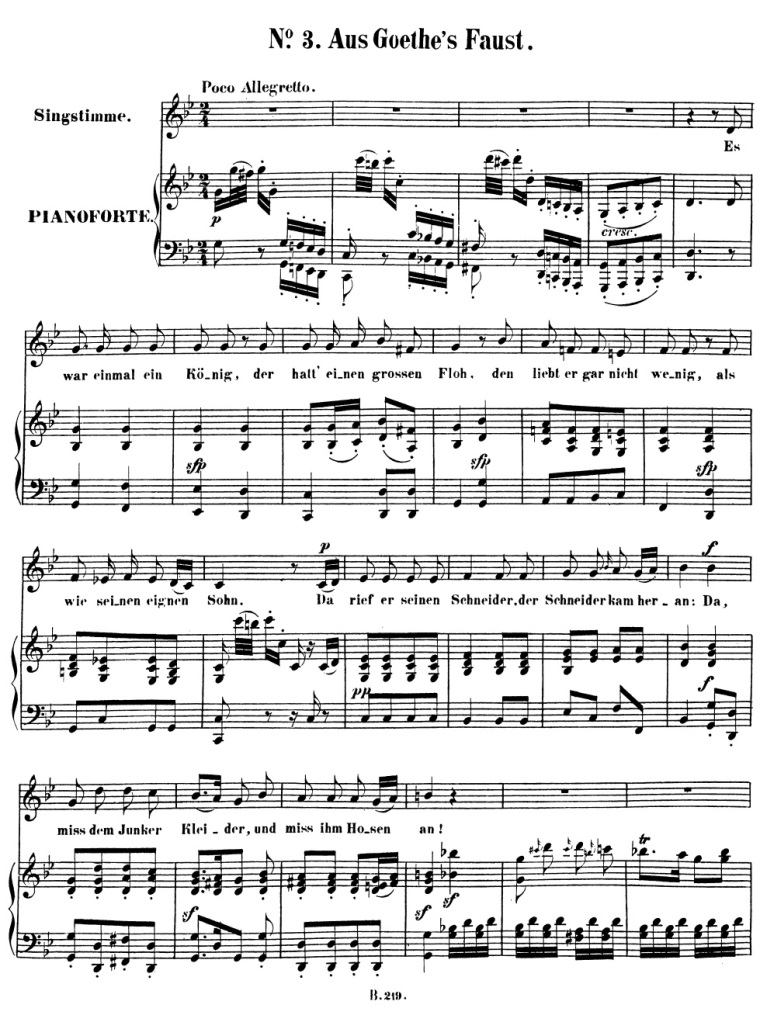
Ludwig van Beethoven (1770 - 1827): Aus Goethes Faust («Es war einmal ein König»), Lied op. 75 n. 3 (1809). Dietrich Fischer-Dieskau, baritono; Gerald Moore, pianoforte.


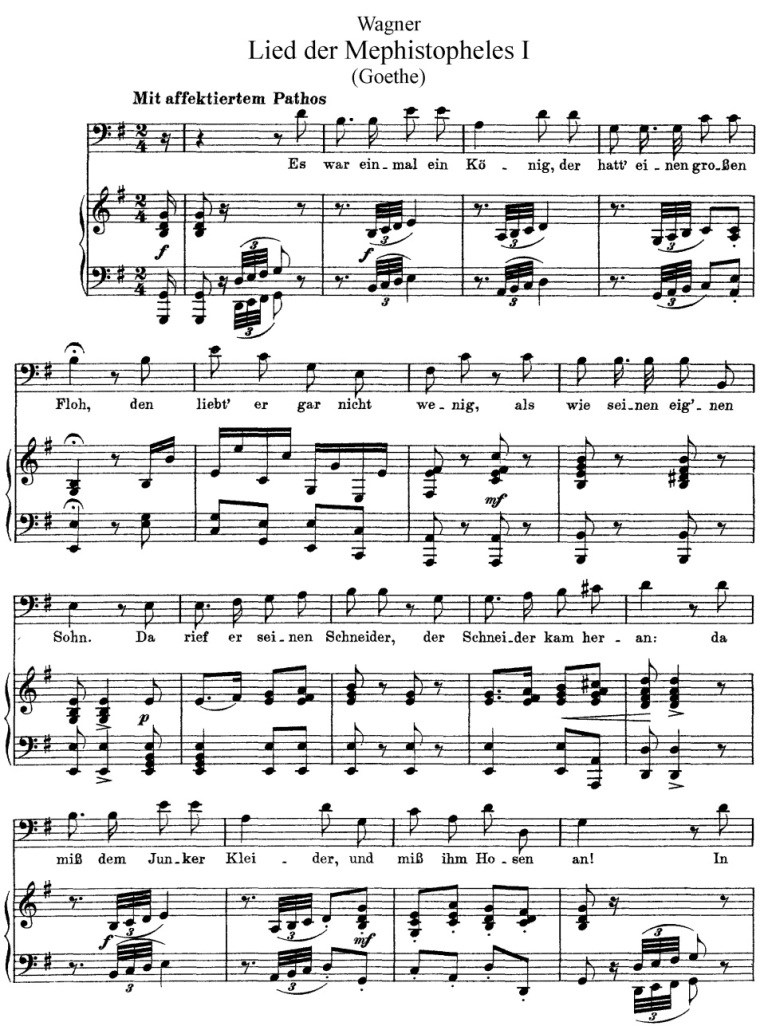
Richard Wagner (1813 - 1883): Lieder des Mephistopheles I («Es war einmal ein König»), n. 4 delle Sieben Kompositionen zu Goethes „Faust“ WWV 15 (1831). Thomas Hampson, baritono; Geoffrey Parsons, pianoforte.


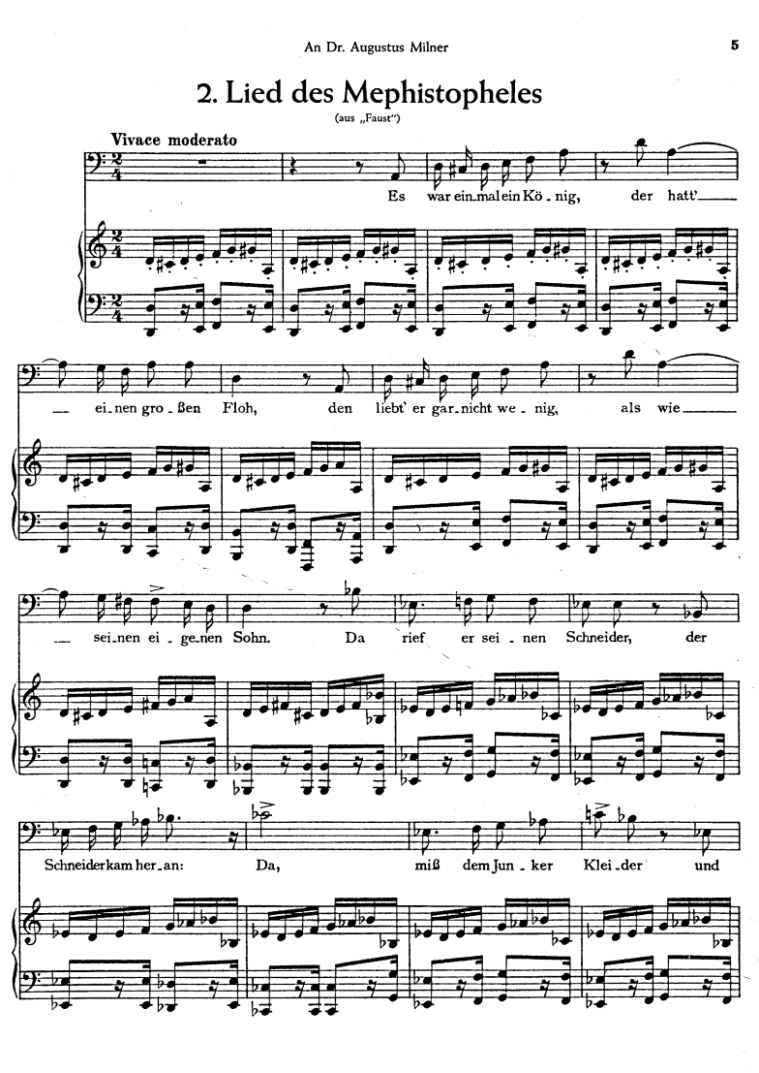
Ferruccio Busoni (1866 - 1924): Lied des Mephistopheles op. 9 no. 2, versione per baritono e pianoforte (1918). Dietrich Fischer-Dieskau, baritono; Jörg Demus, pianoforte.


Modest Petrovič Musorgskij (1839 - 1881): Canzone di Mefistofele nella cantina di Auerbach (Песня Мефистофеля в погребке Ауэрбаха, 1879); testo di Aleksandr Nikolaevič Strugoščikov, da Goethe. Sergej Lejferkus, baritono; Semën Skigin, pianoforte.

Жил был король когда-то,
При нём блоха жила,
Блоха… блоха!
Милей родного брата она ему была;
Блоха… ха, ха, ха! блоха?
Ха, ха, ха, ха, ха!… Блоха!
Зовёт король портного: ,,Послушай ты, чурбан!
Для друга дорогого
Сшей бархатный кафтан!“
Блохе кафтан? Ха, ха! Блохе?
Ха, ха, ха, ха, ха!
Кафтан? Ха, ха, ха!
Блохе кафтан?
Вот в золото и бархат
Блоха наряжена,
И полная свобода ей при дворе дана. Ха, ха!
Ха, ха! Блохе!
Король ей сан министра
И с ним звезду даёт,
За нею и другие пошли все блохи в ход.
Ха, ха!
И самой королеве,
И фрейлинам ея,
От блох не стало мочи,
Не стало и житья. Ха, ха!
И тронуть-то боятся,
Не то чтобы их бить.
А мы, кто стал кусаться,
Тотчас давай душить!

Sul mare, verso Skye

Michael Tippett (2 gennaio 1905 - 8 gennaio 1998): Over the sea to Skye per coro a cappella (1956). BBC Singers, dir. Stephen Cleobury.

Rielaborazione di una delle più belle melodie scozzesi di ogni tempo, il brano di Tippett si dipana su parte del testo che sir Harold Boulton (1859-1935) adattò alla melodia tradizionale e pubblicò nel 1884 con il titolo The Skye Boat Song; i versi fanno riferimento a un episodio semileggendario della vita di Carlo Edoardo Stuart, risalente a poco più di due mesi dopo la battaglia di Culloden, cioè a fine giugno 1746, quando Bonnie Prince Charlie, accompagnato da Flora MacDonald e altri giacobiti, attraversò in barca il Mar delle Ebridi, da South Uist a Skye.

Speed, bonnie boat, like a bird on the wing,
Onward! the sailors cry;
Carry the lad that’s born to be King
Over the sea to Skye.

Loud the winds howl, loud the waves roar,
Thunderclouds rend the air;
Baffled, our foes stand by the shore,
Follow they will not dare.

Speed, bonnie boat, like a bird on the wing…

Though the waves leap, soft shall ye sleep,
Ocean’s a royal bed.
Rocked in the deep, Flora will keep
Watch by your weary head.

Speed, bonnie boat, like a bird on the wing…

Many’s the lad fought on that day,
Well the Claymore could wield,
When the night came, silently lay
Dead on Culloden’s field.

Speed, bonnie boat, like a bird on the wing…

Burned are their homes, exile and death
Scatter the loyal men;
Yet ere the sword cool in the sheath
Charlie will come again.


The Skye Boat Song viene frequentemente cantato sui versi dedicati al medesimo soggetto da Robert Louis Stevenson (n. 42 della raccolta Songs of Travel, 1892):

Sing me a song of a lad that is gone,
Say, could that lad be I?
Merry of soul he sailed on a day
Over the sea to Skye.

Mull was astern, Rùm on the port,
Eigg on the starboard bow;
Glory of youth glowed in his soul;
Where is that glory now?

Sing me a song of a lad that is gone…

Give me again all that was there,
Give me the sun that shone!
Give me the eyes, give me the soul,
Give me the lad that’s gone!

Sing me a song of a lad that is gone…

Billow and breeze, islands and seas,
Mountains of rain and sun,
All that was good, all that was fair,
All that was me is gone.

Sing me a song of a lad that is gone…

Con il testo di Stevenson leggermente modificato, in relazione alla storia narrata («a lad» diventa così «a lass»), The Skye Boat Song è parte fondamentale della colonna sonora di una recente serie televisiva di successo. L’elaborazione musicale è di Dominik Hauser, la voce di Kathryn Jones.


Fra le interpretazioni esclusivamente strumentali, la più nota è certo quella di sir James Galway accompagnato da The Chieftains.

Bonnie Prince Charlie
Carlo Edoardo Stuart ritratto da Allan Ramsay (1745)

Effet de nuit

Sylvio Lazzari (30 dicembre 1857 - 1944): Effet de nuit, tableau symphonique (1901) ispi­rato da una poesia di Paul Verlaine (da Eaux-fortes, 1866). Orchestre du Capitole de Toulouse, dir. Michel Plasson.

La nuit. La pluie. Un ciel blafard que déchiquette
De flèches et de tours à jour la silhouette
D’une ville gothique éteinte au lointain gris.
La plaine. Un gibet plein de pendus rabougris
Secoués par le bec avide des corneilles
Et dansant dans l’air noir des gigues nonpareilles,
Tandis, que leurs pieds sont la pâture des loups.
Quelques buissons d’épine épars, et quelques houx
Dressant l’horreur de leur feuillage à droite, à gauche,
Sur le fuligineux fouillis d’un fond d’ébauche.
Et puis, autour de trois livides prisonniers
Qui vont pieds nus, un gros de hauts pertuisaniers
En marche, et leurs fers droits, comme des fers de herse,
Luisent à contresens des lances de l’averse.

Čajkovskij: Le Stagioni – 12


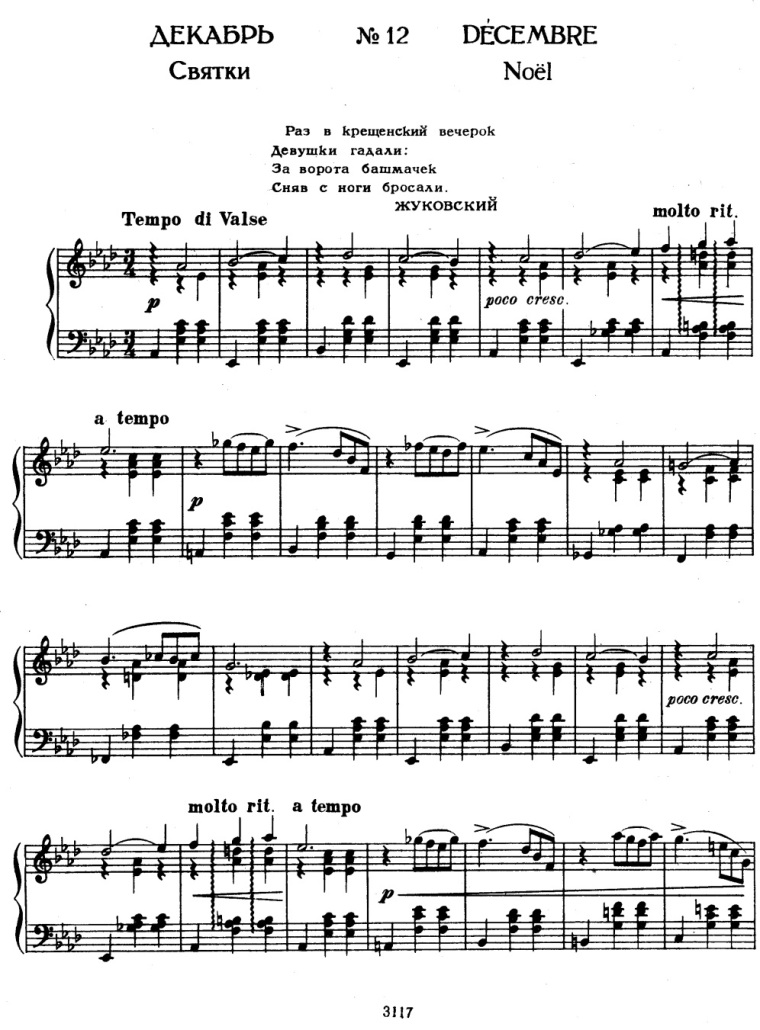
Pëtr Il’ič Čajkovskij (1840 - 1893): Времена года / Les Saisons op. 37a (1875-76), 12. Декабрь: Святки / Décembre: Noël. Versione originale: Valentyna Lysycja, pianoforte. Trascrizione per orchestra di Aleksandr Gauk (1893 - 1963): Orchestra da camera di Mosca, dir. Constantine Orbelian.
Anche questo brano fu originariamente pubblicato sul periodico sanpietroburghese «Нувеллист» (Nuvellist), nel dicembre 1876; in epigrafe, alcuni versi di Vasilij Žukovskij (dalla ballata Светлана, Svetlana, 1808-12):

Раз в крещенский вечерок
Девушки гадали:
За ворота башмачок,
Сняв с ноги, бросали.
Un tempo, la notte di Natale,
le fanciulle interrogavano il futuro:
si sfilavano una pantofola
gettandola oltre il cancello.

Čajkovskij: Le Stagioni – 11


Pëtr Il’ič Čajkovskij (1840 - 1893): Времена года / Les Saisons op. 37a (1875-76), 11. Ноябрь: На тройке / Novembre: Troïka. Versione originale: Valentyna Lysycja, pianoforte. Trascrizione per orchestra di Aleksandr Gauk (1893 - 1963): Orchestra da camera di Mosca, dir. Constantine Orbelian.
Questa composizione fu pubblicata nel 1876, sul numero di novembre del periodico sanpietroburghese «Нувеллист» (Nuvellist), associata a versi di N. A. Nekrasov:

Не гляди же с тоской на дорогу,
И за тройкой вослед не спеши,
И тоскливую в сердце тревогу
Поскорей навсегда затуши.
Non guardare la strada con malinconia,
non aver fretta di recuperare il ritardo con la trojka,
e cancella per sempre la tristezza
che brucia nel tuo cuore.

E Pietà dorme

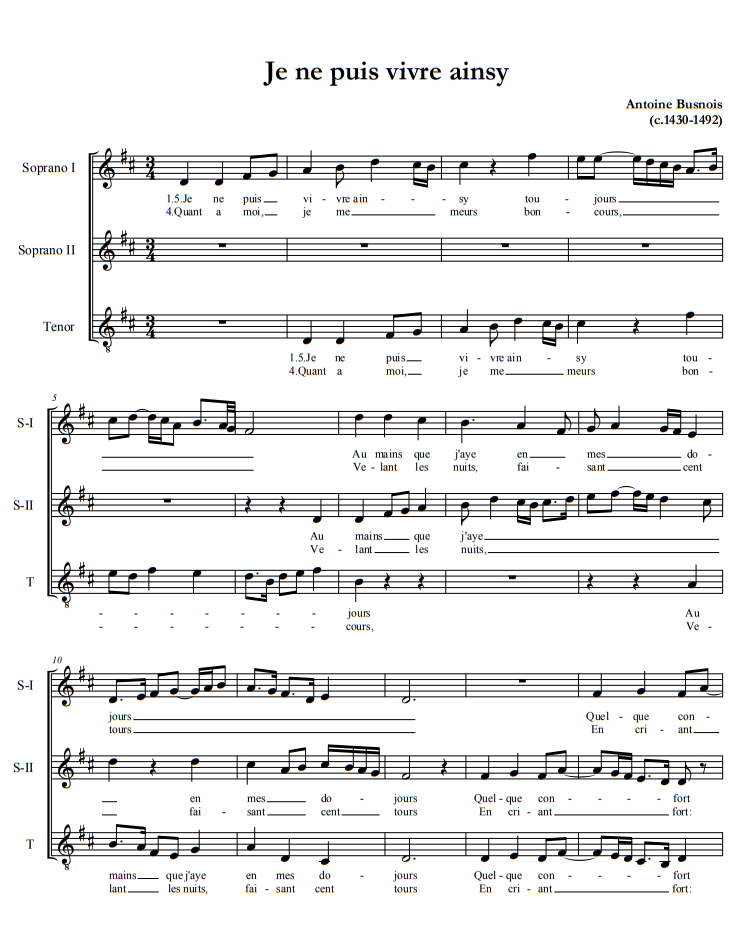
Antoine Busnois (c1430 - 6 novembre 1492): Je ne puis vivre ainsy, bergerette a 3 voci (c1460). Ensemble Pomerium, dir. Alexander Blachly.
La bergerette è un virelai provvisto di un’unica strofe; la sua struttura è dunque refrain – strofe – refrain.
A Busnois piaceva molto giocare con le note e con le parole. Il testo di questa composizione è un acrostico che rivela il nome della persona cui è dedicata.

Je ne puis vivre ainsy toujours
Au main que j’aye en mes dolours
Quelque confort
Une seule heure ou mains ou fort
Et tou les jours
Leaument serviray amours
Jusqu’a la mort.
Noble femme de nom et d’armes,
Escript vous ay ce dittier-cy.

Des ieux plourant a chauldes larmes
Affin qu’ayes de moy merchy.
Quant a moi, je me meurs boncours
Velant les nuits, faisant cent tours
En criant fort
Vengence en a Dieu, car a grant tort
Je noye en plours
Lors qu’au besoin me fault secours
Et Pitie dort.

Per Roberto d’Angiò

Philippe de Vitry (31 ottobre 1291 - 1361): O canenda vulgo per compita / Rex quem metrorum / Rex regum, mottetto a 4 voci. Ensemble Sequentia.

Il brano celebra Roberto d’Angiò, detto il Saggio (1277 - 1343), re di Napoli dal 1309; il sovrano non è citato nel testo, ma le lettere iniziali dei versi del motetus (2a voce) ne formano il nome (acrostico). Secondo varie testimo­nianze dell’epoca, Roberto d’Angiò fu un munifico mecenate e protettore delle arti, e in particolare amava la musica, dilettandosi nel cantare e nel comporre.
Il testo del triplum è una feroce invettiva contro un denigratore del re. Chi fosse questo vituperevole personaggio non ci è dato di sapere.

Triplum

O canenda vulgo per compita
ab eterno belial dedita
seculorum nephanda rabies
et delira canum insanies.
quem cum nequis carpere dentibus
criminaris neque lactrattibus
damnum colens tu quid persequeris
virum iustum et tuo deseris
rege regi quem decor actuum
illuminat quem genus strenuum
et sanctorum multa affinitas
sibi facta lux splendor claritas
corruscantem reddit pre ceteris
quemadmodum nocturnis syderis
iubar phebus perventus abtulit
dei proth dolor lapsum pertulit
iherusalem dominum proprium
ihesum spernens habes in socium.

Motetus

Rex quem metrorum depingit prima figura
Omne tenens in se quod dat natura beatis
Basis iusticie troianus iulius ausu
Ecclesie tuctor machabeus hector in arma
Rura colens legum scrutator theologie
Temperie superans augustum iulius hemo
Virtutes cuius mores genus actaque nati
Scribere non possem possint tuper ethera scribi.

Contratenor

[senza testo.]

Tenor

Rex regum.

(O indicibile follia dei nostri tempi, possa tu essere cantata a tutti su ogni strada, condannata all’inferno per l’eternità, delirio di cani pazzi! Perché perseguiti l’uomo giusto, colui che non puoi lacerare con i tuoi denti né accusare con i tuoi latrati, cercando la sua distruzione, e perché abbandoni il tuo re, che la bellezza delle opere reali illumina, che l’ascendenza nobilita e che le tante affinità con i santi, la luce che è sua, lo splendore, la limpidezza rendono più brillante di chiunque altro, allo stesso modo in cui Febo sorgendo sembra spegnere il bagliore delle stelle notturne? Tu hai come unico compagno lo stesso peccato contro Dio, miserabile a dirsi, che Gerusalemme ha commesso nel respingere il suo legittimo Signore, Gesù.

Il re che la prima lettera di questi versi raffigura racchiude in sé tutte le cose che la natura dona ai beati. È la base della giustizia, uno Iulo di Troia per il suo coraggio, un guardiano della Chiesa, un Maccabeo [cioè un guerriero valoroso, NdT], un Ettore in armi, che protegge il proprio Paese osservando allo stesso tempo le leggi della teologia, superando Giulio Augusto in temperanza. Poiché non saprei descrivere a parole le virtù, il carattere, la famiglia e le azioni di un uomo così ricco di qualità, possano queste cose essere scritte lassù nei cieli.

Re dei re.)
 

Six Elizabethan Songs

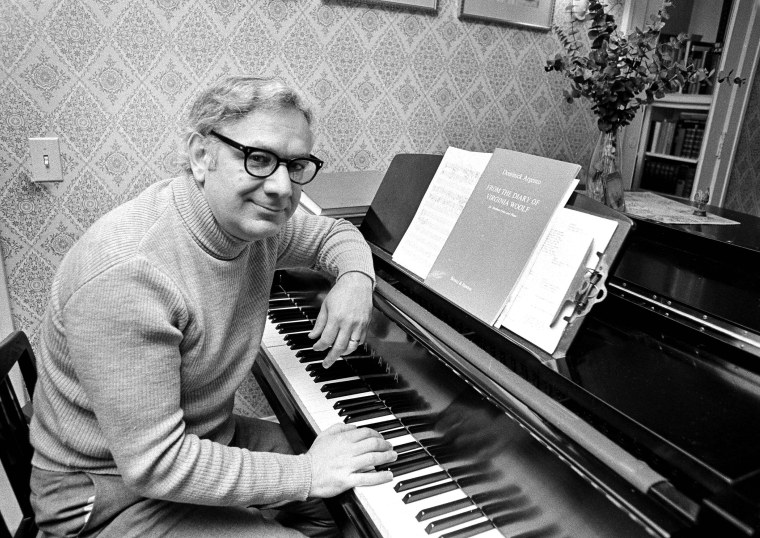
Dominick Argento (27 ottobre 1927 - 2019): Six Elizabethan Songs (1958). Barbara Bonney, soprano; André Previn, pianoforte.


  1. Spring (Thomas Nashe, 1567-1601: da Summer’s Last Will and Testament, 1592)

    Spring, the sweet Spring, is the year’s pleasant king;
    Then blooms each thing, then maids dance in a ring,
    Cold doth not sting, the pretty birds do sing,
    Cuckoo, jug-jug, pu-we, to-witta-woo!

    The palm and may make country houses gay,
    Lambs frisk and play, the shepherd pipes all day,
    And we hear aye birds tune this merry lay,
    Cuckoo, jug-jug, pu-we, to-witta-woo!

    The fields breathe sweet, the daisies kiss our feet,
    Young lovers meet, old wives a-sunning sit,
    In every street these tunes our ears do greet,
    Cuckoo, jug-jug, pu-we, to-witta-woo!
    Spring! The sweet Spring!

  2. Sleep (Samuel Daniel, 1562-1619: da Delia, 1592)

    Care-charmer Sleep, son of the sable Night,
    Brother to Death, in silent darkness born,
    Relieve my anguish and restore thy light,
    With dark forgetting of my cares, return;
    And let the day be time enough to mourn
    The shipwreck of my ill-adventur’d youth:
    Let waking eyes suffice to wail their scorn,
    Without the torment of the night’s untruth.
    Cease, dreams, th’ images of day-desires
    To model forth the passions of the morrow;
    Never let rising sun approve you liars,
    To add more grief to aggravate my sorrow.
    Still let me sleep, embracing clouds in vain;
    And never wake to feel the day’s disdain.

  3. Winter (William Shakespeare, 1564-1616: da Love’s Labour’s Lost V/2, 1597)

    When icicles hang by the wall
    And Dick the shepherd blows his nail,
    And Tom bears logs into the hall,
    And milk comes frozen home in pail;
    When blood is nipt and ways be foul,
    Then nightly sings the staring owl:
    Tu-who!
    Tu-whit! Tu-who! — A merry note!
    While greasy Joan doth keel the pot.

    When all aloud the wind doth blow,
    And coughing drowns the parson’s saw,
    And birds sit brooding in the snow,
    And Marian’s nose looks red and raw;
    When roasted crabs hiss in the bowl
    Then nightly sings the staring owl:
    Tu-who!
    Tu-whit! Tu-who! — A merry note!
    While greasy Joan doth keel the pot.

  4. Dirge (Shakespeare: da Twelfth Night II/4, 1602)

    Come away, come away, death,
    And in sad cypress let me be laid;
    Fly away, fly away, breath;
    I am slain by a fair cruel maid.
    My shroud of white, stuck all with yew,
    O prepare it!
    My part of death, no one so true
    Did share it.

    Not a flower, not a flower sweet,
    On my black coffin let there be strown;
    Not a friend, not a friend greet
    My poor corpse, where my bones shall be thrown:
    [A thousand, thousand sighs to save,]
    Lay me, O where
    Sad true lover never find my grave,
    To weep there!

  5. Diaphenia (Henry Constable, 1562-1613: Damelus’ Song to his Diaphenia, c1600)

    Diaphenia, like the daffadowndilly,
    White as the sun, fair as the lily,
    Heigh ho, how I do love thee!
    I do love thee as my lambs
    Are belovèd of their dams:
    How blest were I if thou would’st prove me.

    Diaphenia, like the spreading roses,
    That in thy sweets all sweets encloses,
    Fair sweet, how I do love thee!
    I do love thee as each flower
    Loves the sun’s life-giving power;
    For dead, thy breath to life might move me.

    Diaphenia, like to all things blessèd,
    When all thy praises are expressèd,
    Dear joy, how I do love thee!
    As the birds do love the spring,
    Or the bees their careful king, —
    Then in requite, sweet virgin, love me!

  6. Hymn (Ben Jonson, 1572-1637: Hymn to Diana)

    Queen and huntress, chaste and fair,
    Now the sun is laid to sleep,
    Seated in thy silver chair,
    State in wonted manner keep:
    Hesperus entreats thy light,
    Goddess excellently bright.

    Earth, let not thy envious shade
    Dare itself to interpose;
    Cynthia’s shining orb was made
    Heav’n to clear when day did close;
    Bless us then with wishèd sight,
    Goddess excellently bright.

    Lay thy bow of pearl apart,
    And thy crystal shining quiver;
    Give unto the flying hart
    Space to breathe, how short so-ever:
    Thou that mak’st a day of night,
    Goddess excellently bright.


Idyllen op. 21

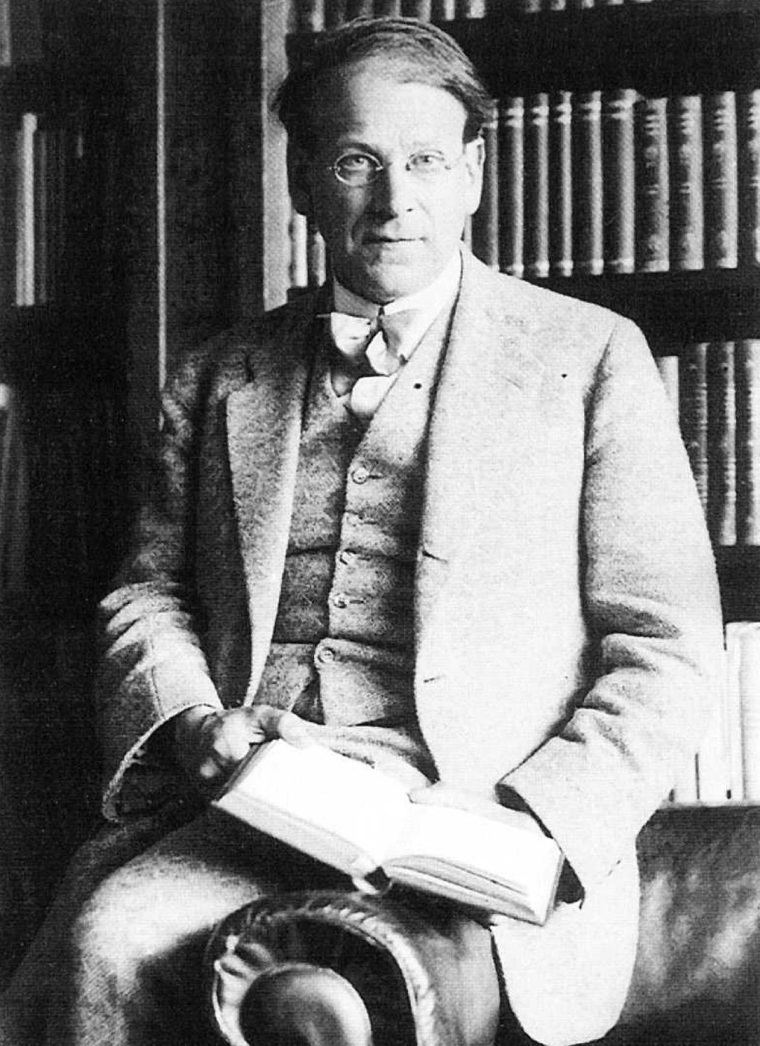
Egon Wellesz (21 ottobre 1885 - 1974): Idyllen, fünf Klavierstücken zu Gedichten von Stefan George op. 21 (1917). Margarete Babinsky.

  1. In ruhig fließender Bewegung

    …Kostbarer wie sie die Quelle verstreut
    Schmächtigem Springbrunn Funken entstieben…
    Werden sie leuchten, leuchten mir heut?
    Werd ich die süßen Traumaugen lieben?
                          (Gartenfrühlinge.)

  2. Schwebend [3:05]

    …In umschwärmendem Chor
    Und in zitternder Jagd
    Nach den Wiesen die Woge
    Nach Silber Smaragd

    So folgen dir froh
    Die dein lächeln erkürt…
    O mein tag mir so gross
    Und so schnell mir entführt!
                          (Tag-Gesang.)

  3. Mäßig [6:49]

    …Ein rauschendes Geflitter
    Entzückt und quält – macht schwer und frei.
    Ein Schwanken süß und bitter
    Ein Singen sonder Melodei…
                          (Morgenschauer.)

  4. Verträumt [10:21]

    Frühe nacht verwirrt die ebnen Bahnen
    Kalte Traufe trübt die Weiher
    Glückliche Apolle und Dianen
    Hüllen sich in nebelschleier…
                          (Die Gärten schließen.)

  5. Langsam. Frei im Vortrag [13:33]

    Wie eine tiefe Weise
    Die uns gejubelt und gestöhnt
    In neuem Paradeise
    Noch lockt und rührt wenn schon vertönt.
                          (Blaue Stunde.)

Egon Wellesz

Čajkovskij: Le Stagioni – 10


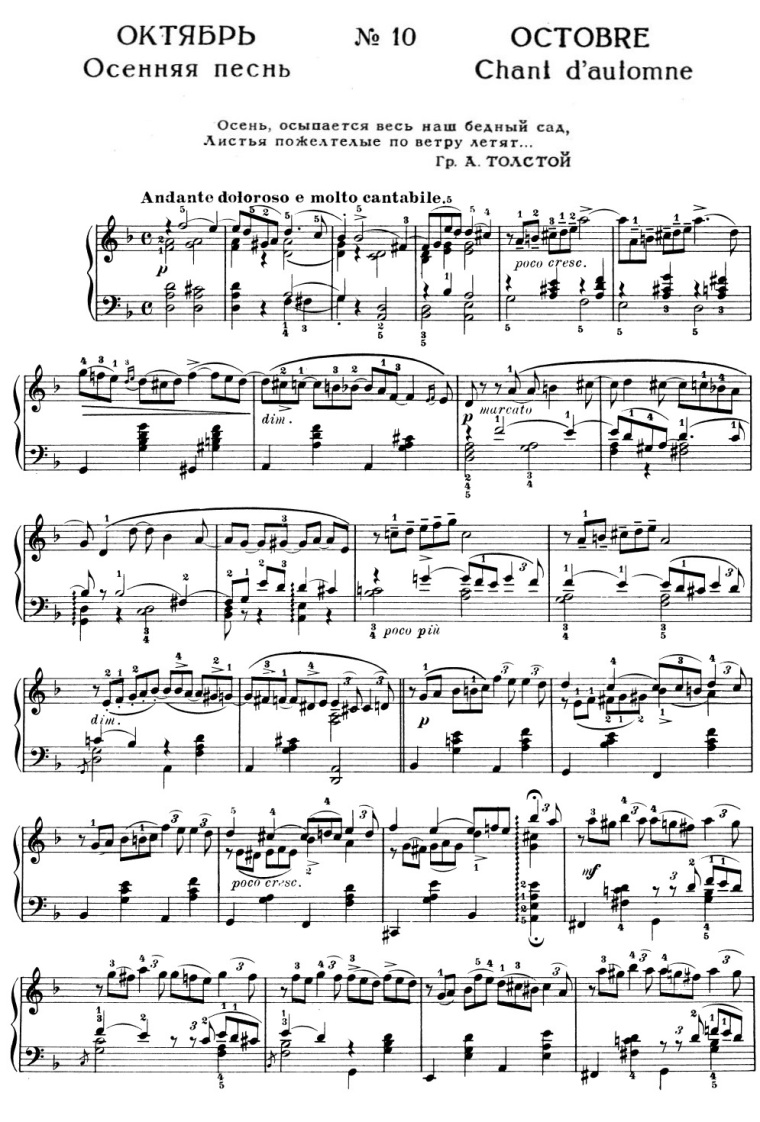
Pëtr Il’ič Čajkovskij (1840 - 1893): Времена года / Les Saisons op. 37a (1875-76), 10. Октябрь: Осенняя песнь / Octobre: Chant d’automne. Versione originale: Valentyna Lysycja, pianoforte. Trascrizione per orchestra di Aleksandr Gauk (1893 - 1963): Orchestra da camera di Mosca, dir. Constantine Orbelian.
Il dolente Canto autunnale fu pubblicato nell’ottobre 1876 sul periodico sanpietroburghese «Нувеллист» (Nuvellist), associato a versi di Aleksej Kostantinovič Tolstoj (1858):

Осень. Обсыпается весь наш бедный сад,
Листья пожелтелые по ветру летят…
Autunno. Si spoglia il nostro povero giardino,
foglie ingiallite che volano nel vento…


Di Octobre, indubbiamente uno dei «mesi» più famosi della raccolta, esistono vari adattamenti per strumenti diversi. Ecco come l’esegue sull’arpa Pauline Haas:


Il brano è stato trascritto per clarinetto e quartetto d’archi da Tōru Takemitsu (1930 - 1996). Rob Patterson, clarinetto; Hrabba Atladottir e Mathew Oshidam, violini; Elizabeth Prior, viola; Evgeny Tonkha, violoncello.

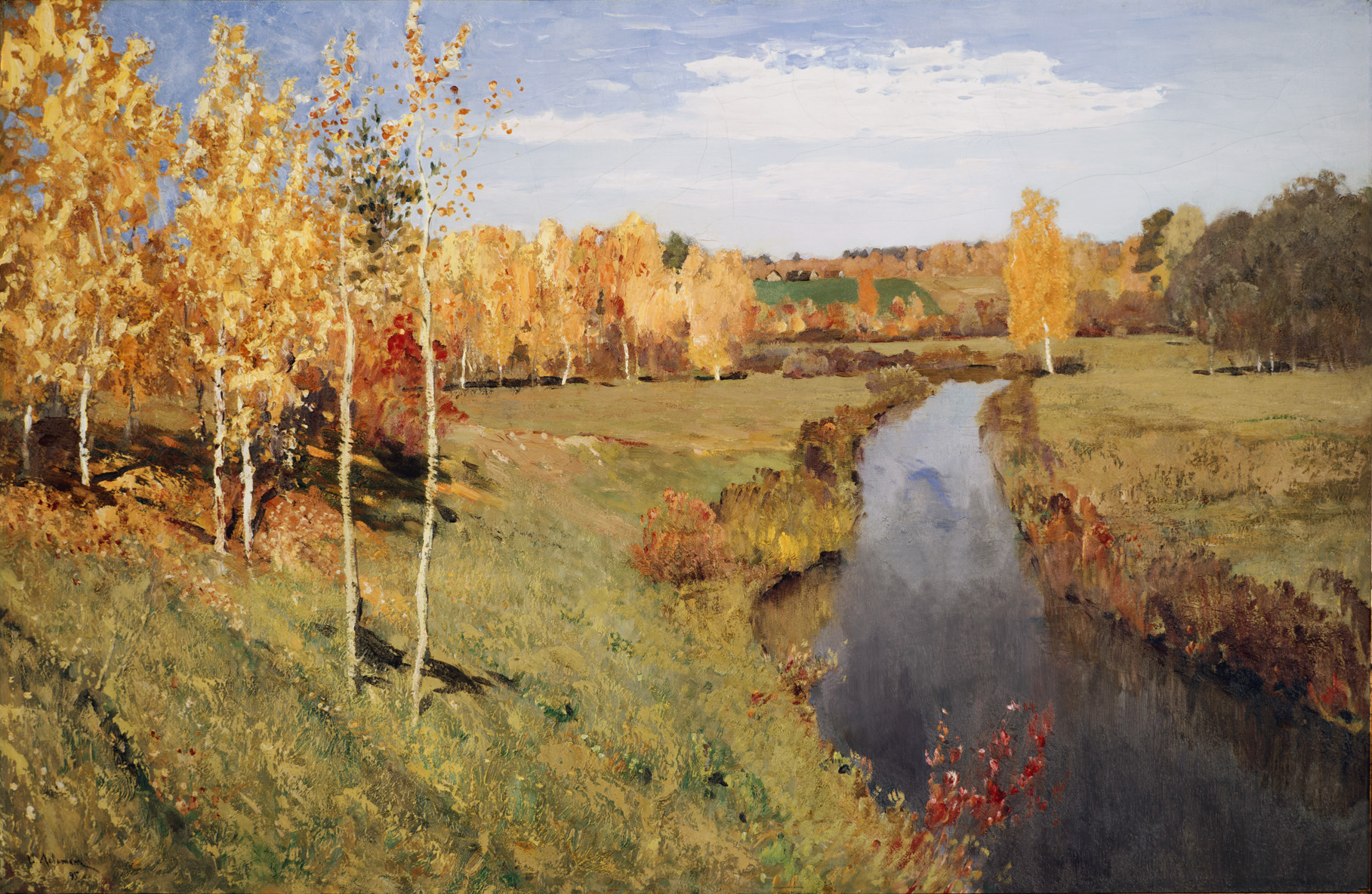
Levitan, Autunno dorato
Isaak Il’ič Levitan (1860-1900): Autunno dorato (1895)

Mon las coeur s’en va mourir

Claudin de Sermisy (c1490 - 13 ottobre 1562): Secourez moy, chanson a 4 voci (pubblicata nella raccolta Trente et sept chansons musicales a quatre parties, 1531); testo di Clément Marot. Ensemble «Clément Janequin».

Secourez-moi ma dame par amours
Ou autrement la mort me vient quérir.
Autre que vous ne peut donner secours
À mon las coeur lequel s’en va mourir.
Hélas, hélas, venez tôt secourir
Celui qui vit pour vous en grand tristesse,
Car de son coeur vous êtes la maîtresse.

Ambo siam sassi

Heinrich Schütz (8 ottobre 1585 - 1672): Di marmo siete voi SWV 17, madrigale a 5 voci (n. 17 del Primo libro de madrigali, 1611) su testo di Giambattista Marino. The Consort of Musicke, dir. Anthony Rooley.

Di marmo siete voi,
donna, a colpi d’amore,
al pianto mio,
e di marmo son io
alle vostr’ire e agli strali suoi
per natura,
per amor io costante
e voi dura.
Ambo siam sassi
e l’un e l’altro è scoglio,
io di fé e voi d’orgoglio.

Il gufo e la gattina – II

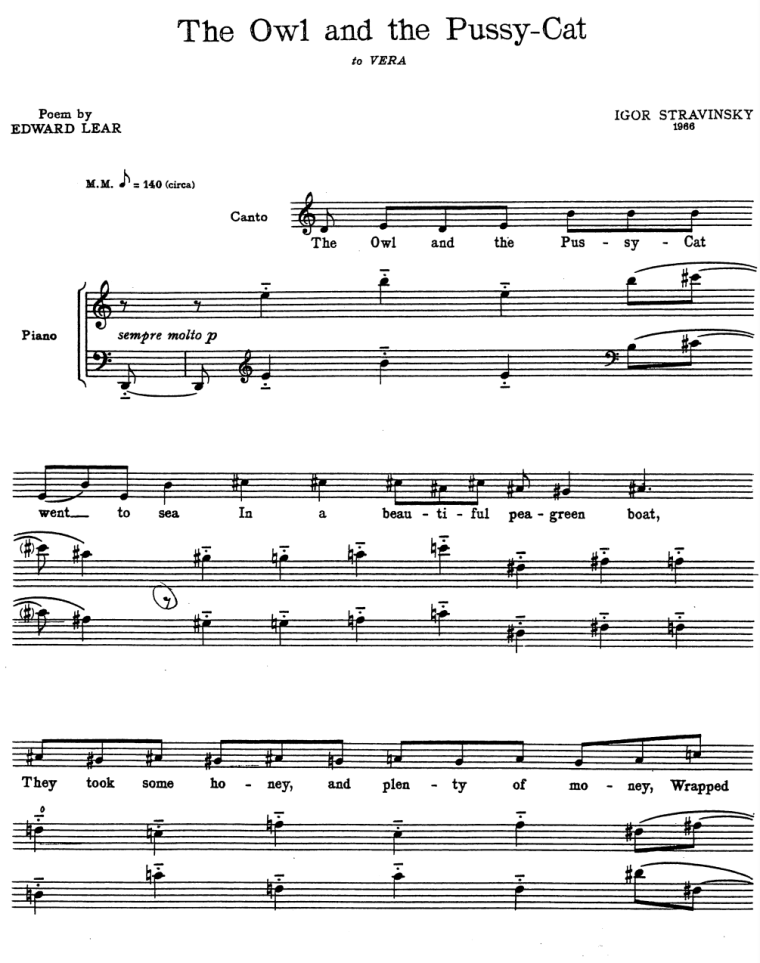
Igor’ Fëdorovič Stravinskij (1882-1971): The Owl and the Pussycat per voce e pianoforte (1966) su testo di Edward Lear. Adrienne Albert, mezzosoprano; Robert Craft, pianoforte.

The Owl and the Pussy-cat went to sea
 In a beautiful pea-green boat,
They took some honey, and plenty of money,
 Wrapped up in a five-pound note.
The Owl looked up to the stars above,
 And sang to a small guitar,
‘O lovely Pussy! O Pussy my love,
 What a beautiful Pussy you are,
  You are,
  You are!
What a beautiful Pussy you are!’

Pussy said to the Owl, ‘You elegant fowl!
 How charmingly sweet you sing!
O let us be married! too long we have tarried:
 But what shall we do for a ring?’
They sailed away, for a year and a day,
 To the land where the Bong-tree grows
And there in a wood a Piggy-wig stood
 With a ring at the end of his nose,
  His nose,
  His nose,
With a ring at the end of his nose.

‘Dear pig, are you willing to sell for one shilling
 Your ring?’ Said the Piggy, ‘I will.’
So they took it away, and were married next day
 By the Turkey who lives on the hill.
They dined on mince, and slices of quince,
 Which they ate with a runcible spoon;
And hand in hand, on the edge of the sand,
 They danced by the light of the moon,
  The moon,
  The moon,
They danced by the light of the moon.

Il gufo e la gattina – I

Mátyás Seiber (1905 - 24 settembre 1960): The Owl and the Pussycat per voce, violino e chitarra (1956) su testo di Edward Lear. Beáta Má­thé, mezzosoprano; Zoltán Bene­dek­fi, violino; Dávid Pavlovits, chitarra.

The Owl and the Pussy-cat went to sea
 In a beautiful pea-green boat,
They took some honey, and plenty of money,
 Wrapped up in a five-pound note.
The Owl looked up to the stars above,
 And sang to a small guitar,
‘O lovely Pussy! O Pussy my love,
 What a beautiful Pussy you are,
  You are,
  You are!
What a beautiful Pussy you are!’

Pussy said to the Owl, ‘You elegant fowl!
 How charmingly sweet you sing!
O let us be married! too long we have tarried:
 But what shall we do for a ring?’
They sailed away, for a year and a day,
 To the land where the Bong-tree grows
And there in a wood a Piggy-wig stood
 With a ring at the end of his nose,
  His nose,
  His nose,
With a ring at the end of his nose.

‘Dear pig, are you willing to sell for one shilling
 Your ring?’ Said the Piggy, ‘I will.’
So they took it away, and were married next day
 By the Turkey who lives on the hill.
They dined on mince, and slices of quince,
 Which they ate with a runcible spoon;
And hand in hand, on the edge of the sand,
 They danced by the light of the moon,
  The moon,
  The moon,
They danced by the light of the moon.

Autunno – II

Gabriel Fauré (1845 - 1924): Automne, mélodie op. 18 n. 3 (1878), testo di Armand Silvestre (1837 - 1901). Janine Devost (1932 - 1985), soprano; David Selig, pianoforte.

Automne au ciel brumeux, aux horizons navrants,
Aux rapides couchants, aux aurores pâlies,
Je regarde couler, comme l’eau du torrent,
Tes jours faits de mélancolie.

Sur l’aile des regrets mes esprits emportés,
– Comme s’il se pouvait que notre âge renaisse! –
Parcourent, en rêvant, les coteaux enchantés,
Où jadis sourit ma jeunesse!

Je sens, au clair soleil du souvenir vainqueur,
Refleurir en bouquet les roses deliées,
Et monter à mes yeux des larmes, qu’en mon coeur,
Mes vingt ans avaient oubliées!

Čajkovskij: Le Stagioni – 9


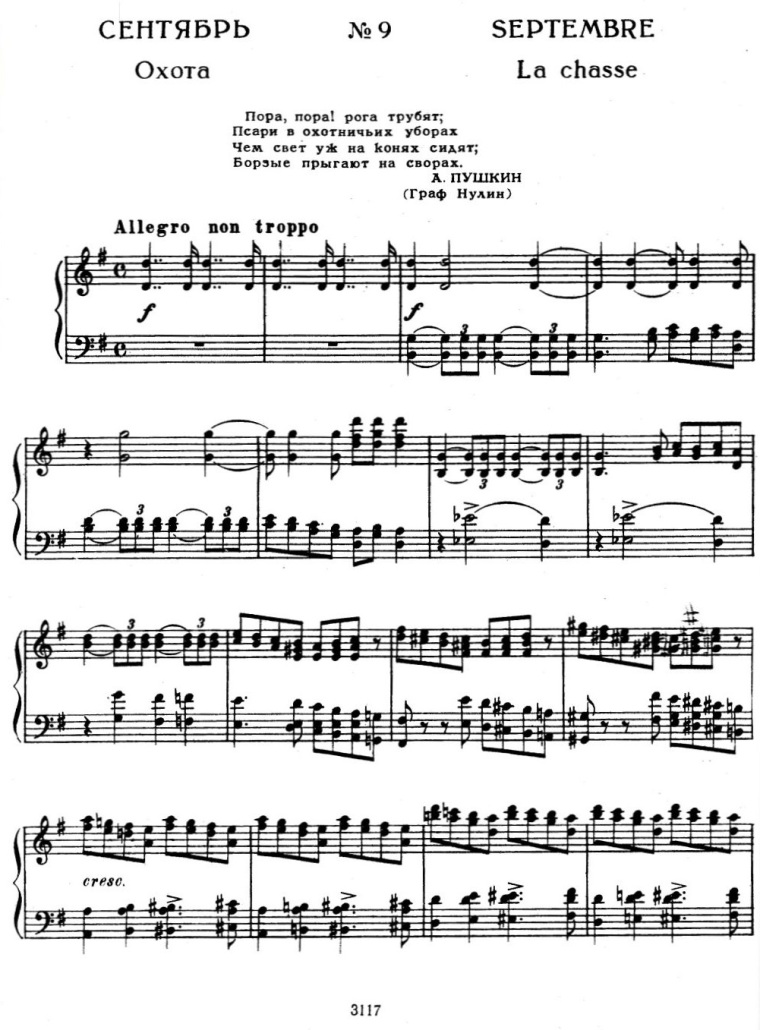
Pëtr Il’ič Čajkovskij (1840 - 1893): Времена года / Les Saisons op. 37a (1875-76), 9. Сентябрь: Охота / Septembre: La chasse. Versione originale: Valentyna Lysycja, pianoforte. Trascrizione per orchestra di Aleksandr Gauk (1893 - 1963): Orchestra da camera di Mosca, dir. Constantine Orbelian.
Questo brano fu originariamente pubblicato nel settembre 1876 sul mensile sanpietroburghese «Нувеллист» (Nuvellist), associato a versi di Puškin (dal racconto in versi Граф Нулин, Il conte Nulin, 1825):

Пора, пора! Рога трубят;
Псари в охотничьих уборах
Чем свет уж на конях сидят;
Борзые прыгают на сворах.
È l’ora! Suonano i corni;
i cacciatori nei loro abiti venatori
alla prima luce dell’alba sono montati a cavallo;
i borzoi, seppur legati, saltano.

Giorno d’autunno

Simon Bainbridge (30 agosto 1952 - 2021): Herbsttag / Autumn Day per doppio coro a cappella (1993) su testo di Rainer Maria Rilke nella traduzione inglese di James Blair Leishman. The Ionian Singers, dir. Timothy Salter.

Herr: es ist Zeit. Der Sommer war sehr groß
Leg deinen Schatten auf die Sonnenuhren,
und auf den Fluren laß die Winde los.

Befiehl den letzten Früchten voll zu sein;
gieb ihnen noch zwei südlichere Tage,
dränge sie zur Vollendung hin und jage
die letzte Süße in den schweren Wein.

Wer jetzt kein Haus hat, baut sich keines mehr.
Wer jetzt allein ist, wird es lange bleiben,
wird wachen, lesen, lange Briefe schreiben
und wird in den Alleen hin und her
unruhig wandern, wenn die Blätter treiben.

Lord, it is time. The summer was so great.
Impose upon the sundials now your shadows
and round the meadows let the winds rotate.

Command the last fruits to incarnadine;
vouchsafe, to urge them on into completeness,
yet two more south-like days; and that last sweetness,
inveigle it into the heavy vine.

He’ll not build now, who has no house awaiting.
Who’s now alone, for long will so remain:
sit late, read, write long letters, and again
return to restlessly perambulating
the avenues of parks when leaves downrain.

Fra vaghi risi, e cari

Jacopo Peri detto Zazzerino (20 agosto 1561 - 12 agosto 1633): Un dì soletto, madrigale a 1 voce e basso continuo (pubblicato nella raccolta Le varie musiche del Sig. Jacopo Peri, 1609, n. 17) su testo di Gabriello Chiabrera. Marc Mauillon, voce; Angélique Mauillon, arpa.

Un dì soletto
vidi il diletto,
ond’ho tanto martire;
e sospirando,
tutto tremando
così le presi a dire:

«O tu, che m’ardi
co’ dolci sguardi,
come sì bella appari!»
Ella veloce
sciolse la voce
fra vaghi risi, e cari:

«Sul volto rose
l’alba mi pose,
lume su’ crini il sole,
ne gli occhi Amore
il suo splendore,
suo mel ne le parole.»

Così disse ella;
poscia, più bella
che giamai m’apparisse,
piena il bel viso
di bel sorriso,
lieta soggiunse, e disse:

«O tu, che t’ardi
a’ dolci sguardi,
come sì tristo appari!»
ed io veloce
sciolsi la voce
fra caldi pianti amari:

«D’empio veneno
mi sparge il seno,
oimé, tua gran beltade;
e la mia vita
quasi è finita
per troppa feritade».

Ella per gioco
sorise un poco,
indi mi si nascose;
ed io dolente
pregava ardente,
ma più non mi rispose.

Čajkovskij: Le Stagioni – 8


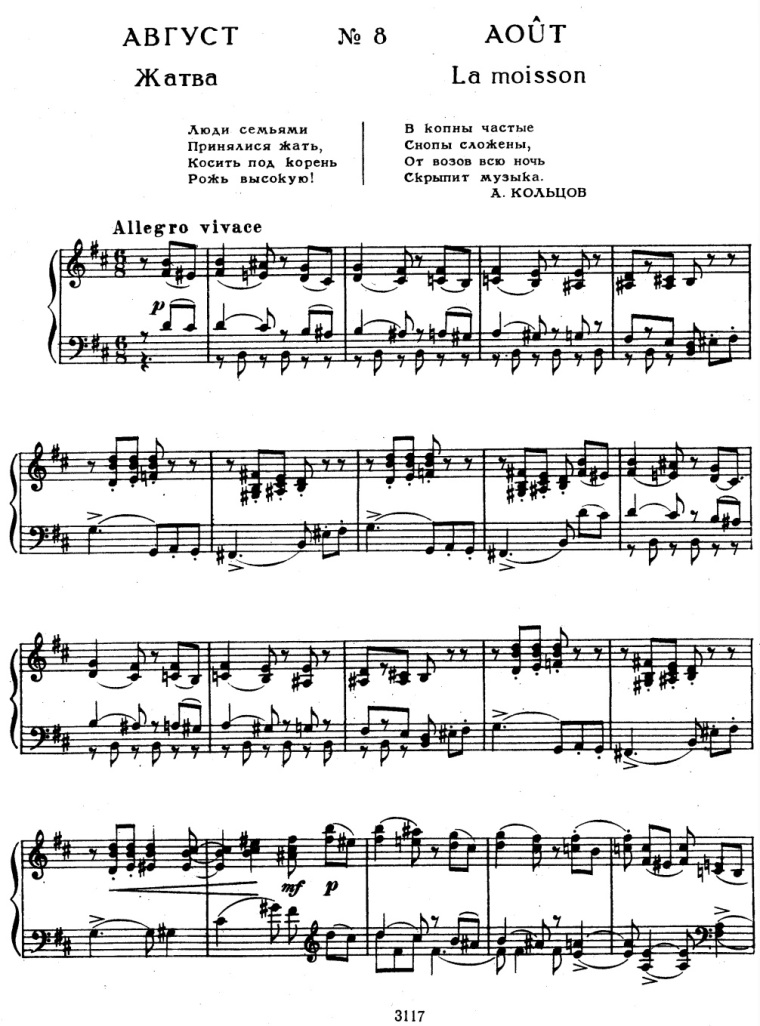
Pëtr Il’ič Čajkovskij (1840 - 1893): Времена года / Les Saisons op. 37a (1875-76), 8. Август: Жатва / Août: La moisson. Versione originale: Valentyna Lysycja, pianoforte. Trascrizione per orchestra di Aleksandr Gauk (1893 - 1963): Orchestra da camera di Mosca, dir. Constantine Orbelian.
Questo brano, in forma di scherzo, fu originariamente pubblicato nell’agosto 1876 sul periodico sanpietroburghese «Нувеллист» (Nuvellist); come il n. 7, apparso a luglio, anche il n. 8 fu associato a versi di A. V. Kol’cov (da Урожай, La messe, 1835):

Люди семьями
принялися жать,
Косить под корень
рожь высокую!
В копны частые
снопы сложены,
От возов всю ночь
скрипит музыка.
Intere famiglie
cominciano a falciare
l’alta segale
fino alla radice!
Radunano le spighe
in spessi covoni.
Dai carri per tutta la notte
musica stridente.

Folk songs: 15. Dulcina

 
Anonimo (sec. XVII): As at noon Dulcina rested, ballad su testo attribuito erroneamente a sir Walter Raleigh (1554? - 1618). Ellen Hargis, soprano; Paul O’Dette, cittern; The King’s Noyse, dir. David Douglass.

As att noone Dulcina rested
  In her sweete & shadie bower;
Came a sheppard, & requested
  In her lap to sleepe an houre.
    But from her looke
    A wound hee tooke
  Soe deepe, that for a farther boone
    The Nimphe hee pray’d,
    Whereto she say’d,
  Forgoe mee nowe, come to mee soone.

But in vaine shee did conjure him
  For to leave her presence soe,
Havinge a Thousand meanes t’alure him,
  & but one to lett him goe.
    Where lipps delighte,
    & eyes invite,
  & cheeks as fresh as rose in June,
    Persuade to staie,
    What boots to saye
  Forgoe mee nowe, come to mee soone.

Hee demaunds what time or leisure
  Can there be more fitt then nowe:
She saies, night gives love that pleasure,
  Which the day cannot alowe.
    The sunns clere light
    Shyneth more bright
  Quoth hee more fairer then the moone
    For her to praise
    Hee love, shee saies,
  Forgoe mee nowe, come to mee soone.

With greife of heart this shepheard hasted
  Up the mountaine to his flocks,
Then hee tooke a reed and piped
  Th’echo sounded through the rocks,
    Thus did hee plaie
    & wishe the day
  Were spent, & night were come ere noone,
    For silent night
    Is loves delight
  Ile goe to faire Dulcina soone.

Beauties Darling faire Dulcina
  Like to Venus for her love
Spent the day away in passion
  Mourninge like the Turtle Dove,
    Melodiouslie,
    Notes lowe & highe
  Shee farbled forth this dolefull tune,
    O come againe,
    Sweete sheppard swaine,
  Thou canst not be with mee to soone.

When as Thetis in her pallace
  Had receiv’d the prince of light
Came in Coridon the shepheard,
  To his love and hearts delight.
    The Pan did plaie
    The wood Nimphes they
  Did skip & daunce to heare the tune,
    Hymen did saie
    T’was holidaie,
  Forgoe mee nowe, come to mee soone.

Sweete, hee say’d, as I did promise
  I am nowe return’d againe,
Longe delaie you knowe breeds daunger
  & to lov’rs breedeth paine.
    The Nimph say’d then
    Above all men
  Still welcome shepheard morne & noone,
    The shepheard praies,
    Dulcina saies,
  Shepheard, I doubt y’are come to soone.

Come you nowe to overthrowe mee,
  Out alas I am betray’d,
Deare, is this the love you shewe mee
  To betraie a silly maide.
    Helpe, helpe, ay mee,
    I dare not speake
  I dare not crie, my heart will breake.
    What, all alone?
    Nay, then I finde
  Men are to stronge for woemen kinde.

O sillie foole, whie doubt I tellinge
  When I doubted not to truste.
If my bellie fall a swellinge
  There’s noe helpe but out it must.
    Ay mee, the greife,
    Ay mee, the shame,
  When I shall beare the common name.
    Yet att the worst
    Of my disgrace
  I am not first, nor shal be laste.

La prima menzione di As at noon Dulcina rested risale al 1690, mentre la prima pubblicazione nota è del 1707 e si deve a Thomas D’Urfey, che l’inserì nella sua monumentale silloge intitolata Wit and Mirth, or Pills to Purge Melancholy (1698-1720). La musica è caratterizzata da un brusco cambio di ritmo e andamento al 5° verso della strofe: a una prima parte fluente, in ritmo binario, fa seguito una seconda parte saltellante, in ritmo ternario. Questo particolare induce a pensare che la musica fosse in origine destinata alla danza e che il brano con molta probabilità facesse parte di un masque, un genere di rappresentazione teatrale che andava molto in voga in Inghilterra ai tempi di Giacomo I.
Ebbe vita propria come composizione soltanto strumentale, mantenendo perlopiù il titolo di Dulcina derivatole dal testo dello pseudo-Raleigh. Purtuttavia, in precedenza William Brade (un inglese attivo a Amburgo: l’abbiamo già incontrato, per esempio qui) l’aveva rielaborato a cinque parti strumentali e pubblicato con il titolo di Turkische Intrada; qui è interpretato dai Musicians of the Globe diretti da Philip Pickett:


Edward

Una famosa ballata tradizionale scozzese nella non meno famosa versione tedesca di Johann Gottfried Herder (1744 - 1803):

Dein Schwert, wie ist’s von Blut so rot?
Edward, Edward!
Dein Schwert, wie ist’s von Blut so rot?
Und gehst so traurig da? O!

Ich hab geschlagen meinen Geier tot,
Mutter, Mutter!
Ich hab geschlagen meinen Geier tot,
Und das, das geht mir nah. O!

Deines Geiers Blut ist nicht so rot,
Edward, Edward!
Deines Geiers Blut ist nicht so rot,
Mein Sohn, bekenn mir frei. O!

Ich hab geschlagen mein Rotroß tot,
Mutter, Mutter!
Ich hab geschlagen mein Rotroß tot,
Und’s war so stolz und treu. O!

Dein Roß war alt und hast’s nicht not,
Edward, Edward!
Dein Roß war alt und hast’s nicht not,
Dich drückt ein andrer Schmerz. O!

Ich hab geschlagen meinen Vater tot!
Mutter, Mutter!
Ich hab geschlagen meinen Vater tot,
Und das, das quält mein Herz! O!

Und was wirst du nun an dir tun,
Edward, Edward?
Und was wirst du nun an dir tun,
Mein Sohn, das sage mir! O!

Auf Erden soll mein Fuß nicht ruhn,
Mutter, Mutter!
Auf Erden soll mein Fuß nicht ruhn,
Will wandern übers Meer! O!

Und was soll werden dein Hof und Hall,
Edward, Edward?
Und was soll werden dein Hof und Hall,
So herrlich sonst, so schön? O!

Ach immer steh’s und sink und fall!
Mutter, Mutter!
Ach immer steh’s und sink und fall,
Ich werd es nimmer sehn! O!

Und was soll werden aus Weib und Kind,
Edward, Edward?
Und was soll werden aus Weib und Kind,
Wann du gehst übers Meer? O!

Die Welt ist groß, laß sie betteln drin,
Mutter, Mutter!
Die Welt ist groß, laß sie betteln drin,
Ich seh sie nimmermehr! O!

Und was soll deine Mutter tun,
Edward, Edward?
Und was soll deine Mutter tun,
Mein Sohn, das sage mir? O!

Der Fluch der Hölle soll auf euch ruhn,
Mutter, Mutter!
Der Fluch der Hölle soll auf euch ruhn,
Denn ihr, ihr rietet’s mir! O!

Perché la tua spada è così rossa di sangue,
Edward, Edward?
Perché la tua spada è così rossa di sangue
E perché te ne vai così triste? Oh!

Ho colpito il mio falco a morte,
Madre, madre!
Ho colpito il mio falco a morte,
E questo mi addolora. Oh!

Il sangue del tuo falco non è così rosso,
Edward, Edward!
Il sangue del tuo falco non è così rosso,
Dimmi la verità, figlio mio. Oh!

Ho ucciso il mio cavallo roano,
Madre, madre!
Ho ucciso il mio cavallo roano
Che era così fiero e fedele. Oh!

Il tuo cavallo era vecchio e non ne avevi bisogno,
Edward, Edward;
Il tuo cavallo era vecchio e non ne avevi bisogno,
Un’altra pena ti affligge. Oh!

Ho colpito a morte mio padre!
Madre, madre!
Ho colpito a morte mio padre,
Ed è questo che tormenta il mio cuore! Oh!

E quale pena ne vuoi portare,
Edward, Edward?
Quale pena ne vuoi portare,
Dimmi, figlio mio! Oh!

I miei piedi mai riposeranno sulla terra,
Madre, madre!
I miei piedi mai riposeranno sulla terra,
E me ne andrò sul mare. Oh!

E che ne sarà della tua casa,
Edward, Edward?
E che ne sarà della tua casa,
Così nobile e così bella? Oh!b

Andrà in rovina e infine crollerà,
Madre, madre!
Andrà in rovina e infine crollerà,
Non la rivedrò mai più. Oh!

E che sarà della tua donna e di tuo figlio,
Edward, Edward?
E che sarà della tua donna e di tuo figlio,
Quando tu te ne andrai per il mare? Oh!

Il mondo è grande, che vaghino mendichi,
Madre, madre!
Il mondo è grande, che vaghino mendichi,
Io non li rivedrò mai più. Oh!

E che sarà di tua madre,
Edward, Edward?
E che sarà di tua madre?
Dimmelo, figlio mio. Oh!

La maledizione dell’inferno cada su di te,
Madre, madre!
La maledizione dell’inferno cada su di te,
Perché sei stata tu a dirmi di farlo. Oh!

Carl Loewe (1796 - 1869): Edward, ballata op. 1 n. 1 (1818). Dietrich Fischer-Dieskau, baritono; Jörg Demus, pianoforte.

Loewe, Edward


Franz Schubert (1797 - 1828): Eine altschotthche Ballade, Lied, 2a versione, op. 165 n. 5 (posth.), D 923 (1827). Martha Guth, soprano; Penelope Crawford, pianoforte.

Schubert, D 923


Johannes Brahms (1833 - 1897): Edward, duetto op. 75 n. 1 (1878). Brigitte Fassbaender, mezzosoprano; Peter Schreier, tenore; Karl Engel, pianoforte.

Brahms, op. 75 n. 1

Čajkovskij: Le Stagioni – 7


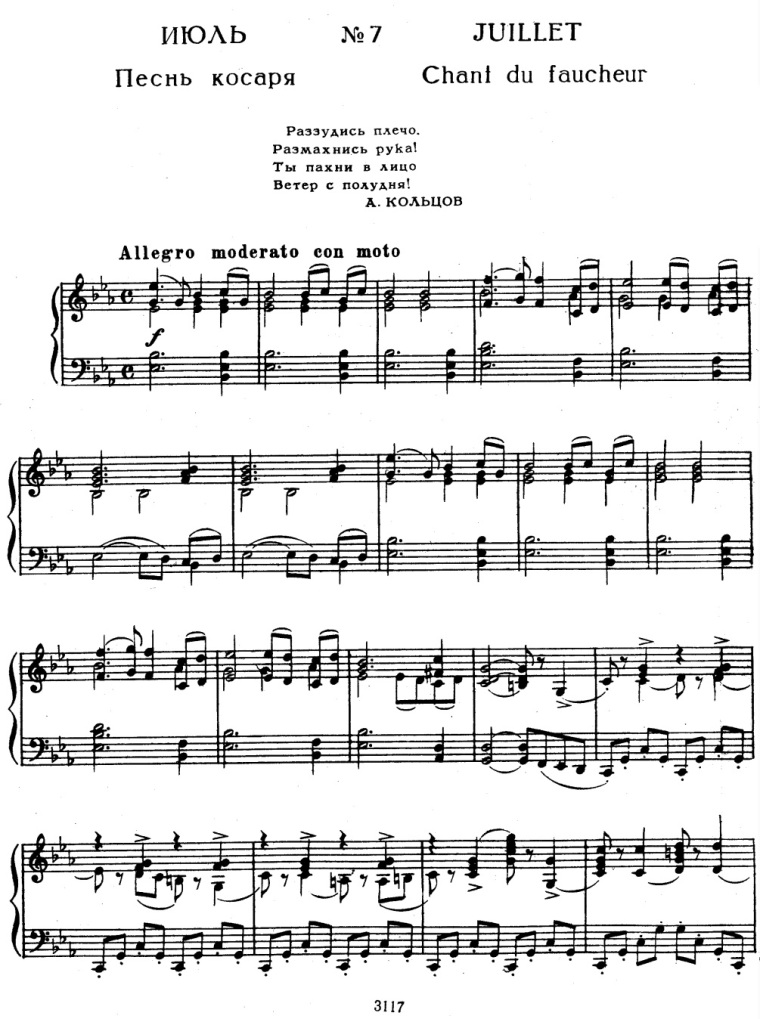
Pëtr Il’ič Čajkovskij (1840 - 1893): Времена года / Les Saisons op. 37a (1875-76), 7. Июль: Песня косаря / Juillet: Chant du faucheur. Versione originale: Valentyna Lysycja, pianoforte. Trascrizione per orchestra di Aleksandr Gauk (1893 - 1963): Orchestra da camera di Mosca, dir. Constantine Orbelian.
Sul periodico sanpietroburghese «Нувеллист» (Nuvellist), ove il brano fu originariamente pubblicato nel luglio 1876, questo Chant du faucheur venne associato a versi di Aleksej Vasil’evič Kol’cov (da Косарь, Il falciatore, 1836):

Раззудись, плечо!
Размахнись, рука!
Ты пахни в лицо,
Ветер с полудня!
Distenditi, spalla!
Slànciati, braccio!
Soffiami in faccia,
vento del Sud!

Folk songs: 10. Down by the Salley Gardens

Herbert Hughes (1882 - 1937): Down by the Salley Gardens, melodia tradizionale irlandese (Maids of Mourne Shore) adattata a un testo di William Butler Yeats (da The Wanderings of Oisin and Other Poems, 1889). Alfred Deller, controtenore; Desmond Dupré, liuto.

Down by the salley gardens my love and I did meet;
She passed the salley gardens with little snow-white feet.
She bid me take love easy, as the leaves grow on the tree;
But I, being young and foolish, with her would not agree.

In a field by the river my love and I did stand,
And on my leaning shoulder she laid her snow-white hand.
She bid me take life easy, as the grass grows on the weirs;
But I was young and foolish, and now am full of tears.

Serenata – V

Arnold Schoenberg (1874 - 13 luglio 1951): Serenata per baritono e 7 strumenti (clarinetto, clarinetto basso, mandolino, chitarra, violino, viola, violoncello) op. 24 (1921-23); testo di Francesco Petrarca (Sonetto 217, Canzoniere CCLVI) nella traduzione di Stefan George. Derrik Olsen, baritono; membri del SWR Sinfonieorchester Baden-Baden und Freiburg, dir. Hans Rosbaud.

  1. Marsch: Durchaus gleichmässiges Marschtempo
  2. Menuett: Nicht schnell, aber gesangvoll
  3. Variationen: Andante
  4. Sonnet Nr 217 von Petrarca: Rasch

    O könnt’ ich je der Rach’ an ihr genesen,
    die mich durch Blick und Rede gleich zerstöret,
    und dann zu grösserm Leid sich von mir kehret,
    die Augen bergend mir, die süssen, bösen!

    So meiner Geister matt bekümmert Wesen
    sauget mir aus allmählich und verzehret
    und brülend, wie ein Leu, ans Herz mir fähret
    die Nacht, die ich zur Ruhe mir erlesen!

    Die Seele, die sonst nur der Tod verdränget,
    trent sich von mir, und ihrer Haft entkommen,
    fliegt sie zu ihr, die drohend sie empfänget.

    Wohl hat es manchmal Wunder mich genommen
    wenn die nun spricht und weint und sie umfänget,
    dass fort sie schläft, wenn solches sie vernommen.

    Far potess’io vendetta di colei
    che guardando et parlando mi distrugge,
    et per piú doglia poi s’asconde et fugge,
    celando gli occhi a me sí dolci et rei.

    Cosí li afflicti et stanchi spirti mei
    a poco a poco consumando sugge,
    e ‘n sul cor quasi fiero leon rugge
    la notte allor quand’io posar devrei.

    L’alma, cui Morte del suo albergo caccia,
    da me si parte, et di tal nodo sciolta,
    vassene pur a lei che la minaccia.

    Meravigliomi ben s’alcuna volta,
    mentre le parla et piange et poi l’abbraccia,
    non rompe il sonno suo, s’ella l’ascolta.

  5. Tanzscene: Sehr lebhaft
  6. Lied (ohne worte): Adagio
  7. Finale: Im Marschtempo des 1. Satzes