
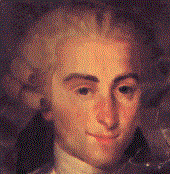
 Giovanni Battista Sammartini (1700 o 1701 - 17 gennaio 1775): Sinfonia in sol maggiore J-C 39. Cappella Accademica, dir. Norihiko Yoshikawa.
- Allegro ma non tanto [0:25]
- Grave [6:00]
- Allegro assai [6:50]
- Menuetto [10:25]
Giovanni Battista Sammartini (1700 o 1701 - 17 gennaio 1775): Sinfonia in sol maggiore J-C 39. Cappella Accademica, dir. Norihiko Yoshikawa.
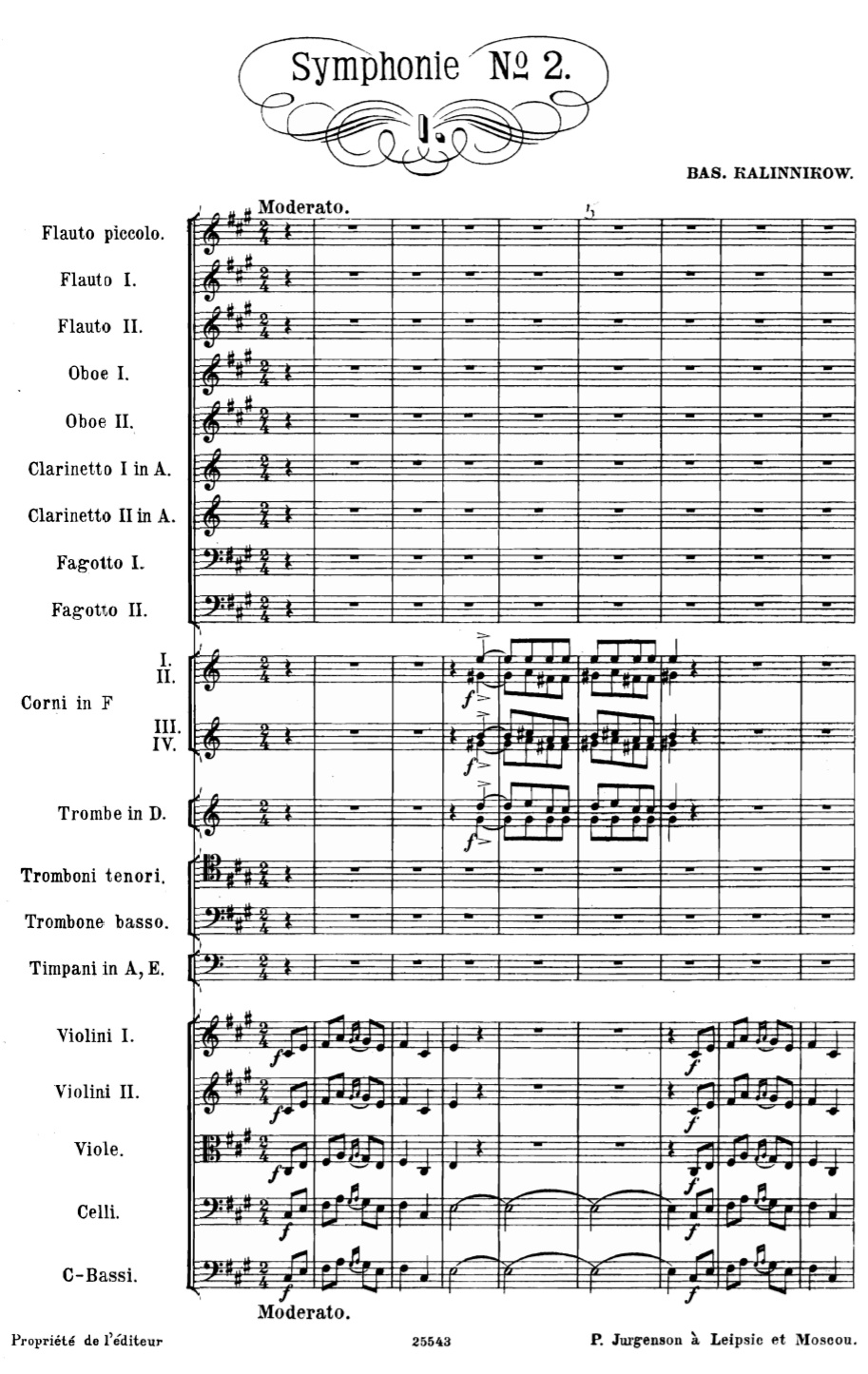
 Vasilij Sergeevič Kalinnikov (13 gennaio 1866 - 1901): Sinfonia n. 2 in la maggiore (1897). Scottish National Orchestra, dir. Neeme Järvi.
Elfrida Andrée (1841 - 11 gennaio 1929): Sinfonia n. 2 in la minore-maggiore (1879). Stockholm Symfoniorkester, dir. Gustaf Sjökvist.

Pëtr Il’ič Čajkovskij (1840 - 1893): Sinfonia n. 1 in sol minore op. 13, Sogni d’inverno (1866). hr-Sinfonieorchester, dir. Paavo Järvi.
Felice solstizio 🎉 ❄️ 🎄

Al’fred Šnitke (Alfred Schnittke; 24 novembre 1934 - 1998): Sinfonia n. 0 (1956-57). Cape Philharmonic Orchestra, dir. Owain Arwel Hughes.

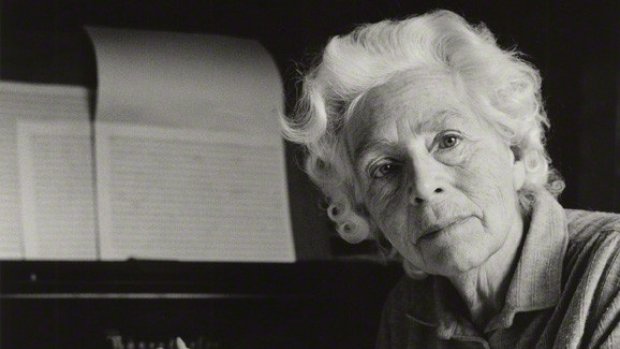
Dame Elizabeth Violet Maconchy Le Fanu (1907 - 11 novembre 1994): Sinfonia per doppia orchestra d’archi (1953). London Symphony Orchestra, dir. Vernon Handley.
Charles Ives (20 ottobre 1874 - 1954): Sinfonia n. 4 (c1912-c1925). BBC Symphony Orchestra, dir. David Robertson.

Charles Ives (20 ottobre 1874 - 1954): Seconda Sinfonia (1902, rev. 1910). Concertgebouworkest, dir. Michael Tilson Thomas.
Adoro questo americanissimo pasticcio (nel senso nobile, gastronomico e musicale, del termine) e la spernacchiante dissonanza che vi pone termine 

Hakon Børresen (1876 - 6 ottobre 1954): Sinfonia n. 2 in la maggiore op. 7, Havet (Il mare; 1904). Hr-Sinfonieorchester, dir. Ole Schmidt.

Michael Ancher (1849 – 1927): ritratto di Hakon Børresen (1910)
Georges Onslow (1784 - 3 ottobre 1853): Sinfonia n. 1 in la maggiore op. 41 (c1830). Sinfonieorchester des Norddeutschen Rundfunks, dir. Johannes Goritzki.

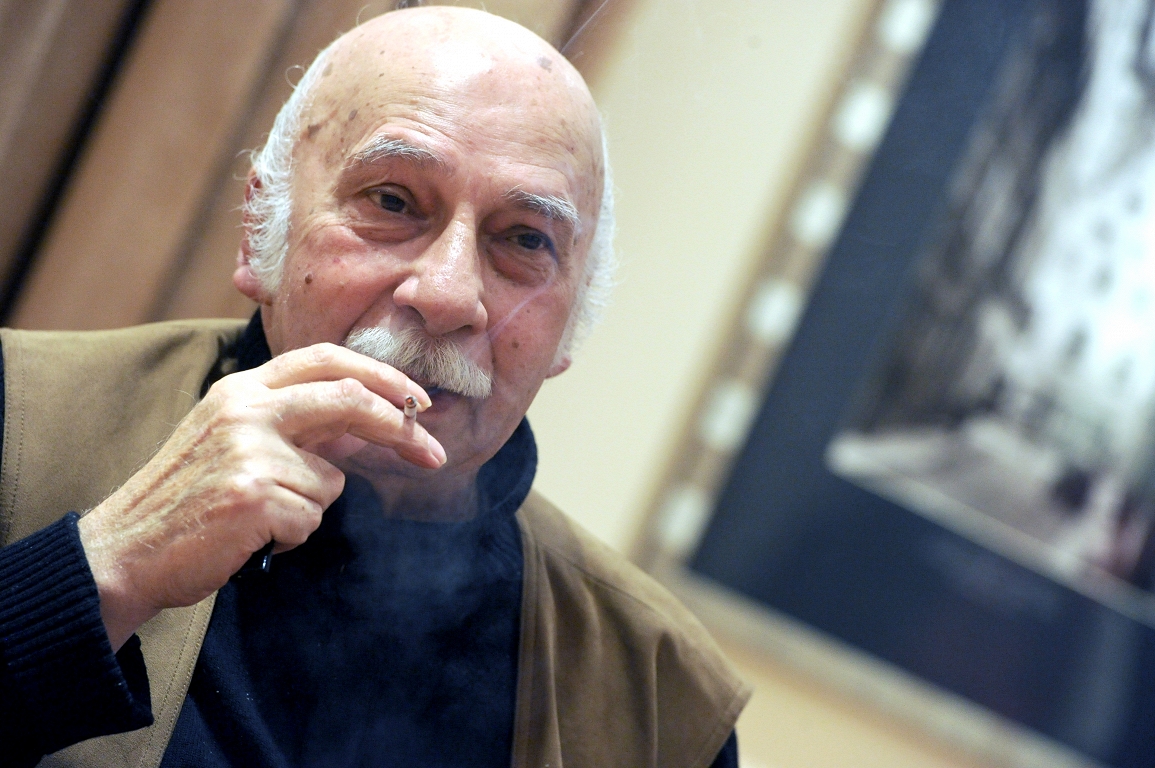
Gija Kančeli (1935 - 2 ottobre 2019): Quarta Sinfonia In memoria di Michelangelo (1975). Orchestra nazionale della Georgia, dir. Džansug Kakhidze.
Christopher Rouse (1949 - 21 settembre 2019): Sinfonia n. 2 (1994). Houston Symphony Orchestra, dir. Christoph Eschenbach.

Allan Pettersson (19 settembre 1911 - 1980): Sinfonia n. 8 (1968-69). Norrköpings Symfoniorkester, dir. Leif Segerstam.
Parte 1ª
Parte 2ª [19:41]
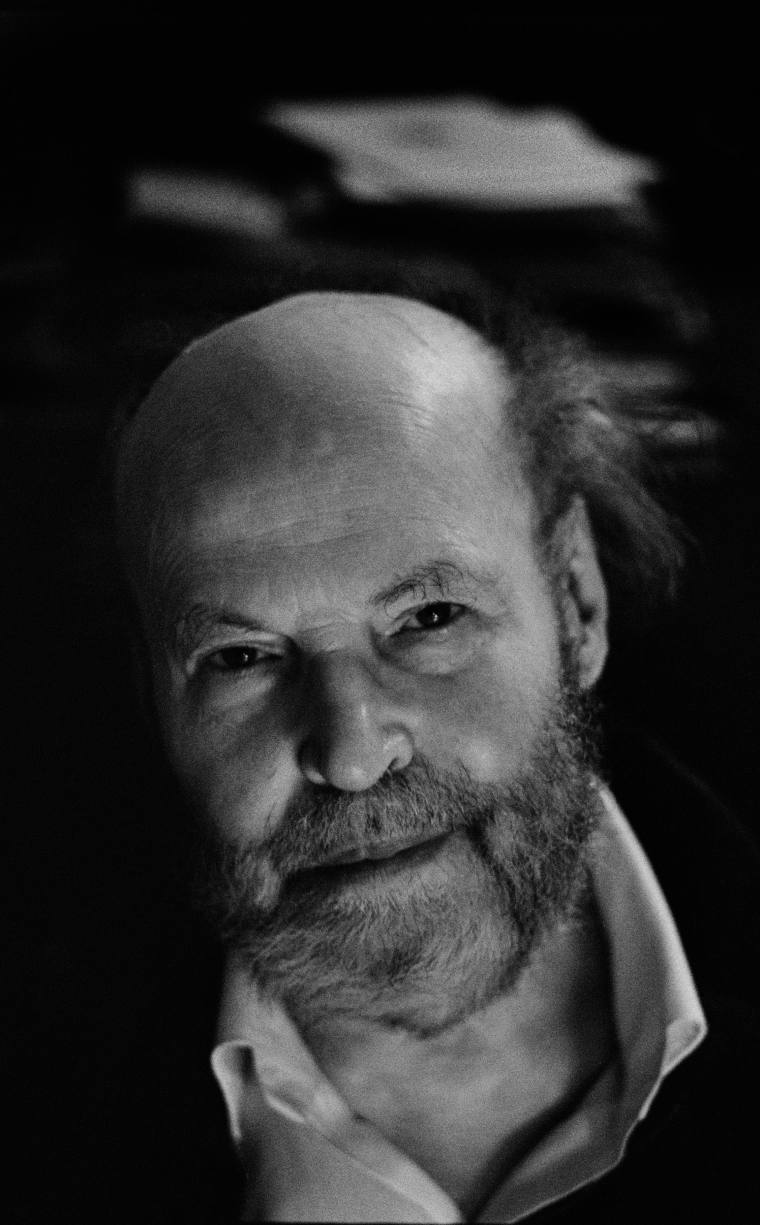
 Kunihiko Hashimoto (14 settembre 1904 - 1949): Sinfonia n. 1 in re maggiore (1940). Orchestra sinfonica metropolitana di Tōkyō, dir. Ryusuke Numajiri.
Arnold Schoenberg (13 settembre 1874 - 1951): Kammersymphonie n. 2 op. 38 (abbozzata nel 1906, completata nel 1939). Sinfonieorchester des Saarländischen Rundfunks, dir. Bruno Maderna (in concerto: Saarbrücken, 30 giugno 1969).

Franz Xaver Richter (1709 - 12 settembre 1789): Sinfonia con Fuga in sol minore VB 29. Czech Ensemble Baroque, dir. Roman Válek.

Henry Hadley (1871 - 6 settembre 1937): Seconda Sinfonia in fa minore op. 30, The Four Seasons (1899). Royal Philharmonic Orchestra, dir. Karl Krueger.

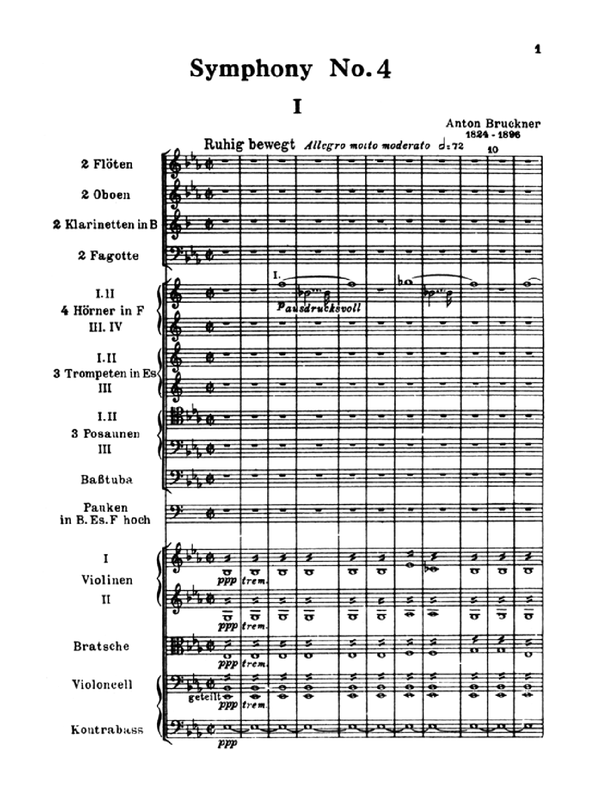
Anton Bruckner (1824 - 1896): Sinfonia n. 4 in mi bemolle maggiore, Romantische (1874, varie revisioni 1878-88). Wiener Philharmoniker, dir. Claudio Abbado.
Nikolaj Andreevič Roslavec (1880 - 23 agosto 1944): Sinfonia da camera n. 1 (1926). Orchestra da camera del Teatro Bol’šoj, dir. Aleksandr Lazarev.

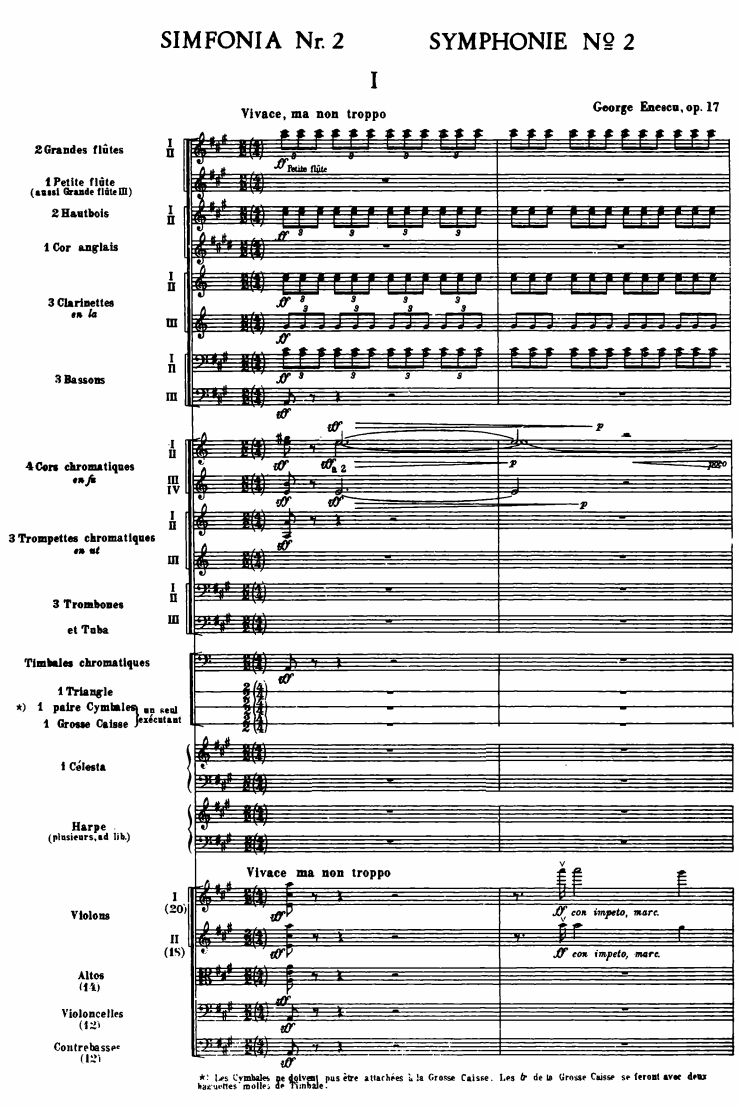
George Enescu (19 agosto 1881 - 1955): Sinfonia n. 2 in la maggiore op. 17 (1914). Tampere Filharmonia, dir. Hannu Lintu.
William Schuman (4 agosto 1910 - 1992): Sinfonia n. 3 (1941). New York Philharmonic Orchestra, dir. Leonard Bernstein.

 Tadeusz Baird (26 luglio 1928 - 1981): Sinfonia n. 3 (1969). Orkiestra Filharmonii Narodowej w Warszawie (Orchestra filarmonica nazionale di Varsavia), dir. Jan Krenz.
Leopold Antonín Koželuh (26 giugno 1747 - 1818): Sinfonia in sol minore op. 22 n. 3, P I:5 (c1787).London Mozart Players, dir. Matthias Bamert.

Théodore Dubois (1837 - 11 giugno 1924): Symphonie française in fa minore (1908). Orchestra Les Siècles, dir. François-Xavier Roth.

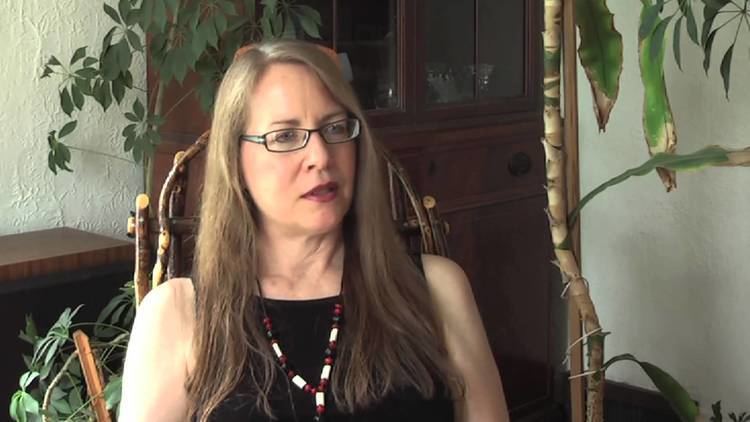
Ann Millikan (10 giugno 1963): Millikan Symphony per orchestra (2015), dedicata alla memoria di Bob Millikan (1957-2012), fratello della compositrice. Jennifer Curtis, violino solista (nel IV movimento); Boston Modern Orchestra Project, dir. Gil Rose.
Mikuláš Schneider-Trnavský (24 maggio 1881 - 28 maggio 1958): Sinfonia n. 1 in mi minore, Spomienková (1956). Symfonický orchester Slovenského rozhlasu v Bratislave (Orchestra sinfonica della Radio slovacca a Bratislava), dir. Ondrej Lenárd.

 Georg Schumann (1866 - 23 maggio 1952): Sinfonia in si minore (1887). Münchner Rundfunkorchester, dir. Christoph Gedschold.
Alice Mary Smith (19 maggio 1839 - 1884): Sinfonia n. 1 in do minore (1863). London Mozart Players, dir. Howard Shelley.

Johannes Matthias Sperger (1750 - 13 maggio 1812): Sinfonia per archi in do maggiore (1782). Musica Aeterna Bratislava, dir. Peter Zajíček.

Georg Joseph Vogler (1749 - 6 maggio 1814): Sinfonia in re minore (1782). London Mozart Players, dir. Matthias Bamert.

Hai un account WordPress.com? Accedi ora.

