
Luciano Berio (1925 - 27 maggio 2003): Quattro versioni originali della «Ritirata notturna di Madrid» di Boccherini sovrapposte e trascritte per orchestra (1975). Orchestra sinfonica di Milano «Giuseppe Verdi», dir. Riccardo Chailly.
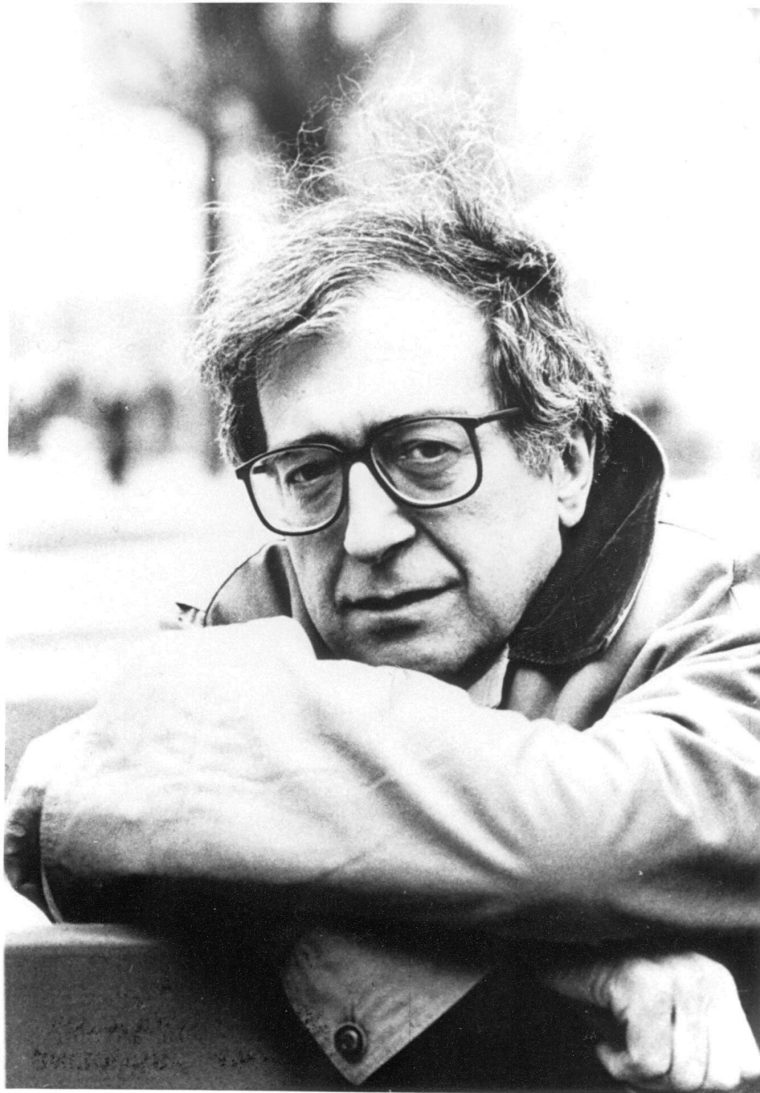
Luciano Berio (1925 - 27 maggio 2003): Quattro versioni originali della «Ritirata notturna di Madrid» di Boccherini sovrapposte e trascritte per orchestra (1975). Orchestra sinfonica di Milano «Giuseppe Verdi», dir. Riccardo Chailly.
Luciano Berio (1925 - 27 maggio 2003): Folk Songs per mezzosoprano e 7 strumentisti (1964). Cathy Berberian, mezzosoprano; The Juilliard Ensemble, dir. Luciano Berio.
Luciano Berio (1925 - 27 maggio 2003): Sonata per pianoforte (2001). Diego Maccagnola.
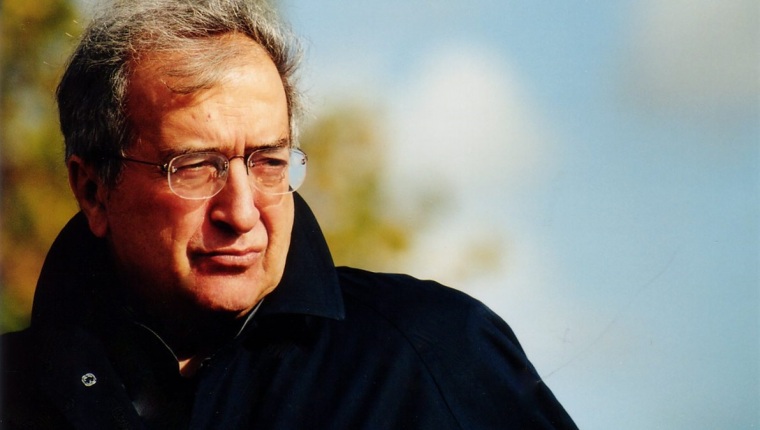
Dame Thea Musgrave (27 maggio 1928): Concerto per orchestra (1967). Royal Scottish National Orchestra, dir. Alexander Gibson.
« It is one of a series of works (including the 2nd and 3rd Chamber Concertos), in which the composer has been preoccupied with the search for “vivid dramatic forms for abstract instrumental music”. This has led her to explore the possibilities for freeing the vertical aspect of the music from the rigid control of the barline – or, in this case, from the conductor’s beat – without losing control of the overall musical content, so that, whatever the arbitrary melodic coincidence, the harmonic sense is always clear. Besides being a virtuoso work for orchestra, this is also a ‘concerto’ in the more usual sense of a conflict between solo and tutti. This conflict is muted at first, becoming more intense as the tempo increases throughout the work, and ending with a fierce musical confrontation.
« The five sections are played without a break. In the opening Adagio, various solo instruments unfold slow, expressive ideas which are later overlaid by more spiky, fanfare-like figurations suggested by the first entry of the trumpet. The tutti background is almost entirely static: basically a single note (E flat) resolving on to closely-spaced chords. The divisions between solo and tutti are intentionally blurred by the changing instrumentation. In the andante velato the sustained background is formed by a series of chords – a continuous, though slow-moving harmonic ostinato – on the strings and brass. Above and around these, as in the first section, legato melodic lines contrast with fragmentary rhythmic fanfares and cadenza-like flourishes. These ‘solo’ elements gradually suffuse the whole texture, encouraging the break-up of the sustained harmonic background – which only then returns to form the final cadence chord.
« In the third section – calmo – a gently shifting, rather neutral background is provided by some of the solo strings, while others interweave freer, more brilliant passages between the staccato chords (always in equal note-lengths) of wind and brass which insist on a return to a regular rhythmic pulse. The tempo quickens as these elements weave into the beginnings of a full orchestral tutti, dramatically interrupted at its first climax by the solo clarinet who, during the course a of a wild and uninhibited cadenza, incites other instruments to join in. This he eventually does, in spite of their initial reluctance and three attempts by the tutti orchestra to take over. In an extended cadenza – Tempo rubato ma fantastico – the clarinet gradually enlarges his concertante group, spurring it on to ever more frenzied activity. During this, the tutti orchestra has little chance to assert itself but, as the soloists reach a climax of complexity, it starts to regain control, – finally submerging the rebellious elements (with the clarinet the last to admit defeat) as it moves into the final presto. The warring instruments resolve to co-operate in this tutti section, although the clarinet cannot resist a few penultimate wistful reminiscences of the opening sections of the work. » (Susan Bradshaw, https://www.wisemusicclassical.com)

Grimaces within a Dream
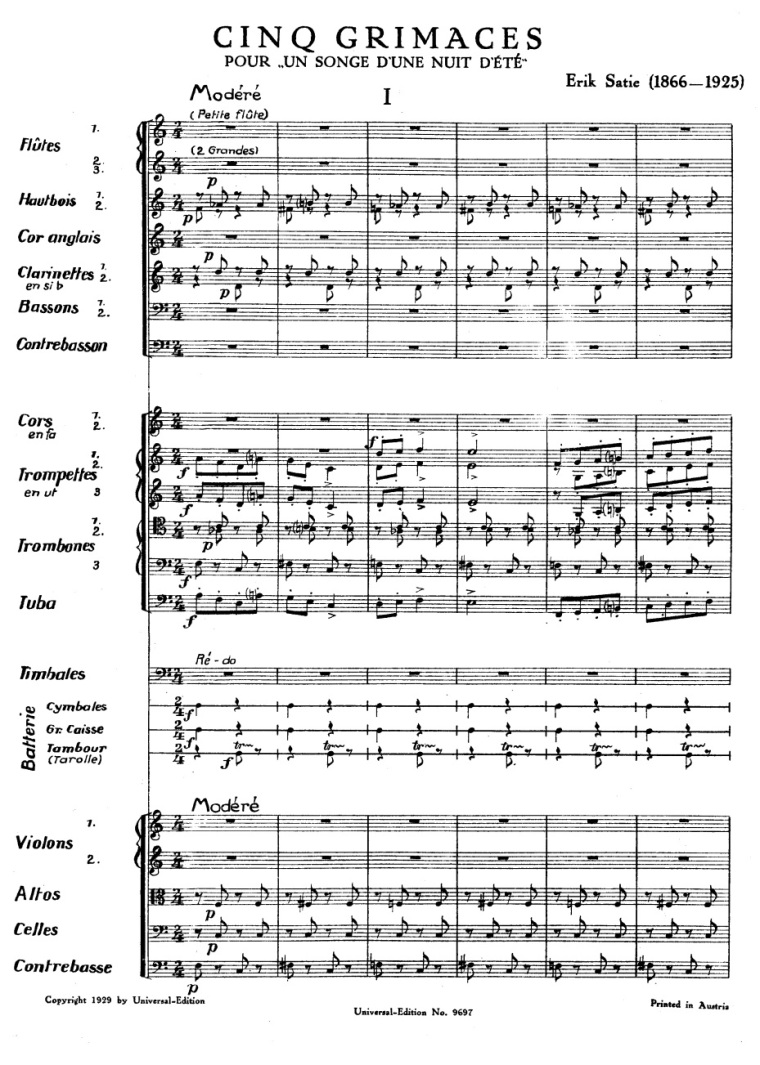
Érik Satie (1866 - 1925): Cinq Grimaces pour «Un Songe d’une nuit d’été» per orchestra op. posth. (1915). Orchestre du Capitole de Toulouse, dir. Michel Plasson.
William Bolcom (26 maggio 1938): Three Ghost Rags per pianoforte.

Francesco d’Avalos (1930 - 26 maggio 2014): Qumrãn, studio per grande orchestra (1966). Orchestra sinfonica di Roma della Rai, dir. Eliahu Inbal (dal vivo: Roma, 1968).

Gustav Holst (1874 - 25 maggio 1934): Suite n. 2 in fa maggiore per banda militare op. 28 n. 2 (1911). University of Michigan Symphony Band, dir. Michael Haithcock.
 Greensleeves è citata nell’ultimo movimento della Suite n. 2 [10:14 e 11:33], in contrappunto con la vivace melodia irlandese intitolata Dargason (parola forse derivata da un termine anglosassone che significa nano o fata); anche Dargason, come Greensleeves, risale al XVI secolo.
Un anno dopo la composizione della Suite n. 2, Holst ne rielaborò il finale e lo inserì quale ultimo movimento nella Saint Paul’s Suite, composta per le sue allieve della Saint Paul’s Girls’ School di Londra, istituto del quale fu direttore musicale dal 1905 al 1934.
 Greensleeves is quoted in the last movement of the Second Suite [10:14 and 11:33], in counterpoint to a lively Irish tune called Dargason (a word possibly derived from an Anglo-Saxon term meaning dwarf or fairy); both Dargason and Greensleeves date from the 16th century.
A year after completing the Second Suite, Holst reworked its Finale and used it as the last movement of the Saint Paul’s Suite, composed for his students at Saint Paul’s Girls’ School in London, where he was musical director from 1905 to 1934.
Gustav Holst: Saint Paul’s Suite per archi op. 29 n. 2 (1912). The Bournemouth Sinfonietta, dir. Richard Studt.

Gustav Holst (1874 - 25 maggio 1934): Sinfonia in fa maggiore op. 8 H.47, The Cotswolds (1900). Ulster Orchestra, dir. JoAnn Falletta.

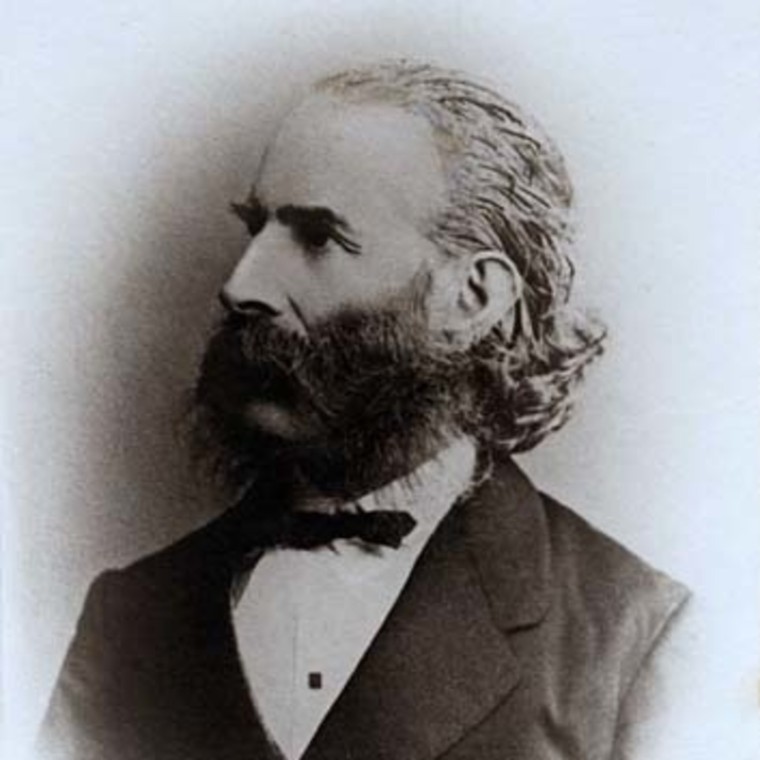
Johann Rufinatscha (1812 - 25 maggio 1893): Serenata in sol maggiore per archi. Orchester der Akademie Sankt Blasius, dir. Karlheinz Seissl.
The death of Ophelia
Hector Berlioz (1803 - 1869): La mort d’Ophélie, ballade op. 18 n. 2, H. 92 (1842); testo di Ernest Legouvé. Cecilia Bartoli, mezzosoprano; Myung-Whun Chung, pianoforte.
Auprès d’un torrent Ophélie
cueillait, tout en suivant le bord,
dans sa douce et tendre folie,
des pervenches, des boutons d’or,
des iris aux couleurs d’opale,
et de ces fleurs d’un rose pâle
qu’on appelle des doigts de mort.
Puis, élevant sur ses mains blanches
les riants trésors du matin,
elle les suspendait aux branches,
aux branches d’un saule voisin.
Mais trop faible le rameau plie,
se brise, et la pauvre Ophélie
tombe, sa guirlande à la main.
Quelques instants sa robe enflée
la tint encor sur le courant
et, comme une voile gonflée,
elle flottait toujours chantant,
chantant quelque vieille ballade,
chantant ainsi qu’une naïade
née au milieu de ce torrent.
Mais cette étrange mélodie
passa, rapide comme un son.
Par les flots la robe alourdie
bientôt dans l’abîme profond
entraîna la pauvre insensée,
laissant à peine commencée
sa mélodieuse chanson.
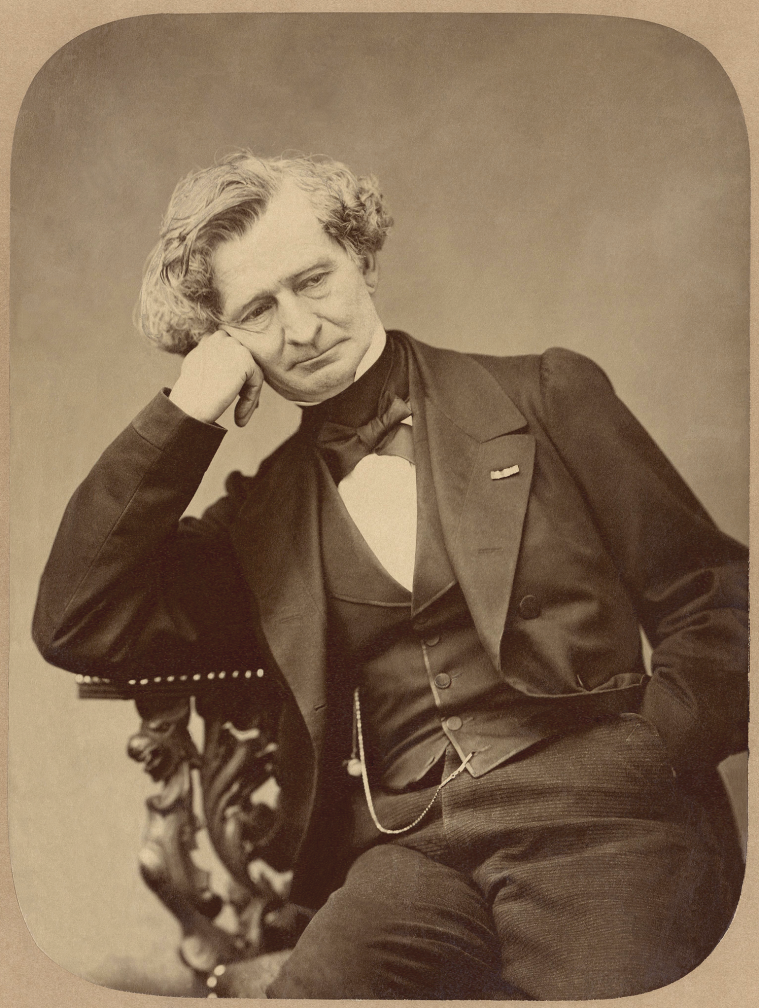
Jacob Druckman (1928 - 24 maggio 1996): Chiaroscuro per orchestra (1977). The Juilliard Orchestra, dir. Lukas Foss.
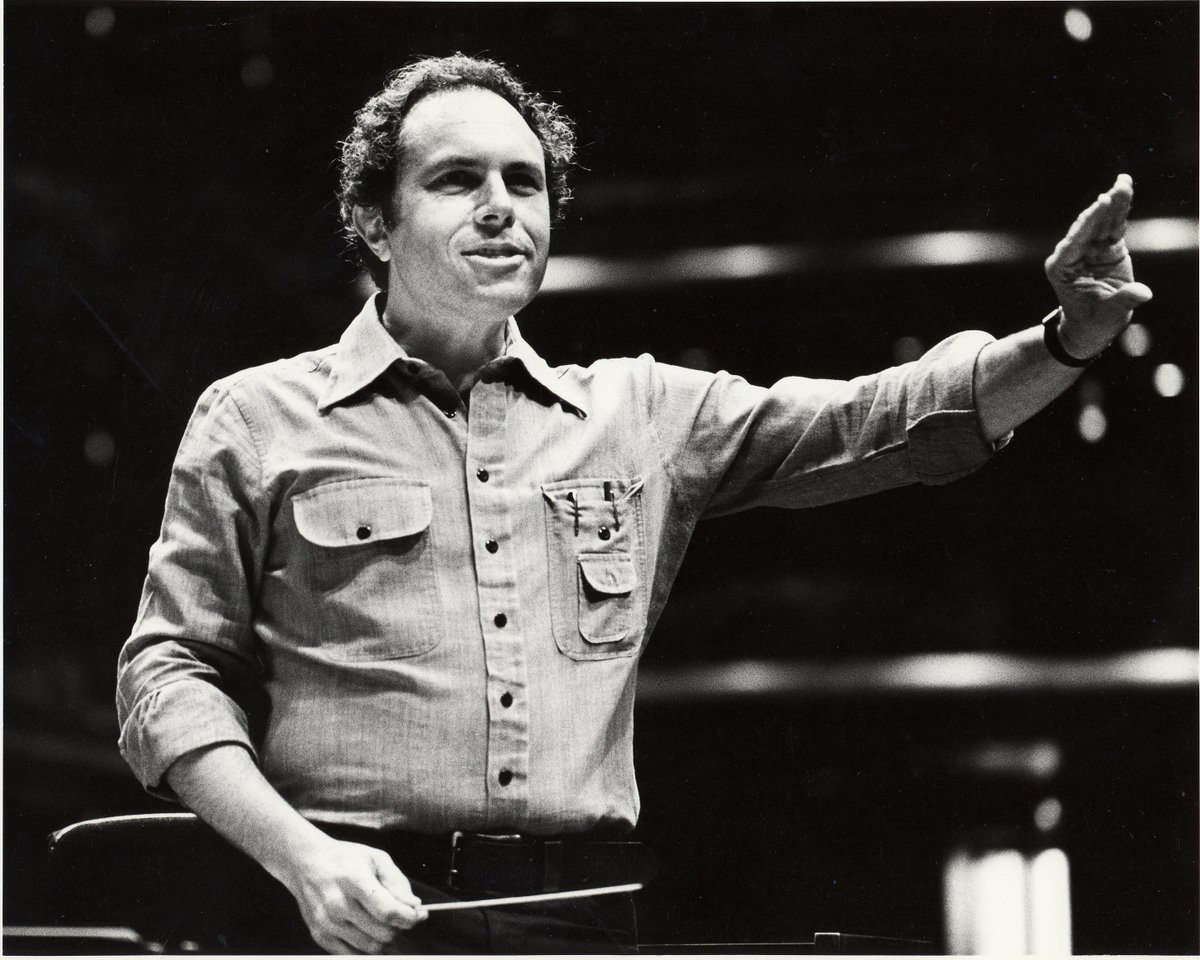
 Friedrich Ernst Fesca (1789 - 24 maggio 1826): Sinfonia n. 2 in re maggiore op. 10 (c1810). NDR Radiophilharmonie, dir. Frank Beermann.
In Windsor
Otto Nicolai (1810 - 1849): Ouverture per Die lustigen Weiber von Windsor, Singspiel in 3 atti (1849) su libretto di Hermann Salomon Mosenthal desunto dalla commedia The Merry Wives of Windsor di William Shakespeare. Wiener Philharmoniker, dir. Carlos Kleiber.
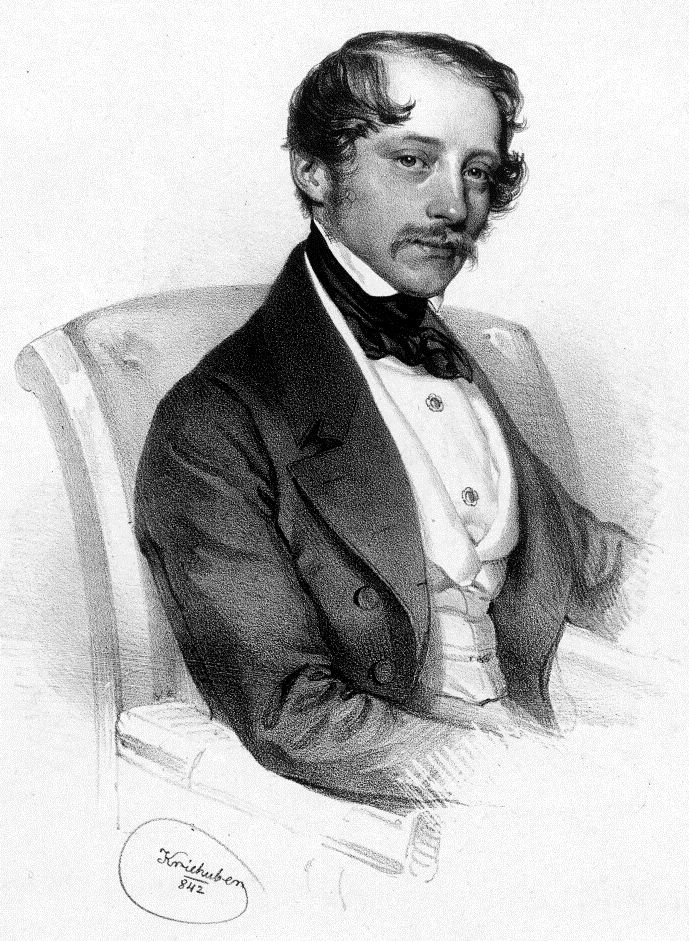
John Blitheman (c1525 - 23 maggio 1591): In pace, in idipsum, mottetto per Compieta a 4 voci (pubblicato nei Gyffard Partbooks, c1572-78, n. 43). Coro della Cattedrale di Worcester.
In pace, in idipsum dormiam et requiescam.
Si dedero somnum oculis meis,
et palpebris meis dormitationem,
dormiam et requiescam.
Gloria Patri, et Filio, et Spiritui Sancto.

Ignaz Moscheles (23 maggio 1794 - 1870): Concerto n. 3 in sol minore per pianoforte e orchestra op. 58/60 (1820). Michael Ponti, pianoforte; Philharmonica Hungarica, dir. Othmar Maga.

Elegante e assai gradevole la versione per due voci e liuto di Rómulo Vega-González, che l’interpreta insieme con Munia Cabal-Jiménez: i due pronunciano le parole come inglesi del tardo Cinquecento 🙂

Richard Wagner (22 maggio 1813 - 1883): Siegfried Idyll per orchestra WWV 103 (1870). Münchner Philharmoniker, dir. Sergiu Celibidache.
Il medesimo brano trascritto per pianoforte e eseguito da Glenn Gould.

Hans Pfitzner (5 maggio 1869 - 22 maggio 1949): Quartetto per archi n. 3 in do diesis minore op. 36 (1925). »Franz Schubert« Quartett: Florian Zwiauer e Helge Rosenkranz, violini; Hartmut Pascher, viola; Vincent Stadlmair, violoncello.

Jean-Philippe Rameau (1683 - 1764): Rondeau des sauvages (« Forêts paisibles »), dall’ultimo atto dell’opéra-ballet Les Indes galantes (1735). Fa tutto Dmitry Ivanchey 😀
Avevamo già ascoltato questo rondeau, qui.
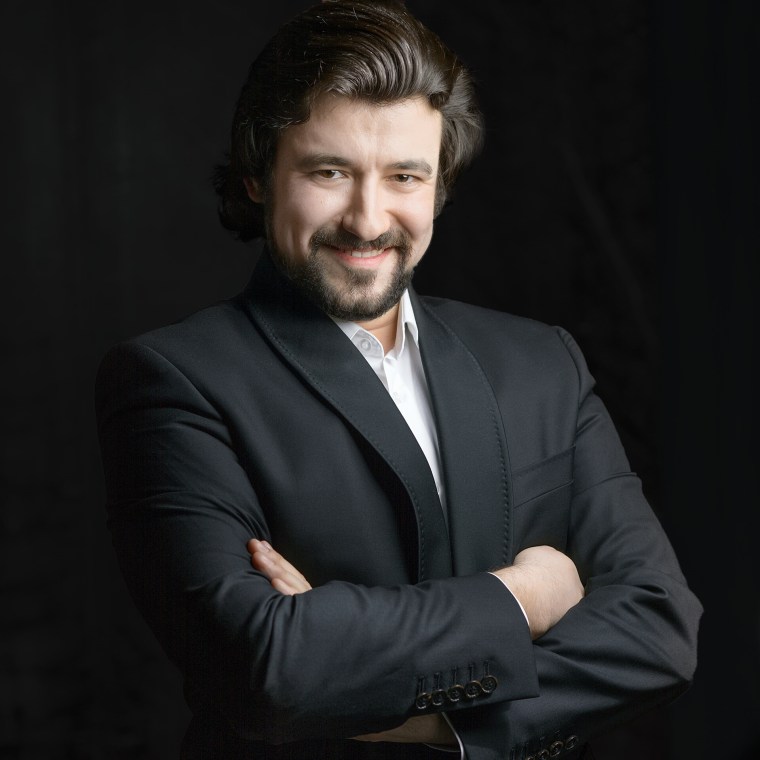
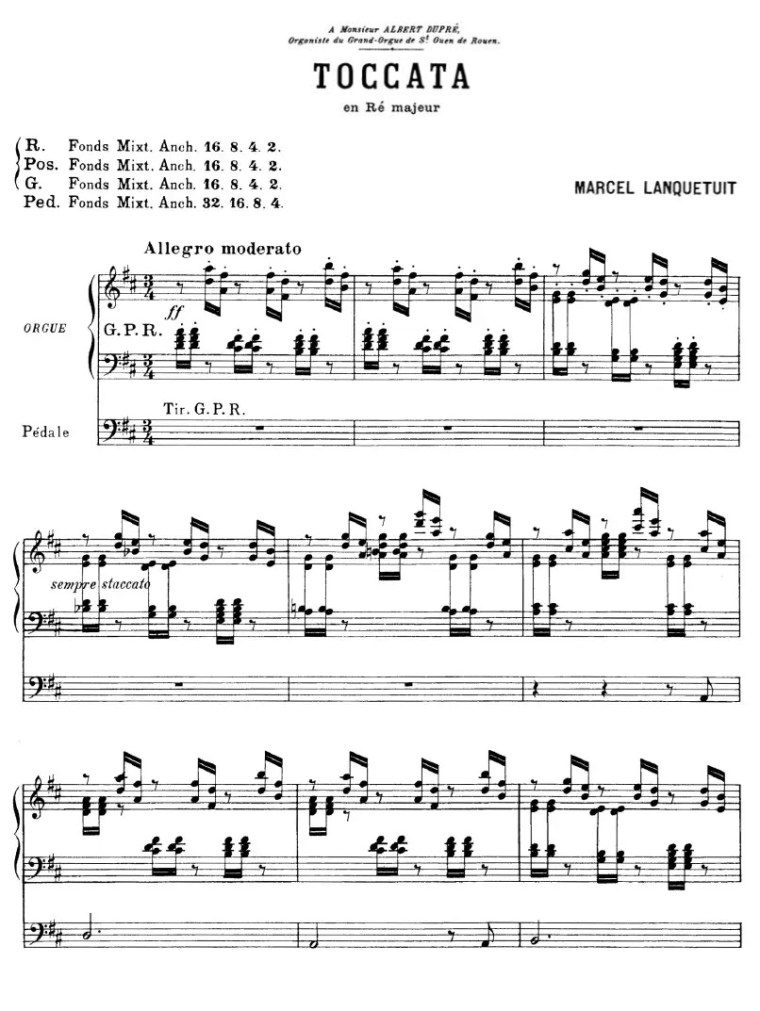
Marcel Lanquetuit (1894 - 21 maggio 1985): Toccata in re maggiore per organo (1926). Jane Parker-Smith all’organo Goll della Chiesa di Sankt Martin in Memmingen (Baviera).
Francesco Ezechiele Ermenegildo, cavaliere di Suppé-Demelli ovvero Franz von Suppé (1819 - 21 maggio 1895): Ouverture per l’operetta Pique Dame (1864). Dresden Staatskapelle, dir. Otmar Suitner.

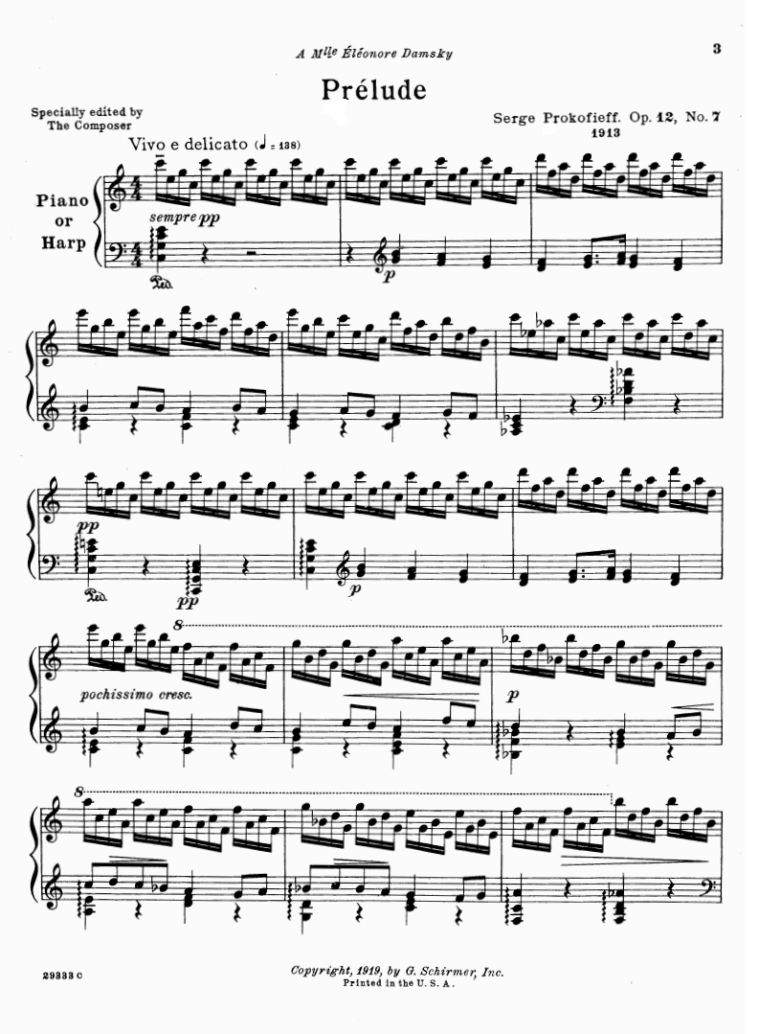
Sergej Sergeevič Prokof’ev (1892 - 1953): Preludio in do maggiore per pianoforte o arpa op. 12 n. 7 (c1910). Alexandra Luiceanu, arpa, e S. Prokof’ev, pianoforte.
Paweł Mykietyn (20 maggio 1971): Concerto per pianoforte e orchestra (1997). Anna Stempin-Jasnowska, pianoforte; Orkiestra Symfoniczna Polskiego Radia, dir. Szymon Bywalec.

Clara Schumann (1819 - 20 maggio 1896): Romance variée per pianoforte op. 3 (1831-33). Veronica Jochum.
Robert Schumann (1810 - 1856): Impromptus über ein Thema von Clara Wieck per pianoforte op. 5 (1833, 2a versione 1850). Daniel Levy.

Macbeth and the witches
Bedřich Smetana (1824 - 1884): Macbeth – Skizza ke scéně «Macbeth a čarodějnice» ze Shakespeara per pianoforte (1859). František Maxián.

Antón García Abril (19 maggio 1933 - 2021): Concierto mudéjar per chitarra e archi (1986). Rafael Aguirre, chitarra; Cammerata.

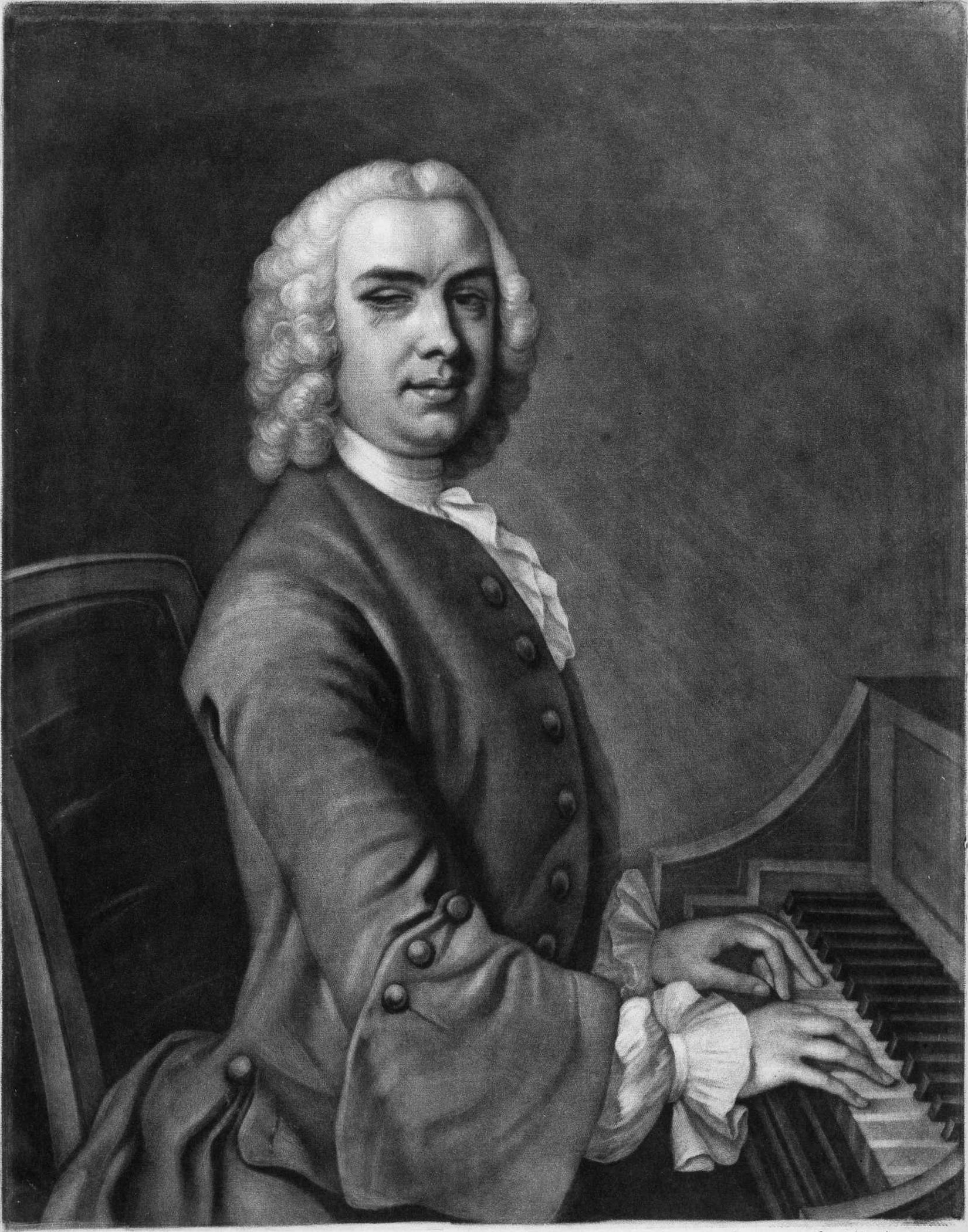
John Stanley (1712 - 19 maggio 1786): Trumpet Voluntary in re maggiore. Jason Covey, tromba; Sean Jackson, organo.
The wind and the rain
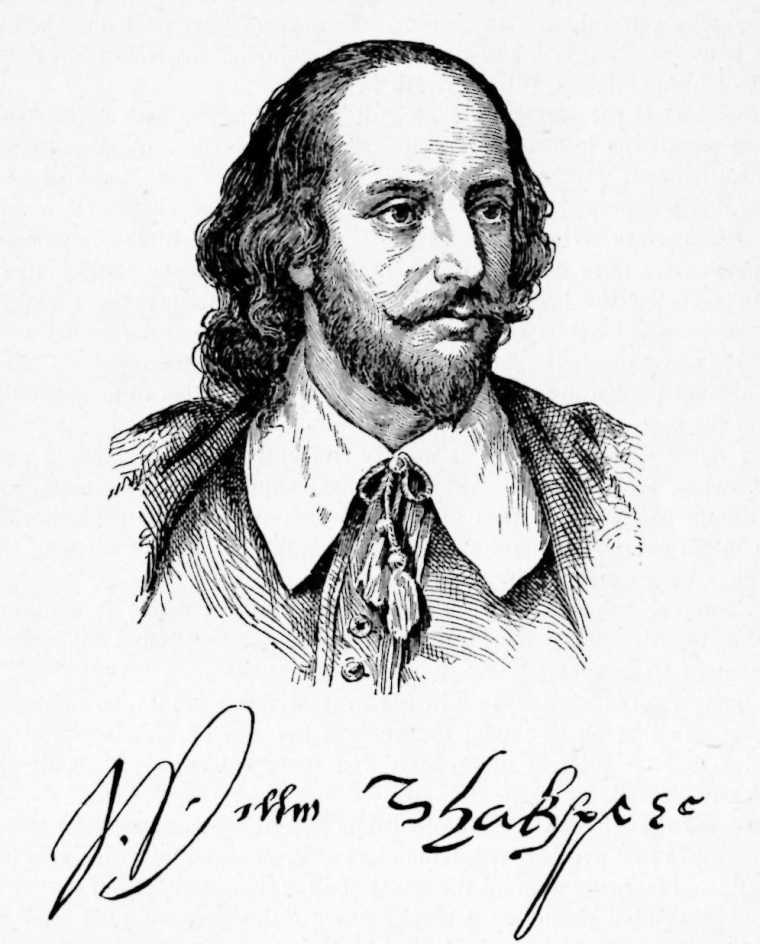
Anonimo (sec. XVI-XVII): When that I was, canzone di Feste che conclude La dodicesima notte (1599-1601) di William Shakespeare. Alfred Deller, haute-contre.
When that I was and a little tiny boy,
With hey, ho, the wind and the rain,
A foolish thing was but a toy,
For the rain it raineth every day.
But when I came to man’s estate,
’Gainst knaves and thieves men shut their gate.
But when I came, alas!, to wive,
By swaggering I could never thrive.
[But when I came unto my beds,
With toss-pots still had drunken heads.]
A great while ago the world begun,
With hey, ho, the wind and the rain,
But that’s all one, our play is done,
And we’ll strive to please you every day.
Henri Sauguet (pseudonimo di Jean-Pierre Poupard; 18 maggio 1901 - 1989): la Chatte, balletto (1927). Deutsche Radio Philharmonie Saarbrücken Kaiserslautern, dir. Robert Reimer.


 la regina gioiosa