Louise Farrenc (31 maggio 1804 - 1875): Seconda Sinfonia in op. 35 (1845). Solistes Européens Luxembourg, dir. Christoph König.
- Andante – Allegro
- Andante [11:22]
- Scherzo: Vivace [18:26]
- Andante – Allegro [24:27]
![]()
Louise Farrenc (31 maggio 1804 - 1875): Seconda Sinfonia in op. 35 (1845). Solistes Européens Luxembourg, dir. Christoph König.
![]()
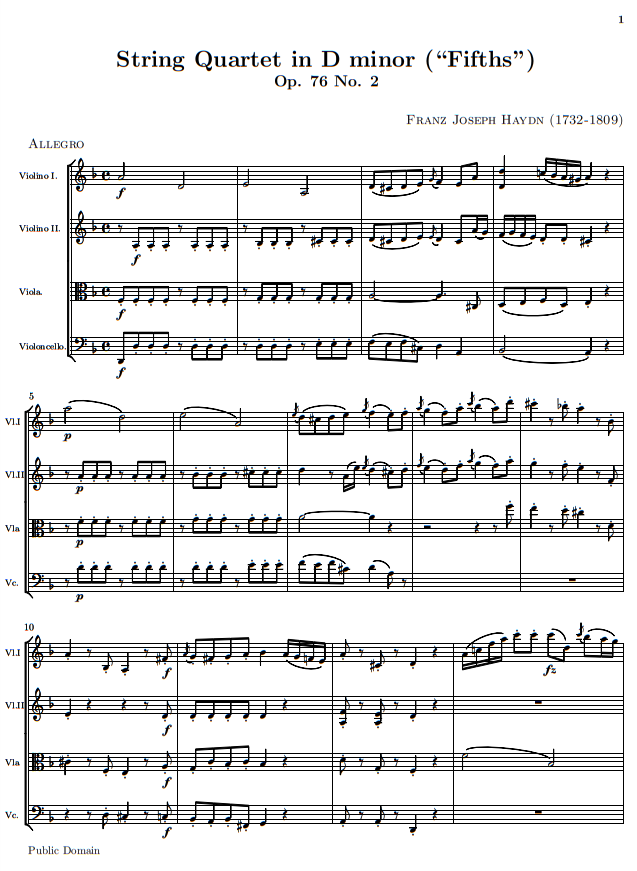
Franz Joseph Haydn (1732 - 31 maggio 1809): Quartetto in re minore op. 76 n. 2 Hob. III:76, detto Quintenquartett (1796-97). Kuijken Quartet.

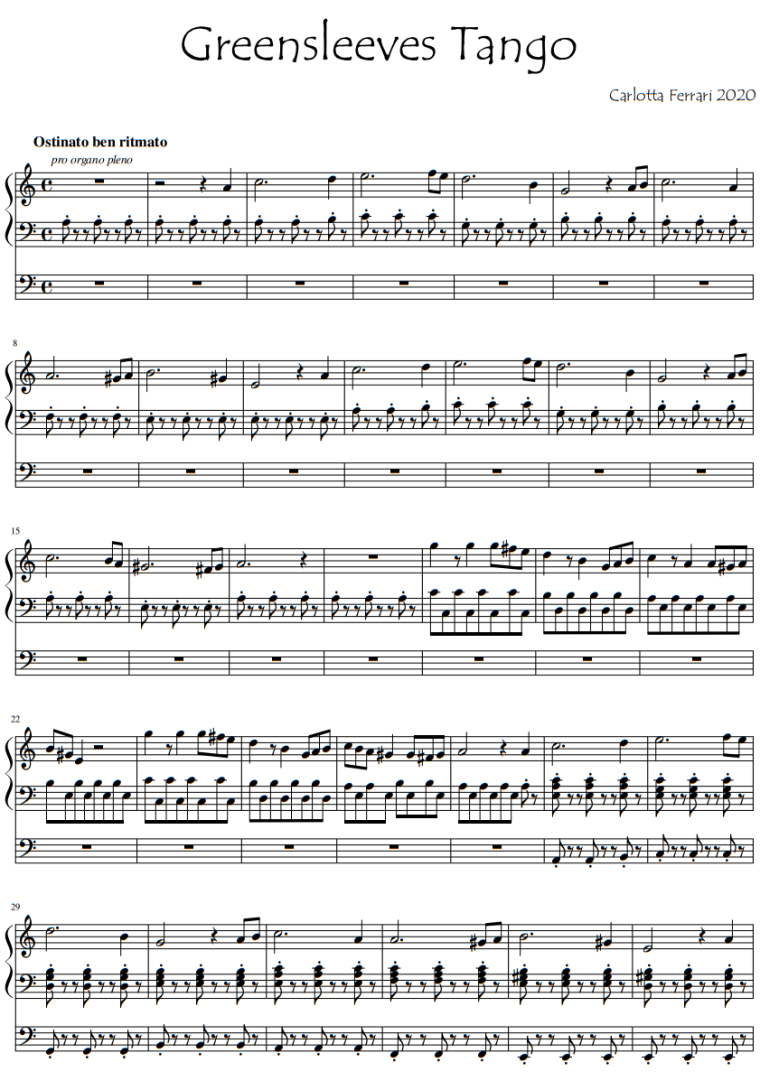
Carlotta Ferrari (1975): Greensleeves Tango per organo (2020). Carson Cooman.

Marcel Dupré (3 maggio 1886 - 30 maggio 1971): Sinfonia in sol minore per organo e orchestra op. 25 (1928). Daniel Jay McKinley, organo; Columbus Indiana Philharmonic Orchestra, dir. David Bowden.

Josef Slavík (1806 - 30 maggio 1833): Capriccio in re maggiore per violino solo (1824). Pavel Šporcl.
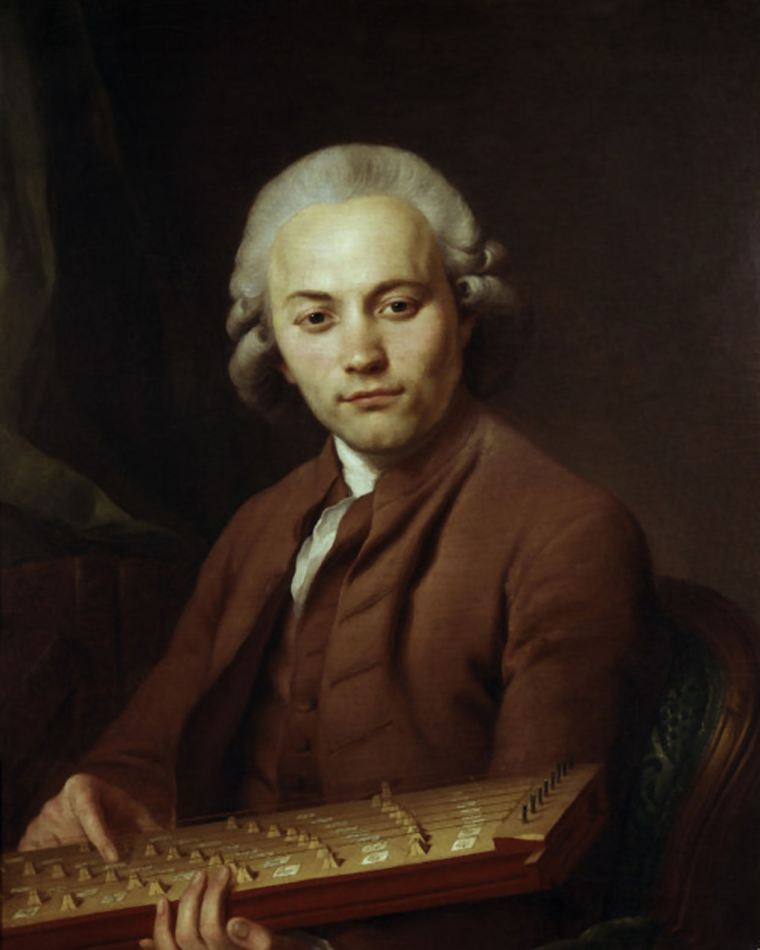
Hamlet according to Abbé Vogler
Georg Joseph Vogler (1749 - 1814): Ouverture per l’Amleto di William Shakespeare (Mannheim, 1779). London Mozart Players, dir. Matthias Bamert.

Milij Alekseevič Balakirev (1837 - 29 maggio 1910): Melodia spagnola per pianoforte (1902). Alexander Paley.

Josef Suk (1874 - 29 maggio 1935): Asrael, sinfonia funebre in do minore op. 27 (1906), in memoria di Antonín Dvořák e di sua figlia Otilka (moglie di Suk). Symphonieorchester des Bayerischen Rundfunks, dir. Rafael Kubelík.

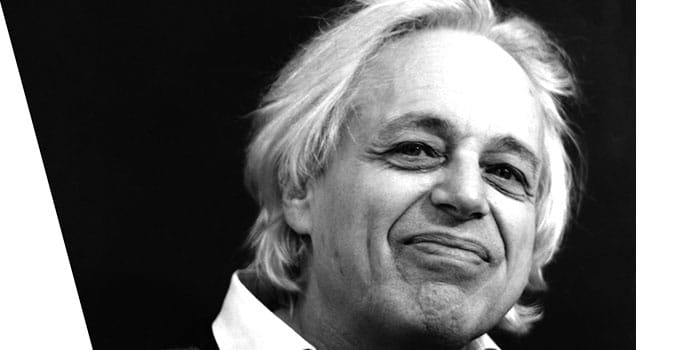
György Ligeti (28 maggio 1923 - 2006): Volumina (1961-66). Franz Danksagmüller all’organo grande della Chiesa di Sankt Jakobi in Lubecca.
Qui Ligeti parla di questa sua composizione (la traduzione in italiano non è impeccabile).

György Ligeti (28 maggio 1923 - 2006): Studio per pianoforte n. 6, Automne à Varsovie (1985). Idil Biret.

György Ligeti (28 maggio 1923 - 2006): Continuum per clavicembalo (1968). Kru Pin.

György Ligeti (28 maggio 1923 - 2006): Musica ricercata, 11 pezzi per pianoforte (1951-53). Nare Karoyan.

György Ligeti (28 maggio 1923 - 2006): Lontano per orchestra (1967). Wiener Philharmoniker, dir. Claudio Abbado.
Lontano è una delle opere fondamentali di Ligeti, risale al periodo in cui decise di sperimentare procedure compositive totalmente nuove e inusitate. Il titolo (in italiano) fa riferimento a una lontananza intesa in senso non solo spaziale, ma anche “storico” e soprattutto musicale: i suoni giungono all’ascoltatore da una grande distanza, che è quella che Ligeti pone fra ciò che è stato, in ambito musicale, e la propria creazione.
L’epoca di composizione (anni ’60) è la stessa di Atmosphères, brano che è stato inserito da Kubrick, insieme con altre cose di Ligeti, nella colonna sonora di 2001: Odissea nello spazio. Di Lontano si sono serviti lo stesso Kubrick in Shining e Scorsese in Shutter Island.

György Ligeti (28 maggio 1923 - 2006): Hungarian Rock – Chaconne (1978). Elisabeth Chojnacka, clavicembalo.

György Ligeti (28 maggio 1923 - 2006): Atmosphères per orchestra (1961). Orchestre Philharmonique de Radio France, dir. Alan Gilbert.

György Ligeti (28 maggio 1923 - 2006): Passacaglia ungherese per clavicembalo (1978). Elisabeth Chojnacka (1939 - 28 maggio 2017).

György Ligeti (28 maggio 1923 - 2006): Studio per pianoforte n. 13, L’escalier du diable / The Devil’s Staircase (1991). Federico Colli.

Luciano Berio (1925 - 27 maggio 2003): Quattro versioni originali della «Ritirata notturna di Madrid» di Boccherini sovrapposte e trascritte per orchestra (1975). Orchestra sinfonica di Milano «Giuseppe Verdi», dir. Riccardo Chailly.

Luciano Berio (1925 - 27 maggio 2003): Folk Songs per mezzosoprano e 7 strumentisti (1964). Cathy Berberian, mezzosoprano; The Juilliard Ensemble, dir. Luciano Berio.

Luciano Berio (1925 - 27 maggio 2003): Sonata per pianoforte (2001). Diego Maccagnola.

Dame Thea Musgrave (27 maggio 1928): Concerto per orchestra (1967). Royal Scottish National Orchestra, dir. Alexander Gibson.
« It is one of a series of works (including the 2nd and 3rd Chamber Concertos), in which the composer has been preoccupied with the search for “vivid dramatic forms for abstract instrumental music”. This has led her to explore the possibilities for freeing the vertical aspect of the music from the rigid control of the barline – or, in this case, from the conductor’s beat – without losing control of the overall musical content, so that, whatever the arbitrary melodic coincidence, the harmonic sense is always clear. Besides being a virtuoso work for orchestra, this is also a ‘concerto’ in the more usual sense of a conflict between solo and tutti. This conflict is muted at first, becoming more intense as the tempo increases throughout the work, and ending with a fierce musical confrontation.
« The five sections are played without a break. In the opening Adagio, various solo instruments unfold slow, expressive ideas which are later overlaid by more spiky, fanfare-like figurations suggested by the first entry of the trumpet. The tutti background is almost entirely static: basically a single note (E flat) resolving on to closely-spaced chords. The divisions between solo and tutti are intentionally blurred by the changing instrumentation. In the andante velato the sustained background is formed by a series of chords – a continuous, though slow-moving harmonic ostinato – on the strings and brass. Above and around these, as in the first section, legato melodic lines contrast with fragmentary rhythmic fanfares and cadenza-like flourishes. These ‘solo’ elements gradually suffuse the whole texture, encouraging the break-up of the sustained harmonic background – which only then returns to form the final cadence chord.
« In the third section – calmo – a gently shifting, rather neutral background is provided by some of the solo strings, while others interweave freer, more brilliant passages between the staccato chords (always in equal note-lengths) of wind and brass which insist on a return to a regular rhythmic pulse. The tempo quickens as these elements weave into the beginnings of a full orchestral tutti, dramatically interrupted at its first climax by the solo clarinet who, during the course a of a wild and uninhibited cadenza, incites other instruments to join in. This he eventually does, in spite of their initial reluctance and three attempts by the tutti orchestra to take over. In an extended cadenza – Tempo rubato ma fantastico – the clarinet gradually enlarges his concertante group, spurring it on to ever more frenzied activity. During this, the tutti orchestra has little chance to assert itself but, as the soloists reach a climax of complexity, it starts to regain control, – finally submerging the rebellious elements (with the clarinet the last to admit defeat) as it moves into the final presto. The warring instruments resolve to co-operate in this tutti section, although the clarinet cannot resist a few penultimate wistful reminiscences of the opening sections of the work. » (Susan Bradshaw, https://www.wisemusicclassical.com)

Grimaces within a Dream
Érik Satie (1866 - 1925): Cinq Grimaces pour «Un Songe d’une nuit d’été» per orchestra op. posth. (1915). Orchestre du Capitole de Toulouse, dir. Michel Plasson.

William Bolcom (26 maggio 1938): Three Ghost Rags per pianoforte.

Francesco d’Avalos (1930 - 26 maggio 2014): Qumrãn, studio per grande orchestra (1966). Orchestra sinfonica di Roma della Rai, dir. Eliahu Inbal (dal vivo: Roma, 1968).

Gustav Holst (1874 - 25 maggio 1934): Suite n. 2 in fa maggiore per banda militare op. 28 n. 2 (1911). University of Michigan Symphony Band, dir. Michael Haithcock.
Greensleeves è citata nell’ultimo movimento della Suite n. 2 [10:14 e 11:33], in contrappunto con la vivace melodia irlandese intitolata Dargason (parola forse derivata da un termine anglosassone che significa nano o fata); anche Dargason, come Greensleeves, risale al XVI secolo.
Un anno dopo la composizione della Suite n. 2, Holst ne rielaborò il finale e lo inserì quale ultimo movimento nella Saint Paul’s Suite, composta per le sue allieve della Saint Paul’s Girls’ School di Londra, istituto del quale fu direttore musicale dal 1905 al 1934.
Greensleeves is quoted in the last movement of the Second Suite [10:14 and 11:33], in counterpoint to a lively Irish tune called Dargason (a word possibly derived from an Anglo-Saxon term meaning dwarf or fairy); both Dargason and Greensleeves date from the 16th century.
A year after completing the Second Suite, Holst reworked its Finale and used it as the last movement of the Saint Paul’s Suite, composed for his students at Saint Paul’s Girls’ School in London, where he was musical director from 1905 to 1934.
Gustav Holst: Saint Paul’s Suite per archi op. 29 n. 2 (1912). The Bournemouth Sinfonietta, dir. Richard Studt.

Johann Rufinatscha (1812 - 25 maggio 1893): Serenata in sol maggiore per archi. Orchester der Akademie Sankt Blasius, dir. Karlheinz Seissl.

The death of Ophelia
Hector Berlioz (1803 - 1869): La mort d’Ophélie, ballade op. 18 n. 2, H. 92 (1842); testo di Ernest Legouvé. Cecilia Bartoli, mezzosoprano; Myung-Whun Chung, pianoforte.
Auprès d’un torrent Ophélie
cueillait, tout en suivant le bord,
dans sa douce et tendre folie,
des pervenches, des boutons d’or,
des iris aux couleurs d’opale,
et de ces fleurs d’un rose pâle
qu’on appelle des doigts de mort.
Puis, élevant sur ses mains blanches
les riants trésors du matin,
elle les suspendait aux branches,
aux branches d’un saule voisin.
Mais trop faible le rameau plie,
se brise, et la pauvre Ophélie
tombe, sa guirlande à la main.
Quelques instants sa robe enflée
la tint encor sur le courant
et, comme une voile gonflée,
elle flottait toujours chantant,
chantant quelque vieille ballade,
chantant ainsi qu’une naïade
née au milieu de ce torrent.
Mais cette étrange mélodie
passa, rapide comme un son.
Par les flots la robe alourdie
bientôt dans l’abîme profond
entraîna la pauvre insensée,
laissant à peine commencée
sa mélodieuse chanson.

Jacob Druckman (1928 - 24 maggio 1996): Chiaroscuro per orchestra (1977). The Juilliard Orchestra, dir. Lukas Foss.