
Fritz Brun (1878 - 29 novembre 1959): Seconda Sinfonia in si bemolle maggiore (1911). AML Luzerner Sinfonieorchester, dir. Olaf Henzold.
- Allegro moderato
- Allegro appassionato [12:17]
- Adagio sostenuto [17:52]
- Non troppo vivace [28:24]
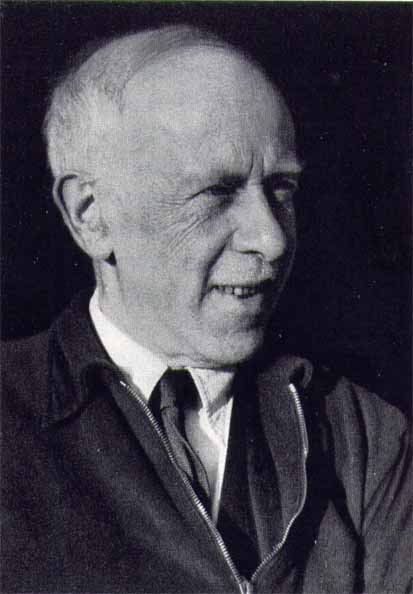
Fritz Brun (1878 - 29 novembre 1959): Seconda Sinfonia in si bemolle maggiore (1911). AML Luzerner Sinfonieorchester, dir. Olaf Henzold.
Davide Anzaghi (29 novembre 1936): Elogio della Luna per flauto, clarinetto, vibrafono e percussione (un solo esecutore), pianoforte, violino e violoncello (2009). Ex Novo Ensemble, dir. Claudio Ambrosini.

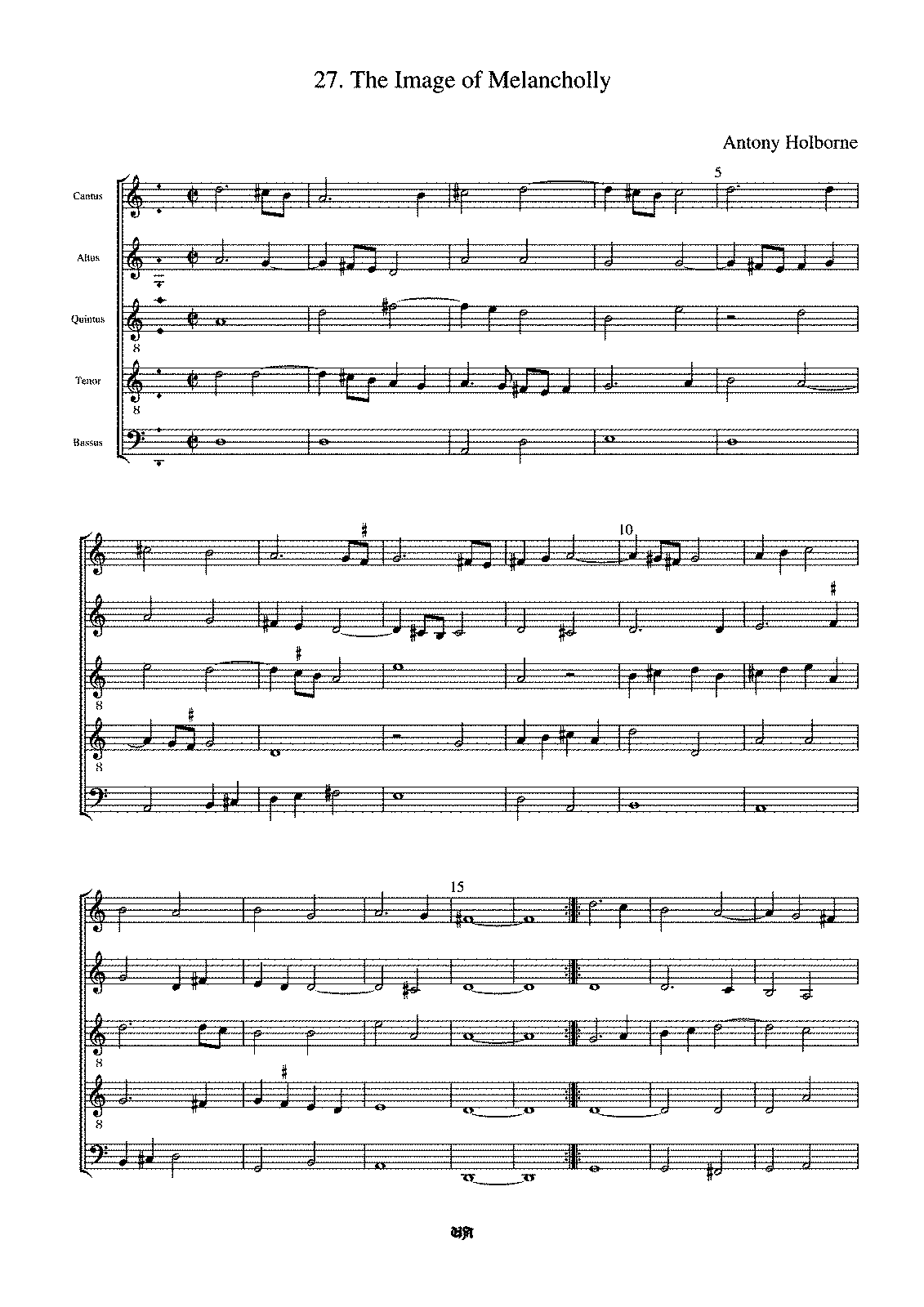
Anthony Holborne (c1545 - 29 novembre 1602): The Image of Melancholy, pavana a 5 parti strumentali (pubblicata in Pavans, Galliards, Almains and other Short Aeirs, 1599, n. 27). Ensemble Masques: Sophie Gent e Tuomo Suni, violini; Margaret Little e Mélisande Corriveau, bass viols; Benoît van den Bemden, violone; Olivier Fortin, clavicembalo.
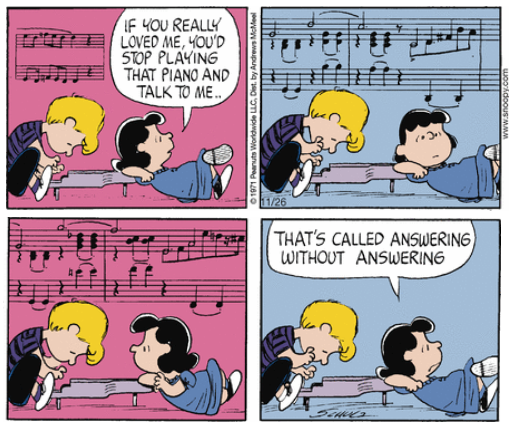
Lucy avrebbe potuto commentare «Ѐ come parlare a un sordo» ovvero «Non c’è peggior sordo di chi non vuol sentire», facendo esplicito riferimento al musicista più amato da Schroeder. Ma in effetti in questa striscia (del 29 novembre 1971) il piccolo virtuoso non esegue una composizione di Beethoven, bensì una delle più celebri creazioni di Chopin, la Ballata n. 1 in sol minore op. 23 (scritta forse nel 1835), che qui potete ascoltare nell’interpretazione di Krystian Zimerman:
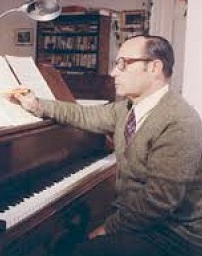 Giulio Viozzi (1912 - 29 novembre 1984): Tre accordi e le loro conseguenze per organo (1980). Roberto Cognazzo.
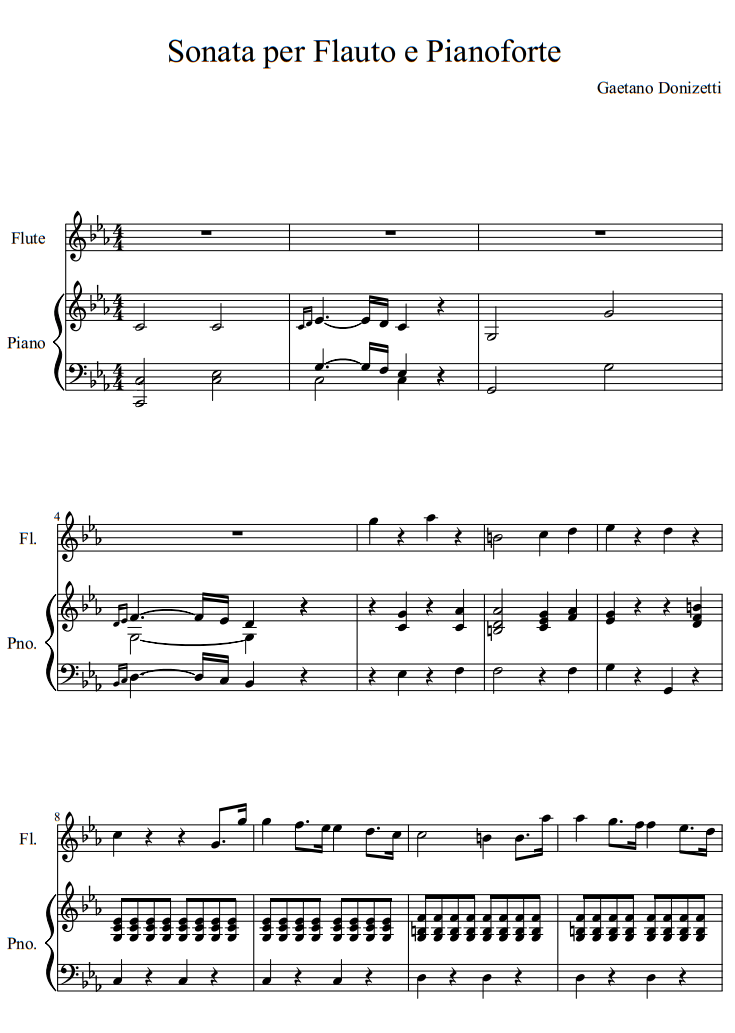
Gaetano Donizetti (29 novembre 1797 - 1848): Sonata in do minore-maggiore per flauto e pianoforte (1819). Maxence Larrieu, flauto; Jean-Jacques Balet, pianoforte.
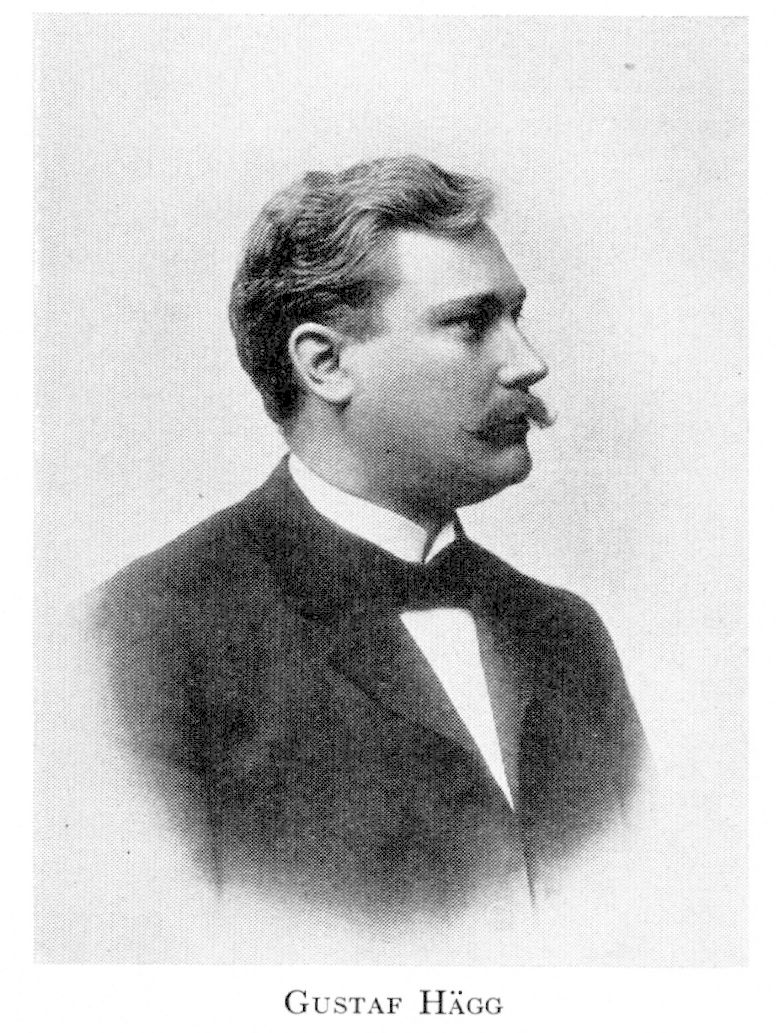
Gustaf Hägg (28 novembre 1867 - 1925): Trio in sol minore per violino, violoncello e pianoforte op. 15 (1896). Karel Sneberger, violino; Leif Berry, violoncello; Albena Zaharieva, pianoforte.
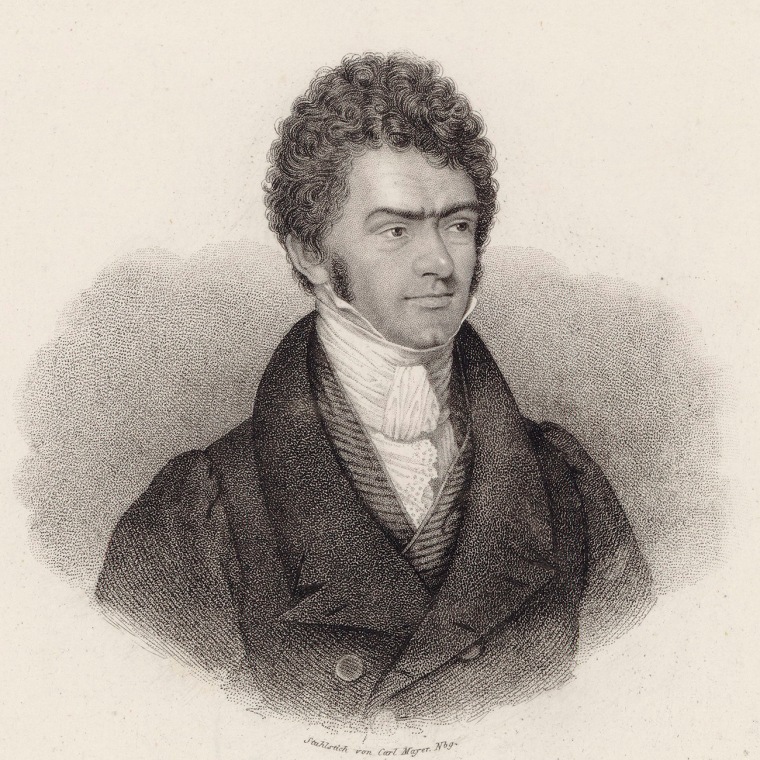
Ferdinand Ries (28 novembre 1784 - 1838): Settimino in mi bemolle maggiore per pianoforte, clarinetto, due corni, violino, violoncello e contrabbasso op. 25 (1808). Linos Ensemble.
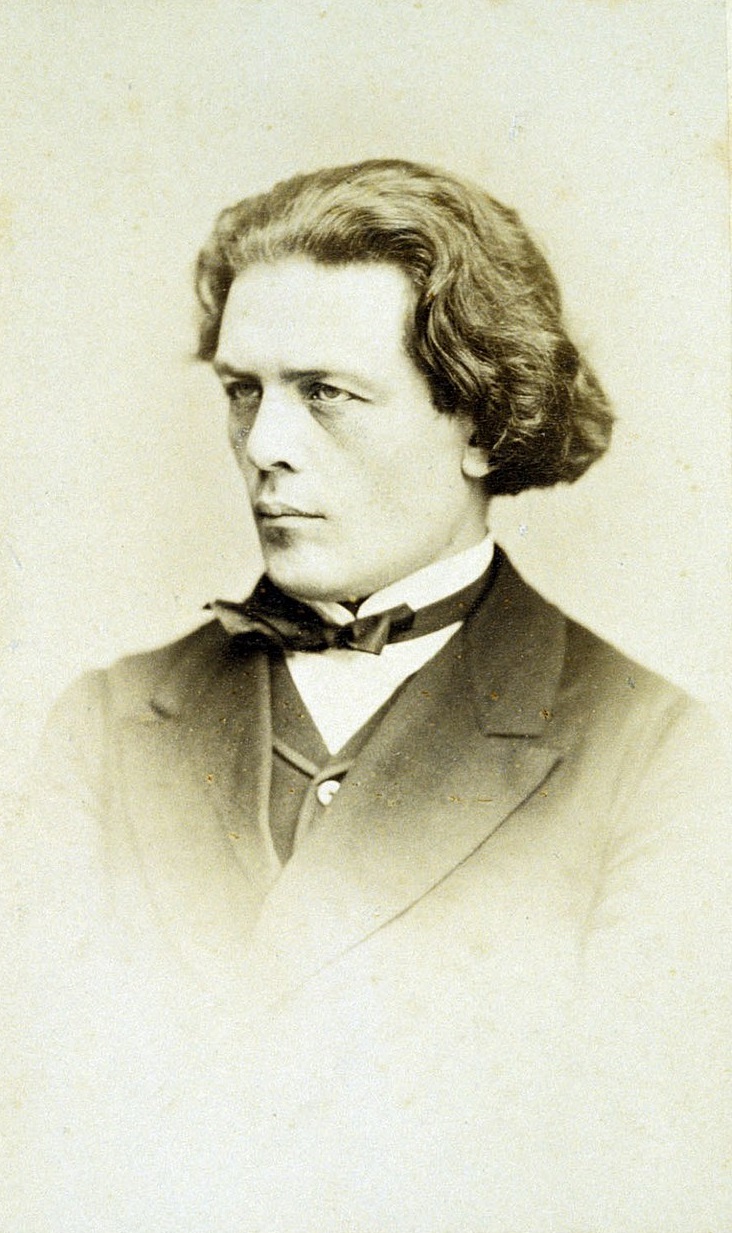
Anton Grigor’evič Rubinštejn (28 novembre 1829 - 20 novembre 1894): Sinfonia n. 2 in do maggiore op. 42, L’Oceano (versione del 1851). Orchestra sinfonica di Stato della Federazione russa, dir. Igor’ Golovščin.
Demetrios Lialios (28 novembre 1869 - 1940): Ανατολική εισαγωγή (Ouverture orientale). Orchestra filarmonica di Atene, dir. Byron Fidetzés.

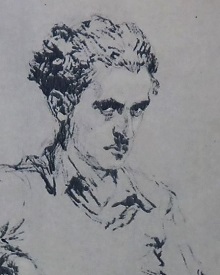 Roberto Lupi (28 novembre 1908 - 1971): Varianti per viola e pianoforte (1944). Bruno Giuranna, viola; Ornella Vannucci Trevese, pianoforte.
Havergal Brian (1876 - 28 novembre 1972): Sinfonia n. 1, Gothic Symphony (1919-27). Eva Jenisová, soprano; Dagmar Pecková, mezzosoprano; Peter Mikulas, tenore; Vladimir Dolezal, basso. Orchestra sinfonica, Orchestra filarmonica e Coro della Radio slovacca di Bratislava, dir. Ondrej Lenárd.
La Gotica di Havergal Brian è la più lunga sinfonia che sia mai stata scritta (e anche una delle più complesse e tecnicamente difficili da eseguirsi), come attesta il Guinness dei primati. Sembra inoltre che su questa composizione aleggi una sorta di maledizione: così racconta un grazioso documentario australiano di pochi anni fa. Ma noi, donne e uomini del XXI secolo, a queste cose ovviamente non crediamo 😉
Parte 1a:
Parte 2a:

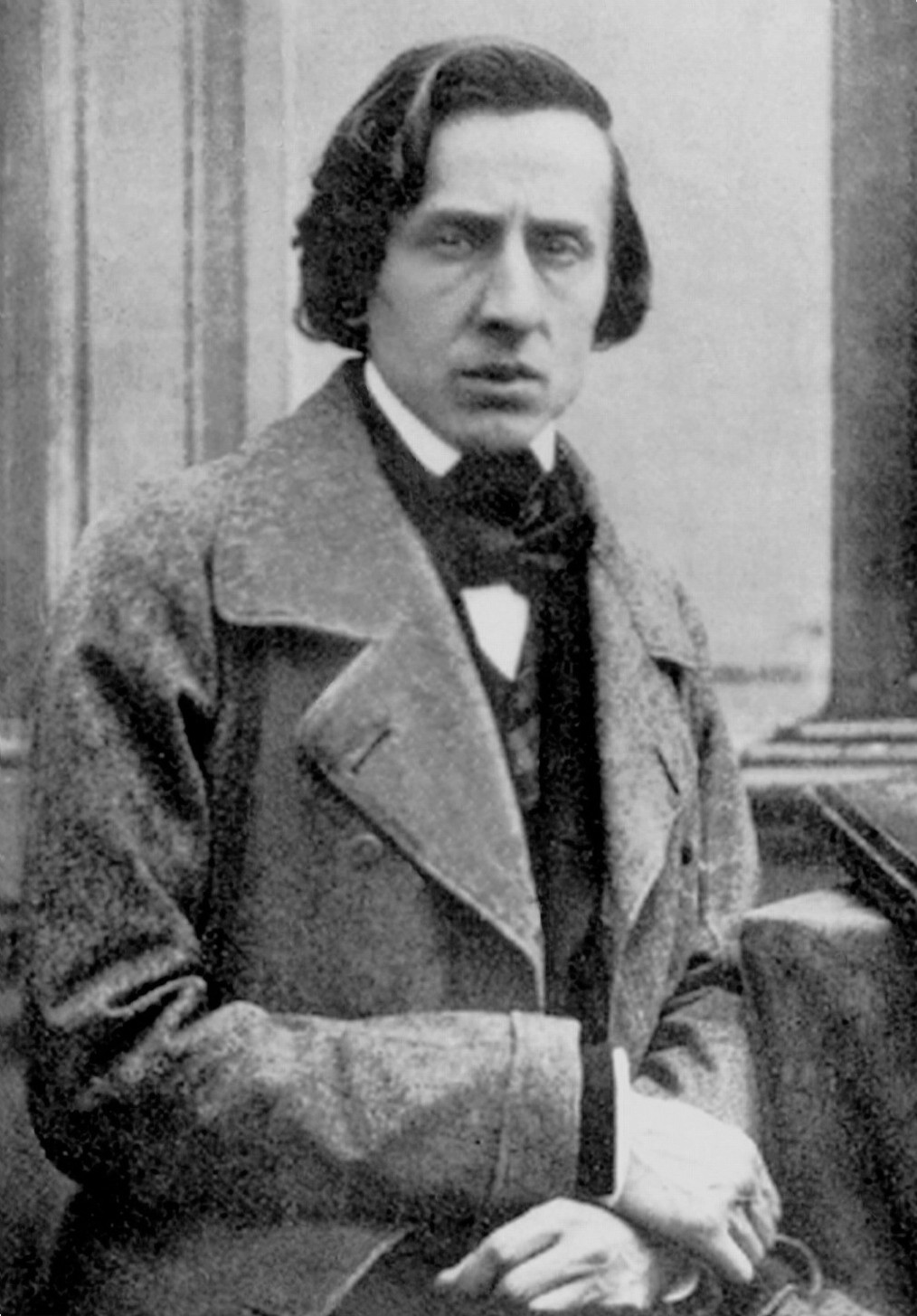
Fryderyk Chopin (1810 - 1849): Berceuse per pianoforte op. 57 (1843-44). Arturo Benedetti Michelangeli.
Non sappiamo con precisione quando Chopin cominciò a lavorare alla Berceuse, ma certo la composizione dovette essere molto tormentata: ci sono pervenuti abbozzi pieni di cancellature e correzioni, e il manoscritto in bella copia, contenente cioè la versione «definitiva», manca in realtà delle due misure iniziali, che evidentemente Chopin aggiunse all’ultimo momento, subito prima che l’opera fosse stampata. Sappiamo inoltre che originariamente il brano doveva intitolarsi Varianti, e che il nome fu mutato nell’attuale dietro suggerimento di alcuni amici del musicista; «il termine Varianti è certo il più indicato per definire la forma della Berceuse, che non consiste in un tema con variazioni ma piuttosto nel divenire di un tema» (Piero Rattalino). La Berceuse è in effetti un’opera «sperimentale», fra le più interessanti creazioni dell’ultimo periodo di Chopin. La mano sinistra — che «è il direttore d’orchestra», come diceva Fryderyk ai propri allievi — disegna al basso un «ostinato» sul quale una breve frase melodica si dissolve in sedici variazioni (o varianti) che si succedono senza soluzione di continuità, in un continuo fiorire di meravigliosi arabeschi: «ed ecco che abbiamo una ninnananna che scoraggia chiunque dall’idea di scriverne un’altra» (Arthur Hedley). L’insieme è straordinariamente dolce, di una delicatezza ineffabile (non vi sono indicazioni dinamiche che oltrepassino il piano) e fa pensare a una magica improvvisazione. Poco prima della fine, una strana dissonanza — un do♭ — aggiunge un’aura di mistero, poi il brano si chiude in un mormorio sommesso.
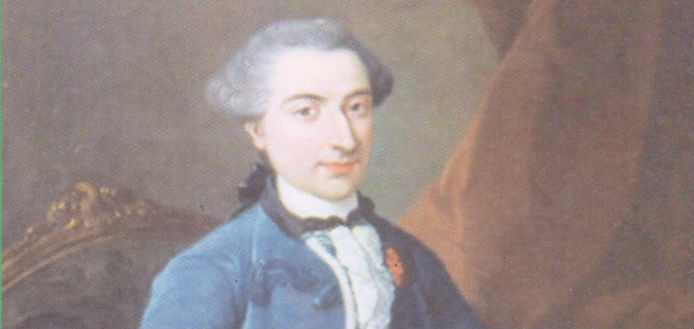
Francesco Bianchi (c1752 - 27 novembre 1810): Capriccio per il cembalo. Marco Ruggeri, clavicembalo.

Gaetano Pugnani (27 novembre 1731 - 1798): Sinfonia in sol maggiore. Orchestre des Pays de Savoie, dir. Reinhard Goebel.
Nota personale. Negli anni ’70 un musicologo torinese e un musicista lombardo ma attivo da sempre a Torino ricostruirono e diedero alle stampe un melologo composto da Pugnani sul testo del Werther di Goethe. Il musicista era Ruggero Maghini, Alberto Basso il musicologo: all’uno e all’altro sono riconoscente per quanto mi hanno insegnato.
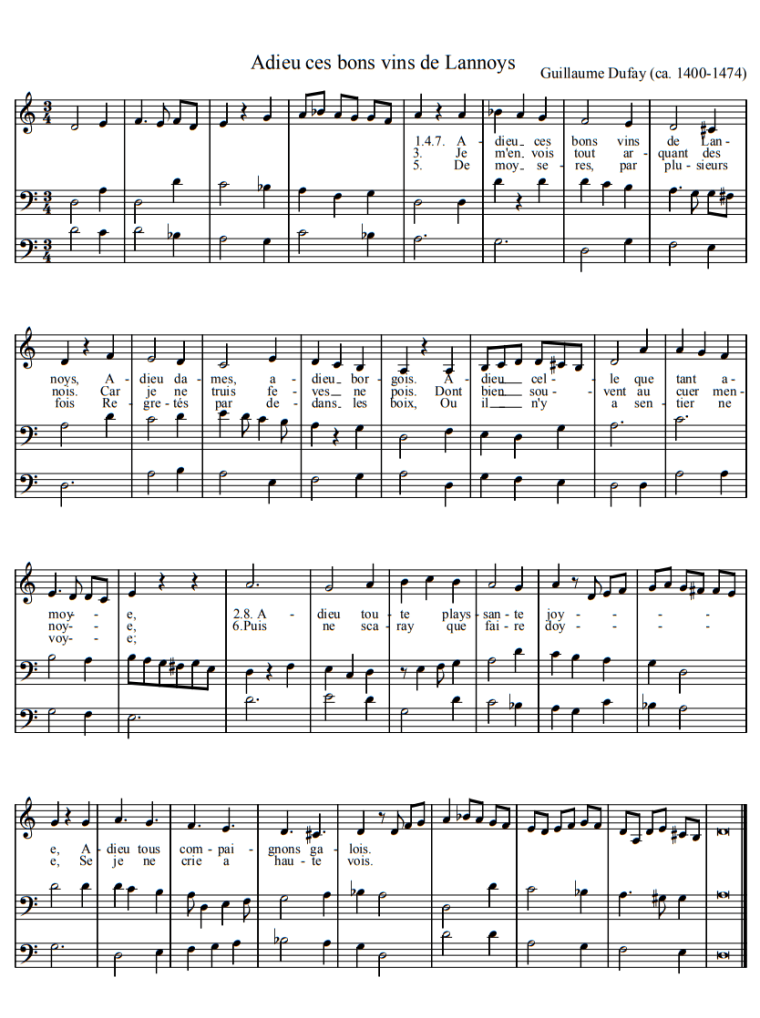
Guillaume Dufay (1397 - 27 novembre 1474): Adieu ces bons vins de Lannoys, rondeau a 3 voci (1427). The Orlando Consort.
Adieu ces bon vins de Lannoys,
Adieu dames, adieu borgois,
Adieu celle que tant amoye,
Adieu toute playssante joye,
Adieu tout compaignons galois.
Je m’en vois tout arquant des nois
Car je ne truis feves ne pois,
Dont bien souvent au cuer m’ennoye.
Adieu ces bon vins de Lannoys,
Adieu dames, adieu borgois,
Adieu celle que tant amoye.
De moy serés par plusieurs fois
Regretés par dedans les bois
Ou il n’y a sentier ne voye;
Puis ne scaray que faire doye,
Se je ne crie a haute vois:
Adieu ces bon vins de Lannoys,
Adieu dames, adieu borgois,
Adieu celle que tant amoye,
Adieu toute playssante joye,
Adieu tout compaignons galois.
Riccardo Malipiero (1914 - 27 novembre 2003): Costellazioni per pianoforte (1965). José Raúl López.
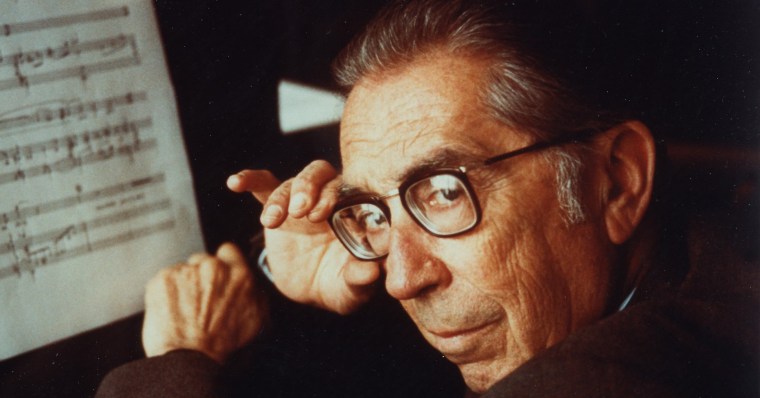
Helmut Lachenmann (27 novembre 1935): Ausklang per pianoforte e orchestra (1984-85). Ueli Wiget, pianoforte; Ensemble Modern Orchestra, dir. Markus Stenz.

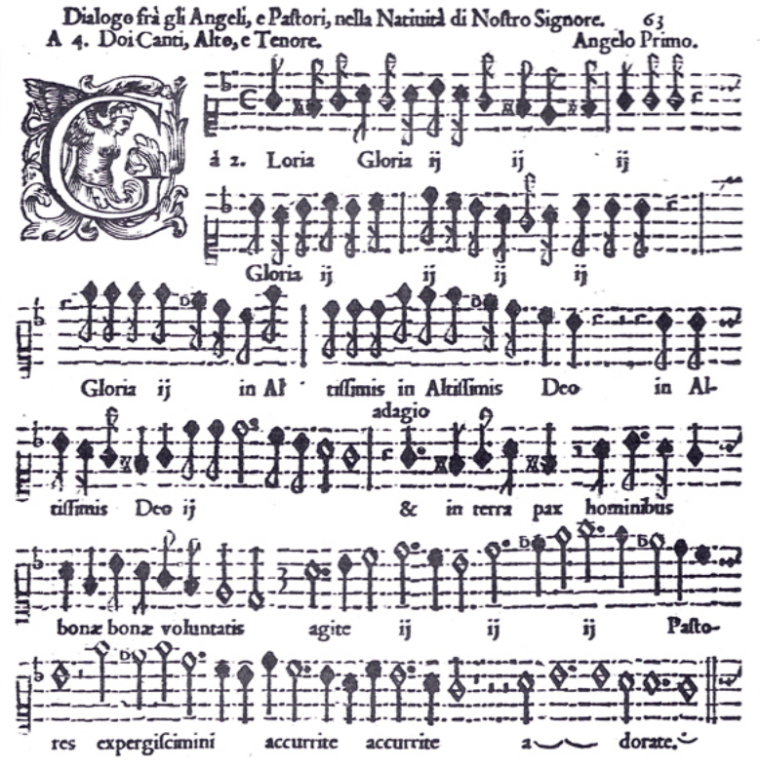
Chiara Margarita Cozzolani (27 novembre 1602-1678): Gloria in altissimis Deo (da Salmi a otto voci concertati… op. 3, 1650). Cappella Artemisia: Monica Piccinini e Silvia Vajente, soprani; Elena Biscuola e Candace Smith, mezzosoprani; Maria Christina Cleary, arpa barocca, Miranda Aureli, organo; dir. Candace Smith.
Sir Julius Benedict (27 novembre 1804 - 1885): Sinfonia in sol minore op. 101 (1874). Ulster Orchestra, dir. Myer Fredman.

Albert Ketèlbey (1875 - 26 novembre 1959): In a Persian Market, intermezzo-scene for chorus and orchestra (1920). Orchestra sinfonica e Coro della Radio slovacca di Bratislava, dir. Adrian Leaper.

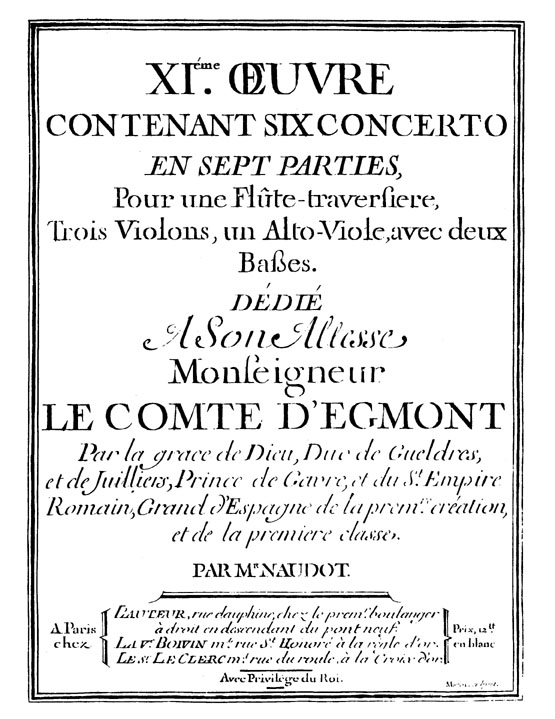
Jacques-Christophe Naudot (c1690 - 26 novembre 1762): Concerto in mi minore per flauto e archi op. 11 n. 5 (1737). Pál Németh, flauto e direzione; Capella Savaria.
Adrien-François Servais (1807 - 26 novembre 1866): La Romanesca, «fameux air de danse de la fin du XVIème siècle» per violoncello e pianoforte. Yutaka Hayashi, violoncello; Yusuke Satake, pianoforte.

Benedetto Pallavicino (1550/51 - 26 novembre 1601): Amor, i’ parto, madrigale a 5 voci (dal Sesto Libro dei Madrigali a 5 voci, 1600, n. 4) su testo di Battista Guarini. Daltrocanto, dir. Dario Tabbia.
Amor, i’ parto e sento nel partire
Al penar, al morire,
Ch’io parto da colei ch’è la mia vita.
Se ben ella gioisce
Quando il mio cor languisce?
O durezza incredibile e infinita
D’anima, che’l suo core
Può lasciar morto, e non sentir dolore.
Ben mi trafigge, Amore,
L’aspra mia pena, il mio dolor pungente;
Ma più mi duol il duol ch’ella non sente.

Earl Wild (26 novembre 1915 - 2010): Reminiscences of Snow White per pianoforte (1995). Tomomi Sato.
Si tratta di una fantasia sulle musiche composte da Frank Churchill (1901 - 1942) per il film d’animazione Biancaneve e i sette nani (Snow White and the Seven Dwarfs, 1937) di Walt Disney.
 Earl Wild
Aleksandr Gol’denvejzer (1875 - 26 novembre 1961): Sonata-fantasia (Скорбная песнь, Canto funebre) per pianoforte op. 37 (1957-59). Jonathan Powell.


Il dipinto nel video è Composizione VII (1913) di Vasilij Kandinskij.
Sandro Fuga (26 novembre 1906 - 1994): Sonata per violoncello e pianoforte n. 1 (1936). Massimo Macrì, violoncello; Giacomo Fuga, pianoforte.
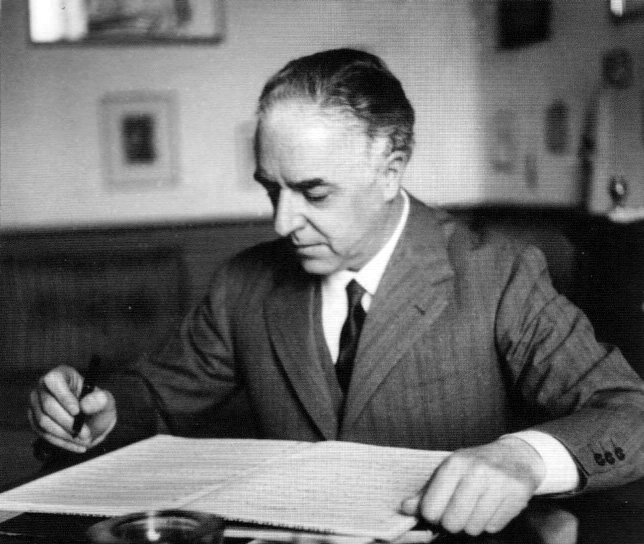
Sergej Ivanovič Taneev (25 novembre 1856 - 1915): Tema e variazioni in do minore per pianoforte (1874). Viktor Bunin.

Pierre Rode (1774 - 25 novembre 1830): Concerto n. 7 in la minore per violino e orchestra op. 9 (c1803). Friedemann Eichhorn, violino; Südwestrundfunk-Orchester Kaiserslautern, dir. Nicolás Pasquet.

Anonimo (XVI-XVII secolo): Up Tails All, variazioni per liuto. Paul O’Dette.
Giles Farnaby (c1563 - 25 novembre 1640): Up Tails All, dal Fitzwilliam Virginal Book (n. [CCXLII]). Ton Koopman, clavicembalo.


 la regina gioiosa