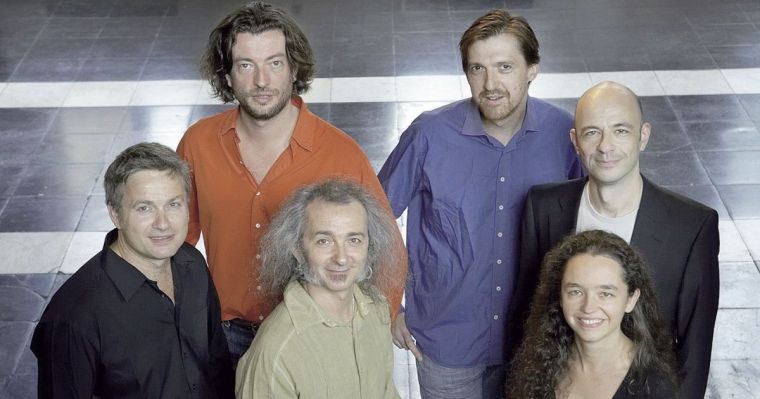
Thomas Campian (o Campion; 12 febbraio 1567 - 1620): Never weather-beaten saile, ayre (pubblicato nel First Book of Ayres, 1613, n. 11). Ensemble Phoenix Munich e Stile Antico.
Never weather-beaten saile more willing bent to shore.
Never tired pilgrim’s limbs affected slumber more,
Than my wearied sprite now longs to fly out of my troubled breast:
O come quickly, sweetest Lord, and take my soul to rest.
Ever blooming are the joys of Heaven’s high Paradise.
Cold age deafs not there our ears nor vapour dims our eyes:
Glory there the sun outshines whose beams the blessed only see:
O come quickly, glorious Lord, and raise my sprite to thee.
Alfonso Fontanelli (15 febbraio 1557 - 11 febbraio 1622): Io parto e nel partire, madrigale a 5 voci (pubblicato nel Primo Libro di madrigali senza nome, 1595, n. 13); testo di Annibale Pocaterra. Ensemble Per Passione.
Io parto, e nel partire,
Ahi, fier’empia partita,
Parte’l mio cor da me, parte la vita.
E spiro, o gran miracolo d’Amore!
Col nuovo essempio mio ben si può dire
C’huom viva senza core
E che lasci la vita huom che non more.
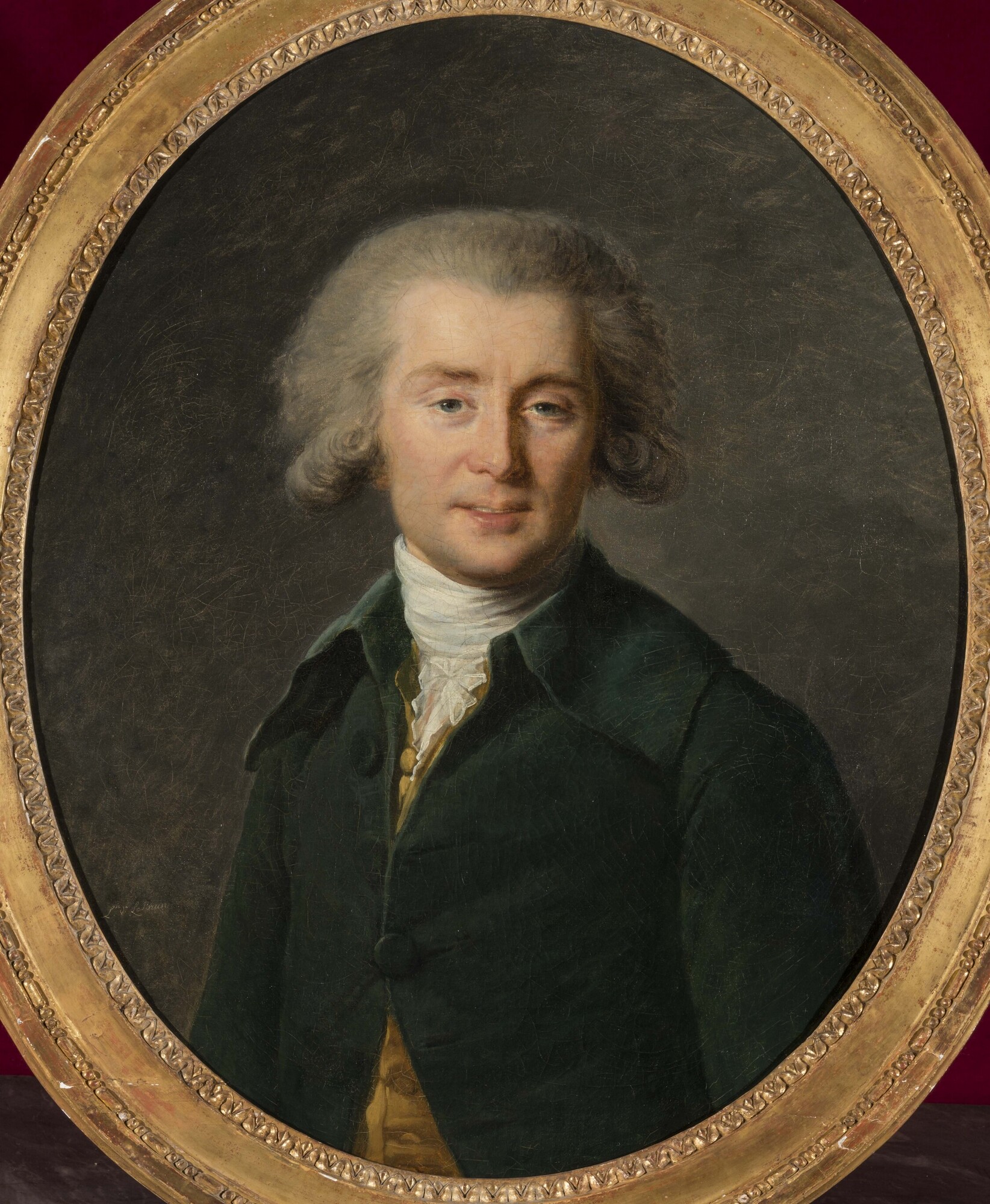
André Grétry (8 febbraio 1741 - 1813): «Ballet des Nymphes de Diane», dal I atto di Céphale et Procris, ou l’Amour conjugal, ballet héroïque su libretto di Jean-François Marmontel (1773). Les Agrémens. dir. Guy van Waas.
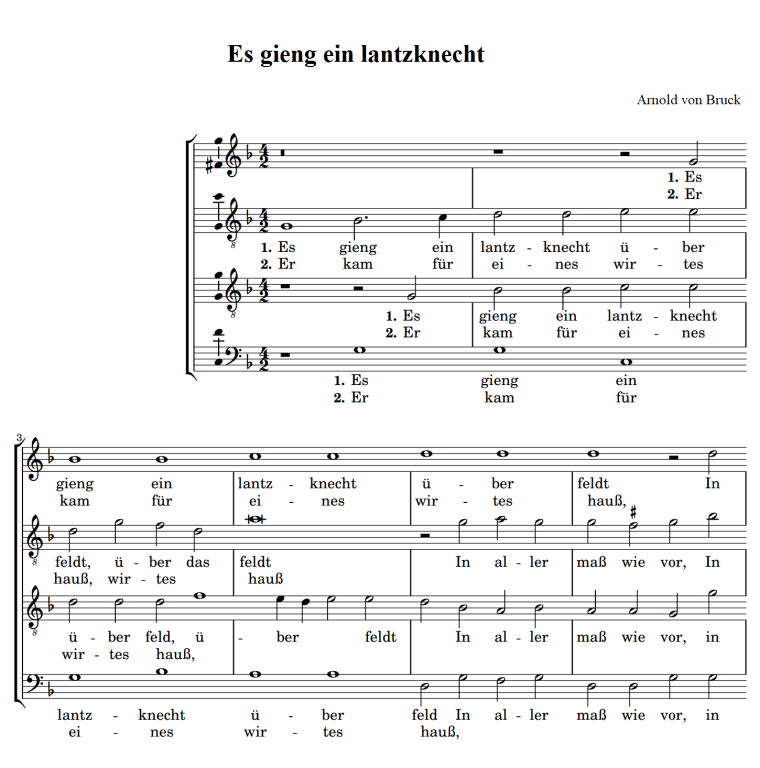
Arnold von Bruck (c1500 - 6 febbraio 1554): Es gieng ein lantzknecht a 4 voci (pubblicato in Der ander theil Kurtzweiliger guter frischer Teutscher Liedlein zu singen vast lustig, 1540, n. 47). Convivium Musicum e Ensemble Villanella.
Un lanzichenecco se ne va qua e là, come al solito non ha né da bere né denaro, e come al solito vorrebbe molto di più…
Es gieng ein lantzknecht über feldt
In aller maß wie vor,
Er het kein beutel noch kein gelt
Und dennoch noch vil weyter mer
in aller maß wie vor.
Beyne gut Heinrich ochsen kolben
huppen beim
encian specian lor òl rûbenkreut tanzapfen
docken breyte pleter
die sein innen hol.
Er kam für eines wirtes hauß,
In aller maß wie vor,
Die wirtin schawt zum fenster auß
Und dennoch noch vil weyter mer…
Johann Ludwig Bach (4 febbraio 1677 - 1731): Das ist meine Freude, mottetto per doppio coro e basso continuo. Jeune Chœur du Limousin e ensemble Chronochromie, dir. Jean-Michel Hasler.
Das ist meine Freude,
daß ich mich zu Gott halte
und meine Zuversicht
setze auf den Herren.
Das ist meine Freude.
Giovanni Pierluigi da Palestrina (1525 - 2 febbraio 1594): Vergine bella, madrigale spirituale a 5 voci (1581) su testo di Francesco Petrarca (1ª strofe). Ensemble Officium, dir. Wilfried Rombach.
Vergine bella, che di sol vestita,
coronata di stelle, al sommo Sole
piacesti sí, che ’n te Sua luce ascose,
amor mi spinge a dir di te parole:
ma non so ’ncominciar senza tu’ aita,
et di Colui ch’amando in te si pose.
Invoco lei che ben sempre rispose,
chi la chiamò con fede:
Vergine, s’a mercede
miseria extrema de l’humane cose
già mai ti volse, al mio prego t’inchina,
soccorri a la mia guerra,
bench’i’ sia terra, et tu del ciel regina.
Philip Glass (31 gennaio 1937): Songs from Liquid Days per voci e ensemble strumentale (1985) su testi di Paul Simon, Suzanne Vega, David Byrne e Laurie Anderson. Philip Glass Ensemble, dir. Michael Riesman.
Changing Opinion, testo di Paul Simon. Con Bernard Fowler, voce
Lightning, testo di Suzanne Vega. Con Janice Pendarvis, voce
Freezing, testo di Suzanne Vega. Con The Kronos Quartet; Linda Ronstadt, voce
Liquid Days (Part One), testo di David Byrne. Con The Roches, voci
Open the Kingdom (Liquid Days, Part Two), testo di David Byrne. Con Douglas Perry, voce
Forgetting, testo di Laurie Anderson. Con The Kronos Quartet; Linda Ronstadt e The Roches, voci
I. Changing opinion (Paul Simon)
Gradually
we became aware
of a hum in the room
an electrical hum in the room.
It went mmmmmm
We followed it from
corner to corner.
We pressed out ears
against the walls.
We crossed diagonals
and put our hands on the floor.
It went mmmmmm.
Sometimes it was
a murmur.
Sometimes it was
a pulse.
Sometimes it seemed
to disappear.
But then with a quarter-turn
of the head.
it would roll around the sofa.
A nimbus humming cloud
mmmmmm
Maybe it’s the hum
of a calm refrigerator
cooling on a big night.
Maybe it’s the hum
of our parents’ voices
long ago in a soft light
mmmmmm.
Maybe it’s the hum
of changing opinion
or a foreign language
in prayer.
Maybe it’s the mantra
of the walls and wiring.
Deep breathing
in soft air
mmmmmm
II. Lightning (Suzanne Vega)
Lightning struck a while ago
And it’s blazing much too fast
But give it rain of waiting time
And it will surely pass
Blow over
And it’s happening so quickly
As I feel the flaming time
And I grope about the embers
To relieve my stormy mind
Blow over
Shaken this has left me
And laughing and undone
With a blinding bolt of sleeplessness
That’s just begun
And a windy crazy running
Through the nights and through the days
And a crackling
Of the time burned away
Burned away
Now I feel it in my blood
All hot and sharp and white
With a whipcrack and a thunder
And a flash of flooding light
But there’ll be a thick and smoky
Silence in the air
When the fire finally dies
And I’m wondering who’ll be left there.
In the ashes of time
Burned away
Burned away
III. Freezing (Suzanne Vega)
If you had no name
If you had no history
If you have no books
If you had no family
If it were only you
Naked on the grass
Who would you be then?
This is what he asked
And I said I wasn’t really sure
But I would probably be
Cold
And now I’m freezing
Freezing
IV. Liquid Days (Part One) (David Byrne)
Oh Round Desire
Oh Red Delight
The River is Blood
The Time is Spent
Love likes me
Love takes it shoes off and sits on the couch
Love has an answer for everything
Love smiles gently…and crosses its legs well here we are well here we are
Sleep
Sleep
Sleep…Being in Air
Sleep…Turning to speak
Sleep…Losing our Way
Sleep…Pour it all Out
We are old Friends
I offer Love a Beer
Love watches Television
Love needs a bath
Love could use a shave
Love rolls out of the chair and wiggles on the floor
Jumps Up
I’m Laughing at Love
Drink Me
Drink Me
Drink Me
Drink Me
Drive…Why do You Ask?
Breaths…Still is the Night
Drive…It is much Further
Sleep…Than We Thought
In Liquid Days
Land Travel(s) Hard
Fly Home Daughter
Cover Your Ears
V. Open the Kingdom (Liquid Days, Part Two) (David Byrne)
Days of fishes
Distant roar
Turning to speak
Turning to hear
Open the Kingdom
Open the Kingdom
Open the Kingdom
Open the Kingdom…
In my way
In my way
Being most uncertain
And This Remains
Still for better
Birds of Voices
The Field of Living
I am Asking
I am Asking
I am Asking
Returning Love
Returning With Love
Then it was
Written with Love
VI. Forgetting (Laurie Anderson)
A man wakes up to the sound of rain
From a dream about his lovers
Who pass through his room.
They brush lightly by, these lovers.
They pass. Never touching.
These passing lovers move through his room.
The man is awake now
He can’t get to sleep again.
So he repeats these words
Over and over again:
Bravery. Kindness. Clarity.
Honesty. Compassion. Generosity.
Bravery. Honesty. Dignity.
Clarity. Kindness. Compassion.
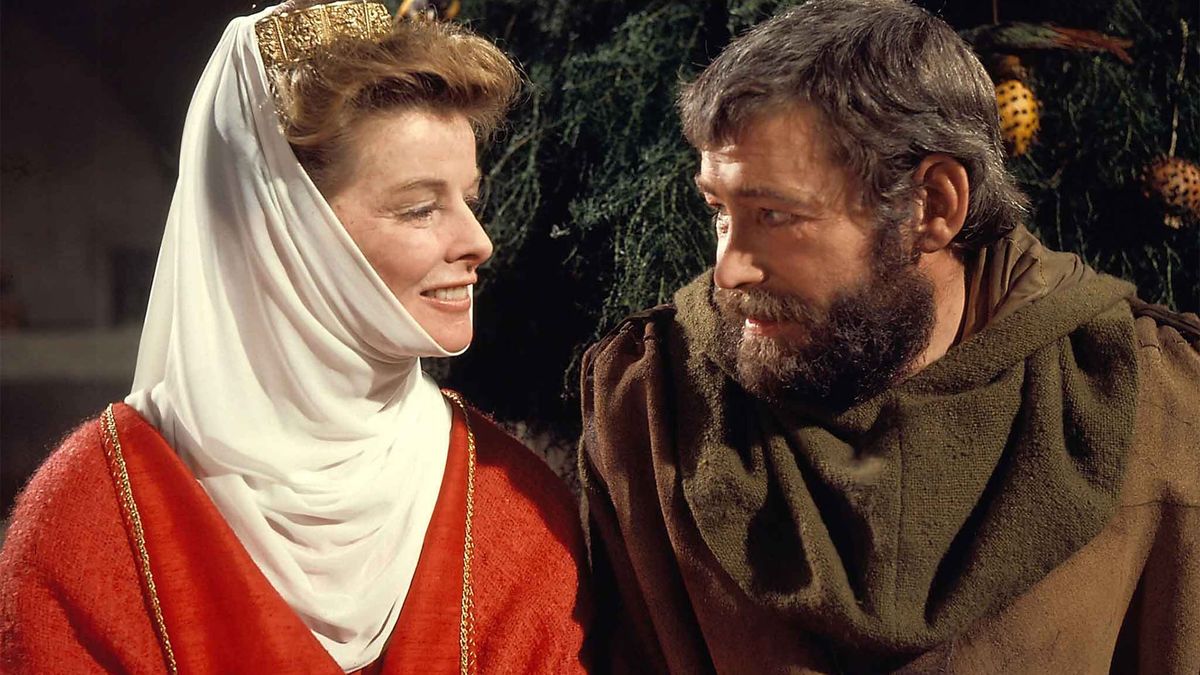
John Barry (1933 - 30 gennaio 2011): The lion in winter, suite sinfonica dalla colonna sonora dell’omonimo film (1968) di Anthony Harvey.
Nel 1969 al film furono assegnati tre premi Oscar: a Katharine Hepburn come miglior attrice protagonista, a James Goldman per la migliore sceneggiatura non originale (tratta da un lavoro teatrale dello stesso Goldman) e, appunto, a Barry per la miglior colonna sonora.
Scipione Dentice (29 gennaio 1560 - 1633): Vergine dolc’e pia, lauda a 4 voci (pubblicata in Nuove laudi ariose della Beatissima Vergine, 1600, n. 1). Ensemble Progetto Musica, dir. Giulio Monaco.
Vergine dolc’e pia,
alta speranza mia
a’ miei prieghi t’inchina
ben ch’io sia terra
e tu del ciel Regina.
Vergine da ch'io l'ami
n’altro mai che lui brami,
arda sempre il mio coro,
arda e sfavilli
del tuo santo amore.
John Tavener (28 gennaio 1944 - 2013): Song for Athene per coro a cappella (1993) su testo di madre Thekla (Marina Šarf, 1918 – 2011). King’s College Choir, Cambridge.
Alleluia
Alleluia
May flights of angels sing thee to thy rest
Alleluia
Alleluia
Remember me, O Lord, when you come into your kingdom
Alleluia
Alleluia
Give rest, O Lord, to your handmaid who has fallen asleep
Alleluia
Alleluia
The Choir of Saints have found the well-spring of life and door of paradise
Alleluia
Alleluia
Life: a shadow and a dream
Alleluia
Alleluia
Come, enjoy rewards and crowns I have prepared for you.
Alleluia
Alleluia.
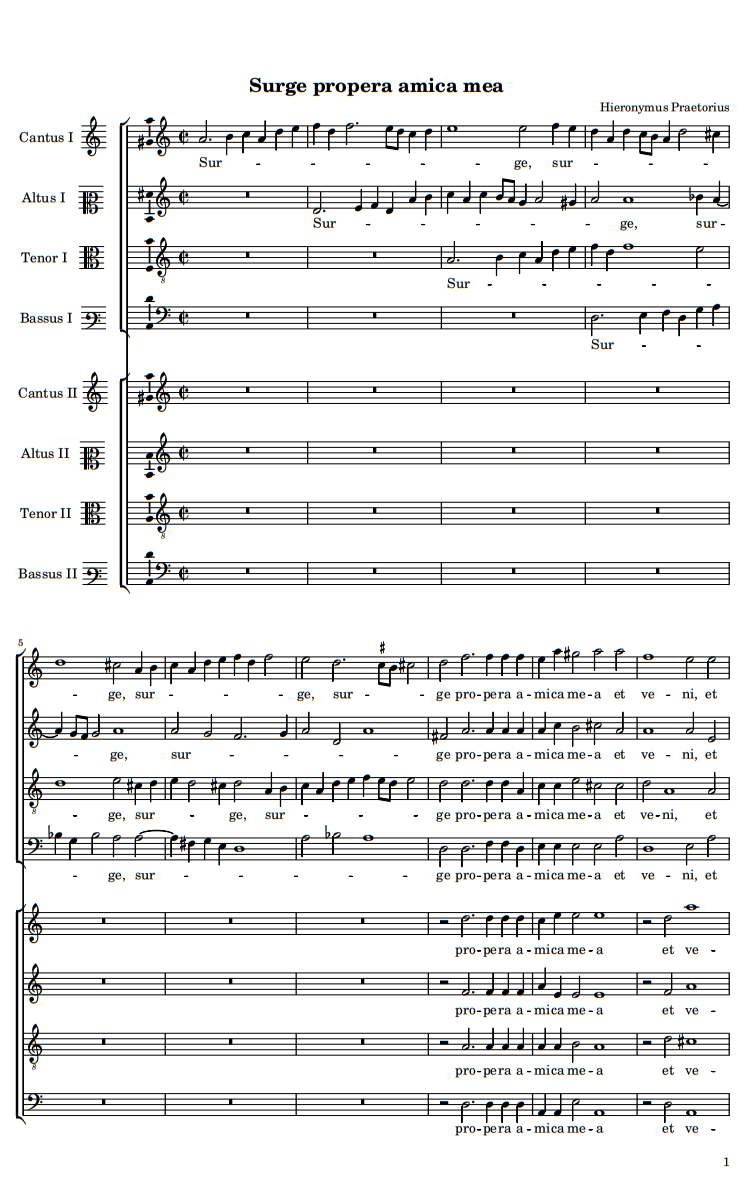
Hieronymus Praetorius (1560 - 27 gennaio 1629): Surge, propera, amica mea, mottetto per doppio coro a 8 voci (da Sacrae cantiones de praecipuis festis totius anni, 1599, n. 25), testo liberamente tratto dal Canticum canticorum II:10 passim. Balthasar-Neumann-Chor e Balthasar-Neumann-Ensemble, dir. Pablo Heras-Casado.
Surge, propera, amica mea, et veni.
Iam hiems transiit;
imber abiit et recessit.
Flores apparuerunt in terra nostra.
Tempus putationis advenit.
Surge, propera, speciosa mea, et veni,
formosa mea, columba mea,
in foraminibus petrae,
in caverna maceriae,
ostende mihi faciem tuam.
Sonet vox tua in auribus meis,
vox enim tua dulcis
et facies tua decora.
Johann Hermann Schein (20 gennaio 1586 - 1630): O, Herr Jesu Christe, mottetto a 5 voci e basso continuo (da Israelsbrünnlein – Fontana d’Israel, 1623, n. 23); testo attribuito al compositore. Ensemble Sagittarius, dir. Michel Laplénie.
O, Herr Jesu Christe, doch nicht vorübergeh, bleib mit deim Wort an diesem Ort.
Dein heilge Sakrament erhalt an diesem End, sonst sein wir wie die Schaf verirrt.
Ach weid’ uns selbst, du guter Hirt.
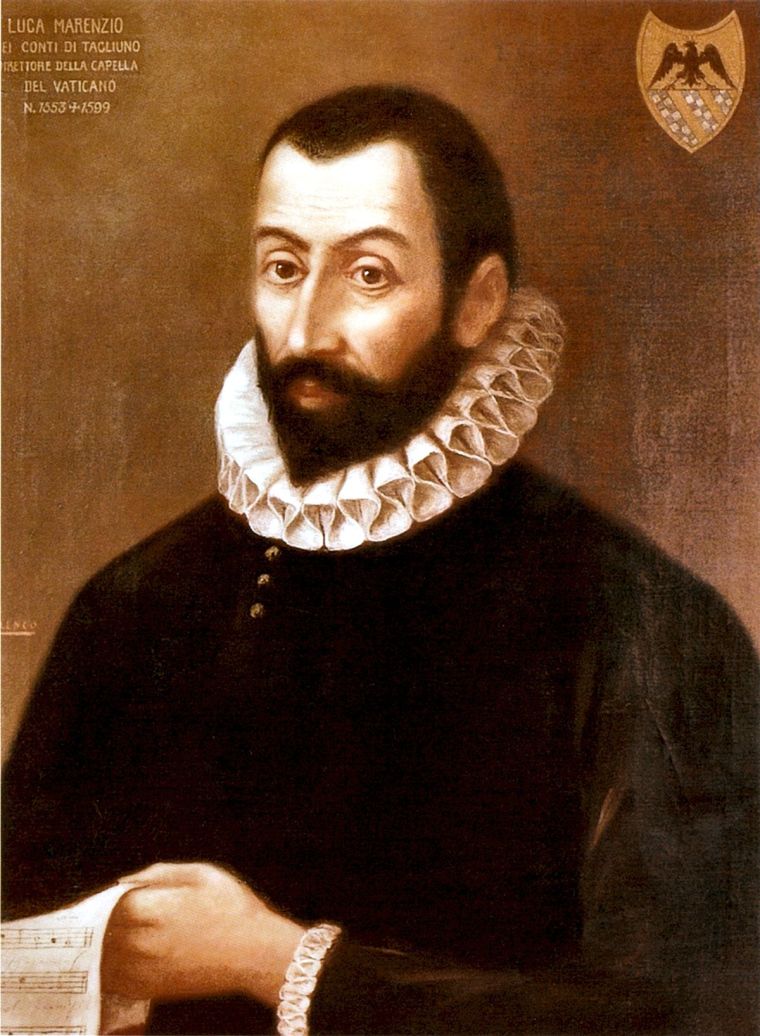
Luca Marenzio (1553 o 1554 - 1599): Clori nel mio partire, madrigale a 5 voci (dal Sesto libro de madrigali a cinque voci, 1594, n. 2). La Venexiana, dir. Claudio Cavina.
Clori nel mio partire
Languiva al mio languire
E da le luci ov’ha ricetto Amore
Cadeano a mille
Le rugiadose stille.
Cauto v’accorse il mio dolente core,
E da begl’ occhi intanto
Co’ baci n’involò quel vago pianto.
Meraviglia gentile e non più udita:
Quel pianto il cibo fu de la mia vita !
Hor che di lei son privo,
Mercé di quelle lagrime mi vivo.
Gavin Bryars (16 gennaio 1943): Concerto per pianoforte, coro maschile e orchestra, The Solway Canal (2010); testi di Edwin Morgan (1920 - 2010). Ralph van Raat, pianoforte; Cappella Amsterdam, Nederlands Radio Kamer Filharmonie, dir. Otto Tausk.
The Solway Canal
Slowly through the Cheviot Hills at dawn we sailed. The high steel bridge at Carter Bar passed over us in fog with not a car in its broad lanes. Our hydrofoil slid on, vibrating quietly through wet rock walls and scarves of dim half-sparkling April mist; a wizard with a falcon on his wrist was stencilled on our bow. Rough waterfalls flashed on that northern island of the Scotts as the sun steadily came up and cast red light along the uplands and the waves, and gulls with open beaks tore out our thoughts through the thick glass to where the Eildons massed, or down to the Canal’s drowned borderers’ graves.
A Place of Many Waters
Infinitely variable water, let seals bob in your silk or loll on Mull where the lazy fringes rustle; let hull and screw slew you round, blind heavy daughter feeling for shores; keep kelpies in loch lairs, eels gliding, malts mashing, salmon springing; let the bullers roar to the terns winging in from a North Sea’s German Ocean airs of pressing crashing Prussian evening blue; give linns long fall; bubble divers bravely down to mend the cable you love to rust; and slant at night through lamplit cities, true as change is true, on gap-site pools, gravely splintering the puckering of the gust.
Di Gentian, attivo intorno alla metà del Cinquecento, non si sa pressoché nulla; con il suo nome ci sono pervenute una ventina di chansons, quasi tutte pubblicate da Attaingnant. Di Je suis Robert ho trovato in rete, fra le altre, queste due interpretazioni: a voce sola e liuto, eseguita da Valéry Sauvage; e a quattro voci, quelle del formidabile Ensemble «Clément Janequin».
Je suis Robert, le beau Robert,
Qui la brunette tant aimoit.
Ne scauroit on trouver un messagier en France
Qui se voulust aller au jardin de plaisance
Dire à Robert, Robert, le beau Robert,
Que la brunette se mouroit.
Je suis Robert…
Quand Robert eust oui la certaine nouvelle
Il a bridé Moreau et luy a mis la selle,
Picqua des é- des éperons jolis,
Pour la brunette secourir.
Je suis Robert…
Quand Robert fust entré au milieu de la ville
Il a oui chanter l’alouette jolie
Qui en son chant, son joli chant disoit
Que la brunette guérissoit.
Je suis Robert, le beau Robert,
Qui la brunette tant aimoit.
Costanzo Festa (c1485/90-1545): Quis dabit oculis nostris, elegia in morte di Anna di Bretagna, regina di Francia. Huelgas Ensemble, dir. Paul van Nevel.
Quis dabit oculis nostris fontem lachrymarum?
Et plorabimus die ac nocte coram Domino?
Britannia, quid ploras? Musica sileat.
Francia, cur deducta lugubri veste
maerore consumeris?
Heu nobis, Domine, defecit Anna,
gaudium cordis nostri.
Conversus est in luctum chorus noster.
Cecidit corona capitis nostri.
Ergo ululate pueri, plorate sacerdotes,
ululate senes, lugete cantores,
plangite nobiles et dicite:
Anna, Anna, requiescat in pace.
La regina Anna di Bretagna, consorte di Luigi XII di Francia, morì il 9 gennaio 1514; le cerimonie funebri durarono quaranta giorni.
Maurice Duruflé (11 gennaio 1902 - 1986): Requiem op. 9, versione con grande orchestra (1950). Anne Sofie von Otter, mezzosoprano; Thomas Hampson, baritono; Marie-Claire Alain, organo; coro Orféon Donostiarra; Orchestre du Capitole de Toulouse, dir. Michel Plasson.
I. Introït
Requiem aeternam dona eis Domine,
et lux perpetua luceat eis.
Te decet hymnus Deus in Sion,
et tibi reddetur votum in Jerusalem.
Exaudi orationem meam,
ad te omnis caro veniet.
Requiem aeternam dona eis Domine,
et lux perpetua luceat eis.
II. Kyrie [3:56]
Kyrie eleison.
Christe eleison.
Kyrie eleison.
III. Domine Jesu Christe [8:26]
Domine Jesu Christe, Rex gloriae,
libera animas omnium fidelium defunctorum
de poenis inferni, et de profundo lacu.
Libera eas de ore leonis,
ne absorbeat eas tartarus,
ne cadant in obscurum.
Sed signifer sanctus Michael
repraesentet eas in lucem sanctam,
quam olim Abrahae promisisti, et semini ejus.
Hostias et preces tibi, Domine, laudis offerimus.
Tu suscipe pro animabus illis,
quarum hodie memoriam facimus;
fac eas, Domine, de morte transire ad vitam,
quam olim Abrahae promisisti, et semini ejus.
IV. Sanctus [17:14]
Sanctus Dominus Deus Sabaoth.
Pleni sunt coeli et terra gloria tua.
Hosanna in excelsis.
Benedictus qui venit in nomine domini.
Hosanna in excelsis.
V. Pie Jesu [21:23]
Pie Jesu Domine,
dona eis requiem sempiternam.
VI. Agnus Dei [25:27]
Agnus Dei, qui tollis peccata mundi,
dona eis requiem sempiternam.
VII. Lux aeterna [29:55]
Lux aeterna luceat eis, Domine,
cum sanctis tuis in aeternum, quia pius es.
Requiem aeternam, dona eis Domine,
et lux perpetua luceat eis.
VIII. Libera me [34:08]
Libera me, Domine, de morte aeterna,
in die illa tremenda, quando coeli movendi sunt et terra,
dum veneris judicare saeculum per ignem.
Tremens factus sum ego, et timeo,
dum discussio venerit, atque ventura ira.
Dies illa, dies irae,
calamitatis et miseriae,
dies magna et amara valde.
Dum veneris judicare saeculum per ignem.
Requiem aeternam dona eis, Domine,
et lux perpetua luceat eis.
IX. In Paradisum [40:25]
In Paradisum deducant te Angeli,
in tuo adventu suscipiant te martyres,
et perducant te in civitatem sanctam Jerusalem.
Chorus Angelorum te suscipiat,
et cum Lazaro quondam paupere
aeternam habeas requiem.
Bellissimo lavoro, in sostanza una rielaborazione polifonica moderna di canti gregoriani, tutti desunti dalla Missa pro defunctis. Il Requiem era stato originariamente (1941) commissionato a Duruflé dal governo collaborazionista di Vichy.
Jacobus Vaet (c1529 - 8 gennaio 1567): Currite, felices, mottetto a 6 voci (1563). The Song Company, dir. Roland Peelman.
Currite, felices divorum
Cura quod oras jam modo
Ad Hispanas instituistis iter,
Austriacae Rudolphe domus nova gloria fratri
Quique Erneste tuo cedere turpe putas.
Auspiciis ad sunt modo nam felicibus astra,
Atque parant faciles fata benigna vitas.
Et precibus votisque deos sine fine fatigans,
Fortuna en vestros excubat ante pedes.
Quorum ut optatos mundo sol cerneret ortus,
Serus anhelantes aequore mersit aequos.
Illa etenim facies, animosi plena vigoris,
Divina et vestri corporis effigies,
Nil penitus mortale, tenent manifestaque nobis.
Herculei reddunt seminis inditia,
Ergo, age cresce potens certissima cura deorum,
Blanditiae magni deliciaeque patris.
Vosque ubi longa senes capient fastidia terrae,
Det Deus aethereas inhabitare domos.
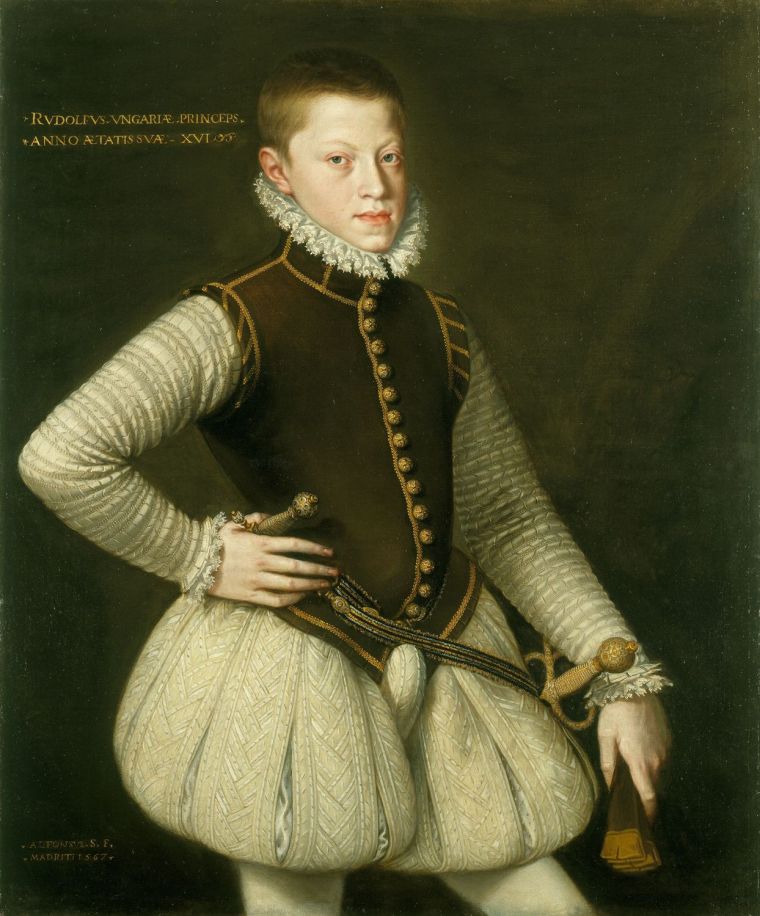
Ecco un esempio di mottetto profano: fu composto in occasione della partenza dell’undicenne Rodolfo d’Asburgo (poi divenuto imperatore come Rodolfo II) e del fratello di questi, Ernesto, alla volta di Madrid, ove i due giovani sarebbero stati ospitati presso la corte dello zio, il re di Spagna Filippo II – il dato permette di stabilire con certezza l’anno della composizione.
Rodolfo d’Asburgo (il futuro imperatore Rodolfo II) nel 1568
Michael Tippett (2 gennaio 1905 - 8 gennaio 1998): Over the sea to Skye per coro a cappella (1956). BBC Singers, dir. Stephen Cleobury.
Rielaborazione di una delle più belle melodie scozzesi di ogni tempo, il brano di Tippett si dipana su parte del testo che sir Harold Boulton (1859-1935) adattò alla melodia tradizionale e pubblicò nel 1884 con il titolo The Skye Boat Song; i versi fanno riferimento a un episodio semileggendario della vita di Carlo Edoardo Stuart, risalente a poco più di due mesi dopo la battaglia di Culloden, cioè a fine giugno 1746, quando Bonnie Prince Charlie, accompagnato da Flora MacDonald e altri giacobiti, attraversò in barca il Mar delle Ebridi, da South Uist a Skye.
Speed, bonnie boat, like a bird on the wing,
Onward! the sailors cry;
Carry the lad that’s born to be King
Over the sea to Skye.
Loud the winds howl, loud the waves roar,
Thunderclouds rend the air;
Baffled, our foes stand by the shore,
Follow they will not dare.
Speed, bonnie boat, like a bird on the wing…
Though the waves leap, soft shall ye sleep,
Ocean’s a royal bed.
Rocked in the deep, Flora will keep
Watch by your weary head.
Speed, bonnie boat, like a bird on the wing…
Many’s the lad fought on that day,
Well the Claymore could wield,
When the night came, silently lay
Dead on Culloden’s field.
Speed, bonnie boat, like a bird on the wing…
Burned are their homes, exile and death
Scatter the loyal men;
Yet ere the sword cool in the sheath
Charlie will come again.
The Skye Boat Song viene frequentemente cantato sui versi dedicati al medesimo soggetto da Robert Louis Stevenson (n. 42 della raccolta Songs of Travel, 1892):
Sing me a song of a lad that is gone,
Say, could that lad be I?
Merry of soul he sailed on a day
Over the sea to Skye.
Mull was astern, Rùm on the port,
Eigg on the starboard bow;
Glory of youth glowed in his soul;
Where is that glory now?
Sing me a song of a lad that is gone…
Give me again all that was there,
Give me the sun that shone!
Give me the eyes, give me the soul,
Give me the lad that’s gone!
Sing me a song of a lad that is gone…
Billow and breeze, islands and seas,
Mountains of rain and sun,
All that was good, all that was fair,
All that was me is gone.
Sing me a song of a lad that is gone…
Con il testo di Stevenson leggermente modificato, in relazione alla storia narrata («a lad» diventa così «a lass»), The Skye Boat Song è parte fondamentale della colonna sonora di una recente serie televisiva di successo. L’elaborazione musicale è di Dominik Hauser, la voce di Kathryn Jones.
Fra le interpretazioni esclusivamente strumentali, la più nota è certo quella di sir James Galway accompagnato da The Chieftains.
Carlo Edoardo Stuart ritratto da Allan Ramsay (1745)
Antonio Lotti (5 gennaio 1667 - 5 gennaio 1740): Crucifixus a 8 voci. The Cambridge Singers.
Crucifixus etiam pro nobis sub Pontio Pilato:
Passus, et sepultus est.
Et resurrexit tertia die, secundum Scripturas.
Et ascendit in coelum: sedet ad dexteram Patris.
Et iterum venturus est cum gloria judicare vivos et mortuos;
Cujus regni non erit finis.
Paolo Lorenzani (5 gennaio 1640 - 1713): O quam suavis est, mottetto a 3 voci e basso continuo (1693). Le Vaisseau d’or, dir. Martin Robidoux.
O quam suavis est Domine spiritus tuus,
Qui ut dulcedinem tuam in filios demonstares,
Pane suavissimo de cælo præstito,
esurientes reples bonis,
Fastidiosos divites dimittens inanes.
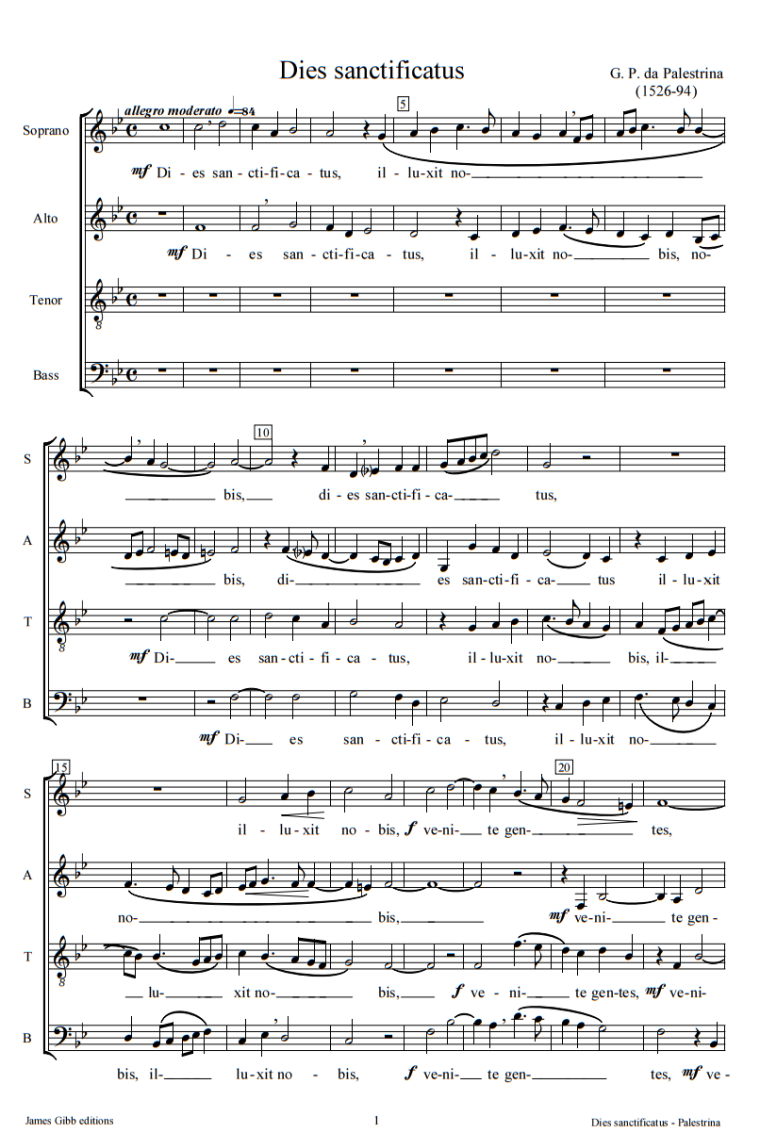
Giovanni Pierluigi da Palestrina (1525 - 1594): Dies sanctificatus, responsorio a 4 voci (pubblicato in Motecta festorum totius anni liber primus, 1564, n. 1). Accademia filarmonica romana.
Dies sanctificatus illuxit nobis:
Venite gentes, et adorate Dominum.
Quia hodie descendit lux magna in terris.
Alleluia.
Haec dies quam fecit Dominus:
Exultemus, et laetemur in ea.
Bellissimo canone alla 5a inferiore (do – fa), non sfugge la sua linearità all’orecchio né all’occhio che segue la partitura: do – do-re-dolasib-la canta il soprano, fa – fa-sol-faremib-re risponde il contralto a distanza di una battuta, poi all’ottava-nona battuta il gioco è ripreso da tenore e basso, che però attaccano metà misura dopo.
E com’è bravo Palestrina a suscitare una sensazione di serena leggerezza proprio là dove il contrappunto è più intricato 🙂
Pierre Robert (c1620 - 28 dicembre 1699): Nisi Dominus, grand motet a 2 cori e orchestra (da Motets pour la Chapelle du Roy mis en musique par Monsieur l’Abbé Robert, 1684, n. 12) sul testo del Salmo CXXVII (126). Dagmar Šašková, dessus; Damien Guillon e Robert Getchell, hautes-contre; Jean-François Novelli, taille; Alain Buet, basse-taille; Arnaud Richard, basse; Les Pages & les Chantres du Centre de musique baroque de Versailles, ensemble Musica Florea (dir. Marek Štryncl), dir. Olivier Schneebeli.
Nisi Dominus aedificaverit domum, in vanum laboraverunt qui aedificant eam. Nisi Dominus custodierit civitatem, frustra vigilat qui custodit eam.
Vanum est vobis ante lucem surgere: surgite postquam sederitis, qui manducatis panem doloris. Cum dederit dilectis suis somnum,
ecce haereditas Domini, filii; merces, fructus ventris.
Sicut sagittae in manu potentis, ita filii excussorum.
Beatus vir qui implevit desiderium suum ex ipsis: non confundetur cum loquetur inimicis suis in porta.
Perotino (c1160 - c1230): Sederunt principes, organum quadruplum sul graduale della messa di Santo Stefano (composto forse nel 1199). The Early Music Consort of London, dir. David Munrow.
Fonti del testo sono il Salmo 118, vv. 23a e 86b, e il 108, v. 26:
118: 23a Sederunt principes, et adversum me loquebantur:
86b et iniqui persecuti sunt me.
108: 26a Adjuva me, Domine Deus meus:
26b salvum me fac propter misericordiam tuam.
Mi chiesi se l’Abate non avesse scelto di far cantare quel graduale proprio quella notte, quando ancora erano presenti alla funzione gli inviati dei principi, per ricordare come da secoli il nostro ordine fosse pronto a resistere alla persecuzione dei potenti, grazie al suo privilegiato rapporto col Signore, Dio degli eserciti. E invero l’inizio del canto diede una grande impressione di potenza.
Sulla prima sillaba se iniziò un coro lento e solenne di decine e decine di voci, il cui suono basso riempì le navate e aleggiò sopra le nostre teste, e tuttavia sembrava sorgere dal cuore della terra. Né s’interruppe, perché mentre altre voci incominciavano a tessere, su quella linea profonda e continua, una serie di vocalizzi e melismi, esso — tellurico — continuava a dominare e non cessò per il tempo intero che occorre a un recitante dalla voce cadenzata e lenta per ripetere dodici volte l’Ave Maria. E quasi sciolte da ogni timore, per la fiducia che quell’ostinata sillaba, allegoria della durata eterna, dava agli oranti, le altre voci (e massime quelle dei novizi) su quella base petrosa e solida innalzavano cuspidi, colonne, pinnacoli di neumi liquescenti e subpuntati. E mentre il mio cuore stordiva di dolcezza al vibrare di un climacus o di un porrectus, di un torculus o di un salicus, quelle voci parevano dirmi che l’anima (degli oranti e mia che li ascoltavo), non potendo reggere alla esuberanza del sentimento, attraverso di essi si lacerava per esprimere la gioia, il dolore, la lode, l’amore, con slancio di sonorità soavi. Intanto, l’ostinato accanirsi delle voci ctonie non demordeva, come se la presenza minacciosa dei nemici, dei potenti che perseguitavano il popolo del Signore, permanesse irrisolta. Sino a che quel nettunico tumultuare di una sola nota parve vinto, o almeno convinto e avvinto dal giubilo allelujatico di chi vi si opponeva, e si sciolse su di un maestoso e perfettissimo accordo e su un neuma resupino.
Pronunciato con fatica quasi ottusa il “sederunt”, s’innalzò nell’aria il “principes”, in una grande e serafica calma. Non mi domandai più chi fossero i potenti che parlavano contro di me (di noi), era scomparsa, dissolta l’ombra di quel fantasma sedente e incombente.
[…]
Ora il coro stava intonando festosamente lo “adjuva me”, di cui la a chiara lietamente si espandeva per la chiesa, e la stessa u non appariva cupa come quella di “sederunt”, ma piena di santa energia. I monaci e i novizi cantavano, come vuole la regola del canto, col corpo diritto, la gola libera, la testa che guarda in alto, il libro quasi all’altezza delle spalle in modo che vi si possa leggere senza che, abbassando il capo, l’aria esca con minore energia dal petto. Ma l’ora era ancora notturna e, malgrado squillassero le trombe della giubilazione, la caligine del sonno insidiava molti dei cantori i quali, persi magari nell’emissione di una lunga nota, fiduciosi nell’onda stessa del cantico, a volte reclinavano il capo, tentati dalla sonnolenza. Allora i veglianti, anche in quel frangente, ne esploravano i volti col lume, a uno a uno, per ricondurli appunto alla veglia, del corpo e dell’anima.
(Umberto Eco, Il nome della rosa:
Sesta giornata, Mattutino;
Bompiani, Milano 1980)
Perotino (c1160 - c1230): Viderunt omnes, organum quadruplum sul graduale della 3ª messa di Natale (composto forse nel 1198). The Early Music Consort of London, dir. David Munrow.
Fonte del testo è il Salmo 97, vv. 3b, 4a e 2:
3b Viderunt omnes fines terræ salutare Dei nostri.
4a Jubilate Deo, omnis terra.
2a Notum fecit Dominus salutare suum;
2b ante conspectum gentium revelavit justitiam suam.


 Johann Ludwig Bach (4 febbraio 1677 - 1731): Das ist meine Freude, mottetto per doppio coro e basso continuo. Jeune Chœur du Limousin e ensemble Chronochromie, dir. Jean-Michel Hasler.












 la regina gioiosa