
Geoffrey Bush (23 marzo 1920 - 1998): Divertimento per archi (1943). Royal Ballet Sinfonia, dir. David Lloyd-Jones.
- Deciso – Allegro
- Lento ma non troppo
- Allegro molto
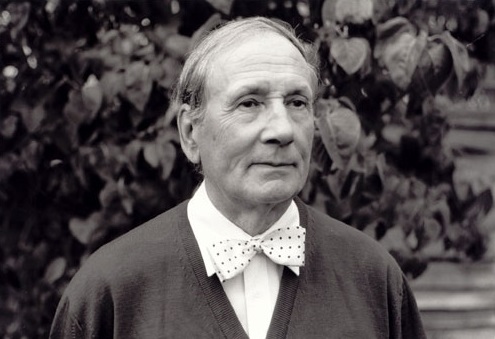
Geoffrey Bush (23 marzo 1920 - 1998): Divertimento per archi (1943). Royal Ballet Sinfonia, dir. David Lloyd-Jones.
Teresa Procaccini (23 marzo 1934): Viaggio a Las Vegas per pianoforte e orchestra op. 204 (1958, rev. 2008). Paolo Cuccaro, pianoforte; Orchestra della Magna Grecia, dir. Piero Romano.

Franz Schreker (23 marzo 1878 - 1934): Kammersymphonie (1917). Symfonieorkest Vlaanderen, dir. Jonas Alber.

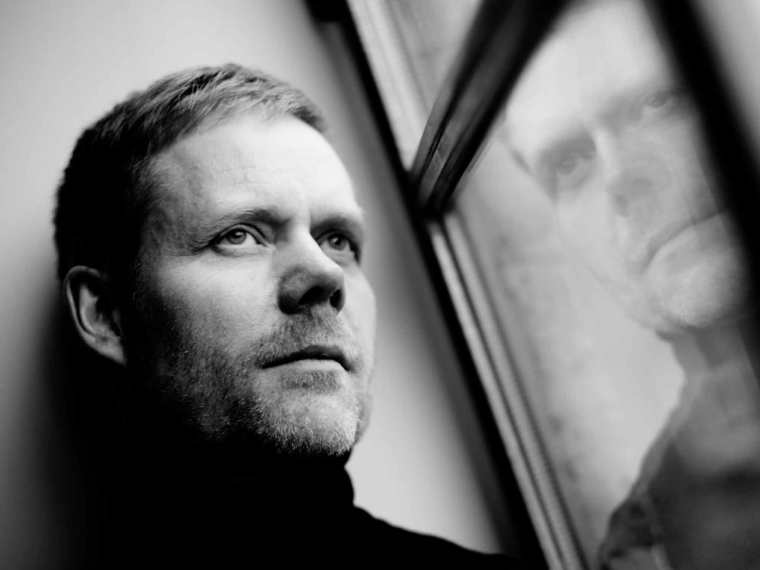
Le Quattro stagioni di Vivaldi ri-composte da Max Richter (22 marzo 1966). Daniel Hope, violino solista; Ensemble LPR, dir. Tito Muñoz; con la partecipazione dell’autore.
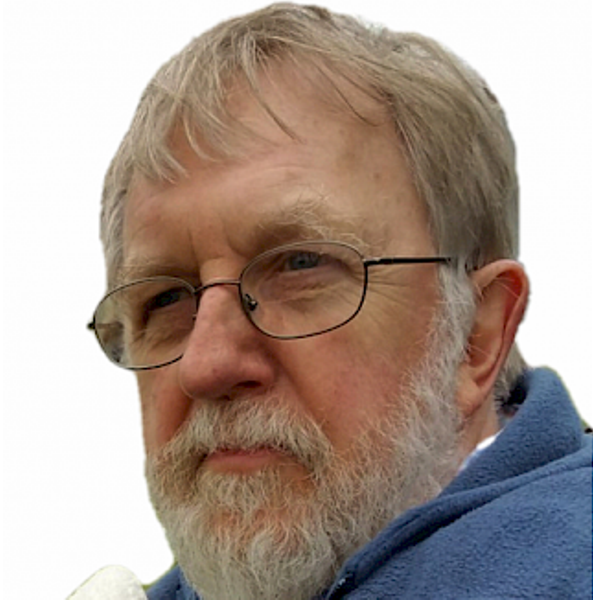
 Pierick Houdy (1929 - 22 marzo 2021): Concerto Français per arpa e orchestra (1998). Isabelle Perrin, arpa; Orchestre de Bretagne, dir. Pascal Rophé.
Vieri Tosatti (1920 - 22 marzo 1999): Concerto iperciclico in un movimento per clarinetto e orchestra da camera (1970). Giuseppe Garbarino, clarinetto; membri dell’Orchestra «Alessandro Scarlatti» di Napoli diretti dall’autore.
:format(jpeg):mode_rgb():quality(90)/discogs-images/R-11095510-1509778163-6709.jpeg.jpg)
Joseph Schwantner (22 marzo 1943): Aftertones of Infinity, poema sinfonico (1978); composizione vincitrice del Premio Pulitzer nel 1979. The Juilliard Orchestra, dir. Leonard Slatkin.
Sir Andrew Lloyd Webber, barone Lloyd-Webber (22 marzo 1948): Suite sinfonica dal musical The Phantom of the Opera (1986). The Andrew Lloyd Webber Orchestra, dir. Simon Lee.
Aleksandr Konstantinovič Glazunov (1865 - 21 marzo 1936): Sinfonia n. 6 in do minore op. 58 (1896). Orchestra sinfonica di Mosca, dir. Aleksandr Anisimov.

Modest Petrovič Musorgskij (21 marzo 1839 - 1881): La presa di Kars, marcia trionfale per orchestra (1880). Orchestra Sinfonica Accademica di Stato dell’URSS, dir. Evgenij Svetlanov.
Scritta nel 1880, riutilizzando in parte la «Processione dei principi» composta per l’opera collettiva Mlada (1872), fu poi completata da Rimskij-Korsakov. Intende commemorare un episodio della guerra di Crimea risalente al novembre del 1855: la conquista della città turca di Kars, assediata da mesi e devastata dal colera, da parte delle truppe del generale Nikolaj Nikolaevič Murav’ëv – il quale, in seguito, per decreto imperiale poté mutare il proprio cognome in Murav’ëv-Karskij.

Bernd Alois Zimmermann (20 marzo 1918 - 1970): Musique pour les soupers du roi Ubu, «ballet noir en sept parties et une entrée» (1962-66) su soggetto tratto da Ubu roi di Alfred Jarry. Kölner Rundfunkorchester, dir. Michael Gielen.

Felix Woyrsch (1860 - 20 marzo 1944): Prima Sinfonia in do minore op. 52 (1907-08). Symphoniker Hamburg, dir. Miguel Ángel Gómez Martínez.

Benigno Zerafa (1726 - 20 marzo 1804): Confitebor tibi Domine (Salmo 110). Maximilian Hinz, voce bianca; Tölzer Knabenchor, dir. Wolfgang Schady.

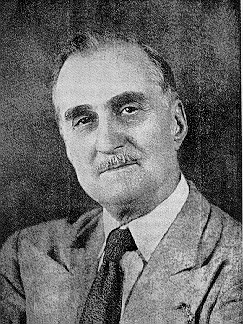 Luigi Stefano Giarda (19 marzo 1868 - 1952): Más allá de la muerte, poema sinfonico op. 131 (1922). Orquesta Sinfónica de Chile, dir. José Luis Domínguez.
Fredrik Pacius (19 marzo 1809 - 1891): Sinfonia in re minore (1850), in un movimento. Radion sinfoniaorkesteri, dir. Anna-Maria Helsing.
Pacius nacque a Amburgo ma trascorse quasi l’intera sua esistenza in Finlandia; è considerato il padre della musica finlandese.

Franz (František) Xaver Neruda (1843 - 19 marzo 1915): Concerto n. 3 in la maggiore per violoncello e orchestra op. 60 (1887). Beate Altenburg, violoncello; Anhaltische Philharmonie Dessau, dir. Golo Berg.

Joseph Matthias Hauer (19 marzo 1883 - 1959): Apokalyptische Phantasie op. 5 (1913). Symphonieorchester Wien, dir. Gottfried Rabl.

Johannes Verhulst (19 marzo 1816 - 1891): Ouverture in si minore op. 2 (ante 1838). Residentie Orkest, dir. Matthias Bamert.

Jean-Baptiste Bréval (1753 - 18 marzo 1823): Sinfonia concertante in fa maggiore per flauto, fagotto e orchestra op. 31. Bernard Chapron, flauto; Gilbert Audin, fagotto; Orchestre de Chambre, dir. Bernard Calmel.

Willem Pijper (1894 - 18 marzo 1947): Prima Sinfonia, Pan (1917). Rotterdams Philharmonisch Orkest, dir. Richard Dufallo.
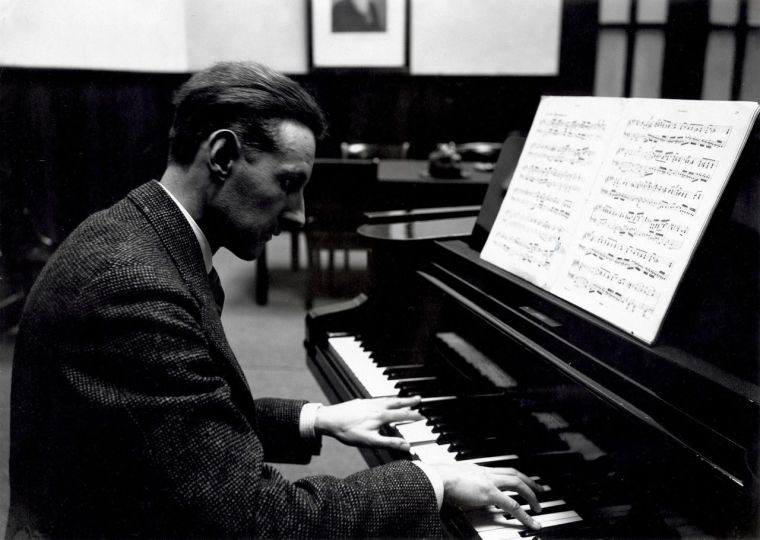
Johann Christoph Vogel (18 marzo 1756 - 1788): Sinfonia n. 2 in mi bemolle maggiore. Bayerische Kammerphilharmonie, dir. Reinhard Goebel.

Caroline Boissier-Butini (1786 - 17 marzo 1836): La Suisse, Concerto n. 6 in sol maggiore per pianoforte, flauto obbligato e archi (c1818). Anna Pismak, pianoforte; Héctor Rodríguez, flauto; Beatrice Alice Harmon e Marlies Schmid, violini; Sam Matzner, viola; Guy Tal, violoncello; Gil Brito, contrabbasso.

François Couperin detto Couperin le Grand (1668 - 1733): Les Baricades mistérieuses, rondeau in si bemolle maggiore (1717). Scott Ross, clavicembalo, e György Cziffra, pianoforte.
Luca Francesconi (17 marzo 1956): Les Barricades mysterieuses per flauto e orchestra (1982). Karl Bernhard Debon, flauto;
Rundfunk Sinfonieorchester Berlin diretta da Peter Hirsch.
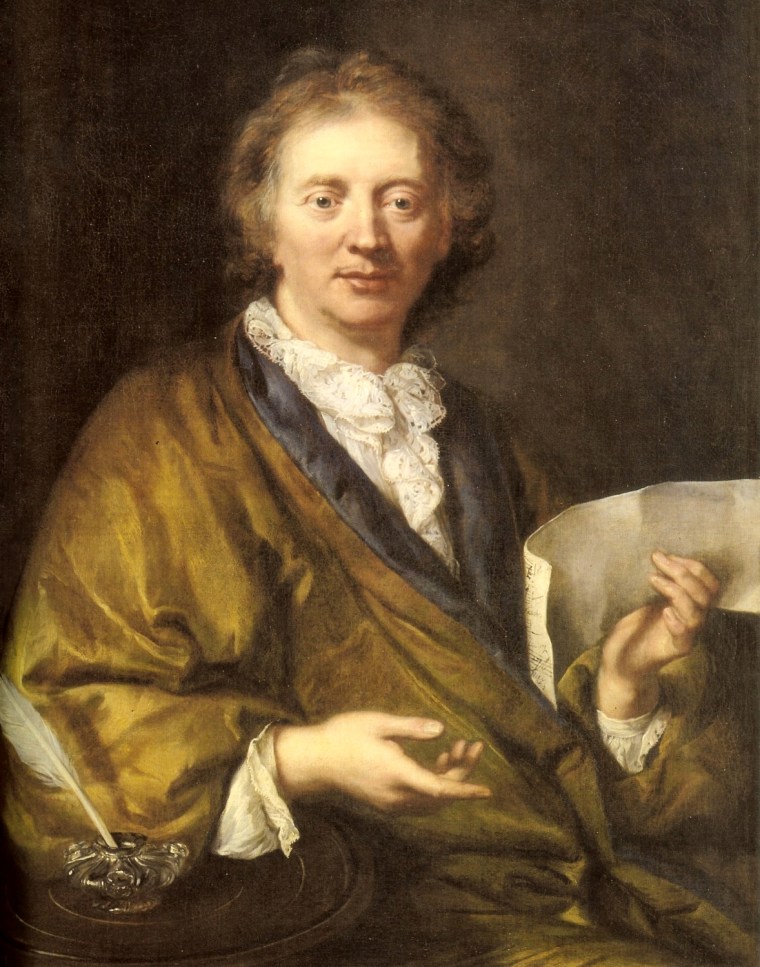

Antonín Reichenauer (c1694 - 17 marzo 1730): Concerto in sol minore per fagotto, archi e basso continuo. Sergio Azzolini, fagotto; Collegium 1704, dir. Václav Luks.

John La Montaine (17 marzo 1920 - 2013): Concerto per pianoforte e orchestra n. 1 op. 9, In Time of War (1958). Karen Keys, pianoforte; Oklahoma City Orchestra, dir. Guy Fraser Harrison.
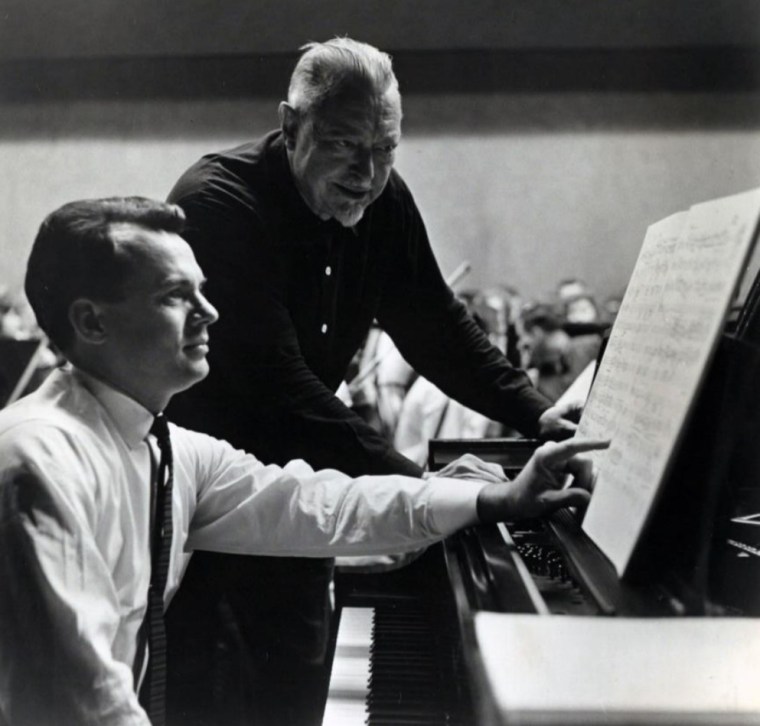 John La Montaine e Howard Hanson durante le prove del Concerto op. 9,
Carnegie Hall, 1962
Leopold Hofmann (1738 - 17 marzo 1793): Concerto in fa maggiore per oboe, clavicembalo e orchestra Badley VII:F1. Stefan Schilli, oboe; Jenő Jandó, clavicembalo; Nicolaus Esterházy Sinfonia, dir. Béla Drahos.

David Del Tredici (16 marzo 1937 - 2023): Tattoo per orchestra (1986). New York Philharmonic Orchestra, dir. Leonard Bernstein.
« The orchestra is, after all, a kind of musical monster, with its more than 100 independently moving parts, each of which, like tentacles, can be given its own life; or all can be harnessed together to do a composer’s bidding.
« In Tattoo, I wanted to have it both ways: the finely wrought contrapuntal detail wed to an inexorable momentum. (Or, more picturesquely, the victim about to be crushed in the maw of the beast observes perfectly, for a millisecond, a single physical detail.)
« Tattoo: 1. a signal on a drum or bugle summoning soldiers to their quarters at night. 2. any continuous drumming, rapping, etc.
« Almost randomly, tiny shards of percussion, isolated pizzicati and, finally, tubas punctuate the silence, then coalesce into the basso ostinato that will dominate the twenty-minute course of Tattoo. A somber, majestic theme is heard in horns signaling the forward march. With brass and percussion to the fore, sonic peaks steadily rise. A brief, more playful episode interrupts, but the music, ostinato-driven, presses on, now toward a blazing, grandiose climax. Thereafter, the whole conflagration dissipates, leaving mysterious, smoldering musical embers – harp and celesta arpeggios, muted brass, woodwind and percussion tremolos. At length, from these shifting ashes, the opening phrase of Paganini’s twenty-fourth Caprice (called Omaggio a Niccolò Paganini in my score) drifts up. This new thematic fragment is first heard superimposed above a quiet recapitulation of the opening, but then breaks free and in complete form proclaims itself, fortissimo. Only the basso ostinato still clings, giving the music a macabre aspect.
« The theme, once stated, is fair game for contrapuntal and rhythmic distortion. There are surprising, jarring harmonic shifts and much canonic casing. A siren, even, enters the fray. When the omnipresent ostinato itself begins to disintegrate, the end seems near. Paganini, however, makes one last dramatic appearance, but his theme breaks apart, its swirling fragments, moving faster and faster. Enough! A low wind rises and blows all the music away » (David Del Tredici).
Nei Paesi di lingua inglese il tattoo è un segnale militare con il quale si impone ai soldati di rientrare nei rispettivi quartieri per la notte. Originariamente si scriveva tap-toe: il termine risale all’epoca della guerra dei trent’anni (1618-48) e all’espressione in lingua neerlandese doe den tap toe (letteralmente: chiudere il rubinetto); eseguito da tamburini e/o trombettieri, il tap-toe segnalava ai locandieri e ai soldati che il tempo concesso per bere era terminato.

 John Addison (16 marzo 1920 - 1998): Concerto per tromba, archi e percussione (1949). Leon Rapier, tromba; The Louisville Orchestra, dir. Jorge Mester.
Addison scrisse molte colonne sonore cinematografiche (Premio Oscar per Tom Jones di Tony Richardson, 1963) e musica per la televisione. La sua composizione più famosa è indubbiamente questa:
Roger Sessions (1896 - 16 marzo 1985): Sinfonia n. 3 (1957). Royal Philharmonic Orchestra, dir. Igor Buketoff (29 maggio 1915-2001).

Giovanni Battista Draghi detto Pergolesi (1710 - 16 marzo 1736): Stabat mater per soprano, contralto e orchestra (1736). Silvia Frigato, soprano; Sara Mingardo, contralto; Orchestra del Teatro La Fenice di Venezia, dir. Gianluca Capuano.
Per chi voglia approfondire, ecco il contributo di Francesco Di Fortunato, davvero interessante:

Hai un account WordPress.com? Accedi ora.

