Heino Eller (7 marzo 1887 - 1970): Kellad (Campane) per pianoforte (1929). Aleksandra Juozapénaité-Eesmaa.
A quanto si dice, il brano fu ispirato dal suono delle campane della Chiesa luterana di san Paolo (Pauluse kirik) in Tartu, un edificio in stile art nouveau progettato da Eliel Saarinen e inaugurato nel 1917.
Wolfgang Amadeus Mozart (1756 - 1791): «Là ci darem la mano», duettino di Don Giovanni e Zerlina, dal I atto, scena 9a, del dramma giocoso Don Giovanni K 527 (1787), libretto di Lorenzo Da Ponte. Bryn Terfel, baritono; Cecilia Bartoli, soprano; Orchestra dell’Accademia nazionale di santa Cecilia, dir. Myung-Whun Chung.
Friedrich Dotzauer (1783 - 6 marzo 1860): Andante con Variazioni über ein Thema aus der Oper «Don Giovanni» per 2 violoncelli. Marie Spaemann e Rebekka Markowski.
Fryderyk Chopin (1810 - 1849): Variazioni per pianoforte e orchestra op. 2 (1827) su «Là ci darem la mano» dal Don Giovanni di Mozart. Claudio Arrau, pianoforte; London Philharmonic Orchestra, dir. Eliahu Inbal.
Chopin elaborò questa sua prima partitura orchestrale durante il secondo anno di studio presso la Scuola superiore di musica di Varsavia; le Variazioni contribuirono in maniera determinante, forse anche più dei Concerti per pianoforte, a far conoscere il nome del giovane compositore in patria e nei principali centri musicali europei.
È noto l’entusiasmo che le Variazioni op. 2 suscitarono nel giovane Schumann, il quale le recensì in un lungo articolo per l’«Allgemeine Musikalische Zeitung» di Lipsia (n. XXXIII/49 del 7 dicembre 1831), articolo che s’inizia con una significativa esclamazione: «Giù il cappello, signori, un genio!». Chopin lesse la recensione e ne scrisse divertito a Tytus Woyciechowski, dedicatario delle Variazioni: «Costui le analizza misura per misura, affermando che non sono variazioni come le altre, ma una specie di quadro fantastico. Della seconda dice che vi si vedono correre Don Giovanni e Leporello; nella terza Don Giovanni stringe Zerlina fra le braccia, mentre a sinistra Masetto si rode di rabbia. Infine sostiene che nella quinta misura dell’Adagio Don Giovanni bacia Zerlina in re bemolle maggiore. […] È ben divertente la fantasia di questo tedesco» (12 dicembre 1831).
Chopin eseguì più volte in pubblico le Variazioni op. 2: fra l’altro, anche nel concerto con il quale si presentò al mondo musicale parigino, il 26 febbraio 1832.
NB: salvo diversa indicazione, i testi inseriti negli articoli dedicati a Chopin nel presente blog sono tratti dal volume Chopin: Signori il catalogo è questo di C. C. e Giorgio Dolza, Einaudi, Torino 2001.
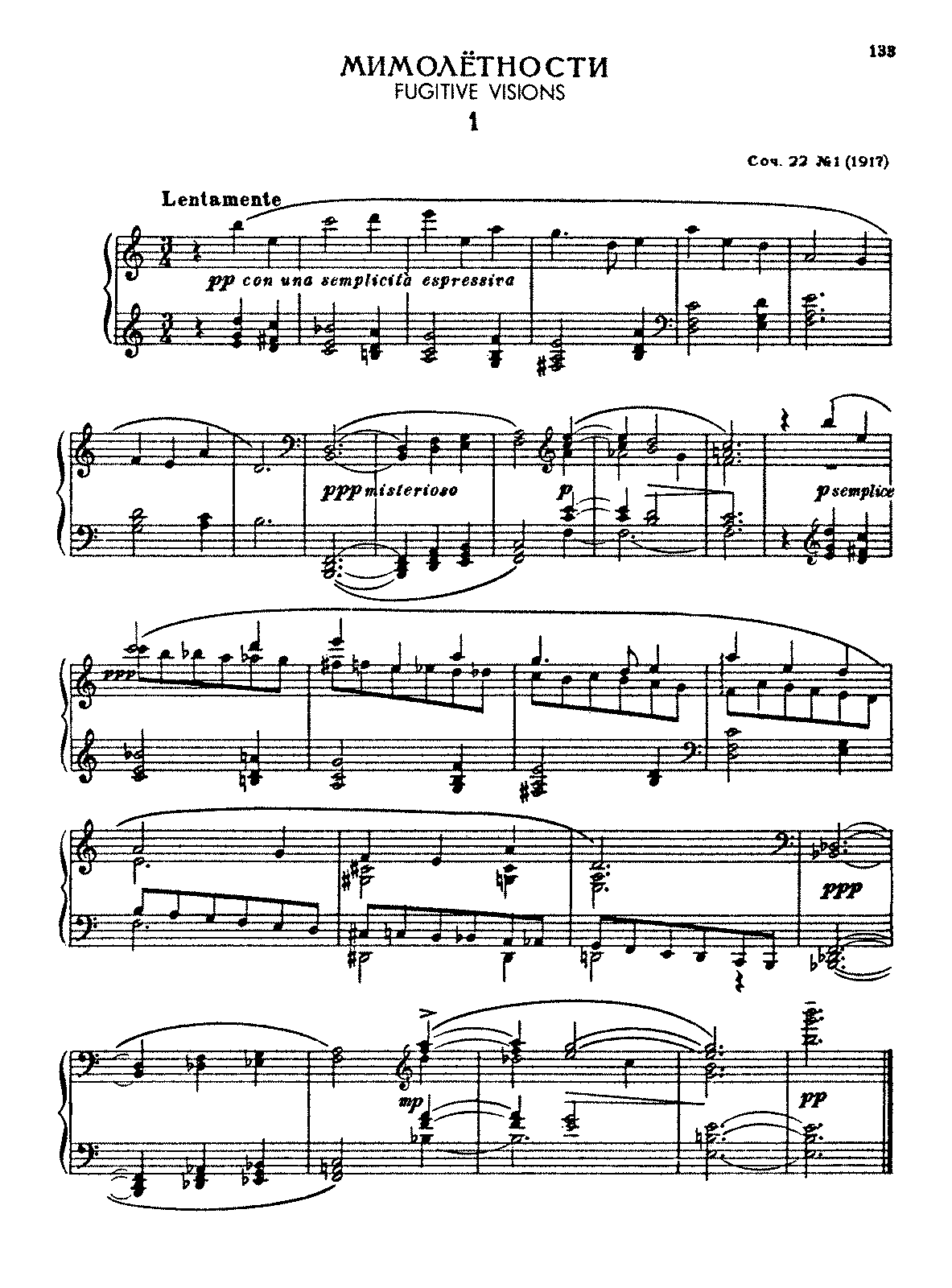
Sergej Sergeevič Prokof’ev (1891 - 5 marzo 1953): Visions fugitives per pianoforte op. 22 (1915-17). Heinrich Neuhaus.
Si tratta di una serie di brani scritti separatamente e dedicati a diversi amici del musicista. Il titolo è tratto da un componimento del poeta simbolista Konstantin Dmitrievič Bal’mont, comprendente questo distico:
В каждой мимолетности вижу я миры
Полные изменчивой радужной игры.
In ciascuna visione fuggitiva vedo mondi
colmi di giochi mutevoli, iridescenti.
Sergej Sergeevič Prokof’ev (1891 - 5 marzo 1953): Ouverture su temi ebraici op. 34, versione originale (1919) per clarinetto, quartetto d’archi e pianoforte. Ermanno Veglianti, clarinetto; Pierluigi Pietroniro e Antonio Cordici, violini; Massimiliano Carlini, viola; Francesco Storino, violoncello; Leandro Piccioni, pianoforte.
Lo stesso brano nella versione per orchestra realizzata da Prokof’ev nel 1934 e poi pubblicata come op. 34bis. The Chamber Orchestra of Europe, dir. Claudio Abbado.
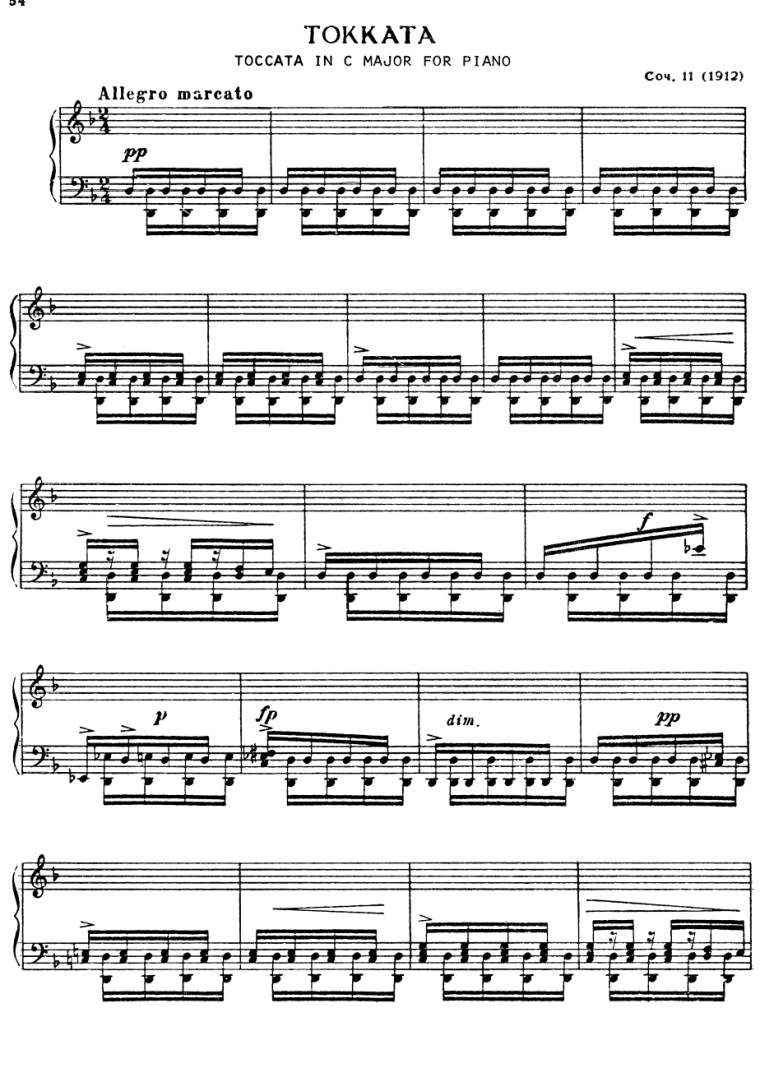
Sergej Sergeevič Prokof’ev (1891 - 5 marzo 1953): Toccata in re minore per pianoforte op. 11 (1912) eseguita dall’autore.
Prokof’ev morì il 5 marzo di settant’anni fa, lo stesso giorno in cui se ne andò anche Stalin: superfluo dire che della scomparsa del musicista non si accorse nessuno.
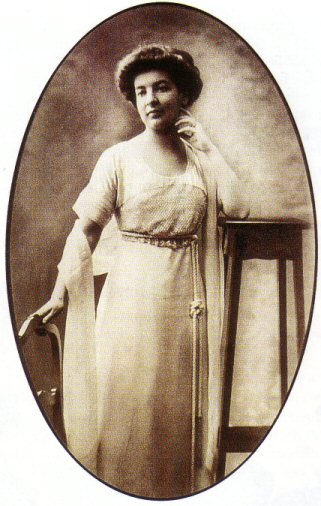
Dora Pejačević (propriamente 1885 - 5 marzo 1923): Concerto per pianoforte e orchestra in sol minore op. 33 (1913). Oliver Triendl, pianoforte; Brandenburgisches Staatsorchester Frankfurt, dir. Howard Griffiths.
Moritz Moszkowski (1854 - 4 marzo 1925): Concerto per pianoforte e orchestra n. 1 in si minore op. 3, MoszWV 160 (1874). Ludmil Angelov, pianoforte; Orchestra filarmonica di Rzeszów, dir. Vladimir Kiradžiev.
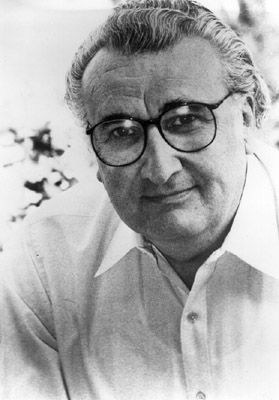
Carlos Surinach (o Carles Suriñach; 4 marzo 1915 - 1997): Concerto per pianoforte e orchestra (1953). Alicia de Larrocha, pianoforte; Royal Philharmonic Orchestra, dir. Rafael Frühbeck de Burgos.
Sándor Veress (1907 - 4 marzo 1992): Hommage à Paul Klee per 2 pianoforti e orchestra d’archi (1951). András Schiff e Dénes Várjon, pianoforti; Budapesti Fesztiválzenekar, dir. Heinz Holliger.
Mario Davidovsky (4 marzo 1934 - 2019): Synchronisms No. 6 per pianoforte e suoni elettronici (1970); Premio Pulitzer per la musica nel 1971. Rosa Lynch-Northover, pianoforte.
Eugen d’Albert (1864 - 3 marzo 1932): Concerto per pianoforte e orchestra n. 1 in si minore op. 2 (1884). Joseph Banowetz, pianoforte; Orchestra sinfonica di Mosca, dir. Dmitrij Jablonskij.
Bedřich Smetana (2 marzo 1824 - 1884): Na břehu mořském – Vzpomínka (In riva al mare – Un ricordo), studio da concerto in sol diesis minore per pianoforte op. 17 (1861). Jitka Čechová.
Siete tutti invitati visto che non lo celebro mai. Potete lasciare le condoglianze a Donna Maria.
I miei rispetti a chi ha perso qualcuno, non possiamo fare niente.
Qualcuno suoni il piano, grazie.
Ecco qua:
Cyprien Katsaris (1951): Tre Variazioni su Happy Birthday: Best wishes from Mozart, Beethoven, Chopin.
Antonio Buzzolla (2 marzo 1815 - 1871): El tropo e el tropo poco, romanza per voce e pianoforte (dalla raccolta Canzonette veneziane, 1852) su testo di Anton Maria Lamberti. Lorenzo Regazzo, basso-baritono; Dimitri Romano, pianoforte.
Ne la stagion dei bocoli,
Sul tramontar del dì,
Sentai soto una pergola
Gerimo Nina, e mi;
Mai più l’aveva vista
Quanto in quel zorno bela;
Fisso mi gera in ela
Disendoghe cussì:
«Quel che ti fa, mia cocola,
Xe tropo per scherzar,
Ma tropo poco, nonola,
Quando ti vogi amar.
Quele ochiadine tenere
Che co le mie se vien,
Fa che ’l mio cuor s’imagini
De bisegarte in sen,
Ma de sto dolce ad onta
Parlar, che ’l cuor me toca
Oh dio! che la to boca
Co quele no convien.
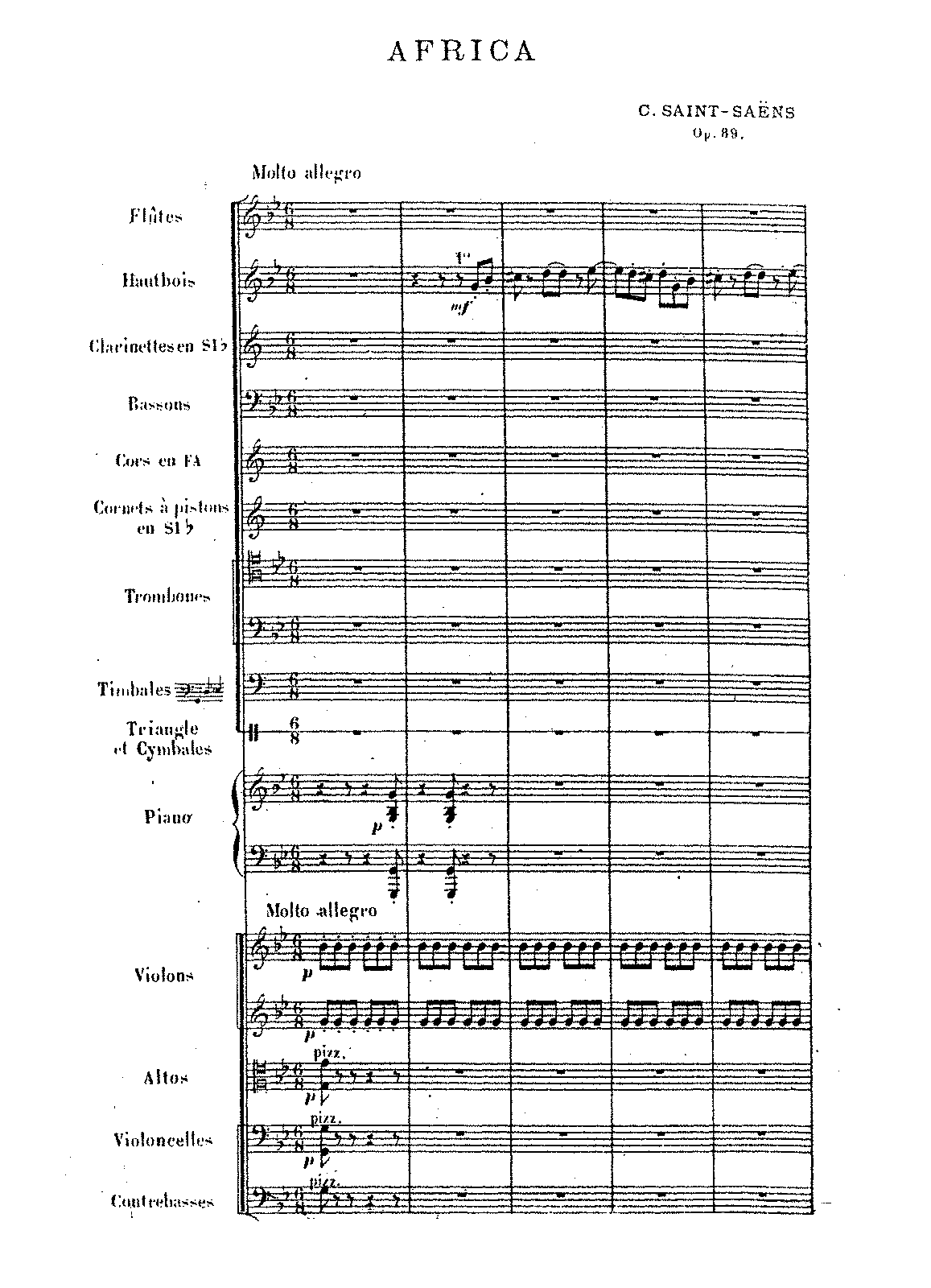
Camille Saint-Saëns (1835 - 1921): Africa, fantasia in sol minore per pianoforte e orchestra op. 89 (1891). Jean Philippe-Collard, pianoforte; Royal Philharmonic Orchestra, dir. André Previn (1929 - 28 febbraio 2019).
Issay Dobrowen (27 febbraio 1891 - 1953): Concerto in do diesis minore per pianoforte e orchestra op. 20 (1912-1926). Jørn Fossheim, pianoforte; Orchestra filarmonica di San Pietroburgo, dir. Aleksandr Sergeevič Dmitriev.
Moderato
Scherzo: Presto [15:15]
Intermezzo: Andante sostenuto [17:54]
Finale [24:48]
Nato Icchok Zorachovič Barabejčik a Nižnij Novgorod, nel 1929 Dobrowen prese la cittadinanza norvegese.
Alfred Bachelet (26 febbraio 1864 - 10 febbraio 1944): Dans la montagne, ballata per corno e pianoforte (1907). Douglas Loundeen, corno; Barbara González-Palmer, pianoforte.
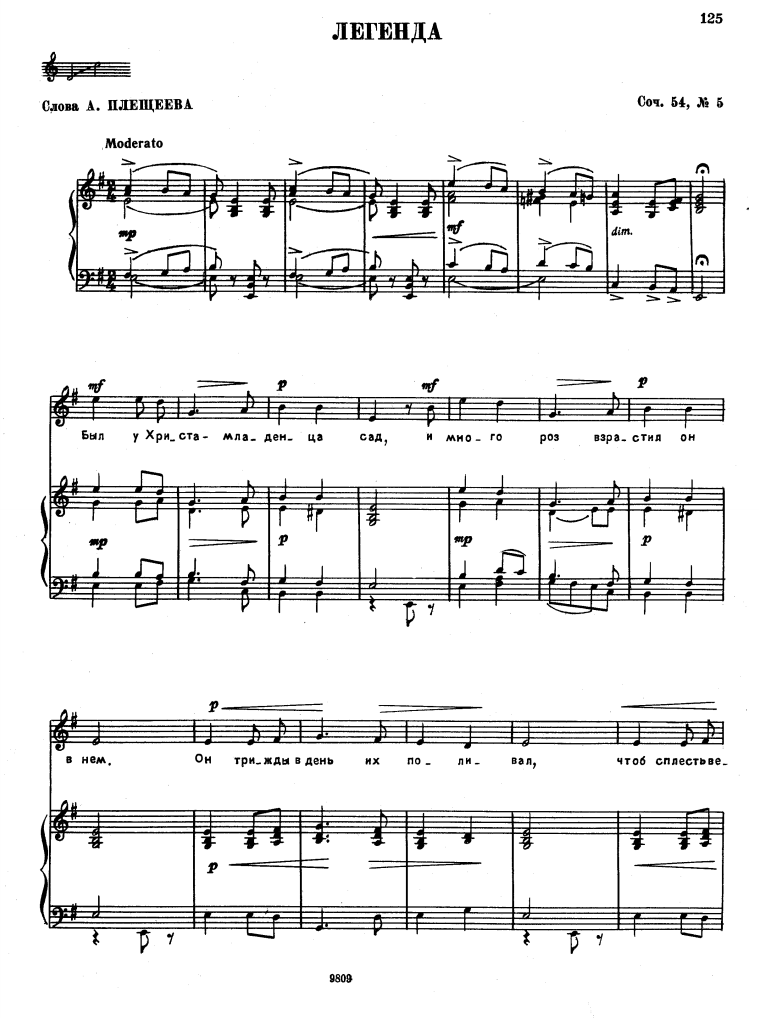
Pëtr Il’ič Čajkovskij (1840 - 1893): Leggenda per voce e pianoforte op. 54 n. 5 (1883). Nicolai Gedda, tenore; Geoffrey Parsons, pianoforte.
Il testo è costituito da una traduzione russa, eseguita da Aleksej Nikolaevič Pleščeev (1825-1893), di una poesia, un tantino antisemita, di Richard Henry Stoddard (1825-1903) intitolata Roses and Thorns (vedi oltre).
Lo stesso brano nell’orchestrazione di Čajkovskij, interpretato (con testo inglese) da Peter Pears con l’English Chamber Orchestra diretta da Benjamin Britten.
Versione per coro a cappella eseguita dal Coro da camera del Ministero della cultura dell’URSS diretto da Valerij Kuzmič Poljanskij. Registrazione del 1988.
Anton Stepanovič Arenskij (1861 - 25 febbraio 1906): Variazioni per archi sopra un tema di Čajkovskij op. 35a (1894). London Symphony Orchestra, dir. John Barbirolli. Registrazione del 1947.
R. H. Stoddard: Roses and Thorns (1857).
The young child Jesus had a garden,
Full of roses, rare and red:
And thrice a day he watered them,
To make a garland for his head.
When they were full-blown in the garden,
He called the Jewish children there,
And each did pluck himself a rose,
Until they stripped the garden bare.
«And now how will you make your garland?
For not a rose your path adorns.»
«But you forget», he answered them,
«That you have left me still the thorns.»
They took the thorns, and made a garland,
And placed it on his shining head;
And where the roses should have shone
Were little drops of blood instead!
Sveinbjörn Sveinbjörnson (1847 - 23 febbraio 1927): Trio per pianoforte e archi in mi minore. Nína Margrét Gunnarsdóttir, pianoforte; Auður Hafsteinsdóttir, violino; Sigurgeir Agnarsson, violoncello.
Luc Beauséjour interpreta la Toccata e Fuga in re minore, composta forse da J. S. Bach (BWV 565) o più probabilmente da Johann Peter Kellner (*), suonando un clavicembalo provvisto di due manuali e una pedaliera.
L’esistenza di strumenti consimili è documentata a partire dal Quattrocento: un clavichordum cum calcatorio è citato nel trattato enciclopedico Liber XX Artium (c1460) di Paulus Paulirinus ovvero Pavel Žídek; il disegno di un clavicordo con pedaliera si trovava in una copia manoscritta, ora perduta, risalente al 1467 dei Flores musice del teorico trecentesco Hugo von Reutlingen.
L’epoca di maggior diffusione del clavicembalo con pedaliera è comunque il Settecento, quando fu soprattutto usato dagli organisti per esercitarsi; ma è probabile che proprio per questo tipo di strumento Bach abbia composto le sei Triosonaten BWV 525-530.
Verso la metà dell’Ottocento ebbe una certa diffusione il pianoforte con pedaliera, strumento per il quale Schumann scrisse gli Studi op. 56, gli Schizzi op. 58 e le Fugen über BACH op. 60; anche Alkan e Gounod dedicarono alcune composizioni al pianoforte con pedaliera.
(*) Sull’argomento si veda l’ultima parte dell’articolo Falsi celebri.
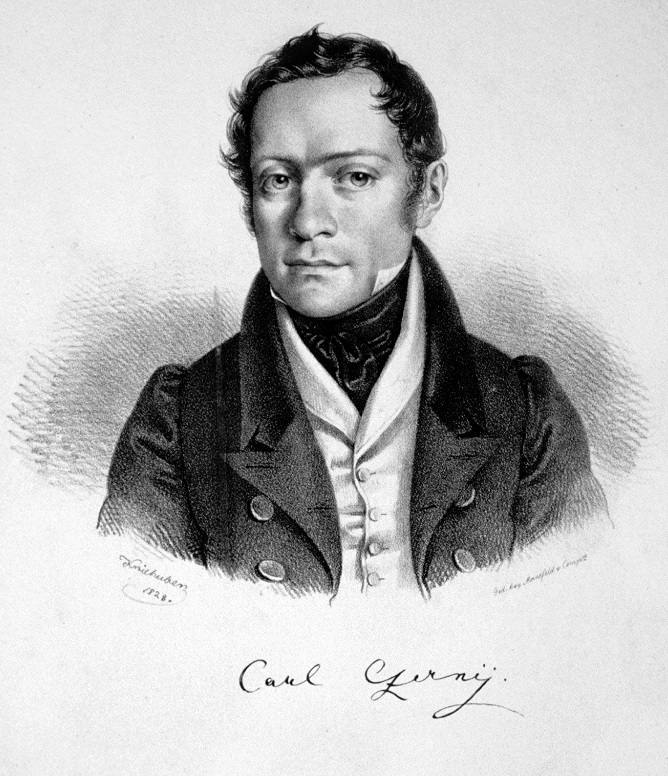
Carl Czerny (21 febbraio 1791 - 1857): L’hommage, notturno in mi maggiore per pianoforte (n. 1 dell’op. 604, 8 Nocturnes romantiques de différents caractères, 1843). Isabelle Oehmichen.
Ernő Dohnányi (1877 - 1960): Walzer per pianoforte (1925) da Coppélia (1870) di Léo Delibes (21 febbraio 1836 - 1891). Superlativa interpretazione del grande pianista magiaro Géza Anda (1921 - 1976), registrata nel 1954.
Nella composizione di Dohnányi sono in realtà rielaborate due diverse valses tratte dal balletto di Delibes: la prima, celeberrima, si trova nel I atto ed è nota come «Valse de Swanilda» (titolo che non compare sulla partitura):
Nella sezione centrale Dohnányi utilizza il tema della «Valse de la poupée», dal II atto:



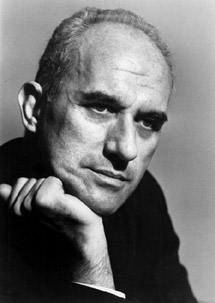 Carlos Surinach (o Carles Suriñach; 4 marzo 1915 - 1997): Concerto per pianoforte e orchestra (1953). Alicia de Larrocha, pianoforte; Royal Philharmonic Orchestra, dir. Rafael Frühbeck de Burgos.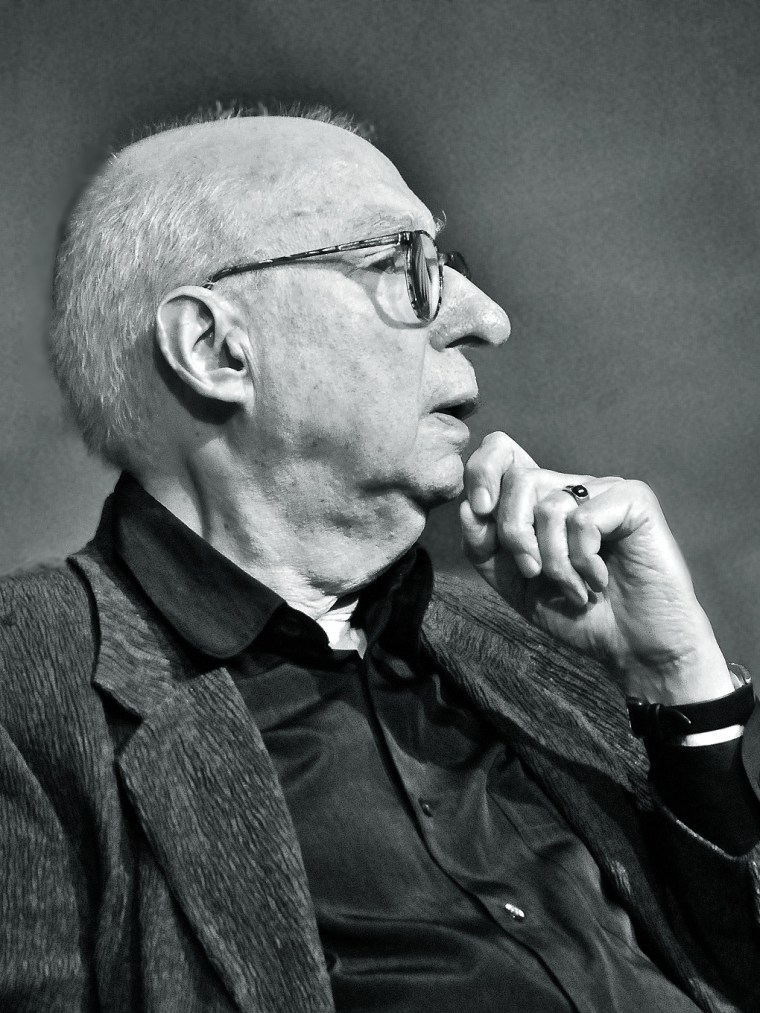
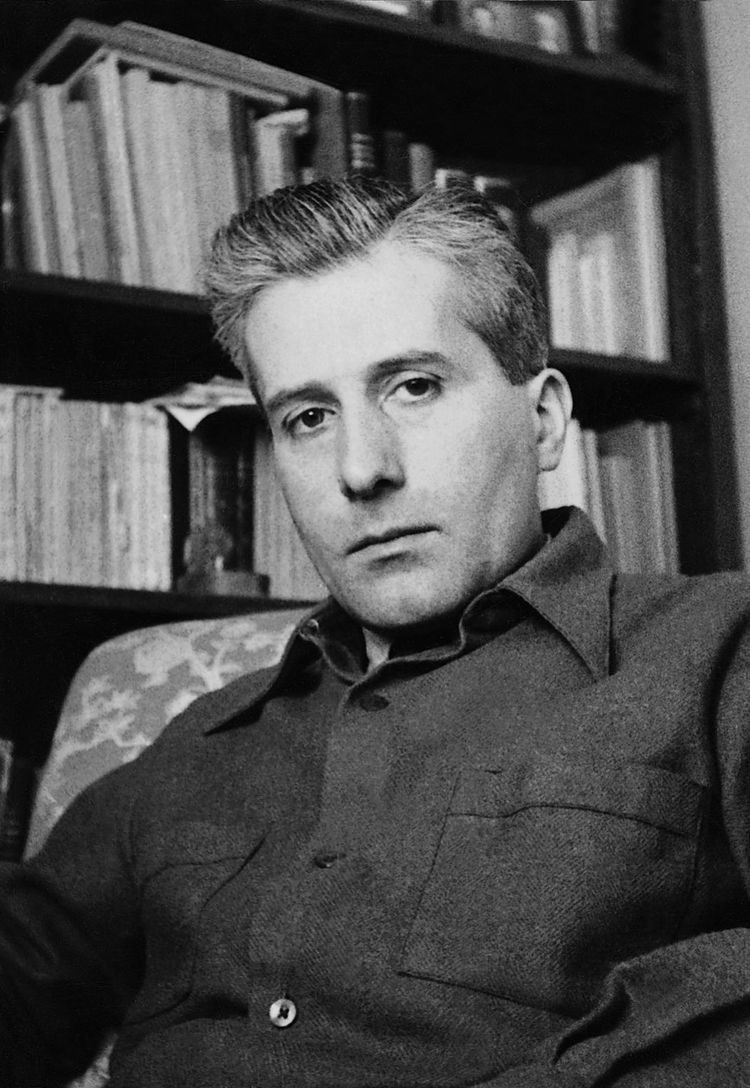
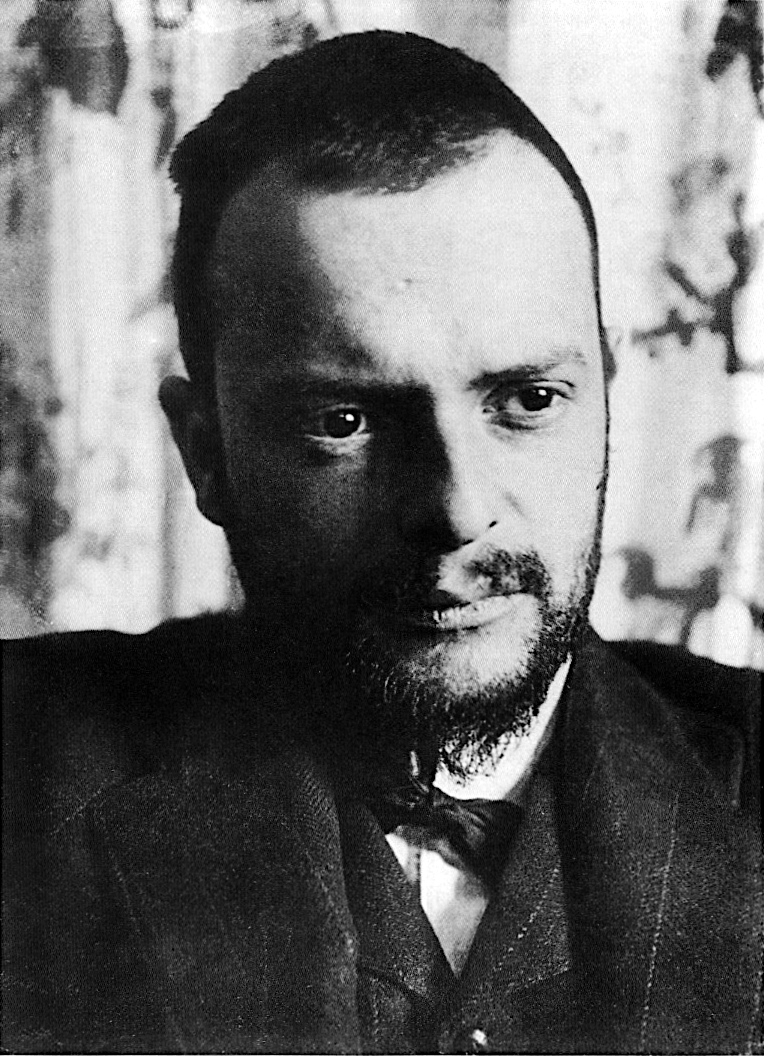
 Eugen d’Albert (1864 - 3 marzo 1932): Concerto per pianoforte e orchestra n. 1 in si minore op. 2 (1884). Joseph Banowetz, pianoforte; Orchestra sinfonica di Mosca, dir. Dmitrij Jablonskij.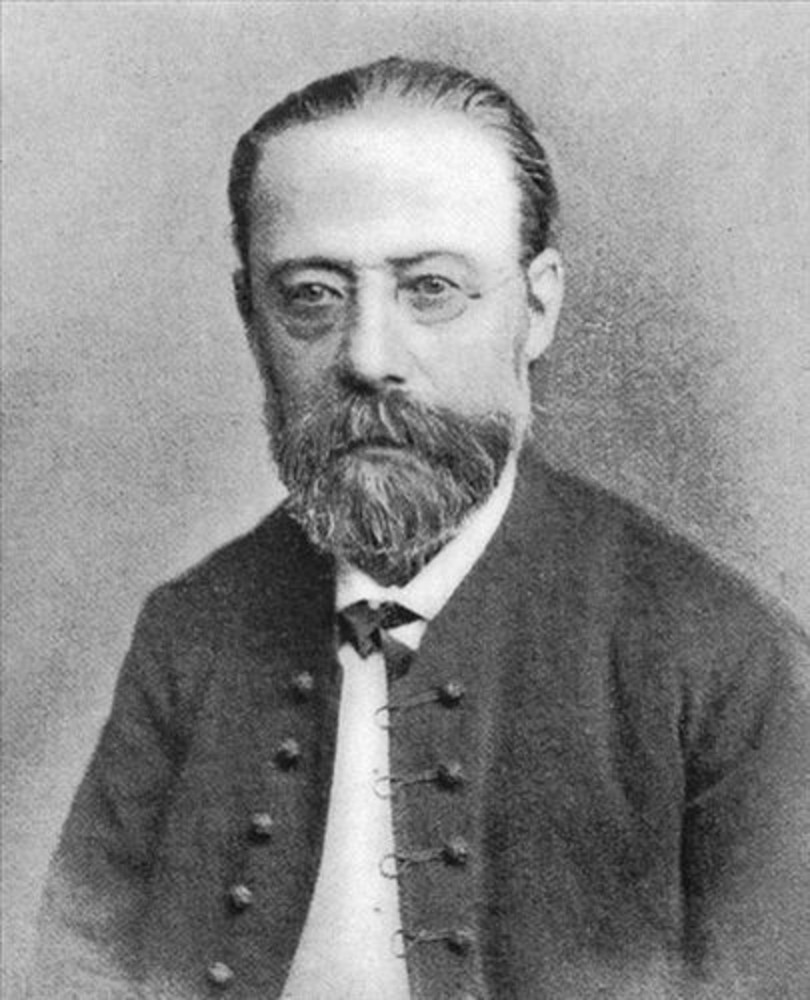

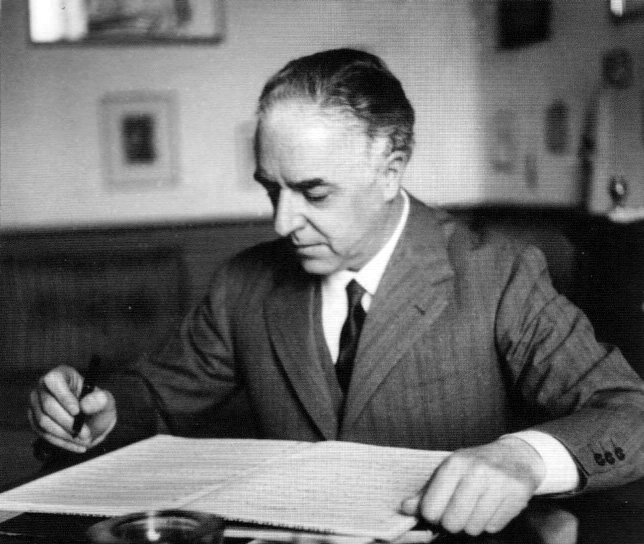
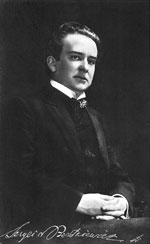 Sergej Ėduardovič Bortkevič (28 febbraio 1877 - 1952): Dieci Preludi per pianoforte op. 33 (1926). Jouni Somero.



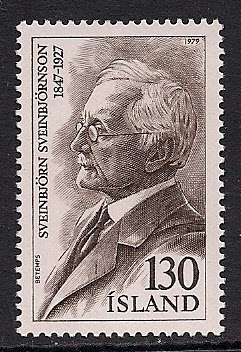 Sveinbjörn Sveinbjörnson (1847 - 23 febbraio 1927): Trio per pianoforte e archi in mi minore. Nína Margrét Gunnarsdóttir, pianoforte; Auður Hafsteinsdóttir, violino; Sigurgeir Agnarsson, violoncello.
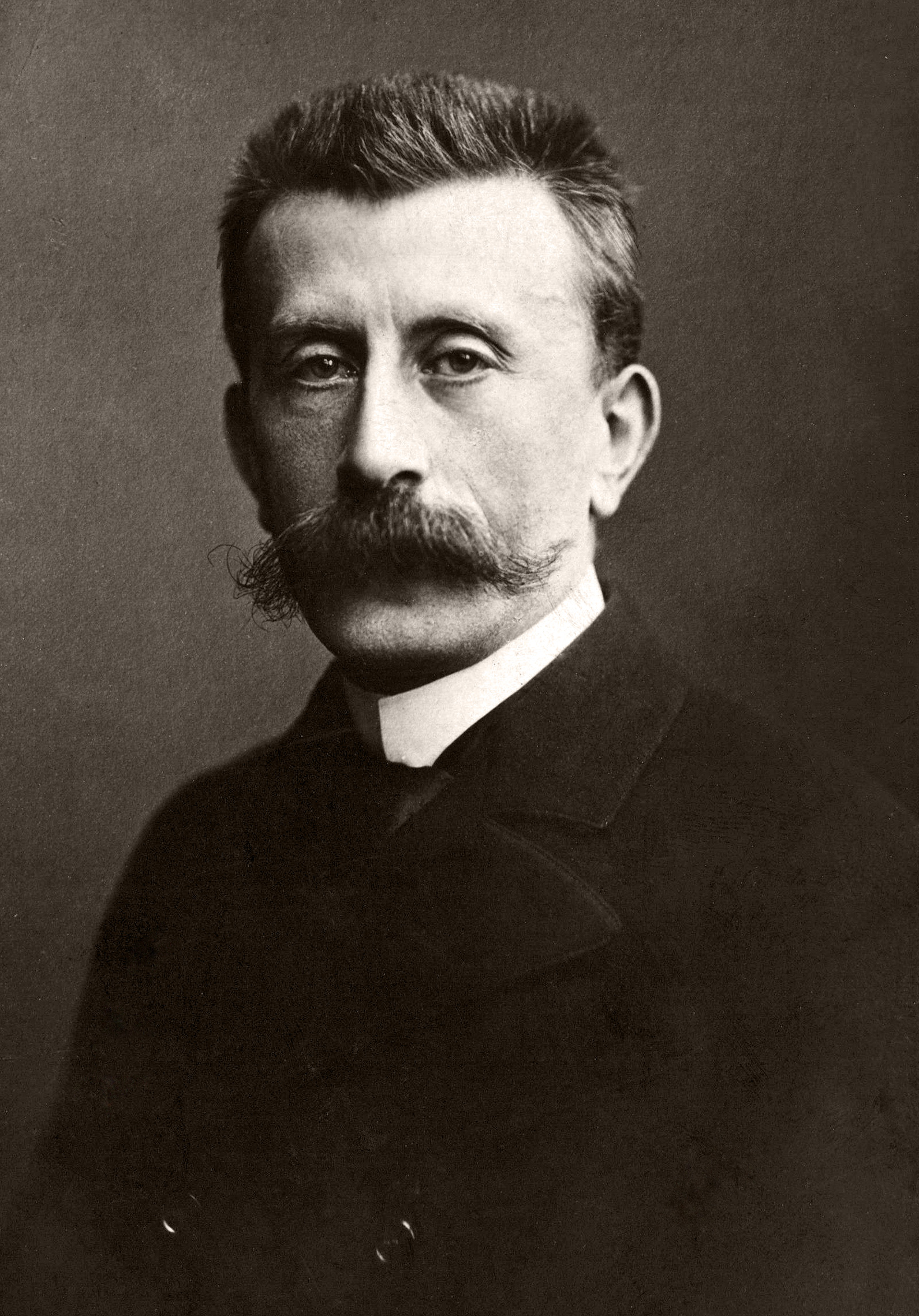
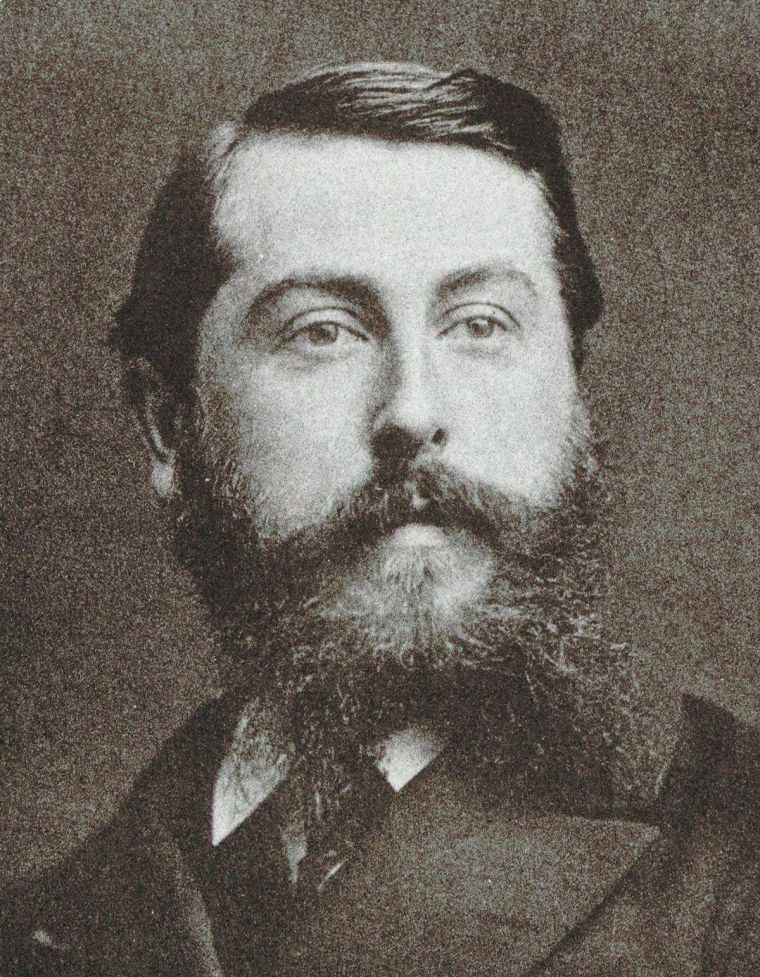 Léo Delibes
 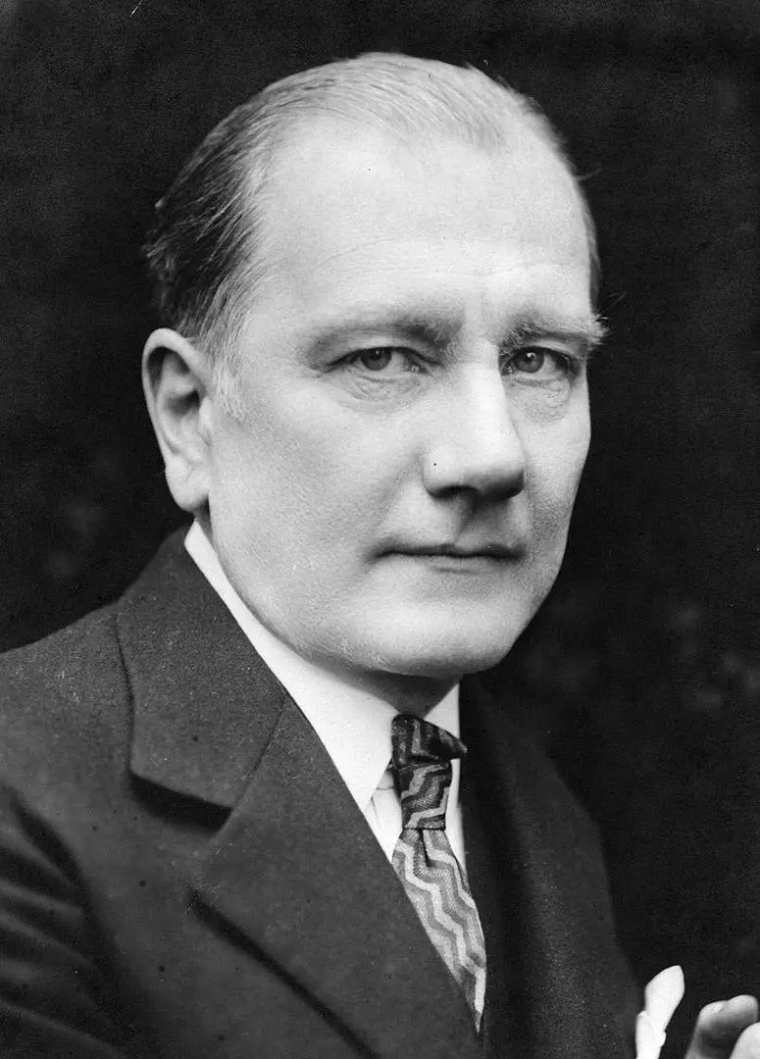 Ernő Dohnányi
  la regina gioiosa