
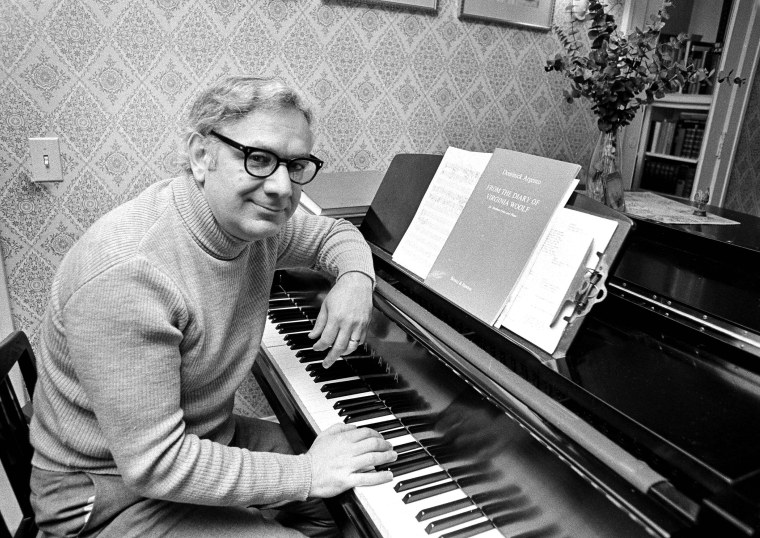
Dominick Argento (1927 - 20 febbraio 2019): From the Diary of Virginia Woolf, ciclo di composizioni per canto e pianoforte (1974). Janet Baker, mezzosoprano, e Martin Isepp, pianoforte (primi interpreti).
I testi sono tratti da A Writer’s Diary: Being Extracts from the Diary of Virginia Woolf, pubblicato nel 1954; il ciclo valse a Dominick Argento il Premio Pulitzer per la musica nel 1975. In merito a questo lavoro del compositore statunitense sono disponibili in rete un’accurata analisi di Noelle Woods e una guida all’interpretazione curata da Jacquelyn Matava.
I. The Diary (April, 1919)
What sort of diary should I like mine to be? Something… so elastic that it will embrace anything, solemn, slight or beautiful that comes into my mind. I should like it to resemble some deep old desk… in which one flings a mass of odds and ends without looking them through. I should like to come back, after a year or two, and find that the collection had sorted itself and refined itself and coalesced, as such deposits so mysteriously do, into a mould, transparent enough to reflect the light of our life…
II. Anxiety (October, 1920) [3:56]
Why is life so tragic; so like a little strip of pavement over an abyss. I look down; I feel giddy; I wonder how I am ever to walk to the end. But why do I feel this: Now that I say it I don’t feel it. The fire burns; we are going to hear the Beggar’s Opera. Only it lies all about me; I can’t keep my eyes shut… And with it all how happy I am—if it weren’t for my feeling that it’s a strip of pavement over an abyss.
III. Fancy (February, 1927) [5:53]
Why not invent a new kind of play; as for instance:
Woman thinks…
He does.
Organ plays.
She writes.
They say:
She sings.
Night speaks
They miss
IV. Hardy’s Funeral (January, 1928) [8:34]
Yesterday we went to Hardy’s funeral. What did I think of? Of Max Beerbohm’s letter… or a lecture… about women’s writing. At intervals some emotion broke in. But I doubt the capacity of the human animal for being dignified in ceremony. One catches a bishop’s frown and twitch; sees his polished shiny nose; suspects the rapt spectacled young priest, gazing at the cross he carries, of being a humbug; …next here is the coffin, an overgrown one; like a stage coffin, covered with a white satin cloth; bearers elderly gentlemen rather red and stiff, holding to the corners; pigeons flying outside, …procession to poets corner; dramatic “In sure and certain hope of immortality” perhaps melodramatic… Over all this broods for me some uneasy sense of change and mortality and how partings are deaths; and then a sense of my own fame… and a sense of the futility of it all.
V. Rome (May, 1935) [15:03]
Rome: tea. Tea in café. Ladies in bright coats and white hats. Music. Look out and see people like movies… Ices. Old man who haunts the Greco… Fierce large jowled old ladies…talking about Monaco (; about) Talleyrand. Some very poor black wispy women. The effect of dowdiness produced by wispy hair. (Rome. Sunday café… Very cold…) The Prime Minister’s letter offering to recommend me for the Companion of Honour. No.
VI. War (June, 1940) [18:19]
This, I thought yesterday, may be my last walk… the war — our waiting while the knives sharpen for the operation — has taken away the outer wall of security. No echo comes back. I have no surroundings… Those familiar circumvolutions — those standards — which have for so many years given back an echo and so thickened my identity are all wide and wild as the desert now. I mean, there is no “autumn”, no winter. We pour to the edge of a precipice… and then? I can’t conceive that there will be a 27th June 1941.
VII. Parents (December, 1940) [24:13]
How beautiful they were, those old people — I mean father and mother — how simple, how clear, how untroubled. I have been dipping into old letters and father’s memoirs. He loved her: oh and was so candid and reasonable and transparent… How serene and gay even, their life reads to me: no mud; no whirlpools. And so human — with the children and the little hum and song of the nursery. But if I read as a contemporary I shall lose my child’s vision and so must stop. Nothing turbulent; nothing involved; no introspection.
VIII. Last Entry (March, 1941) [28:57]
No: I intend no introspection. I mark Henry James’ sentence: observe perpetually. Observe the oncome of age. Observe greed. Observe my own despondency. By that means it becomes serviceable. Or so I hope. I insist on spending this time to the best advantage. I will go down with my colours flying… Occupation is essential. And now with some pleasure I find that it’s seven; and must cook dinner. Haddock and sausage meat. I think it is true that one gains a certain hold on sausage and haddock by writing them down.
[…to come back after a year or two, and find that the collection had sorted itself and refined itself and coalesced, as such deposits so mysteriously do, into a mould transparent enough to reflect the light of our life.]



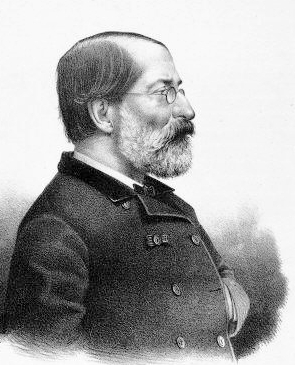 Emanuele Krakamp (13 febbraio 1813 - 1883): Sei Romanze floreali per flauto e pianoforte op. 191. Maurizio Bignardelli, flauto; Claudio Curti Gialdino, pianoforte.
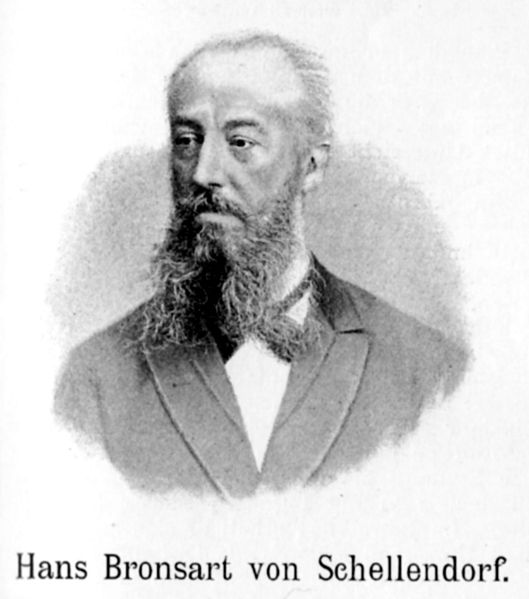


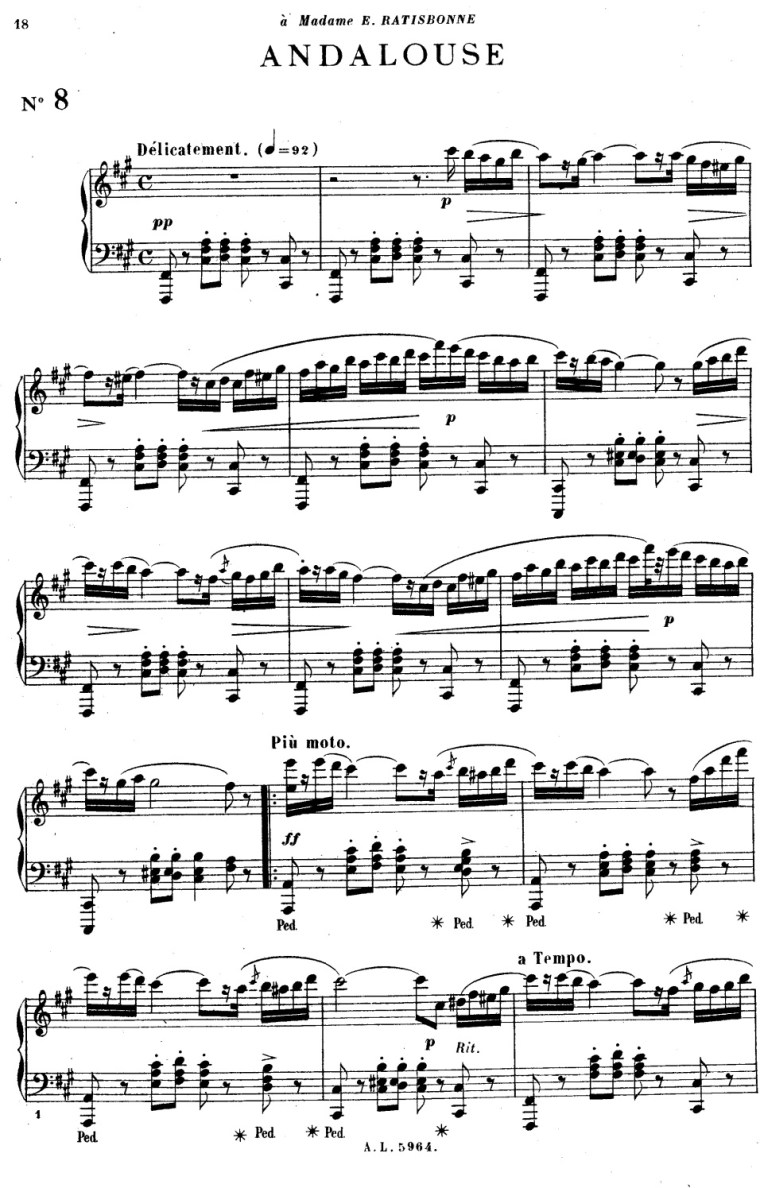


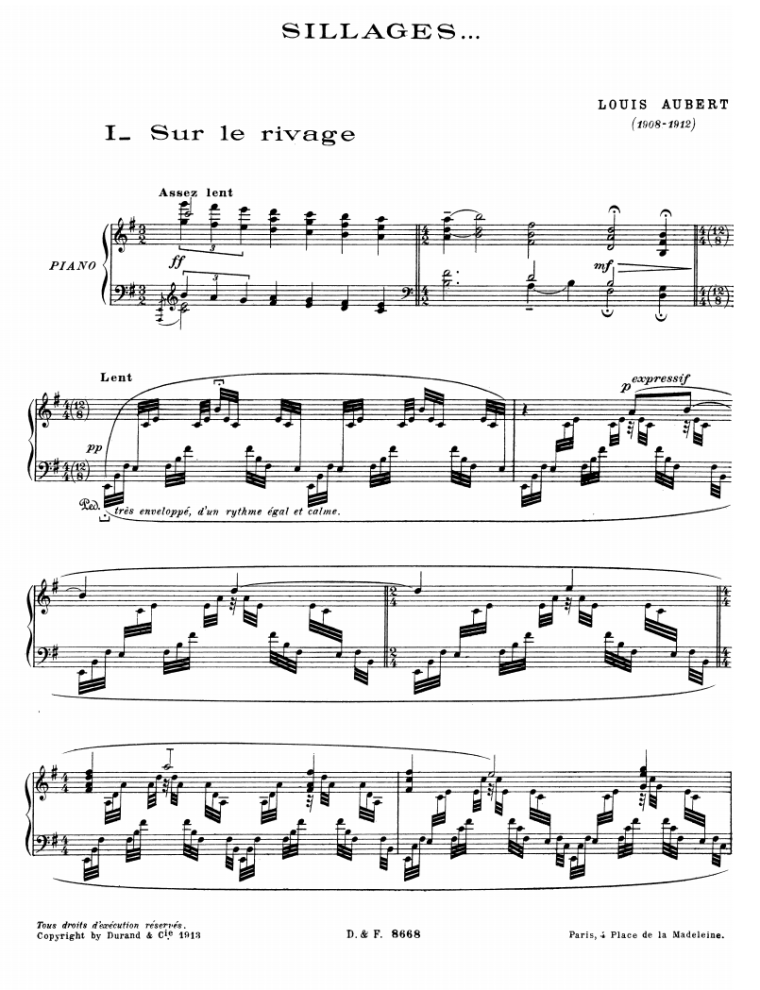
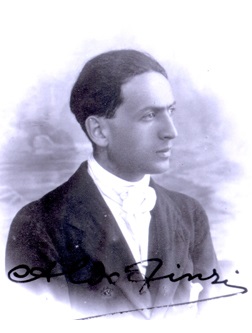 Aldo Finzi (4 febbraio 1897 - 7 febbraio 1945): Toccata per pianoforte (1931-37). Simonetta Heger.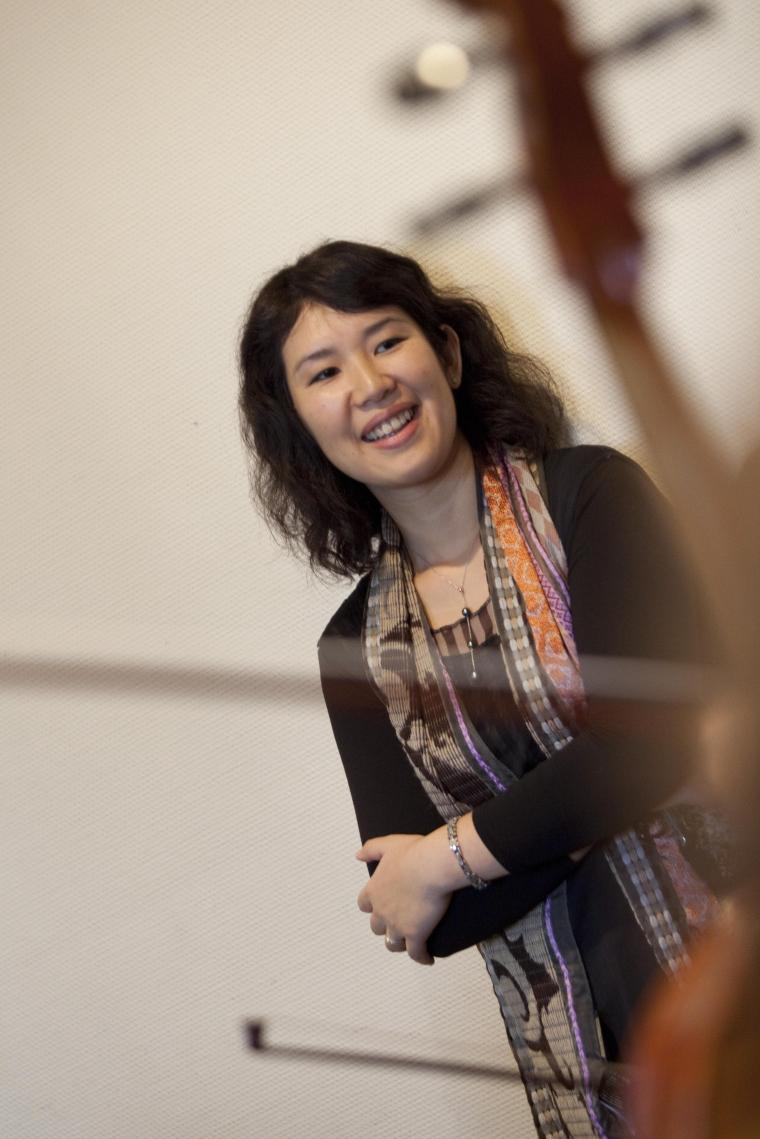


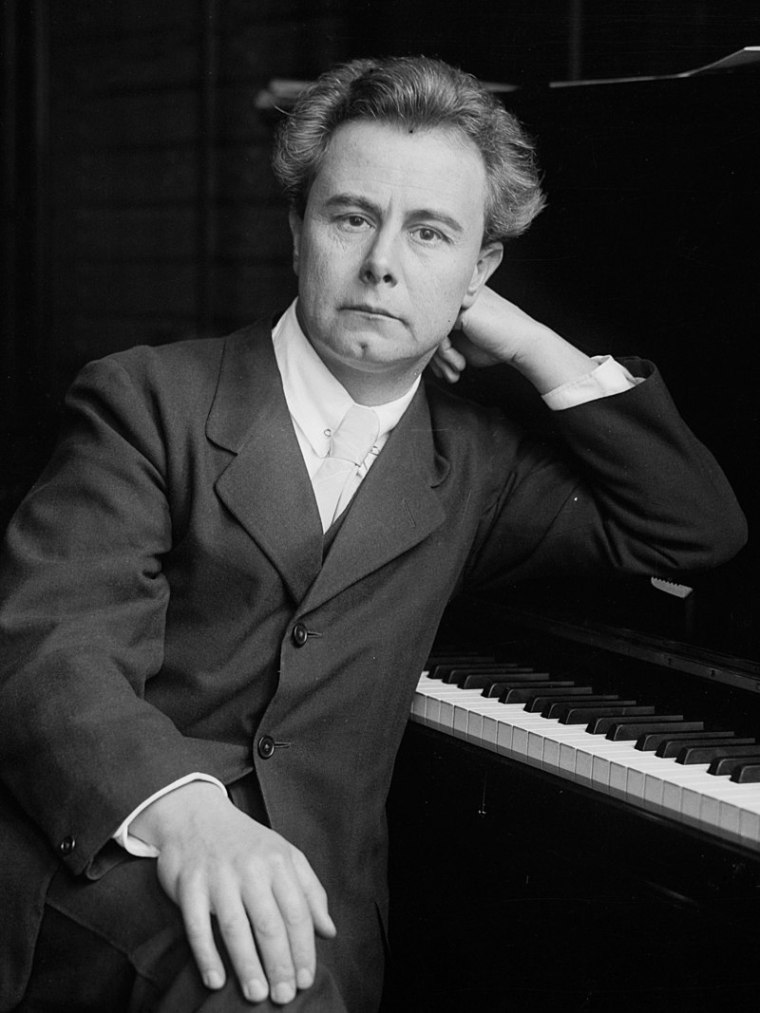
 Hanns Jelinek (1901 - 27 gennaio 1969): 4 Invenzioni dodecafoniche a 2 voci per pianoforte (1949). Jeffrey Wagner.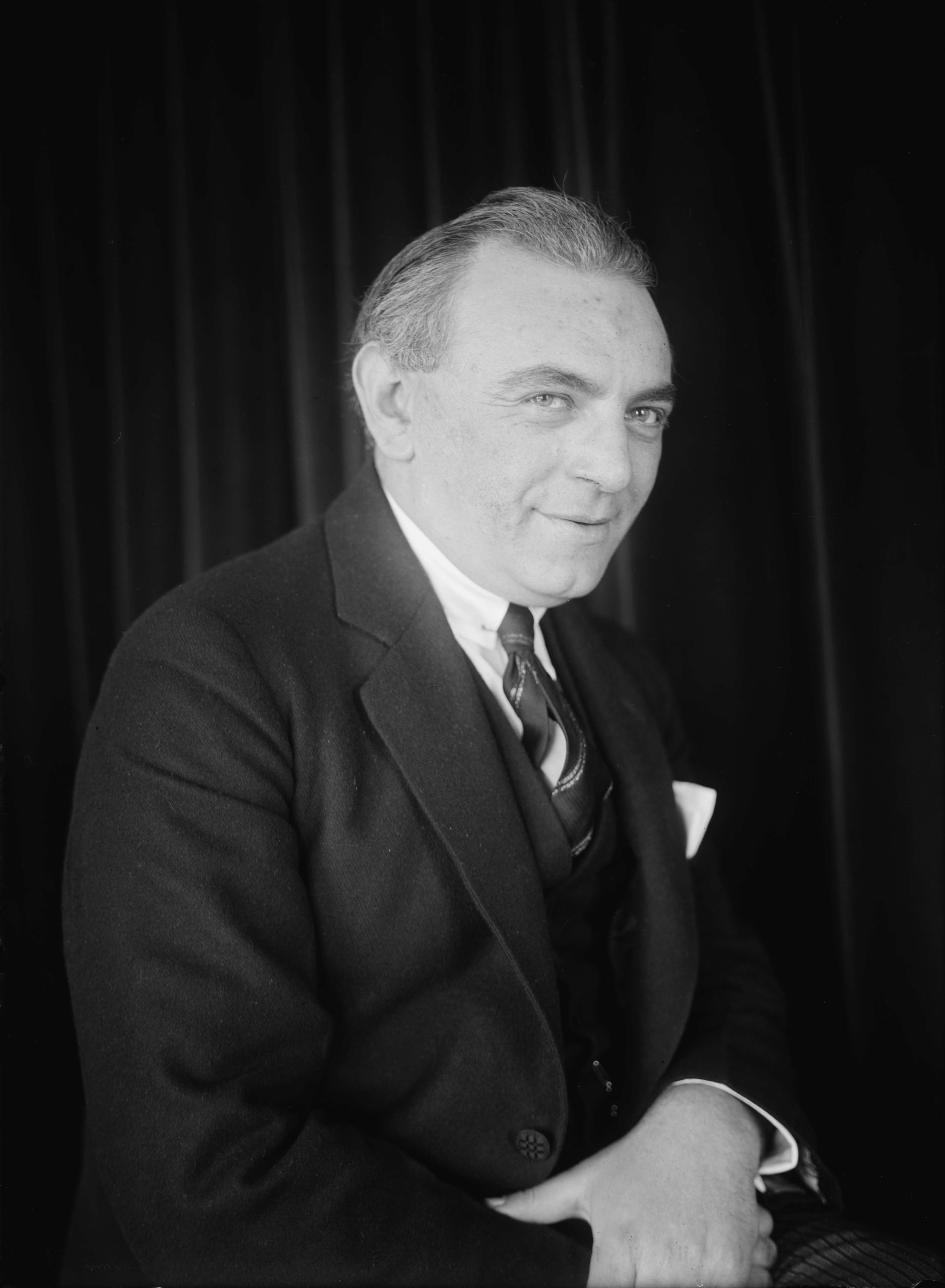


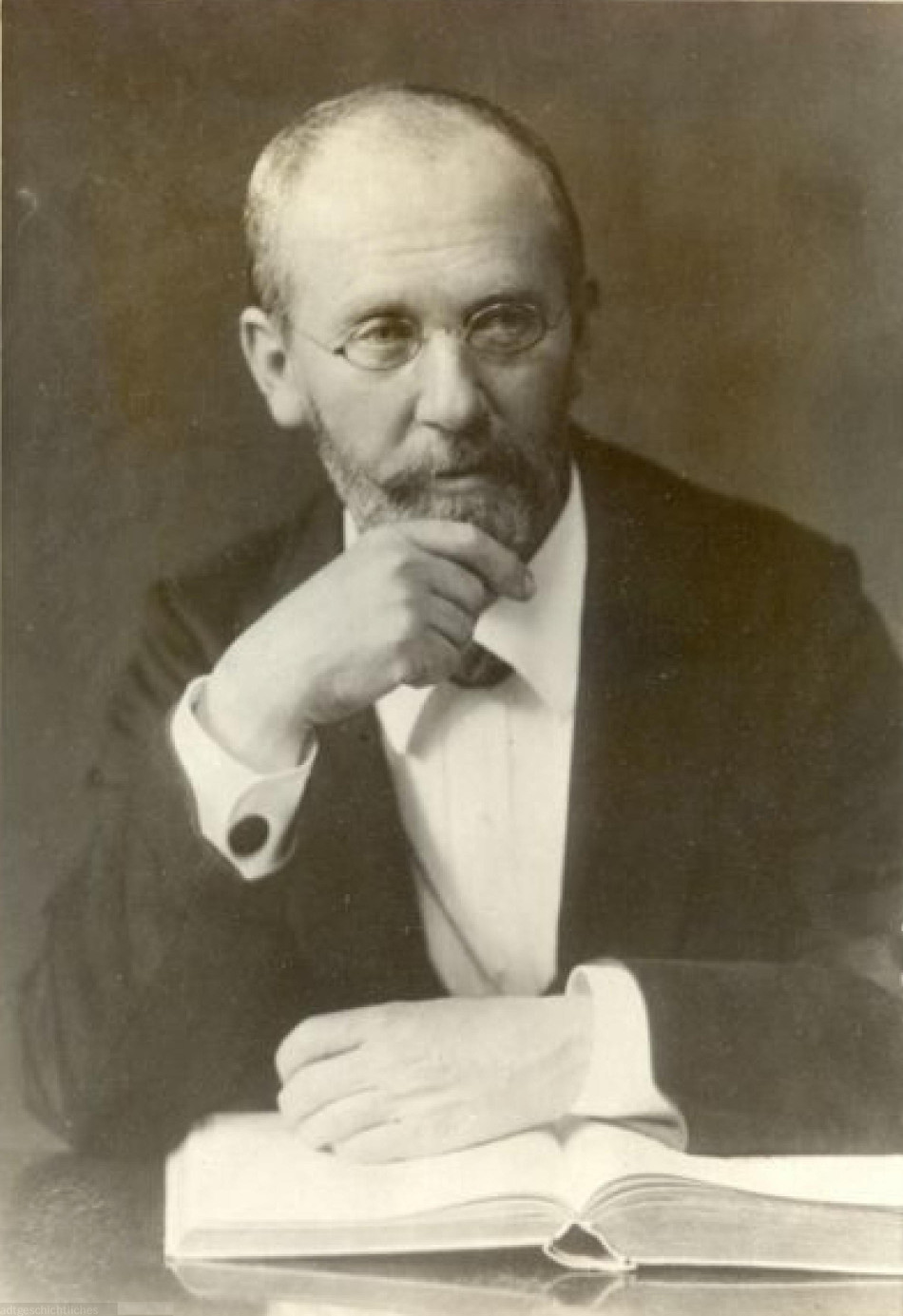
 la regina gioiosa