
Nikolaj Karlovič Metner (o Medtner; 1880 - 13 novembre 1951): Sonata n. 13 in fa minore per pianoforte op. 53 n. 2, Sonata minacciosa (1931-32). Geoffrey Tozer.
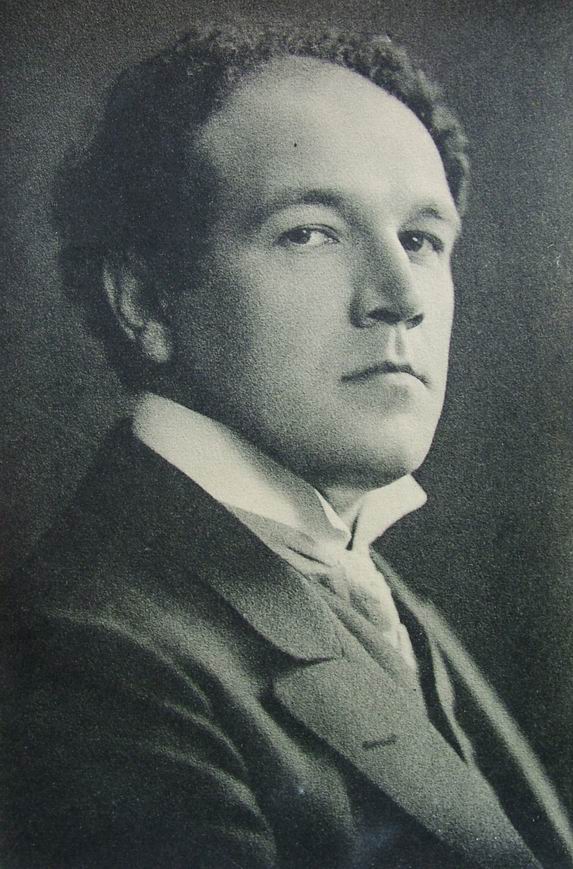
Nikolaj Karlovič Metner (o Medtner; 1880 - 13 novembre 1951): Sonata n. 13 in fa minore per pianoforte op. 53 n. 2, Sonata minacciosa (1931-32). Geoffrey Tozer.
Oscar Strasnoy (12 novembre 1970): Tourbillon per pianoforte, da Georges Delerue. Alexandre Tharaud, pianoforte.
Jeanne Moreau canta le Tourbillon de la vie di Georges Delerue in Jules et Jim di François Truffaut; il testo è di Cyrus Bassiak (pseudonimo di Serge Rezvani), che nel film suona la chitarra.
Elle avait des bagues à chaque doigt,
Des tas de bracelets autour des poignets,
Et puis elle chantait avec une voix
Qui, sitôt, m’enjôla.
Elle avait des yeux, des yeux d’opale,
Qui me fascinaient, qui me fascinaient.
Y avait l’ovale de son visage pâle
De femme fatale qui m’fut fatale.
On s’est connus, on s’est reconnus,
On s’est perdus de vue, on s’est r’perdus d’vue
On s’est retrouvés, on s’est réchauffés,
Puis on s’est séparés.
Chacun pour soi est reparti.
Dans l’tourbillon de la vie
Je l’ai revue un soir, aïe aïe aïe
Ça fait déjà un fameux bail.
Au son des banjos je l’ai reconnue.
Ce curieux sourire qui m’avait tant plu.
Sa voix si fatale, son beau visage pâle
M’émurent plus que jamais.
Je me suis soûlé en l’écoutant.
L’alcool fait oublier le temps.
Je me suis réveillé en sentant
Des baisers sur mon front brûlant.
On s’est connus, on s’est reconnus.
On s’est perdus de vue, on s’est r’perdus de vue
On s’est retrouvés, on s’est séparés.
Puis on s’est réchauffés.
Chacun pour soi est reparti.
Dans l’tourbillon de la vie.
Je l’ai revue un soir, ah là là
Elle est retombée dans mes bras.
Quand on s’est connus,
Quand on s’est reconnus,
Pourquoi se perdre de vue,
Se reperdre de vue?
Quand on s’est retrouvés,
Quand on s’est réchauffés,
Pourquoi se séparer?
Alors tous deux on est repartis
Dans le tourbillon de la vie
On a continué à tourner
Tous les deux enlacés.

Umberto Giordano (1867 - 12 novembre 1948): Violettes de Parme, valzer per pianoforte (1907). Daniela Giordano.
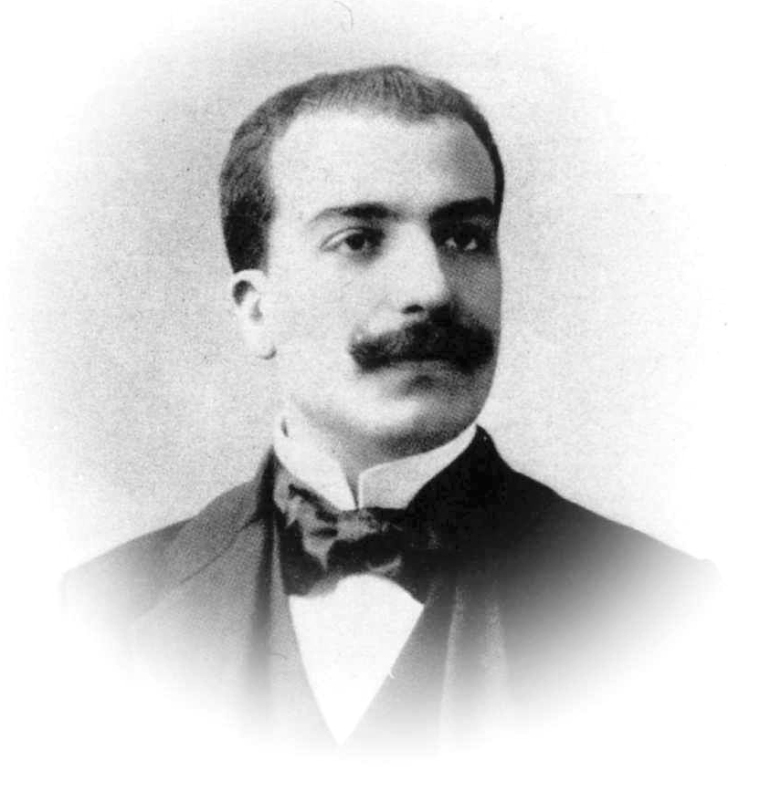
Rudolf Friml (1884 - 12 novembre 1972): Concert Waltz in re bemolle maggiore per pianoforte op. 12 (1905). Marguerite Volavy.

Aleksandr Porfir’evič Borodin (12 novembre 1833 - 1887): Petite Suite per pianoforte (1884). Aldo Ciccolini.
La stessa composizione nell’orchestrazione di Glazunov. Kungliga filharmoniska orkestern (Stoccolma), dir. Gennadij Roždestvenskij.

Paolo Giorza (11 novembre 1832 - 1914): Garibaldi-Polka per flauto e pianoforte op. 87 (1861). Maurizio Benedetti, flauto; Ilaria Schettini, pianoforte.
Autore della famosa canzone risorgimentale La bella Gigogin, ovvero Dàghela avanti un passo (1858), Giorza compose inoltre alcune opere teatrali, inni, marce militari e ballabili.

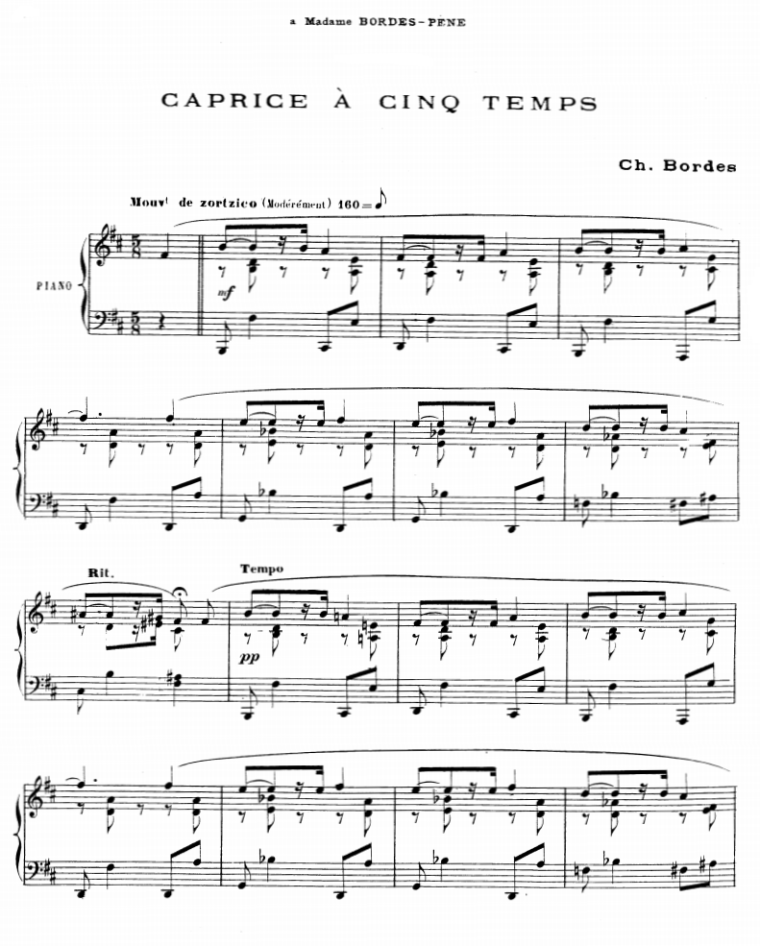
Charles Bordes (1863 - 8 novembre 1909): Caprice à cinq temps per pianoforte (1891). François-René Duchâble.
L’indicazione di tempo, «Mouvement de zortzico», fa riferimento a una danza tradizionale basca (zortziko, nome dato altresì al testo poetico sul quale si evolve il canto che l’accompagna) caratterizzata appunto dal ritmo quinario. Numerosi musicisti baschi, spagnoli e francesi tra fine ‘800 e inizio ‘900 hanno tratto ispirazione dallo zortziko: fra i tanti, oltre a Bordes, Sarasate, Sorozábal, Guridi, Albéniz, Turina, Pierné, Alkan, Saint-Saëns e Ravel.
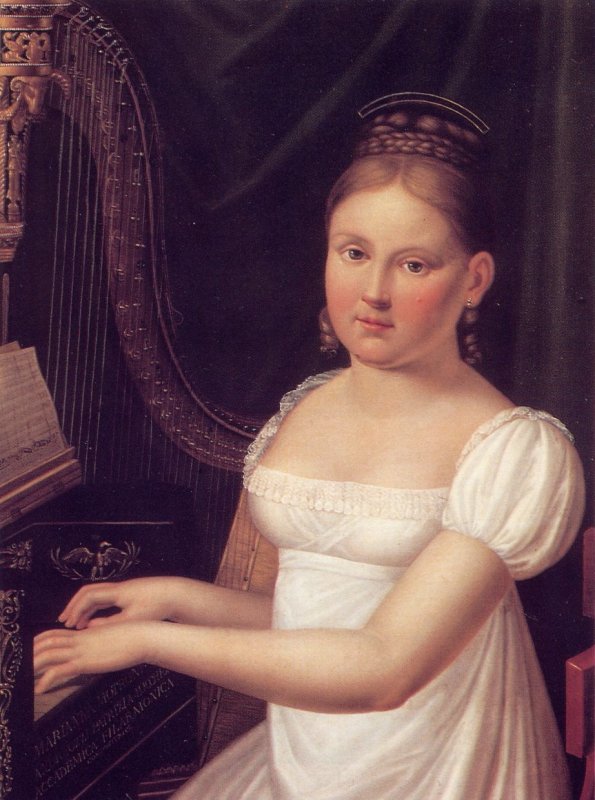
Marianna Motroni-Andreozzi sposata Bottini (7 novembre 1802 - 1858): Concertone per pianoforte e orchestra (1822). Gianni Bicchierini, pianoforte; Orchestra dell’Istituto superiore di studi musicali «Luigi Boccherini» di Lucca, dir. GianPaolo Mazzoli.
I. Allegro
II. Tema con variazioni: Adagio – Allegro
L’attività di compositrice di Marianna Motroni-Andreozzi si colloca fra il 1815 e il 1823, anno in cui sposò il marchese Lorenzo Bottini.
Claude Debussy (1862 - 1918): Deux Arabesques per pianoforte (1890-91). Zoltán Kocsis (1952 - 6 novembre 2016).

William Baines (1899 - 6 novembre 1922): Twilight Pieces per pianoforte (1921). Eric Parkin.
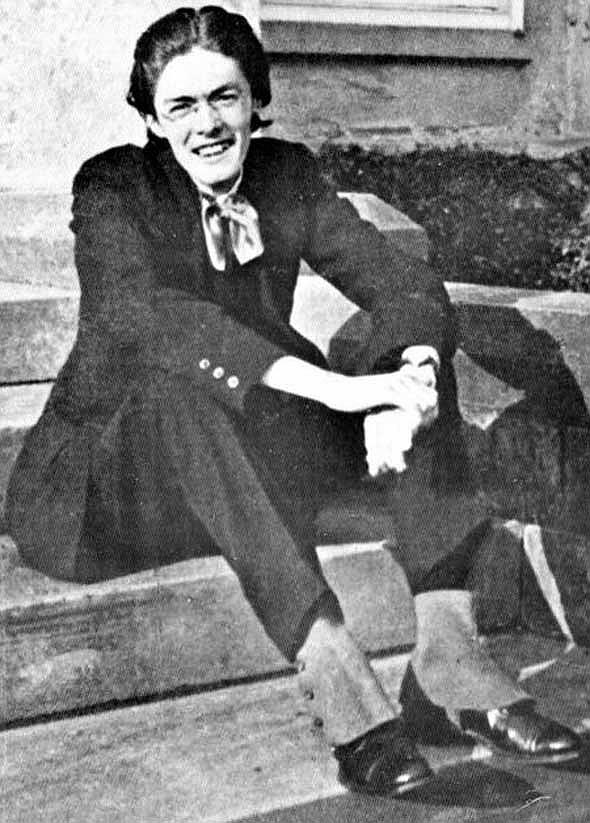
Zygmunt Stojowski (1870 - 5 novembre 1946): Rapsodia sinfonica per pianoforte e orchestra op. 23 (1898). Jonathan Plowright, pianoforte; Polska orkiestra radiowa, dir. Łukasz Borowicz.
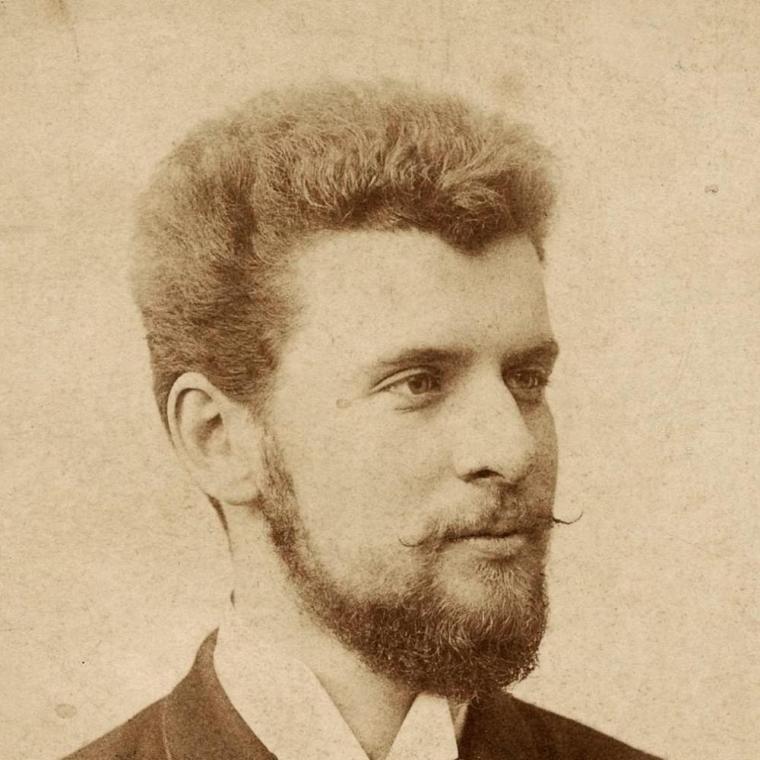
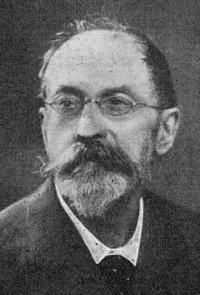 Émile Ratez (5 novembre 1851 - 1934): Pièce romantique per viola e pianoforte op. 70. Marcin Murawski, viola; Hanna Holeksa, pianoforte.
Elliott Carter (1908 - 5 novembre 2012): Caténaires per pianoforte (2006). Conrad Tao.
Composto a 98 anni.

Felix Mendelssohn-Bartholdy (1809 - 4 novembre 1847): Lied ohne Worte op. 19b n. 1 (1829-30). Daniel Gortler, pianoforte.
Felix Mendelssohn-Bartholdy: Lied ohne Worte op. 30 n. 6, Venetianisches Gondellied (1833-34). Frank van de Laar, pianoforte.

Teodor Leszetycki (1830 - 4 novembre 1915): Toccata (Hommage à Czerny ) per pianoforte op. 46 n. 5 (1902). Hubert Rutkowski.

Carl Tausig (4 novembre 1841 - 1871): Das Geisterschiff, ballata per pianoforte op. 1c (1860). Rian de Waal.

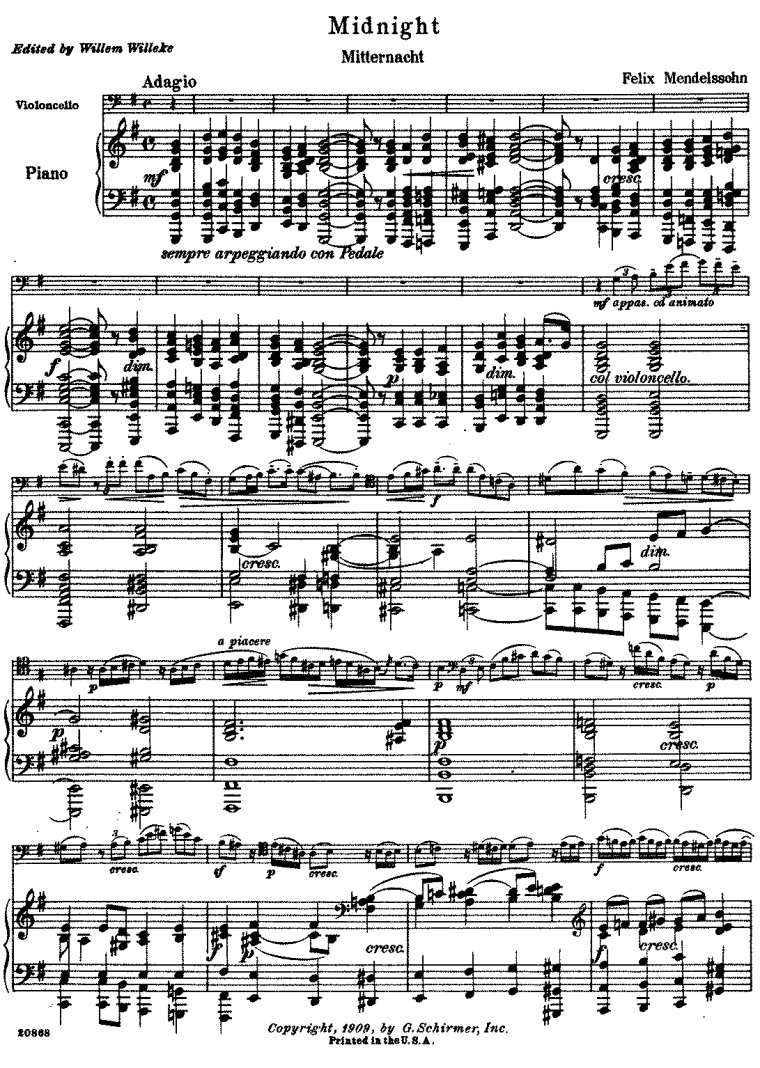
Felix Mendelssohn-Bartholdy (1809 - 4 novembre 1847): Sonata per violoncello e pianoforte n. 2 in re maggiore op. 58 (1843). Mischa Maisky, violoncello; Sergio Tiempo, pianoforte.
Particolarmente interessante il III movimento, Adagio, che testimonia l’ammirazione di Mendelssohn per Bach, con il suo svolgimento in forma di corale, affidato al pianoforte, sul quale il violoncello si produce in una sorta di recitativo che riporta alla mente diverse composizioni del Kantor di Lipsia: alcune arie con violoncello concertante incluse in oratori e cantate, ma anche la Fantasia cromatica BWV 903.
Nella parte finale del medesimo movimento, mentre il pianoforte riprende la melodia precedentemente esposta dal violoncello, a quest’ultimo è affidato un effetto singolare: a un prolungato SOL grave eseguito con l’archetto si sovrappone lo stesso SOL ripetuto per dodici volte in pizzicato. Ritenendo, a torto o a ragione, che si trattasse di una rappresentazione dei dodici rintocchi della mezzanotte, analoga a quelle di molte musiche ottocentesche d’ambientazione notturna, all’inizio del XX secolo l’Adagio venne pubblicato come brano a sé stante, appunto con il titolo di Mezzanotte.
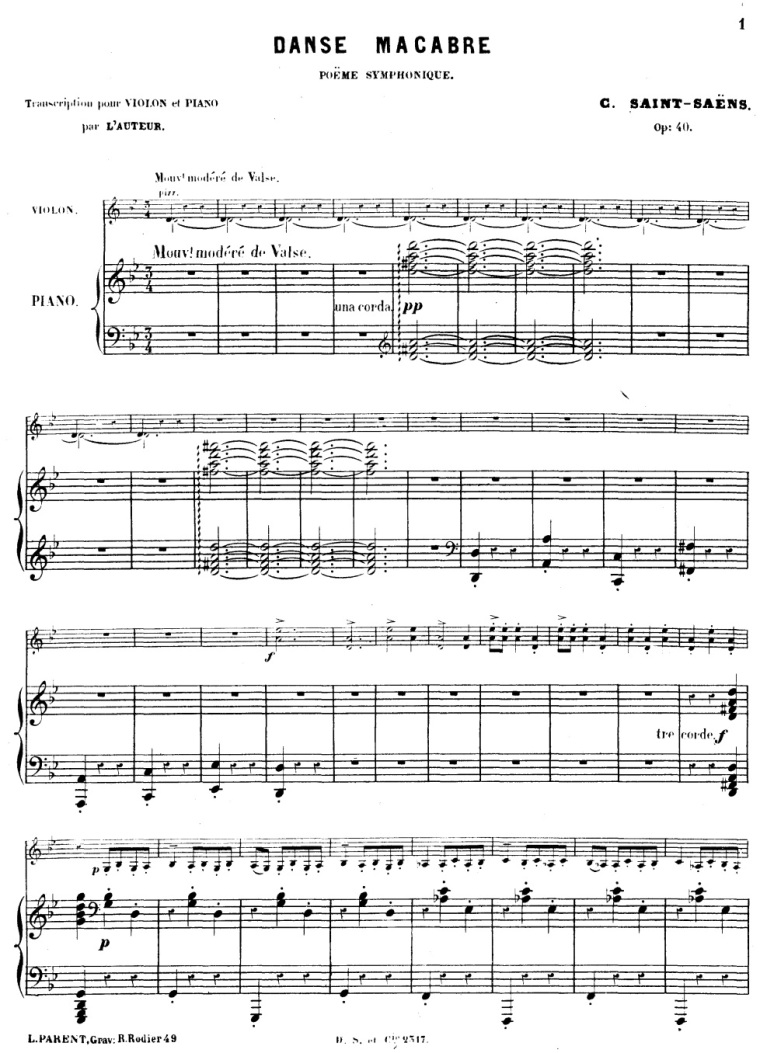
Camille Saint-Saëns (1835-1921): Danse macabre op. 40, versione per violino e pianoforte. Rachel Barton, violino; Patrick Sinozich, pianoforte.
Fra i vari adattamenti e trascrizioni di questo famoso poema sinfonico, scelgo quello che mi sembra il più interessante in quanto opera dello stesso Saint-Saëns.
Charles Dieupart (1676 - 1751): Menuet, n. 6 della Suite in fa minore per flauto o violino e basso continuo (1701). Il Giardino Armonico, dir. Giovanni Antonini. Coreografia: Musica et Saltatoria.
Franz Schubert (1797 - 1828): Minuetto in do diesis minore D 600 (1814), eseguito insieme con il Trio in mi maggiore D 610. Jörg Demus, pianoforte.
Scene tratte dal film di Roman Polański Per favore, non mordermi sul collo! (The Fearless Vampire Killers, 1967). La musica è di Krzysztof Komeda (pseudonimo di Krzysztof Trzciński, 1931 - 1969), il quale compose le colonne sonore di altri due film di Polański, Il coltello nell’acqua (1962) e Rosemary’s Baby (1968). Coreografia di Tutte Lemkow (1918 - 1991).

Mathieu Crickboom (1871 - 30 ottobre 1947): Trois Esquisses per violino e pianoforte op. 1. Anna Ovsyanikova, violino; Julia Sinani, pianoforte.

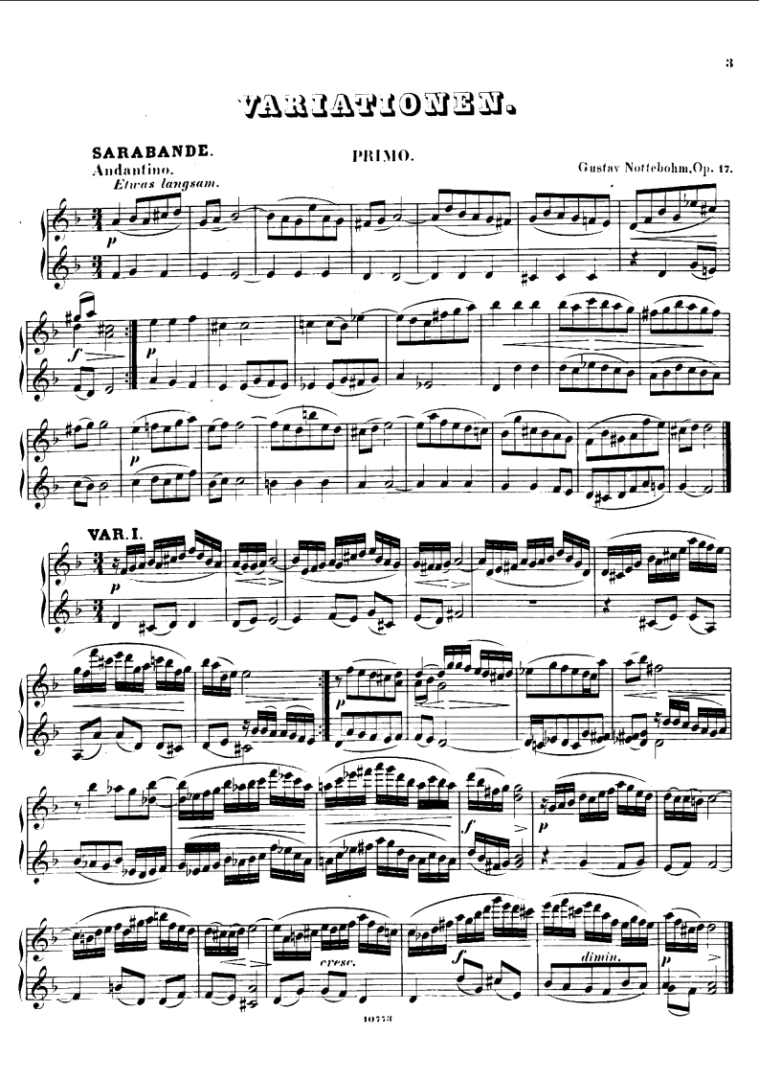
Gustav Nottebohm (1817 - 29 ottobre 1882): Variazioni sopra un tema di J. S. Bach per pianoforte a 4 mani op. 17 (1865). Hans-Peter e Volker Stenzl.
Più che come compositore, oggi Nottebohm è noto quale musicologo: pubblicò numerosi studi su Beethoven ancor oggi considerati fondamentali, curò un catalogo tematico delle composizioni di Schubert e raccolse un’imponente quantità di partiture di musica barocca e prebarocca.
Il tema di queste Variazioni è tratto dalla Sarabanda (III movimento) della Suite francese n. 1 in re minore BWV 812. Nottebohm eseguì spesso l’op. 17 in concerto insieme con Brahms.
Carlos Guastavino (1912 - 29 ottobre 2000): Tres Romances argentinos per 2 pianoforti (1951). Martha Argerich e Mauricio Vallina.

Rudolf Tobias (1873 - 29 ottobre 1918): Concerto in re minore per pianoforte e orchestra (1897). Vardo Rumessen, pianoforte; Eesti Riiklik Sümfooniaorkester, dir. Neeme Järvi.

Henri Bertini (28 ottobre 1798 - 1876): Le Repos, 24 leçons mélodiques op. 101 (c1838). Claudio Colombo, pianoforte.
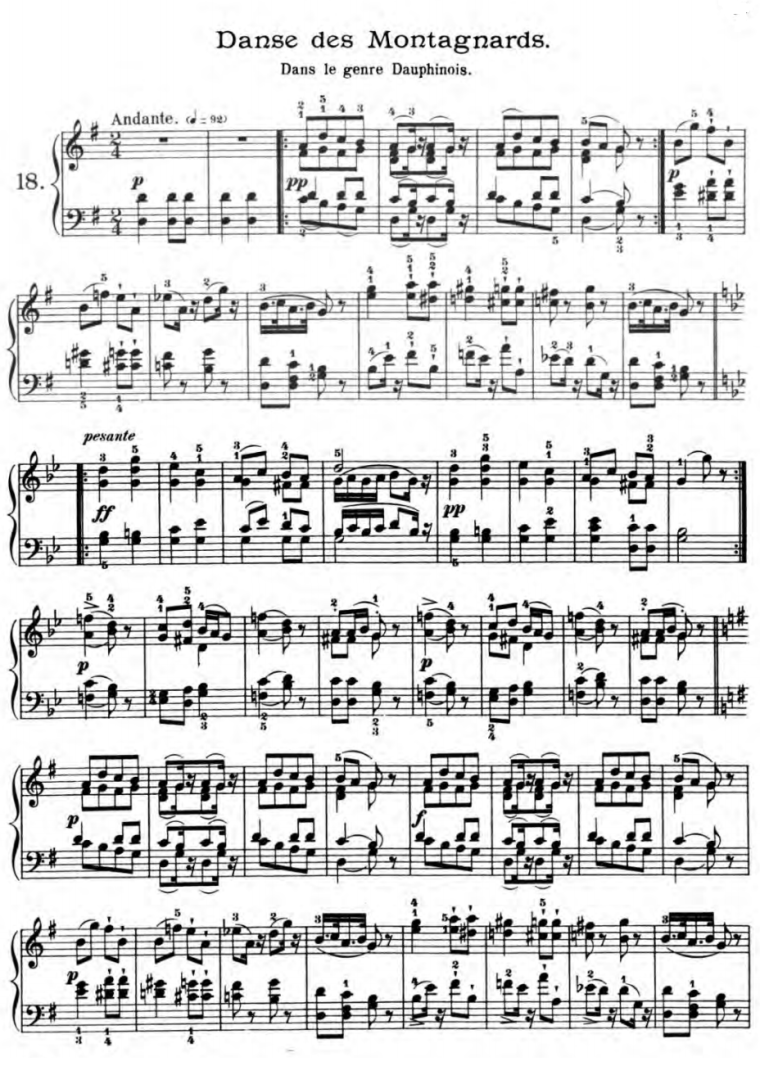
Dominick Argento (27 ottobre 1927 - 2019): Six Elizabethan Songs (1958). Barbara Bonney, soprano; André Previn, pianoforte.
Spring (Thomas Nashe, 1567-1601: da Summer’s Last Will and Testament, 1592)
Spring, the sweet Spring, is the year’s pleasant king;
Then blooms each thing, then maids dance in a ring,
Cold doth not sting, the pretty birds do sing,
Cuckoo, jug-jug, pu-we, to-witta-woo!
The palm and may make country houses gay,
Lambs frisk and play, the shepherd pipes all day,
And we hear aye birds tune this merry lay,
Cuckoo, jug-jug, pu-we, to-witta-woo!
The fields breathe sweet, the daisies kiss our feet,
Young lovers meet, old wives a-sunning sit,
In every street these tunes our ears do greet,
Cuckoo, jug-jug, pu-we, to-witta-woo!
Spring! The sweet Spring!
Sleep (Samuel Daniel, 1562-1619: da Delia, 1592)
Care-charmer Sleep, son of the sable Night,
Brother to Death, in silent darkness born,
Relieve my anguish and restore thy light,
With dark forgetting of my cares, return;
And let the day be time enough to mourn
The shipwreck of my ill-adventur’d youth:
Let waking eyes suffice to wail their scorn,
Without the torment of the night’s untruth.
Cease, dreams, th’ images of day-desires
To model forth the passions of the morrow;
Never let rising sun approve you liars,
To add more grief to aggravate my sorrow.
Still let me sleep, embracing clouds in vain;
And never wake to feel the day’s disdain.
Winter (William Shakespeare, 1564-1616: da Love’s Labour’s Lost V/2, 1597)
When icicles hang by the wall
And Dick the shepherd blows his nail,
And Tom bears logs into the hall,
And milk comes frozen home in pail;
When blood is nipt and ways be foul,
Then nightly sings the staring owl:
Tu-who!
Tu-whit! Tu-who! — A merry note!
While greasy Joan doth keel the pot.
When all aloud the wind doth blow,
And coughing drowns the parson’s saw,
And birds sit brooding in the snow,
And Marian’s nose looks red and raw;
When roasted crabs hiss in the bowl
Then nightly sings the staring owl:
Tu-who!
Tu-whit! Tu-who! — A merry note!
While greasy Joan doth keel the pot.
Dirge (Shakespeare: da Twelfth Night II/4, 1602)
Come away, come away, death,
And in sad cypress let me be laid;
Fly away, fly away, breath;
I am slain by a fair cruel maid.
My shroud of white, stuck all with yew,
O prepare it!
My part of death, no one so true
Did share it.
Not a flower, not a flower sweet,
On my black coffin let there be strown;
Not a friend, not a friend greet
My poor corpse, where my bones shall be thrown:
[A thousand, thousand sighs to save,]
Lay me, O where
Sad true lover never find my grave,
To weep there!
Diaphenia (Henry Constable, 1562-1613: Damelus’ Song to his Diaphenia, c1600)
Diaphenia, like the daffadowndilly,
White as the sun, fair as the lily,
Heigh ho, how I do love thee!
I do love thee as my lambs
Are belovèd of their dams:
How blest were I if thou would’st prove me.
Diaphenia, like the spreading roses,
That in thy sweets all sweets encloses,
Fair sweet, how I do love thee!
I do love thee as each flower
Loves the sun’s life-giving power;
For dead, thy breath to life might move me.
Diaphenia, like to all things blessèd,
When all thy praises are expressèd,
Dear joy, how I do love thee!
As the birds do love the spring,
Or the bees their careful king, —
Then in requite, sweet virgin, love me!
Hymn (Ben Jonson, 1572-1637: Hymn to Diana)
Queen and huntress, chaste and fair,
Now the sun is laid to sleep,
Seated in thy silver chair,
State in wonted manner keep:
Hesperus entreats thy light,
Goddess excellently bright.
Earth, let not thy envious shade
Dare itself to interpose;
Cynthia’s shining orb was made
Heav’n to clear when day did close;
Bless us then with wishèd sight,
Goddess excellently bright.
Lay thy bow of pearl apart,
And thy crystal shining quiver;
Give unto the flying hart
Space to breathe, how short so-ever:
Thou that mak’st a day of night,
Goddess excellently bright.
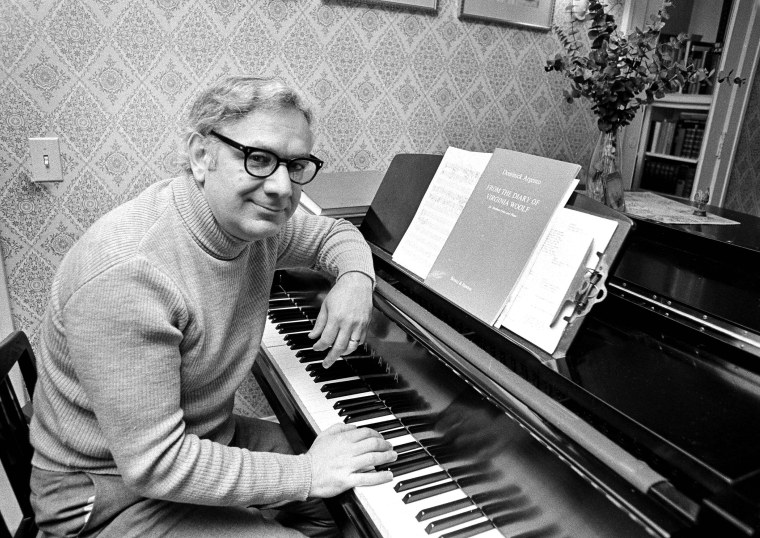
Stefano Golinelli (26 ottobre 1818 - 1891): La danza dei vampiri, scherzo per pianoforte op. 52. Realizzazione MIDI.
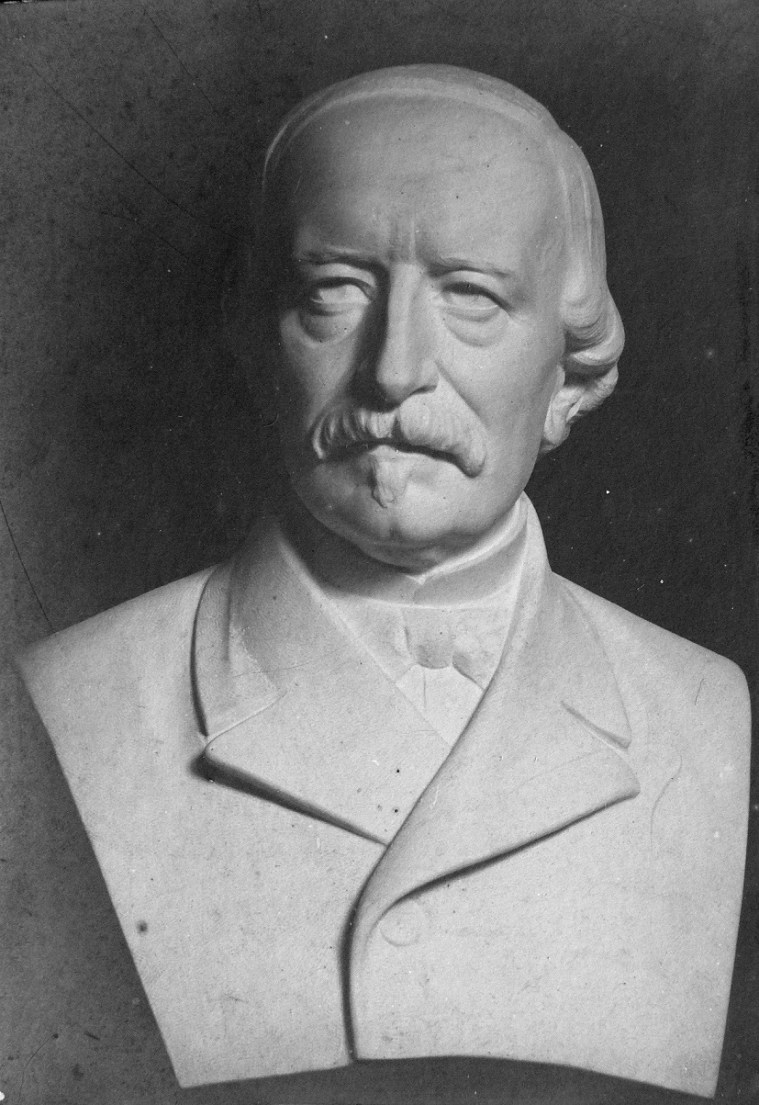
Georges Bizet (25 ottobre 1838 - 1875): Jeux d’enfants, 12 pezzi per pianoforte a 4 mani op. 22 (1871). Alfons e Aloys Kontarsky.
Bizet: Petite suite (trascrizione per orchestra dei Jeux d’enfants n. VI, III, II, XI e XII). Philharmonia Orchestra, dir. sir Adrian Boult (in concerto, 1964).
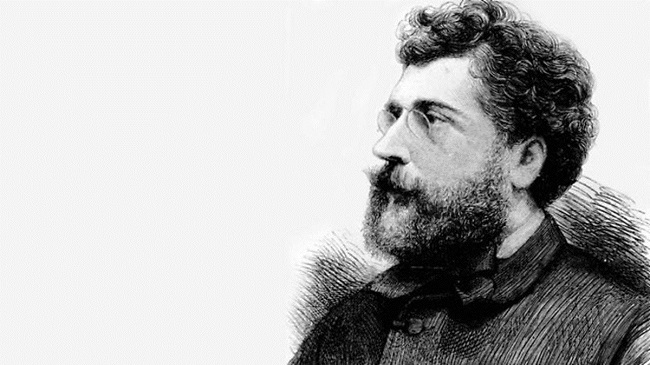
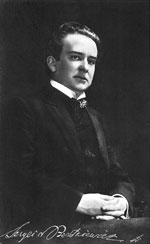 Sergej Ėduardovič Bortkevič (1877 - 25 ottobre 1952): Esquisses de Crimée per pianoforte op. 8 (1908). Pavel Gintov.
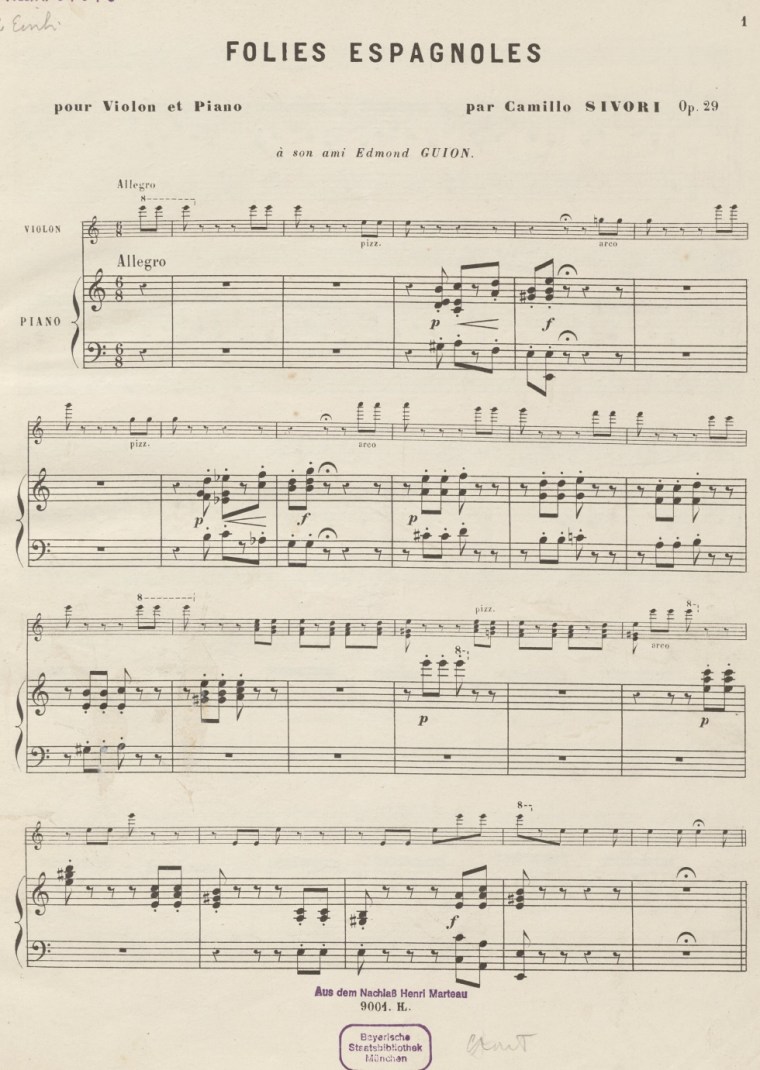
Camillo Sivori (25 ottobre 1815 - 1894): Folies espagnoles per violino e pianoforte op. 29. Fulvio Luciani, violino; Massimiliano Motterle, pianoforte.
Pierre Sancan (24 ottobre 1916 - 20 ottobre 2008): Sonatina per flauto e pianoforte (1946). Claude Regimbald, flauto; Claude Webster, pianoforte.

Hai un account WordPress.com? Accedi ora.

