Alessandro Poglietti (? - 1683): Toccata fatta sopra l’assedio di Filipsburgo. Fernando De Luca, clavicembalo.
La cittadina di Philippsburg, nel Baden-Württemberg, fu assediata più volte nel corso della sua storia. L’episodio cui fa riferimento la composizione di Poglietti risale al 1676: Philippsburg, occupata dai francesi fin dal 1644, il 1° maggio viene cinta d’assedio dalle truppe imperiali guidate da Carlo V di Lorena; strenuamente difesa per oltre quattro mesi dal generale Charles de Faultrier du Fay, la piazzaforte capitola il 9 settembre.
Antonín Dvořák (1841 - 1° maggio 1904): Dumka e Furiant per pianoforte op. 12, B. 136-137 (1876). Inna Porošina.
La dumka (diminutivo di duma, pensiero) è un canto popolare slavo di origine ucraina: ha carattere narrativo e elegiaco, andamento lento o moderato e tonalità minore. Il furiant è una danza tradizionale boema, vivace e energica, di andamento rapido; caratteristica saliente è l’ambiguità ritmica determinata dall’innesto di elementi binari sul ritmo ternario di base (emiolia).
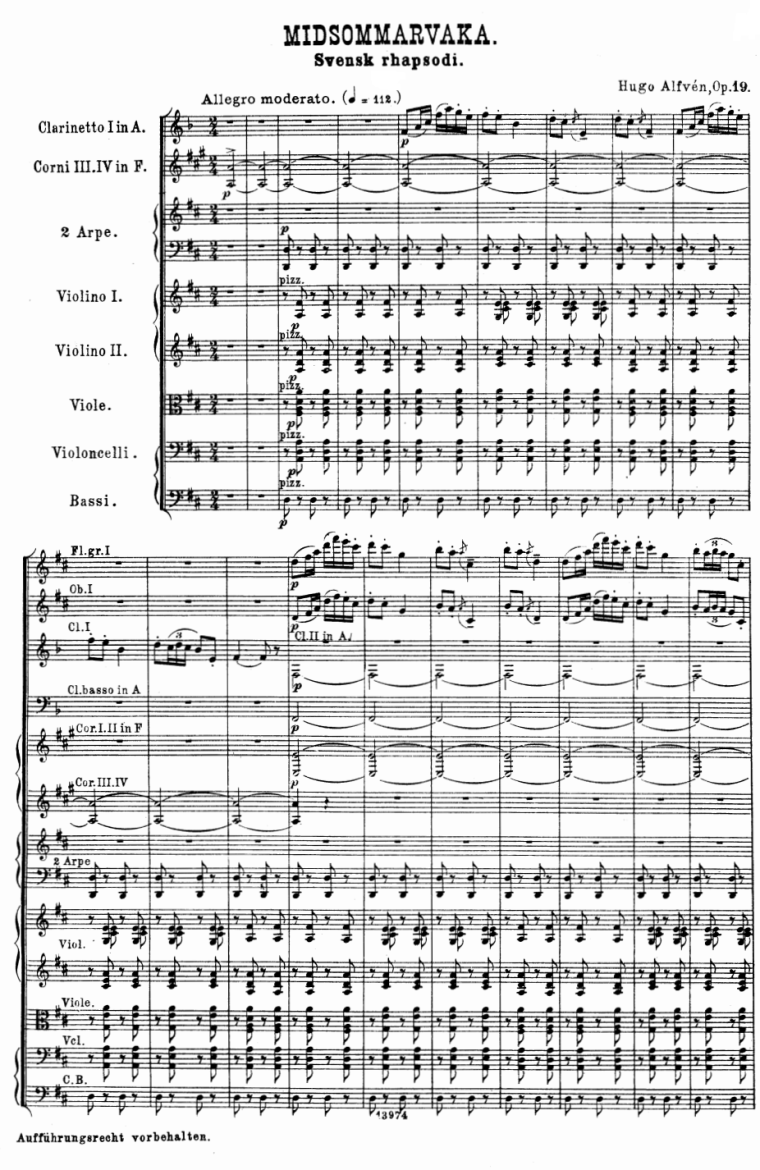
Hugo Alfvén (1º maggio 1872 - 8 maggio 1960): Rapsodia svedese n. 1 op. 19, Midsommarvaka (Veglia di mezza estate, 1903). Sinfóníuhljómsveit Íslands (Orchestra sinfonica nazionale islandese), dir. Petri Sakari.
François d’Agincourt (1683 - 30 aprile 1759): Sarabande La Magnifique (dalla raccolta di Pièces de clavecin del 1733, Premier Ordre, n. 4). Rebecca Pechefsky.
Ellen Taaffe Zwilich (30 aprile 1939): Sinfonia n. 3 (1992), composta per il 150° anniversario della New York Philharmonic Orchestra, che qui esegue la sinfonia sotto la direzione di Jahja Ling.
Maestoso e cantabile – Allegro giocoso
Molto vivace
Largo
Zwilich ha ottenuto numerosi riconoscimenti fra cui, nel 1983, il Pulitzer Prize for Music — prima compositrice cui il prestigioso premio sia stato conferito.
Ignacio Cervantes (1847 - 29 aprile 1905) fu un illustre compositore e pianista cubano, autore fra l’altro di 41 Danzas cubanas per pianoforte, di cui potete ascoltare qui una piccola antologia nell’interpretazione di Beatriz Boizan.
Johann Christian Fischer (c1733 - 29 aprile 1800): Concerto per oboe e orchestra n. 2 in mi bemolle maggiore. Michael Niesemann, oboe; Kölner Akademie, dir. Michael Alexander Willens.
Sir Alexander Mackenzie (1847 - 28 aprile 1935): La Belle Dame sans Merci, ballata sinfonica op. 29 (1883) ispirata dall’omonima ballata di John Keats. Orchestra filarmonica di Malta, dir. Michael Laus.
O what can ail thee, knight-at-arms,
Alone and palely loitering?
The sedge has withered from the lake,
And no birds sing.
O what can ail thee, knight-at-arms,
So haggard and so woe-begone?
The squirrel’s granary is full,
And the harvest’s done.
I see a lily on thy brow,
With anguish moist and fever-dew,
And on thy cheeks a fading rose
Fast withereth too.
I met a lady in the meads,
Full beautiful — a faery’s child,
Her hair was long, her foot was light,
And her eyes were wild.
I made a garland for her head,
And bracelets too, and fragrant zone;
She looked at me as she did love,
And made sweet moan.
I set her on my pacing steed,
And nothing else saw all day long,
For sidelong would she bend, and sing
A faery’s song.
She found me roots of relish sweet,
And honey wild, and manna-dew,
And sure in language strange she said —
‘I love thee true’.
She took me to her Elfin grot,
And there she wept and sighed full sore,
And there I shut her wild wild eyes
With kisses four.
And there she lullèd me asleep,
And there I dreamed — Ah! woe betide! —
The latest dream I ever dreamt
On the cold hill side.
I saw pale kings and princes too,
Pale warriors, death-pale were they all;
They cried — ‘La Belle Dame sans Merci
Thee hath in thrall!’
I saw their starved lips in the gloam,
With horrid warning gapèd wide,
And I awoke and found me here,
On the cold hill’s side.
And this is why I sojourn here,
Alone and palely loitering,
Though the sedge is withered from the lake,
And no birds sing.
.
Aleksandr Nikolaevič Skrjabin (1872 - 27 aprile 1915): Sinfonia n. 5, Prométhée ou le Poème du feu op. 60 (1910). Chicago Symphony Orchestra & Chorus, dir. Pierre Boulez. .
Edison Denisov (26 aprile 1929 - 1996): Prima Sinfonia (1987). Orchestra sinfonica di Stato del Ministero della cultura dell’URSS, dir. Gennadij Roždestvenskij.
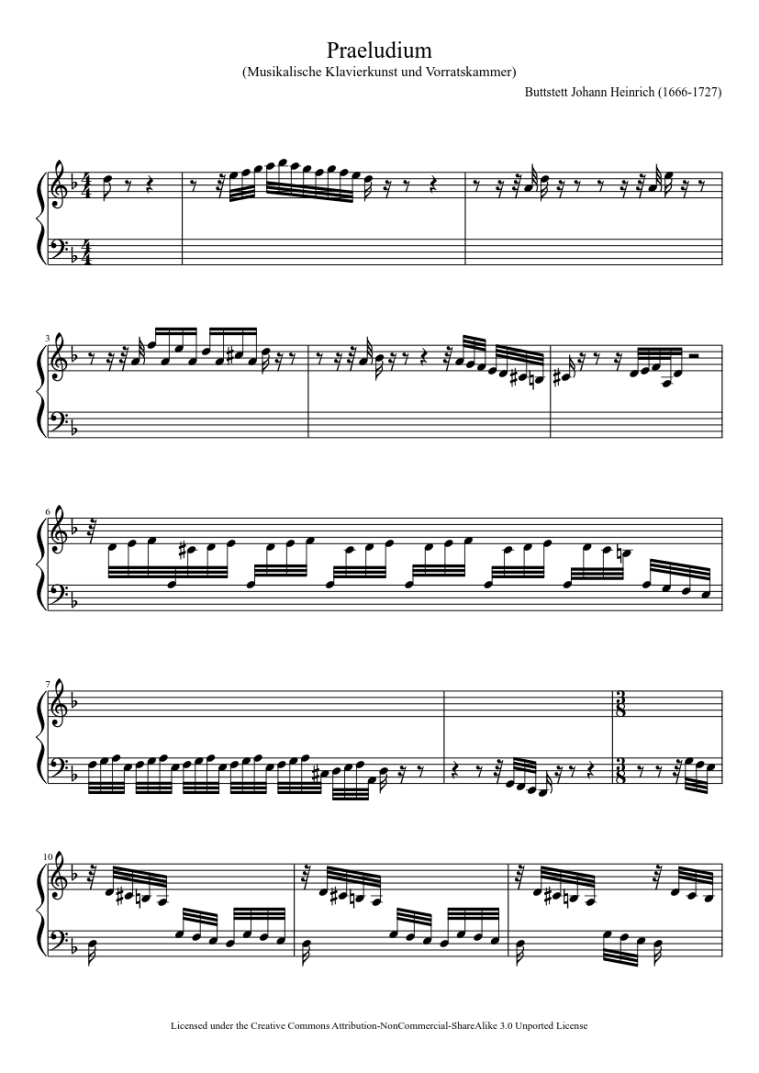
Johann Heinrich Buttstett (25 aprile 1666 - 1727): Preludio e Capriccio in re minore (da Musicalische Clavier-Kunst und Vorraths-Kammer, 1713). Marco Lo Muscio all’organo Mascioni della Chiesa di San Gregorio VII in Roma.
Johann Heinrich Buttstett: Fuga in mi minore (dall’Andreas-Bach-Buch, n. 40). Maurizio Croci, organo.
Augusta Read Thomas (24 aprile 1964): Brio per orchestra (2018). Curtis Symphony Orchestra, dir. Yue Bao.
« I care about craft, clarity, and passion. My works are organic and, at every level, concerned with transformations and connections. The carefully sculpted musical materials of Brio are agile and energized, and their flexibility allows a way to braid harmonic, rhythmic, and contrapuntal elements that are constantly transformed — at times whimsical and light, at times jazzy, at times layered and reverberating. Across Brio’s 11-minute duration, it unfolds a labyrinth of musical interrelationships and connections that showcase the musicians of the Des Moines Symphony in a virtuosic display of rhythmic agility, counterpoint, skill, energy, dynamic range, clarity, and majesty. Throughout the kaleidoscopic journey, the work passes through many lively and colorful episodes and, via an extended, gradual crescendo, reaches a full-throttle, sparkling intensity — imagine a coiled spring releasing its energy to continuously propel the musical discourse. Vivid, clangorous, brassy, and blazing, Brio culminates in music of enthusiastic, intrepid (almost Stravinsky-like) spirits while never losing its sense of dance, caprice, and effervescence » (Augusta Read Thomas).
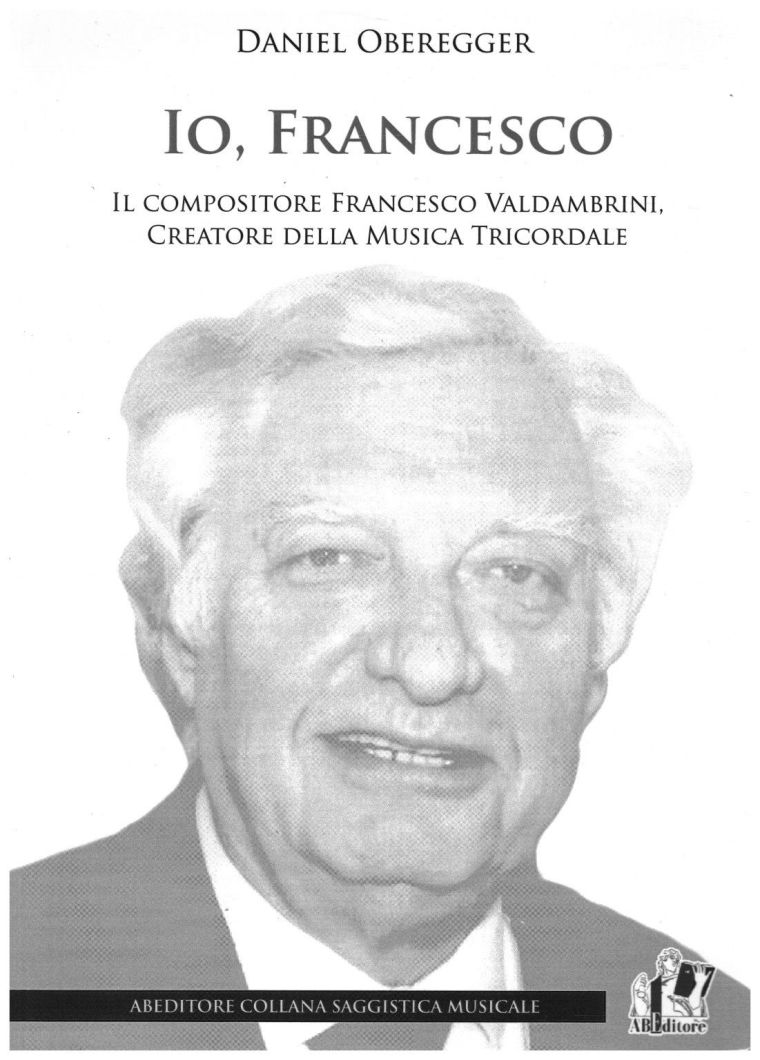
Francesco Valdambrini (24 aprile 1933 - 2007): Sonanza infinita, ritrovare tricordale in un unico risuono di 50 minuti circa per pianoforte solo (1990).
Valdambriniè il creatore della musica tricordale.
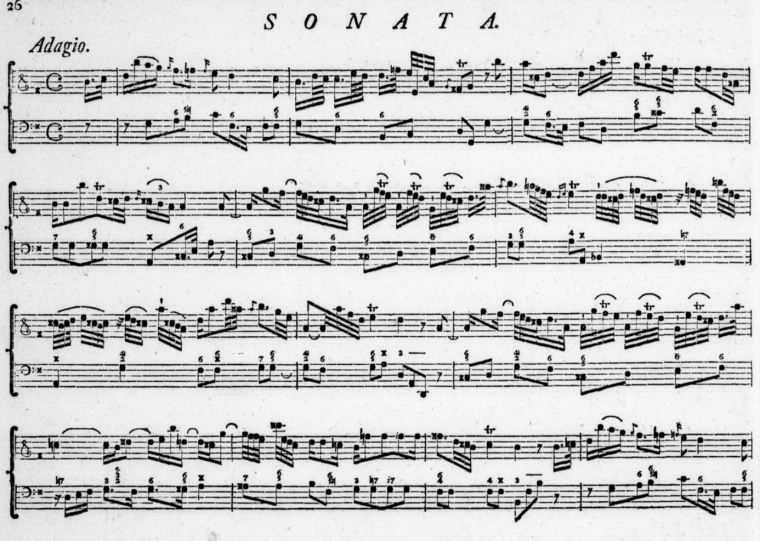
Johann Philipp Kirnberger (24 aprile 1721 - 1783): Sonata in sol maggiore per flauto e basso continuo (c1769). Frank Theuns, flauto; Richte van der Meer, violoncello; Ewald Demeyere, clavicembalo.
Robert Fayrfax (23 aprile 1464 - 1521): Magnificat «O bone Ihesu» a 3-5 voci (trascritto nel Lambeth Choirbook, n. 15). Ensemble The Cardinall’s Musick, dir. Andrew Carwood.
Robert Fayrfax: Magnificat «regale» a 5 voci (trascritto nell’Eton Choirbook, n. 75). Stessi interpreti.
Non è ben chiaro perché il brano abbia questo titolo; si suppone che il Magnificat sia stato composto per il King’s College di Cambridge e che da questo (in latino «Collegium regale») abbia preso nome.
Il Lambeth Choirbook e l’Eton Choirbook sono due degli unici tre libri corali inglesi (il terzo è il Caius Choirbook) dell’epoca precedente la Riforma anglicana pervenuti fino a noi. L’Eton Choirbook fu redatto fra il 1490 e il 1500 e ulteriormente ampliato presumibilmente fra il 1510 e il 1515. Il Lambeth (o Arundel) Choirbook e il Caius Choirbook vennero ultimati verso la fine degli anni 1520.


 Vilém Blodek (1834 - 1° maggio 1874): Sinfonia in re minore (1859). Plzeňský rozhlasový orchestr, dir. Bohumír Liška.
 Johann Ludwig Bach (1677 - 30 aprile 1731): Suite in sol maggiore per archi e basso continuo JLB 20. Ensemble Continuum Wien.


 Il medesimo brano nella trascrizione per violino e archi di Jerker Johansson. Jan Stigmer, violino; Camerata Romana, dir. Thord Svedlund.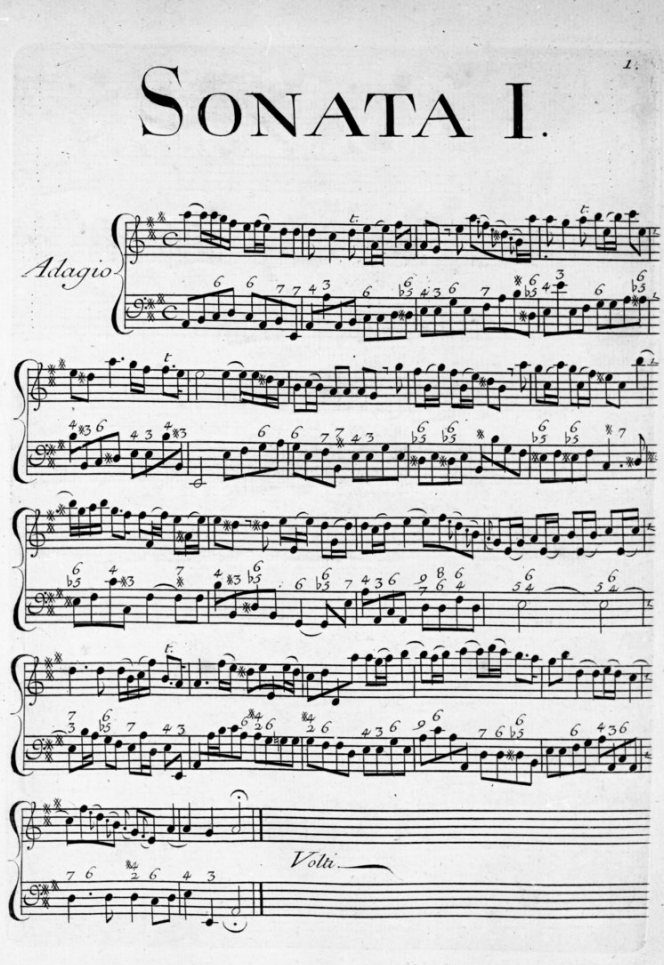


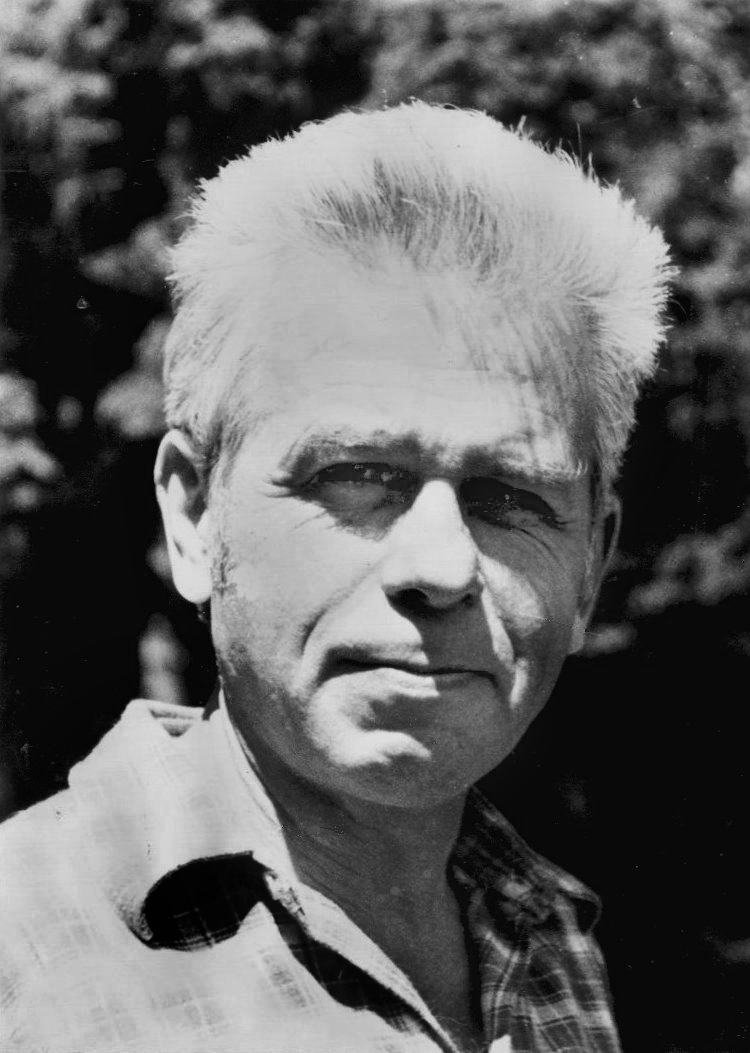
 Ernst Widmer (25 aprile 1927 - 1990): Terza Sinfonia, in un movimento, op. 145 (1984). Aargauer Sinfonieorchester, dir. János Tamás.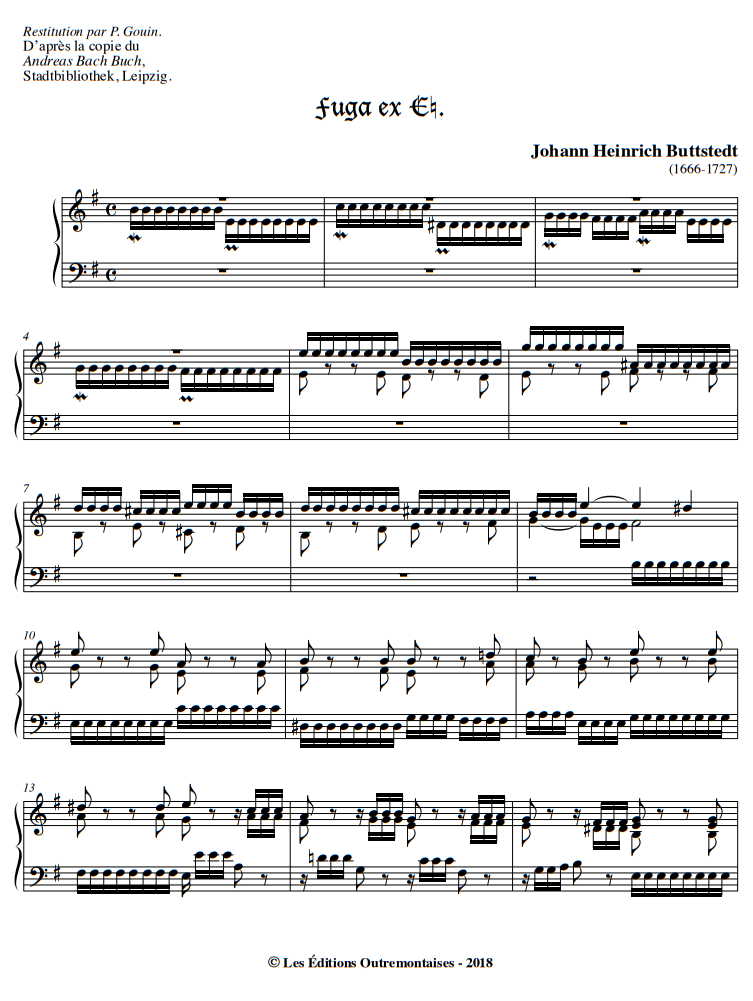






 la regina gioiosa