
Dame Thea Musgrave (27 maggio 1928): Concerto per orchestra (1967). Royal Scottish National Orchestra, dir. Alexander Gibson.
« It is one of a series of works (including the 2nd and 3rd Chamber Concertos), in which the composer has been preoccupied with the search for “vivid dramatic forms for abstract instrumental music”. This has led her to explore the possibilities for freeing the vertical aspect of the music from the rigid control of the barline – or, in this case, from the conductor’s beat – without losing control of the overall musical content, so that, whatever the arbitrary melodic coincidence, the harmonic sense is always clear. Besides being a virtuoso work for orchestra, this is also a ‘concerto’ in the more usual sense of a conflict between solo and tutti. This conflict is muted at first, becoming more intense as the tempo increases throughout the work, and ending with a fierce musical confrontation.
« The five sections are played without a break. In the opening Adagio, various solo instruments unfold slow, expressive ideas which are later overlaid by more spiky, fanfare-like figurations suggested by the first entry of the trumpet. The tutti background is almost entirely static: basically a single note (E flat) resolving on to closely-spaced chords. The divisions between solo and tutti are intentionally blurred by the changing instrumentation. In the andante velato the sustained background is formed by a series of chords – a continuous, though slow-moving harmonic ostinato – on the strings and brass. Above and around these, as in the first section, legato melodic lines contrast with fragmentary rhythmic fanfares and cadenza-like flourishes. These ‘solo’ elements gradually suffuse the whole texture, encouraging the break-up of the sustained harmonic background – which only then returns to form the final cadence chord.
« In the third section – calmo – a gently shifting, rather neutral background is provided by some of the solo strings, while others interweave freer, more brilliant passages between the staccato chords (always in equal note-lengths) of wind and brass which insist on a return to a regular rhythmic pulse. The tempo quickens as these elements weave into the beginnings of a full orchestral tutti, dramatically interrupted at its first climax by the solo clarinet who, during the course a of a wild and uninhibited cadenza, incites other instruments to join in. This he eventually does, in spite of their initial reluctance and three attempts by the tutti orchestra to take over. In an extended cadenza – Tempo rubato ma fantastico – the clarinet gradually enlarges his concertante group, spurring it on to ever more frenzied activity. During this, the tutti orchestra has little chance to assert itself but, as the soloists reach a climax of complexity, it starts to regain control, – finally submerging the rebellious elements (with the clarinet the last to admit defeat) as it moves into the final presto. The warring instruments resolve to co-operate in this tutti section, although the clarinet cannot resist a few penultimate wistful reminiscences of the opening sections of the work. » (Susan Bradshaw, https://www.wisemusicclassical.com)

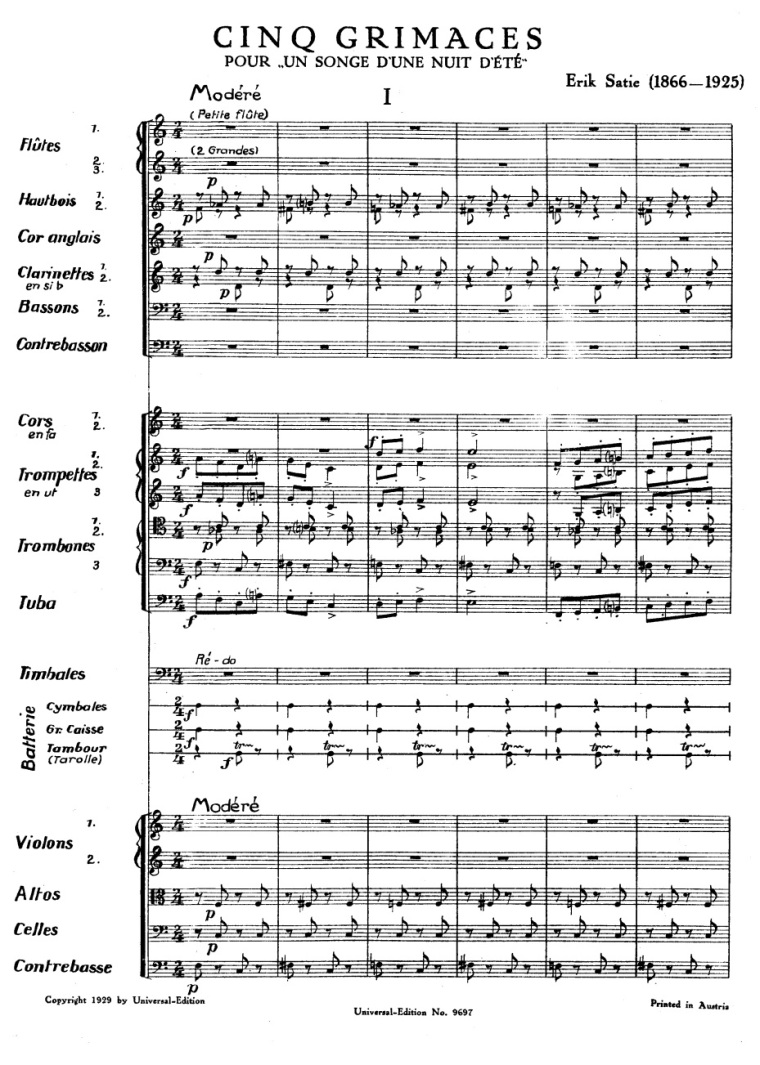


 Greensleeves è citata nell’ultimo movimento della Suite n. 2 [10:14 e 11:33], in contrappunto con la vivace melodia irlandese intitolata Dargason (parola forse derivata da un termine anglosassone che significa nano o fata); anche Dargason, come Greensleeves, risale al XVI secolo.
  Greensleeves is quoted in the last movement of the Second Suite [10:14 and 11:33], in counterpoint to a lively Irish tune called Dargason (a word possibly derived from an Anglo-Saxon term meaning dwarf or fairy); both Dargason and Greensleeves date from the 16th century.

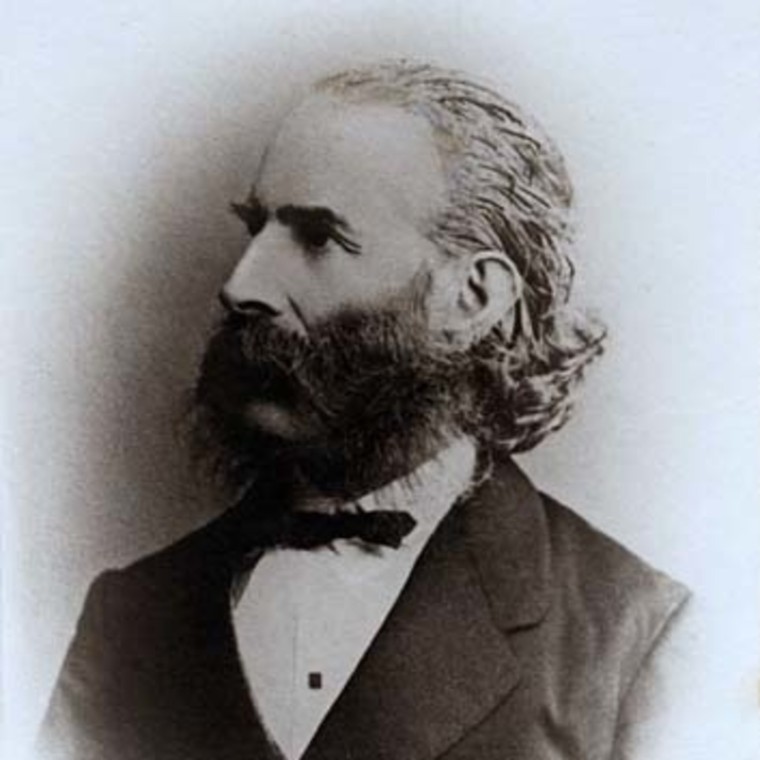
 Friedrich Ernst Fesca (1789 - 24 maggio 1826): Sinfonia n. 2 in re maggiore op. 10 (c1810). NDR Radiophilharmonie, dir. Frank Beermann.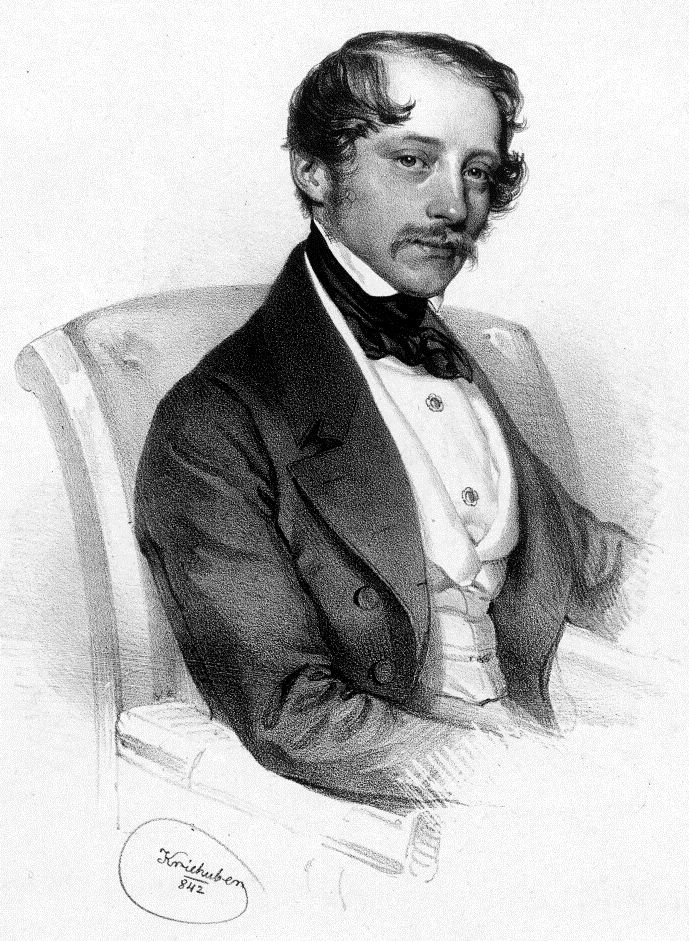








 la regina gioiosa