
Pierre Rode (1774 - 25 novembre 1830): Concerto n. 7 in la minore per violino e orchestra op. 9 (c1803). Friedemann Eichhorn, violino; Südwestrundfunk-Orchester Kaiserslautern, dir. Nicolás Pasquet.
- Moderato
- Adagio [9:09]
- Rondò: Con spirito [12:46]

Pierre Rode (1774 - 25 novembre 1830): Concerto n. 7 in la minore per violino e orchestra op. 9 (c1803). Friedemann Eichhorn, violino; Südwestrundfunk-Orchester Kaiserslautern, dir. Nicolás Pasquet.
Anonimo (XVI-XVII secolo): Up Tails All, variazioni per liuto. Paul O’Dette.
Giles Farnaby (c1563 - 25 novembre 1640): Up Tails All, dal Fitzwilliam Virginal Book (n. [CCXLII]). Ton Koopman, clavicembalo.

Giles Farnaby (1563 - 25 novembre 1640): Daphne e Tell mee, Daphne per strumento a tastiera (dal Fitzwilliam Virginal Book, n. [CXII] e [CCLXXX]). Pieter-Jan Belder, clavicembalo.
Tell mee, Daphne nell’arrangiamento per ottoni di Elgar Howarth. Brass X.


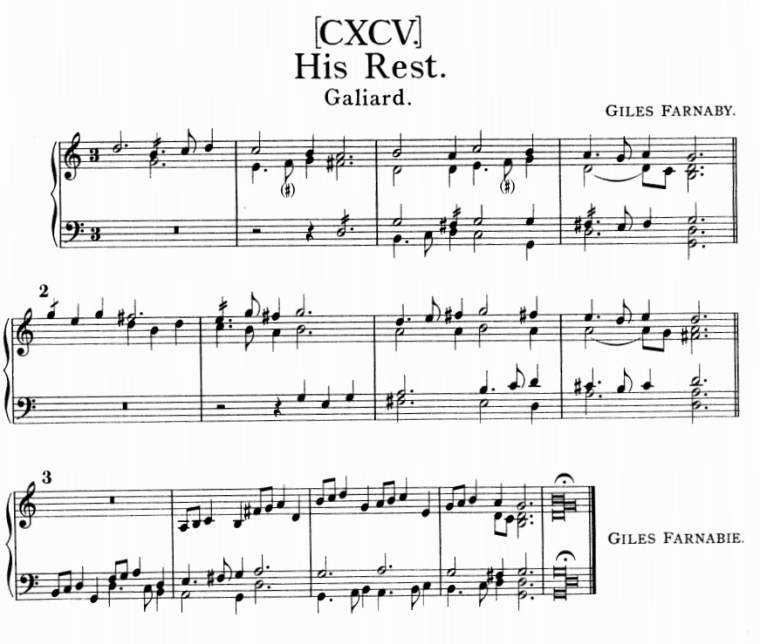
Giles Farnaby (1563 - 25 novembre 1640): Giles Farnaby’s Dreame e His Rest – Galiard (dal Fitzwilliam Virginal Book, n. [CXCIV] e [CXCV]). Ernst Stolz, virginale.
Philip Glass (1937): Mishima, musiche per il film omonimo di Paul Schrader (1985), imperniato sulla figura dello scrittore giapponese Yukio Mishima (1925 - 25 novembre 1970). Artisti vari, dir. Michael Riesman; con la partecipazione del Kronos Quartet.

 Joseph Gabriel Rheinberger (1839 - 25 novembre 1901): Sinfonia n. 2 in fa maggiore op. 87, Florentine (1875). Nordwestdeutsche Philharmonie, dir. Alun Francis.
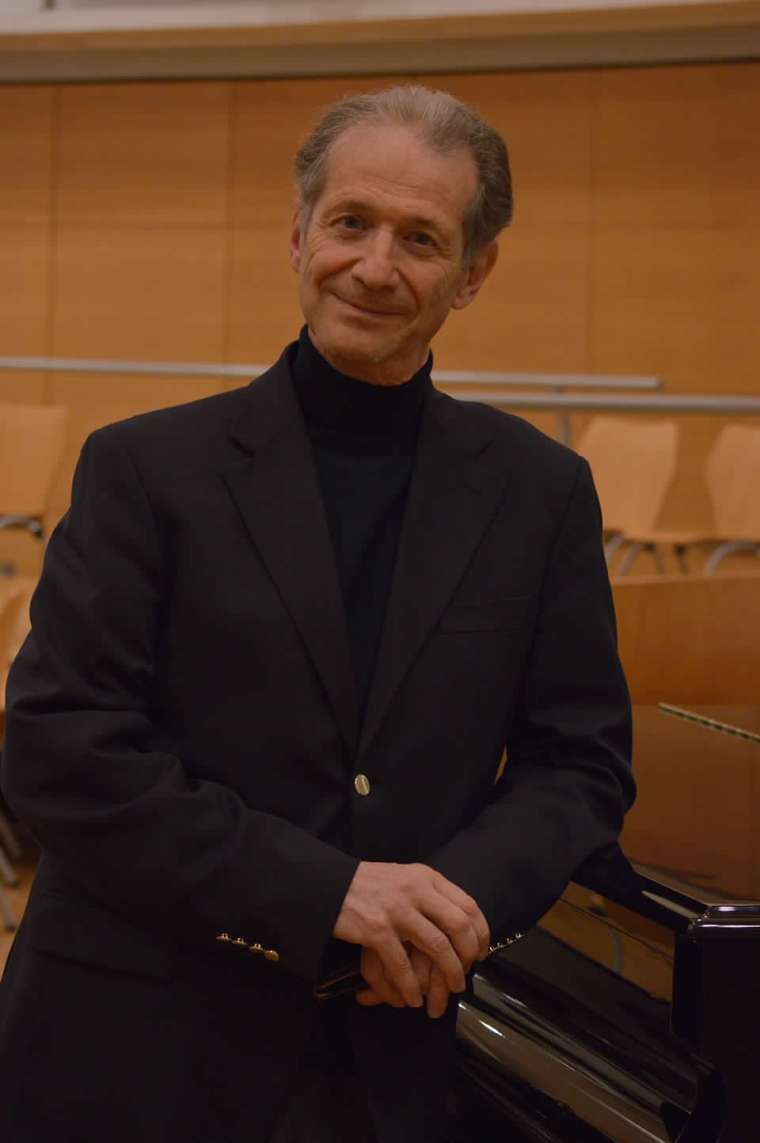
Matteo Salvi? (24 novembre 1816 - 1887): Stramberie proprie. Giancarlo Simonacci, pianoforte.
Si tratta di una serie di dieci brani inediti, conservati presso il Museo degli strumenti musicali di Roma; il manoscritto reca la firma di un tal «Paolo Salvi», del quale non si ha alcuna notizia: il maestro Simonacci ritiene che possa trattarsi di composizioni scritte per il proprio esclusivo piacere da Matteo Salvi, il quale forse non volle figurare quale autore di musica così “disimpegnata”. «Comunque», scrive il maestro, «la professionalità e un certo fascino discreto emergenti da queste Stramberie proprie enunciano il prodotto di un autore di solidissima preparazione, sia esso Paolo o Matteo».
Se si esclude qualche sparuto segno dinamico, il manoscritto è del tutto privo di indicazioni; qui di seguito sono indicati titoli proposti da Giancarlo Simonacci:
 Giancarlo Simonacci
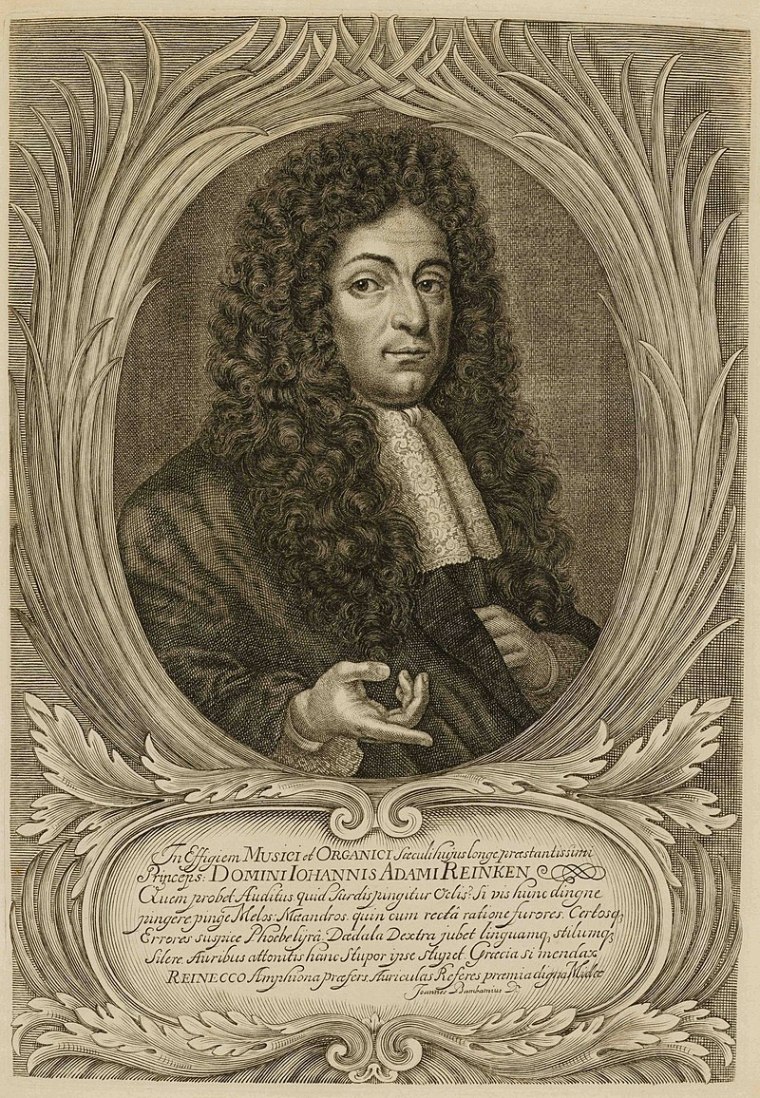
Johann Adam Reincken (1643 - 24 novembre 1722): Toccata in sol minore. Gustav Leonhardt all’organo Benedetti nella Basilica della Beata Vergine della Ghiara a Reggio nell’Emilia.
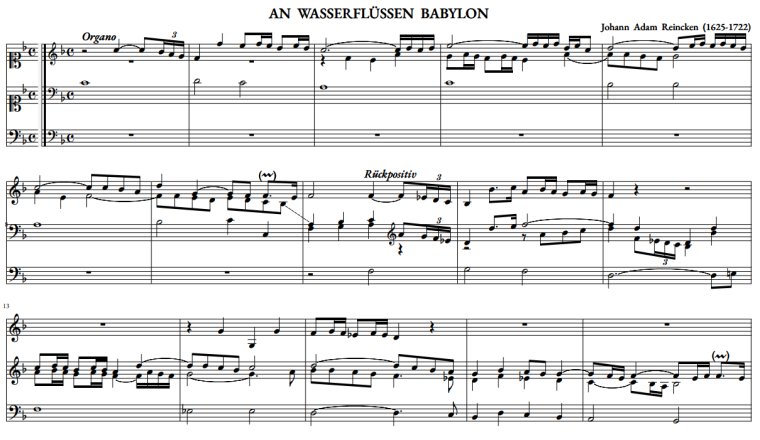
Johann Adam Reincken (1643 - 24 novembre 1722): An Wasserflüssen Babylon, fantasia-corale in fa maggiore (c1663-66). Aušra Motūzaitė, organo.
Tarquinio Merula (24 novembre 1595 - 1665): Canzon «La Lusignuola» (dal Primo Libro delle Canzoni a Quattro voci per sonare con ogni sorte de stromenti musicali op. 1, 1615, n. 2). Bux Quartet.

Tarquinio Merula (24 novembre 1595 - 1665): Capriccio in re minore (sulla melodia della Loda). Enrico Viccardi, organo.

 Emma Lou Diemer (24 novembre 1927): Sonata n. 3 per pianoforte (1996-99). Jeong-In Kim.
Al’fred Šnitke (Alfred Schnittke; 24 novembre 1934 - 1998): Sinfonia n. 3 (1981). Kungliga Filharmoniska Orkestern, dir. Eri Klas.

Sethus Calvisius (Seth Kalwitz; 1556 - 24 novembre 1615): Unser Leben währet siebzig Jahr, mottetto a 8 voci; testo: Salmo LXXXIX (90), versetto 10. Gesine Adler, soprano; Vocalconsort Leipzig, dir. Gregor Meyer; Ensemble NOEMA.
Unser Leben währet siebzig Jahr’,
und wenn es hoch kommt, so sind’s achtzig Jahr’;
und wenn es köstlich gewesen ist,
so ist es Müh’ und Arbeit gewesen;
denn es fähret schnell dahin,
als flögen wir davon.

Viktor Stepanovič Kosenko (23 novembre 1896 - 1938): Notturno-Fantasia in do diesis minore per pianoforte op. 4 (1919). Violina Petryčenko.

Pierre Du Mage (o Dumage; 23 novembre 1674 - 1751): Suite du 1er ton (dal Livre d’orgue, 1708). Emmanuel Arakélian all’organo Isnard (1774) della Basilique Sainte-Marie-Madeleine in Saint-Maximin-la-Sainte-Baume (Var, Francia).

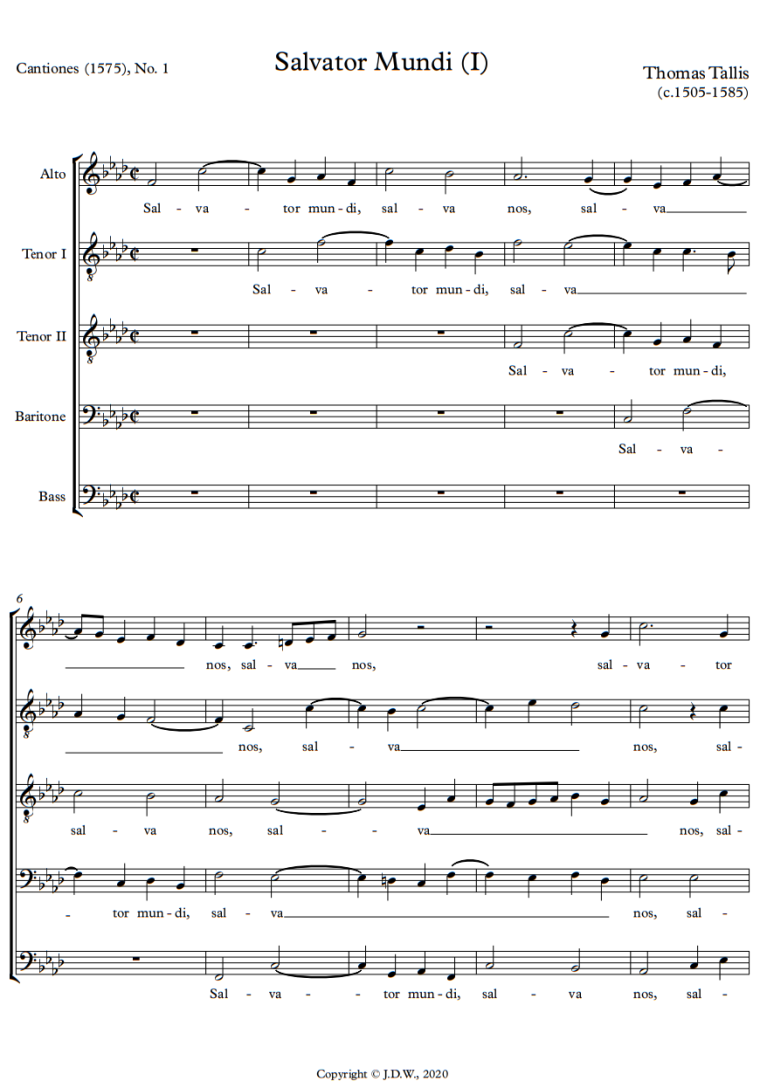
Thomas Tallis (c1505 - 23 novembre 1585): Salvator mundi, mottetto a 5 voci (pubblicato in Cantiones quae ab argumento sacrae vocantur, 1575, n. 1). The Sixteen, dir. Harry Christophers.
Salvator mundi, salva nos,
qui per crucem et sanguinem redemisti nos,
auxiliare nobis te deprecamur, Deus noster.
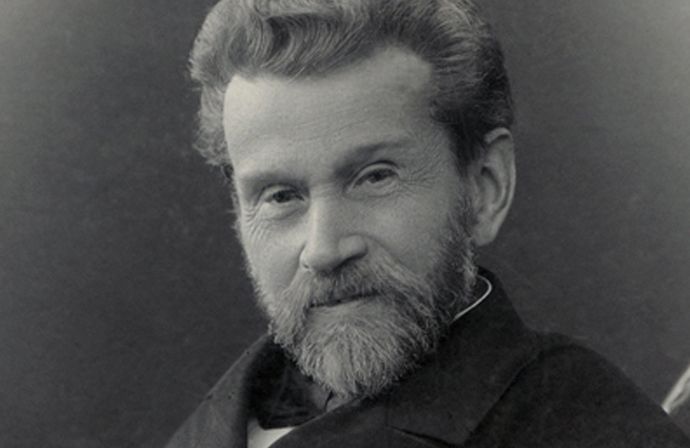
Eduard Nápravník (1839 - 23 novembre 1916): Malinconia per archi op. 48 n. 3 (1888); trascrizione dell’originale per pianoforte. Orchestra sinfonica di Stato dell’URSS, dir. Evgenij Svetlanov.
Thomas Attwood (23 novembre 1765 - 1838): Turn thy face from my sins (Salmo LI, versetti 11-13). St. John’s College Choir (solista: Iestyn Davies).
Turn thy face from my sins, and put out all my misdeeds.
Make me a clean heart, O God, and renew a right spirit within me.
Cast me not away from thy presence, and take not thy Holy Spirit from me.

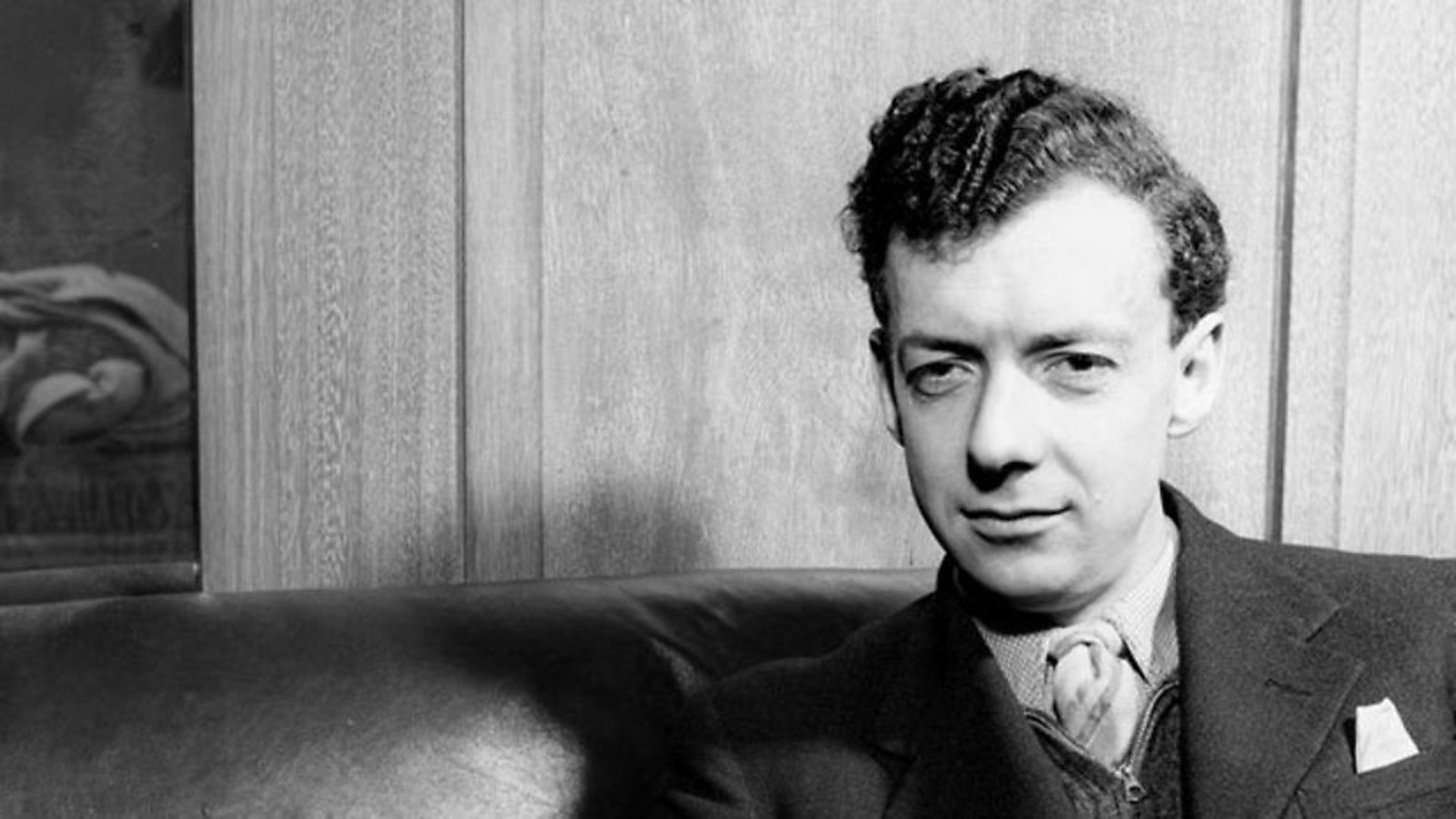
Benjamin Britten (22 novembre 1913 - 1976): Serenade per tenore, corno e archi op. 31 (1943). Peter Pears, tenore; Dennis Brain, corno; BBC Symphony Orchestra, direttore John Hollingsworth.
testo di Charles Cotton (1630-1687): quattro strofe da The Evening Quatrains
The day’s grown old; the fainting sun
Has but a little way to run,
And yet his steeds, with all his skill,
Scarce lug the chariot down the hill.
The shadows now so long do grow,
That brambles like tall cedars show;
Mole hills seem mountains, and the ant
Appears a monstrous elephant.
A very little, little flock
Shades thrice the ground that it would stock;
Whilst the small stripling following them
Appears a mighty Polypheme.
And now on benches all are sat,
In the cool air to sit and chat,
Till Phoebus, dipping in the west,
Shall lead the world the way to rest.
testo di Alfred Tennyson (1809-1892): Blow, bugle, blow
The splendour falls on castle walls
And snowy summits old in story:
The long light shakes across the lakes,
And the wild cataract leaps in glory:
Blow, bugle, blow, set the wild echoes flying,
Bugle blow; answer, echoes, dying, dying, dying.
O hark, O hear! how thin and clear,
And thinner, clearer, farther going!
O sweet and far from cliff and scar
The horns of Elfland faintly blowing!
Blow, let us hear the purple glens replying:
Blow, bugle; answer, echoes, dying, dying, dying.
O love, they die in yon rich sky,
They faint on hill or field or river:
Our echoes roll from soul to soul,
And grow for ever and for ever.
Blow, bugle, blow, set the wild echoes flying,
And answer, echoes, answer, dying, dying, dying.
testo di William Blake (1757-1827): The Sick Rose)
O Rose, thou art sick!
The invisible worm,
That flies in the night
In the howling storm,
Has found out thy bed
Of crimson joy:
And his dark, secret love
Does thy life destroy.
testo di autore anonimo del secolo XV, noto come Lyke-Wake Dirge
This ae nighte, this ae nighte,
Every nighte and alle,
Fire and fleet and candle‑lighte,
And Christe receive thy saule.
When thou from hence away art past,
Every nighte and alle,
To Whinny‑muir thou com’st at last;
And Christe receive thy saule.
If ever thou gavest hosen and shoon,
Every nighte and alle,
Sit thee down and put them on;
And Christe receive thy saule.
If hosen and shoon thou ne’er gav’st nane
Every nighte and alle,
The whinnes sall prick thee to the bare bane;
And Christe receive thy saule.
From Whinny‑muir when thou may’st pass,
Every nighte and alle,
To Brig o’ Dread thou com’st at last;
And Christe receive thy saule.
From Brig o’ Dread when thou may’st pass,
Every nighte and alle,
To Purgatory fire thou com’st at last;
And Christe receive thy saule.
If ever thou gavest meat or drink,
Every nighte and alle,
The fire sall never make thee shrink;
And Christe receive thy saule.
If meat or drink thou ne’er gav’st nane,
Every nighte and alle,
The fire will burn thee to the bare bane;
And Christe receive thy saule.
This ae nighte, this ae nighte,
Every nighte and alle,
Fire and fleet and candle‑lighte,
And Christe receive thy saule.
testo di Ben Jonson (1572-1637): Hymn to Diana (dalla commedia satirica Cynthia’s Revels, or The Fountain of Self-Love, 1600)
Queen and huntress, chaste and fair,
Now the sun is laid to sleep,
Seated in thy silver chair,
State in wonted manner keep:
Hesperus entreats thy light,
Goddess excellently bright.
Earth, let not thy envious shade
Dare itself to interpose;
Cynthia’s shining orb was made
Heav’n to clear when day did close:
Bless us then with wishèd sight,
Goddess excellently bright.
Lay thy bow of pearl apart,
And thy crystal shining quiver;
Give unto the flying hart
Space to breathe, how short so-ever:
Thou that mak’st a day of night,
Goddess excellently bright.
testo di John Keats (1795-1821): Sonnet To Sleep
O soft embalmer of the still midnight!
Shutting, with careful fingers and benign,
Our gloom-pleas’d eyes, embower’d from the light,
Enshaded in forgetfulness divine;
O soothest Sleep! if so it please thee, close,
In midst of this thine hymn, my willing eyes.
Or wait the Amen, ere thy poppy throws
Around my bed its lulling charities;
Then save me, or the passed day will shine
Upon my pillow, breeding many woes;
Save me from curious conscience, that still hoards
Its strength for darkness, burrowing like a mole;
Turn the key deftly in the oiled wards,
And seal the hushed casket of my soul.
Julio Salvador Sagreras (22 novembre 1879 - 1942): El colibrí, studio in mi minore per chitarra. Emre Sabuncuoglu.

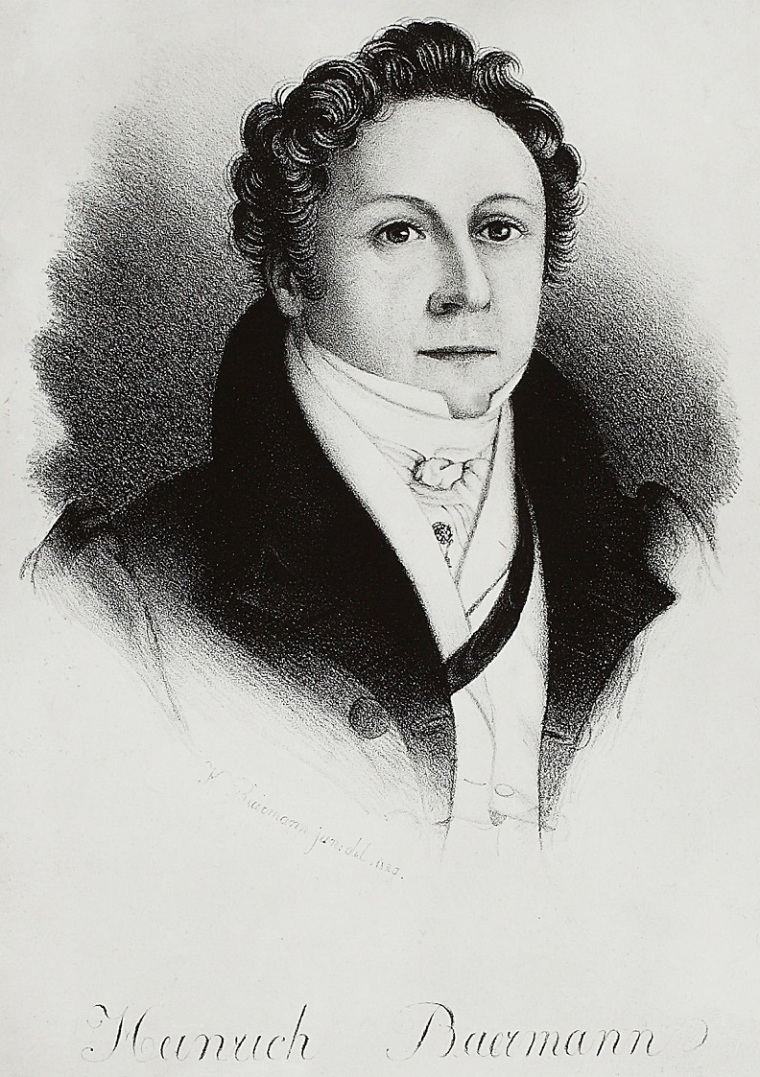
Heinrich Joseph Baermann (1784 - 1847): Concertino in do minore per clarinetto e orchestra op. 29 (1818); strumentazione di Peter Joseph von Lindpaintner (1791 - 1856). Dieter Klöcker, clarinetto; Pražský komorní orchestr, dir. Milan Lajčík.
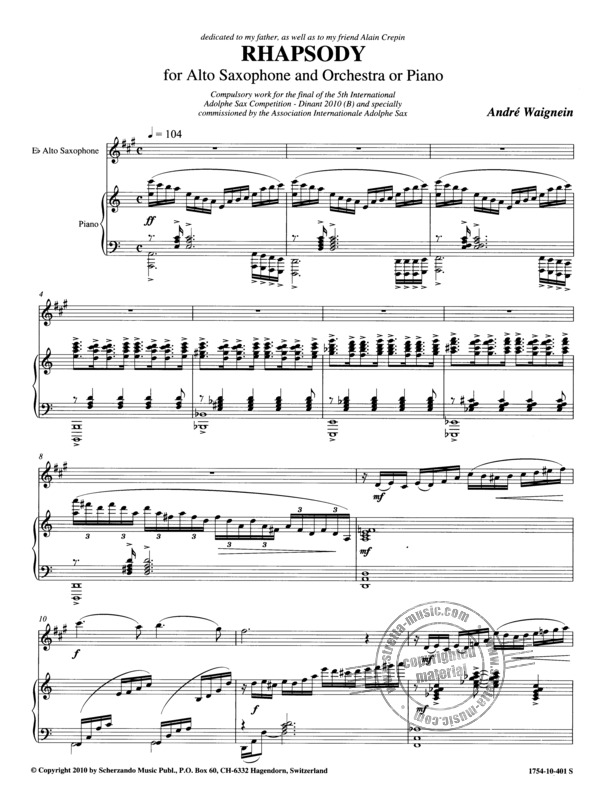
André Waignein (1942 - 22 novembre 2015): Rapsodia per sassofono contralto e orchestra (2010). Simon Diricq, sassofono; Het Kamerorkest Brugge, dir. Ivan Meylemans.
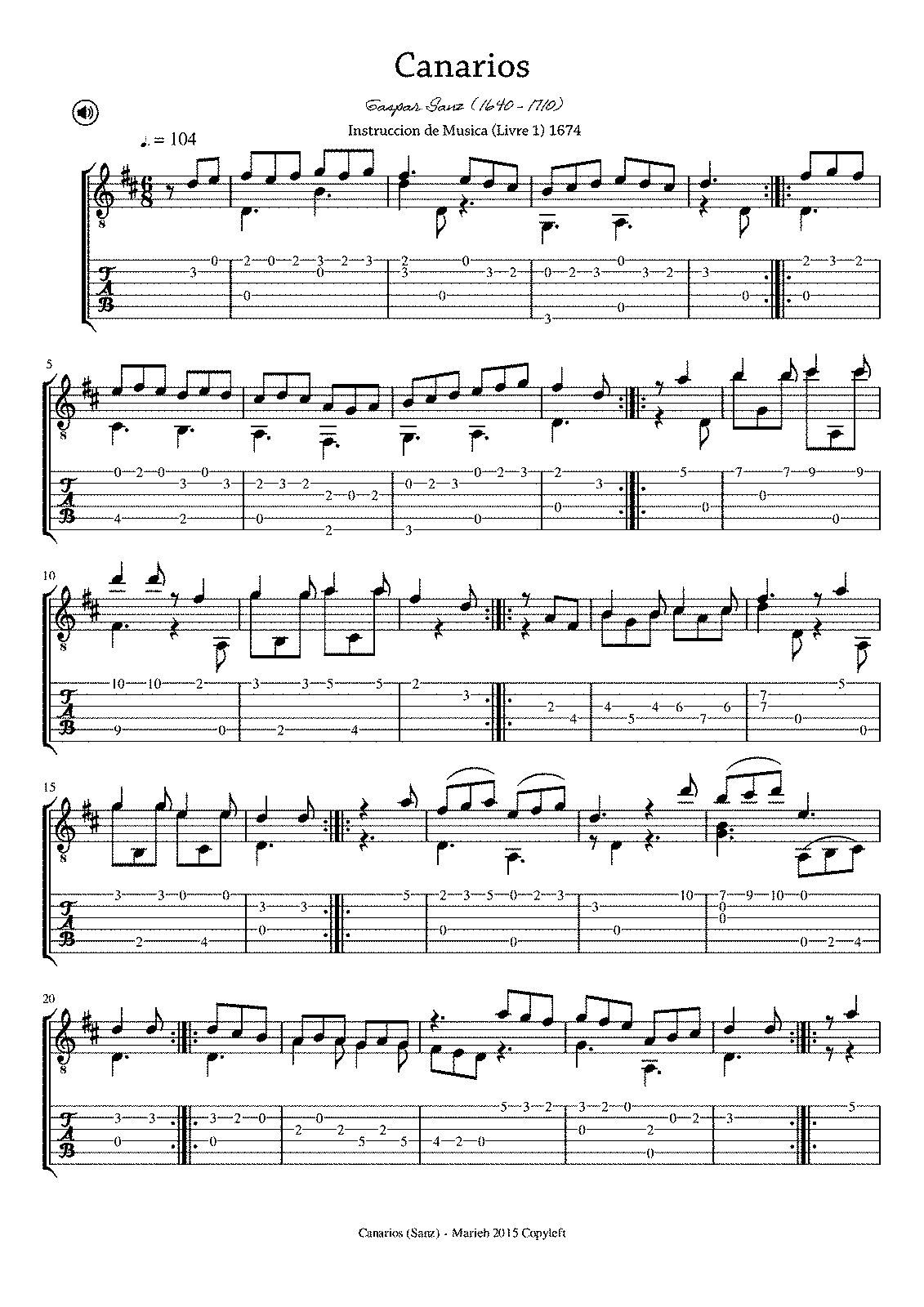
Gaspar Sanz (alias Francisco Bartolomé Sanz Celma, 1640 - 1710): Canarios (da Instrucción de música sobre la guitarra española, vol. I, Saragozza 1674). Diogo Rodrigues, chitarra barocca.
Joaquín Rodrigo (22 novembre 1901 - 1999): Fantasia para un gentilhombre (1954): IV. Canario (rielaborazione del brano di Sanz). John Williams, chitarra; English Chamber Orchestra, dir. sir Charles Groves.
Fikret Amirov (Fikrət Əmirov; 22 novembre 1922 – 1984): Capriccio azerbaigiano (Azərbaycan kappriçiosu ; 1961). Orchestra sinfonica dell’Azerbaigian, dir. Yalçın Adıgözəlov.

Giulio Castagnoli (22 novembre 1959): Costellazioni per chitarra solista e gruppo di strumenti (1999). Elena Casoli, chitarra; Divertimento Ensemble, dir. Sandro Gorli.

Ugo Nespolo: Giulio come Casella come Casorati (2016)
František (Franz) Benda (22 novembre 1709 - 1786): Sinfonia in do maggiore L I:1 (c1740-55). Ars Rediviva, dir. Milan Munclinger.

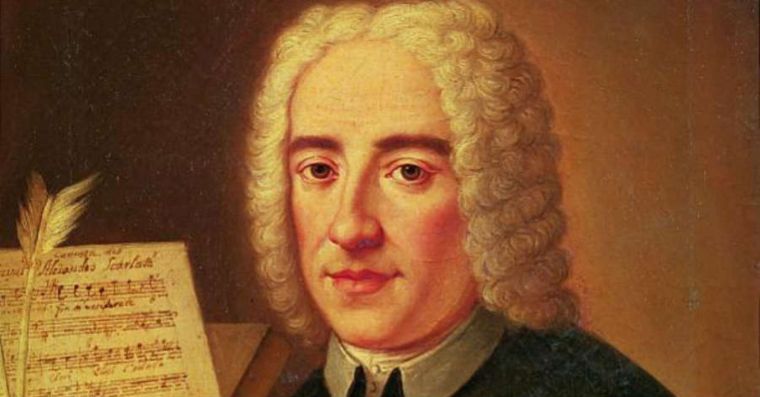
Alessandro Scarlatti (1660 - 1725): Messa di Santa Cecilia (1720). Coro e Orchestra Ghislieri, dir. Giulio Prandi.
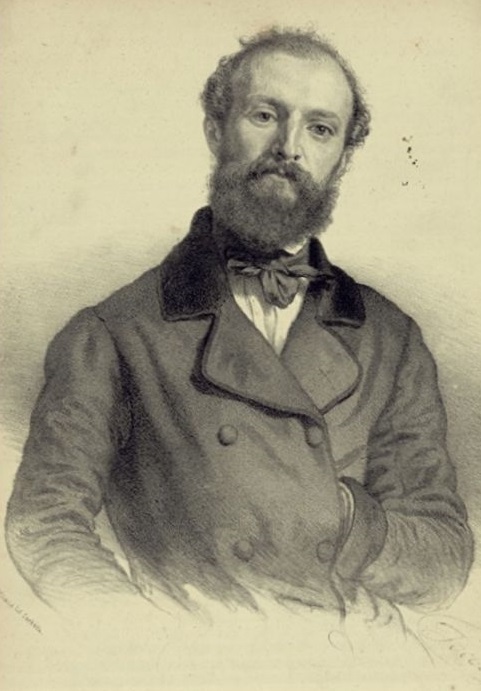
Angelo Panzini (22 novembre 1820 - 1886): Divertimento per pianoforte a sei mani sopra motivi dell’opera Il trovatore di Giuseppe Verdi (1854). Donato Biscione, Nicoletta Sciangalepore, Marianna Rossi.
Sigfrid Karg-Elert (21 novembre 1877 - 1933): Choral-Improvisation »Nun danket alle Gott« (Marche triomphale) op. 65 n. 59 (1909). Frans Pieck, organo.

 la regina gioiosa