Vieri Tosatti (2 novembre 1920 - 1999): Quartetto per archi (1968). Quartetto Nuova Musica: Massimo Coen e Mario Buffa, violini; Fausto Anzelmo, viola; Luigi Lanzillotta, violoncello.
Carl Ditters von Dittersdorf (2 novembre 1739 - 1799): Concerto in la maggiore per arpa e orchestra. Rosa Díaz Cotán, arpa; Neubrandenburger Philharmonie, dir. Daniel Stratievsky.
Hugo Distler (1908 - 1° novembre 1942): Ritter Blaubart, musiche di scena (1940) per l’omonimo dramma fiabesco (1796) di Ludwig Tieck. Katharina Wingen, soprano; Stefan Livland, tenore; Neubrandenburger Philharmonie, dir. Stefan Malzew.
Ouvertüre zum 1. Akt
Agnes Lied [6:15]
Wie rauschen die Bäume
So winterlich schon;
Es fliegen die Träume
Der Liebe davon!
Und über Gefilde
Ziehn Wolkengebilde,
Die Berge stehn kahl.
Es schneidet ein Regen
Dem Wandrer entgegen,
Der Mond sieht ins Thal.
Ein Klagelied schallt
Aus Dämm’rung und Wald:
Es verwehten die Winde
Den treulosen Schwur,
Wie Blitze geschwinde
Verschüttet vom Glück sich die goldene Spur;
O dunkles Menschenleben,
Muß jeder Traum einst niederschweben?
Rosen und Nelken
Bekränzen das Haupt,
Und ach sie verwelken,
Der Baum steht entlaubt;
Der Frühling er scheidet,
Macht Winter zum Herrn,
Die Liebe vermeidet
Und fliehet so fern. –
Verworrenes Leben,
Was ist dir gegeben? –
Erinnern und Hoffen
Zur Qual und zur Lust. –
Ach! Ihnen bleibt offen
Die zitternde Brust.
Annes Lied [8:14]
Beglückt, wer an des Treuen Brust
In voller Liebe ruht,
Kein Kummer naht und stört die Lust,
Nur heller brennt die Glut.
Kein Wechsel, kein Wanken,
Zum ruhigen Glück
Fliehn alle Gedanken
Der Ferne zurück.
Und lieber und bänger
Drückt Mund sich an Mund,
So inn’ger, so länger;
Von Stunde zu Stund’
Beschränkter und enger
Der liebliche Bund.
Kriegsmusik [9:39]
Ouvertüre zum 2. Akt [11:55]
Ouvertüre zum 3. Akt [17:23]
Lied Leopold und Rezitativ Brigitte und Leopold [20:04]
LEOPOLD:
Wer klopft an die Tür? –
Ich, Liebste, bin hier.
Wo ist dein Gemach?
Erkennst du mein Ach?
Auf! Liebst du mich kühn,
So laß uns entfliehn;
Schnell schwindet die Zeit,
Und Zögern gereut.
Die Stunde vergeht,
Dann ist es zu spät.
BRIGITTE:
Lepold!
LEOPOLD:
Liebste Brigitte!
BRIGITTE:
Ich habe Euch schon lange an Eurer Stimme erkannt. – Was wollt Ihr hier?
LEOPOLD:
Ihr könnt noch fragen? – Folgt mir, wenn Ihr mich liebt. – Seht, sie schlafen alle, der Tag fängt schon an zu grauen, ich muß fort, Euer Vater kehrt zurück, dort auf dem Tisch liegen die Schlüssel der Burg.
BRIGITTE:
Ich sollte meinen alten Vater verlassen?
LEOPOLD:
Er soll nachher unsre Ehe segnen, aber erst müssen wir in Sicherheit sein. Ihr wißt ja, er ist gegen unsre Liebe.
Charles Dieupart (1676 - 1751): Menuet, n. 6 della Suite in fa minore per flauto o violino e basso continuo (1701). Il Giardino Armonico, dir. Giovanni Antonini. Coreografia: Musica et Saltatoria.
Franz Schubert (1797 - 1828): Minuetto in do diesis minore D 600 (1814), eseguito insieme con il Trio in mi maggiore D 610. Jörg Demus, pianoforte.
Scene tratte dal film di Roman Polański Per favore, non mordermi sul collo! (The Fearless Vampire Killers, 1967). La musica è di Krzysztof Komeda (pseudonimo di Krzysztof Trzciński, 1931 - 1969), il quale compose le colonne sonore di altri due film di Polański, Il coltello nell’acqua (1962) e Rosemary’s Baby (1968). Coreografia di Tutte Lemkow (1918 - 1991).
Alla colonna sonora per la sera del 31 ottobre aggiungete This is Halloween di Danny Elfman (per The Nightmare Before Christmas di Tim Burton) in questo fantastico arrangiamento per 2 arpe di Harpsona.
Francisco Correa de Arauxo (1584 - 31 ottobre 1654): I Tiento de primero tono (dal Libro de tientos y discursos de música práctica y theórica de órgano, intitulado Facultad orgánica, 1626). Ángel Montero Herrero all’organo in cornu epistolae (Pedro Liborna de Echevarría, 1702) della Cattedrale di Segovia.
Philippe de Vitry (31 ottobre 1291 - 1361): O canenda vulgo per compita / Rex quem metrorum / Rex regum, mottetto a 4 voci. Ensemble Sequentia.
Il brano celebra Roberto d’Angiò, detto il Saggio (1277 - 1343), re di Napoli dal 1309; il sovrano non è citato nel testo, ma le lettere iniziali dei versi del motetus (2a voce) ne formano il nome (acrostico). Secondo varie testimonianze dell’epoca, Roberto d’Angiò fu un munifico mecenate e protettore delle arti, e in particolare amava la musica, dilettandosi nel cantare e nel comporre.
Il testo del triplum è una feroce invettiva contro un denigratore del re. Chi fosse questo vituperevole personaggio non ci è dato di sapere.
Triplum
O canenda vulgo per compita
ab eterno belial dedita
seculorum nephanda rabies
et delira canum insanies.
quem cum nequis carpere dentibus
criminaris neque lactrattibus
damnum colens tu quid persequeris
virum iustum et tuo deseris
rege regi quem decor actuum
illuminat quem genus strenuum
et sanctorum multa affinitas
sibi facta lux splendor claritas
corruscantem reddit pre ceteris
quemadmodum nocturnis syderis
iubar phebus perventus abtulit
dei proth dolor lapsum pertulit
iherusalem dominum proprium
ihesum spernens habes in socium.
Motetus
Rex quem metrorum depingit prima figura Omne tenens in se quod dat natura beatis Basis iusticie troianus iulius ausu Ecclesie tuctor machabeus hector in arma Rura colens legum scrutator theologie Temperie superans augustum iulius hemo Virtutes cuius mores genus actaque nati Scribere non possem possint tuper ethera scribi.
Contratenor
[senza testo.]
Tenor
Rex regum.
(O indicibile follia dei nostri tempi, possa tu essere cantata a tutti su ogni strada, condannata all’inferno per l’eternità, delirio di cani pazzi! Perché perseguiti l’uomo giusto, colui che non puoi lacerare con i tuoi denti né accusare con i tuoi latrati, cercando la sua distruzione, e perché abbandoni il tuo re, che la bellezza delle opere reali illumina, che l’ascendenza nobilita e che le tante affinità con i santi, la luce che è sua, lo splendore, la limpidezza rendono più brillante di chiunque altro, allo stesso modo in cui Febo sorgendo sembra spegnere il bagliore delle stelle notturne? Tu hai come unico compagno lo stesso peccato contro Dio, miserabile a dirsi, che Gerusalemme ha commesso nel respingere il suo legittimo Signore, Gesù.
Il re che la prima lettera di questi versi raffigura racchiude in sé tutte le cose che la natura dona ai beati. È la base della giustizia, uno Iulo di Troia per il suo coraggio, un guardiano della Chiesa, un Maccabeo [cioè un guerriero valoroso, NdT], un Ettore in armi, che protegge il proprio Paese osservando allo stesso tempo le leggi della teologia, superando Giulio Augusto in temperanza. Poiché non saprei descrivere a parole le virtù, il carattere, la famiglia e le azioni di un uomo così ricco di qualità, possano queste cose essere scritte lassù nei cieli.
Robert Volkmann (1815 - 30 ottobre 1883): Concerto in la minore per violoncello e orchestra op. 33 (1853-55). Daniel Müller-Schott, violoncello; NDR-Sinfonieorchester, dir. Christoph Eschenbach.
Jean Mouton (c1459 - 30 ottobre 1522): Nesciens mater, mottetto a 8 voci (pubblicato nell’antologia Motetti et carmina gallica, c1521, n. 1). The Monteverdi Choir, dir. John Eliot Gardiner.
Il mottetto consiste in un canone quadruplo in diapenthe, cioè alla quinta.
Nesciens mater virgo virum
peperit sine dolore
salvatorem saeculorum.
Ipsum regem angelorum
sola virgo lactabat,
ubere de caelo pleno.
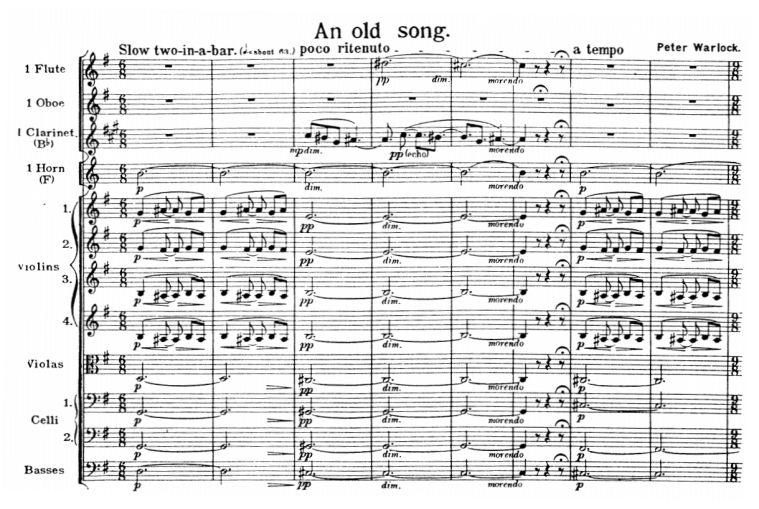
Peter Warlock (pseudonimo di Philip Heseltine; 30 ottobre 1894 - 1930): An Old Song per piccola orchestra (1917). Royal Northern Sinfonia, dir. Richard Hickox.
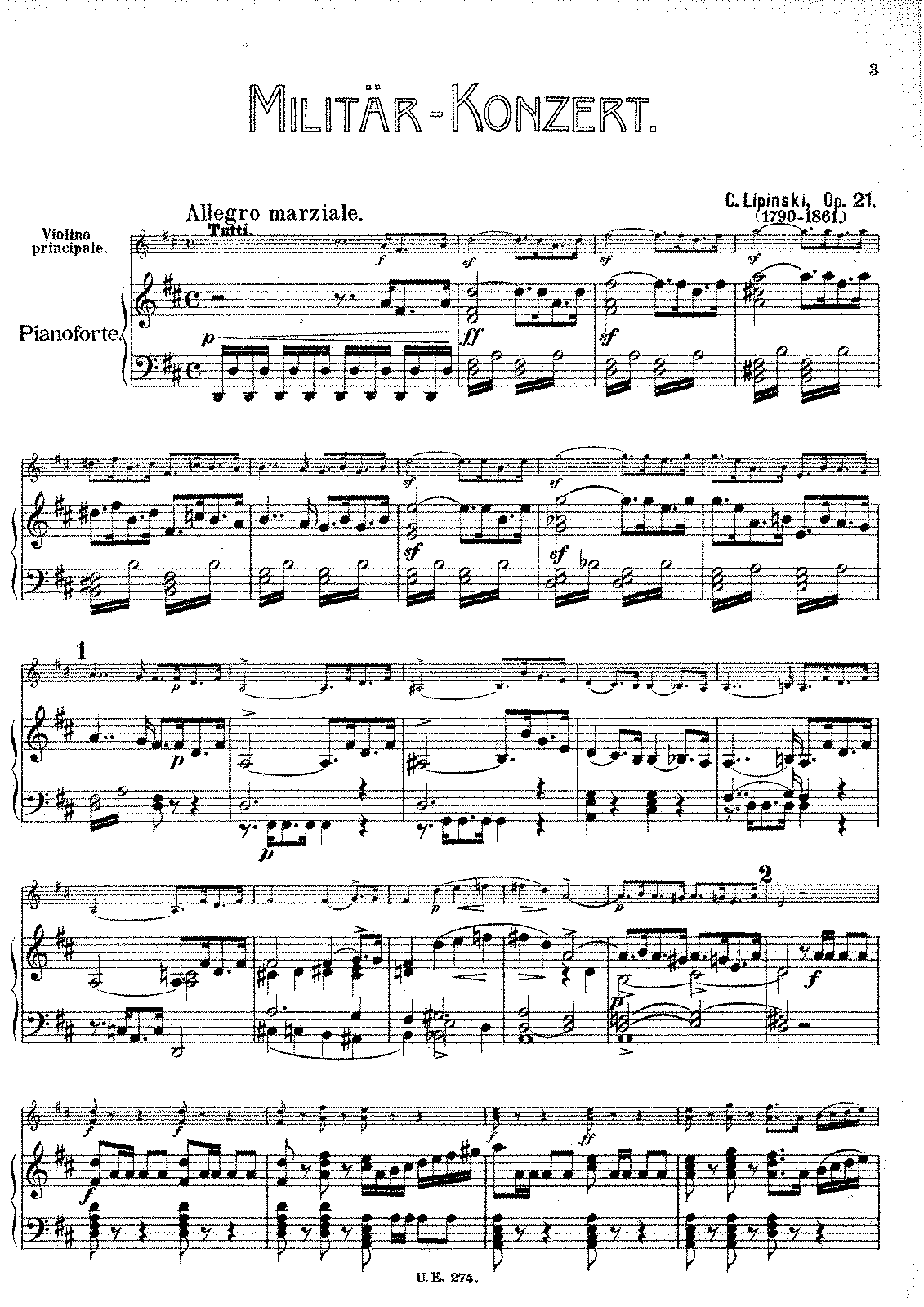
Karol Lipiński (30 ottobre 1790 - 1861): Secondo Concerto in re maggiore per violino e orchestra op. 21, Concerto militare (1826 o 1834). Dominika Falger, violino; Orchestra filarmonica «Wieniawski» di Lublino, dir. Piotr Wiatkowski.
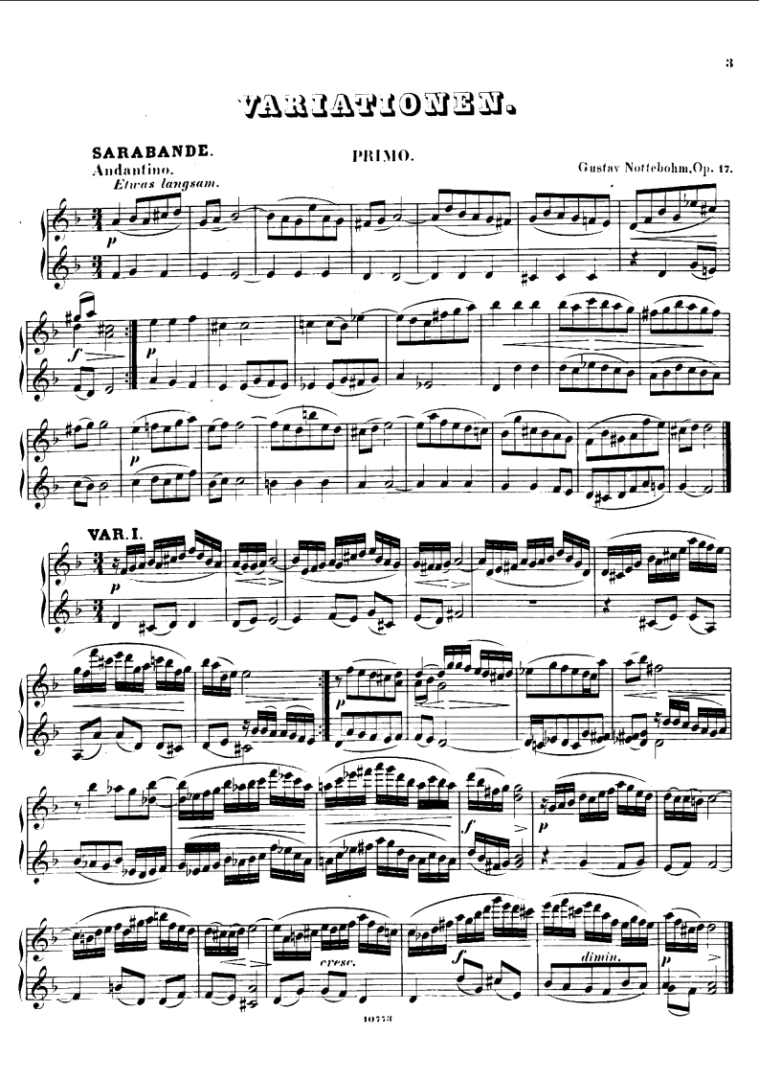
Gustav Nottebohm (1817 - 29 ottobre 1882): Variazioni sopra un tema di J. S. Bach per pianoforte a 4 mani op. 17 (1865). Hans-Peter e Volker Stenzl.
Più che come compositore, oggi Nottebohm è noto quale musicologo: pubblicò numerosi studi su Beethoven ancor oggi considerati fondamentali, curò un catalogo tematico delle composizioni di Schubert e raccolse un’imponente quantità di partiture di musica barocca e prebarocca.
Il tema di queste Variazioni è tratto dalla Sarabanda (III movimento) della Suite francese n. 1 in re minore BWV 812. Nottebohm eseguì spesso l’op. 17 in concerto insieme con Brahms.
Andreas Hammerschmidt (1611 - 29 ottobre 1675): Sonata super «Nun lob, mein’ Seel’, den Herren» a 7 voci (soprano, 2 trombe, 4 tromboni) e basso continuo (pubblicata in Kirchen- und Tafelmusik, darinnen 1. 2. 3. Vocal und 4. 5. 6. Instrumenta enthalten, 1662, n. 2). Greta de Reyghere, soprano; Ricercar Consort.
Nun lob, mein’ Seel’, den Herren,
Was in mir ist, den Namen sein!
Sein’ Wohltat tut er mehren,
Vergiß es nicht, o Herze mein!
Hat dir dein’ Sünd’ vergeben
Und heilt dein’ Schwachheit groß,
Errett’t dein armes Leben,
Nimmt dich in seinen Schoß,
Mit rechtem Trost beschüttet,
Verjüngt dem Adler gleich.
Der Kön’g schafft Recht, behütet,
Die leiden in sein’m Reich.
Er hat uns wissen lassen
Sein herrlich Recht und sein Gericht,
Dazu sein’ Güt’ ohn’ Maßen,
Es mangelt an Erbarmung nicht.
Sein’n Zorn läßt er wohl fahren,
Straft nicht nach unsrer Schuld,
Die Gnad’ tut er nicht sparen,
Den Blöden ist er hold.
Sein Güt’ ist hoch erhaben
Ob den’n, die fürchten ihn.
So fern der Ost vom Abend,
Ist unsre Sünd’ dahin.
(Salmo 103:1-2, traduzione tedesca di Johann Gramann, 1530)
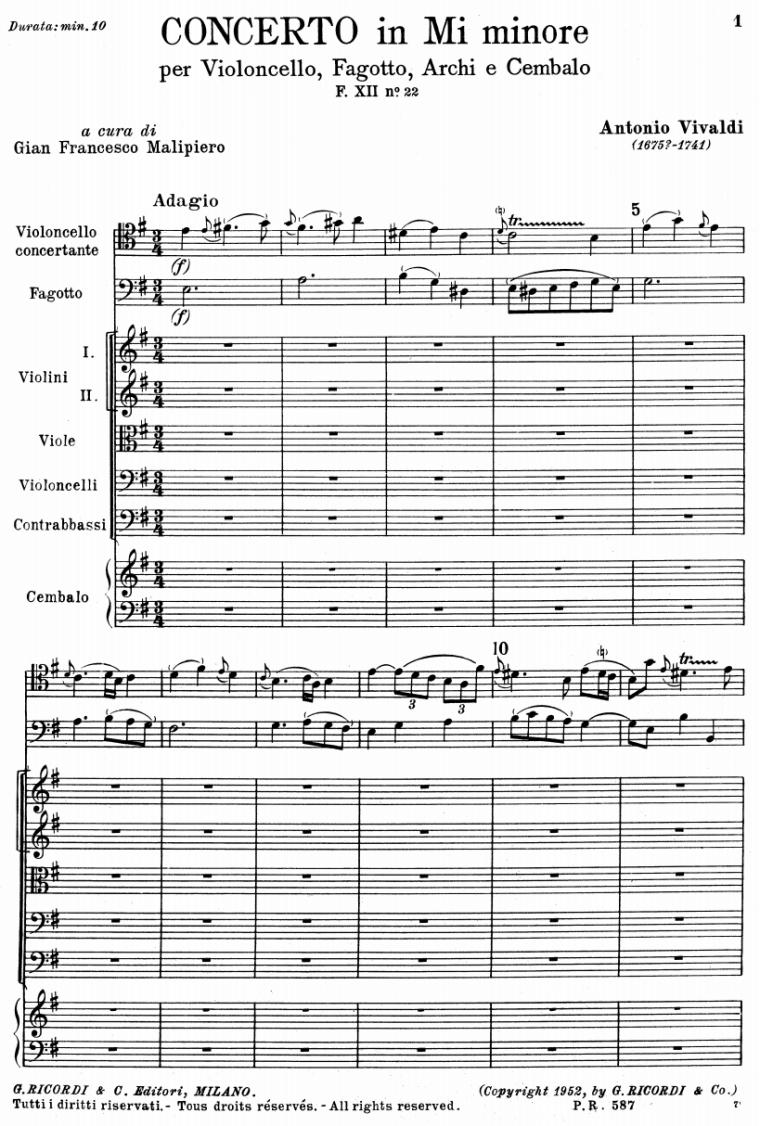
Antonio Vivaldi (1678 - 1741): Concerto in mi minore per violoncello, fagotto, archi e basso continuo RV 409. Francesco Galligioni, violoncello; L’Arte dell’Arco, dir. Federico Guglielmo.
Rudolf Tobias (1873 - 29 ottobre 1918): Concerto in re minore per pianoforte e orchestra (1897). Vardo Rumessen, pianoforte; Eesti Riiklik Sümfooniaorkester, dir. Neeme Järvi.
Šimon Brixi (28 ottobre 1693 - 1735): Tu es Deus, graduale in la minore per la Domenica di Quinquagesima; testo: Salmo 77, versetti 15-16. Hana Blažiková, soprano; Collegium Marianum.
Tu es Deus, qui facis mirabilia solus: notam fecisti in gentibus virtutem tuam.
Liberasti in brachio tuo populum tuum, filios Israel et Ioseph.
Stefano Landi (1587 - 28 ottobre 1639): Augellin, aria a 1 voce e basso continuo (1620). Marco Beasley, tenore; ensemble L’Arpeggiata, dir. Christina Pluhar.
Augellin
Che ’l tuo amor
Segui ogn’hor
Dal faggio al pin
E formando i bei concenti
Vai temprando
Col tuo canto i miei lamenti.
Il mio Sol
Troppo fier,
Troppo altier,
Del mio gran duol,
Clori amata, Clori bella,
M’odia, ingrata,
A’ miei prieghi empia e rubella.
[Fa che si’
Crudo men
Quel bel sen
Che mi ferì,
E con l’aura del tuo canto,
Dolce e varia,
Fa ’l suo cor pietoso alquanto.]
Non sia più
Cruda, no,
Morirò
S’ella è qual fu;
Taci, taci, ché già pia
Porge i baci
Al mio labro l’alba mia.
Sol pietà
Spira il sen
Né ritien
Più crudeltà,
Lieti affanni, dolci pene,
Cari danni
Del mio Sole, del mio bene.
Segui, augel,
Né sdegnar
Di formar
Canto novel;
Fuor del seno amorosetto
Mostra a pieno
La tua gioia, il mio diletto.
Johann Gottlieb Graun (28 ottobre 1703 - 27 ottobre 1771): Concerto in do minore per violino, viola da gamba, archi e continuo GraunWV A:XIII:3 (WilG 116). Cappella Academica Frankfurt.


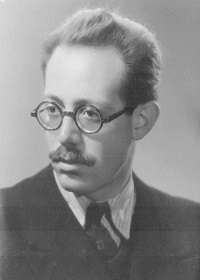 Vieri Tosatti (2 novembre 1920 - 1999): Quartetto per archi (1968). Quartetto Nuova Musica: Massimo Coen e Mario Buffa, violini; Fausto Anzelmo, viola; Luigi Lanzillotta, violoncello.








 Richard Heuberger (1850 - 28 ottobre 1914): Nachtmusik per archi op. 7 (1877). Südwestdeutsches Kammerorchester, dir. Paul Angerer.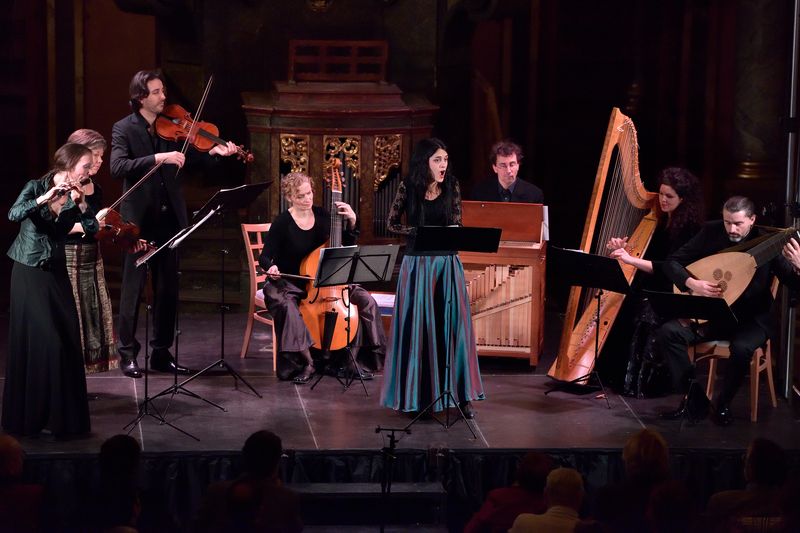

 Johann Gottlieb Graun (28 ottobre 1703 - 27 ottobre 1771): Concerto in do minore per violino, viola da gamba, archi e continuo GraunWV A:XIII:3 (WilG 116). Cappella Academica Frankfurt.
  la regina gioiosa