
Erkki-Sven Tüür (16 ottobre 1959): Ärkamine (Risveglio) per coro e orchestra (2011); testi di Juhan Liiv, Ernst Enno, Jaan Kaplinski, Doris Kareva e della liturgia ortodossa. Eesti Filharmoonia Kammerkoor; Sinfonietta Riga, dir. Daniel Reuss.
Erkki-Sven Tüür (16 ottobre 1959): Ärkamine (Risveglio) per coro e orchestra (2011); testi di Juhan Liiv, Ernst Enno, Jaan Kaplinski, Doris Kareva e della liturgia ortodossa. Eesti Filharmoonia Kammerkoor; Sinfonietta Riga, dir. Daniel Reuss.
 Derek Bourgeois (16 ottobre 1941 - 2017): Sinfonia n. 6 op. 109, A Cotswold Symphony (1988). Dir. Christopher Seaman.
Anton Zimmermann (1741 - 16 ottobre 1781): Sinfonia in do maggiore. Camerata Bern, dir. e violino solista Thomas Füri.
I. Adagio – Allegro assai
II. Andante cantabile [6:02]
III. Finale: Allegro moderato [12:33]

Gordon Young (15 ottobre 1919 - 1998): Cathedral Suite per organo (1975). Marco den Toom.

Kaikhosru Shapurji Sorabji (1892 - 15 ottobre 1988): Le Jardin Parfumé per pianoforte. Michael Habermann.

Johan David Zander (15 ottobre 1752 - 1796): Sinfonia in si bemolle maggiore. Kungliga Hovkapellet, dir. Philip Brunelle.

Zdeněk Fibich (1850 - 15 ottobre 1900): Sinfonia n. 1 in fa maggiore op. 17 (1877-83). Detroit Symphony Orchestra, dir. Neeme Järvi.

Bernhard Henrik Crusell (15 ottobre 1775 - 1838): Secondo Quartetto in do minore per clarinetto e archi op. 4 (c1804). László Horváth, clarinetto; Trio Dumas: Joseph Puglia, violino; Chaim Steller, viola; Örs Köszeghy, violoncello.

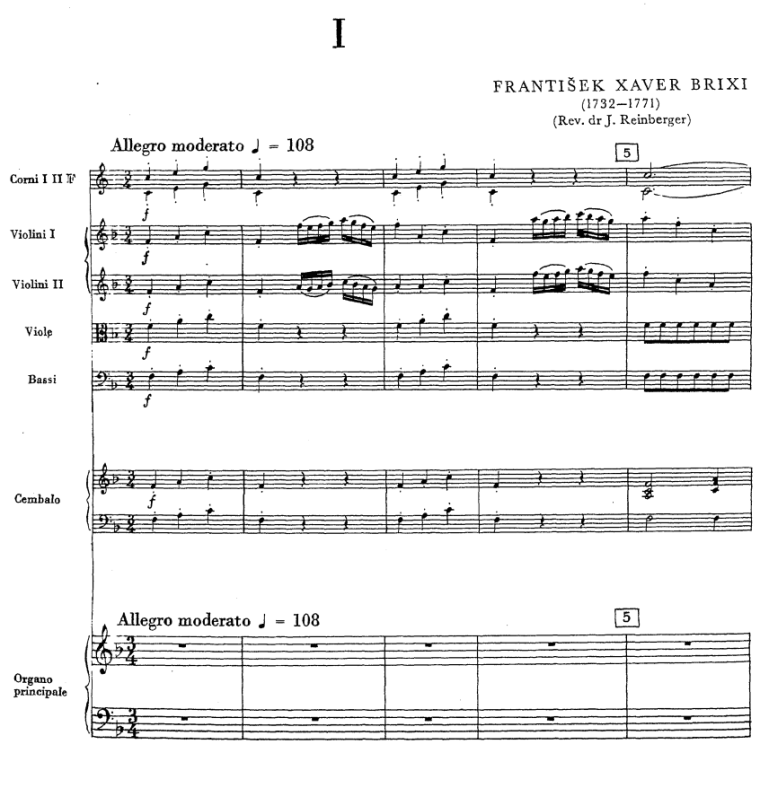
František Xaver Brixi (1732 - 14 ottobre 1771): Concerto in fa maggiore per organo e orchestra. Günther Fetz, organo; Camerata Bregenz, dir. Christoph Eberle.
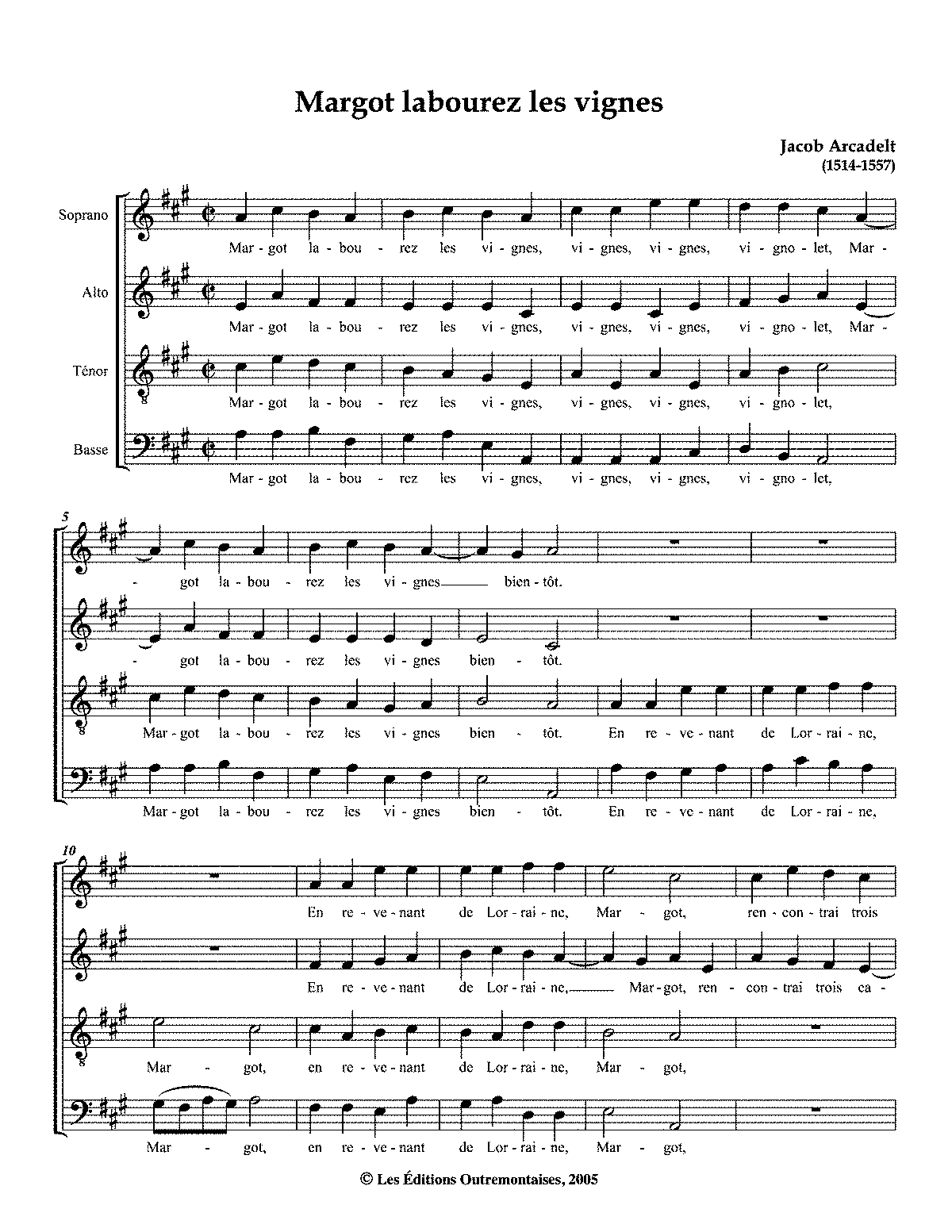
Jacques Arcadelt (1507 - 14 ottobre 1568): Margot, labourez les vignes, chanson a 4 voci (dal Tiers livre de chansons, 1554). Joculatores Upsaliensis.
Margot, labourez les vignes,
vigne, vigne, vignolet,
Margot, labourez les vignes bientôt.
En passant par la Lorraine, Margot,
rencontrai trois capitaines.
Rencontrai trois capitaines, Margot,
Ils m’ont appelé vilaine.
Ils m’ont appelé vilaine, Margot,
Je ne suis pas si vilaine.
Je ne suis pas si vilaine,
Puisque le fils du roi m’aime.
Puisque le fils du roi m’aime,
Il m ‘a donné pour étrenne
Il m ‘a donné pour étrenne
Un bouquet de marjolaine.
Un bouquet de marjolaine,
S’il fleurit, je serais reine.
S’il fleurit, je serais reine,
S’il y meurt, je perds ma peine.
Leonard Bernstein (1918 - 14 ottobre 1990): Halil, notturno per flauto, percussioni, arpa e archi (1981). Anita Olivieri Passeri, flauto; The Buchmann-Mehta School of Music Symphony Orchestra, dir. Eyal Ein-Habar.

Johann Kaspar Mertz (1806 - 14 ottobre 1856): Elegie per chitarra. Carlos Pérez.

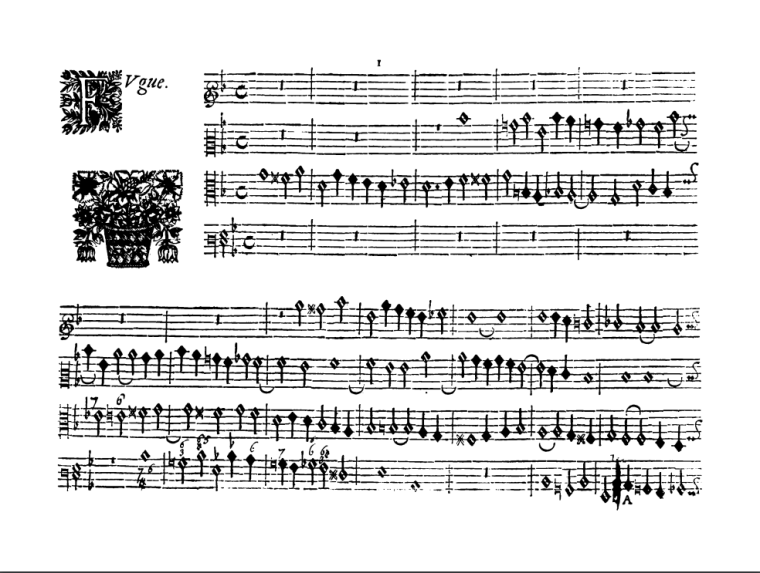
François Roberday (1624 - 13 ottobre 1680): Fuga, n. 1 delle Fugues et caprices a quatre parties, mises en partition pour l’orgue (1660). Adrien Pièce all’organo Felsberg-Tricoteaux di Saint-Gervais a Ginevra.
Claudin de Sermisy (c1490 - 13 ottobre 1562): Secourez moy, chanson a 4 voci (pubblicata nella raccolta Trente et sept chansons musicales a quatre parties, 1531); testo di Clément Marot. Ensemble «Clément Janequin».
Secourez-moi ma dame par amours
Ou autrement la mort me vient quérir.
Autre que vous ne peut donner secours
À mon las coeur lequel s’en va mourir.
Hélas, hélas, venez tôt secourir
Celui qui vit pour vous en grand tristesse,
Car de son coeur vous êtes la maîtresse.

Rebecca Clarke (1886 - 13 ottobre 1979): Passacaglia on an Old English Tune per viola e pianoforte (1941). Amber Archibald, viola; Jamie Namkung, pianoforte.
La melodia sopra cui è costruita la Passacaglia è tratta dall’inno 153 (Come, Holy Ghost, our souls inspire, ossia Veni, Creator Spiritus) dell’English Hymnal del 1906 ed è attribuita a Thomas Tallis.


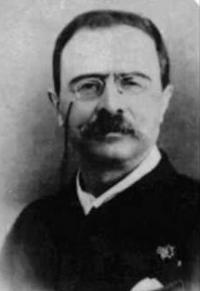 Antonino Pasculli (13 ottobre 1842 - 1924): Le api, «studio caratteristico» per oboe e pianoforte (1874). Christopher Redgate, oboe; Stephen Robbings, pianoforte.

Ralph Vaughan Williams (12 ottobre 1872 - 1958): English Folk Song Suite (1923), versione per orchestra sinfonica curata da Gordon Jacob nel 1924. Boston Pops Orchestra, dir. Arthur Fiedler.

Ralph Vaughan Williams (12 ottobre 1872 - 1958): Fantasia (quasi variazione) on the Old 104th Psalm Tune per pianoforte, coro e orchestra (1950). John Hunt, pianoforte; Cornell A Capella Chorus e The Rochester Chamber Orchestra, dir. Robert Hull.

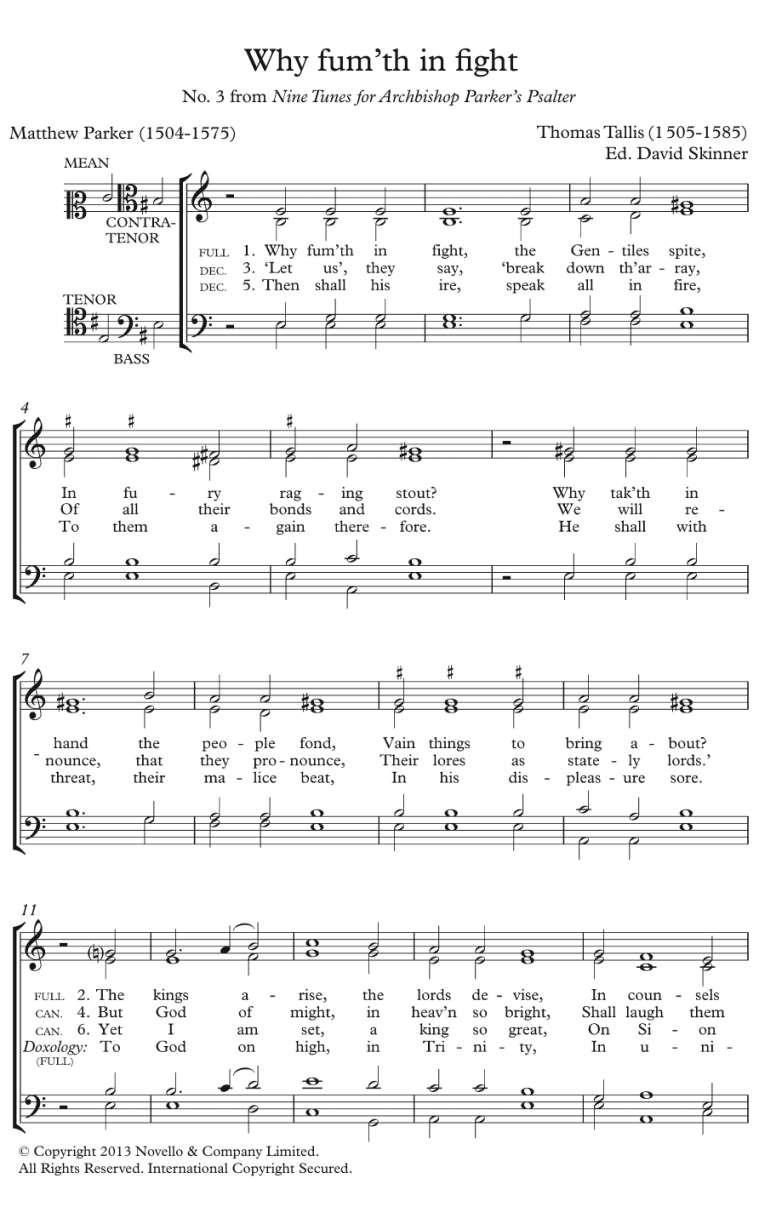
Thomas Tallis (c1505 - 1585): Why fum’th in fight? (Salmo 2:1-2), composto per il salterio dell’arcivescovo di Canterbury, Matthew Parker (1567). Theatre of Voices, dir. Paul Hillier.
Why fum’th in fight the Gentiles spite, in fury raging stout?
Why tak’th in hand the people fond, vain things to bring about?
The Kings arise, the Lords devise, in counsels met thereto,
against the Lord with false accord, against His Christ they go.
Ralph Vaughan Williams (12 ottobre 1872 - 1958): Fantasia on a Theme by Thomas Tallis per doppia orchestra d’archi (1910).
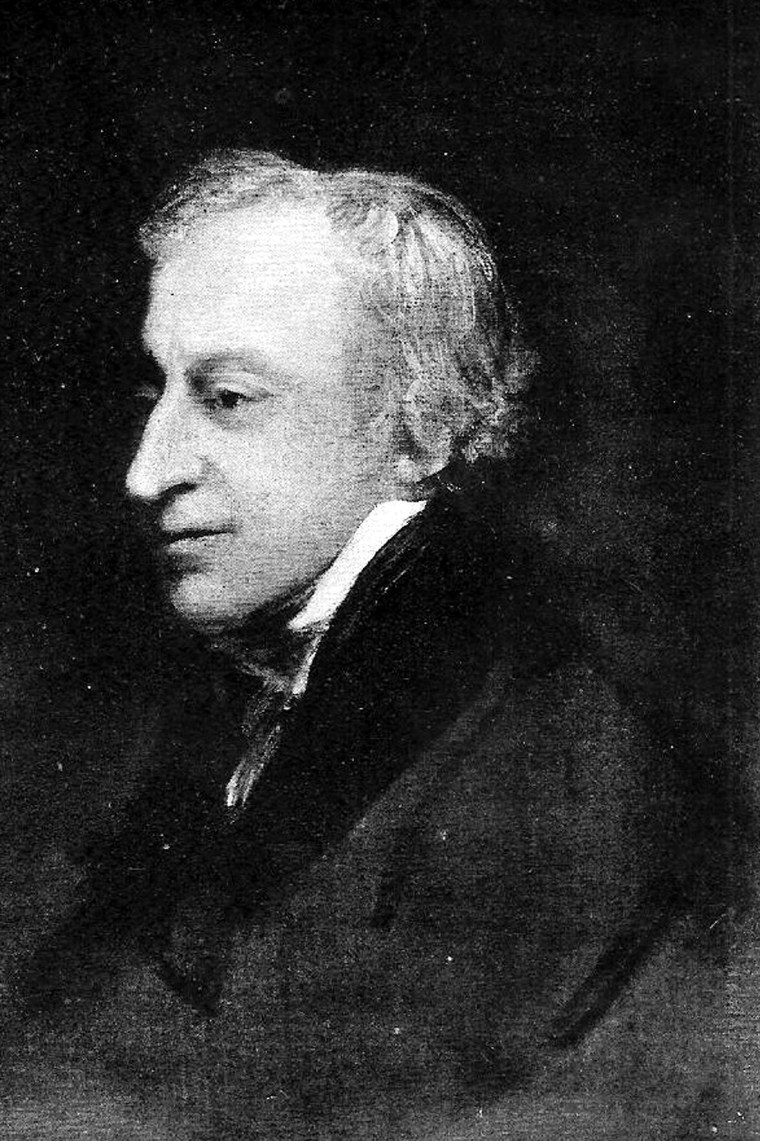
Ralph Vaughan Williams (12 ottobre 1872 - 1958): Sinfonia n. 2 in sol maggiore, A London Symphony (1914). London Philharmonic Orchestra, dir. Bernard Haitink.

Samuel Wesley (1766 - 11 ottobre 1837): Sinfonia n. 6. Milton Keynes Chamber Orchestra, dir. Hilary Davan Wetton.
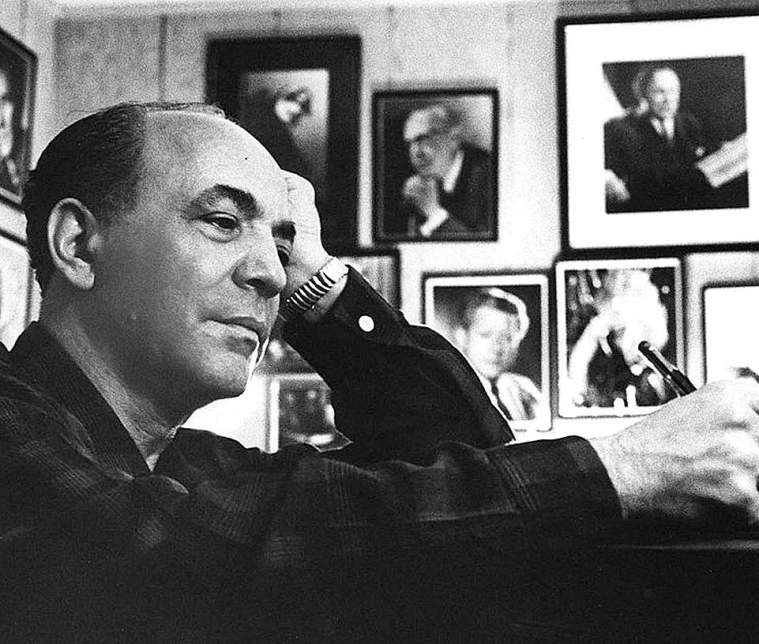
Filippo Maria Gherardeschi (11 ottobre 1738 - 1808): Concertone per violino, flauto e orchestra. Orchestra filarmonica russa, dir. Ricardo Correa.
I. Allegro comodo
II. Marcia [7:09]
III. Rondò: Allegro [8:40]

Jan Křtitel Jiří Neruda (Johann Baptist Georg Neruda; c1711 - 11 ottobre 1776): Concerto in do maggiore per fagotto e archi. Sergio Azzolini, fagotto; Parnassi Musici.

Emil Hlobil (11 ottobre 1901 - 1987): Lidová veselice (Festa popolare), suite per piccola orchestra op. 34 (1950). Orchestra sinfonica di Praga, dir. Ladislav Slovák.

 Dmitro Stepanovič Bortnjanskij (1751 - 10 ottobre 1825): Inno cherubico. Coro filarmonico da camera estone, dir. Paul Hillier.
Иже херувимы тайно образующе,
и Животворящей Троицѣ трисвятую пѣснь припѣвающе,
Всякое нынѣ житейское отложимъ попеченіе,
Аминь, аминь,
яко да Царя всѣхъ подъимемъ,
ангельскими невидимо дориносима чинми.
Аллилуіа, аллилуіа, аллилуіа.
(Noi che misticamente raffiguriamo i cherubini, e alla vivifica Trinità cantiamo l’inno Trisagio, deponiamo ogni mondana preoccupazione – Amen, amen – affinché possiamo accogliere il Re di tutti, invisibilmente scortato dalle schiere angeliche – Alleluia, alleluia, alleluia.)
Arthur De Greef (10 ottobre 1862 - 1940): Trio in fa minore per violino, violoncello e pianoforte (1935). Trio Narziss und Goldmund: Wietse Beels, violino; Mieke De Laurée, violoncello; Piet Kuijken, pianoforte.
Ferenc Farkas (1905 - 10 ottobre 2000): Antiche danze ungheresi del XVII secolo (1959), versione per clavicembalo eseguita da János Sebestyén.
Lo stesso brano nella versione per quintetto di strumenti a fiato eseguita dall’ensemble Harmònia.

Paul Creston (nome d’arte di Giuseppe Guttoveggio; 10 ottobre 1906 - 1985): Sinfonia n. 2 op. 35 (1944). Detroit Symphony Orchestra, dir. Neeme Järvi.
Adolf von Henselt (1814 - 10 ottobre 1889): L’Aurore boréale, grande valse per pianoforte op. 30 (1854). Daniel Grimwood.
Johann Ulrich Steigleder (1593 - 10 ottobre 1635): Ricercare in re minore (pubblicato in Ricercar tabulatura organis et organædis unice inserviens et maxime conducens adornata, 1624). Gary Verkade, organo.


 la regina gioiosa