
Charles O’Brien (6 ottobre 1882 - 1968): Scottish Scenes, suite op. 17 (1914-15), versione per orchestra (1929). Liepājas simfoniskais orķestris, dir. Paul Mann.
- Moorland
- Voices in the Glen
- Harvest Home

Rannoch Moor (foto dal web)
Charles O’Brien (6 ottobre 1882 - 1968): Scottish Scenes, suite op. 17 (1914-15), versione per orchestra (1929). Liepājas simfoniskais orķestris, dir. Paul Mann.
Rannoch Moor (foto dal web)
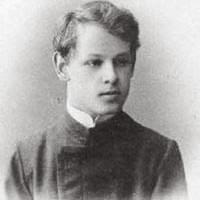 Aleksej Vladimirovič Stančinskij (1888 - 6 ottobre 1914): Notturno in mi maggiore per pianoforte (1907). Robert Henry.

Cyril Bradley Rootham (5 ottobre 1875 - 1938): Miniature Suite per pianoforte e archi op. 61 (1920). Alan Fearon, pianoforte; Royal Northern Sinfonia, dir. Richard Hickox.

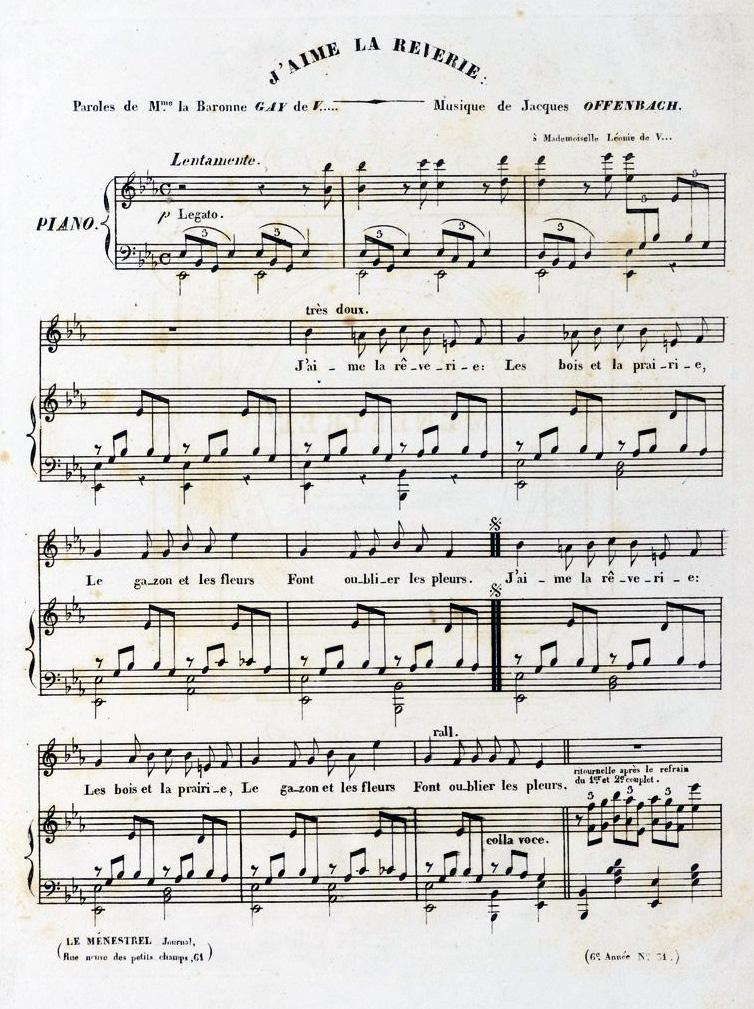
Jacques Offenbach (1819 - 5 ottobre 1880): J’aime la rêverie, mélodie; «paroles de Mme la Baronne Gay de V[aux]» (1839). Mariam Sarkissian, mezzosoprano; Daniel Propper, pianoforte.
J’aime la rêverie:
Les bois et la prairie,
Le gazon et les fleurs
Font oublier les pleurs.
J’aime à voir ton image
Se refléter dans l’eau
D’un ruisseau.
Je voudrais au village
Avec toi m’isoler
Et rester.
J’aime la rêverie…
J’aime ta chevelure,
Et je frémis parfois
Quand mes doigts
De ta blonde parure
Déroulent les anneaux
Doux et beaux.
J’aime la rêverie…
Près de toi les orages
D’un rigoureux destin
Ne sont rien;
Dans tes yeux sans nuages
Je trouve le bonheur
De mon cœur.
J’aime la rêverie…
 Silvestre Revueltas Sánchez (1899 - 5 ottobre 1940): La noche de los mayas, suite sinfonica tratta dalle musiche composte per il film omonimo (1939) diretto da Chano Urueta. Orquesta Juvenil Universitaria «Eduardo Mata» de la Universidad Nacional Autónoma de México, dir. Gustavo Rivero Weber.
Pierre de Manchicourt (c1510 - 5 ottobre 1564): Laudate Dominum omnes gentes, mottetto a 6 voci. Huelgas Ensemble, dir. Paul van Nevel.
1ª pars:
Laudate Dominum, omnes gentes;
laudate eum, omnes populi:
resurrexit Dominus, alleluia.
Unus est Christus qui regnat;
laudate Dominum, omnes gentes:
Christus triumphat, alleluia.
Unus est Christus qui renovat;
laudate eum, omnes populi:
Christus glorificat, alleluia.
Unus est Christus qui coronat;
laudate Dominum, omnes gentes, alleluia.
2ª pars:
Plaudite ergo, omnes gentes,
quoniam confirmata est super nos misericordia ejus, alleluia;
et veritas Domini manet in æternum:
laudate eum, omnes populi.
Questo mottetto ha una caratteristica che lo rende unico fra le composizioni congeneri dell’epoca di Manchicourt: presenta un refrain sulla parola «alleluia», riproposto cinque volte (prima pars: a 0:54, 1:45, 2:36, 3:19; secunda pars: a 4:52), continuamente variato.

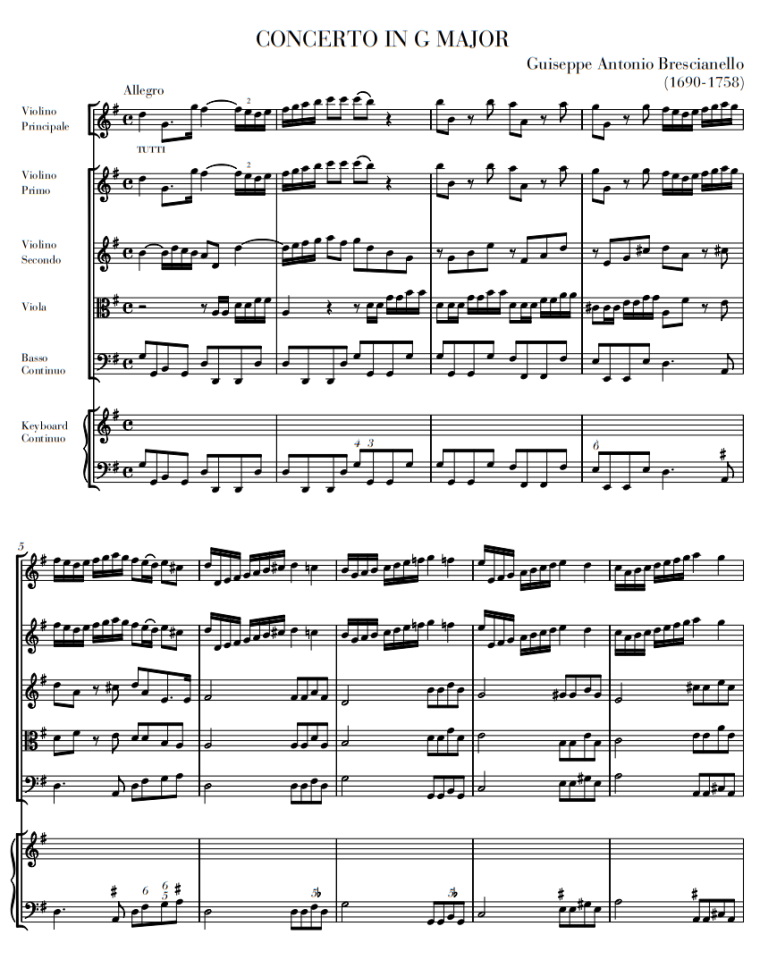
Giuseppe Antonio Brescianello (c1690 - 4 ottobre 1758): Concerto in sol maggiore per violino, archi e basso continuo Bre9. Ensemble La Serenissima; Adrian Chandler, violino e direzione.
Francisco Guerrero (4 ottobre 1528 - 1599): Gabriel archangelus, mottetto a 4 voci. Ensemble La Sestina.
1a pars :
Gabriel archangelus locutus est ad Virginem dicens:
«Ave Maria, gratia plena, dominus tecum, benedicta tu in mulieribus.»
2a pars :
Gabriel archangele veni in adjutorio populo Dei,
qui semper assistis in conspectu Domini.

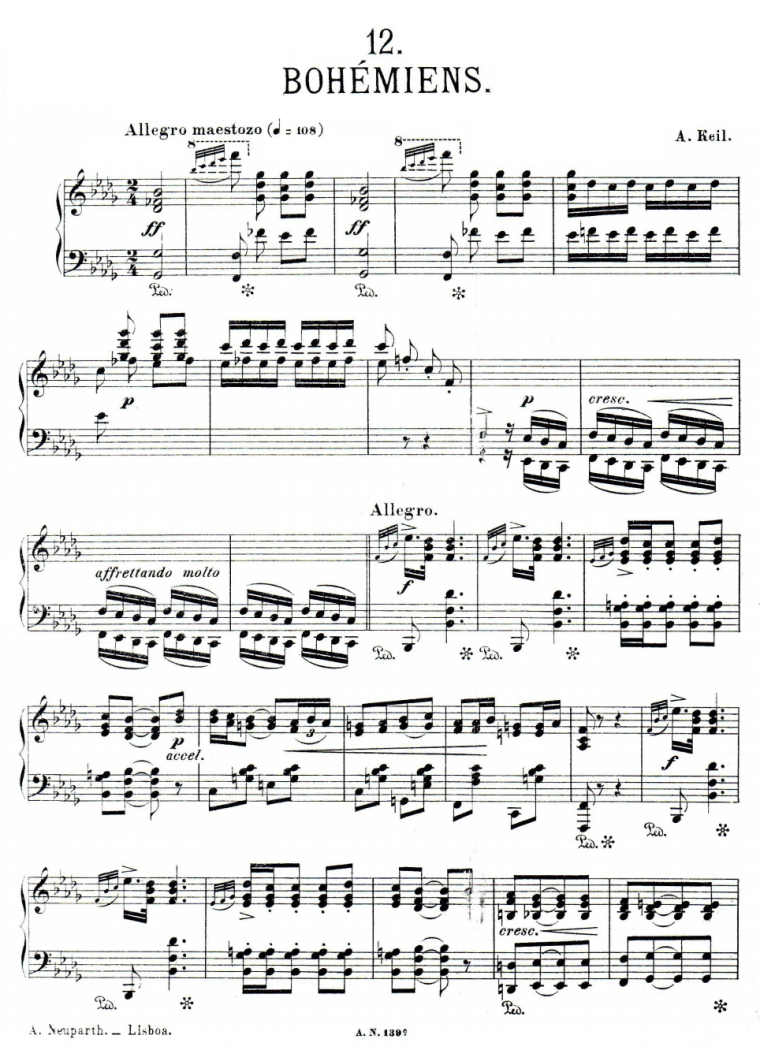
Alfredo Keil (1850 - 4 ottobre 1907): Bohémiens, n. 12 delle Douze Impressions poétiques per pianoforte op. 12 (1885). Tomohiro Hatta.
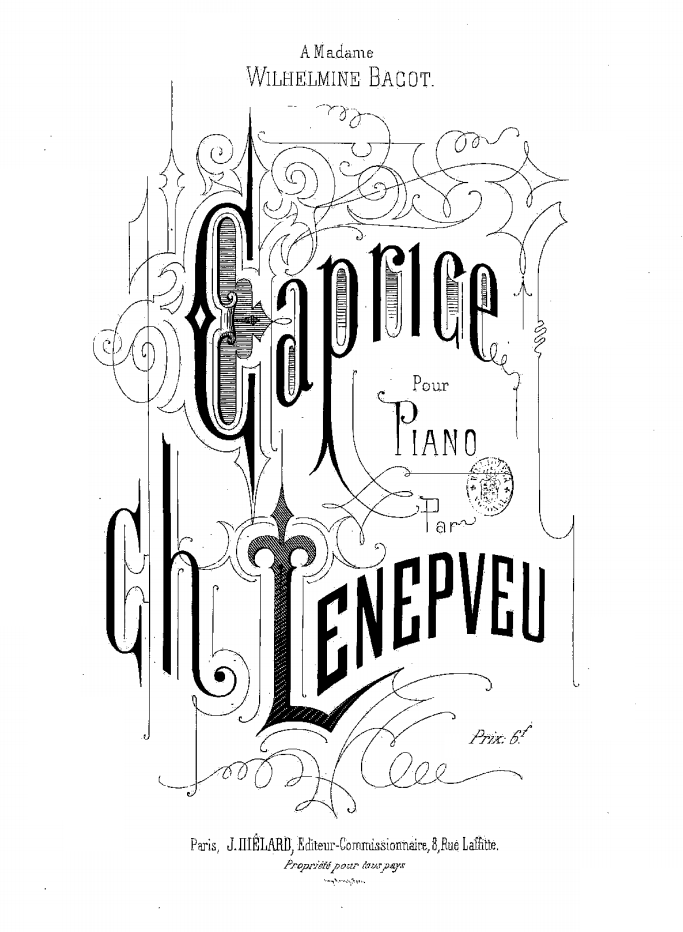
Charles Lenepveu (4 ottobre 1840 - 1910): Capriccio in do diesis minore per pianoforte (c1870). Gamma1734.
Antoine Dauvergne (3 ottobre 1713 - 1797): Concert de Simphonies n. 4 in la maggiore op. 4 n. 2. Concerto Köln.

Georges Onslow (1784 - 3 ottobre 1853): Sinfonia n. 3 in fa minore (orchestrazione del Quintetto op. 32, 1826). Sinfonieorchester des Norddeutschen Rundfunks, dir. Johannes Goritzki.

Henri Marteau (1874 - 3 ottobre 1934): Quintetto in do minore per clarinetto e archi op. 13 (1906). Klaus Hampl, clarinetto; Quartetto di Roma: Marco Fiorini e Biancamaria Rapaccini, violini; Davide Toso, viola; Alessandra Montani, violoncello.

Woldemar Bargiel (3 ottobre 1828 - 1897): Sinfonia in do maggiore op. 30 (1864). Orchestra sinfonica siberiana, dir. Dmitrij Vasil’ev.

Leonid Leonidovič Sabaneev (2 ottobre 1881 - 1968): Quattro Frammenti per pianoforte op. 13 (1913). Michael Schäfer.

Anonimo del XII secolo: Crucifigat omnes, conductus a 3 voci. New London Consort, dir. Philip Pickett.
Si tratta di un vero e proprio canto di crociata. Il testo, composto a seguito della conquista di Gerusalemme da parte del Saladino (2 ottobre 1187), è riportato con o senza musica da più fonti diverse, fra le quali il manoscritto dei Carmina Burana : nell’ambito di questa raccolta è compreso fra i carmina moralia (canti morali) e gli è stato assegnato il numero 47.
|
Crucifigat omnes O quam dignos luctus! Quisquis es signatus |
Crocifigga tutti Oh, come sono giusti i pianti! Chiunque tu sia, segnato |
Il conductus è un tipo di composizione vocale su testo latino, monodica (a una voce) o polifonica (a più voci), la cui origine è da localizzarsi nella Francia meridionale (Aquitania) intorno al volgere del primo millennio; il nome è presumibilmente dovuto alla funzione che il conductus aveva in ambito liturgico, cioè quella di accompagnare durante la messa eventuali spostamenti del celebrante, di «condurre» processioni, e simili. Nel XII secolo il conductus divenne una delle forme predilette dagli esponenti della Scuola cosiddetta di Notre-Dame, che l’affrancarono dalla primitiva destinazione liturgica creando composizioni di argomento vario, talvolta anche non religioso: è il caso, per esempio, di Veris ad imperia, un conductus a 3 voci costruito sulla melodia di una canzone a ballo occitana abbastanza famosa, A l’entrada del tens clar (in questa pagina del blog potete ascoltare ambedue le composizioni). Mentre in altre forme della Scuola parigina prevale la scrittura melismatica (melisma: tante note per una sola sillaba), il conductus ha andamento perlopiù sillabico (una nota per ciascuna sillaba). La storia del conductus si conclude verso la fine del Duecento, con l’affermarsi di una forma nuova che avrà grandissima fortuna nei secoli a venire, il mottetto.

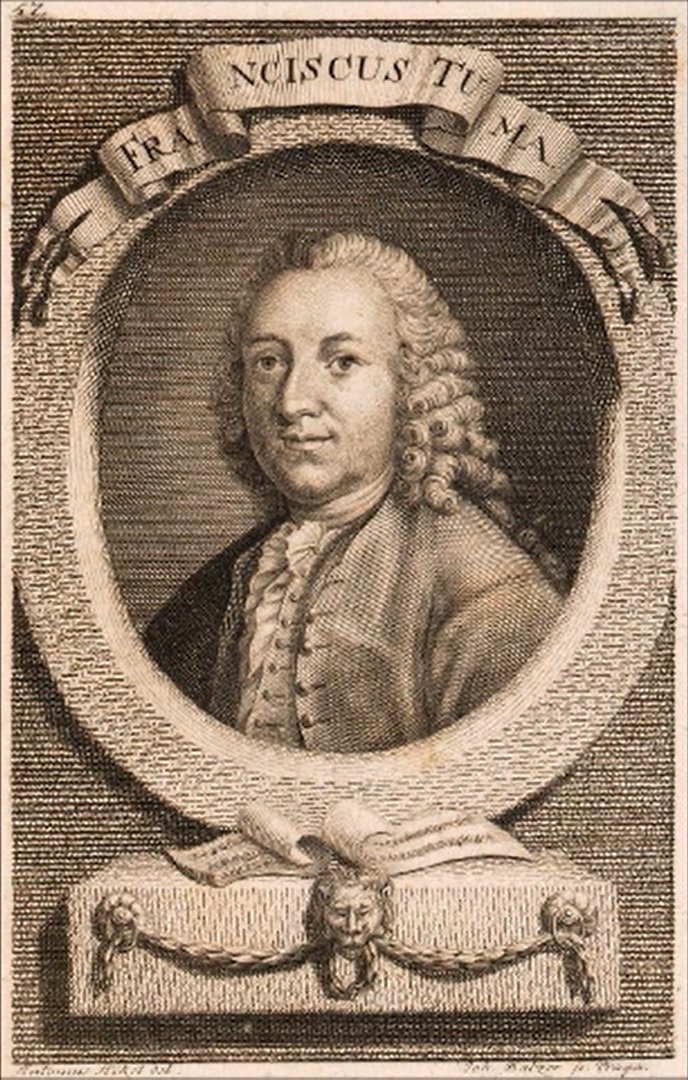
František Tůma (2 ottobre 1704 - 1774): Partita a 3 in sol maggiore. Antiquarius Consort Praga.
L’autrice del video vi ha inserito un’immagine del Castello di Kostelec nad Orlicí, città natale di Tůma.
Gija Kančeli (1935 - 2 ottobre 2019): Ex contrario per 2 violini (o violino e violoncello), tastiera elettronica (sampler), chitarra basso, archi e compact disc (2006). Gidon Kremer, violino; Giedrė Dirvanauskaitė, violoncello; Andrej Puškarev, tastiera; Kremerata Baltica.
Jacques Colebault detto Jacquet de Mantua (1483 - 2 ottobre 1559): Salve virgo virginum, mottetto a 4 voci. Ensemble «Jachet de Mantoue».
Salve virgo virginum,
salve lumen luminum,
vale, dulce lilium.
Salve, mater pauperum.
Mater Christi, tu peperisti regem omnium:
gaude pura spes futura deprecantium;
tu in hora mortis nostrae ora Christum Dominum ,
ne damnemur in aeternum.
Speciosa pretiosa lux errantium,
generosa, gratiosa sis in hac valle te laudantium
consolatrix et gaudium, apud Patrem et Filium.

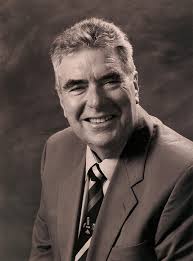 Oggi cambierò momentaneamente registro per ricordare un autore di musica pop, Geoff Stephens, nato il 1° ottobre 1934 e scomparso due anni fa. Nel 1966 Stephens compose la sua canzone più fortunata, Winchester Cathedral; essa costituisce un caso particolare nella storia della musica cosiddetta “leggera”: concepita nello stile proprio della musica da ballo in voga negli anni successivi alla fine della prima guerra mondiale, e dunque marcatamente fuori moda, ebbe ciononondimeno un successo travolgente, forse spropositato rispetto alle sue oggettive qualità musicali; restò a lungo ai primi posti delle classifiche dei dischi più venduti, vinse il Grammy Award, fu reinterpretata da cantanti quali Petula Clark e Frank Sinatra. La prima incisione discografica di Winchester Cathedral risale alla seconda metà del 1966 e fu realizzata da un gruppo chiamato «The New Vaudeville Band»; un ensemble di sette elementi che aveva questo nome la portò poi in tournée in tutto il mondo, producendosi fra l’altro allo Hollywood Palace in una performance che fu trasmessa in televisione e registrata.
Questo video susciterà certamente varie perplessità negli spettatori più attenti. Assodato che si tratta di esecuzioni in playback, perché si ha l’impressione che i musicisti — specie durante il secondo brano, che è la famosa Winchester Cathedral — non riescano mai a simulare di suonare a tempo? Perché il tipo in guanti bianchi, oltre a gesticolare in modo comicamente esagerato, sembra sempre indeciso se fischiettare, soffiare nella cornetta o cantare nel megafono? Perché alcuni strumenti si vedono ma non si odono, e viceversa? (Per esempio: si vede un pianoforte, ma si ode un organo hammond; inoltre, la parte del basso è rinforzata da un sassofono: forse quello che è stato messo in bella evidenza al centro del gruppo, ma che nessuno sta suonando?)
E soprattutto, perché il giovanotto che ha cantato il primo brano si è poi seduto al tavolino e durante l’intera durata della seconda canzone non ha fatto che bere tè, fumare e leggere il «Times»?
Per rispondere a queste domande bisognerà innanzitutto conoscere alcuni particolari della genesi di Winchester Cathedral e della «New Vaudeville Band».
Winchester Cathedral
Geoff Stephens scrisse questo brano ispirandosi allo stile proprio delle canzoni da music hall degli anni 1920: un tipo di musica che in Inghilterra ha sempre conservato un certo numero di estimatori. La canzone è dunque di gusto decisamente rétro, mentre il testo è un nonsenso — altro genere assai amato dai britannici:
Winchester Cathedral,
you’re bringing me down:
you stood and you watched as
my baby left town.
You could have done something,
but you didn’t try:
you didn’t do nothing,
you let her walk by.
Now everyone knows
just how much
I needed that gal.
She wouldn’t have gone
far away,
if only you’d started ringing your bell.
Per realizzare l’incisione discografica di Winchester Cathedral, Stephens si avvalse della collaborazione del collega John Carter, il quale interpretò la parte vocale [1], e di un gruppo di anonimi musicisti “da studio” (che sono, di regola, seri professionisti la cui attività si svolge prevalentemente negli studi di registrazione). Il disco fu commercializzato con il marchio Fontana Records, un’etichetta della Philips, come opera di una «New Vaudeville Band» che, di fatto, non esisteva.
Il successo giunse del tutto inatteso: richieste di partecipazioni a concerti e tournée iniziarono a arrivare da tutto il pianeta alla band che non c’era, cosicché infine Stephens pensò di crearla per davvero. Furono contattati diversi musicisti, fra i quali Henry Harrison, che aveva suonato la batteria nell’incisione originale, e Robert «Pops» Kerr, già cornettista e sassofonista in una formazione chiamata «The Bonzo Dog Doo-Dah Band». Quale cantante fu scelto Alan Klein, che nel 1964 aveva pubblicato un album intitolato Well, At Least It’s British e venne per l’occasione ribattezzato Tristram, 7° conte di Cricklewood. Ma Klein, dotato di un bel timbro baritonale, non poteva certo passare per l’interprete della famosissima versione originale di Winchester Cathedral: troppo diversa la sua voce da quella di Carter; fu perciò Kerr a… fare il mimo in sua vece.
Insomma, se si esclude il batterista, nessuno dei membri della NVB che vediamo fingere di suonare e cantare Winchester Cathedral allo Hollywood Palace aveva preso parte alla registrazione del brano. Questa è la verità che i sette giovanotti non possono rivelarci, ma alla quale alludono con humour tipicamente british offrendo al nostro intuito un certo numero di indizi non equivocabili.
 Perché potesse affrontare degnamente la tournée mondiale, la NVB fu dotata di un repertorio acconcio: oltre a Winchester Cathedral comprendeva canzoni di Stephens, di Klein e di altri autori appassionati di music hall; una parte considerevole era costituita da brani d’epoca, composti cioè nei primi decenni del Novecento, da Shine On, Harvest Moon a Whispering, da I wonder who’s kissing her now a Lili Marleen. Fra le canzoni di nuova composizione che furono aggiunte in seguito, alcune sono dedicate a località londinesi (Finchley Central, stazione dell’underground; Green Street Green, nel South East, a Bromley), proseguendo così una tradizione musicale che si è perpetuata nei secoli.
Ventiquattro di questi brani furono pubblicati in due lp usciti nel 1967; il primo prese il titolo da Winchester Cathedral, il secondo da Finchley Central.
Tratto caratteristico della NVB è dunque lo humour, il gusto per la parodia, per lo scherzo, per la presa in giro. Vediamo qualche altro caso significativo.
Peek-A-Boo
Il brano eseguito da TNVB allo Hollywood Palace prima di Winchester Cathedral è Peek-A-Boo, una creazione di Stephens e Carter che mette alla berlina certa produzione svenevole e mielosa. Da apprezzare il gioco delle rime:
Peek-A-Boo, I do love you.
You’re the one girl for me.
When I look into your eyes
I see my destiny.
Peek-A-Boo, what can I do?
You’re so fancy and free.
Though I try, I can’t disguise
the hold you have on me.
I would grow much weaker,
weather would bleaker
if I spent a week a-
way from Peek-A-
Boo.
Peek-A-Boo, I’m telling you
You’re the girl of my dreams.
Please don’t walk away,
I’d put an end to all my schemes.
In Italia Peek-A-Boo fu proposta da Bobby Solo; superfluo dire che, nella traduzione, gran parte dello humour originario andò perduto.
I was Lord Kitchener’s Valet
 Nel 1966 aprì a Londra, in Portobello Road, un negozio di abbigliamento che si proponeva di lanciare la moda dell’uniforme militare vintage: il nome del negozio era costituito da una frase, I was Lord Kitchener’s Valet, che faceva riferimento a un famoso generale britannico [2]. L’iniziativa ebbe particolare successo: alla nuova moda aderirono quasi tutti i più illustri esponenti del pop e del rock, facendone uno degli elementi caratteristici della «Swinging London» degli anni ’60.
I was Lord Kitchener’s Valet è anche il titolo di un ironico brano proposto dalla «New Vaudeville Band» (è l’ultimo dei dodici inclusi nel secondo lp): i sette buontemponi vi prendono amabilmente in giro il negozio, la moda, i suoi numerosi seguaci e anche lord Kitchener, il cui guardaroba «è rimasto vittima della stretta economica».
I was Lord Kitchener’s valet.
We were ever so pally.
I was always there
to press his suits
and clean his boots
and in return,
as everybody knows,
He gave me all his old clothes.
I was Lord Kitchener’s valet.
We used to share the same chalet.
He would often say
that when he died
that he’d provide
for me, and you can see
just what I got:
his winter woolies and the lot.
Oh, Lord Kitchener what ought to do?
Everyone is wearing clothes that once belonged to you.
If you were alive today, I’m sure you would explode
if you took a stroll down the Portobello Road.
I was Lord Kitchener’s valet.
Right from Kandahar to Calais
I was by his side
to wipe his shoes
and serve his booze.
I knew my loyalty
would be repaid:
I’m in the second-hand trade.
Oh, Lord Kitchener what ought to do?
Everyone is wearing clothes that once belonged to you.
I know that you’ve forgiven me if I tell you, on my knees,
Your wardrobe is a victim of the economic squeeze.
Sadie Moonshine
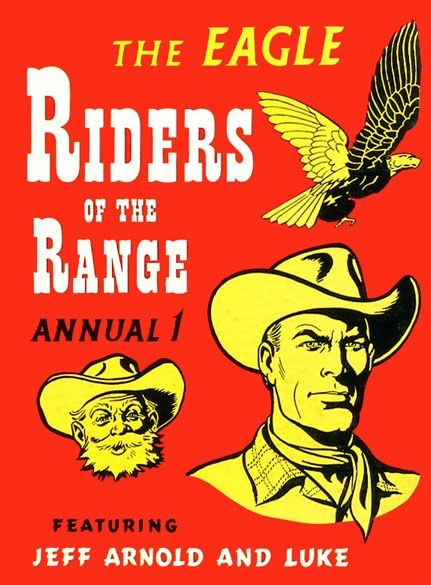 Per concludere questa rapida rassegna di musica diffusa con il marchio «The New Vaudeville Band», ecco una vivace danza a ritmo di charleston composta da Peter Eden e David Elvin [3]. Nel suo genere Sadie Moonshine è un piccolo capolavoro nel quale tutto, compresa l’apparente semplicità e la povertà dei mezzi, è congegnato in modo da far risaltare la bravura del cantante (Klein) e degli strumentisti – in evidenza il lavoro del batterista nello strain soltanto strumentale e soprattutto il dialogo fra gli ottoni in quello finale. Il testo, come sempre colmo di humour e bizzarrie, contiene alcuni riferimenti a musiche degli anni 1920. The Laughing Policeman, per esempio, è una canzone di music hall incisa per la prima volta da Charles Penrose nel 1922 [4]. Musica e parole, dunque, di per sé farebbero pensare a un brano d’epoca, ma nell’ultimo verso del ritornello spunta un particolare rivelatore: Jeff Arnold e Luke sono i protagonisti di un fumetto western degli anni ’50.
Sadie Moonshine’s got no love,
she’s nobody’s turtledove.
No one cares, no one cries,
no one listens to her sighs.
The way she looks, it’s so bad,
the laughing policeman, he’s so sad.
Sadie Moonshine’s got no love,
sob sob, boo hoo hoo, ah!
Sadie Moonshine’s feeling glum,
she’s nobody’s special chum.
No one to squeeze and hold her tight,
no one to keep her warm at night.
Give her diamonds in a silver cup,
but even this won’t cheer her up,
for Sadie Moonshine’s got no love,
sob sob, boo hoo hoo, ah!
Mona Lisa’s got her geezer,
Queenie’s got her duke,
Romeo, he had his Juliet,
Jeff Arnold’s got Luke.
[1] Forse si deve a Carter l’idea di utilizzare un megafono allo scopo di alterare il timbro della voce, a imitazione di Rudy Vallee. →
[2] Lord Horatio Herbert Kitchener (1850-1916), il vincitore di Omdurman e della guerra anglo-boera. →
[3] Amici di lunga data e collaboratori di Stephens: il nome di Eden è probabilmente da aggiungere al novero di quanti misero mano alla composizione e alla prima, famosa registrazione di Winchester Cathedral; Elvin cantava e suonava chitarra e banjo in una jug band londinese cui era stato dato il curioso nome di «Vernon Haddock’s Jubilee Lovelies». →
[4] Il disco ebbe un considerevole successo, vendendo milioni di copie; diede poi (1968) il titolo a un fortunato romanzo giallo degli svedesi Maj Sjöwall e Per Wahlöö, dal quale fu tratto il film omonimo con Walter Matthau (1973; in italiano L’ispettore Martin ha teso la trappola). →
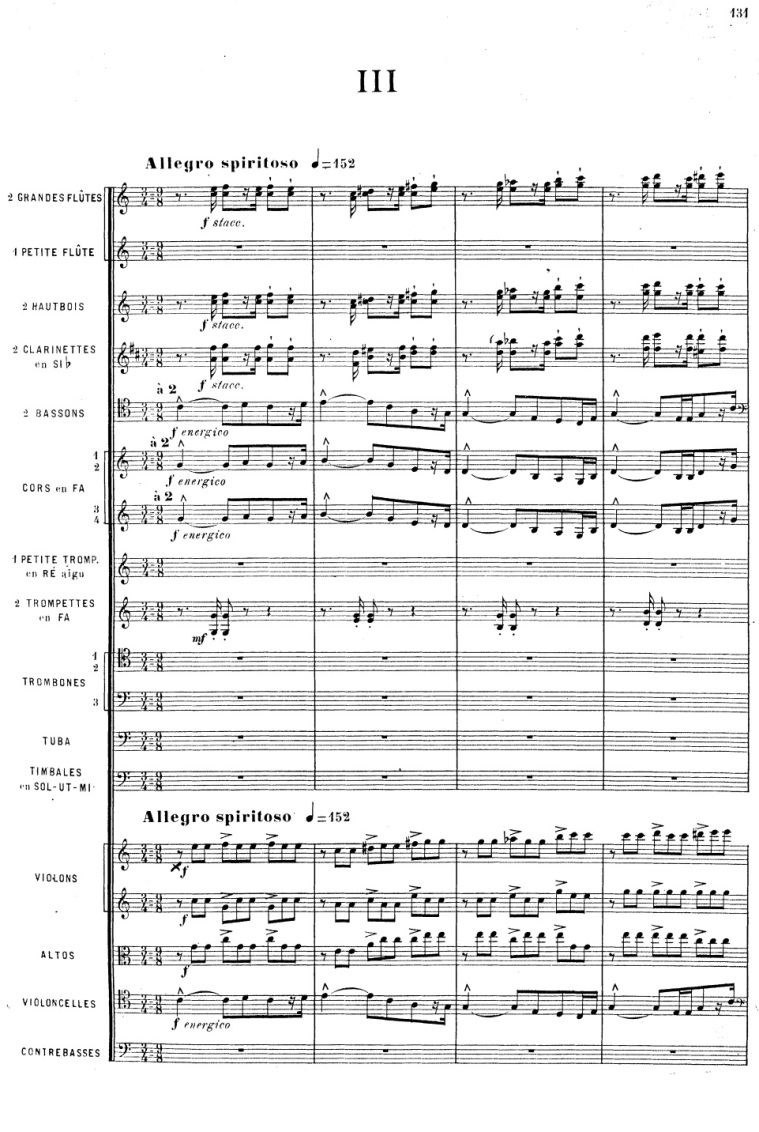
Paul Dukas (1º ottobre 1865 - 1935): Sinfonia in do maggiore (1896). BBC Philharmonic Orchestra, dir. Yan Pascal Tortelier.
I. Allegro non troppo vivace, ma con fuoco
II. Andante espressivo e sostenuto
III. Allegro spiritoso
Pierre Baillot (1º ottobre 1771 - 1842): Air russe varié pour le violon avec accompagnement d’un violon, viola et basse op. 11. Ансамбль «Русское барокко» / Russian Baroque Ensemble.

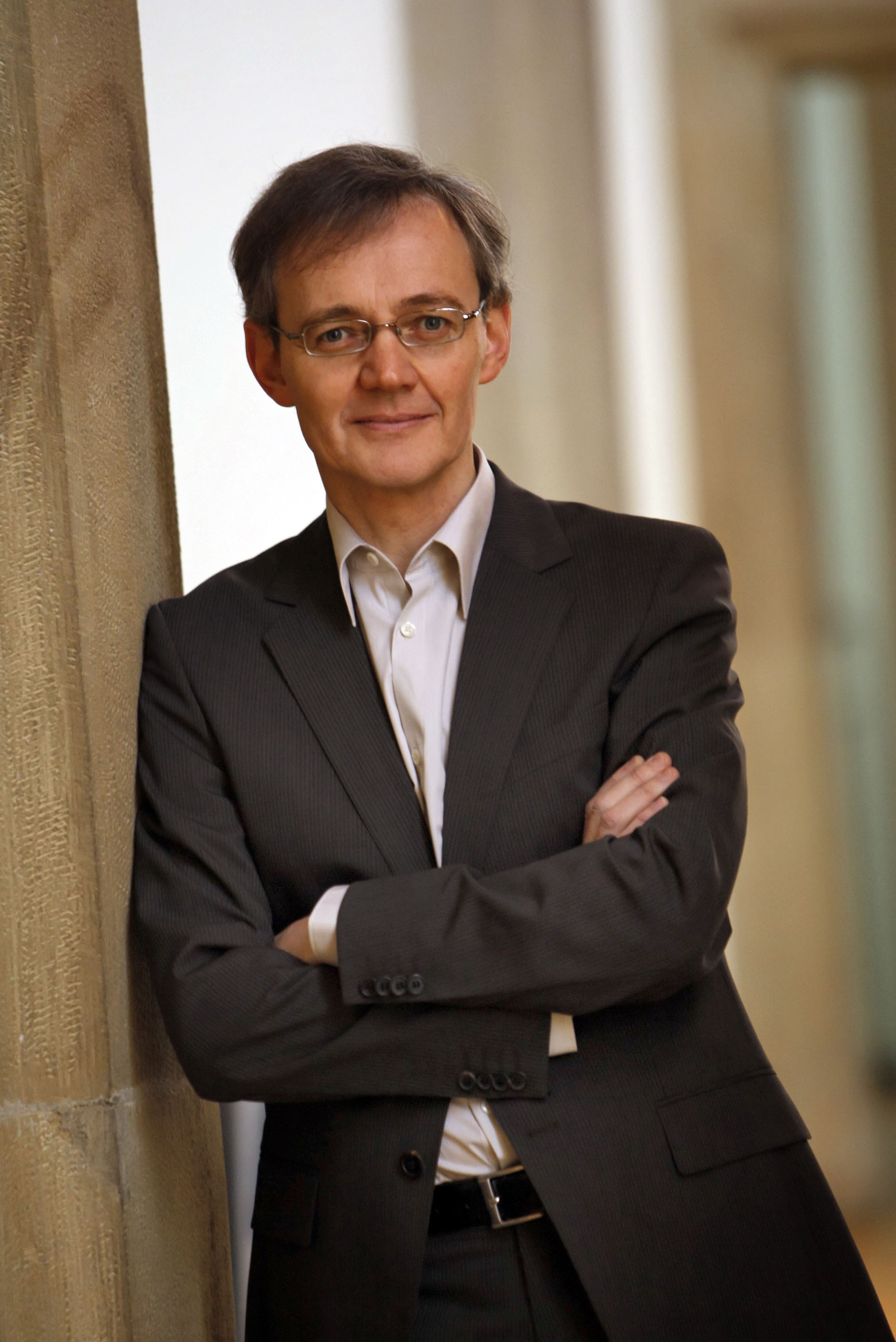
Kay Johannsen (1° ottobre 1961): Concerto per organo, archi e percussione (2014). Solista è l’autore; Stuttgarter Kammerorchester, dir. Matthias Foremny.
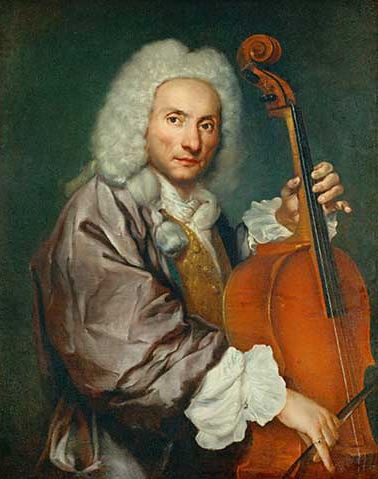
Giovanni Battista Cirri (1º ottobre 1724 - 1808): Concerto in re maggiore per violoncello e orchestra op. 14 n. 3. Balázs Máté, violoncello; Aura Musicale, dir. László Paulik.
I. Allegro con spirito
II. Adagio [6:00]
III. Allegretto [12:10]
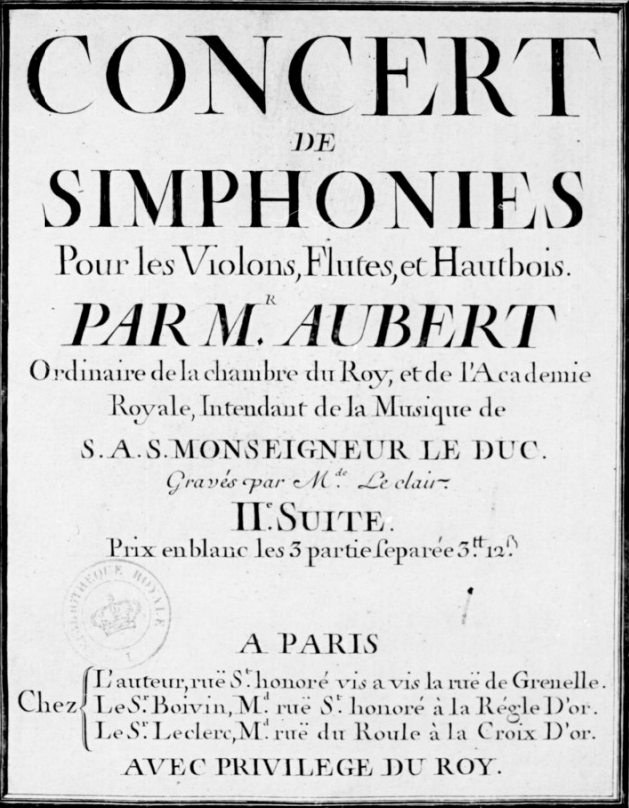
Jacques Aubert le Vieux (30 settembre 1689 - 1753): Deuxieme Concert de Simphonies op. 9 (1731). Ensemble Locatelli, dir. Thomas Chigioni.
Sir Charles Villiers Stanford (30 settembre 1852 - 1924): Sinfonia n. 3 op. 28, Irish Symphony (1887). Ulster Orchestra, dir. Vernon Handley.

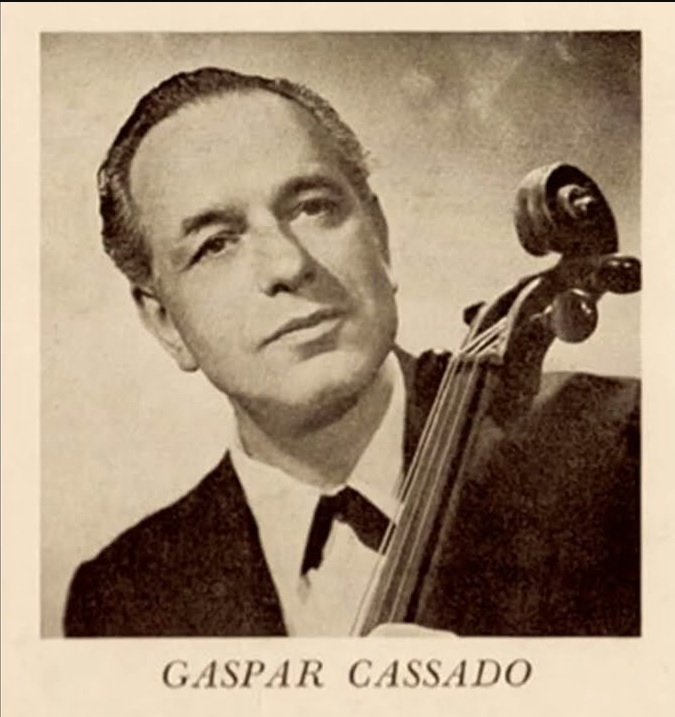
Gaspar Cassadó (30 settembre 1897 - 1966): Suite per violoncello solo (1926). Anne Gastinel.
Quirino Gasparini (1721 - 30 settembre 1778): Adoramus te, antifona a 4 voci a cappella, un tempo erroneamente attribuita a Mozart (K 327). St. Martin’s Chamber Choir, dir. Timothy J. Krueger.
Adoramus te, Domine Jesu Christe, et benedicimus tibi
Quia per sanctam crucem tuam redemisti mundum.

Valentyn Syl’vestrov (30 settembre 1937): Terza Sinfonia, Эсхатофония (Escatofonia, 1966). Dir. Bruno Maderna, Darmstadt 1968.
Con il termine escatofonia l’autore intende far riferimento al desiderio di unire la musica all’escatologia, cioè la riflessione sul destino ultimo dell’essere umano e dell’universo.

Sigurd Lie (1871 – 30 settembre 1904): Sinfonia in la minore (1903). Kristiansand Symfoniorkester, dir. Terje Boye Hansen.

Hai un account WordPress.com? Accedi ora.

