Siegfried Wagner (1869 - 4 agosto 1930): Sehnsucht, poema sinfonico, da Schiller (1895). Philharmonisches Staatsorchester Hamburg, dir. Werner Andreas Albert.
Scritta a 26 anni dal figlio di Richard Wagner e Cosima Liszt, questa composizione fu ritrovata solo nel 1979.
Oswald von Wolkenstein (c1377 - 2 agosto 1445): Ain graserin durch kúlen tau. Ensemble für frühe Musik Augsburg.
Ain graserin durch kúlen tau
mit weissen, blossen fússlin zart
hat mich erfreut in grúner au;
das macht ir sichel brawn gehart,
do ich ir half den gattern rucken,
smucken fúr die schrencken,
lencken, sencken in die seul,
wolbewart, damit das freul
hinfúr an sorg nicht fliesen möcht ir gensel.
Als ich die schön her zeunen sach,
ain kurze weil ward mir ze lanck,
bis das ich ir den ungemach
tett wenden zwischen zwaier schranck.
mein häcklin klein hett ich ir vor
embor zu dienst gewetzet,
gehetzet, netzet; wie dem was,
schúbren half ich ir das gras.
«Zuck nicht, mein schatz!»
«Simm nain ich, lieber Jensel.»
Als ich den kle hett abgemät
und all ir lucken wolverzeunt,
dannocht gert si, das ich jät
noch ainmal inn der nidern peunt;
ze lon wolt si von rosen winden,
binden mir ain krenzel.
«Swenzel, renzel mir den flachs!»
«Treut in, wiltu, das er wachs!
herz liebe gans, wie schön ist dir dein grensel.»
Carlos Chávez (1899 - 2 agosto 1978): Sinfonia n. 2, Sinfonía India (1935-36). Orquesta Sinfónica del Estado de México (l’indicazione nel video è errata), dir. Enrique Bátiz.
Giovanni Ernesto di Sassonia-Weimar (1696 - 1º agosto 1715): Concerto in sol maggiore per violino e orchestra. Thüringer Bach Collegium.
Allegro assai
Adagio
Presto e staccato
Lo stesso concerto nella trascrizione per organo eseguita da Johann Sebastian Bach (BWV 592). Ton Koopman all’organo Schnitger della Martinikerk in Groninga.
Fabrizio de Rossi Re (1960): Spaventati dalla tempesta per orchestra, liberamente ispirato dal De rerum natura di Lucrezio (1992). Orchestra Sinfonica Abruzzese, dir. Flavio Emilio Scogna.
Oggi è il compleanno del Maestro: auguri!
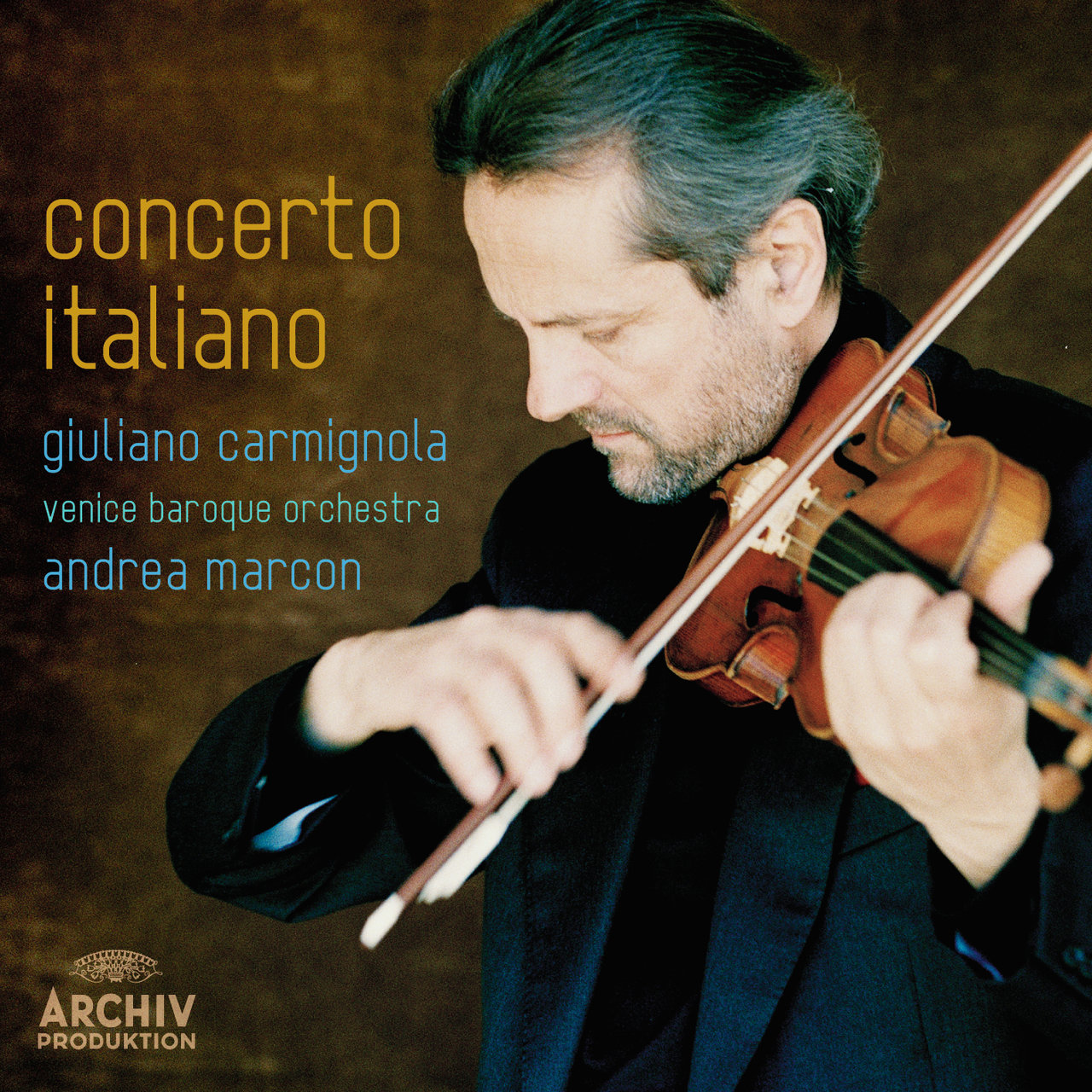
Michele Stratico (31 luglio 1728 - 1783): Concerto in sol minore per violino e archi. Giuliano Carmignola, violino; Venice Baroque Orchestra, dir. Andrea Marcon.
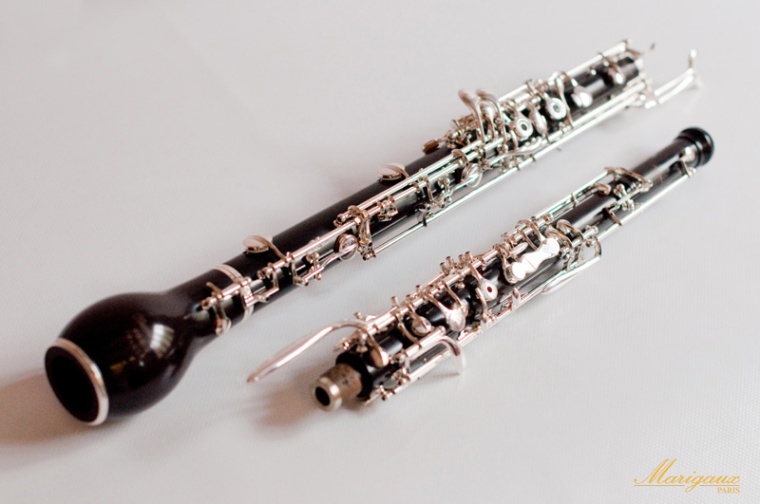
Josef Fiala (1748 - 31 luglio 1816): Concerto in mi bemolle maggiore per corno inglese e orchestra. Heinz Holliger, corno inglese; English Chamber Orchestra, dir. Raymond Leppard.
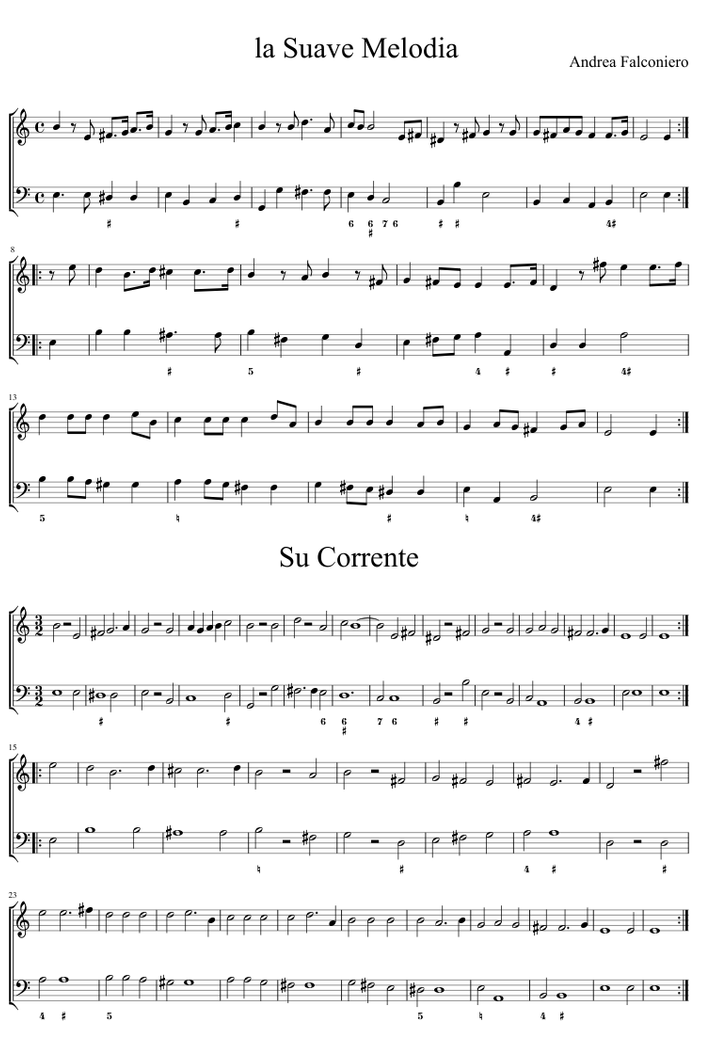
Andrea Falconiero o Falconieri (c1585 - 29 luglio 1656): La Suave Melodia e Su Corrente, dal I Libro di canzone, sinfonie, fantasie… (1650). La Musa Armonica: Lina Manrique, viola da gamba; Parsival Castro, tiorba; Diogo Rodrigues, chitarra barocca.
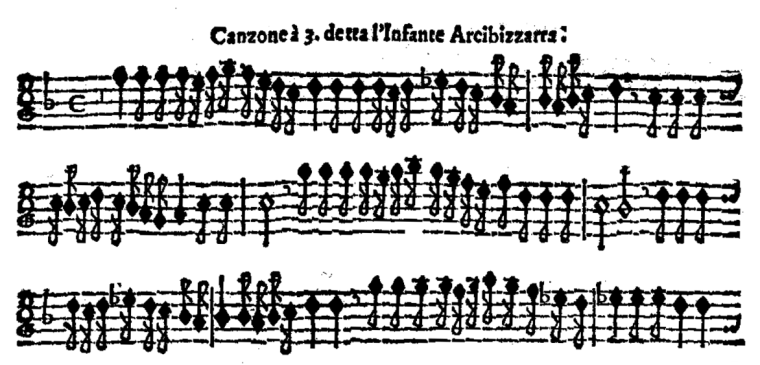
Andrea Falconiero o Falconieri (c1585 - 29 luglio 1656): Canzone a 3, detta l’Infante Arcibizzarra, dal I Libro di canzone, sinfonie, fantasie… (1650). Accademia Bizantina, dir. Ottavio Dantone.
Johann Sebastian Bach (1685 - 28 luglio 1750): Toccata, Adagio e Fuga in do maggiore per organo BWV 564 (c1710-17). E(dward George) Power Biggs (1906 - 1977) .
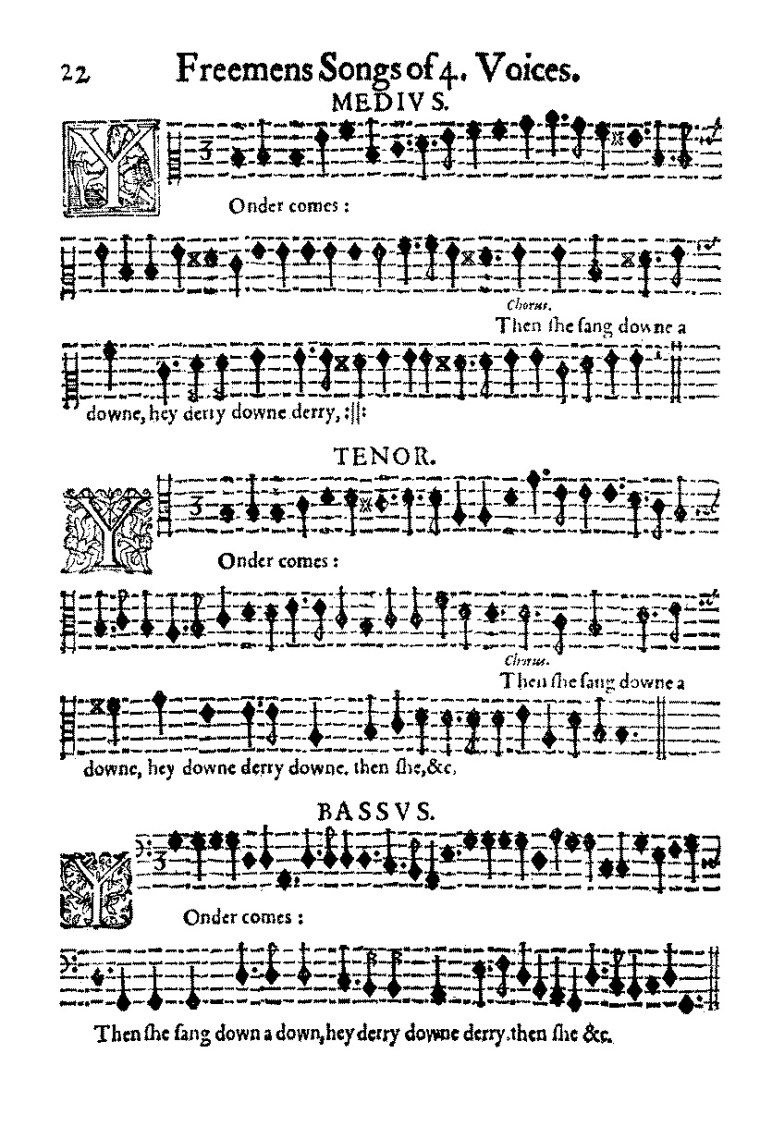
Thomas Ravenscroft (c1582 - c1633): Yonder comes a courteous knight, partsong a 4 (pubblicato in Deuteromelia, 1609, n. 22). Pro Cantione Antiqua.
Notevoli il testo, che presenta alla fine una «morale» davvero curiosa 🙂 , e l’armonizzazione, severa e moderna allo stesso tempo, nonché l’interpretazione dell’ensemble Pro Cantione Antiqua.
Yonder comes a courteous knight,
Lustely raking over the lay;
He was well ware of a bonny lasse,
As she came wand’ring over the way.
Then she sang downe a downe, hey downe derry.
Jove you speed, fayre ladye, he said,
Among the leaves that be so greene;
If I were a king, and wore a crowne,
Full soone, fair lady, shouldst thou be a queen.
Also Jove save you, faire lady,
Among the roses that be so red;
If I have not my will of you,
Full soone, faire lady, shall I be dead.
[Then he lookt east, then hee lookt west,
He lookt north, so did he south;
He could not finde a privy place,
For all lay in the divel’s mouth.]
If you will carry me, gentle sir,
A mayde unto my father’s hall,
Then shall you have your will of me,
Under purple and under paule.
[He set her up upon a steed,
And him selfe upon another,
And all the day he rode her by,
As though they had been sister and brother.]
When she came to her father’s hall,
It was well walled round about;
She rode in at the wicket-gate,
And shut the foure-ear’d foole without.
You had me, quoth she, abroad in the field,
Among the corne, amidst the hay,
Where you might had your will of mee,
For, in good faith, sir, I never said nay.
[Ye had me also amid the field,
Among the rushes that were so browne,
Where you might had your will of me,
But you had not the face to lay me downe.]
He pulled out his nut-browne sword,
And wipt the rust off with his sleeve,
And said: Jove’s curse come to his heart,
That any woman would beleeve!
When you have your owne true-love
A mile or twaine out of the towne,
Spare not for her gay clothing,
But lay her body flat on the ground.
Antonio Vivaldi (1678 - 28 luglio 1741): Concerto in re minore per violino, archi e basso continuo RV 249, n. 8 della raccolta La Stravaganza op. 4 (1716). Concerto Italiano, dir. Rinaldo Alessandrini.
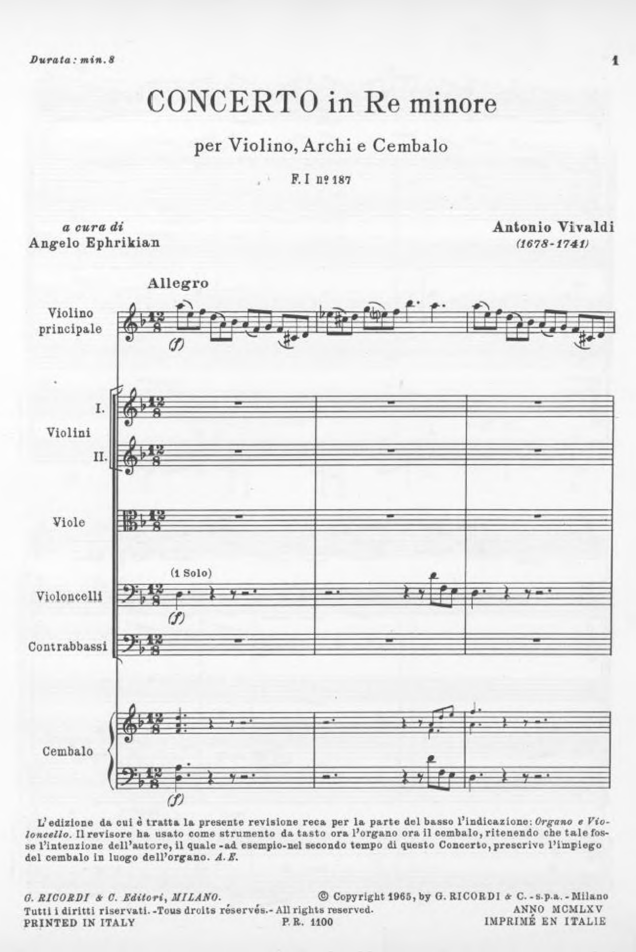
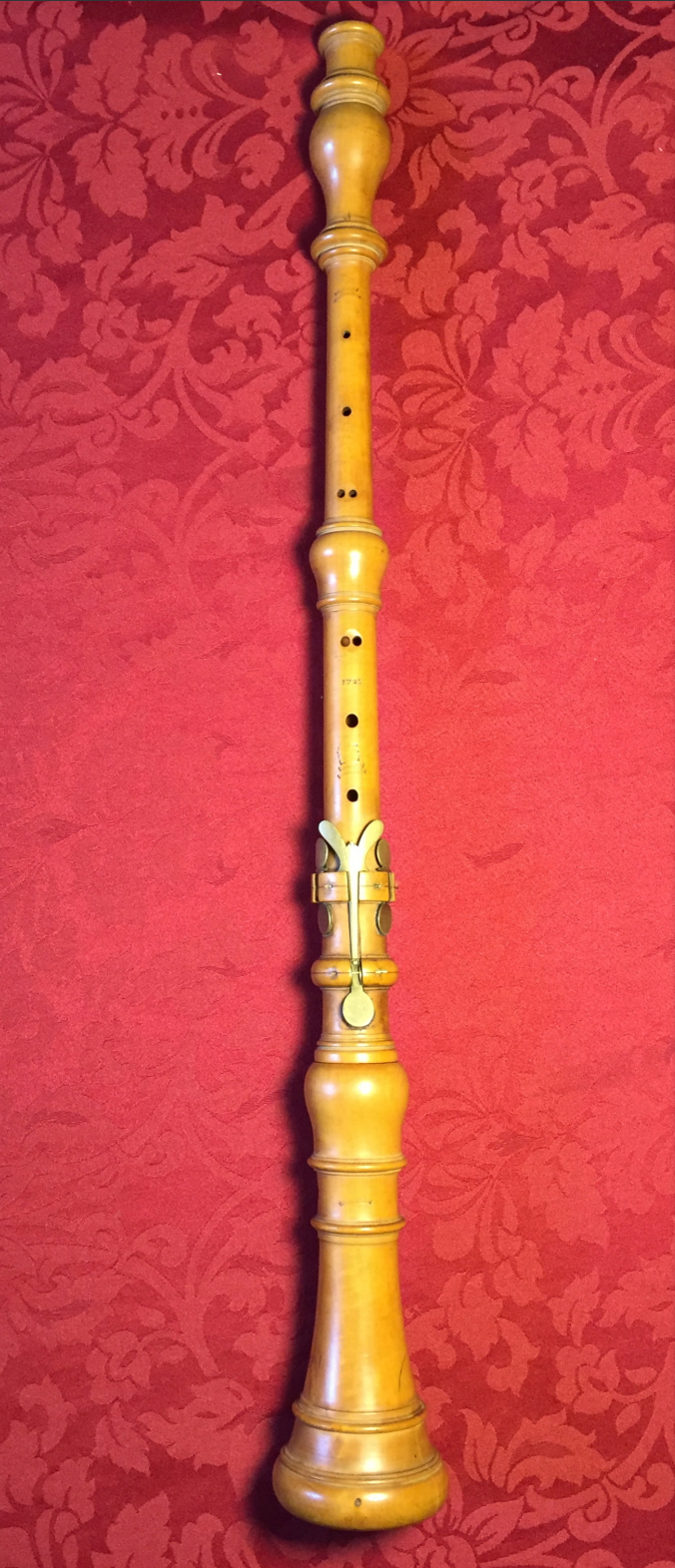
Antonio Vivaldi (1678 - 28 luglio 1741): Concerto in fa maggiore per oboe, archi e continuo RV 457. Ensemble Silente Venti!; Simone Toni, oboe e direzione.
Allegro non molto
Andante [3:52]
Allegro molto [6:24]
Johann Sebastian Bach (1685 - 28 luglio 1750): Concerto in fa maggiore per oboe, archi e continuo BWV 1053R. Café Zimmermann.
Allegro
Siciliano [7:05]
Allegro [11:52]
La partitura originale è perduta: il concerto è stato ricostruito sulla base delle cantate Gott soll allein mein Herze haben BWV 169 (il I e il II movimento del concerto corrispondono alla I e alla V parte della cantata) e Ich geh’ und suche mit Verlangen BWV 49 (l’ultimo movimento del concerto corrisponde alla I parte della cantata).
Giuseppe Sarti (1729 - 28 luglio 1802): Sonata n. 4 in sol maggiore per oboe e continuo. Giuseppe Piccinino, oboe; Roberto Cognazzo, clavicembalo.
Francesco Corteccia (27 luglio 1502 - 1571): Vientene, almo riposo, madrigale a 5 voci (pubblicato nel Libro primo de madrigali a cinque & a sei voci, 1547). John Elwes, tenore; Les Sacqueboutiers de Toulouse.
Vientene, almo riposo, ecco ch’io torno
e ne discaccio il giorno,
posate erbette e fronde,
e spogliatevi piagge e arboscelli,
entrate o pastorelli,
entrate o ninfe bionde,
entro al bel nido adorno
ognun s’adagi, e dorma al mio ritorno.
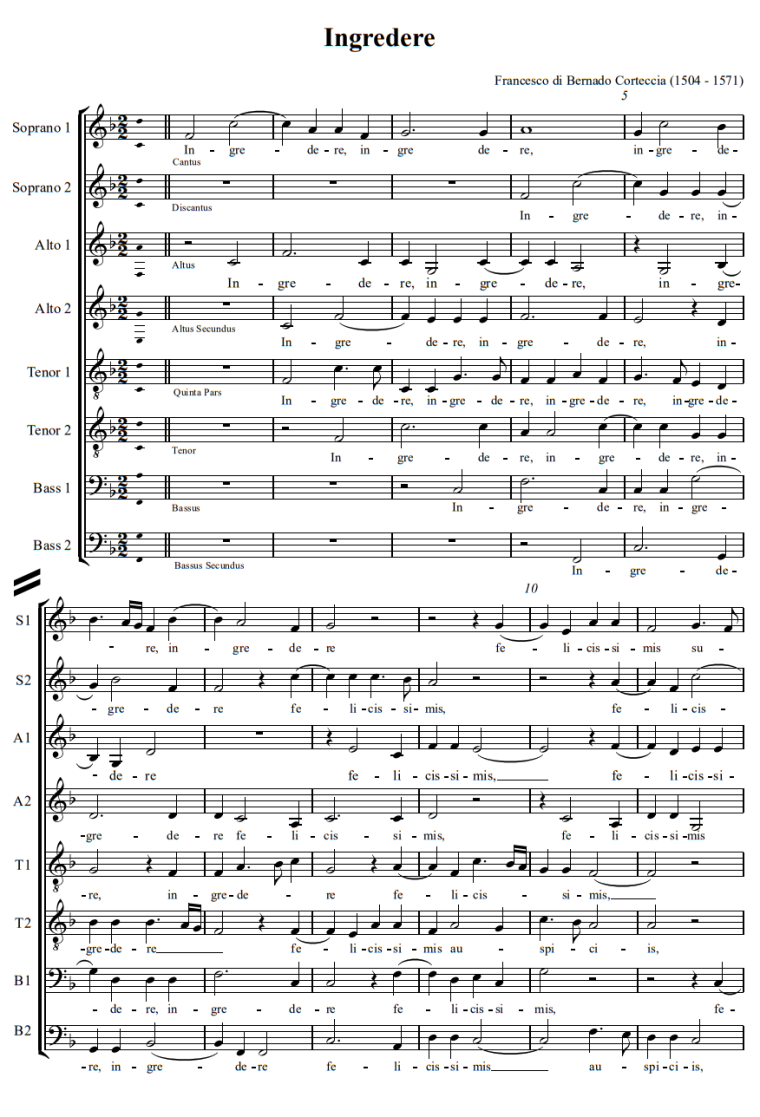
Corteccia: Ingredere, mottetto a 8 voci in 2 cori (pubblicato in Musiche fatte nelle nozze dello illustrissimo Duca di Firenze, il signor Cosimo de’ Medici, et della illustrissima consorte sua, madonna Leonora da Tolletto, 1539, n. 2). Nel primo video, il mottetto è eseguito dall’ensemble del Centre de Musique Ancienne di Ginevra, dallo Studio di Musica Rinascimentale di Palermo e dalla Schola «Jacopo da Bologna» diretti da Gabriel Garrido; nel secondo, Eduardo Antonello esegue tutte le parti con i suoi cromorni.
Ingredere felicissimis, auspiciis urbem tuam Helionora ac optime
prolis fecunda, ita domi similem patri foris avo sobolem producas
ut Mediceo nomini eiusque devotissimis civibus securitatem prestes eternam.
Willem van Otterloo (1907 - 27 luglio 1978): Sinfonia n. 2 (1945-46), revisione di Otto Ketting (2011). Radio Filharmonisch Orkest, dir. James Gaffigan.
Anonimo: She Moved through the Fair, canzone tradizionale irlandese. Alfred Deller, controtenore; Desmond Dupré, liuto.
My young love said to me: My mother won’t mind,
And my father won’t slight you for your lack of kine.
And she stepped away from me and this she did say:
It will not be long, love, ‘til our wedding day.
She stepped away from me and she moved through the fair,
And fondly I watched her move here and move there,
And then she went homeward with one star awake,
As the swan in the evening moves over the lake.
Last night she came to me, she came softly in.
So softly she came that her feet made no din,
And she laid her hand on me, and this she did say:
It will not be long, love, ‘til our wedding day.
La melodia, diffusa in Irlanda e in Scozia, risale probabilmente al basso Medioevo. Il testo è stato pubblicato per la prima volta nella raccolta Irish Country Songs (1909), curata da Herbert Hughes.








 Johann Theile (29 luglio 1646 - 1724): Suite in la minore dal Musikalisches Kunstbuch (1691). Hamburger Ratsmusik, dir. Simone Eckert.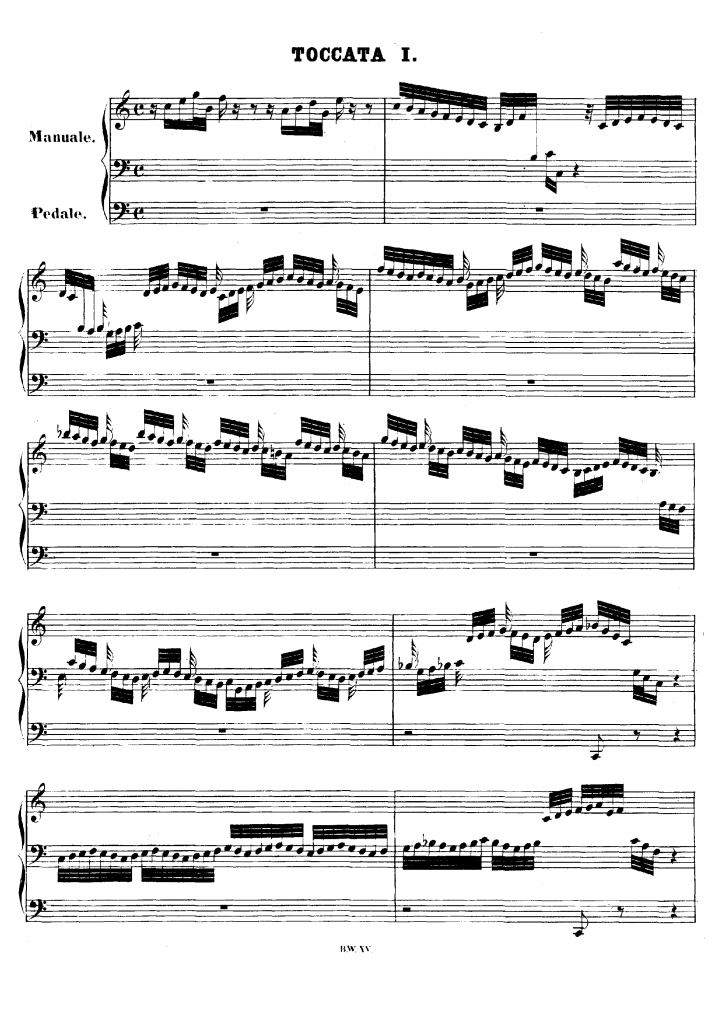


 la regina gioiosa