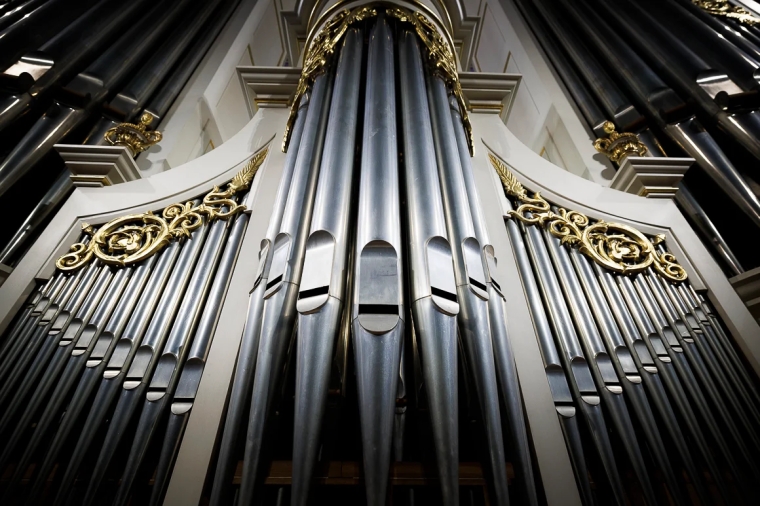
Elvira de Gresti (1846 - 10 dicembre 1913): Tantum ergo sacramentum a 4 voci miste con accompagnamento d’organo ad libitum. Coro polifonico Castelbarco, dir. Luigi Azzolini; Stefano Rattini, organo.
Tantum ergo sacramentum
veneremur cernui
et antiquum documentum
novo cedat ritui.
Praestet fides supplementum
sensuum defectui.
Genitori genitoque
laus et jubilatio
salus, honor, virtus quoque
sit et benedictio.
Procedenti ab utroque
compar sit laudatio.
Dame Elizabeth Violet Maconchy Le Fanu (1907 - 11 novembre 1994): Nocturne per orchestra (1950-51). Foundation Philharmonic Orchestra, dir. David Snell.
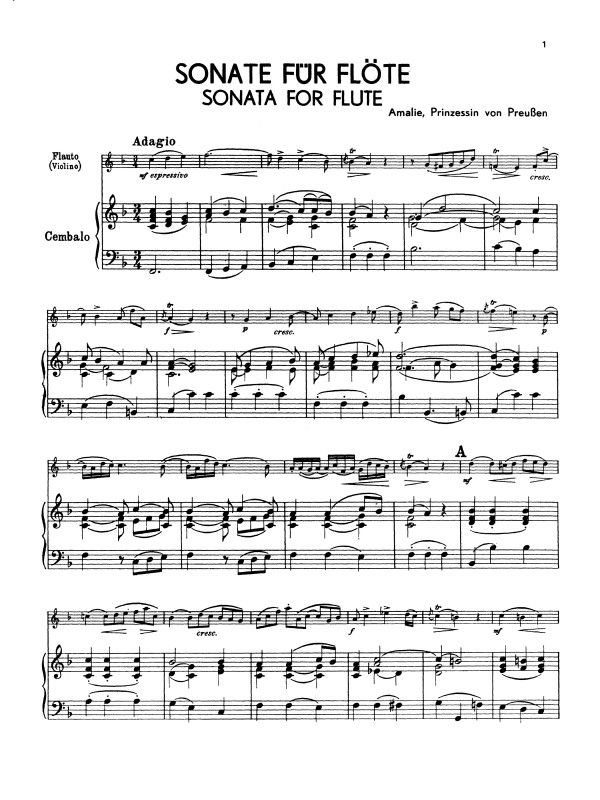
Anna Amalia di Prussia (9 novembre 1723 - 1787): Sonata in fa maggiore per oboe (originariamente per flauto traverso) e basso continuo H. 264. Birgit Welpmann, oboe; Anneliese Funke, organo.
Sofija Asgatovna Gubajdulina (24 ottobre 1931): In tempus praesens, concerto per violino e orchestra (2007). Anne-Sophie Mutter, violino; London Symphony Orchestra, dir. Valerij Gergiev.
Lera Auėrbach (21 ottobre 1973): Icarus, poema sinfonico (2006). The National Youth Orchestra of Great Britain, dir. Mark Wigglesworth.
« The title Icarus was given to this work after it was written. All my music is abstract, but by giving evocative titles I invite the listener to feel free to imagine, to access his own memories, associations. Icarus is what came to my mind, listening to this work at that time. Each time I hear the piece — it is different. What is important to me is that it connects to you, the listener, in the most individual and direct way, that this music disturbs you, moves you, soars with you, stays with you. You don’t need to understand how or why — just allow the music to take you wherever it takes you. It is permissible to daydream while listening or to remember your own past. It is fine not to have any images at all, but simply experience the sound » (Lera Auėrbach).
Isidora Žebeljan (27 settembre 1967 - 29 settembre 2020): Konji Svetog Marka, iluminacija za orkestar (I cavalli di san Marco, miniatura per orchestra, 2004). Janáčkova filharmonie Ostrava, dir. David Porcelijn.
Madeleine Dring (7 settembre 1923 - 1977): Trio per flauto, oboe e pianoforte (1968). Madison Hardick, flauto; Sophia Maeda, oboe; Barbara Noyes, pianoforte.
Lili Boulanger (1893 - 1918): Soleils de septembre per coro e pianoforte (1912) su testo di Auguste Lacaussade (da Poèmes et Paysages). Friederike Schorling, contralto; Orpheus Vokalensemble, dir. Michael Alber; Antonii Baryshevskyi, pianoforte.
Sous les tièdes rayons des soleils de septembre
Le ciel est doux, mais pâle: et la terre jaunit.
Dans les forêts la feuille a la couleur de l’ambre;
L’oiseau ne chante plus sur le bord de son nid.
Du toit des laboureurs ont fui les hirondelles;
La faucille a passé sur l’épi d’or des blés;
On n’entend plus dans l’air de frémissements d’ailes:
Le merle siffle seul au fond des bois troublés.
La mousse est sans parfum, les herbes sans mollesse;
Le jonc sur les étangs se penche soucieux;
Le soleil, qui pâlit, d’une tiède tristesse
Emplit au loin la plaine et les monts et les cieux.
Les jours s’abrègent ; l’eau qui court dans la vallée
N’a plus ces joyeux bruits qui réjouissaient l’air:
Il semble que la terre, et frileuse et voilée,
Dans ses premiers frissons sente arriver l’hiver.
Ô changeantes saisons! ô lois inexorables!
De quel deuil la nature, hélas! va se couvrir!
Soleils des mois heureux, printemps irréparables,
Adieu! ruisseaux et fleurs vont se taire et mourir.
Mais console-toi, terre! ô Nature! ô Cybèle!
L’hiver est un sommeil et n’est point le trépas:
Les printemps reviendront te faire verte et belle;
L’homme vieillit et meurt, toi, tu ne vieillis pas!
Tu rendras aux ruisseaux, muets par la froidure,
Sous les arceaux feuillus leurs murmures chanteurs;
Aux oiseaux tu rendras leurs nids dans la verdure;
Aux lilas du vallon tu rendras ses senteurs.
Ah! des germes captifs quand tu fondras les chaînes,
Quand, de la sève à flots épanchant la liqueur,
Tu feras refleurir les roses et les chênes,
Ô Nature! avec eux fais refleurir mon cœur!
Rends à mon sein tari les poétiques sèves,
Verse en moi les chaleurs dont l’âme se nourrit,
Fais éclore à mon front les gerbes de mes rêves,
Couvre mes rameaux nus des fleurs de mon esprit.
Sans l’ivresse des chants, ma haute et chère ivresse,
Sans le bonheur d’aimer, que m’importent les jours!
Ô soleils! ô printemps! je ne veux la jeunesse
Que pour toujours chanter, que pour aimer toujours!
Le strofe in corsivo sono omesse nella composizione di Lili Boulanger.
Fryderyk Chopin (1810 - 1849): Mazurka in fa diesis minore op. 6 n. 1 (1830-31). Arthur Rubinstein, pianoforte.
Il tono popolareggiante è posto subito in evidenza, con la caratteristica terzina che inizia ciascuna semifrase del primo tema; questo consiste di due periodi, uguali nella prima metà e differenti nella seconda, ed è ripetuto cinque volte: la prima ripetizione è immediata, mentre alle successive sono intercalati altri tre episodi, il secondo dei quali è una variante del primo. La struttura complessiva segue dunque lo schema AABAB’ACA. Nel tema A, all’inizio del secondo periodo è posta la didascalia «rubato»: questa indicazione ricorre in tutte le Mazurche delle prime raccolte, fino al secondo brano dell’op. 24.
Pauline Viardot-García (18 luglio 1821 - 1910): Plainte d’amour, sulla Mazurca op. 6 n. 1 di Chopin; testo di Louis Pomey. Marina Comparato, mezzosoprano; Elisa Triulzi, pianoforte.
Chère âme, sans toi j’expire,
Pourquoi taire ma douleur?
Mes lèvres veulent sourire
Mes yeux disent mon malheur.
Hélas! Loin de toi j’expire.
Que ma cruelle peine,
De ton âme hautaine
Désarme la rigueur.
Cette nuit dans un rêve,
Je croyais te voir;
Ah, soudain la nuit s’achève,
Et s’enfuit l’espoir.
Je veux sourire
Hélas! La mort est dans mon coeur.
Celebre mezzosoprano e compositrice, sorella della non meno famosa Maria Malibran, la Viardot fu allieva e amica di Chopin, che per lei nutrì sempre profonda stima e simpatia. Sembra che Fryderyk non disprezzasse affatto quel tipo di elaborazioni delle sue opere: alla Viardot espresse anzi il proprio gradimento. Pauline Viardot pubblicò due raccolte di Mazourkas de Chopin arrangées pour la voix, in tutto 12 brani, nel 1848.
NB: salvo diversa indicazione, i testi inseriti negli articoli dedicati a Chopin nel presente blog sono tratti dal volume Chopin: Signori il catalogo è questo di C. C. e Giorgio Dolza, Einaudi, Torino 2001.
Jane Vieu (15 luglio 1781 - 1955): Sérénade japonaise, mélodie (1903) su testo di Serge Rello. Katherine Eberle, mezzosoprano; Robin Guy, pianoforte.
Mets ta robe d’azur,
Chausse tes pieds fragiles.
Près du bambou flexible
Une source frémit:
Les étoiles s’y mirent,
En des sursauts fébriles,
Comme des yeux de femme
Aux yeux de leur ami!
Viens, Taïmu, descends,
La rosée est divine,
Clair joyau sous la lune
A l’opalin baiser;
Je voudrais l’accrocher
A ta blonde poitrine
Et la prendre à tes cils,
Pour aller m’en griser.
Mets ta robe d’azur…
La lune de cristal
Fait la nature bléme,
C’est l’heure du silence ému!
Le cœur s’écoute mieux!
Il semble que tout s’aime!
Aimons nous! douce Taïmu!
Unsuk Chin (14 luglio 1961): Allegro ma non troppo per percussionista e nastro magnetico (1994-98). Solista Ying-Hsueh Chen.
Unsuk Chin: Toccata (Studio per pianoforte n. 5, 2003). Mei Yi Foo, pianoforte.
Unsuk Chin: Mad Tea-Party Ouverture dall’opera Alice in Wonderland (libretto di David Henry Hwang, da Lewis Carroll; 2007). Orchestra Filarmonica di Seul, dir. Myung-Whun Chung.
Galina Ivánovna Ustvól’skaja (17 giugno 1919 - 2006): Sinfonia n. 5, Amen, per voce recitante, oboe, tromba, tuba, violino e percussione (1989-90). Sergej Lejferkus, voce recitante; London Musici, dir. Mark Stephenson.
Take, O take those lips away,
That so sweetly were forsworn;
And those eyes, the break of day,
Lights that do mislead the morn:
But my kisses bring again
Seals of love, though seal’d in vain.
Hide, O hide those hills of snow
That thy frozen bosom bears,
On whose tops the pinks that grow
Are yet of those that April wears,
But first set my poor heart free,
Bound in those icy chains by thee.
La prima strofa si trova nella commedia di Shakespeare Misura per misura (atto IV, scena 1a), rappresentata per la prima volta nel 1604; non sappiamo su quale melodia fosse cantata. Prima e seconda strofa sono nel dramma Rollo Duke of Normandy, or The Bloody Brother, scritto in collaborazione da John Fletcher, Philip Massinger, Ben Jonson e George Chapman in data imprecisabile (comunque non prima del 1612). Non è dato di sapere se la seconda strofe sia un’aggiunta di Fletcher oppure se tanto Shakespeare quanto Fletcher si siano rifatti a una canzone popolare in voga ai loro tempi.
Il testo è stato musicato da diversi autori. Il primo in ordine cronologico fu John Wilson (1595 - 1674), il quale nel 1614 succedette a Robert Johnson quale primo compositore dei King’s Men, la compagnia teatrale cui apparteneva Shakespeare. Ascoltiamo il suo lavoro in… versione shakespeariana (ossia limitata alla sola prima strofa) interpretata da Alfred Deller (voce) e Desmond Dupré (liuto); e poi nella versione integrale cantata dal soprano Anna Dennis, accompagnata da Hanneke van Proosdij al clavicembalo, Elisabeth Reed alla viola da gamba e David Tayler all’arciliuto.
The first stanza is featured in Shakespeare’s play Measure for Measure (act 4, scene 1), first represented in 1604; we do not know to what tune it was sung. Both the stanzas feature in the play Rollo Duke of Normandy, or The Bloody Brother, co-written by John Fletcher, Philip Massinger, Ben Jonson and George Chapman and performed at an unspecified date (though not earlier than 1612). It is not known whether the second stanza is an addition by Fletcher or whether both Shakespeare and Fletcher drew on a popular song in vogue in their time.
These verses have been set to music by various composers. The first in chronological order was John Wilson (1595 - 1674), who in 1614 succeeded Robert Johnson as principal composer for the King’s Men, the theater company to which Shakespeare belonged. Let’s listen to his work in… a Shakespearean version (i.e. the first stanza only) performed by Alfred Deller (voice) and Desmond Dupré (lute); and then in the complete version sung by soprano Anna Dennis, accompanied by Hanneke van Proosdij on harpsichord, Elisabeth Reed on viola da gamba and David Tayler on archlute.
John Weldon (1676 - 1736): Take, O take those lips away per voce e continuo (c1707). Emma Kirkby, soprano; Anthony Rooley, liuto.
Robert Lucas de Pearsall (1795 - 1856), Take, O take those lips away per coro a 5 voci a cappella op. 6 (1830). Cantores Musicæ Antiquæ, dir. Jeffery Kite-Powell.
Mrs H. H. A. Beach (Amy Marcy Cheney Beach, 1867 - 1944): Take, O take those lips away per voce e pianoforte, n. 2 dei Three Shakespeare Songs op. 37 (1897). Virginia Mims, soprano.
Peter Warlock (pseudonimo di Philip Heseltine, 1894 - 1930): Take, O take those lips away per voce e pianoforte (1916-17). Benjamin Luxon, baritono; David Willison, pianoforte.
Roger Quilter (1877 - 1953): Take, O take those lips away per voce e pianoforte, n. 4 dei Five Shakespeare Songs op. 23 (1921). Philippe Sly, basso-baritono; Michael McMahon, pianoforte.
Madeleine Dring (1923 - 1977): Take, O take those lips away per voce e pianoforte (c1950). Michael Hancock-Child, tenore; Ro Hancock-Child, pianoforte.
Emma Lou Diemer (1927): Take, O take those lips away, da Three Madrigals per coro e pianoforte (1960). The Colorado Chorale, dir. Frank Eychaner.
Dame Thea Musgrave (27 maggio 1928): Concerto per orchestra (1967). Royal Scottish National Orchestra, dir. Alexander Gibson.
« It is one of a series of works (including the 2nd and 3rd Chamber Concertos), in which the composer has been preoccupied with the search for “vivid dramatic forms for abstract instrumental music”. This has led her to explore the possibilities for freeing the vertical aspect of the music from the rigid control of the barline – or, in this case, from the conductor’s beat – without losing control of the overall musical content, so that, whatever the arbitrary melodic coincidence, the harmonic sense is always clear. Besides being a virtuoso work for orchestra, this is also a ‘concerto’ in the more usual sense of a conflict between solo and tutti. This conflict is muted at first, becoming more intense as the tempo increases throughout the work, and ending with a fierce musical confrontation.
« The five sections are played without a break. In the opening Adagio, various solo instruments unfold slow, expressive ideas which are later overlaid by more spiky, fanfare-like figurations suggested by the first entry of the trumpet. The tutti background is almost entirely static: basically a single note (E flat) resolving on to closely-spaced chords. The divisions between solo and tutti are intentionally blurred by the changing instrumentation. In the andante velato the sustained background is formed by a series of chords – a continuous, though slow-moving harmonic ostinato – on the strings and brass. Above and around these, as in the first section, legato melodic lines contrast with fragmentary rhythmic fanfares and cadenza-like flourishes. These ‘solo’ elements gradually suffuse the whole texture, encouraging the break-up of the sustained harmonic background – which only then returns to form the final cadence chord.
« In the third section – calmo – a gently shifting, rather neutral background is provided by some of the solo strings, while others interweave freer, more brilliant passages between the staccato chords (always in equal note-lengths) of wind and brass which insist on a return to a regular rhythmic pulse. The tempo quickens as these elements weave into the beginnings of a full orchestral tutti, dramatically interrupted at its first climax by the solo clarinet who, during the course a of a wild and uninhibited cadenza, incites other instruments to join in. This he eventually does, in spite of their initial reluctance and three attempts by the tutti orchestra to take over. In an extended cadenza – Tempo rubato ma fantastico – the clarinet gradually enlarges his concertante group, spurring it on to ever more frenzied activity. During this, the tutti orchestra has little chance to assert itself but, as the soloists reach a climax of complexity, it starts to regain control, – finally submerging the rebellious elements (with the clarinet the last to admit defeat) as it moves into the final presto. The warring instruments resolve to co-operate in this tutti section, although the clarinet cannot resist a few penultimate wistful reminiscences of the opening sections of the work. » (Susan Bradshaw, https://www.wisemusicclassical.com)
Maria Theresia von Paradis (15 maggio 1759 - 1824): Sicilienne in mi bemolle maggiore per violino e pianoforte. Katerina Chatzinikolau, violino; Ani Ter-Martirosyan, pianoforte.
Ellen Taaffe Zwilich (30 aprile 1939): Pas de Trois, trio per violino, violoncello e pianoforte (1983). Trio Nobile: Pedro Maia, violino; Cheuk Yan Vincent Leung, violoncello; Christina Lai, pianoforte.

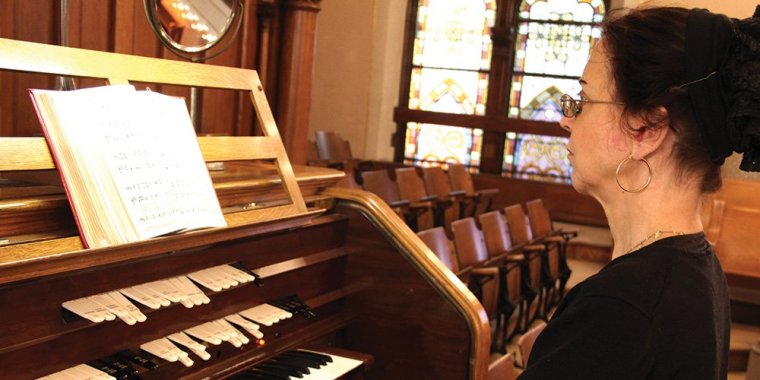
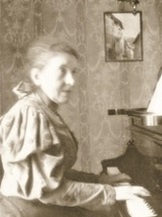 Elvira de Gresti (1846 - 10 dicembre 1913): Tantum ergo sacramentum a 4 voci miste con accompagnamento d’organo ad libitum. Coro polifonico Castelbarco, dir. Luigi Azzolini; Stefano Rattini, organo.

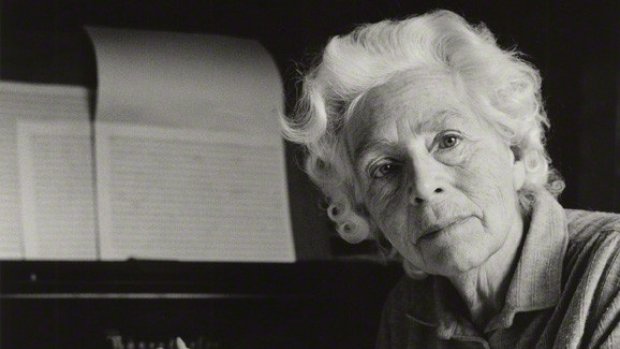


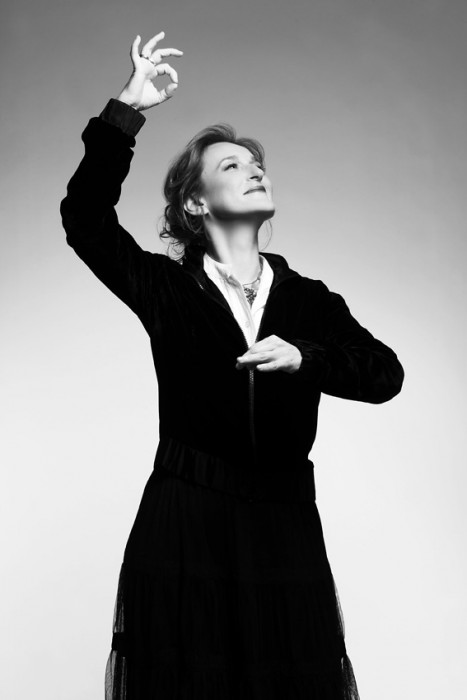
 Serena Tamburini (9 settembre 1948): Alte lontane voci per flauto, suoni sintetizzati e suoni concreti elaborati (2002). Stefano Conti, flauto.
 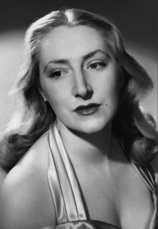 Madeleine Dring (7 settembre 1923 - 1977): Trio per flauto, oboe e pianoforte (1968). Madison Hardick, flauto; Sophia Maeda, oboe; Barbara Noyes, pianoforte.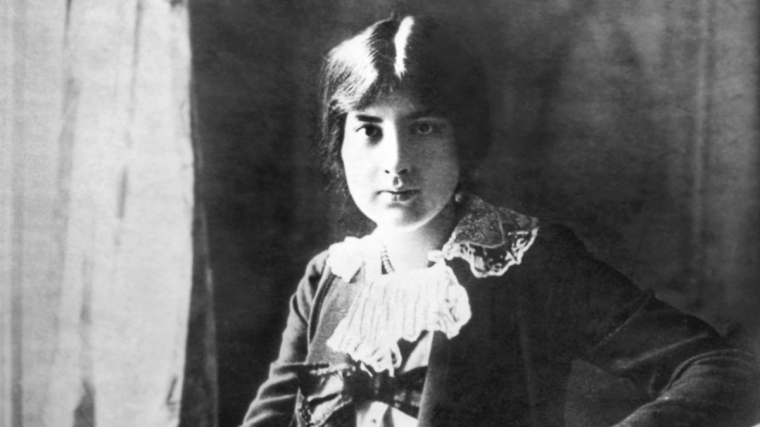
 Lucrecia Roces Kasilag (31 agosto 1918 - 16 agosto 2008): Intermezzo per violino e pianoforte. Carmencita Lozada, violino; Carmencita Sipin, pianoforte.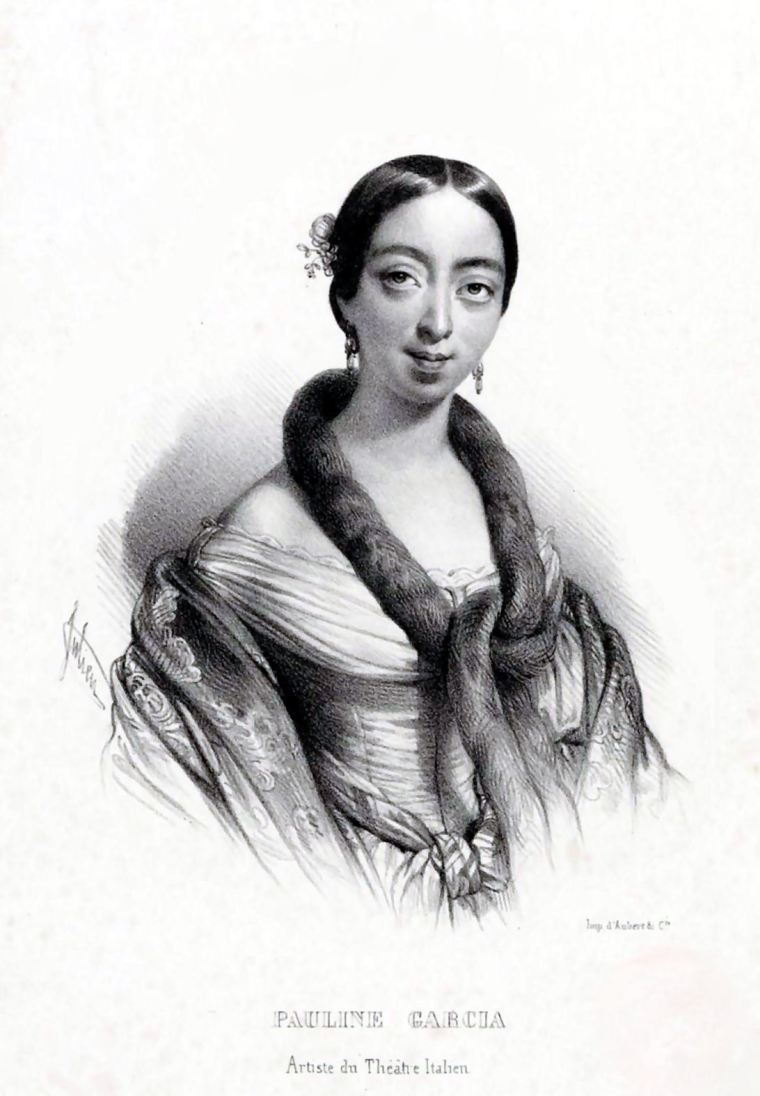


 La prima strofa si trova nella commedia di Shakespeare Misura per misura (atto IV, scena 1a), rappresentata per la prima volta nel 1604; non sappiamo su quale melodia fosse cantata. Prima e seconda strofa sono nel dramma Rollo Duke of Normandy, or The Bloody Brother, scritto in collaborazione da John Fletcher, Philip Massinger, Ben Jonson e George Chapman in data imprecisabile (comunque non prima del 1612). Non è dato di sapere se la seconda strofe sia un’aggiunta di Fletcher oppure se tanto Shakespeare quanto Fletcher si siano rifatti a una canzone popolare in voga ai loro tempi.
  The first stanza is featured in Shakespeare’s play Measure for Measure (act 4, scene 1), first represented in 1604; we do not know to what tune it was sung. Both the stanzas feature in the play Rollo Duke of Normandy, or The Bloody Brother, co-written by John Fletcher, Philip Massinger, Ben Jonson and George Chapman and performed at an unspecified date (though not earlier than 1612). It is not known whether the second stanza is an addition by Fletcher or whether both Shakespeare and Fletcher drew on a popular song in vogue in their time.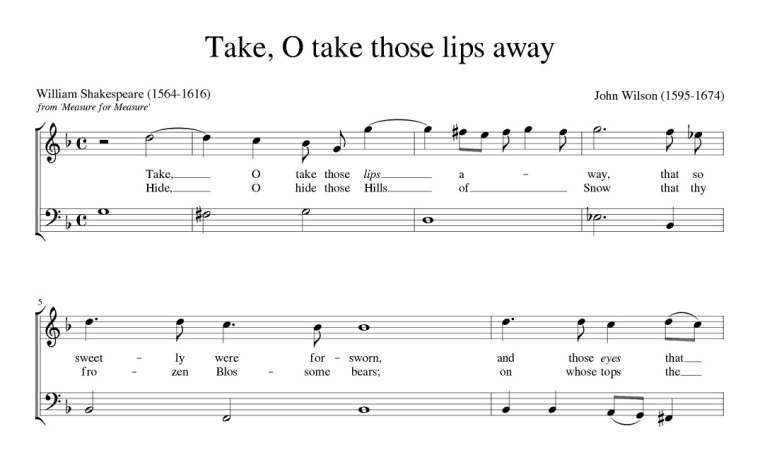




 Maria Theresia von Paradis (15 maggio 1759 - 1824): Sicilienne in mi bemolle maggiore per violino e pianoforte. Katerina Chatzinikolau, violino; Ani Ter-Martirosyan, pianoforte.
 la regina gioiosa