Scacco matto

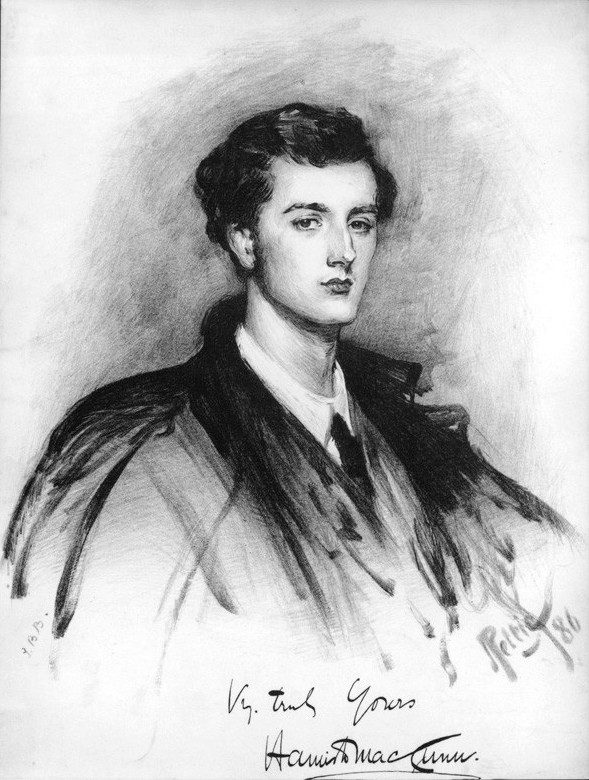
Sir Arthur Bliss (1891 - 27 marzo 1975): Checkmate, balletto in 1 scena con un prologo (1937). Royal Scottish National Orchestra, dir. David Lloyd-Jones.

  1. Prologue. The Players: Moderato maestoso
  2. Dance of the red Pawns: Allegro con spirito, scherzando [5:26]
  3. Dance of the Four Knights: Allegro moderato sempre robustamente [7:52]
  4. Entry of the Black Queen: L’istesso tempo [11:42]
  5. The Red Knight’s Mazurka: Moderato giojosamente [17:13]
  6. Ceremony of the Red Bishops: Largamente (misticamente) [20:51]
  7. Entry of the Red Castles: Allegro molto deciso [23:03]
  8. Entry of the Red King and Queen: Grave [25:27]
  9. The Attack: Allegro impetuoso e brillante [27:14]
  10. The Duel: Maestoso moderato e molto appassionato [34:17]
  11. The Black Queen dances: Allegretto dispettoso [42:43]
  12. Finale. Checkmate: Andante poco sostenuto – Allegro vivace e feroce [46:26]

Sinfonia orientale

Benjamin Godard (1849 - 10 gennaio 1895): Symphonie orientale op. 84 (1884). Royal Scottish National Orchestra, dir. Martin Yates.

I singoli movimenti della Sinfonia sono ispirati da altrettanti componimenti poetici di autori diversi, fra i quali lo stesso Godard; le poesie sono riportate sulla partitura nella forma qui sotto indicata.

I. Les Éléphants (Leconte de Lisle): Andante con moto

Le sable rouge est comme une mer sans limite,
Et qui flambe, muette, affaissée en son lit.
Une ondulation immobile remplit
L’horizon aux vapeurs de cuivre où l’homme habite.
[…]
Tel l’espace enflammé brûle sous les cieux clairs;
Mais, tandis que tout dort aux mornes solitudes,
Les éléphants rugueux, voyageurs lents et rudes,
Vont au pays natal à travers les déserts.

D’un point de l’horizon, comme des masses brunes,
Ils viennent, soulevant la poussière et l’on voit,
Pour ne point dévier du chemin le plus droit,
Sous leur pied large et sûr crouler au loin les dunes.
[…]
L’oreille en éventail, la trompe entre les dents,
Ils cheminent, l’œil clos. Leur ventre bat et fume,
Et leur sueur dans l’air embrasé monte en brume,
Et bourdonnent autour mille insectes ardents.

Mais qu’importent la soif et la mouche vorace,
Et le soleil cuisant leur dos noir et plissé?
Ils révent en marchant du pays délaissé,
Des forêts de figuiers où s’abrita leur race.

Ils reverront le fleuve échappé des grands monts,
Où nage en mugissant l’hippopotame énorme;
Où, blanchis par la lune, et projetant leur forme,
Ils descendaient pour boire en écrasant les joncs.

Aussi, pleins de courage et de lenteur ils passent
Comme une ligne noire, au sable illimité;
Et le désert reprend son immobilité
Quand les lourds voyageurs à l’horizon s’effacent.


II. Chinoiserie (Auguste de Châtillon): Allegro moderato [5:35]

On entendait, au lointain,
Tinter un son argentin
De triangles, de sonnettes,
De tambourins, de clochettes;
C’étaient des gens de Nankin,
Des Mandarins en goguette,
Qui revenaient d’une fête,
D’une fête de Pékin.


III. Sara la Baigneuse (Victor Hugo): Andantino con moto [9:22]

Sara, belle d’indolence,
Se balance
Dans un hamac, au-dessus
Du bassin d’une fontaine
Toute pleine
D’eau puisée à l’Ilyssus;

Et la frêle escarpolette
Se reflète
Dans le transparent miroir,
Avec la baigneuse blanche
Qui se penche,
Qui se penche pour se voir.
[…]
Mais Sara la nonchalante
Est bien lente
A finir ses doux ébats;
Toujours elle se balance
En silence,
Et va murmurant tout bas:

“Oh ! si j’étais capitane,
“Ou sultane,
“Je prendrais des bains ambrés,
“Dans un bain de marbre jaune,
“Prés d’un trône,
“Entre deux griffons dorés !

“J’aurais le hamac de soie
“Qui se ploie
“Sous le corps prêt à pâmer;
“J’aurais la molle ottomane
“Dont émane
“Un parfum qui fait aimer.”
[…]
Ainsi se parle en princesse,
Et sans cesse
Se balance avec amour,
La jeune fille rieuse,
Oublieuse
Des promptes ailes du jour.
[…]


IV. Le rêve de la Nikia (Benjamin Godard): Quasi adagio [15:36]

Elle est jeune, elle est belle; et pourtant la tristesse
Assombrit ses grands yeux.
Aucun penser d’amour ne charme sa jeunesse.
Son cœur ambitieux
Rêve d’une contrée, inconue et lointaine,
Où d’un peuple puissant
Et respecté de tous, elle deviendrait reine.
Là-bas, à l’Occident,
Sont de grandes cités aux splendeurs sans pareilles;
Là, la Science et l’Art,
Au souffle du Génie, enfantent des merveilles!…
Son beau rêve, au hasard,
Vers ces mondes nouveaux, l’emporte sur son aile.
Son cœur ambitieux
N’a nul penser d’amour. Elle est jeune, elle est belle,
Et pourtant la tristesse assombrit ses grands yeux.


V. Marche turque (Godard): Tempo di marcia [21:55]

Là – Allah – Ellalah!
Que les chrétiens maudits périssent sous la hache
Et que Mahomet règne! Il n’est point de cœur lâche
Parmi les fiers soldats du Prophète sacré.
Que dans tout l’Univers Allah soit adoré!

Das flehende Lied

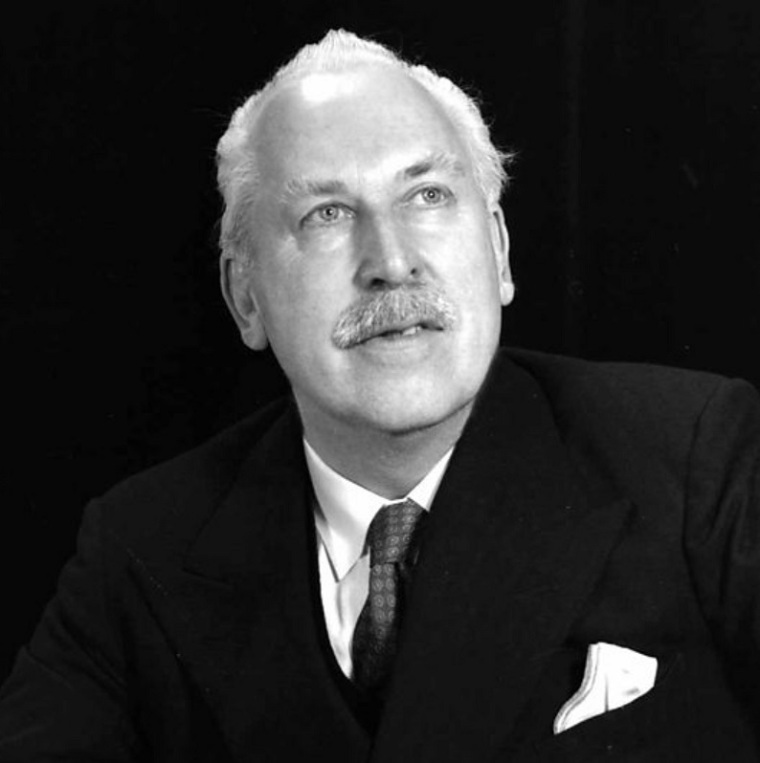
Richard Strauss (1864 - 8 settembre 1949): Notturno, Lied con orchestra op. 44 n. 1 (1899) su testo di Richard Dehmel (da Erscheinung, pubblicata nella raccolta Erlösungen, 1891). Linda Finnie, mezzosoprano; Royal Scottish National Orchestra, dir. Neeme Järvi.
Hoch hing der Mond; das Schneegefild
lag weit und öde um mich her,
wie meine Seele bleich und leer.
Und neben mir – so stumm und wild,
so stumm und kalt wie meine Not,
als wollt’ er weichen nimmermehr,
saß starr – und wartete – der Tod.

Da kam es her, wie einst so mild,
so bang und sacht,
aus ferner Nacht;
so kummerschwer
kam seiner Geige Hauch daher,
und vor mir stand sein stilles Bild.

Der mich umflochten wie ein Band,
daß meine Blüte nicht zerfiel
und daß mein Herz die Sehnsucht fand,
die große Sehnsucht ohne Ziel:
dar stand er nun in öden land,
und stand so trüb und feierlich,
und sah nicht auf, noch grüßte mich, –
nur seine Töne ließ er irr’n
und weinen durch die kühle Flur,
und mir entgegen schaute nur
auf seiner Stirn,
als wär’s ein Auge hohl und fahl,
der tiefen Wunde dunkles Mal.

Und trüber quoll das trübe Lied,
und quoll so heiß, und wuchs und schwoll,
so heiß und voll
wie Leben, das nach Liebe glüht, –
wie Liebe, die nach Leben schreit,
nach ungenoßner Seligkeit,

so wehevoll,
so wühlend quoll
das strömende Lied und flutete, –
und leise leise blutete
und strömte mit
ins bleiche schneefeld, rot und fahl,
der tiefen Wunde dunkles Mal.

Und müder glitt die müde Hand,
und vor mir stand
ein bleicher Tag,
ein ferner bleicher Jugendtag,
da Starr im Sand
zerfallen seine Blüte lag,
da seine Sehnsucht sich vergaß
in ihrer Schwermut Uebermaß
und seiner Traurigkeiten müd
zum Ziel Er schritt, –
und liet auf schrie das wienende Lied,
das wühlende, und flutete,
und seiner Saiten Klage schnitt
und seine Stirme blutete
und weinte mit
in meiner starre Seelennot,
als sollt’ ich hören ein Gebot,
als sollt’ ich fühlen, was ich litt,
und fühlen alles Leidens Schuld
und alles Lebens warme Huld, –
und also, blutend, wandt’ er sich
ins bleiche Dunkel – und verblich.

Und bebend hört’ ich mir entgehn,
entfliehn das Lied, und wie so zart
so zitternd ward
der langen Töne fernes Flehn, –
da fühlte ich kalt ein Rauschen wehn
und grauenschwer
die Luft sich rühren um mich her,
und wollte bebend doch ihn sehn,
sein Lauschen sehn,
Der wartend saß bei meiner Not,
und wandte mich, – da lag es kahl.
das bleiche Feld: und still und fahl
zog fern vondannen – auch der Tod.

Hoch hing der Mond; und mild und müd
hinschwand es in die leere Nacht,
das flehende Lied, –
und schwand und schied,
des toten Freundes flehendes Lied.

Concerto per orchestra – V (Thea Musgrave 95)

Dame Thea Musgrave (27 maggio 1928): Concerto per orchestra (1967). Royal Scottish National Orchestra, dir. Alexander Gibson.

« It is one of a series of works (including the 2nd and 3rd Chamber Concertos), in which the composer has been preoccupied with the search for “vivid dramatic forms for abstract instrumental music”. This has led her to explore the possibilities for freeing the vertical aspect of the music from the rigid control of the barline – or, in this case, from the conductor’s beat – without losing control of the overall musical content, so that, whatever the arbitrary melodic coincidence, the harmonic sense is always clear. Besides being a virtuoso work for orchestra, this is also a ‘concerto’ in the more usual sense of a conflict between solo and tutti. This conflict is muted at first, becoming more intense as the tempo increases throughout the work, and ending with a fierce musical confrontation.
« The five sections are played without a break. In the opening Adagio, various solo instruments unfold slow, expressive ideas which are later overlaid by more spiky, fanfare-like figurations suggested by the first entry of the trumpet. The tutti background is almost entirely static: basically a single note (E flat) resolving on to closely-spaced chords. The divisions between solo and tutti are intentionally blurred by the changing instrumentation. In the andante velato the sustained background is formed by a series of chords – a continuous, though slow-moving harmonic ostinato – on the strings and brass. Above and around these, as in the first section, legato melodic lines contrast with fragmentary rhythmic fanfares and cadenza-like flourishes. These ‘solo’ elements gradually suffuse the whole texture, encouraging the break-up of the sustained harmonic background – which only then returns to form the final cadence chord.
« In the third section – calmo – a gently shifting, rather neutral background is provided by some of the solo strings, while others interweave freer, more brilliant passages between the staccato chords (always in equal note-lengths) of wind and brass which insist on a return to a regular rhythmic pulse. The tempo quickens as these elements weave into the beginnings of a full orchestral tutti, dramatically interrupted at its first climax by the solo clarinet who, during the course a of a wild and uninhibited cadenza, incites other instruments to join in. This he eventually does, in spite of their initial reluctance and three attempts by the tutti orchestra to take over. In an extended cadenza – Tempo rubato ma fantastico – the clarinet gradually enlarges his concertante group, spurring it on to ever more frenzied activity. During this, the tutti orchestra has little chance to assert itself but, as the soloists reach a climax of complexity, it starts to regain control, – finally submerging the rebellious elements (with the clarinet the last to admit defeat) as it moves into the final presto. The warring instruments resolve to co-operate in this tutti section, although the clarinet cannot resist a few penultimate wistful reminiscences of the opening sections of the work. » (Susan Bradshaw, https://www.wisemusicclassical.com)

Il volo impossibile

 
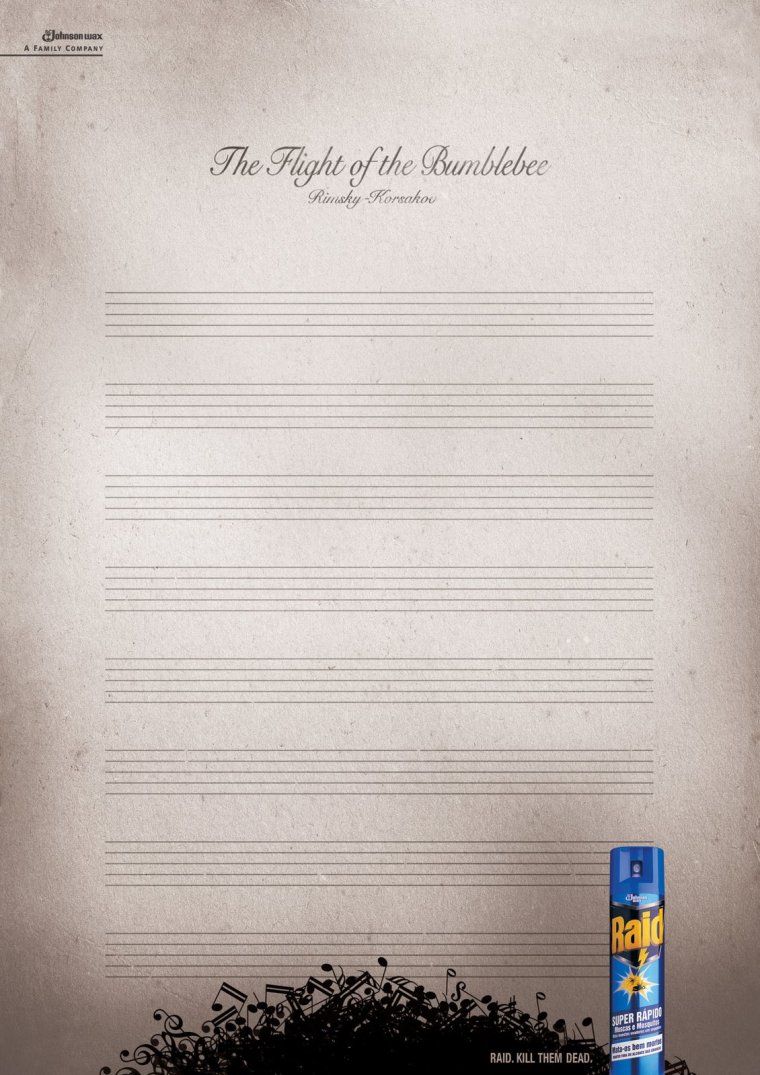
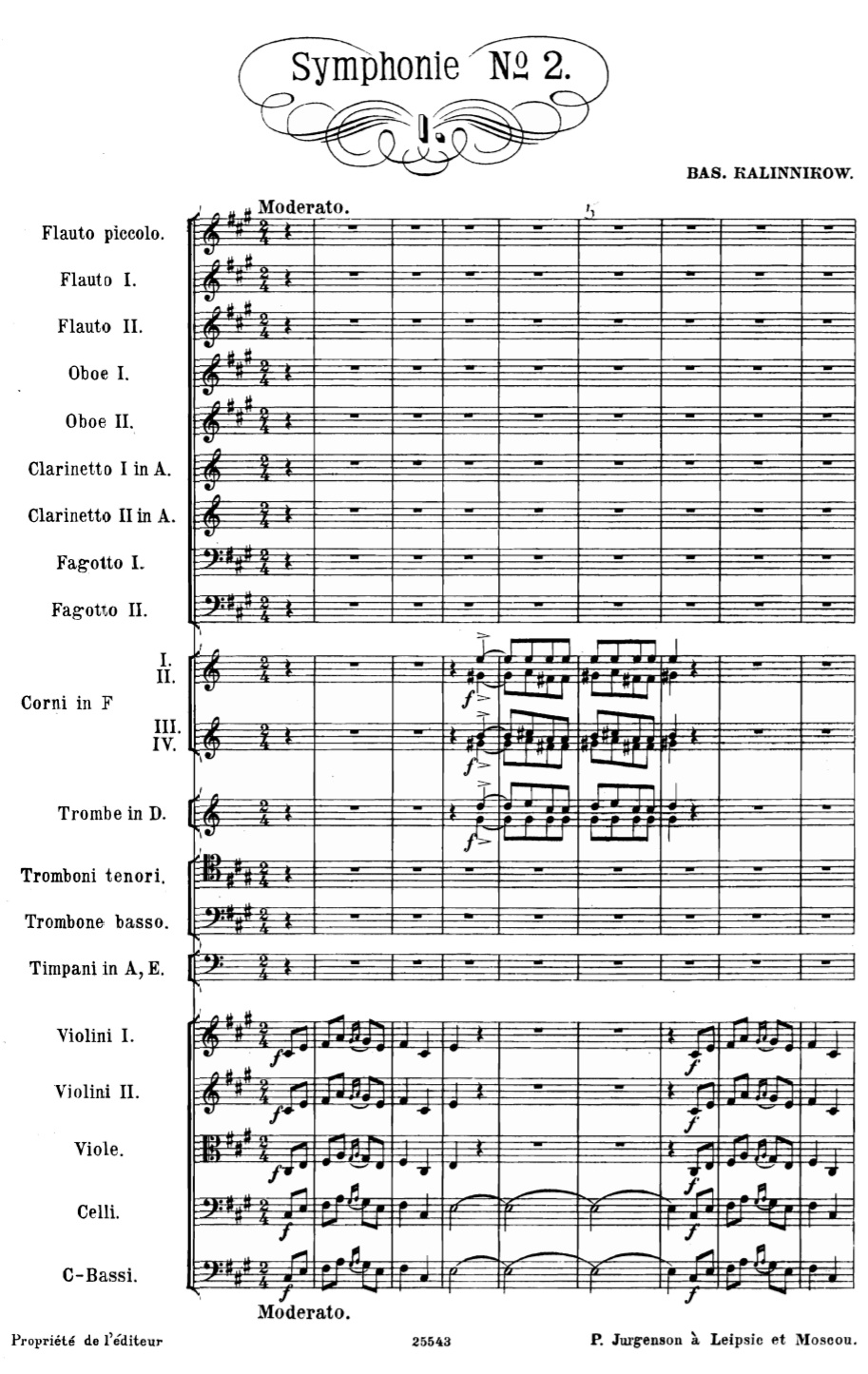
Nikolaj Andreevič Rimskij-Korsakov (1844 - 21 giugno 1908): interludio sinfonico dal 1° quadro del III atto dell’opera La fiaba dello zar Saltan (1900), noto con il titolo Il volo del calabrone. Royal Scottish National Orchestra, dir. Neeme Järvi.
 

«Tout d’abord poussé par ce qui se fait en aviation, j’ai appliqué aux insectes les lois de la résistance de l’air, et je suis arrivé avec M. Sainte-Laguë à cette conclusion que leur vol est impossible» (Antoine Magnan, Le Vol des insectes, 1934).

Ballo in maschera

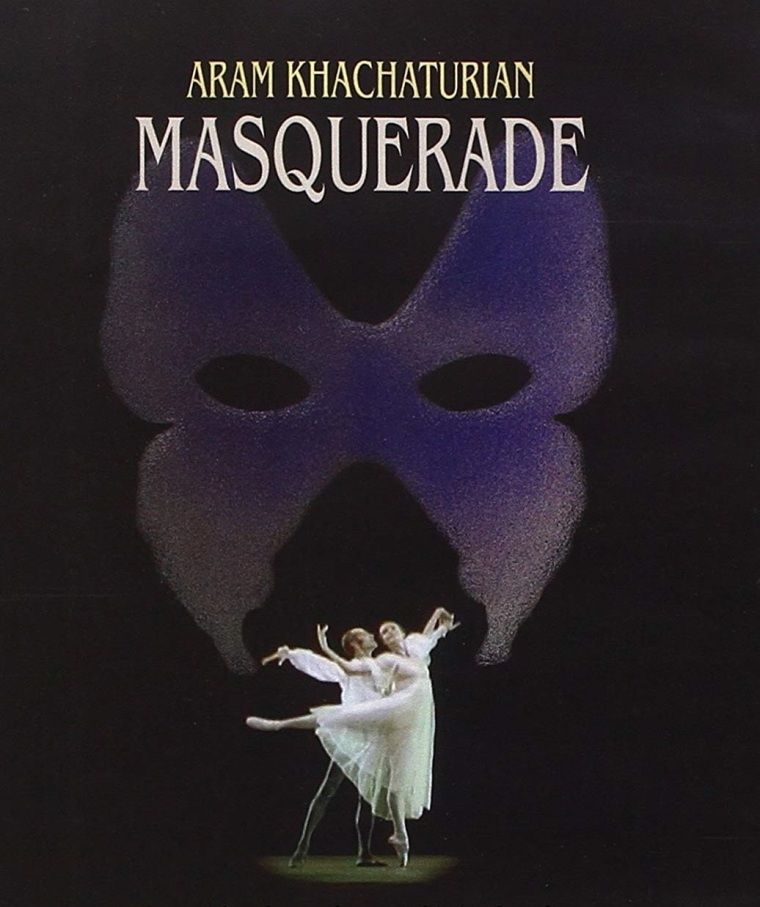
Aram Il’ič Chačaturjan (6 giugno 1903 - 1978): Suite dalle musiche di scena (1941) per il dramma Il ballo in maschera (Маскарад, 1835) di Michail Lermontov. Royal Scottish National Orchestra, dir. Neeme Järvi.

  1. Valzer
  2. Notturno [3:56]
  3. Mazurka [7:27]
  4. Romanza [10:05]
  5. Galop (Polka) [13:12]