
Ignaz Joseph Pleyel (18 giugno 1757 – 1831): Sinfonia in do maggiore op. 66 (1803). London Mozart Players, dir. Matthias Bamert.
- Adagio – Allegro
- Adagio [10:19]
- Menuetto: Allegretto [14:43]
- Tempo giusto [18:12]

Ignaz Joseph Pleyel (18 giugno 1757 – 1831): Sinfonia in do maggiore op. 66 (1803). London Mozart Players, dir. Matthias Bamert.
Georgs Pelēcis (18 giugno 1947): Concertino bianco in do maggiore per pianoforte e orchestra da camera (1983). Aleksej Ljubimov, pianoforte; Deutsche Kammerphilharmonie Bremen, dir. Heinrich Schiff.
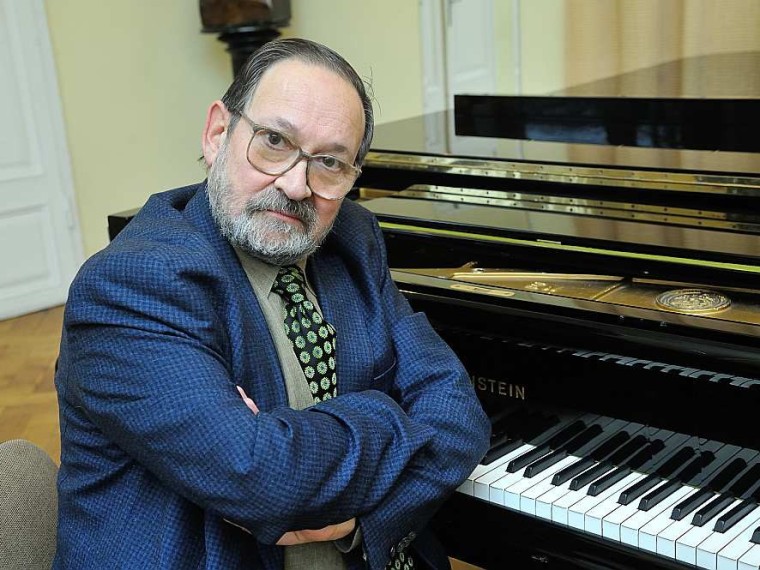
Moisés Moleiro (1904 - 18 giugno 1979): Joropo (danza tradizionale venezuelana) per pianoforte (1941). Clara Rodríguez.

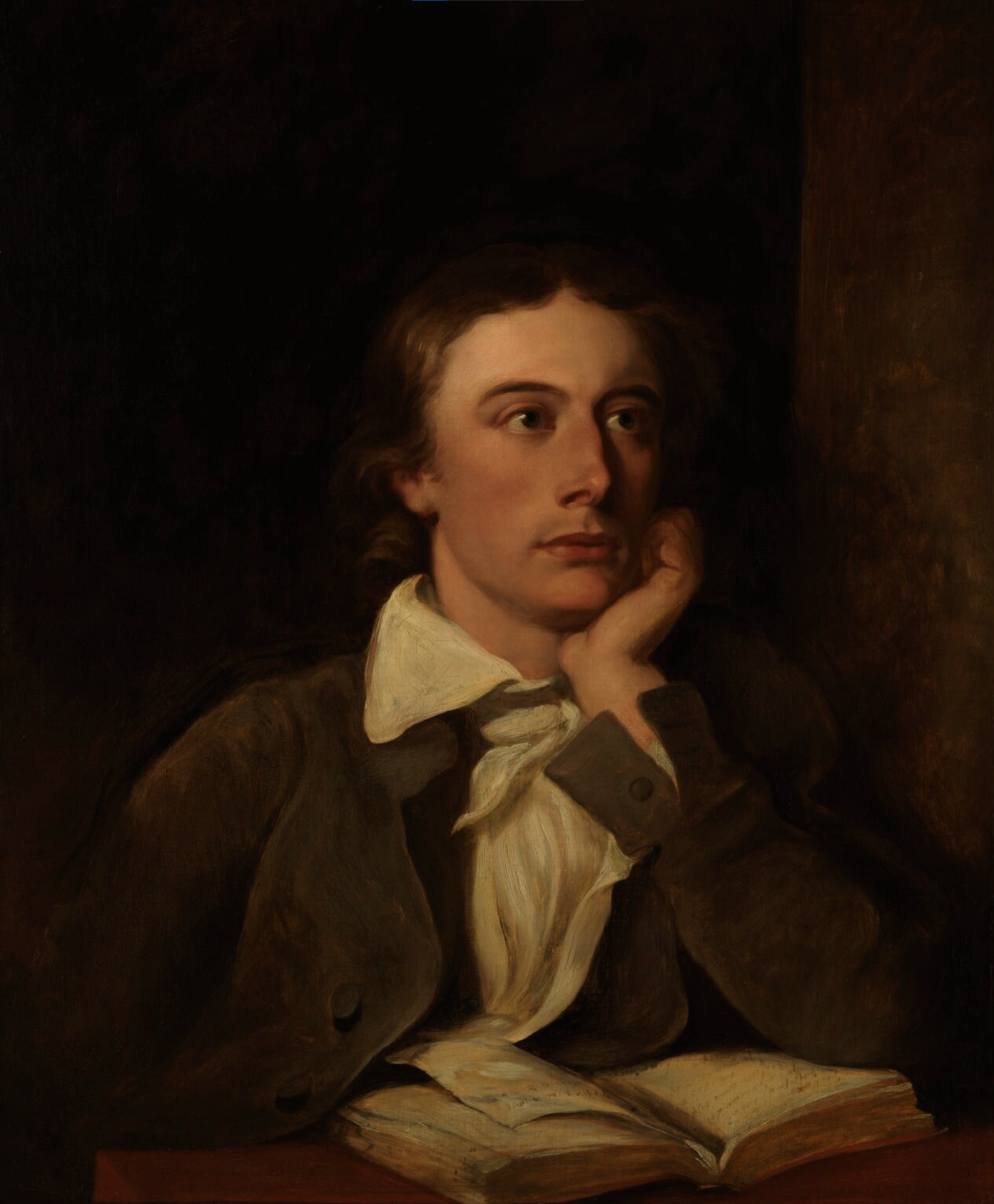
Miriam Gideon (1906 - 18 giugno1996): Of Shadows Numberless, suite per pianoforte (1966) ispirata dall’Ode to a Nightingale di John Keats. Paula Ennis-Dwyer.

John Keats
Ode to a Nightingale
My heart aches, and a drowsy numbness pains
My sense, as though of hemlock I had drunk,
Or emptied some dull opiate to the drains
One minute past, and Lethe-wards had sunk:
‘Tis not through envy of thy happy lot,
But being too happy in thy happiness,—
That thou, light-wingèd Dryad of the trees,
In some melodious plot
Of beechen green, and shadows numberless,
Singest of summer in full-throated ease.
Oh for a draught of vintage! that hath been
Cool’d a long age in the deep-delvèd earth,
Tasting of Flora and the country green,
Dance, and Provençal song, and sunburnt mirth!
Oh for a beaker full of the warm South,
Full of the true, the blushful Hippocrene,
With beaded bubbles winking at the brim,
And purple-stainèd mouth;
That I might drink, and leave the world unseen,
And with thee fade away into the forest dim:
Fade far away, dissolve, and quite forget
What thou among the leaves hast never known,
The weariness, the fever, and the fret
Here, where men sit and hear each other groan;
Where palsy shakes a few, sad, last gray hairs,
Where youth grows pale, and spectre-thin, and dies
Where but to think is to be full of sorrow
And leaden-eyed despairs;
Where Beauty cannot keep her lustrous eyes,
Or new Love pine at them beyond to-morrow.
Away! away! for I will fly to thee,
Not charioted by Bacchus and his pards,
But on the viewless wings of Poesy,
Though the dull brain perplexes and retards:
Already with thee! tender is the night,
And haply the Queen-Moon is on her throne,
Cluster’d around by all her starry Fays;
But here there is no light,
Save what from heaven is with the breezes blown
Through verdurous glooms and winding mossy ways.
I cannot see what flowers are at my feet,
Nor what soft incense hangs upon the boughs,
But, in embalmèd darkness, guess each sweet
Wherewith the seasonable month endows
The grass, the thicket, and the fruit-tree wild;
White hawthorn, and the pastoral eglantine;
Fast-fading violets cover’d up in leaves;
And mid-May’s eldest child,
The coming musk-rose, full of dewy wine,
The murmurous haunt of flies on summer eves.
Darkling I listen; and for many a time
I have been half in love with easeful Death,
Call’d him soft names in many a musèd rhyme,
To take into the air my quiet breath;
Now more than ever seems it rich to die,
To cease upon the midnight with no pain,
While thou art pouring forth thy soul abroad
In such an ecstasy!
Still wouldst thou sing, and I have ears in vain—
To thy high requiem become a sod.
Thou wast not born for death, immortal Bird!
No hungry generations tread thee down;
The voice I hear this passing night was heard
In ancient days by emperor and clown:
Perhaps the selfsame song that found a path
Through the sad heart of Ruth, when, sick for home
She stood in tears amid the alien corn;
The same that ofttimes hath
Charm’d magic casements, opening on the foam
Of perilous seas, in faery lands forlorn.
Forlorn! the very word is like a bell
To toll me back from thee to my sole self.
Adieu! the Fancy cannot cheat so well
As she is famed to do, deceiving elf.
Adieu! adieu! thy plaintive anthem fades
Past the near meadows, over the still stream,
Up the hillside; and now ‘tis buried deep
In the next valley-glades.
Was it a vision, or a waking dream?
Fled is that music:—do I wake or sleep?
Nino Rota (1911 - 1979): Waterloo Waltz, dalla colonna sonora originale del film Waterloo di Sergej Bondarčuk (1970). Indimenticabile il Napoleone di Rod Steiger.

La Marche de la Garde Impériale à Waterloo.
La Garde meurt mais ne se rend pas.
Il campo di Waterloo oggi ha la calma che appartiene alla terra, impassibile sostegno dell’uomo, e somiglia a tutte le altre pianure.
Però, di notte, da quella pianura s’innalza una specie di bruma fantastica; e se qualche viaggiatore, passando di là, osserva, ascolta, medita, come Virgilio nella funesta pianura di Filippi, l’allucinazione della catastrofe l’assale. Il terribile 18 giugno rivive; sparisce la falsa collina-monumento, sfuma quel leone qualunque, e il campo di battaglia riprende la sua realtà: schiere di fanteria ondeggiano nella pianura, galoppi furiosi attraversano l’orizzonte; il sognatore spaventato vede balenar le sciabole, scintillare le baionette, fiammeggiare le bombe, incrociarsi mostruosamente i fulmini; sente, come un rantolo in fondo a una tomba, il vago clamore della fantastica battaglia; quelle ombre sono i granatieri; quel luccichio sono i corazzieri; quello scheletro è Napoleone; quell’altro scheletro è Wellington. Tutto questo non esiste più, eppure cozza e combatte ancora; e i burroni si tingono di rosso, e gli alberi fremono, la furia arriva fino al cielo, e nelle tenebre tutte quelle alture selvagge, Mont-Saint-Jean, Hougomont, Frischemont, Papelotte e Plancenoit, appaiono confusamente coronate da un turbine di spettri che si sterminano fra loro.
(Victor Hugo)
Orazio Benevoli (1605 - 17 giugno 1672): Magnificat a 16 voci. Le Concert Spirituel, dir. Hervé Niquet.

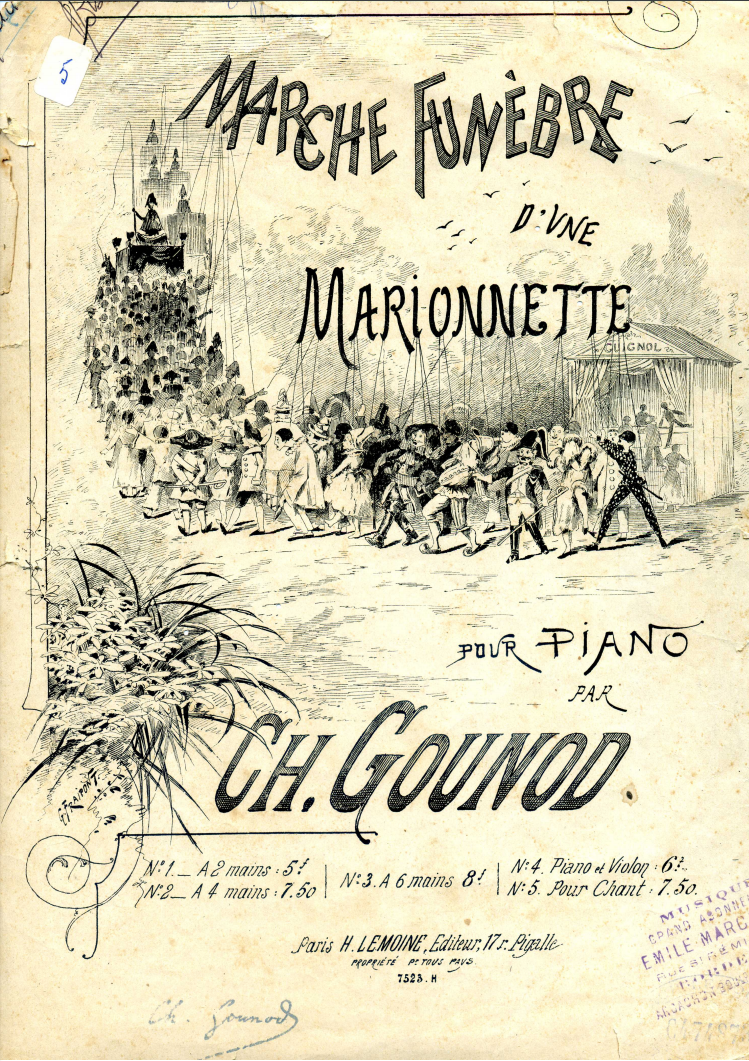
Charles Gounod (17 giugno 1818 - 1893): Marche funèbre d’une marionnette, versione originale per pianoforte (1872). David Dekker.
(Fra i tanti, ho scelto questo video per i suoi bellissimi disegni.)
La partitura contiene le seguenti didascalie:
Lo stesso brano nella versione per orchestra che Gounod realizzò nel 1879. The Boston Pops Orchestra, dir. Arthur Fiedler.

Gérard Grisey (17 giugno 1946 - 1998): Tempus ex machina (1979). Les Percussions de Strasbourg.
Musica spettrale (musique spectrale) è una locuzione creata nel 1979 dal compositore e filosofo francese Hugues Dufourt per indicare un insieme di procedimenti compositivi che parte dall’analisi delle proprietà acustiche del suono (lo spettro sonoro), ossia dallo studio del timbro attraverso il mezzo elettronico. Si fa ricorso alla teoria dei segnali e all’uso di computer, mediante i quali è possibile indagare le caratteristiche fisiche del suono: analizzato e visualizzato attraverso spettrogrammi, lo spettro sonoro può essere riprodotto su una scala più ampia utilizzando strumenti musicali acustici e/o elettronici.
Oltre a Gérard Grisey, considerato capofila dello spettralismo in musica, e a Hugues Dufourt, hanno aderito a questa corrente autori come Iancu Dumitrescu, Georg Friedrich Haas, Michaël Lévinas, Magnus Lindberg, Fausto Romitelli, Tristan Murail, Horațiu Rădulescu, Kaija Saariaho, Claude Vivier.
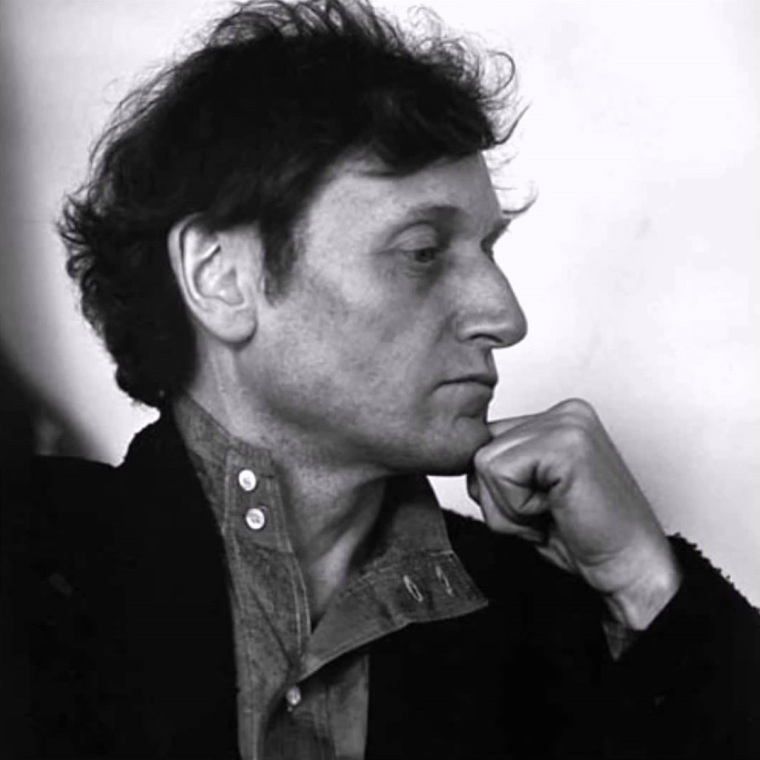
Gérard Grisey
Einar Englund (17 giugno 1916 - 1999): Sinfonia n. 4, Nostalginen (Nostalgica) per archi e percussioni (1976). Turun filharmoninen orkesteri (Orchestra filarmonica di Turku), dir. Jorma Panula.

Georg Friedrich Händel (1685 – 1759): Concerto in si bemolle maggiore per arpa, archi e continuo op. 4 n. 6 HWV 294 (1736). Maxime Eilander, arpa; Tafelmusik Baroque Orchestra, dir. Jeanne Lamon.

Autori vari: L’éventail de Jeanne, balletto per bambini in 1 atto (1927). Philharmonia Orchestra, dir. Geoffrey Simon.
Il titolo del balletto fa riferimento a Jeanne Dubost, una dama parigina assai nota ai suoi tempi per il suo mecenatismo. Madame Dubost, che fra l’altro dirigeva una scuola di danza, all’inizio del 1927 fece dono a dieci musicisti di un pregiato ventaglio, una palmetta a testa, chiedendo a ognuno di comporre una breve danza per gli allievi della sua scuola. Dopo una rappresentazione privata in casa Dubost, il 16 giugno 1927, per la quale Ravel eseguì una riduzione per pianoforte della partitura, il balletto andò in scena all’Opéra di Parigi il 4 marzo 1929 con coreografia di Alice Bourgat e Yvonne Franck, protagonista Tamara Toumanova, che all’epoca aveva 10 anni.
Da rilevare che Milhaud boicottò la rappresentazione: era la prima volta che un suo lavoro veniva eseguito in pubblico, e il compositore non sopportava l’idea di iniziare la propria carriera con un brano così «insignificante».

Guy Ropartz (15 giugno 1864 - 1955): Andante et Allegro per tromba e pianoforte (1903). Philip Smith, tromba; Joseph Turrin, pianoforte.
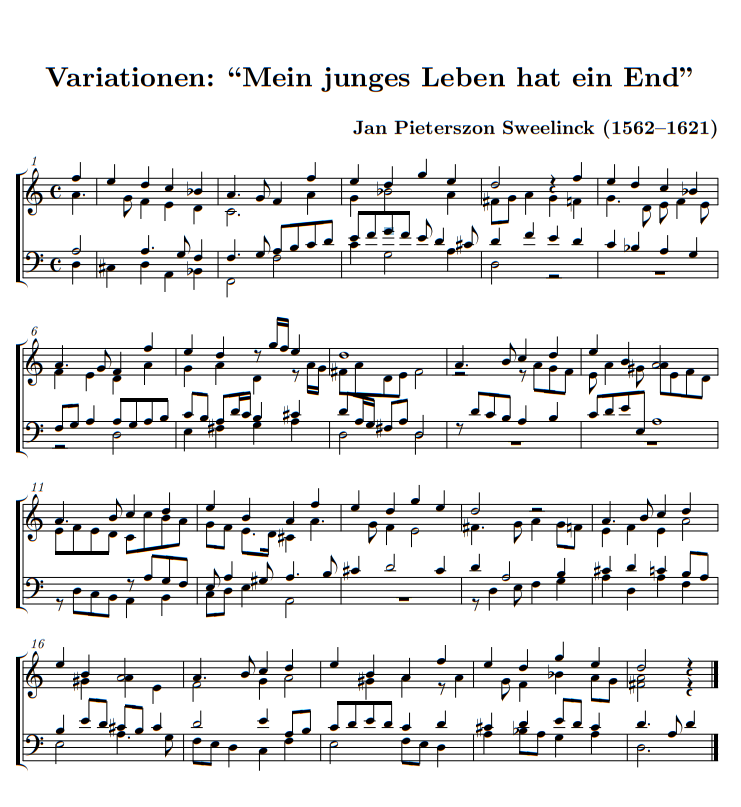
Jan Pieterszoon Sweelinck (1562 - 1621): Mein junges Leben hat ein End, Lied spirituale a 4 voci. Nederlands Kamerkoor, dir. Paul van Nevel.
Mein junges leben hat ein end,
mein freud und auch mein leid,
Mein arme seele soll behend
Scheiden von meinem leib.
Mein leben kan nicht länger stehn,
Es ist sehr schwach, es muß vergehn,
Es fährt dahin mein freud.
Es fährt dahin ein weiten weg
Die seel, mit grossem leid,
Den leib man traurig ins grab legt,
Wie aschen er zerstäubt,
Als wenn er nie gewesen wär,
Auch nimmermehr wär kommen her,
Aus meine mutterleid.
Ich scheide, arme welt, von dir,
Verlassen muß ich dich!
Ich habe keine freude hier,
Von dir muß scheiden ich:
Es bleibet mir hier keine ruh,
Man drück mir dann die augen zu:
Das muß ich klagen dir.
Ich klag nicht, das ich scheiden soll
Von dir, du scnöde welt,
Allein mein herz ist traurens voll,
Daß mich mein sünd üb’rfällt,
Die ich mein tag begangen hab,
Die hilft mir von dem leben ab,
Und bringt den leib ins grab.
O Jesu Christ, du höchster Gott!
Was hab ich doch gethan!
All meine sünd und missethat
Klagen mich heftig an:
Dennoch will ich verzagen nicht
Vor dein’m göttlichen angesicht,
Um gnad ruf ich dich an.
Ach Herre Gott! mein creutz und noth
Ertrag ich mit geduld,
Und bitte dich, Herr Jesu Christ!
Wollst mir verzeihn mein schuld,
Hilf das ich dich recht fassen kan,
Ach nim dich eine gnädig an
Und ewiglich nicht laß.
Sweelinck: 6 Variazioni sul Lied Mein junges Leben hat ein End SwWV 324. Monica Czausz all’organo Hildebrandt (1723) della chiesa di Störmthal (Sassonia).
Exquisite variations he was now describing on an air Youth here has End by Jans Pieter Sweelinck, a Dutchman of Amsterdam where the frows come from.
Si diffondeva ora sulle deliziose variazioni sull’aria Qui gioventù finisce di Jans Pieter Sweelinck, un olandese di Amsterdam dove fanno le frau.
(James Joyce, Ulisse ; traduzione di Giulio de Angelis)
Chiel Meijering (15 giugno 1954): Mein junges Leben hat (k)ein End per quartetto d’archi (2007), rielaborazione delle variazioni di Sweelinck. Utrecht Stringquartet.
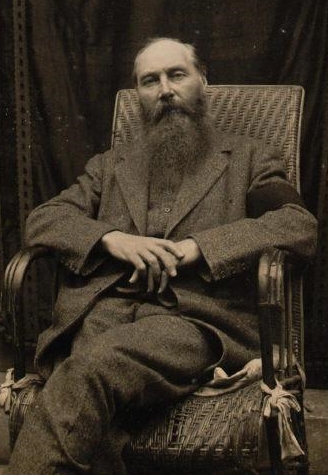
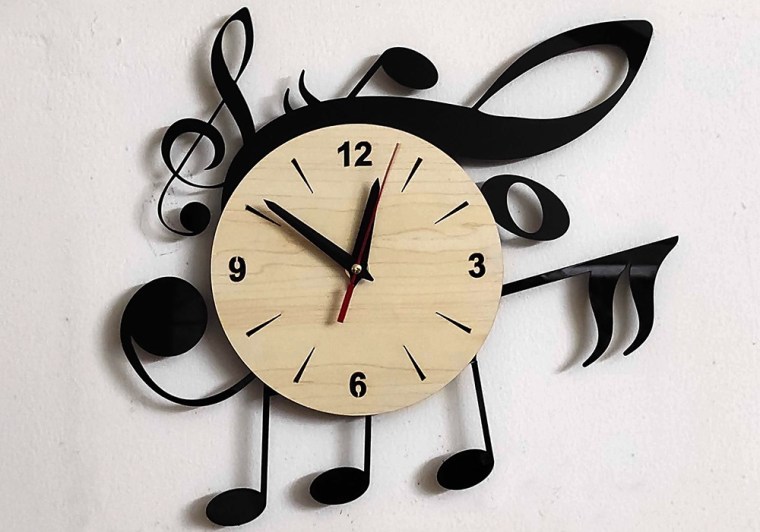
Roberto Carnevale (15 giugno 1966): I miei orologi (1995). Graziella Concas, pianoforte; L’Offerta Musicale Ensemble: Carmelo dell’Acqua, clarinetto; Gaetano Adorno, viola.
Guy Ropartz (15 giugno 1864 - 1955): Prélude, Marine et Chansons per flauto, violino, viola, violoncello e arpa (1928). Melos Ensemble of London.
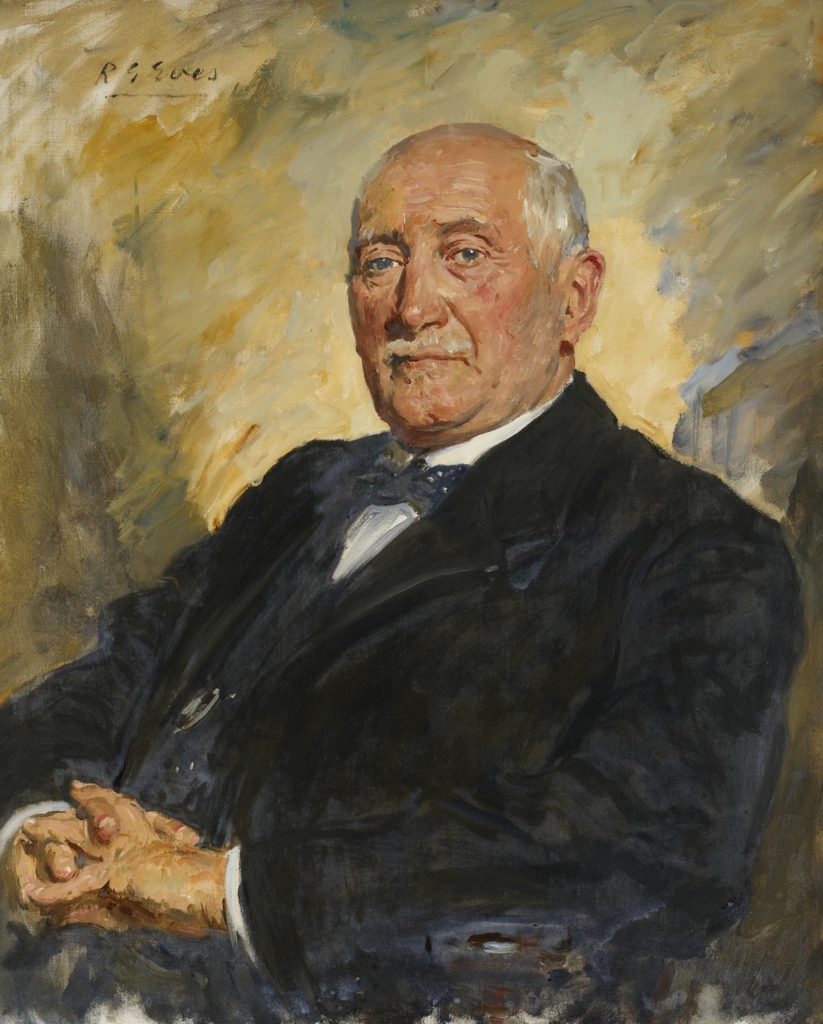
Sir John Blackwood McEwen (1868 - 14 giugno 1948): Quinta Sinfonia in do diesis minore, A Solway Symphony (1911). London Philharmonic Orchestra, dir. Alasdair Mitchell.
Giovanni Simone Mayr (14 giugno 1763 - 1845): Concerto n. 1 in do maggiore per pianoforte e orchestra. Piero Barbareschi, pianoforte; Orchestra da camera dell’Etruria, dir. Paolo Ponziano Ciardi.

Christian Erbach (c1568/73 - 14 giugno 1635): Ricercar noni toni. Lydia Maria Blank, clavicembalo.
Per ricercare (o ricercar, più raramente ricercata) s’intende una composizione contrappuntistica in stile severo, di norma concepita per strumenti a tastiera, in uso fra fine Cinquecento e primo Barocco. È annoverato fra le forme precorritrici della fuga.

David Diamond (1915 - 13 giugno 2005): Quarta Sinfonia (1945). Seattle Symphony Orchestra, dir. Gerard Schwarz.
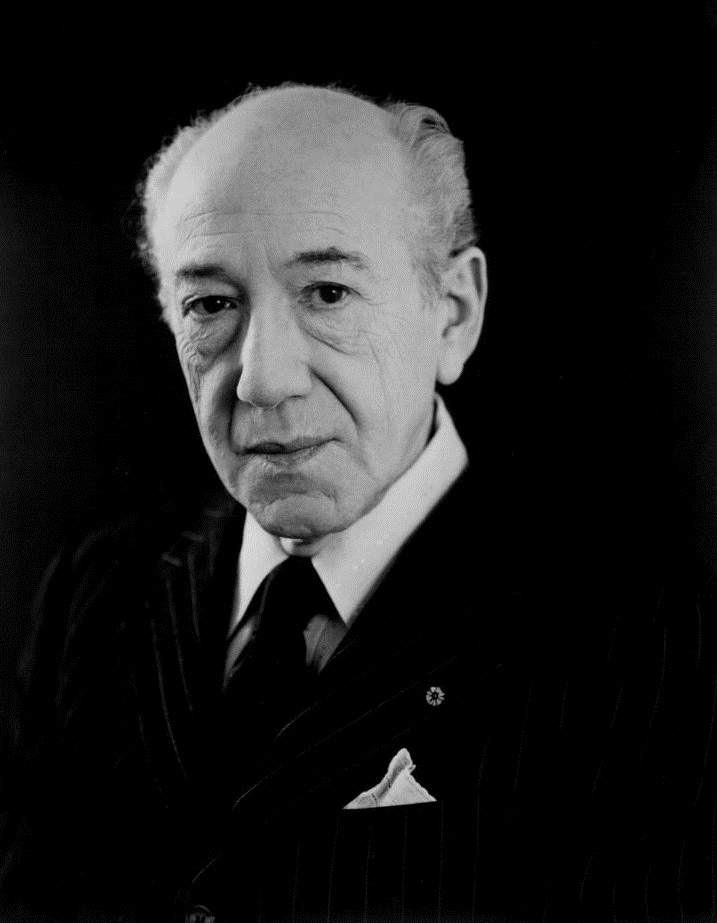
Pomponio Nenna (battezzato il 13 giugno 1556 - 1608): Ecce quomodo moritur iustus, mottetto a 4 voci. Petit Chœur Liturgique de Saint-Claude de Tassin, dir. Bernard Barbier.
Ecce quomodo moritur iustus
Et nemo percipit corde
Et viri iusti tolluntur
Et nemo considerat.
A facie iniquitatis sublatus est iustus
Et erit in pace memoria eius.
Tamquam agnus coram tondente
Se obmutuit et non aperuit os suum
De angustia ed de judicio sublatus est
Et erit in pace memoria eius.

Roberto Fabbriciani (13 giugno 1949): Glacier Ururashraju, da Glaciers in Extinction per flauto iperbasso e nastro magnetico (2005). Esegue l’autore.
« Glaciers in Extinction è un’opera suddivisa in sei momenti ciascuno dei quali realizza situazioni originali ed insieme simili, prendendo spunto da sei grandi ghiacciai tuttora esistenti.
« L’idea generale è descrivere attraverso il suono un fenomeno naturale antico e di assoluta maestà quale la glaciazione e la sua impetuosa negazione. I grandi ghiacciai, come giganti gelidi ma vivi e palpitanti si muovono, scricchiolano, rombano minacciosi e temibili all’uomo, animati da un eterno mutamento che simboleggia il divenire della vita.
« Il suono è l’assoluto protagonista dell’opera; la ricerca dell’autore scava nella materia sonora plasmando e modellando, rinnovando continuamente il percorso in una miriade di sfumature, di sottili e talvolta appena percettibili mutamenti utilizzando un’estensione che giunge ai limiti dell’udibile.
« Interessante novità lo strumento scelto –- il flauto iperbasso –- utilizzato anche per la realizzazione del nastro sempre senza alcuna trasformazione elettronica, completamente al naturale. Il flauto iperbasso è il più grande strumento della famiglia dei flauti. Roberto Fabbriciani ha progettato e sperimentato questo strumento dalle incredibili sonorità, misteriose e profonde. Le sue caratteristiche sonore, unite alle nuove tecniche di emissione sperimentate dall’interprete e alle straordinarie possibilità di esplorazione, costituiscono un universo sonoro di grande interesse: enorme il range della dinamica, che consente di passare dalle inflessioni minime del soffio e della voce alle fortissime esplosioni dei suoni percussivi e dei multifonici, le improvvise rarefazioni, le difonie vocali, l’esplorazione dei diversi piani dinamici, la ricerca di specifiche aree timbriche mai fino ad ora ascoltate » (Luisella Botteon).

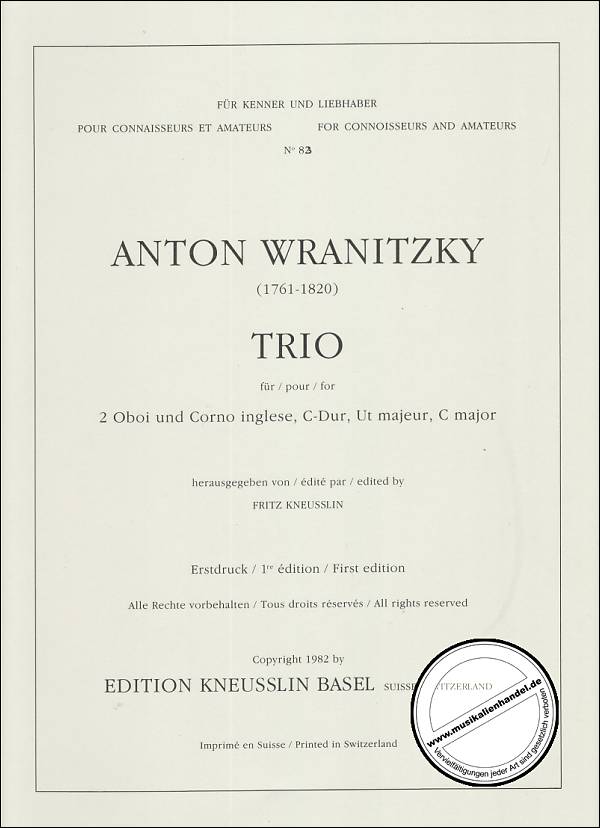
Antonín Vranický ovvero Anton Wranitzky (13 giugno 1761 - 1820): Trio in do maggiore per 2 oboi e corno inglese. John Abberger e Marc Schachman, oboi; Lani Spahr, corno inglese.
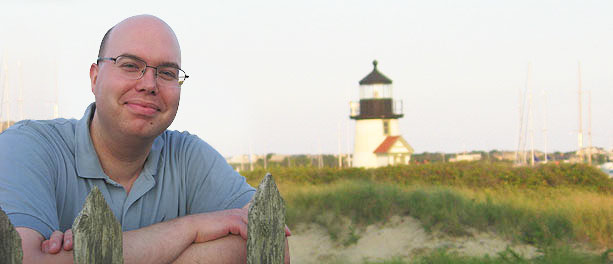
Carson Cooman (12 giugno 1982): Toccata, Aria, and Finale per organo op. 1184 (2017). Erik Simmons.
John Ireland (1879 - 12 giugno 1962): London Pieces (1917-20). John Lenehan, pianoforte.

Oliver Knussen (12 giugno 1952 - 2018): Sonya’s Lullaby op. 16 (1977). Melanie Spanswick, pianoforte.
« The word Lullaby is used in the sense of an incantation to sleep; Sonya is my daughter, who was a four-month-old insomniac in October 1977 when the first sketch of this piece was written. Formally the music is, I hope, self-explanatory –- but perhaps it is worth mentioning that an initials stimulus toward the piano writing was the harmonic exploitation of overtones produced from the lowest register of the instrument by composers as diverse as Brahms, Scriabin, Copland and Carter » (Oliver Knussen).

Dedico questo post a Augusta 🙂
Felix Mendelssohn-Bartholdy (1809 - 1847): Lied ohne Worte in la maggiore op. 62 n. 6 (1842). Vladimir Horowitz, pianoforte.
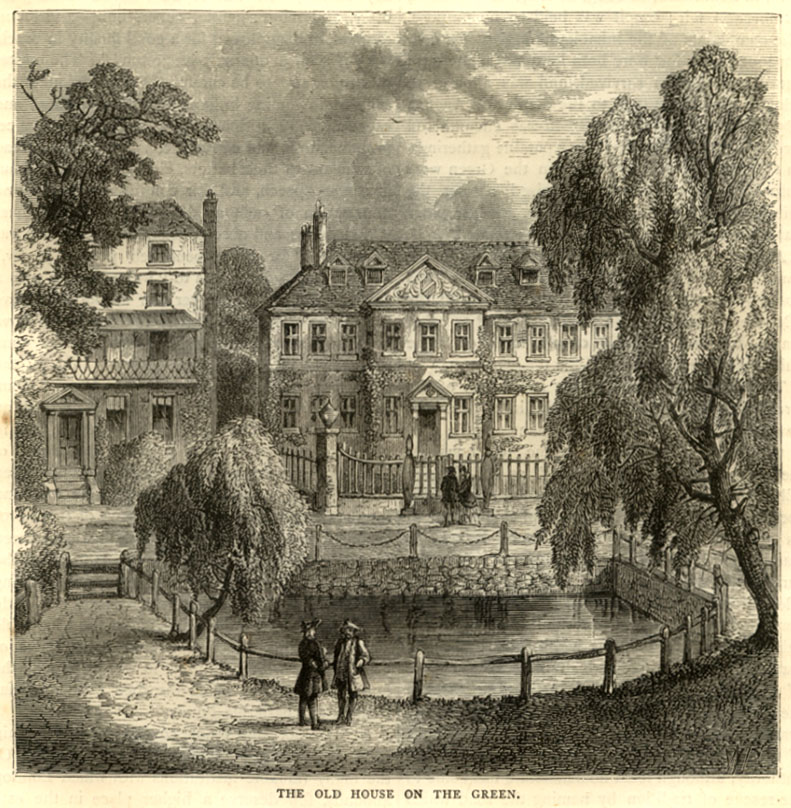
Questo brano, uno dei più celebri Lieder ohne Worte di Mendelssohn, è talvolta chiamato Frühlingslied (Canto di primavera) e, in Inghilterra, Camberwell Green: fu infatti composto al 168 di Denmark Hill a Camberwell, nella zona sud di Londra, dove Mendelssohn poté assaporare la dolce quiete del parco omonimo.
Il Lied ohne Worte (romanza senza parole) è un genere strumentale romantico, tipicamente tedesco, iniziato da Mendelssohn; le caratteristiche formali e espressive sono appunto quelle del Lied, ma trasferite in ambito esclusivamente strumentale, di solito pianistico. Mendelssohn è certamente il più famoso autore di Lieder ohne Worte: ne compose otto raccolte, ciascuna costituita da sei brani. Fra gli altri musicisti che si dedicarono a questa forma, uno dei più noti è Ignaz Moscheles.
Joseph Boulogne Chevalier de Saint-George (1739 o 1745 - 12 giugno 1799): Concerto per violino e orchestra op. 5 n. 1 (1775). Miroslav Vilímec, violino; Plzeňská filharmonie, dir. František Preisler jr.
Questo musicista mulatto — primo compositore di ascendenza africana attivo nell’ambito della musica d’arte europea, ai suoi tempi detto appunto “il Mozart nero” — fu anche un abile spadaccino.

 Francesco Antonio Bonporti (11 giugno 1672 - 1749): Aria cromatica e variata in la minore (1726). Duo Tartini: David Plantier, violino barocco; Annabelle Luis, violoncello barocco.
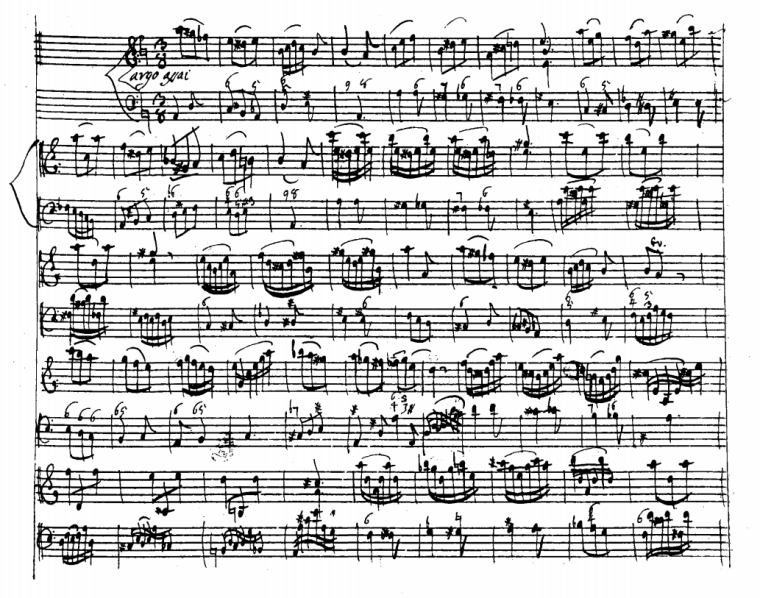
Johann Bernhard Bach (1676 – 11 giugno 1749): Ouverture (Suite) per orchestra n. 2 in sol maggiore. L’Achéron, dir. François Joubert-Caillet.
Organista a Erfurt, a Magdeburgo e infine a Eisenach, dove fu anche clavicembalista di corte del duca Giovanni Guglielmo di Sassonia-Eisenach, Johann Bernhard Bach era un cugino di secondo grado di Johann Sebastian.
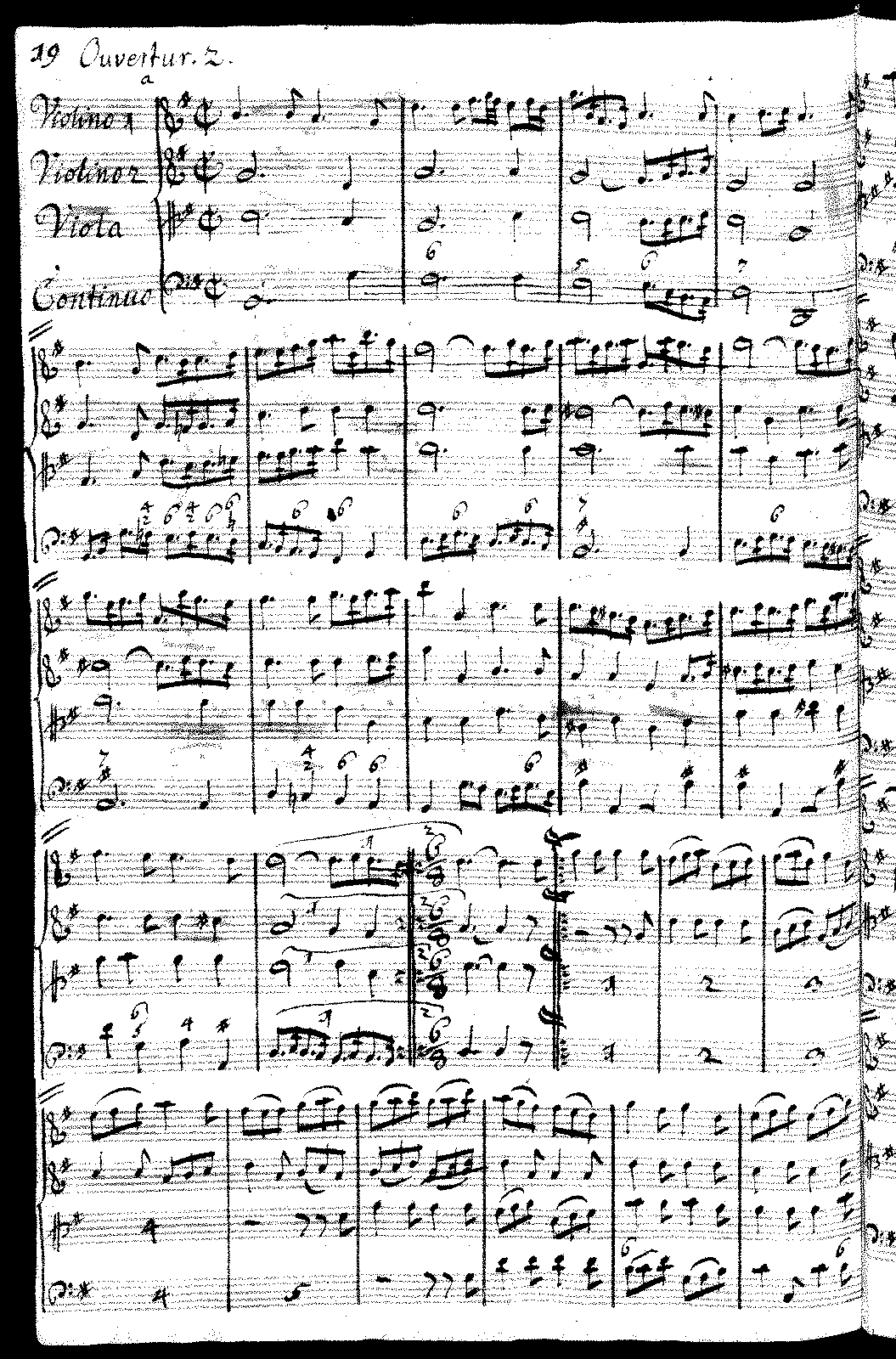
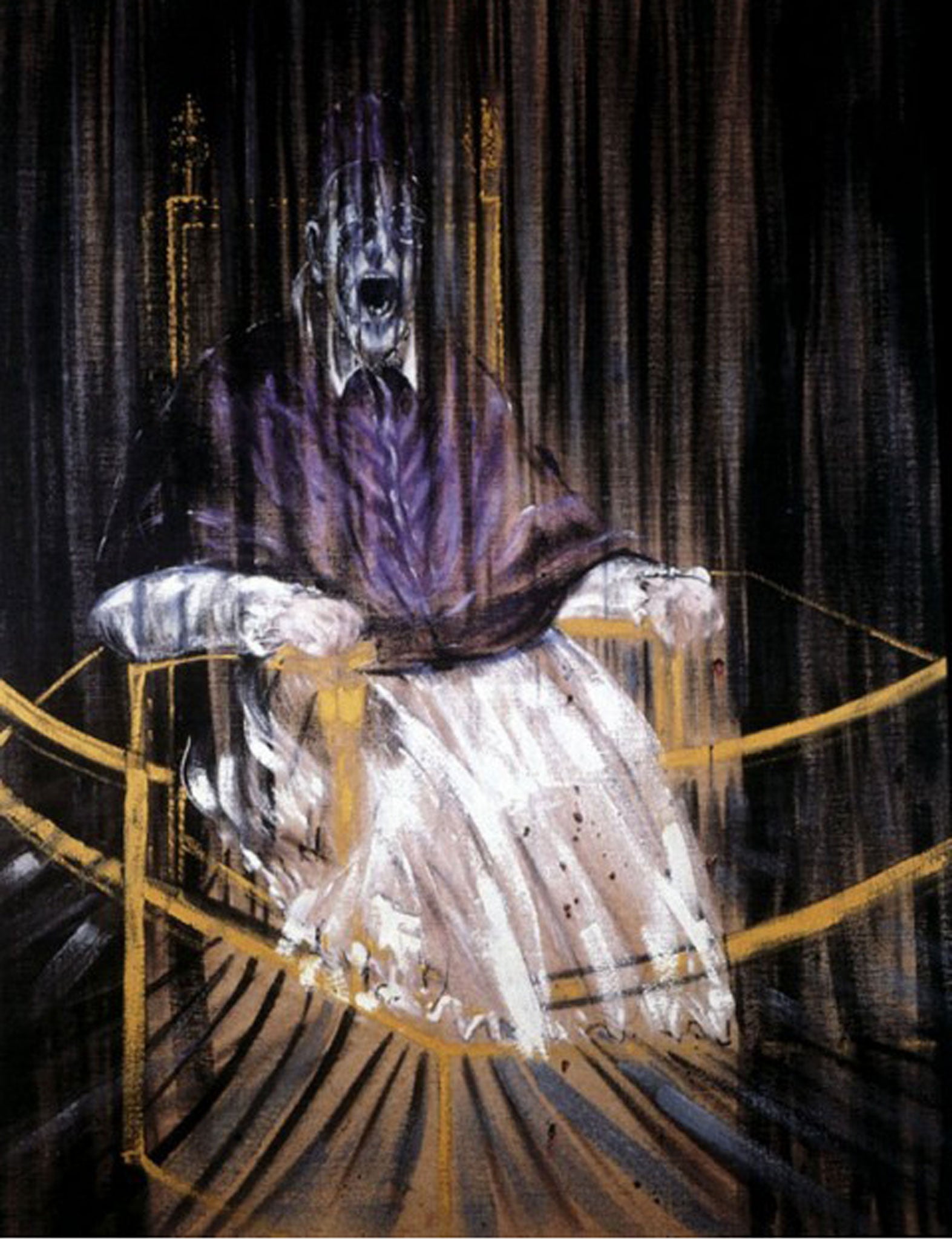
Mark-Anthony Turnage (10 giugno 1960): Three Screaming Popes after Francis Bacon, per grande orchestra (1988–89). Birmingham Symphony Orchestra, dir. Simon Rattle.
« In 1985 I went to see a stunning exhibition of Francis Bacon’s paintings at the Tate Gallery. I was particularly taken with the three Pope paintings, based on Pope Innocent X by Velázquez, and my initial idea was to write a piece which distorted a set of Spanish dances as Bacon had distorted and restated the Velázquez. In the process of writing the piece, the dances (like a first layer of paint, or an outline) became so submerged in the other textures of the piece that only a faint trace is visible – just a hint of a tango here and there. What I hope comes across is the colouristic intensity and emotional immediacy of the paintings » (Mark-Anthony Turnage).
Hai un account WordPress.com? Accedi ora.

