
Jean Guillou (1930 - 26 gennaio 2019): Regard per organo op. 77 (2011). Eseguito dall’autore in Saint-Eustache a Parigi il 30 settembre 2012.
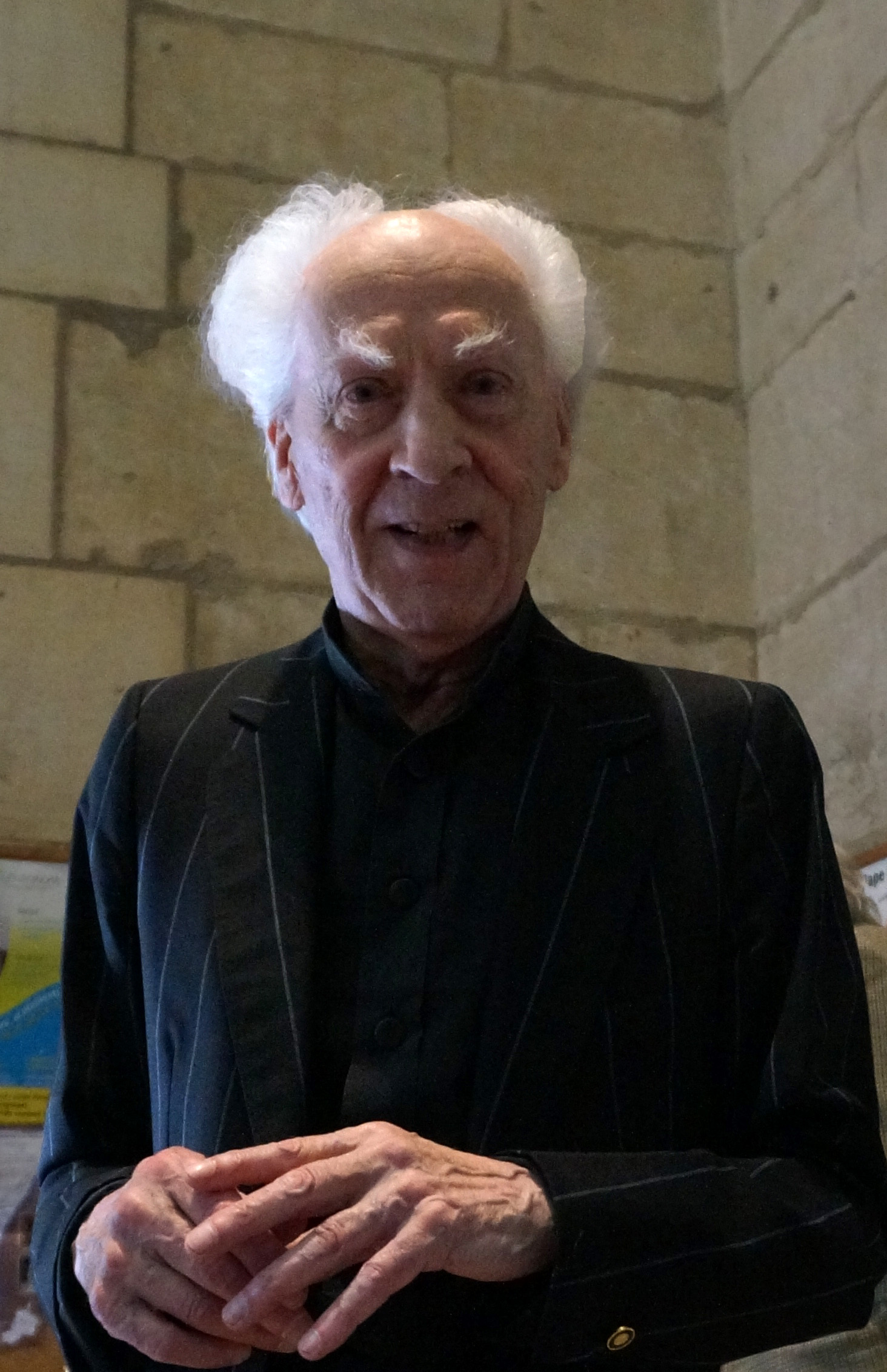
Jean Guillou (1930 - 26 gennaio 2019): Regard per organo op. 77 (2011). Eseguito dall’autore in Saint-Eustache a Parigi il 30 settembre 2012.
Dodici danze tratte da Het derde musyck boexken… alderhande danserye (1551) di Tielman Susato nell’interpretazione dell’ Early Music Consort of London diretto da David Munrow (1942 - 1976).

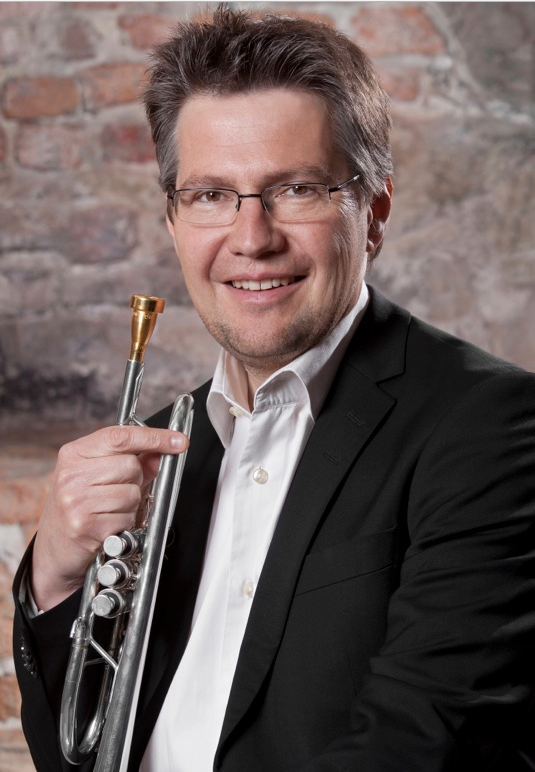
Urban Agnas (1961): Susato Suite.
Si tratta di una serie di brani tratti dal Terzo libriccino di musica (Het derde musyck boexken, noto anche come Danserye) pubblicato da Tielman Susato a Anversa nel 1551, qui arrangiati da Urban Agnas, primo trombettista e leader del complesso di ottoni Stockholm Chamber Brass.
Tielman Susato (c1510-c1570), probabilmente originario di Soest, antico centro anseatico della Vestfalia, si stabilì intorno al 1530 a Anversa, dove avviò poi una proficua attività di stampatore di musica. Il “libriccino” del 1551 è giustamente famoso perché contiene danze strumentali di vario genere: è una delle prime fonti a stampa interamente dedicate alla musica strumentale e testimonia perciò dell’avvenuta emancipazione di quest’ultima (in precedenza gli strumenti erano impiegati pressoché esclusivamente nell’accompagnamento delle voci). Le danze pubblicate da Susato sono in gran parte trascrizioni e adattamenti di celebri composizioni vocali dell’epoca; tutto lascia pensare che l’abile autore di queste rielaborazioni sia lo stesso stampatore, che era anche un buon musicista.
Giovan Leonardo Primavera (c1540 - 1585): Tre donne belle, villanella a 3 voci (dal Primo Libro de canzone napolitane, 1565). Ensemble San Felice, dir. Giangiacomo Pinardi.
Tre donne belle fanno gran battaglia
Col sole e con la luna e con le stelle,
Ma sono di pietà crude e rubelle.
L’una fa guerra al sole e già l’ha vinto,
l’altra è colei che oscura la luna
e l’altra è quella che le stelle imbruna.
Misero cielo, che privato sei
d’ogni splendore, e in terra iace quella
Che sole e luna è più che chiara stella.
Giove, che fai in cielo? Ché non vieni
A mirar questo sole e questa luna
E questa stella che il tuo sole oscura?

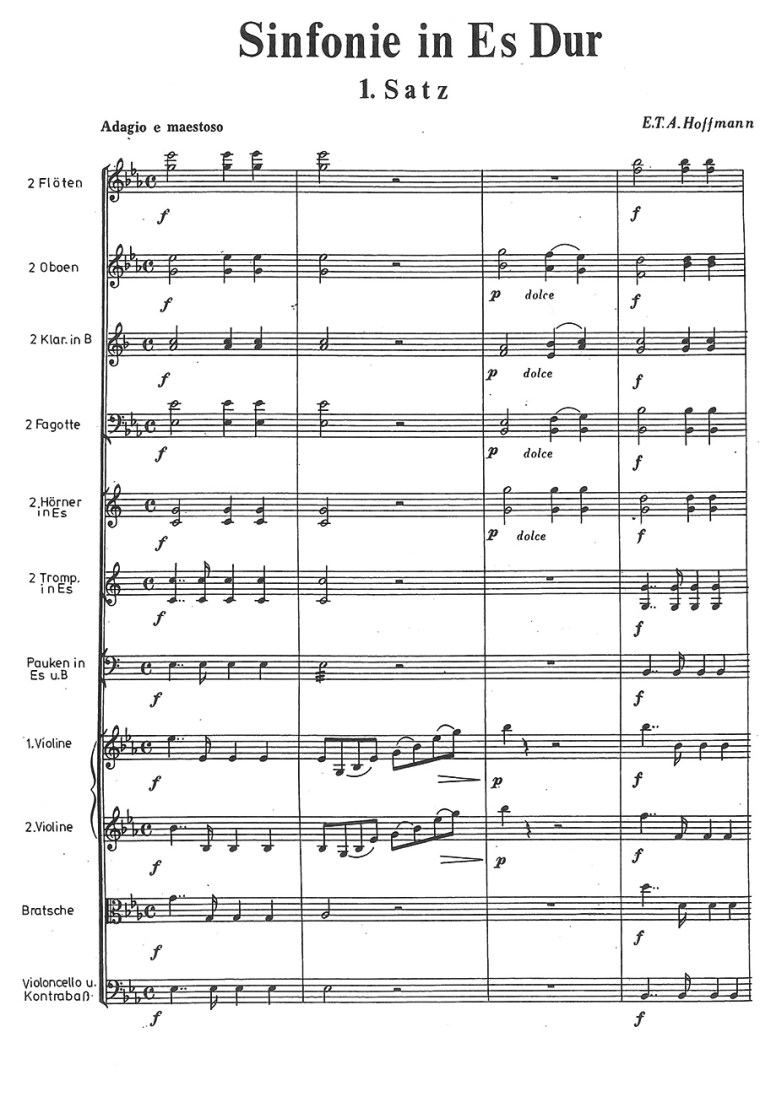
Ernst Theodor Amadeus Hoffmann (24 gennaio 1776 - 1822): Sinfonia in mi bemolle maggiore (1806). Concerto Bamberg, dir. Rolf Beck.
Giulio Caccini, detto Giulio Romano (c1550 - 1618): Amarilli, mia bella, madrigale su testo di Battista Guarini (pubblicato nella raccolta Le nuove musiche, 1602, n. 8). Alfred Deller, haute-contre; Desmond Dupré, liuto.
Amarilli, mia bella,
non credi, o del mio cor dolce desio,
d’esser tu l’amor mio?
Credilo pur, e se timor t’assale,
prendi questo mio strale,
aprimi il petto e vedrai scritto in core:
Amarilli, Amarilli, Amarilli è il mio amore.

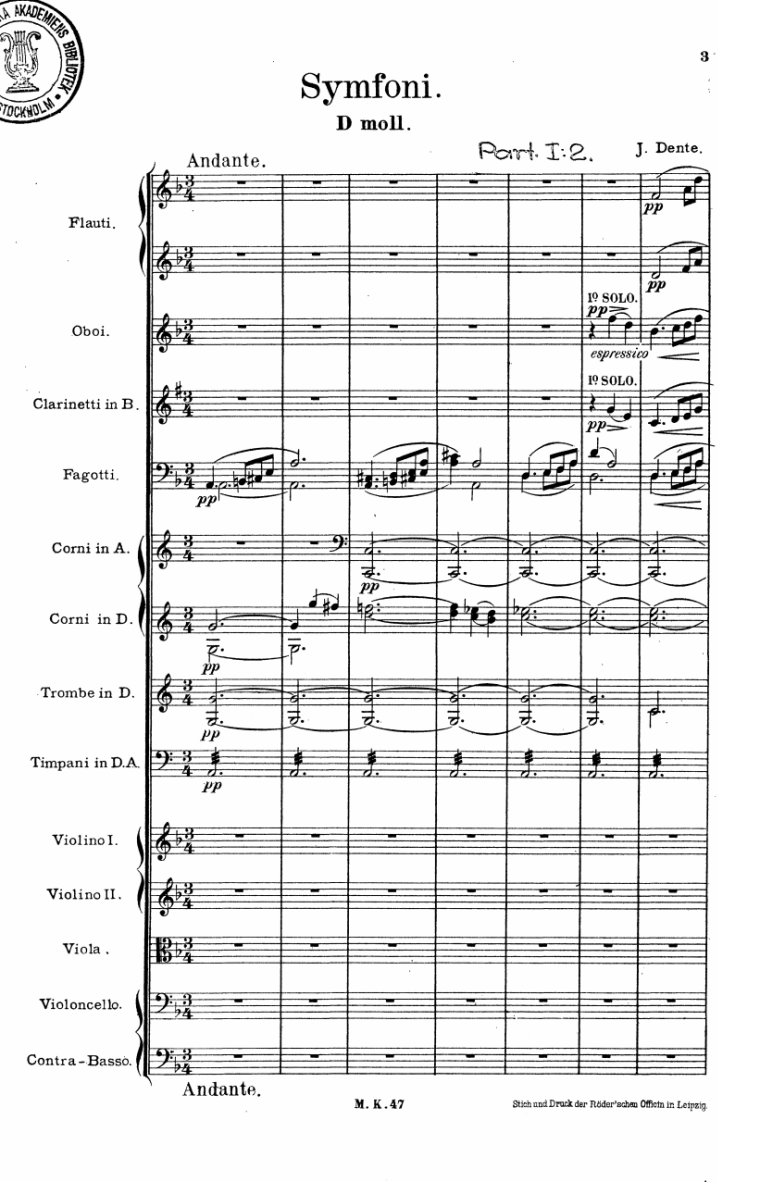
Joseph Dente (23 gennaio 1838 - 1905): Sinfonia in re minore (1887). Sveriges Radios Symfoniorkester, dir. Ola Karlsson.

Ludwig van Beethoven (1770 - 1827): 24 Variazioni in re maggiore per pianoforte sopra l’arietta Venni amore di Vincenzo Righini WoO 65 (1801). Rudolf Buchbinder.
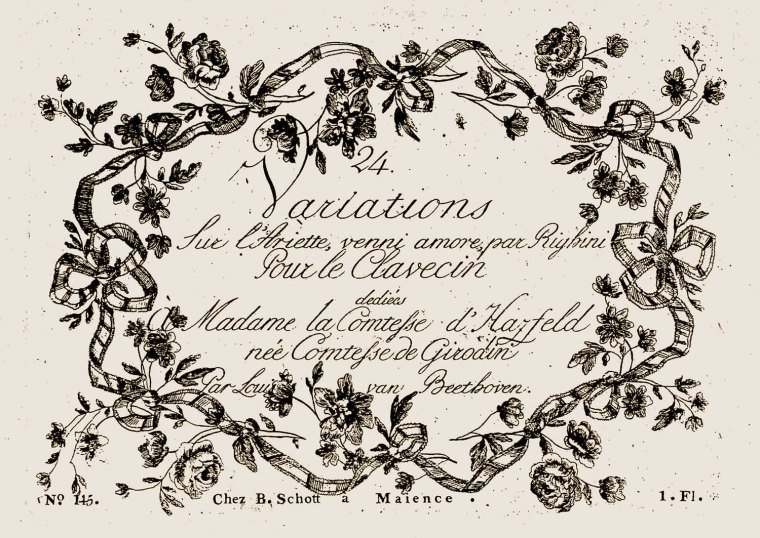
Martin Berteau (1691 - 22 gennaio 1771): Sonata in sol maggiore per violoncello e basso continuo op. 1 n. 3 (1748). Claudio Ronco e Emanuela Vozza, violoncelli.

Guillaume Lekeu (20 gennaio 1870 - 21 gennaio 1894): Sonata in sol maggiore per violino e pianoforte (1892-93). David Lefèvre, violino; Alain Lefèvre, pianoforte.
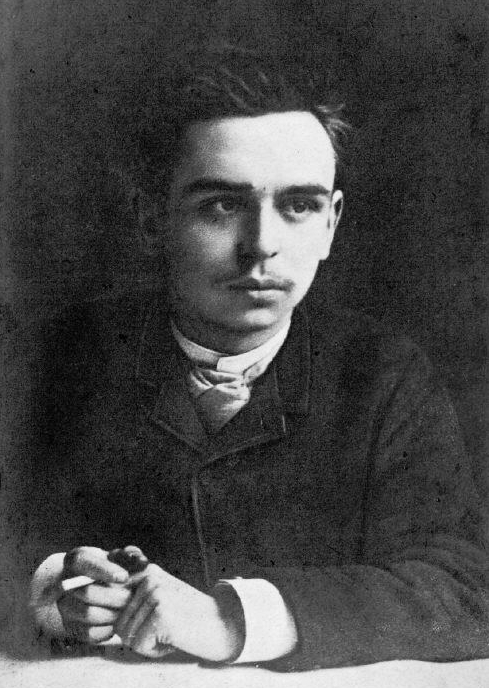
Domenico Mazzocchi (1592 - 21 gennaio 1665): La Madalena ricorre alle lagrime, aria spirituale per voce e basso continuo (pubblicata in Dialoghi e Sonetti, 1638); testo del cardinal (Roberto?) Ubaldini. Deborah Cachet, soprano; ensemble Scherzi Musicali, dir. Nicolas Achten.
Lagrime amare, all’anima che langue
Soccorrete pietose; il dente rio
Già v’impresse d’inferno il crudel angue,
E mortifera piaga, ohimè, v’apr’io.
Ben vuol sanarla il Redentore esangue,
Mà idarno sparso il pretioso rio
Sarà per lei di quel beato sangue
Senza il doglioso humor del pianto mio.
Sù dunque, amare lagrime correte
A gl’occhi ogn’or da questo cor pentito,
Versate pur, che di voi sole hò sete.
Se tanto il liquor vostro, è in Ciel gradito,
Dirò di voi, che voi quell’acque sete,
Ch’uscir col sangue da Giesù ferito.

 Halsey Stevens (1908 - 20 gennaio 1989): Sinfonia breve (1957). The Louisville Symphony Orchestra, dir. Robert Whitney.
Richard Jones (? - 20 gennaio 1744): Suite in si minore per clavicembalo (n. 5 della raccolta 6 Suits or Setts of Lessons, 1732). Mitzi Meyerson.

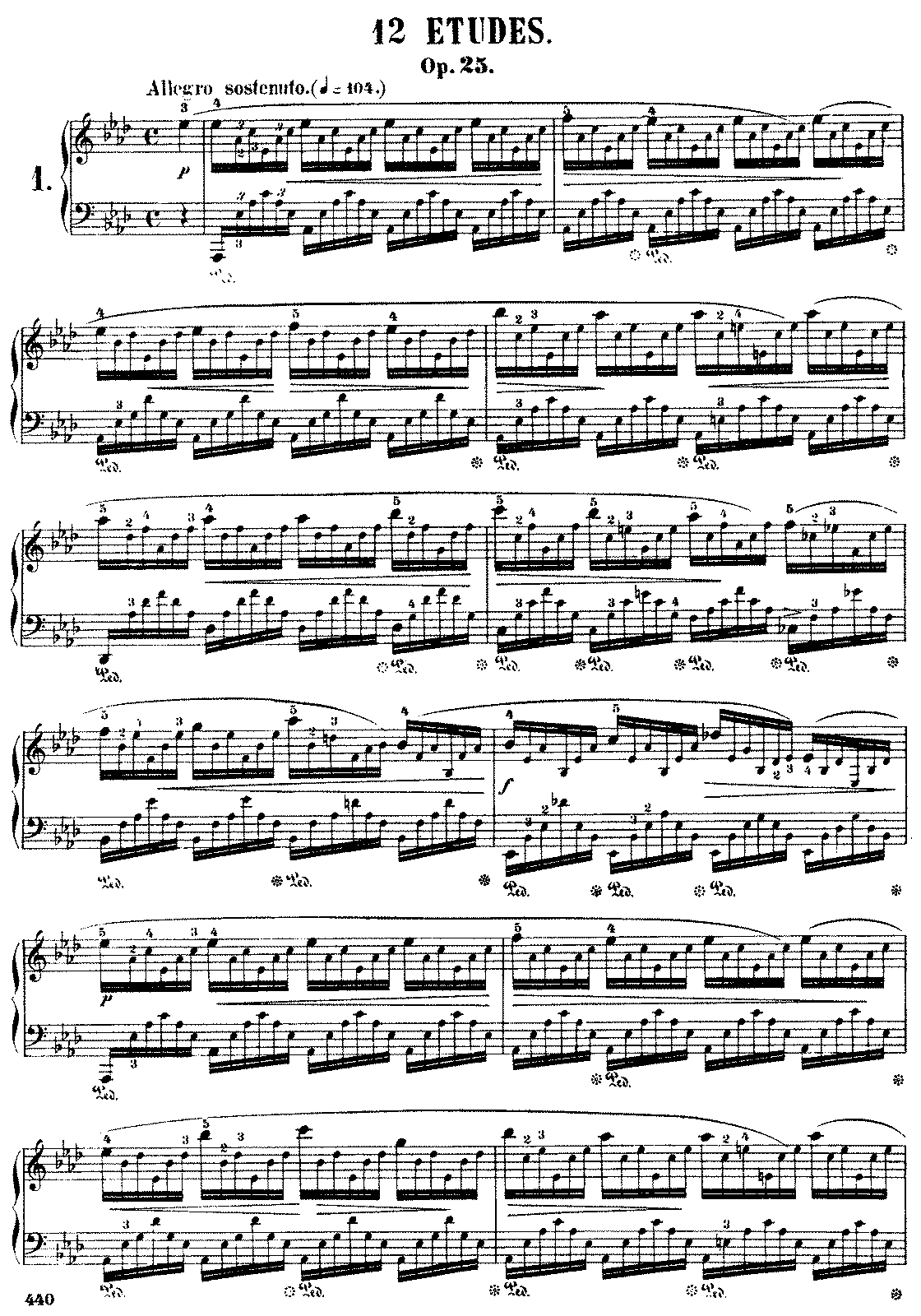
Fryderyk Chopin (1810 - 1849): Studio in la bemolle maggiore (Allegro sostenuto) per pianoforte op. 25 n. 1 (1836). Vladimir Horowitz.
Chopin mal sopportava i tentativi di interpretare le sue opere in chiave descrittiva e detestava l’uso — comune ai suoi tempi — di assegnar loro titoli più o meno fantasiosi ma non propriamente musicali: le composizioni del maestro polacco hanno perciò titoli che semplicemente identificano i generi musicali cui appartengono: concerto, sonata, notturno, polacca, valzer, studio, eccetera. Lo Studio op. 25 n. 1 è noto come Arpa eolia: così lo battezzò Schumann in una famosa recensione, ispirato dagli arpeggi che avvolgono ininterrottamente la melodia in un leggerissimo, vaporoso alone sonoro, vagamente simile a quello prodotto dallo strumento che prende nome da Eolo, il dio dei venti della mitologia greca.
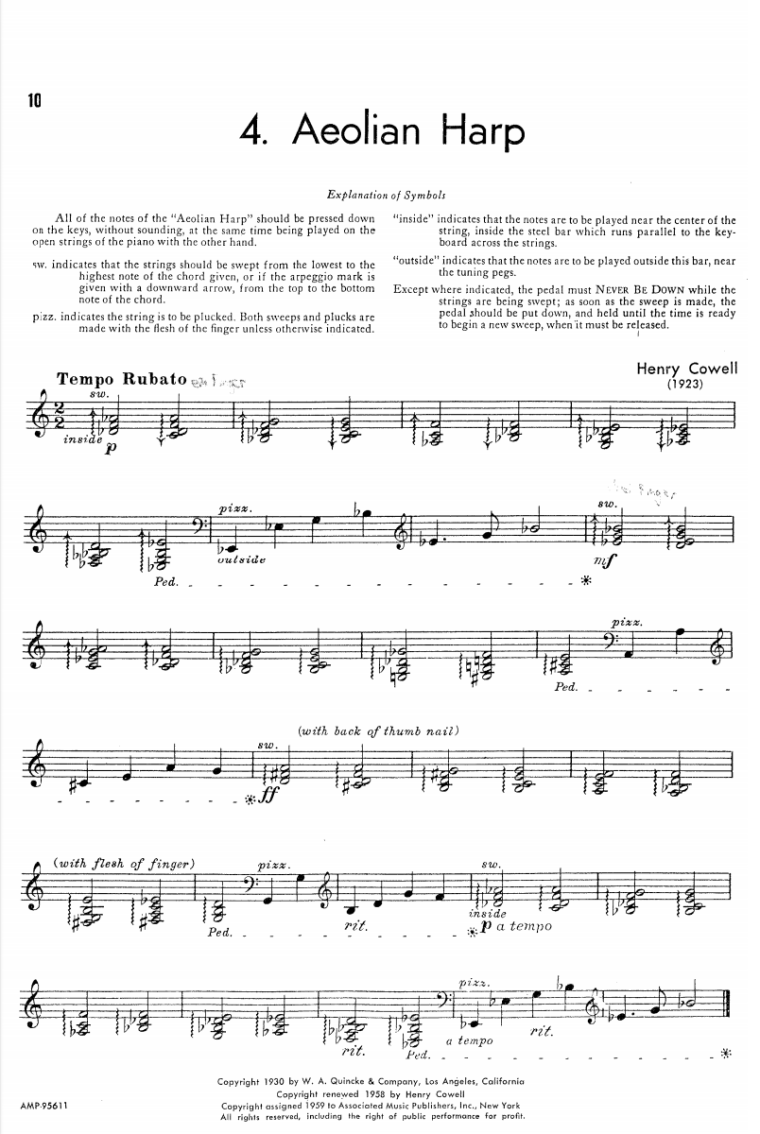
Henry Cowell (1897 - 1965): Aeolian Harp per pianoforte (1923). Fausto Bongelli.
Seguendo le indicazioni sulla partitura, l’esecutore con una mano abbassa i tasti corrispondenti alle note, facendo in modo che i martelletti non colpiscano le corde ma liberando così queste ultime dal contatto con gli smorzatori, e con l’altra mano mette in vibrazione le corde stesse sfregandole o pizzicandole, con le unghie o con i polpastrelli.
Mario Bertoncini (1932 - 19 gennaio 2019): Chanson pour instruments à vent, «assemblage per arpe e gong eolici» per un esecutore (1974).
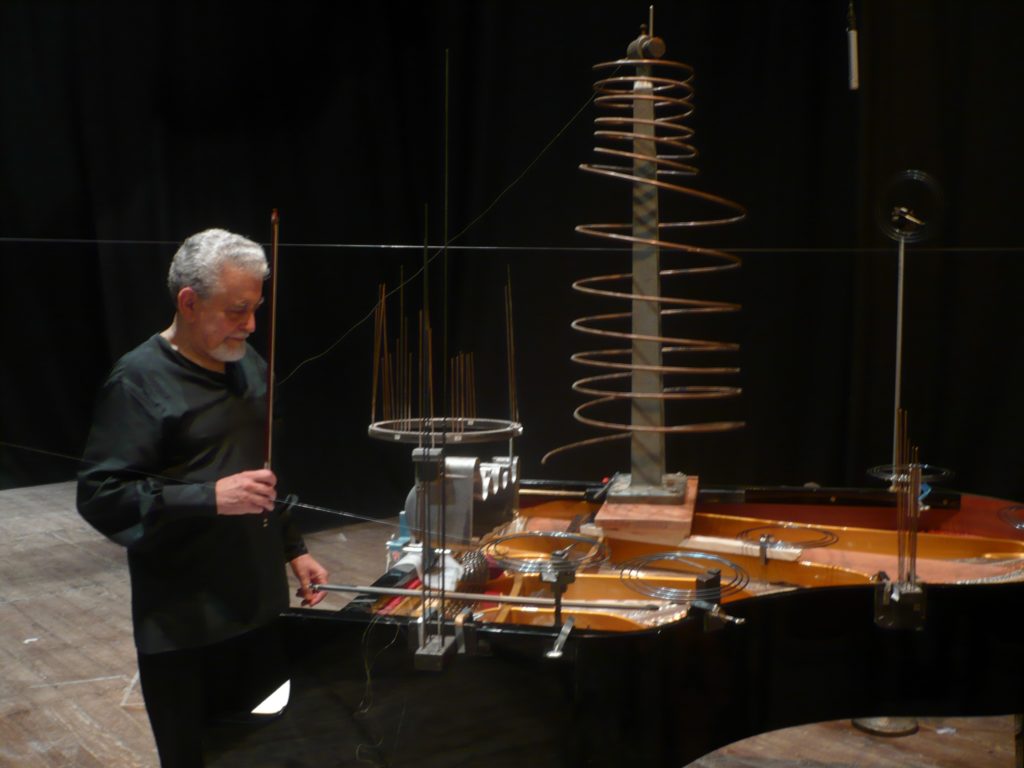
Maria Teresa Agnesi Pinottini (1720 - 19 gennaio 1795): Concerto per clavicembalo e archi. Barbara Petrucci, clavicembalo; Il Quartettone, dir. Carlo De Martini.

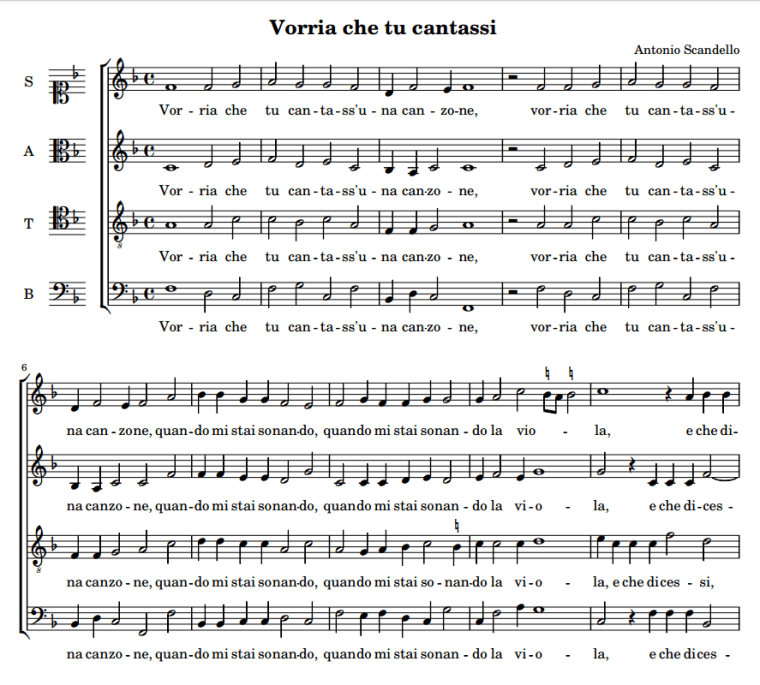
Antonio Scandello (17 gennaio 1517 - 18 gennaio 1580): Vorria che tu cantass’una canzone, villanella (pubblicata nel Primo libro delle canzoni napoletane, 1566, n. 14). Roberta Invernizzi, soprano; Accademia Strumentale Italiana, dir. Alberto Rasi.
Vorria che tu cantass’una canzone
Quando mi stai sonando la viola
E che dicessi fa mi la mi sol la.
Vorria lo basso far col violone
Tutto di contrappunto alla spagnola
E che dicessi fa mi la mi sol la.
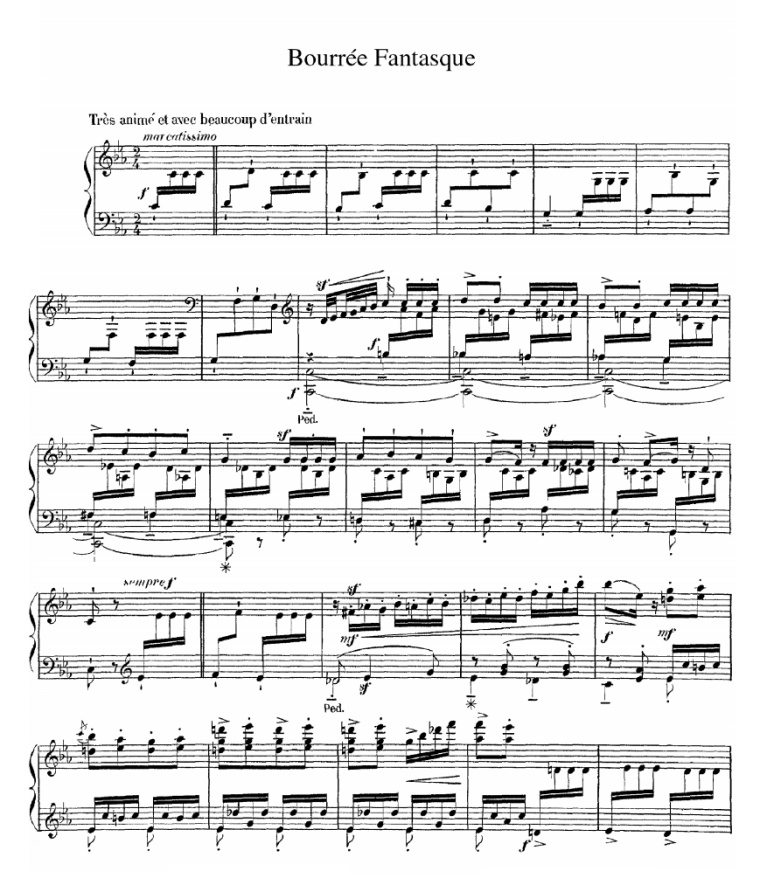
Emmanuel Chabrier (18 gennaio 1841 - 1894): Bourrée fantasque (1891). Aldo Ciccolini, pianoforte.
Lo stesso brano nella trascrizione per orchestra di Felix Mottl. Orchestre National de France, dir. Cristian Mācelaru.
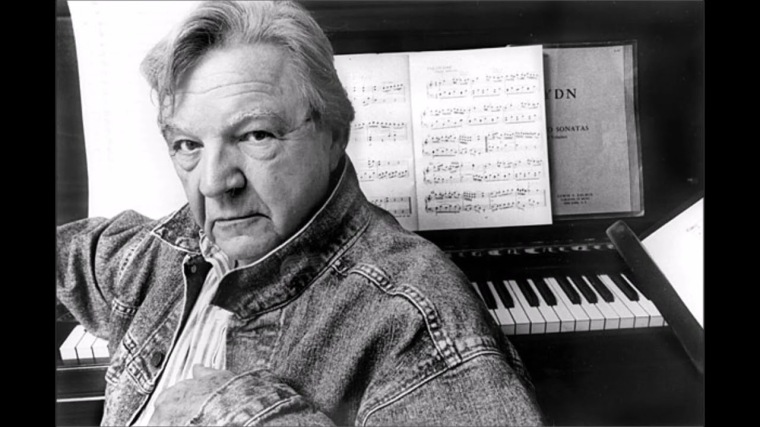
Donald Erb (17 gennaio 1927 - 2008): Concerto per controfagotto e orchestra (1984). Gregg Henegar, controfagotto; London Philharmonic Orchestra, dir. Harold Farberman.
François-Joseph Gossec (17 gennaio 1734 - 1829): Sinfonia concertante in re maggiore per violino, violoncello e orchestra op. 101. Patrick Cohën-Akenine, violino; François Poly, violoncello; orchestra Les Agrémens, dir. Guy van Waas.
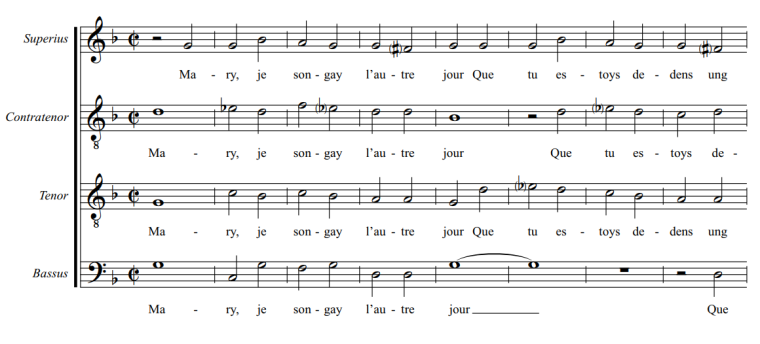
Jacotin, ovvero Jacques Le Bel o Level (c1495 - c1529): Mary, je songay l’autre jour, chanson a 4 voci (pubblicata nell’antologia di Pierre Attaingnant Premier Livre contenant XXXI chansons musicales, 1535, n. 2). Nell’interpretazione dell’ensemble Doulce Mémoire, alla chanson si aggiungono due danze adespote, un branle e un tourdion, composte sulla melodia di Jacotin.
Mary, je songay l’autre jour
Que tu estoys dedens ung four,
La teste la premiere,
Et j’estoys avec mon amy,
Où je faisoys grand chere.
Sortez de la tesniere,
Ordou, meschant mary cocu,
La panse la premiere.
Richard Wetz (1875 - 16 gennaio 1935): Sinfonia n. 2 in la maggiore op. 47 (1925). Orchestra sinfonica di Osaka, dir. Hiroshi Kodama.

Aaron Jay Kernis (15 gennaio 1960): New Era Dance per orchestra (1992). Neue Lausitzer Philhamonie, dir. Andrea Sanguineti.

Anonimo (sec. XVIII): N’èran tres fraires, canzone tradizionale diffusa nella Francia meridionale e in Piemonte; questa è la versione guascone, interpretata dall’ensemble Le Poème Harmonique diretto da Vincent Dumestre.
|
N’èran tres fraires L’a tant batuda Mentre que lava, Soi pas sirventa, Aquò’s, mon fraire, |
Erano tre fratelli, Tanto l’ha picchiata Mentre lava Non sono una serva, È stato, mio caro fratello, |

Joaquín Turina (1882 - 14 gennaio 1949): Danzas fantásticas per orchestra op. 22 (1919). Ensemble Ouroboros, dir. Frédéric Zosso.
La suite è ispirata dal romanzo La orgía di José Más (1885 - 1941), citazioni dal quale sono poste sulla partitura all’inizio di ciascuna danza:
«Parecía como si las figuras de aquel cuadro incomparable se movieran dentro del cáliz de una flor.»
«Las cuerdas de la guitarra, al sonar, eran como lamentos de un alma que no pudiera más con el peso de la amargura.»
«El perfume de las flores se confundía con el olor de la manzanilla, y del fondo de las estrechas copas, llenas del vino incomparable, como un incienso, se elevaba la alegría.»

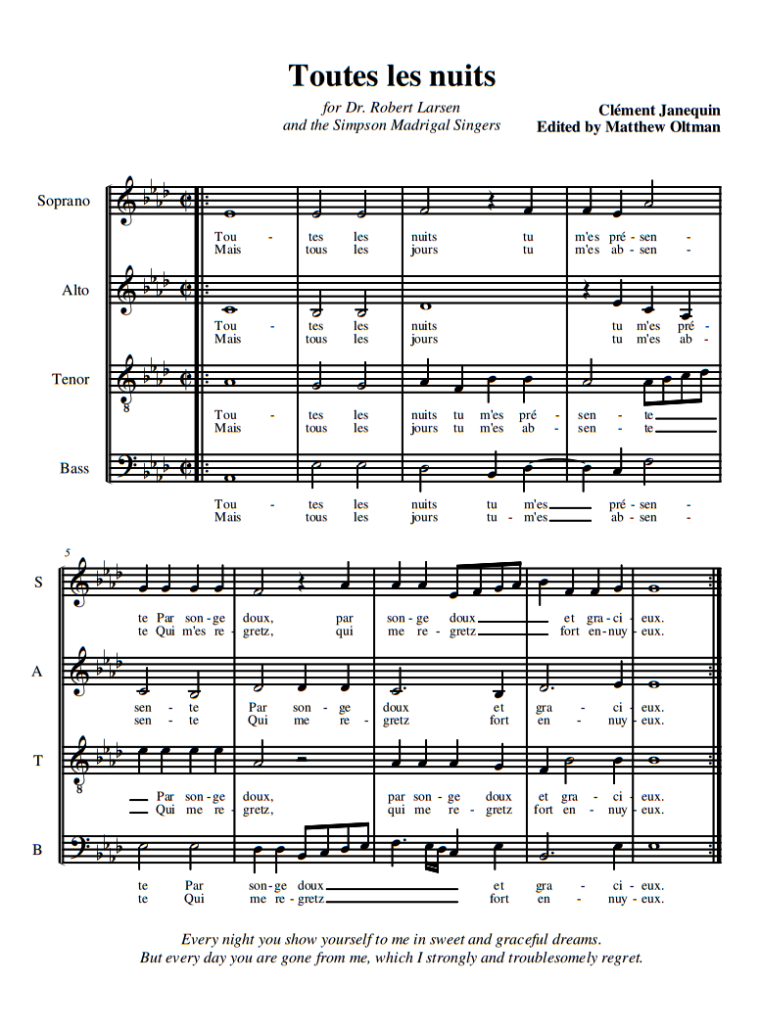
Clément Janequin (c1485 - 1558): Toutes les nuits, chanson a 4 voci (pubblicata in Vingtquatriesme livre contenant XXVI chansons nouvelles, 1547, f. XII). Ensemble «Clément Janequin».
Toutes les nuits tu m’es présente
Par songe doux et gracieux.
Mais tous les jours tu m’es absente
Qui m’es regretz fort ennuyeux.
Puis donc que la nuit me vaut mieux
Et que je n’ai bien que par songe.
Dormez de jour, Ô pauvres yeux!
Afin que sans cesse je songe.
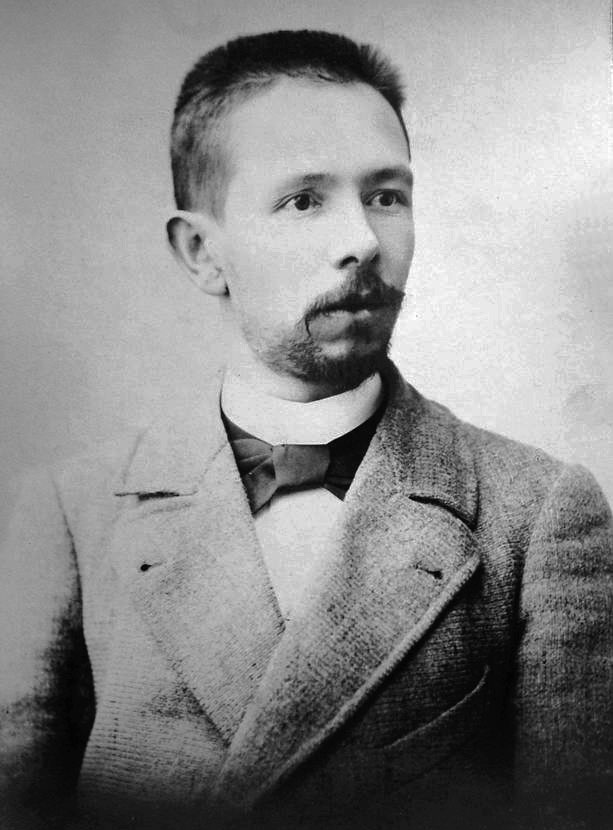
Vasilij Sergeevič Kalinnikov (13 gennaio 1866 - 11 gennaio 1901): Sinfonia n. 1 in sol minore (1894–95). Orchestra sinfonica nazionale ucraina di Kiev, dir. Theodore Kuchar.
Considerata dai compatrioti di Kalinnikov «la più russa delle sinfonie» e «una dichiarazione d’amore per la Russia», questa composizione è l’affascinante capolavoro di un musicista geniale. Colpisce l’ascoltatore per la bellezza dei temi, alcuni davvero indimenticabili, e per la maestria dell’orchestrazione; la struttura formale è apparentemente semplice, nel solco della tradizione, ma un’analisi approfondita rivela che il giovane autore si è ingegnato a collocare qua e là arguti “strappi” alle regole, dando all’insieme un’impronta del tutto personale e originale.
Fra i momenti più interessanti e significativi segnalo il fugato del I movimento [7:58], dal quale si evince che Kalinnikov era fra l’altro un fine contrappuntista, e nel Finale le citazioni di temi tratti dai movimenti precedenti, culminanti in quella del primo tema dell’Andante, a conclusione della Sinfonia [36:19 e 37:47].
Bruno Coulais (13 gennaio 1954): Caresse sur l’océan, dalla colonna sonora del film Les Choristes (2004) di Christophe Barratier, rifacimento del film di Jean Dréville La Cage aux rossignols (1945).
Caresse sur l´océan
Porte l´oiseau si léger
Revenant des terres enneigées
Air éphémère de l´hiver
Au loin ton écho s´éloigne
Châteaux en Espagne
Vire au vent tournoie déploie tes ailes
Dans l´aube grise du levant
Trouve un chemin vers l´arc-en-ciel
Se découvrira le printemps
Caresse sur l´océan
Pose l´oiseau si léger
Sur la pierre d´une île immergée
Air éphémère de l´hiver
Enfin ton souffle s´éloigne
Loin dans les montagnes
Vire au vent tournoie déploie tes ailes
Dans l´aube grise du levant
Trouve un chemin vers l´arc-en-ciel
Se découvrira le printemps
Calme sur l´océan.

Claude Delvincourt (12 gennaio 1888 - 1954): Méditation op. 4 n. 1 (1913). James Garratt, organo.

 Jacques Duphly (12 gennaio 1715 - 1789): Médée (dal Troisième Livre de Pièces de Clavecin, 1756). Christophe Rousset, clavicembalo.
Pancrace Royer (c1705 - 11 gennaio 1755): L’Incertaine (dalle Pièces de clavecin, 1746). Fernando De Luca, clavicembalo.

Hai un account WordPress.com? Accedi ora.

