
York Bowen (22 febbraio 1884 - 1961): Sibfonia n. 3 in mi minore op. 137 (1951). BBC Scottish Symphony Orchestra , dir. Ian Whyte.
- Introduction – Allegro
- Lento [7:18]
- Allegro molto quasi presto [18:23]
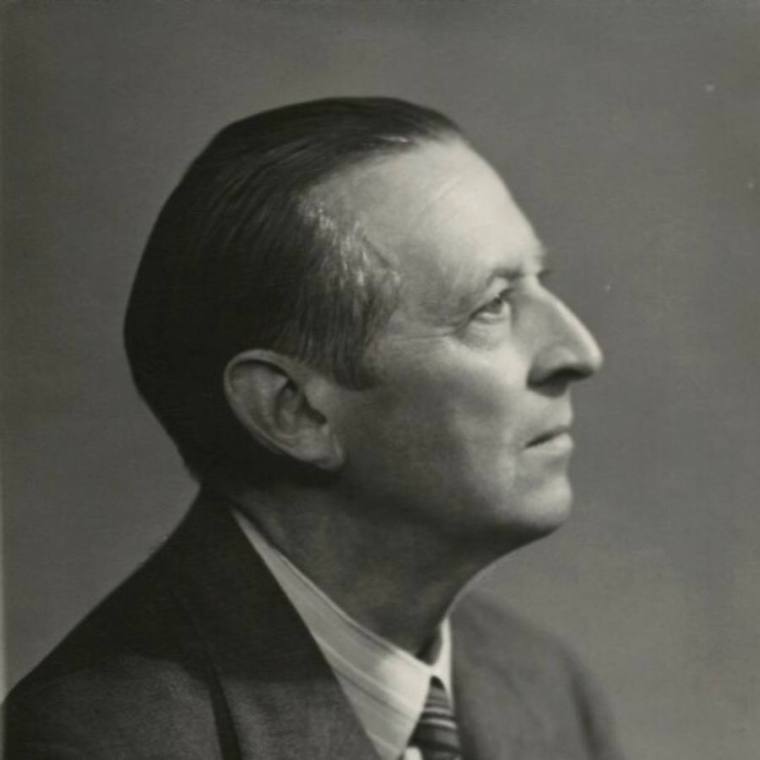
York Bowen (22 febbraio 1884 - 1961): Sibfonia n. 3 in mi minore op. 137 (1951). BBC Scottish Symphony Orchestra , dir. Ian Whyte.
 Ella Adaïewsky (ovvero Ėlla Georgievna Adaevskaja, pseudonimo di Sophia Christine Gertrud Elisabeth von Schultz; 22 febbraio 1846 - 1926): Berceuse estonienne, versione per flauto, chitarra e violino. Camerata Tallinn.
Paolo Schianchi esegue con il liuto due Gagliarde di Santino Garsi da Parma (ovvero Santino La Garsa, detto anche Valdes; 22 febbraio 1542 - 1604).

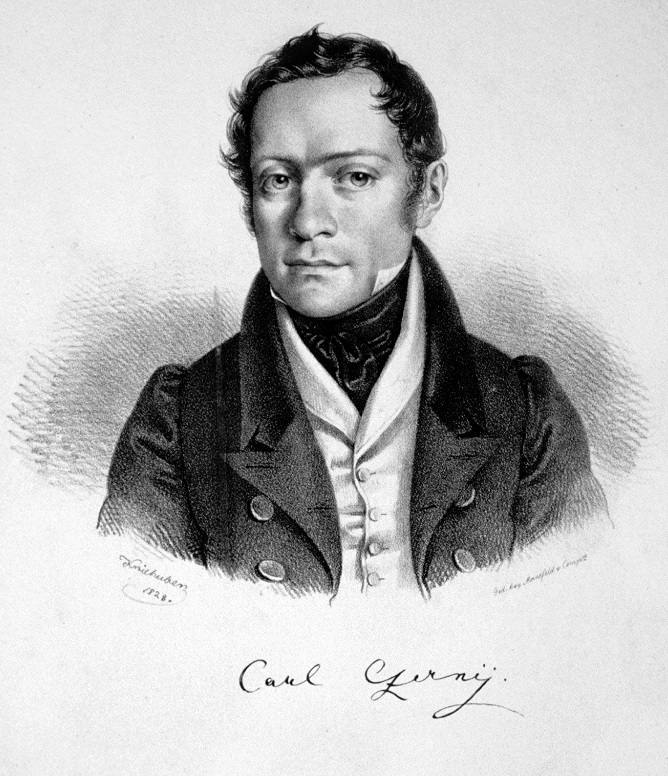
Carl Czerny (21 febbraio 1791 - 1857): L’hommage, notturno in mi maggiore per pianoforte (n. 1 dell’op. 604, 8 Nocturnes romantiques de différents caractères, 1843). Isabelle Oehmichen.
Benedikt Anton Aufschnaiter (21 febbraio 1665 - 1742): Dulcis Fidium Harmonia, 8 sonate per archi op. 4 (1703). Ars Antiqua Austria, dir. Gunar Letzbor.

Ernő Dohnányi (1877 - 1960): Walzer per pianoforte (1925) da Coppélia (1870) di Léo Delibes (21 febbraio 1836 - 1891). Superlativa interpretazione del grande pianista magiaro Géza Anda (1921 - 1976), registrata nel 1954.
Nella composizione di Dohnányi sono in realtà rielaborate due diverse valses tratte dal balletto di Delibes: la prima, celeberrima, si trova nel I atto ed è nota come «Valse de Swanilda» (titolo che non compare sulla partitura):
Nella sezione centrale Dohnányi utilizza il tema della «Valse de la poupée», dal II atto:
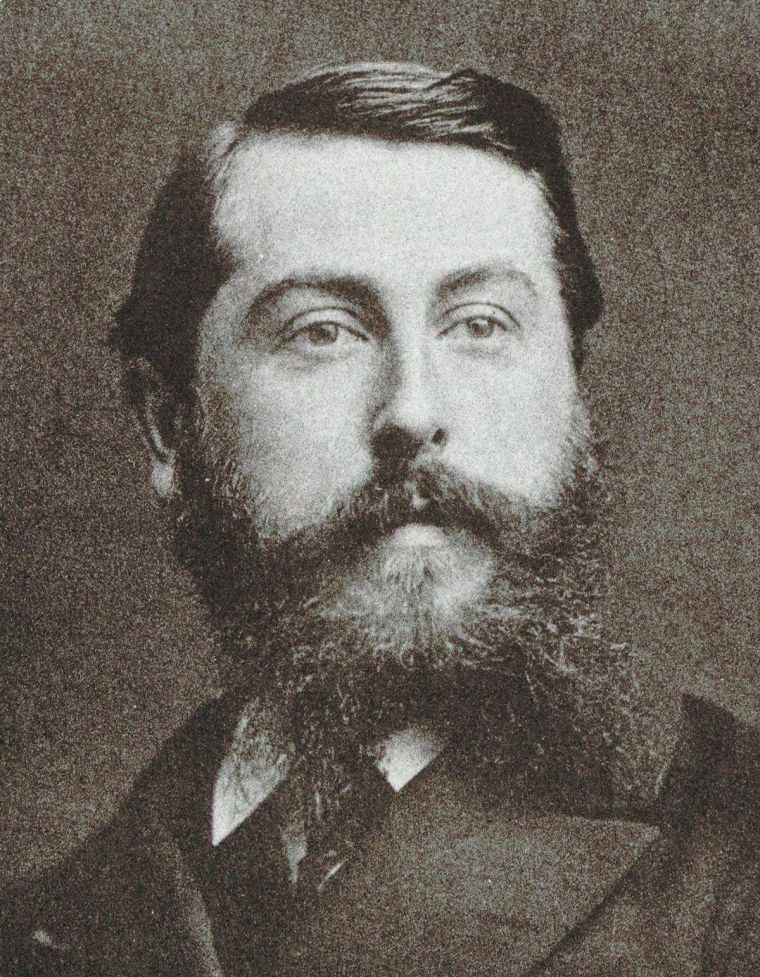 Léo Delibes
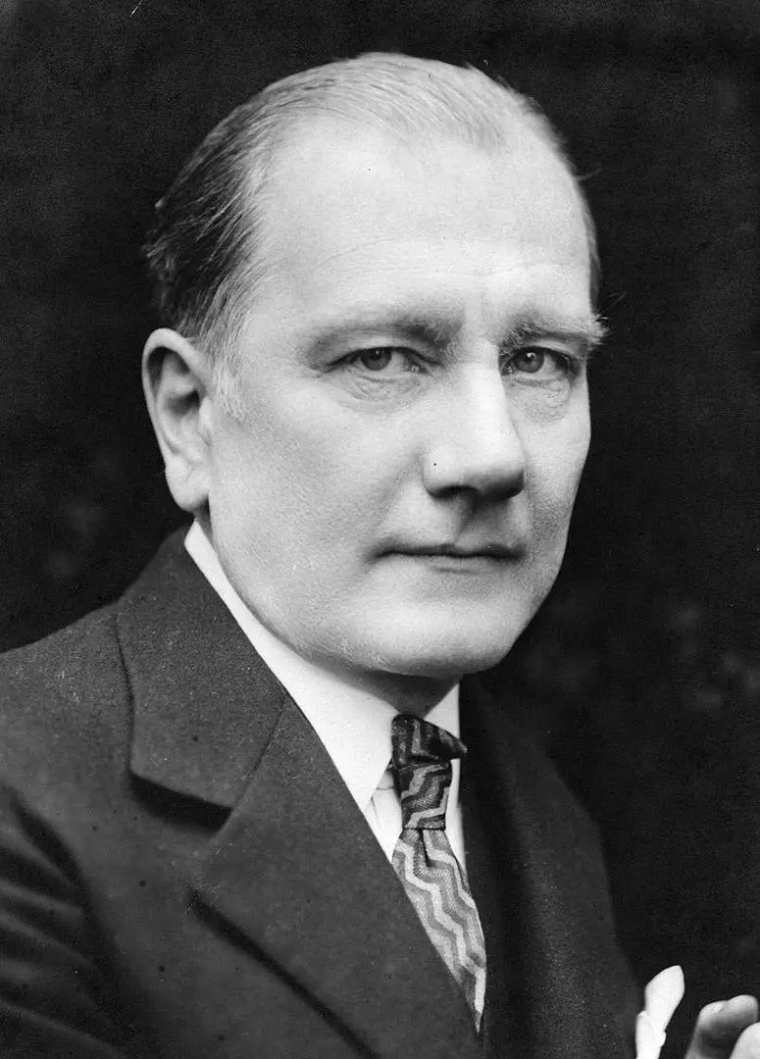 Ernő Dohnányi
Charles-Marie Widor (21 febbraio 1844 - 1937): Toccata dalla Quinta Sinfonia per organo op. 42 n. 1 (1879). Daniel Chorzempa all’organo Cavaillé-Coll della Basilica di Saint-Sernin a Tolosa.
Il brano più famoso di Widor non è esattamente il tipo di composizione organistica che prediligo, ma devo riconoscere che l’interpretazione di Daniel Chorzempa è assolutamente straordinaria, sia per la precisione dell’articolazione sia per la nettezza del suono. Chapeau.
Mario Zafred (21 febbraio 1922 - 1987): Sinfonietta per piccola orchestra (1953). Orchestra da camera della Radio di Bucarest, dir. Andrea Riderelli.
Jan Křtitel Václav Kalivoda (Johann Baptist Wenzel Kalliwoda; 21 febbraio 1801 - 1866): Divertissement per oboe e orchestra op. 58 (c1835). Hansjörg Schellenberger, solista e direttore; Orchestra della Svizzera Italiana.

John Dowland (1563 - 20 febbraio 1626): The King of Denmark’s Galliard (1605). Nigel North, liuto.

Jacob Gade (1879 - 20 febbraio 1963): Jalousie, tango tsigane (1925). Sønderjyllands Symfoniorkester, dir. Frans Rasmussen.
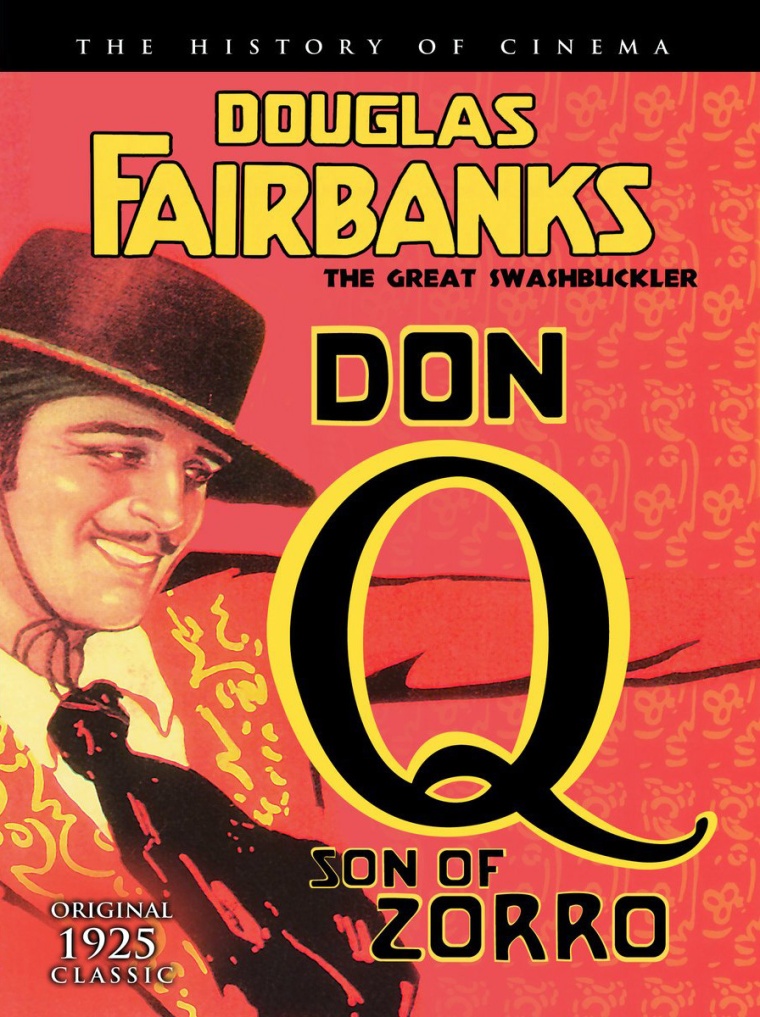
Il brano fu composto per accompagnare la proiezione di un film muto – Don X, figlio di Zorro (Don Q Son of Zorro) di Donald Crisp, protagonisti Douglas Fairbanks e Mary Astor – e in breve tempo ottenne un successo internazionale.
Vojtech Matyáš Jírovec, ovvero Adalbert Mathias Gyrowetz (20 febbraio 1763 - 1850): Sinfonia concertante in sol maggiore per violino, violoncello, flauto, oboe, fagotto e orchestra op. 34 (1798). Bruno Bělčík, violino; František Host, violoncello; František Čech, flauto; Jiří Mihule, oboe; Jiří Formáček, fagotto; Dvořákův komorní orchestr, dir. Vladimír Válek.

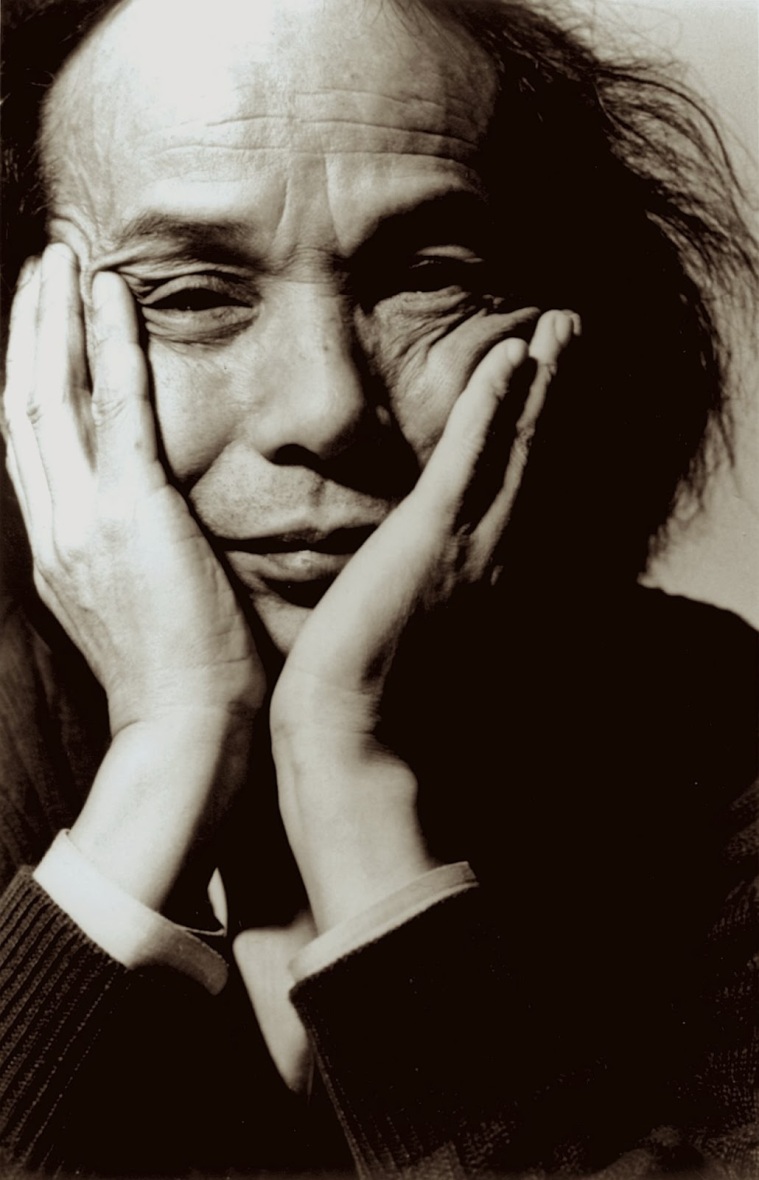
Tōru Takemitsu (1930 - 20 febbraio 1996): A Flock Descends into the Pentagonal Garden per orchestra (1977). Boston Symphony Orchestra, dir. Seiji Ozawa.
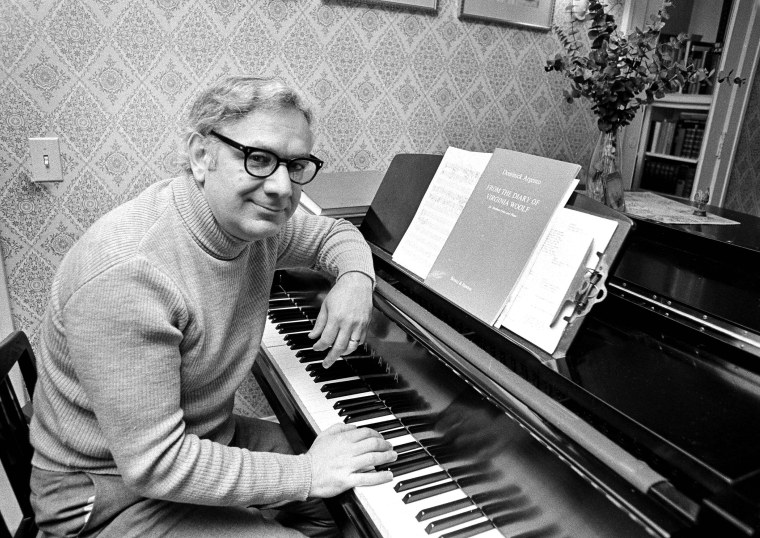
Dominick Argento (1927 - 20 febbraio 2019): From the Diary of Virginia Woolf, ciclo di composizioni per canto e pianoforte (1974). Janet Baker, mezzosoprano, e Martin Isepp, pianoforte (primi interpreti).
I testi sono tratti da A Writer’s Diary: Being Extracts from the Diary of Virginia Woolf, pubblicato nel 1954; il ciclo valse a Dominick Argento il Premio Pulitzer per la musica nel 1975. In merito a questo lavoro del compositore statunitense sono disponibili in rete un’accurata analisi di Noelle Woods e una guida all’interpretazione curata da Jacquelyn Matava.
I. The Diary (April, 1919)
What sort of diary should I like mine to be? Something… so elastic that it will embrace anything, solemn, slight or beautiful that comes into my mind. I should like it to resemble some deep old desk… in which one flings a mass of odds and ends without looking them through. I should like to come back, after a year or two, and find that the collection had sorted itself and refined itself and coalesced, as such deposits so mysteriously do, into a mould, transparent enough to reflect the light of our life…
II. Anxiety (October, 1920) [3:56]
Why is life so tragic; so like a little strip of pavement over an abyss. I look down; I feel giddy; I wonder how I am ever to walk to the end. But why do I feel this: Now that I say it I don’t feel it. The fire burns; we are going to hear the Beggar’s Opera. Only it lies all about me; I can’t keep my eyes shut… And with it all how happy I am—if it weren’t for my feeling that it’s a strip of pavement over an abyss.
III. Fancy (February, 1927) [5:53]
Why not invent a new kind of play; as for instance:
Woman thinks…
He does.
Organ plays.
She writes.
They say:
She sings.
Night speaks
They miss
IV. Hardy’s Funeral (January, 1928) [8:34]
Yesterday we went to Hardy’s funeral. What did I think of? Of Max Beerbohm’s letter… or a lecture… about women’s writing. At intervals some emotion broke in. But I doubt the capacity of the human animal for being dignified in ceremony. One catches a bishop’s frown and twitch; sees his polished shiny nose; suspects the rapt spectacled young priest, gazing at the cross he carries, of being a humbug; …next here is the coffin, an overgrown one; like a stage coffin, covered with a white satin cloth; bearers elderly gentlemen rather red and stiff, holding to the corners; pigeons flying outside, …procession to poets corner; dramatic “In sure and certain hope of immortality” perhaps melodramatic… Over all this broods for me some uneasy sense of change and mortality and how partings are deaths; and then a sense of my own fame… and a sense of the futility of it all.
V. Rome (May, 1935) [15:03]
Rome: tea. Tea in café. Ladies in bright coats and white hats. Music. Look out and see people like movies… Ices. Old man who haunts the Greco… Fierce large jowled old ladies…talking about Monaco (; about) Talleyrand. Some very poor black wispy women. The effect of dowdiness produced by wispy hair. (Rome. Sunday café… Very cold…) The Prime Minister’s letter offering to recommend me for the Companion of Honour. No.
VI. War (June, 1940) [18:19]
This, I thought yesterday, may be my last walk… the war — our waiting while the knives sharpen for the operation — has taken away the outer wall of security. No echo comes back. I have no surroundings… Those familiar circumvolutions — those standards — which have for so many years given back an echo and so thickened my identity are all wide and wild as the desert now. I mean, there is no “autumn”, no winter. We pour to the edge of a precipice… and then? I can’t conceive that there will be a 27th June 1941.
VII. Parents (December, 1940) [24:13]
How beautiful they were, those old people — I mean father and mother — how simple, how clear, how untroubled. I have been dipping into old letters and father’s memoirs. He loved her: oh and was so candid and reasonable and transparent… How serene and gay even, their life reads to me: no mud; no whirlpools. And so human — with the children and the little hum and song of the nursery. But if I read as a contemporary I shall lose my child’s vision and so must stop. Nothing turbulent; nothing involved; no introspection.
VIII. Last Entry (March, 1941) [28:57]
No: I intend no introspection. I mark Henry James’ sentence: observe perpetually. Observe the oncome of age. Observe greed. Observe my own despondency. By that means it becomes serviceable. Or so I hope. I insist on spending this time to the best advantage. I will go down with my colours flying… Occupation is essential. And now with some pleasure I find that it’s seven; and must cook dinner. Haddock and sausage meat. I think it is true that one gains a certain hold on sausage and haddock by writing them down.
[…to come back after a year or two, and find that the collection had sorted itself and refined itself and coalesced, as such deposits so mysteriously do, into a mould transparent enough to reflect the light of our life.]

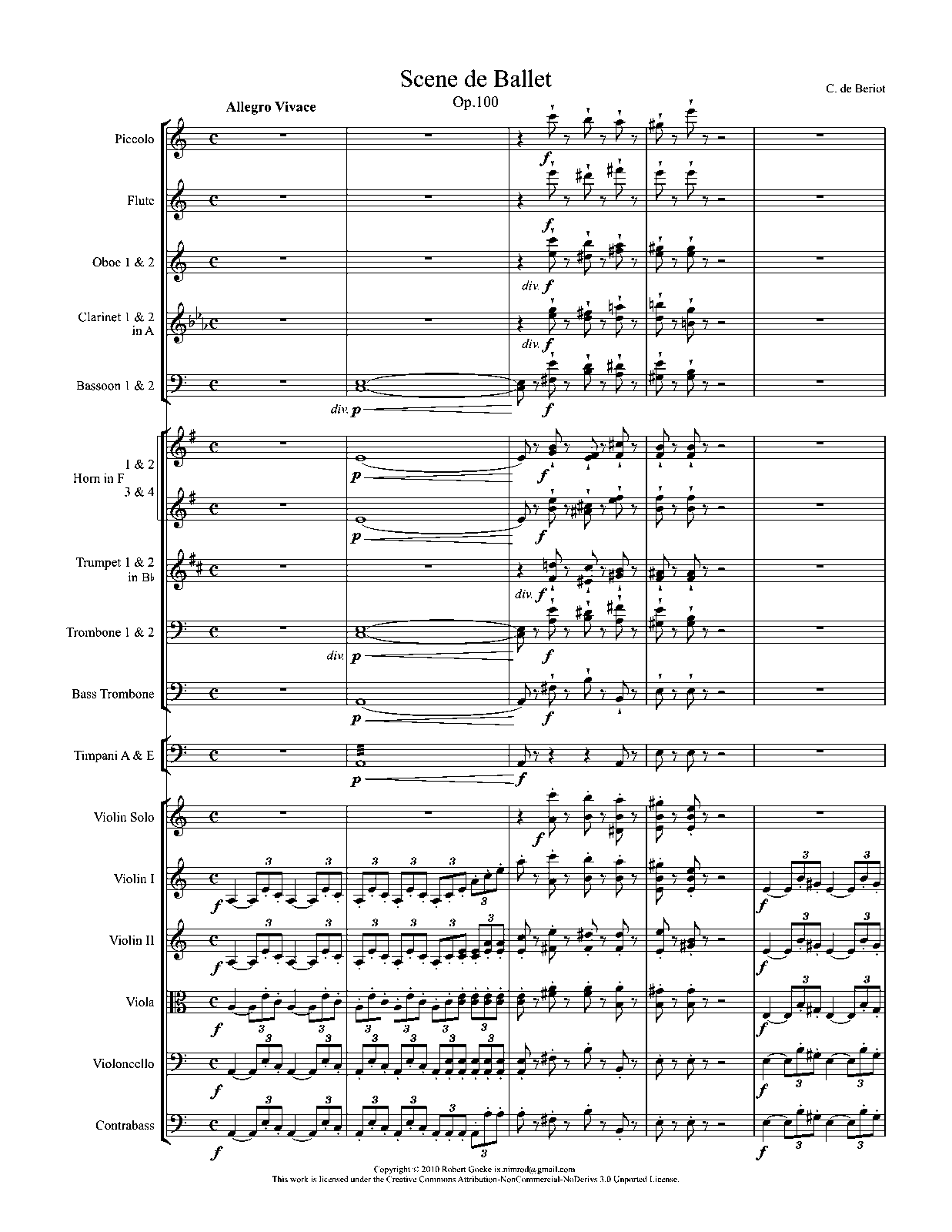
Charles-Auguste de Bériot (20 febbraio 1802 - 1870): Scène de ballet per violino e orchestra op. 100. Itzhak Perlman, violino; The Juilliard Orchestra, dir. Lawrence Foster.
 Franz Ignaz Beck (20 febbraio 1734 – 1809): Ouverture per l’opera L’isle déserte (1779). La Stagione Frankfurt, dir. Michael Schneider.
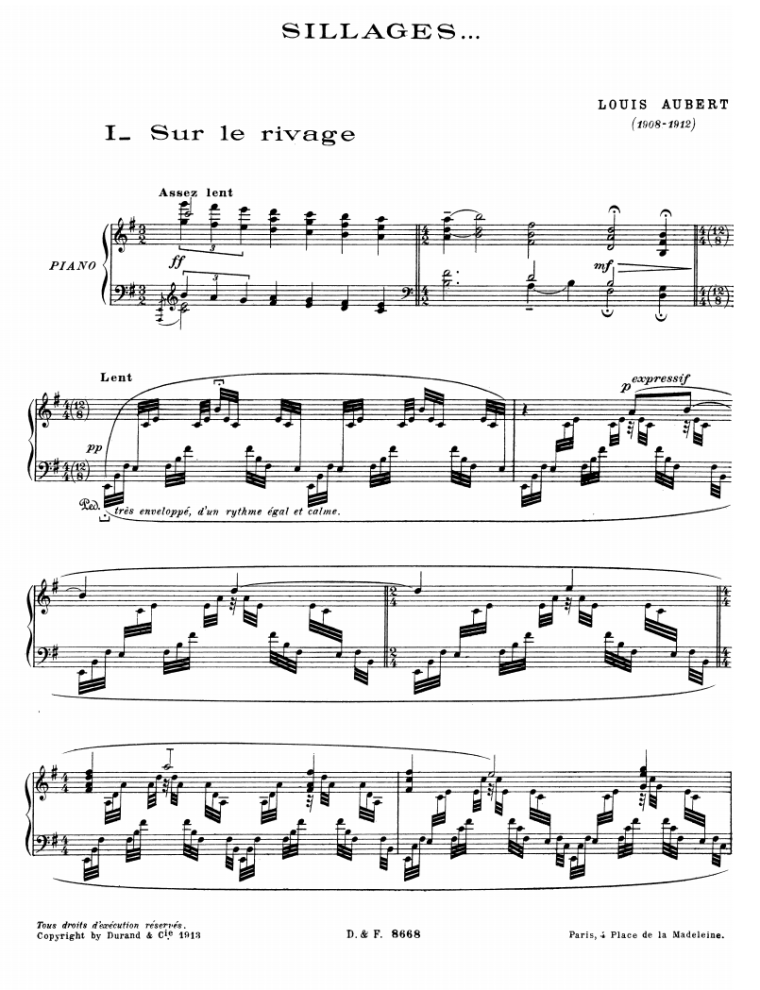
Louis Aubert (19 febbraio 1877 - 1968): Sillages per pianoforte (1908-12). Marie-Catherine Girod.
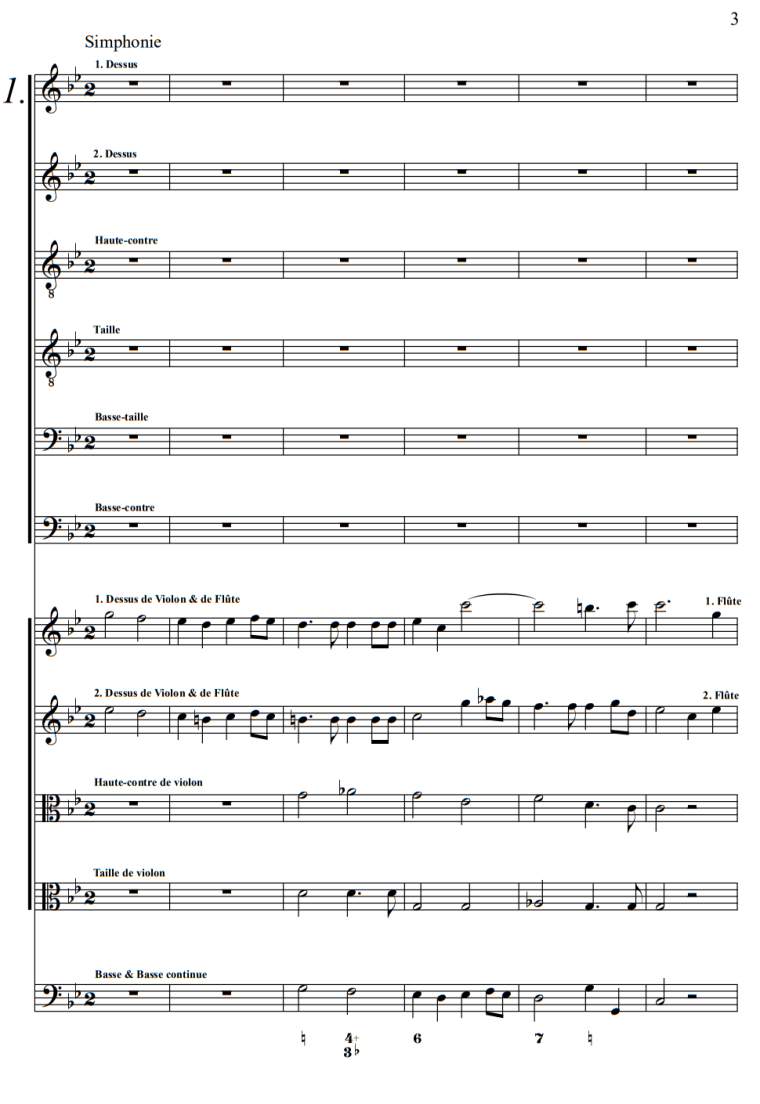
Charles-Hubert Gervais (19 febbraio 1671 - 1744): Super flumina Babylonis, grand motet (Salmo 136) per soli, coro e orchestra. Marie Perbost e Déborah Cachet, soprani; Nicholas Scott, haute-contre; Paco Garcia, tenore; Benoît Arnould, baritono; Choeur du Concert Spirutuel e ensemble Les Ombres, dir. Margaux Blanchard e Sylvain Sartre.
Johann Melchior Pichler (19 febbraio 1695 - 1776): Concertino in sol maggiore per oboe e archi. Katharina Andres, oboe; Collegium 1704, dir. Václav Luks.
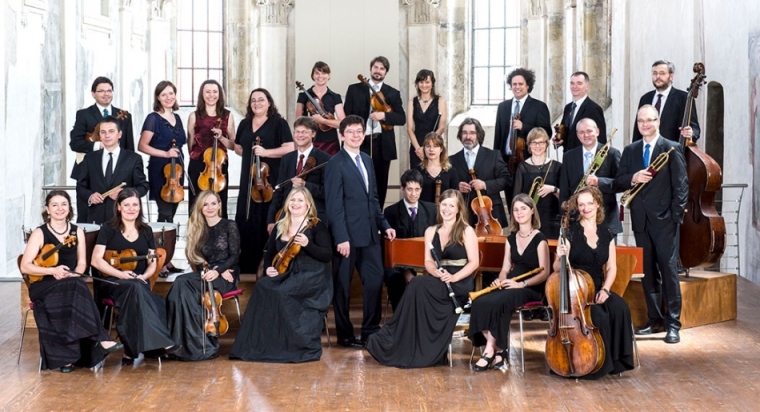
Luigi Boccherini (19 febbraio 1843 - 1805): Quintetto per archi in mi maggiore op. 11 n. 5, G 275 (1771). Lukas Stepp e Tobias Feldmann, violini; Philipp Bonhoeffer, viola; Jakob Stepp e Kristapps Bergs, violoncelli.

 Grace Williams (19 febbraio 1906 - 1977): Concerto per violino e orchestra (1950). Matthew Trusler, violino; BBC National Orchestra of Wales, dir. Jason Lai.
Felipe Pedrell i Sabaté (19 febbraio 1841 - 1922): Primer Nocturno per pianoforte op. 53 (1872). Ana Benavides,

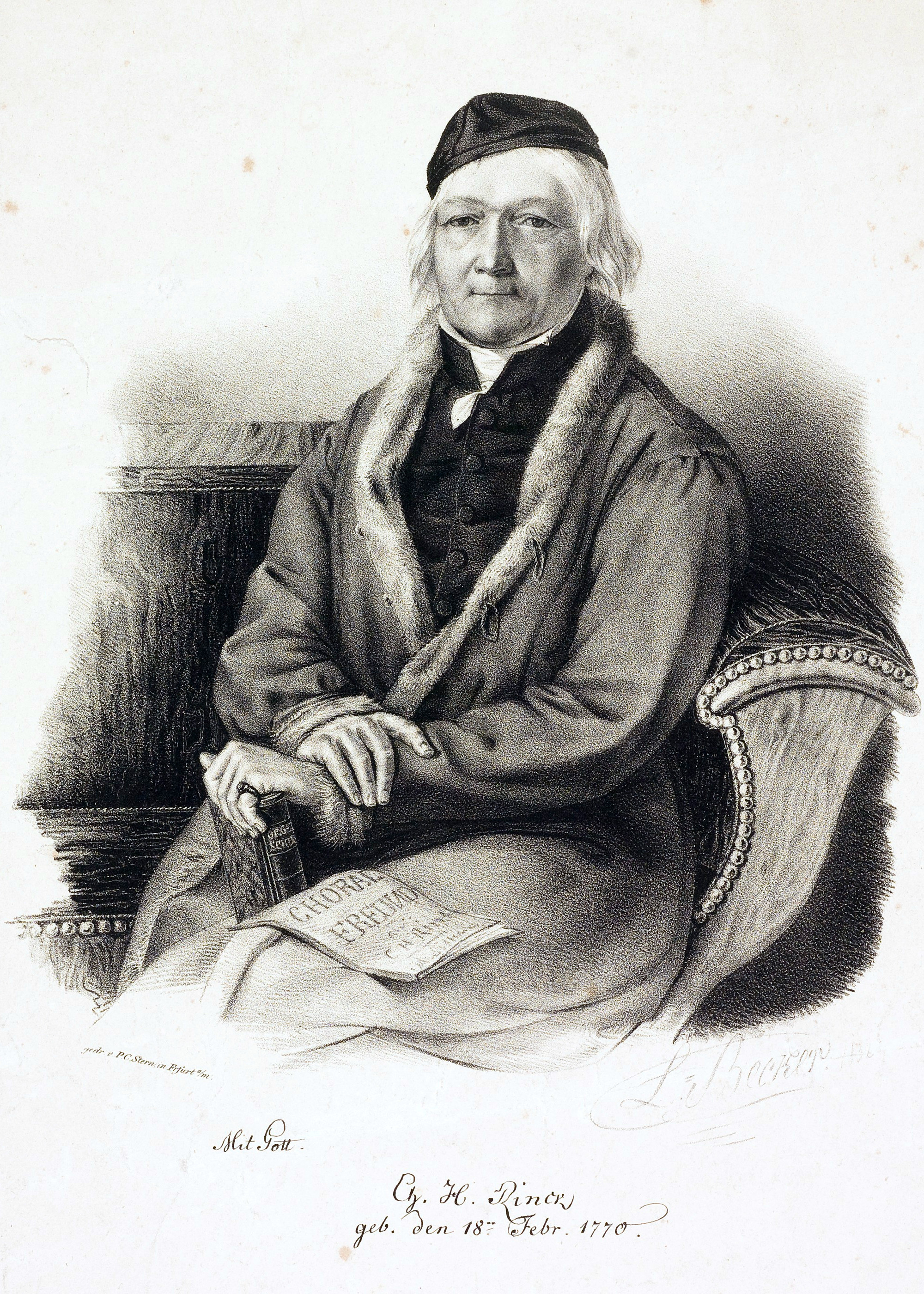
Christian Heinrich Rinck (18 febbraio 1770 - 1846): 9 Variationen und Finale per organo op. 90. Gabriel Isenberg all’organo della Chiesa di St Agnes in Rüschendorf (Damme, Bassa Sassonia).
Il tema variato è desunto dalla canzone infantile francese Ah, vous dirai-je, Maman (ovvero Quand trois poules vont au champ); gli anglofoni sulla stessa melodia cantano Twinkle, twinkle, little star e Baa, Baa, Black Sheep; nei Paesi di lingua tedesca ha identica melodia il canto natalizio Morgen kommt der Weihnachtsmann. Variazioni sul medesimo tema si devono, fra gli altri, a Wolfgang Amadeus Mozart, Johann Christoph Friedrich Bach, Theodor von Schacht, Ernő Dohnányi, Erwin Schulhoff.
Giuseppe Matteo Alberti (1685 - 18 febbraio 1751): Concerto in sol minore per violino, archi e basso continuo Talbot XVII. Ensemble Guidantus, dir. e violino solista Marco Pedrona.

Johann Christian Kittel (18 febbraio 1732 - 1809): Preludio in la minore per organo. Jacques van Oortmerssen.

 Sembiin Gončigsumlaa (18 febbraio 1915 - 25 febbraio 1991): Sinfonia n. 1 in la minore op. 21 (1964). Orchestra sinfonica della Radio di Mosca, dir. Vladimir Esipov.
Rolande Falcinelli (18 febbraio 1920 - 2006): Épure e Méandres per organo (1983). Luca Massaglia.
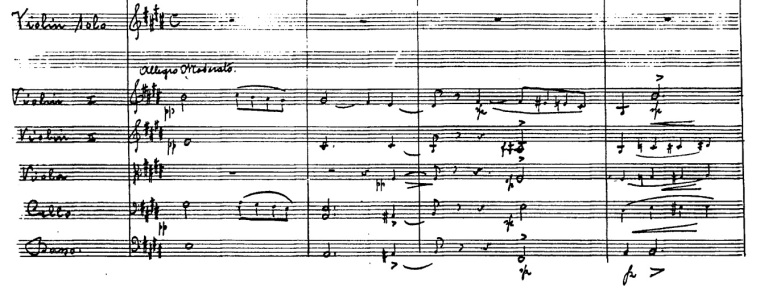
Gaspard Fritz (18 febbraio 1716 - 1783): Sinfonia in sol maggiore op. 6 n. 3 (c1770). Orchestre baroque de la Haute école de musique de Genève, dir. Florence Malgoire.

Louis Marchand (1669 - 17 febbraio 1732): Allemande e Chaconne [3:38]. Lorenzo Ghielmi, clavicembalo.

Henri Vieuxtemps (17 febbraio 1820 - 1881): Concerto per violino e orchestra n. 1 in mi maggiore op. 10 (1840). Misha Keylin, violino; Janáčkova filharmonie Ostrava, dir. Dennis Burkh.

 la regina gioiosa