DRAMATIS PERSONAE:
VENUS
ADONIS
CUPID
FIRST SHEPHERD
SECOND SHEPHERD
SHEPHERDESS
HUNTSMAN
SHEPHERDS, SHEPHERDESSES, HUNTSMEN AND GRACES
LITTLE CUPIDS
OVERTURE: Maestoso – Allegro – Tempo I
THE PROLOGUE [3:40]
The curtain is drawn where is discovered Cupid with a bow in one hand and an arrow in the other and arrows by his side and around him Shepherds and Shepherdesses.
CUPID’S ENTRY (Vivace)
[Cupid bows and sings:]
Behold my arrows and my bow
And I desire my art to show:
No one bosom shall be found
Ere I have done, without a wound,
But it would be the greatest art
To shoot myself into your heart;
Thither with both my wings I move,
Pray entertain the God of Love.
SHEPHERDESS
Come, Shepherds all, let’s sing and play,
Be willing, lovesome, fond and gay.
SHEPHERD
She who those soft hours misuses
And a begging Swain refuses
When she would the time recover
May she have a feeble lover.
SHEPHERDESS
The best of the Celestial Pow’rs
Is come to give us happy hours.
2nd SHEPHERD
Oh, let him not from hence remove
SHEPHERDESS
Till ev’ry bosom’s full of love.
CUPID
Courtiers, there is no faith in you,
You change as often as you can:
Your women they continue true
But till they see another man.
SHEPHERD
Cupid hast thou many found
Long in the same fetters bound?
CUPID
At court I find constant and true
Only an aged lord or two.
SHEPHERD
Who do their Empire longest hold
CUPID
The foolish ugly and the old …
In these sweet groves love is not taught
Beauty and pleasure is not bought;
To warm desires the women nature moves
And ev’ry youthful swain by nature loves …
CHORUS
In these sweet groves [etc.]
[While this Chorus is singing a Shepherd and Shepherdess dance to it.]
CUPID
Lovers to the close shades retire,
Do what your kindest thoughts inspire.
[Exeunt omnes. The Curtain closes.]
FIRST ACT [12:00]
THE ACT TUNE (Lento)
The Curtain opens and discovers Venus and Adonis sitting together upon a Couch, embracing one another.
ADONIS
Venus!
VENUS
Adonis!
ADONIS
Venus, when shall I taste soft delights
And on thy bosom lie?
Let’s seek the shadiest covert of this grove
And never, never disappoint expecting love.
VENUS
Adonis, thy delightful youth
Is full of beauty and of truth.
With thee the Queen of Love employs
The hours design’d for softer joys.
ADONIS
My Venus still has something new
Which forces lovers to be true.
VENUS
Me my lovely youth shall find
Always tender, ever kind.
HUNTER’S MUSIC
[They rise from the Couch when they hear the Music.]
VENUS
Hark, hark, the rural music sounds,
Hark, hark the hunters, hark, hark the hounds!
They summon to the chase, haste haste away.
ADONIS
Adonis will not hunt today.
I have already caught the noblest prey.
VENUS
No, my shepherd, haste away,
Absence kindles new desire,
I would not have my lover tire …
My shepherd, will you know the art
By which I keep a conquer’d heart?
I seldom vex a lover’s ears
With business or with jealous fears.
I give him freely all delights
With pleasant days and easy nights.
ADONIS
Yet there is a sort of men
Who delight in heavy chains
Upon whom ill-usage gains
And they never love till then.
VENUS
Those are fools of mighty leisure
Wise men love the easiest pleasure.
I give you freely all delights
With pleasant days and easy nights.
ADONIS
Adonis will not hunt today.
VENUS
No, my shepherd, haste away.
[Enter Huntsmen to Adonis, and sing this Chorus.]
HUNTSMEN
Come follow, follow, follow,
Come follow to the noblest game.
Here the spritely youth may purchase fame.
HUNTSMAN
A mighty boar our spear and darts defies,
He foams and rages, see, see, he wounds
The stoutest of our Cretan hounds,
He roars like thunder and he lightens from his eyes.
ADONIS
You who the slothful joys of city hate
And, early up, for rougher pleasures wait,
Next the delight which heav’nly beauty yields
Nothing, oh nothing is so sweet
As for our huntsmen, that do meet
With able coursers and good hounds to range the fields.
HUNTSMEN
Lachne has fastened first but she is old;
Bring hither Ladon, he is strong and bold,
Heigh Lachne, heigh Melampus; oh, they bleed,
Your spears, your spears, Adonis thou shalt lead.
[Exeunt singing. Entry: A dance by a Huntsman. The Curtain closes.]
SECOND ACT [24:46]
THE ACT TUNE (Allegretto)
The Curtain opens and Venus and Cupid are seen standing with Little Cupids round about them.
CUPID
You place with such delightful care
The fetters which your lovers wear;
None can be weary to obey
When you their eager wishes bless,
[Cupid points to the little Cupids]
The crowding Joys each other press
And round you smiling Cupids play.
VENUS
Flattering boy, hast thou been reading
Thy lessons and refined arts
By which thou may’st set ableeding
A-thousand, thousand tender hearts?
CUPID
Yes, but mother, teach me to destroy
All such as scorn your wanton boy.
VENUS
Fit well your arrows when you strike
And choose for all what each may like.
But make some love, they know not why,
And for the ugly and ill-humour’d die;
Such as scorn Love’s fire,
Force them to admire.
THE CUPID>’S LESSON
[The little Cupids repeat their lesson after Cupid.]
CUPID
The insolent, the arrogant,
The M-E-R-: Mer; C-E: Ce; N-A: Na; R-Y: Ry;
The mercenary, the vain and silly.
The jealous and uneasy, all such as tease ye …
Choose for the formal fool
Who scorns Love’s mighty school,
One that delights in secret glances
And a great reader of romances.
For him that’s faithless, wild and gay,
Who with Love’s pain does only play,
Take some affected, wanton she,
As faithless and as wild as he.
VENUS
But, Cupid, how shall I make Adonis constant still?
CUPID
Use him very ill …
[Venus laughs]
To play, my Loves, to play;
Venus makes it holiday.
A DANCE OF CUPIDS (Allegro leggiero)
After the dance the little Cupids piay together at hide and seek and hot cockles till Cupid frightens them off the stage with a Vizard Mask, and then they come on again, peeping, when Cupid calls the Graces.
VENUS
Call, call the Graces.
CUPID
Come, all ye Graces! ‘Tis your duty
To keep the Magazine of Beauty.
[Enter the Graces.]
GRACES
Mortals below, Cupids above,
Sing the praises of the Queen of Love.
The world for that bright Beauty dies;
Sing the triumphs of her conqu’ring eyes.
Hark, ev’n Nature sighs. This joyful night
She will beget desire and yield delight.
THE GRACES’ DANCE (L’istesso tempo)
GAVATT (Allegro)
SARABAND FOR THE GRACES (Lento)
A GROUND (Maestoso)
While the Graces dance, the Cupids dress Venus, one combing her head, another ties a bracelet of pearls round her waist etc. After the dances the Curtain closes upon them.
THIRD ACT [41:00]
THE ACT TUNE (Sostenuto)
The Curtain opens and discovers Venus standing in a melancholy posture. A mourning Cupid goes across the stage and shakes an arrow at her.
VENUS
Adonis, uncall’d-for sighs
From my sad bosom rise,
And grief has the dominion of my eyes.
A mourning Love passed by me now that sung
Of tombs and urns and ev’ry mournful thing:
Return, Adonis, ‘tis for thee I grieve.
[Venus leans against the side of the stage and weeps. Adonis is led in wounded.]
ADONIS
I come, as fast as Death will give me leave.
Behold the wound made by th’ Aedalian boar;
Faithful Adonis now must be no more.
VENUS
Ah, blood and warm life his rosy cheeks forsake.
Alas, Death’s sleep thou art too young to take.
My groans shall reach the heav’ns; oh, pow’rs above
Take pity on the wretched Queen of Love!
ADONIS
Oh, I could well endure the pointed dart,
Did it not make the best of lovers part.
VENUS
Ye cruel gods, why should not I
Have the great privilege to die?
ADONIS
Love, mighty Love, does my kind bosom fire;
Shall I for want of vital heat expire?
No, no, warm life returns, and Death’s afraid
This heart (Love’s faithful kingdom) to invade.
VENUS
No, the grim Monster gains the day;
With thy warm blood life steals away.
ADONIS
I see fate calls; let me on your soft bosom lie.
There I did wish to live, and there I beg to die.
[Adonis dies.]
VENUS
Ah, Adonis my love, ah, Adonis …
With solemn pomp let mourning Cupids bear
My soft Adonis through the yielding air …
He shall adorn the heav’ns, here I will weep
Till I am fall’n into as cold a sleep.
OMNES
Mourn for thy servant, mighty God of Love,
Weep for your huntsman, oh forsaken grove.
Mourn, Echo, mourn, thou shalt no more repeat
His tender sighs and vows when he did meet
With the wretched Queen of Love
In this forsaken grove.
THE END.



 Matija Bravničar (24 febbraio 1897 - 1977): Concerto per violino e orchestra (1962). Dejan Bravničar, violino; Simfonični orkester RTV Slovenija, dir. Milan Horvat.


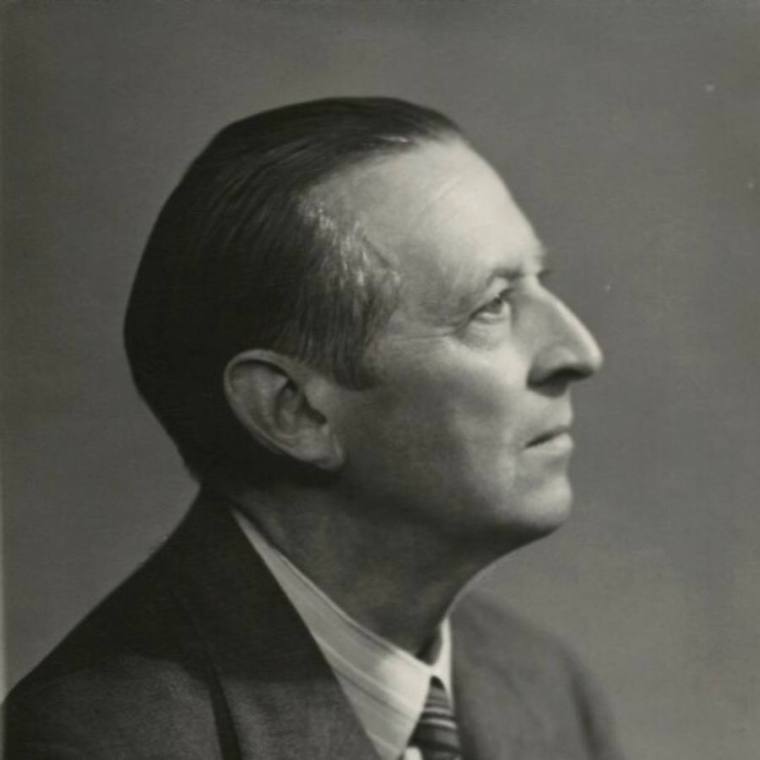

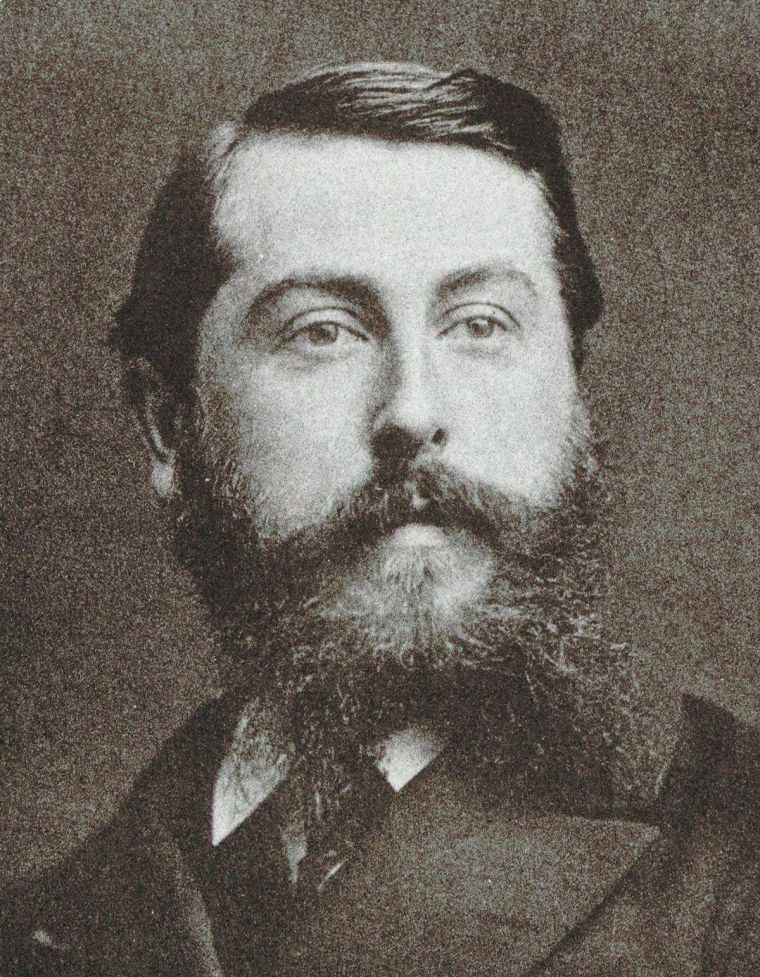 Léo Delibes
 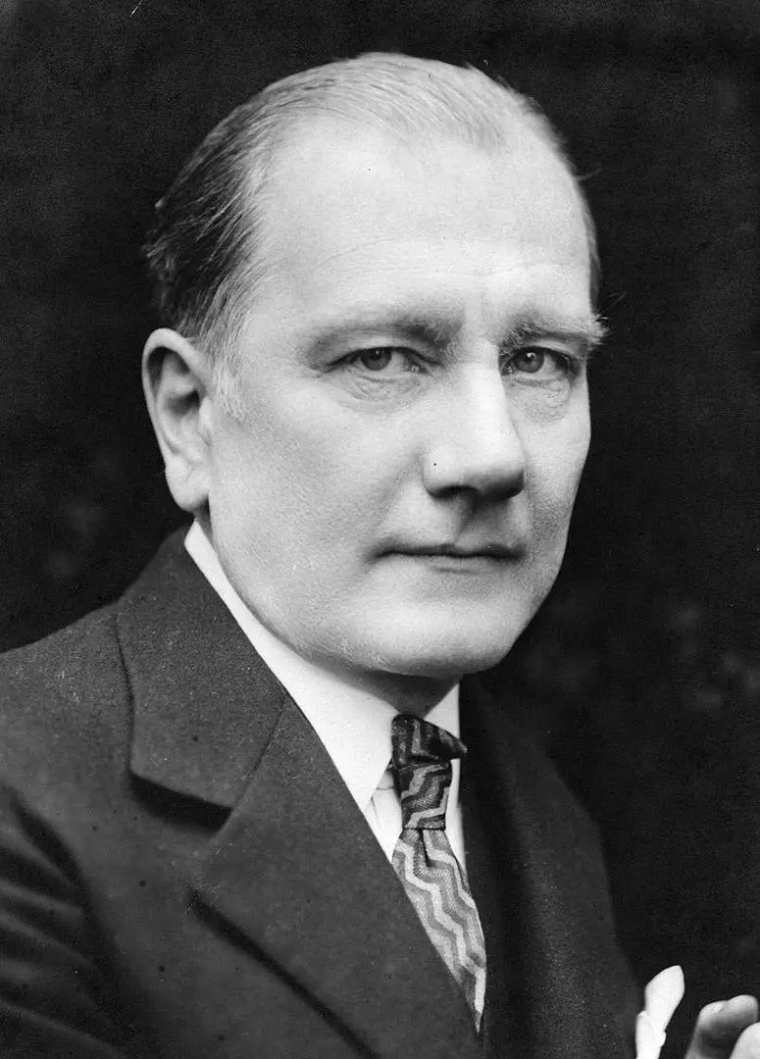 Ernő Dohnányi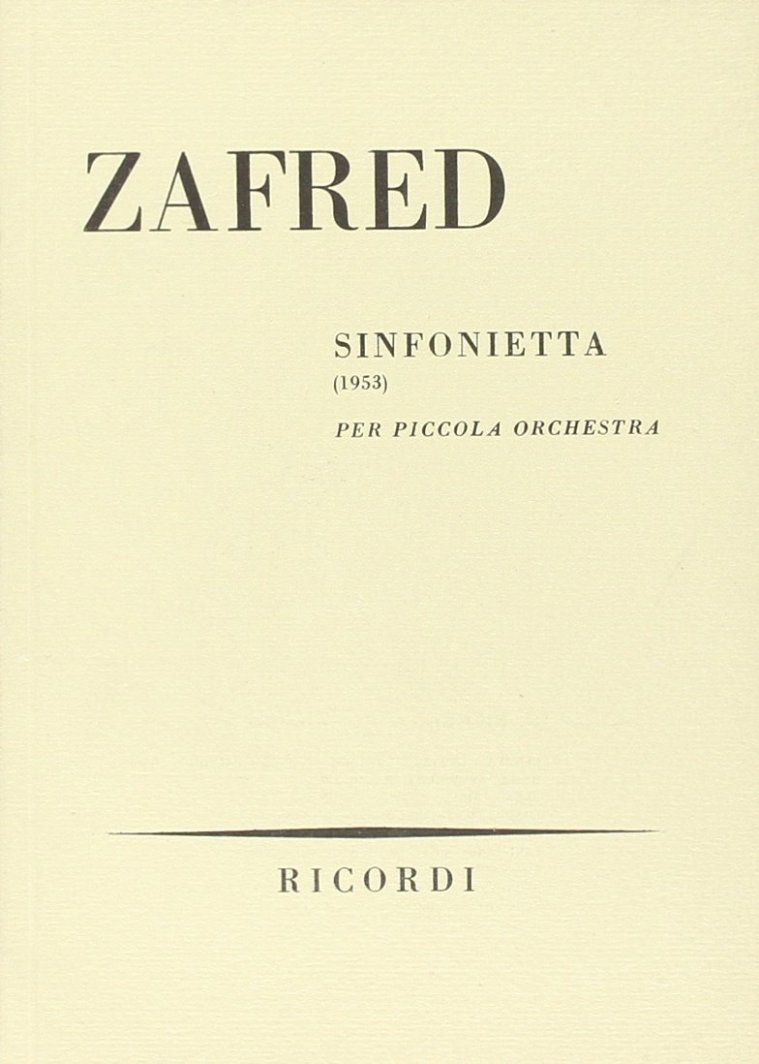

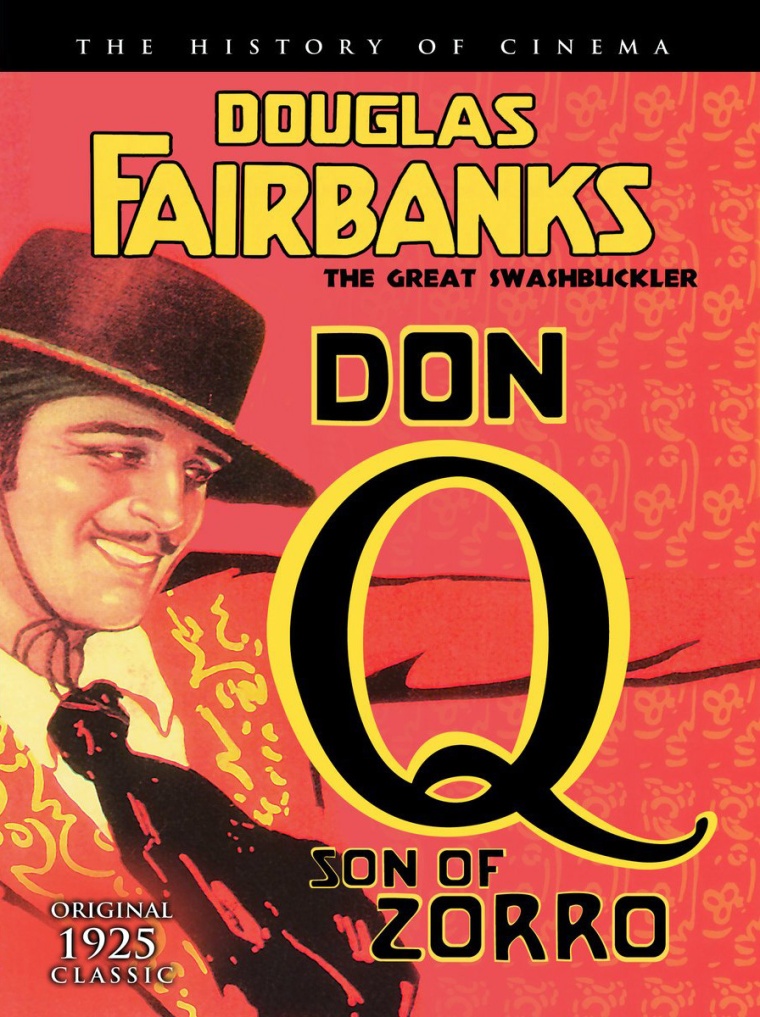

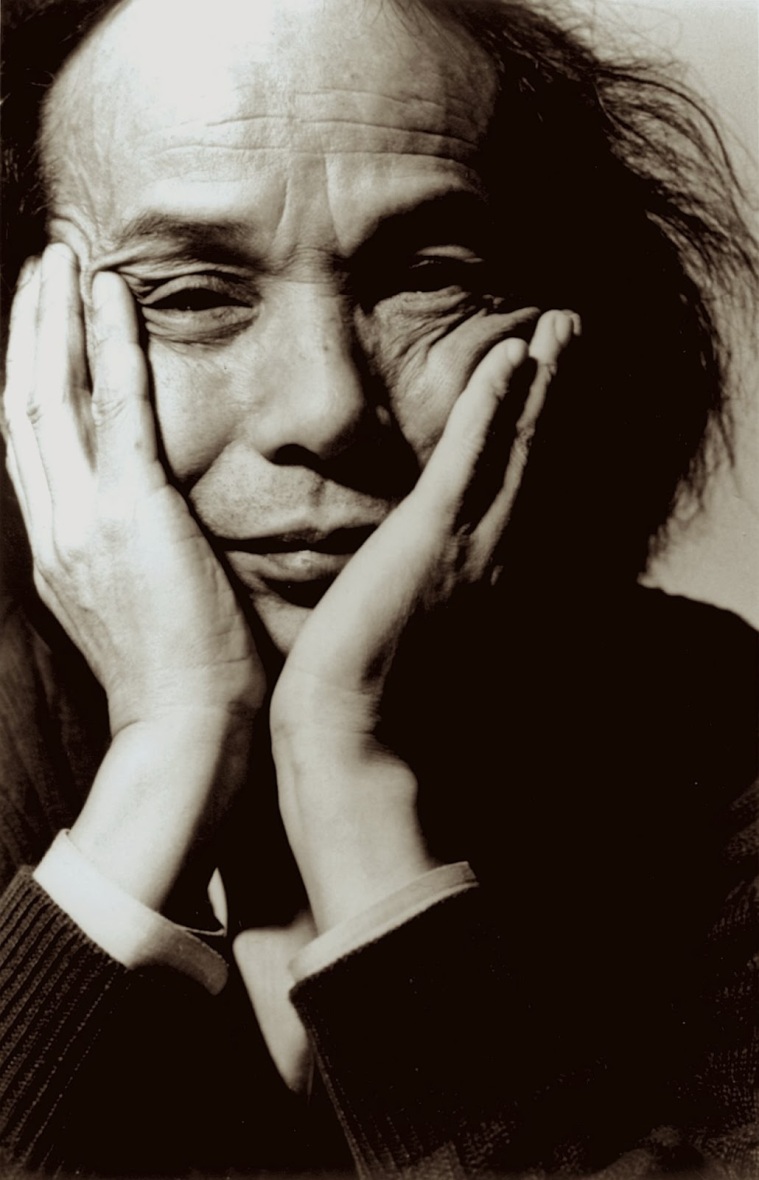
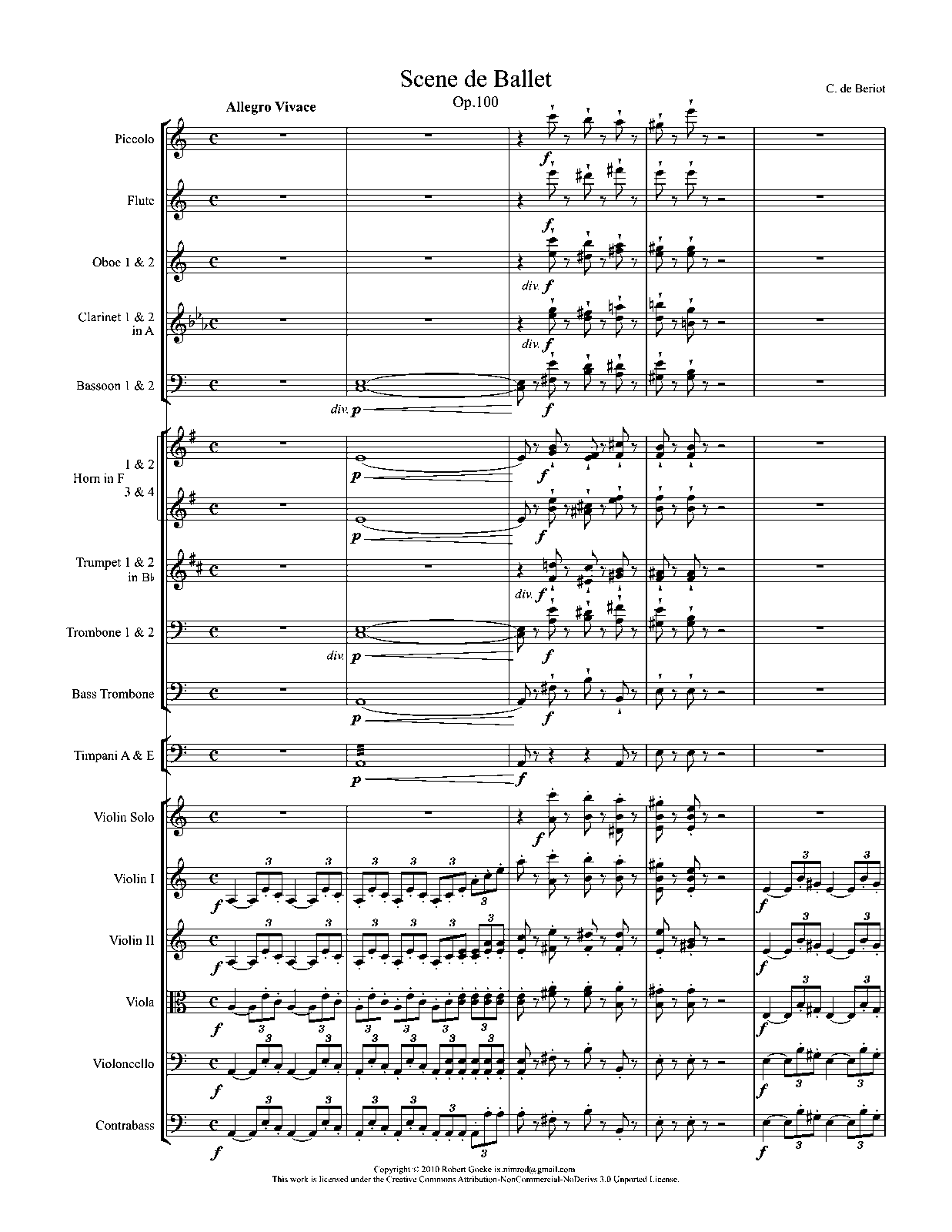
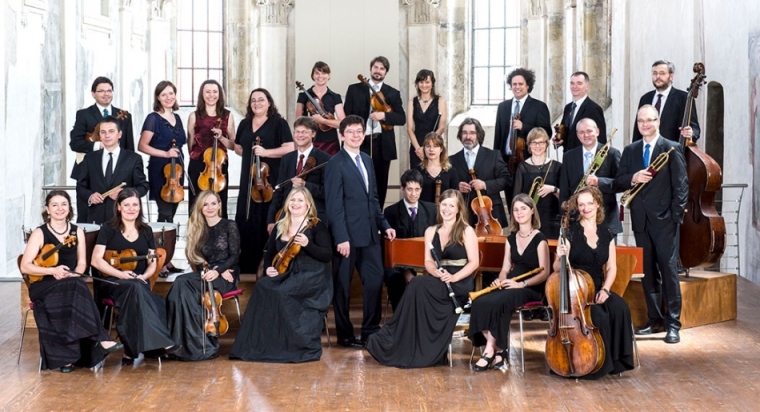
 Franz Ignaz Beck (20 febbraio 1734 – 1809): Ouverture per l’opera L’isle déserte (1779). La Stagione Frankfurt, dir. Michael Schneider.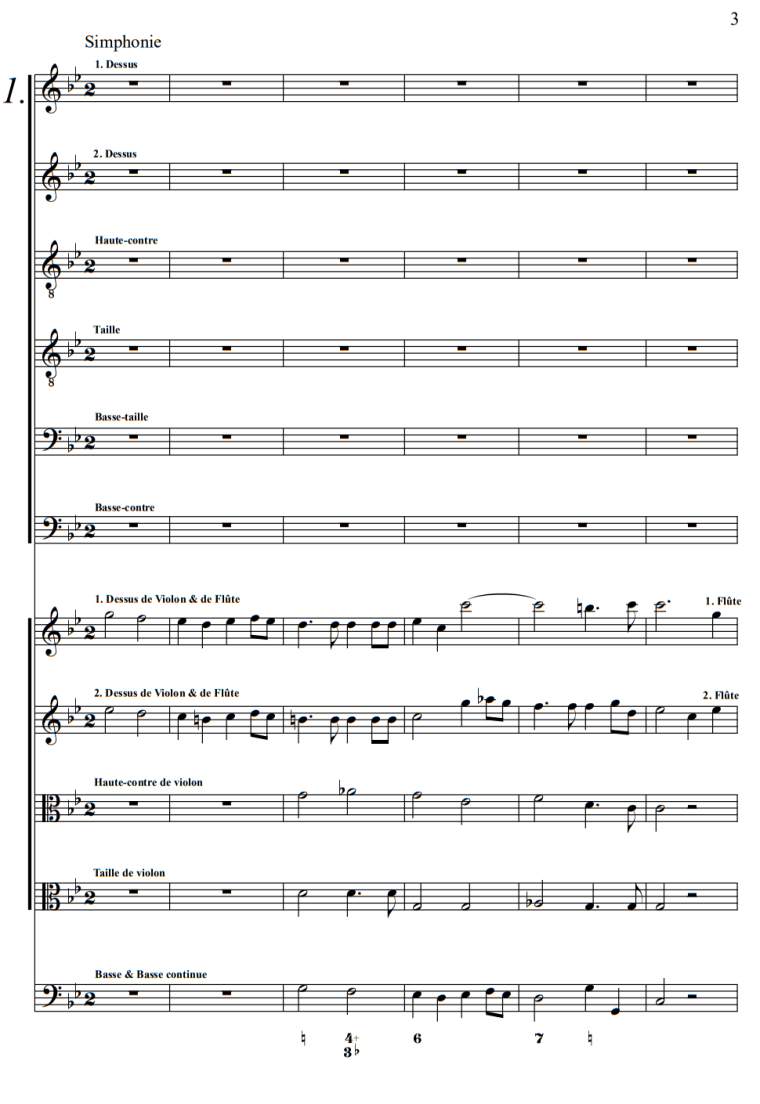
 Grace Williams (19 febbraio 1906 - 1977): Concerto per violino e orchestra (1950). Matthew Trusler, violino; BBC National Orchestra of Wales, dir. Jason Lai.
 Sembiin Gončigsumlaa (18 febbraio 1915 - 25 febbraio 1991): Sinfonia n. 1 in la minore op. 21 (1964). Orchestra sinfonica della Radio di Mosca, dir. Vladimir Esipov.
  la regina gioiosa