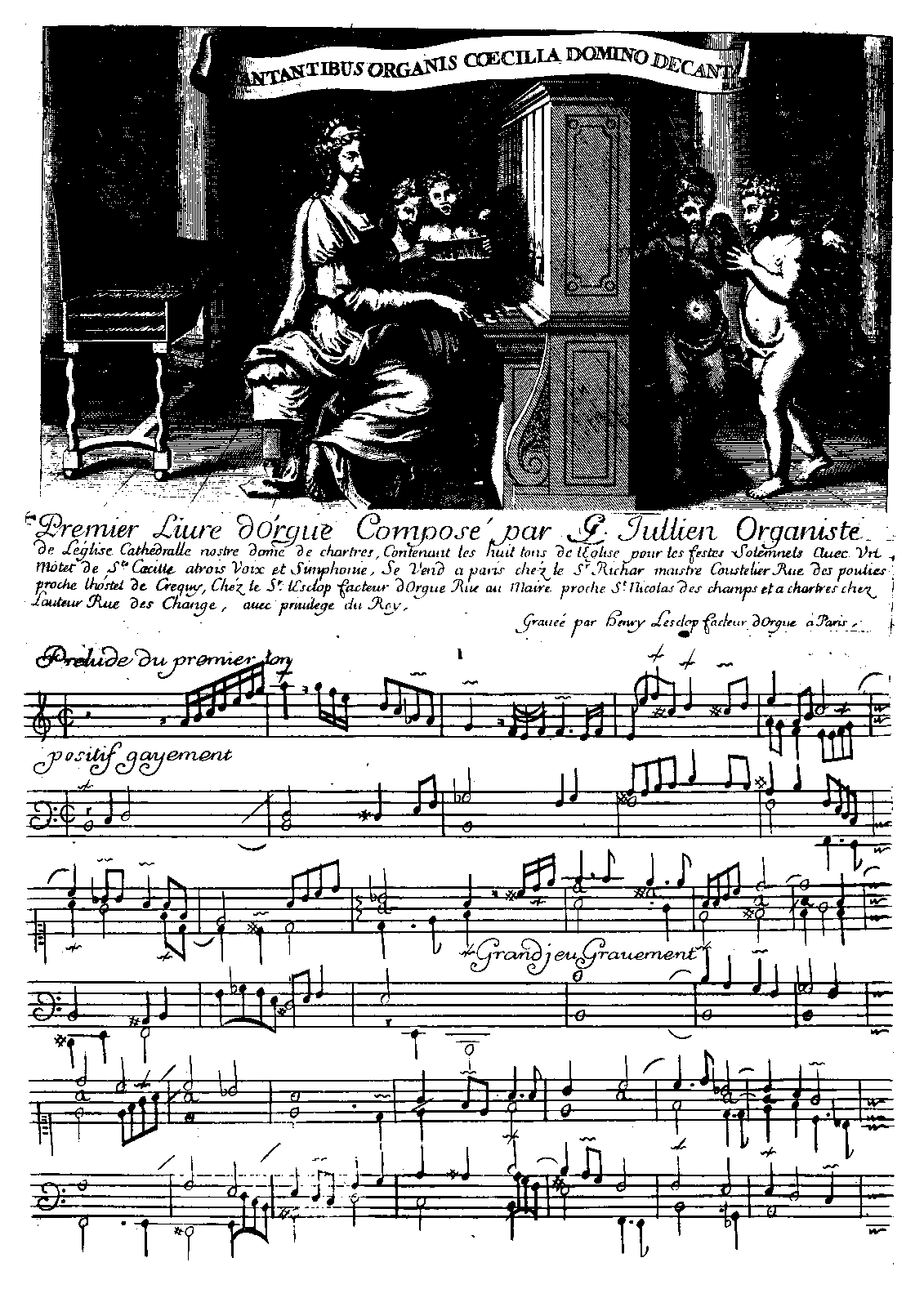
Selezione di brani tratti dal Premier Livre d’orgue (1690) di Gilles Jullien (1650 o 1653 - 14 settembre 1703), eseguiti da Michel Chapuis all’organo Silbermann della Chiesa abbaziale di Marmoutier (Bas-Rhin):
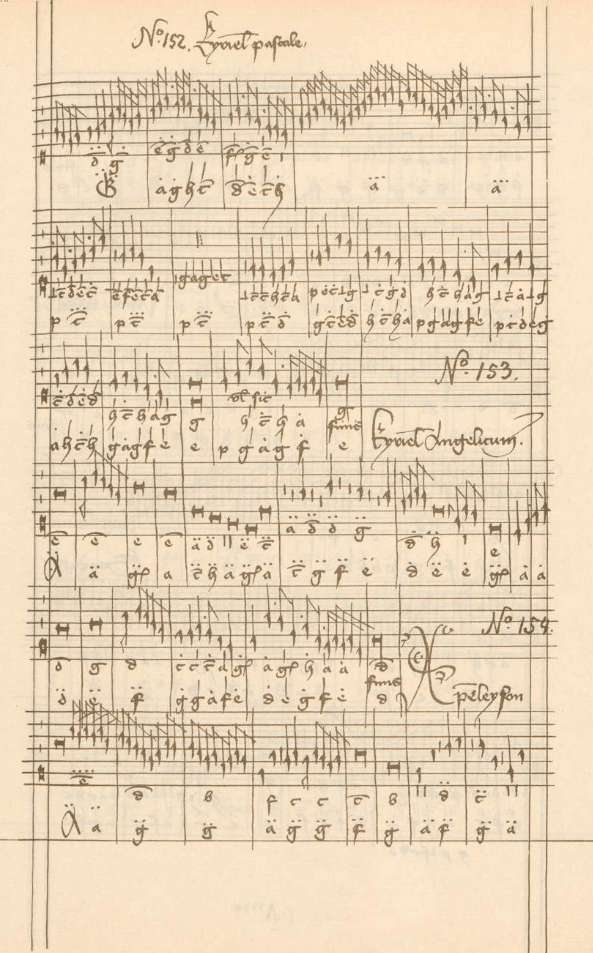
Anonimi (sec. XV): 7 composizioni dal Buxheimer Orgelbuch. Ton Koopman all’organo del triforio della Cattedrale di Metz.
Praeambulum super G
Kyrie Angelicum [0:58]
Wolhin lass vögelin sorgen [4:38]
Benedicite [5:38]
Wach uff myn Hört (da Oswald von Wolkenstein) [8:56]
Annabasanna [10:24]
Luffile [12:29]
🇮🇹 Buxheimer Orgelbuch significa libro (Buch) per organo (Orgel) di Buxheim: si tratta di una raccolta manoscritta di composizioni organistiche redatta intorno al 1460-70 per il Priorato di Buxheim (presso Memmingen, in Baviera). Questa silloge costituisce uno dei più importanti documenti relativi alle origini della musica strumentale — se si escludono pochi esempi di composizioni destinate a accompagnare la danza, prima della fine del Medioevo la tradizione musicale scritta riguarda pressoché esclusivamente il repertorio vocale. Il Buxheimer Orgelbuch contiene 256 brani, alcuni dei quali sono trascrizioni di chansons e Lieder di autori coevi o dell’epoca immediatamente precedente.
🇬🇧 The Buxheimer Orgelbuch (Buxheim Organ Book) is a manuscript anthology of organ pieces created around 1460-70 for the Buxheim Charterhouse (near Memmingen, Bavaria). This collection is one of the most important documents relating to the origins of instrumental music — if we exclude a few examples of compositions conceived to accompany dance, before the end of the Middle Ages the written musical tradition concerned almost exclusively the vocal repertoire. The Buxheimer Orgelbuch contains 256 pieces, some of which are transcriptions of chansons and Lieder by contemporary or immediately preceding composers.
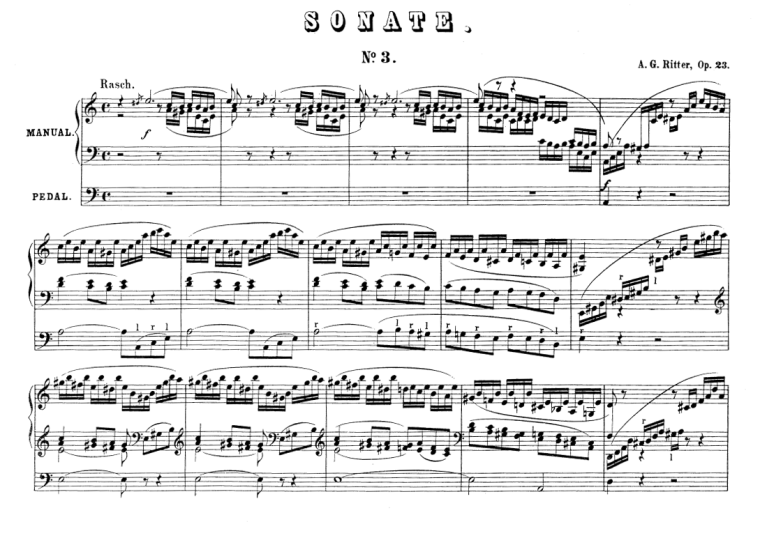
August Gottfried Ritter (25 agosto 1811 - 26 agosto 1885): Sonata per organo n. 3 in la minore op. 23 (1855). Alessandro Perin all’organo Tamburini-Zanin-Finotti della Basilica cattedrale di Santa Maria Assunta in Padova.
Johann Carl Friedrich Rellstab (1759 – 19 agosto 1813): Sonata in re maggiore per organo o clavicembalo op. 39 (c1790). Michael Seibel all’organo Ehrlich (1749–52) della Dominikanerkirche in Bad Wimpfen (Baden-Württemberg).
Samuel Sebastian Wesley (14 agosto 1810 - 1876): Larghetto in fa diesis minore per organo (da Three Pieces for chamber organ, set 2, 1843, n. 2). Iddo van der Giessen.
Heinrich Ignaz Franz von Biber (12 agosto 1644 - 1704): Missa salisburgensis a 53 voci (1682). Musica Antiqua Köln, dir. Reinhard Goebel; Gabrieli Consort & Players, dir. Paul McCreesh.
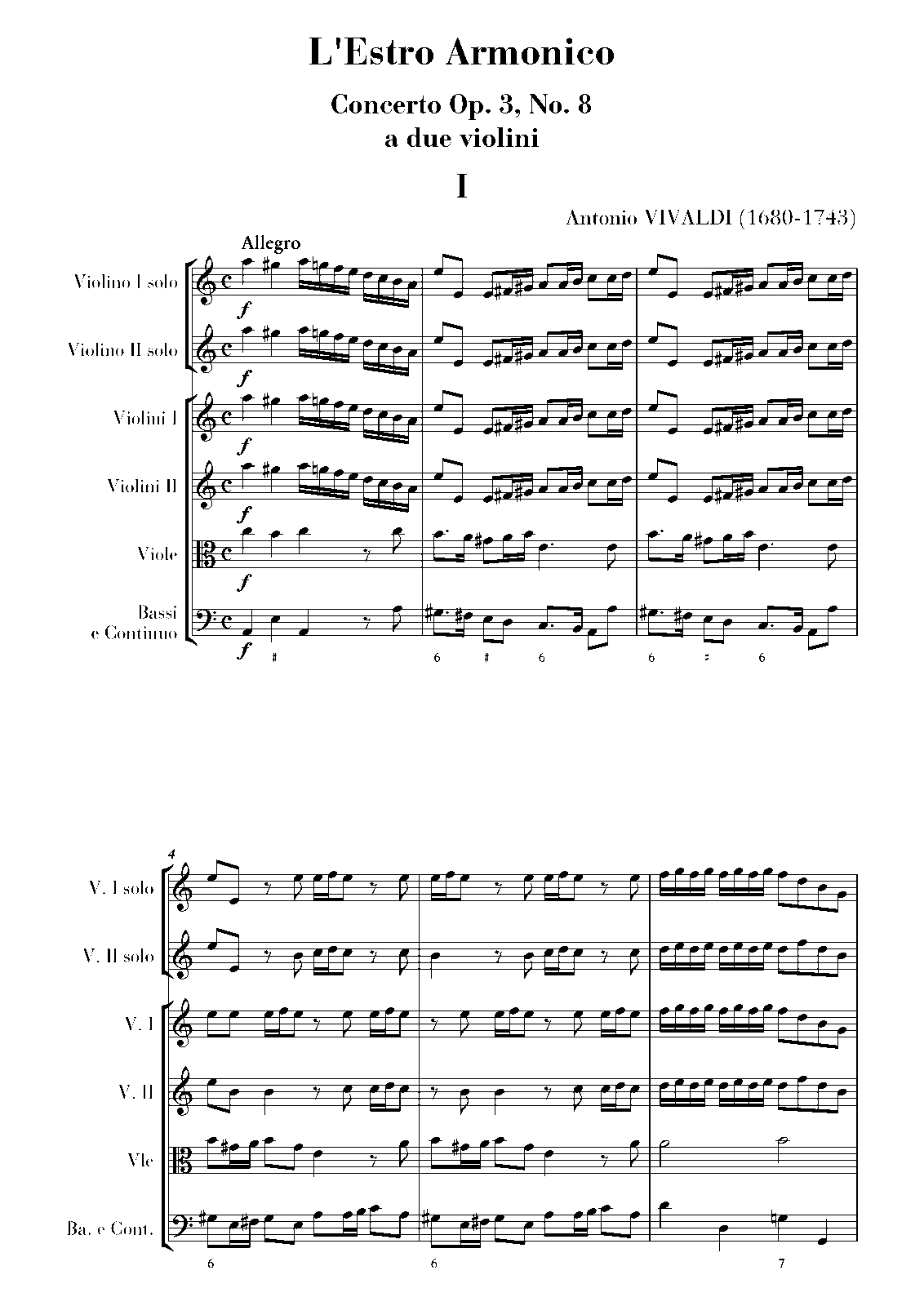
Antonio Vivaldi (1678 - 28 luglio 1741): Concerto in la minore per 2 violini, archi e continuo op. 3 (L’estro armonico, 1711) n. 8, RV 522. Ensemble Tafelmusik, dir. Jeanne Lamon.
Allegro
Larghetto e spiritoso [3:21]
Allegro [6:15]
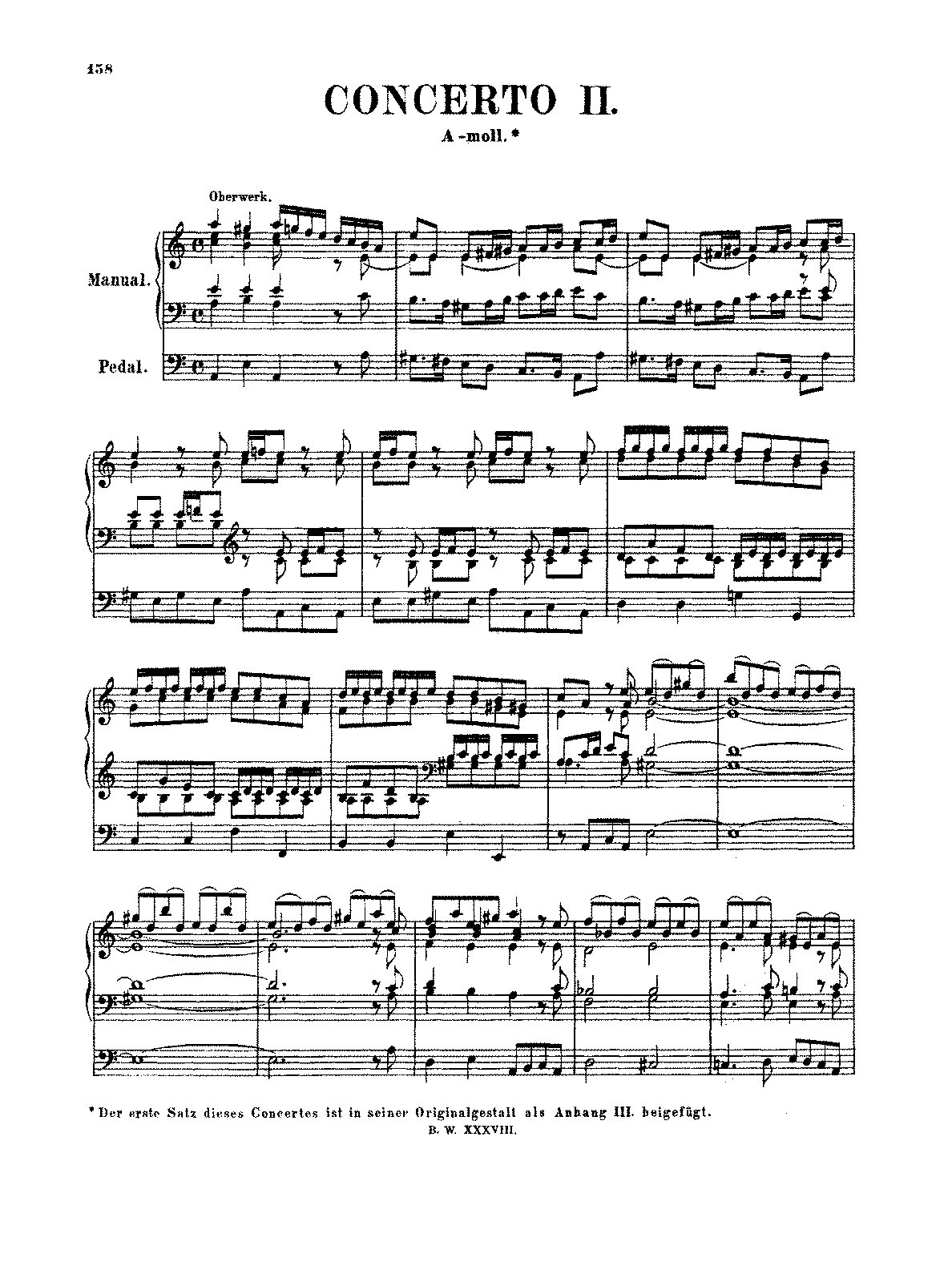
Johann Sebastian Bach (1685 - 28 luglio 1750): Concerto in la minore per organo BWV 593, trascrizione del Concerto RV 522 di Vivaldi. Simon Preston.
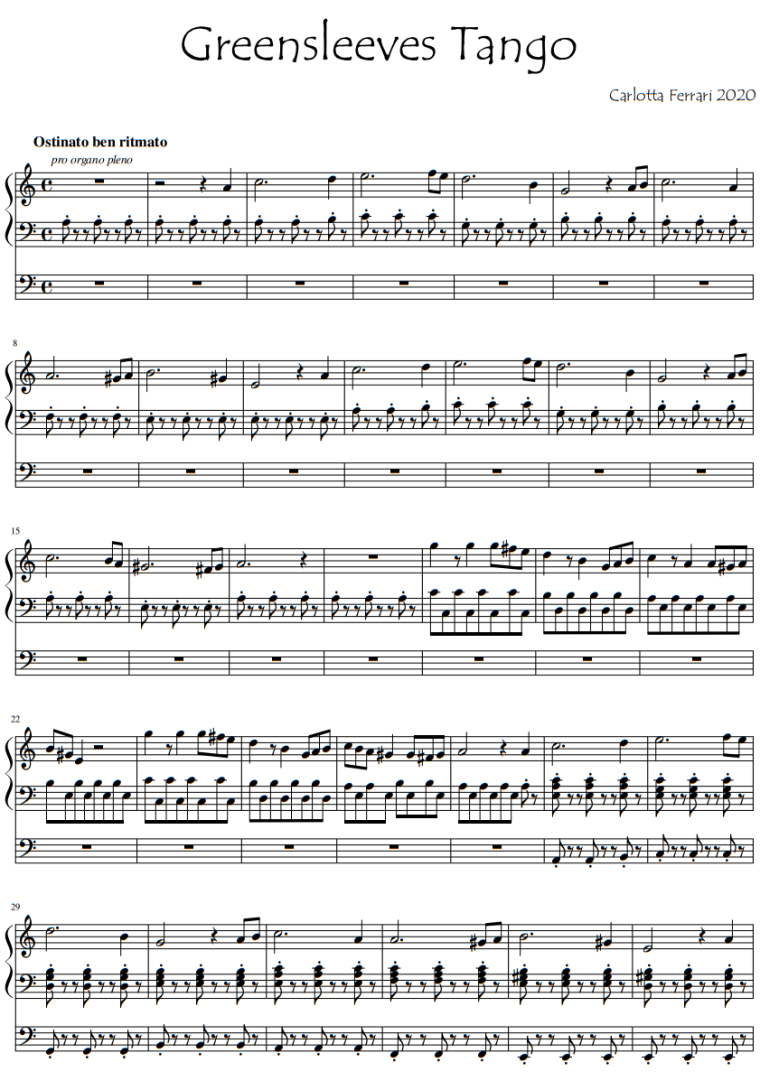
Gabriele Agrimonti (1995): Improvisation on «Greensleeves». Performed by the composer on the Lewis Organ in Sotto il Monte Giovanni XXIII (Bergamo, Italy).
Günter Bialas (19 luglio 1907 - 18 luglio 1995): Introitus – Exodus per organo e orchestra (1976). Edgar Krapp, organo; Symphonieorchester des Bayerischen Rundfunks, dir. Rafael Kubelík.
Fiorenzo Maschera (1541 - 16 luglio 1584): Canzon alla francese «La Capriola» a 4 voci (pubblicata in Libro Primo de canzoni da sonare, 1582, n. 1). Liuwe Tamminga, organo.
When as I view your comely grace
Calleno custure me,
Your golden hairs, your angel’s face,
Calleno custure me.
Your azure veins much like the skies
Your silver teeth, your crystal eyes.
Your coral lips, your crimson cheeks
That gods and men both love and leeks.
My soul with silence moving sense
Doth wish of God with reverence.
Long life and virtue you possess
To match the gifts of worthiness.
The recurring line (chorus) which gives the song its title is probably an adaptation to the English pronunciation of the Irish Cailín ó chois tSiúre mé, i.e. « I am a girl from the Suir-side » (Suir is a river in Ireland that flows into the Atlantic Ocean near Waterford): a harp composition with this title is mentioned in a seventeenth-century Irish poetic text.
The earliest known source for the tune (no text) is William Ballet’s Lute Book, a composite volume containing lute tablature dating back to the late 16th century and owned by the Library of Trinity College, Dublin. Here the piece is performed by Dorothy Linell:
On this tune William Byrd (c1540 - 1623) composed a short but flavorful set of variations for keyboard instrument, preserved in the Fitzwilliam Virginal Book under the title Callino Casturame (n. [CLVIII]). YouTube offers various performances: I chose those of David Clark Little on the virginal and Lorenzo Cipriani on the organ.
Calleno custure me often appears in anthologies of Shakespearean music: it is in fact mentioned in Henry V (act 4, scene 4) within a pun that sounds a bit silly today, but which bears witness to the song’s popularity in Shakespeare’s time.
The scene takes place before the battle of Azincourt: Pistol, the king’s old party companion, surprises a French soldier, Le Fer, who has infiltrated the English lines. Fearing that Pistol wants to kill him, the Frenchman tries to cajole him, however speaking to him in his own language:
« Je pense que vous êtes gentilhomme de bonne qualité. »
Unable to understand even a syllable, Pistol replies by mimicking Le Fer’s speech, the sound of whose words evidently reminds him of our song:
« Qualtitie calmie custure me! »
In short, he mimics it with a kind of “meh, meh, meh” but more elegant 🙂
Then Le Fer agrees with Pistol, who frees him for the price of two hundred crowns.
Anonimo del XVI secolo: Calleno custure me. Alfred Deller, controtenore; Desmond Dupré, liuto.
When as I view your comely grace
Calleno custure me,
Your golden hairs, your angel’s face,
Calleno custure me.
Your azure veins much like the skies
Your silver teeth, your crystal eyes.
Your coral lips, your crimson cheeks
That gods and men both love and leeks.
My soul with silence moving sense
Doth wish of God with reverence.
Long life and virtue you possess
To match the gifts of worthiness.
Il verso ricorrente che dà titolo alla composizione è probabilmente un adattamento alla pronuncia inglese della frase in gaelico irlandese Cailín ó chois tSiúre mé, ossia « Sono una ragazza delle rive del Suir » (fiume che sfocia nell’Atlantico in prossimità di Waterford): la frase compare quale titolo di una composizione per arpa in un testo poetico irlandese del XVII secolo.
La più antica fonte nota della melodia (priva di testo) è il William Ballet’s Lute Book, una raccolta manoscritta di composizioni intavolate per liuto, risalente al tardo Cinquecento e conservata nella Biblioteca del Trinity College di Dublino. Qui il brano è interpretato da Dorothy Linell:
La melodia è stata rielaborata da William Byrd (c1540 - 4 luglio 1623) in una breve ma saporita serie di variazioni per strumento a tastiera, tramandataci dal Fitzwilliam Virginal Book con il titolo Callino Casturame (n. [CLVIII]). YouTube ne offre numerose interpretazioni: ho scelto quelle di David Clark Little al virginale e Lorenzo Cipriani all’organo.
Resta da segnalare che Caleno custure me figura spesso nelle antologie di musiche scespiriane: è infatti citata nell’Enrico V (atto IV, scena 4a) in un gioco di parole che oggi suona alquanto insulso, ma che testimonia la popolarità della canzone all’epoca del Bardo.
La scena si svolge prima della battaglia di Azincourt: Pistol, vecchio compagno di bagordi del re, sorprende un soldato francese, Le Fer, infiltratosi fra le linee inglesi. Temendo che l’altro voglia ammazzarlo, il francese tenta di blandirlo, parlandogli però nella propria lingua:
« Je pense que vous êtes gentilhomme de bonne qualité. »
Non riuscendo a comprendere nemmeno una sillaba, Pistol risponde scimmiottando la parlata di Le Fer, il suono delle cui parole evidentemente gli rammenta il titolo della nostra canzone:
« Qualtitie calmie custure me! »
Gli fa insomma il verso, una specie di “gnegnegné” ma più raffinato 🙂
Le Fer poi si accorda con Pistol, che in cambio di duecento scudi lo lascia libero.
William Byrd (c1540 - 4 luglio 1623); The Bells, variazioni per strumento a tastiera (dal Fitzwilliam Virginal Book, n. LXIX). Andreas Staier, clavicembalo.
Lo stesso brano eseguito da Stefan Müller all’organo della chiesa abbaziale di Wettingen (Argovia).
Jean-Jacques Beauvarlet-Charpentier (28 giugno 1734 - 1794): Pange lingua, «hymne pour la Fête-Dieu au Très-Saint-Sacrement», dal Journal d’orgue… n. 7 (c1785). Jean-Luc Perrot all’organo Callinet (1837) della Chiesa di Notre-Dame in Saint-Étienne.
Jehan Alain (1911 - 20 giugno 1940): Aria per organo JA 138 (1939). Marie-Claire Alain.
Suggestiva composizione dedicata a Noëlie Pierront, che ne diede la 1a esecuzione il 23 marzo 1941 in Saint-Germain-des-Prés a Parigi.
Di questa Aria si trovano in rete alcune registrazioni in una versione per flauto e organo: si tratta di un adattamento non originale, opera del fratello minore di Jehan, Olivier (1918 - 1994).
Jan Václav Stamic (Johann Stamitz; 17 giugno 1717 - 1757): Concerto per organo e orchestra n. 4 in mi bemolle maggiore. Alena Veselá, organo; Orchestra da camera «Dvořák», dir. Vladimir Válek.
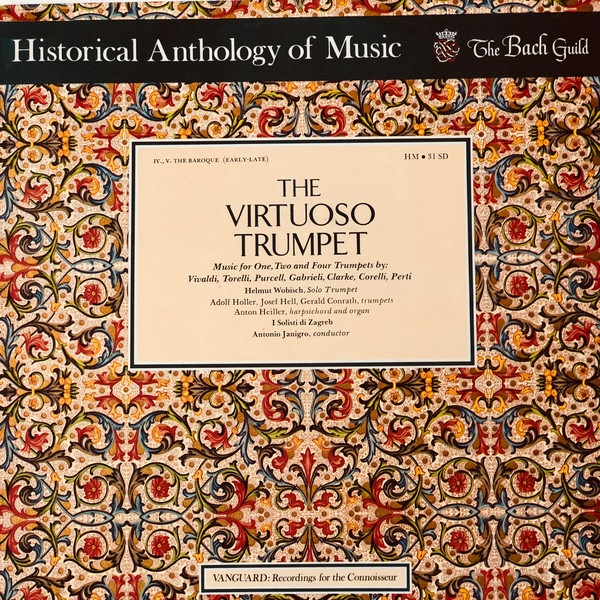
Giacomo Antonio Perti (6 giugno 1661 - 1756): Sonata per 4 trombe, archi e basso continuo. Helmut Wobisch, I tromba; I Solisti di Zagabria, dir. Antonio Janigro (registrazione del 1972).
Marcel Dupré (3 maggio 1886 - 30 maggio 1971): Sinfonia in sol minore per organo e orchestra op. 25 (1928). Daniel Jay McKinley, organo; Columbus Indiana Philharmonic Orchestra, dir. David Bowden.
György Ligeti (28 maggio 1923 - 2006): Volumina (1961-66). Franz Danksagmüller all’organo grande della Chiesa di Sankt Jakobi in Lubecca. Qui Ligeti parla di questa sua composizione (la traduzione in italiano non è impeccabile).
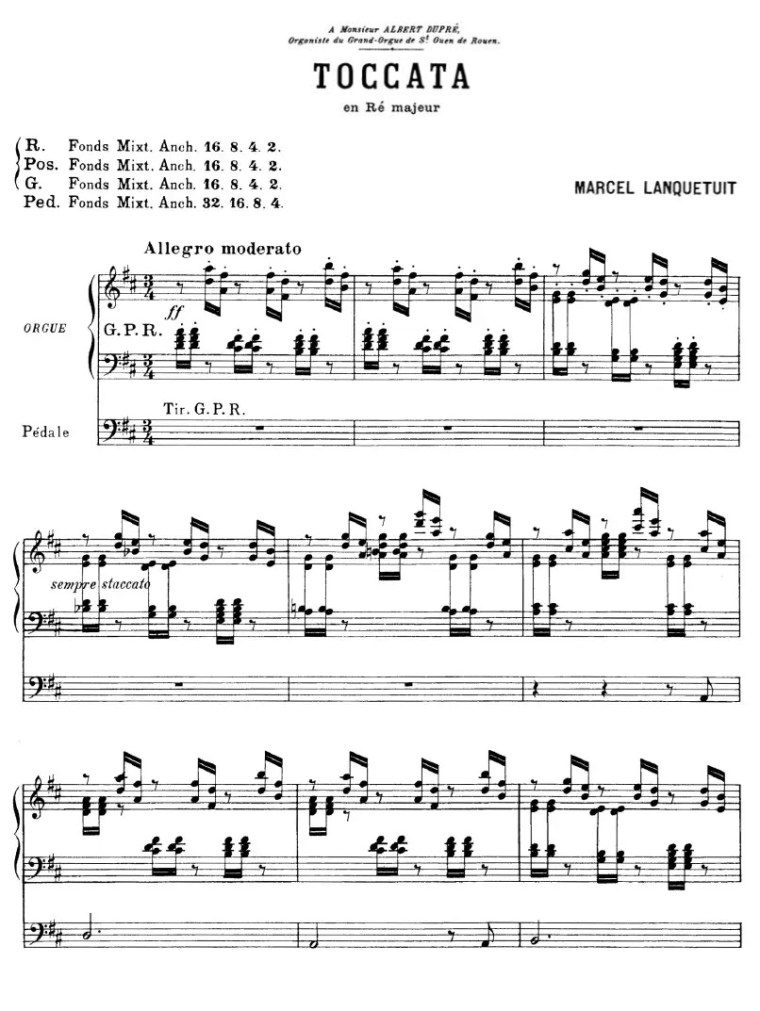
Marcel Lanquetuit (1894 - 21 maggio 1985): Toccata in re maggiore per organo (1926). Jane Parker-Smith all’organo Goll della Chiesa di Sankt Martin in Memmingen (Baviera).



 Gaetano Foschini (25 agosto 1836 - 1908): Marcia gotica. David Christensen all’organo da lui stesso costruito.




 English translation: please


 Jan Václav Stamic (Johann Stamitz; 17 giugno 1717 - 1757): Concerto per organo e orchestra n. 4 in mi bemolle maggiore. Alena Veselá, organo; Orchestra da camera «Dvořák», dir. Vladimir Válek.
 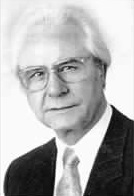 Emil Rabe (1920 - 16 giugno 2013): Toccata per organo (1994). Carson Cooman.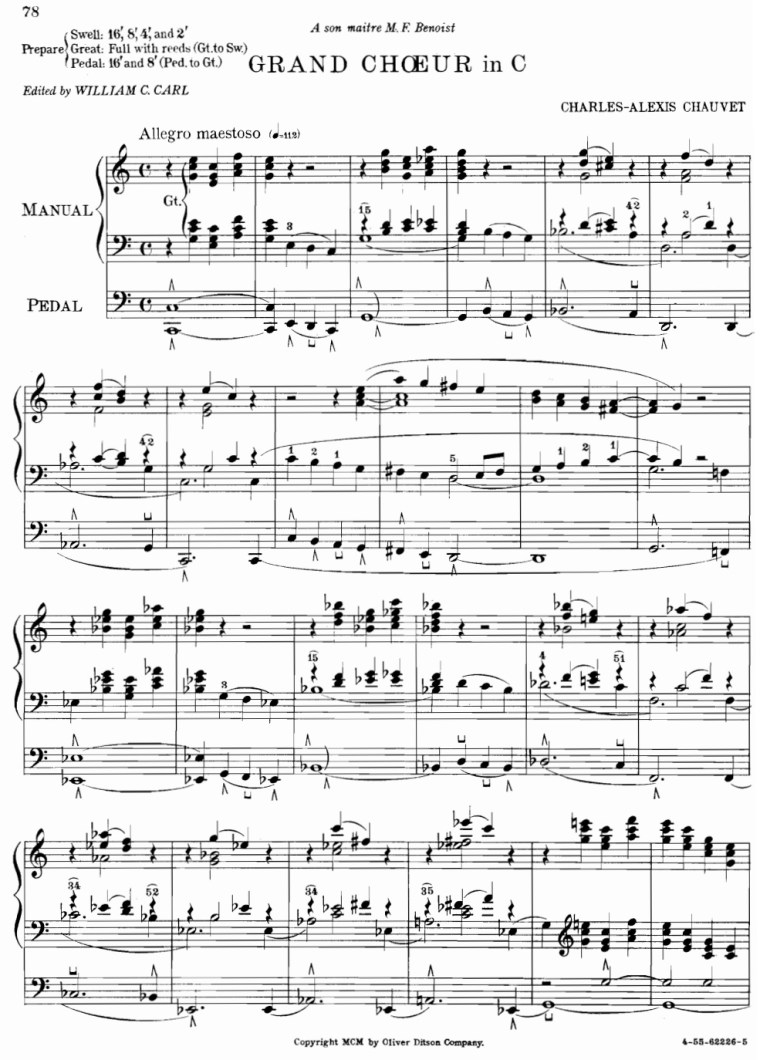



 la regina gioiosa