
Riccardo Pick-Mangiagalli (10 luglio 1882 - 8 luglio 1949): Deux Lunaires per pianoforte op. 33 (1916). Aldo Ciccolini.
- Colloque au clair de lune
- Danse d’Olaf [4:54]

Riccardo Pick-Mangiagalli (10 luglio 1882 - 8 luglio 1949): Deux Lunaires per pianoforte op. 33 (1916). Aldo Ciccolini.
Gian Carlo Menotti (7 luglio 1911 - 2007): Primo Concerto per pianoforte e orchestra (1945). Earl Wild, pianoforte; Symphony of the Air, dir. Jorge Mester.

Władysław Szpilman (1911 - 6 luglio 2000): Concertino per pianoforte e orchestra, composto nel Ghetto di Varsavia nel 1940. L’esegue l’autore con l’Orchestra della Radio polacca (Polska orkiestra radiowa), dir. Stefan Rachon; registrazione del 1972.

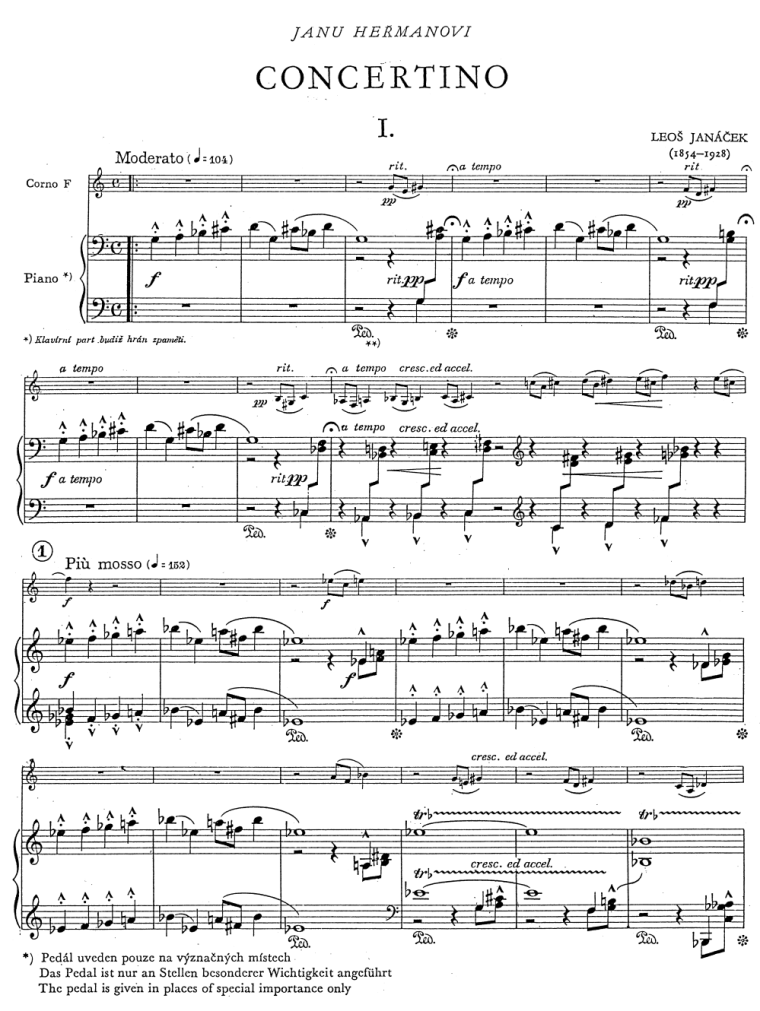
Leoš Janáček (3 luglio 1854 - 1928): Concertino per pianoforte, due violini, viola, clarinetto, corno e fagotto (1925). Quintetto di fiati «Claude Debussy» e altri.
Composto durante una visita a Hukvaldy, in Moravia, luogo natale e ritiro campestre di Janáček, il Concertino è, secondo le indicazioni dell’autore, una descrizione dei giochi di vari animali nel bosco: in una lettera datata 23 aprile 1925 Janáček parla di “uno scoiattolo, alcuni moscerini, un capriolo”, mentre in un articolo scritto qualche tempo dopo aggiunge alla lista un riccio e dei gufi. Gli animaletti sono raffigurati prima individualmente, poi nel terzo movimento compaiono insieme, e nel Finale tutti giocano, saltano e corrono con crescente vivacità.
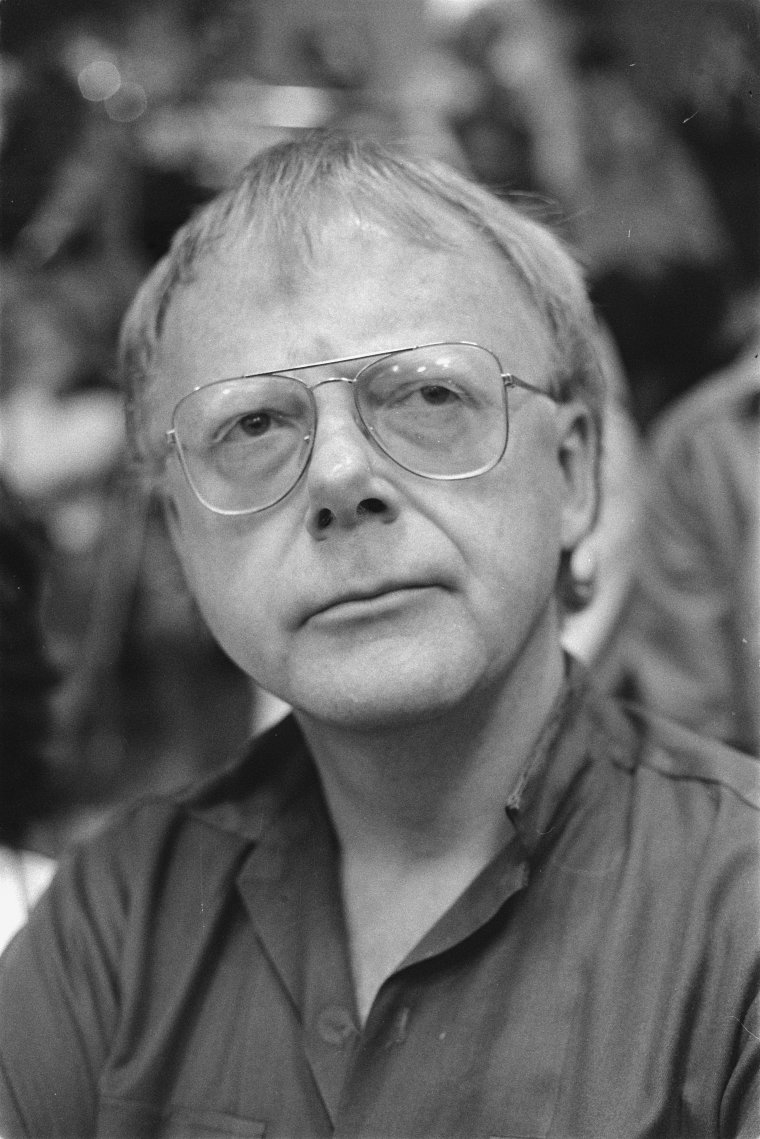
Wolfgang Amadeus Mozart (1756 - 1791): Concerto in do maggiore per pianoforte e orchestra K 467 (1785). Fazıl Say, pianoforte; hr-Sinfonieorchester, dir. Peter Oundjian.
Oggi, per cambiare un po’, ecco qualcosa di ben noto 🙂

Jean-Luc Darbellay (2 luglio 1946): Étoile per pianoforte (2014). Esegue Satoko Inoue, dedicataria della composizione.

Érik Satie (1866 - 1° luglio 1925): Trois Morceaux en forme de poire per pianoforte a 4 mani (1903). Alexandre Tharaud e Eric Le Sage.
Manière de Commencement
Prolongation du même [2:38]

Louis Andriessen (1939 - 1° luglio 2021): Contra tempus per fiati, percussione e ensemble che improvvisa (1968). Membri del Balletorkest, dir. Howard Williams.
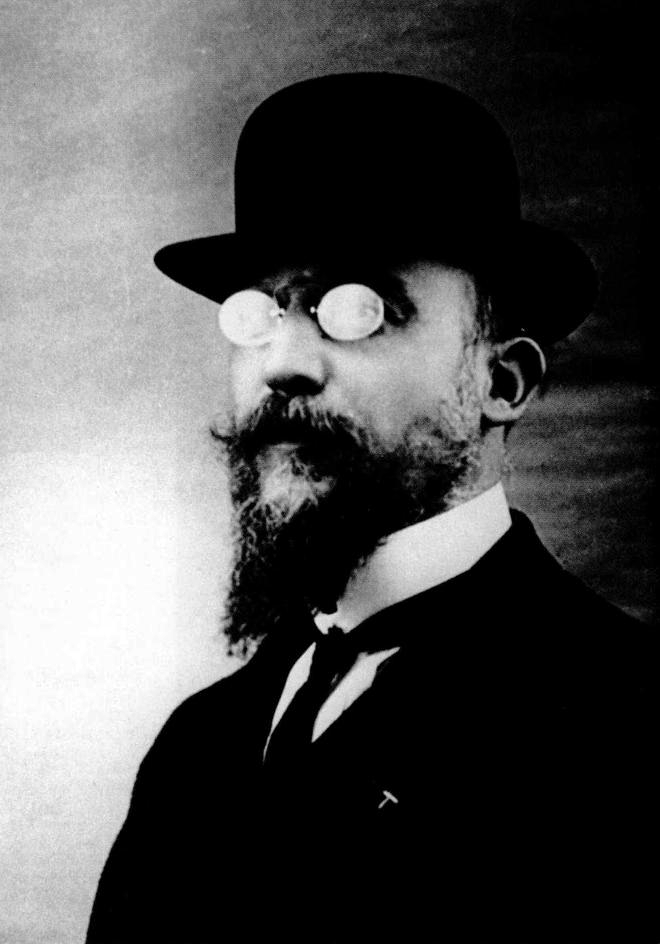
Érik Satie (1866 - 1° luglio 1925): Cinq Nocturnes per pianoforte (1919). Pascal Rogé.
Federico Mompou (1893 - 30 giugno 1987): Cants màgics, 5 pezzi per pianoforte (1917-19). Adolf Pla.

Ignacy Paderewski (1860 - 29 giugno 1941): Minuetto in sol maggiore, n. 1 delle 6 Humoresques de concert op. 14 (1887). Esegue l’autore in un curioso filmato del 1937.

Josef Labor (29 giugno 1842 - 1924): Quintetto in mi minore per pianoforte, violino, viola, violoncello e contrabbasso op. 3 (1886). Oliver Triendl, pianoforte; Cecilia Zilliacus, violino; Hiyoli Togawa, viola; Valentin Radutiu, violoncello; Zoran Marković, contrabbasso.

Tiziano Manca (27 giugno 1970): Defining per flauto, clarinetto, vibrafono, violino, viola, violoncello, pianoforte (2007-09). Ensemble Laboratorium, dir. Pierre-André Valade.

Frederic Rzewski (1938 - 26 giugno 2021): Squares n. 1 (Squall) e n. 2 (Hyenas). Esegue l’autore — il quale, formidabile improvvisatore, non di rado si discosta dalla propria partitura…
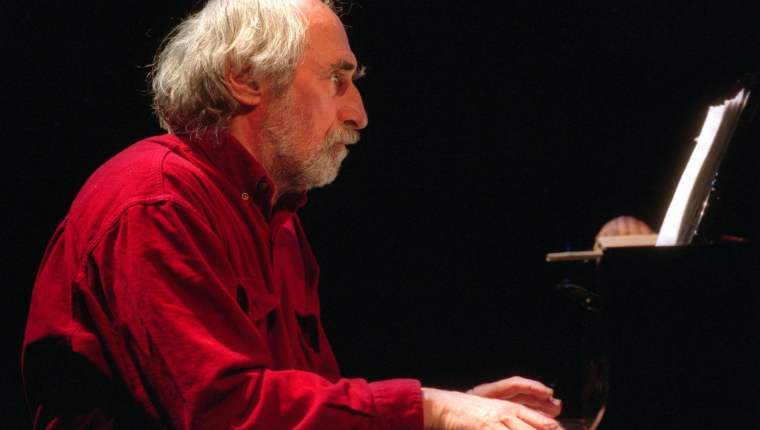
Frederic Rzewski (1938 - 26 giugno 2021): Nanosonatas per pianoforte, Libro VI. Esegue l’autore.
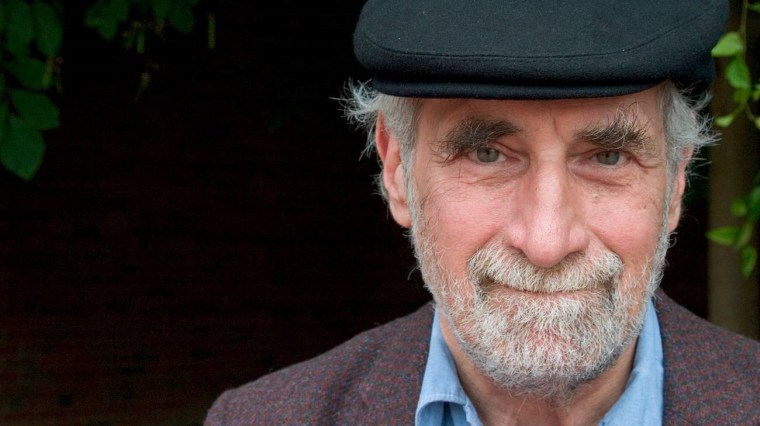
Frederic Rzewski (1938 - 26 giugno 2021): The People United Will Never Be Defeated!, 36 variazioni per pianoforte (1975), qui eseguite dall’autore, sul tema del canto di mobilitazione popolare ¡El pueblo unido jamás será vencido!, composto nel 1973 da Sergio Ortega su testo del gruppo «Quilapayún» e poi fatto proprio da altri complessi musicali, fra cui gli «Inti-Illimani», che lo portarono a notorietà internazionale.
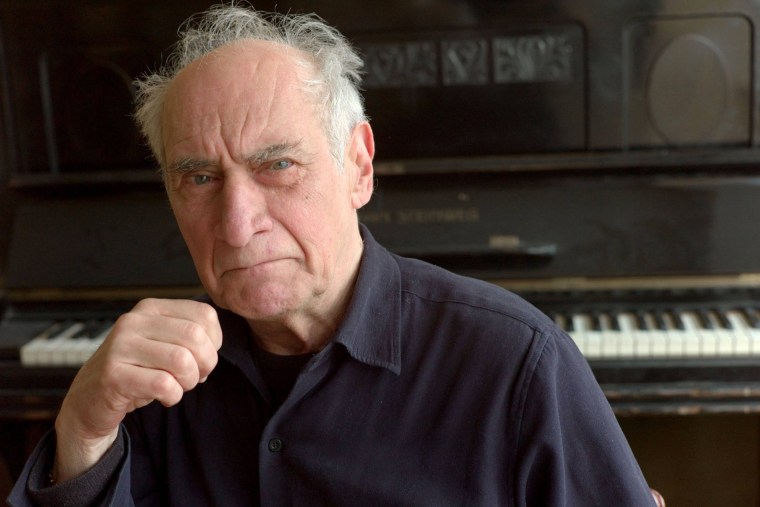
Angelo Panzini (1820 - 1886): La battaglia di Solferino, fantasia caratteristica per pianoforte (1859-60). Francesco Giammarco.

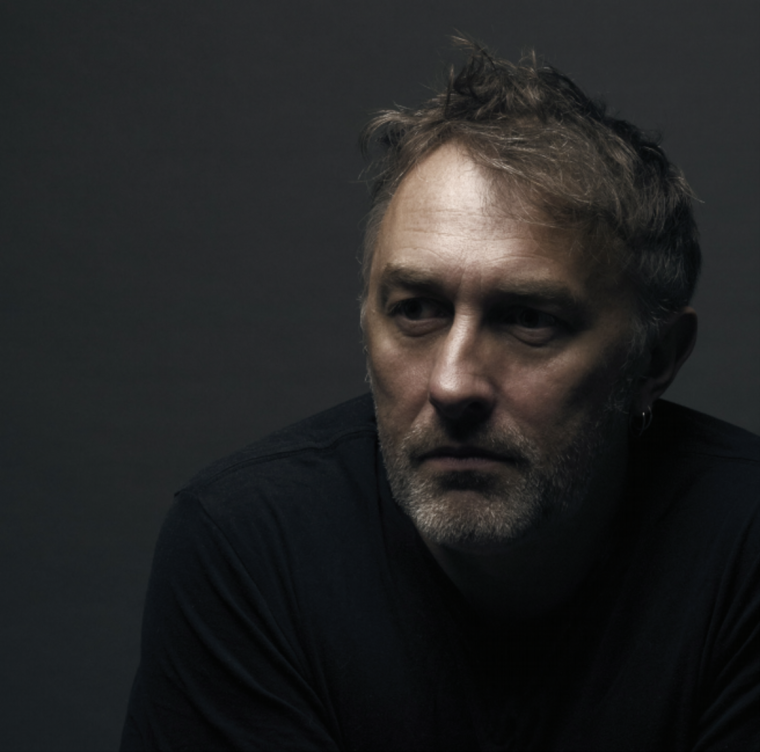
Yann Tiersen (23 giugno 1970): Porz Goret per pianoforte (2015). Esegue l’autore.
Con la partecipazione degli acrobati Kami-Lynne Bruin e Tarek Rammo.
Porz Goret è una baia sulla costa di Ouessant, l’isola al largo della Bretagna dove Tiersen, nativo di Brest, vive da anni.
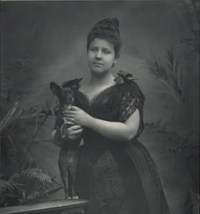 Maude Valérie White (23 giugno 1855 - 1937): How Do I Love Thee?, song per voce e pianoforte su testo di Elizabeth Barrett Browning (Sonnet 43) ampiamente rimaneggiato dalla compositrice. Ximena Bernal, mezzosoprano; Felipe Calle, pianoforte.
|
Testo del song: How do I love thee? Let me count the ways. |
Testo originale di Elizabeth Barrett Browning: How do I love thee? Let me count the ways. |
Teodor Leszetycki (22 giugno 1830 - 1915): Deux Arabesques per pianoforte op. 45. Clara Park.

Julian Aleksandrovič Skrjabin (1908 - 22 giugno 1919): Quattro Preludi per pianoforte (1918-19).
Secondo alcuni studiosi, questi Preludi sarebbero in realtà composizioni inedite di Aleksandr Skrjabin e risalirebbero al 1907 circa.

Jehan Alain (1911 - 20 giugno 1940): Trois Mouvements pour flûte et piano JA 74 (1934-35). Daniela Dottori, flauto; Luca Moscardi, piano.
La medesima composizione trascritta per flauto e organo da Marie-Claire Alain (1975). Sofija Lubjanceva, flauto; Il’ja Kudrjavcev, organo.

Grégoire Hetzel (20 giugno 1972): Sage femme, colonna sonora del film omonimo (Quello che so di lei, 2017) di Martin Provost.

Pëtr Il’ič Čajkovskij (1840 - 1893): Времена года / Les Saisons op. 37a (1875-76), 6. Июнь: Баркарола / Juin: Barcarolle. Versione originale: Valentyna Lysycja, pianoforte. Trascrizione per orchestra di Aleksandr Gauk (1893 - 1963): Orchestra da camera di Mosca, dir. Constantine Orbelian.
Originariamente il brano fu pubblicato sul periodico sanpietroburghese «Нувеллист» (Nuvellist) nel giugno 1876, associato a una quartina di Aleksej Nikolaevič Pleščeev:
|
Выйдем на берег, там волны Ноги нам будут лобзать. Звезды с таинственной грустью Будут над нами сиять. |
Andiamo a riva, dove le onde baceranno i nostri piedi. Le stelle, con misteriosa tristezza, brilleranno su di noi. |

Stevan Hristić (19 giugno 1885 - 1958): Rapsodia per pianoforte e orchestra (1942). Marina Arsenijević, pianoforte; Orchestra sinfonica della Radiotelevisione serba, dir. Bojan Suđić.

Georgs Pelēcis (18 giugno 1947): Concertino bianco in do maggiore per pianoforte e orchestra da camera (1983). Aleksej Ljubimov, pianoforte; Deutsche Kammerphilharmonie Bremen, dir. Heinrich Schiff.
Moisés Moleiro (1904 - 18 giugno 1979): Joropo (danza tradizionale venezuelana) per pianoforte (1941). Clara Rodríguez.

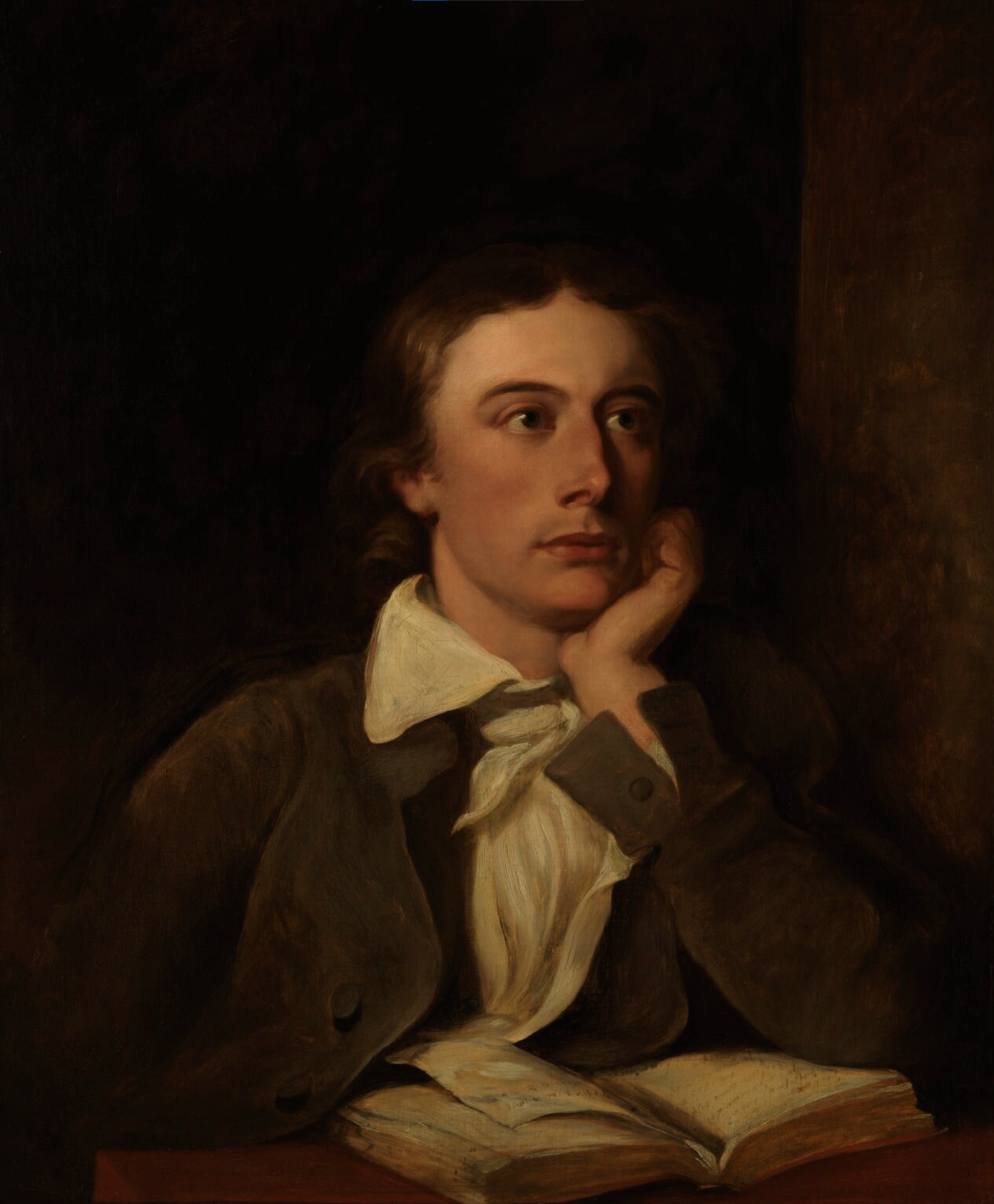
Miriam Gideon (1906 - 18 giugno1996): Of Shadows Numberless, suite per pianoforte (1966) ispirata dall’Ode to a Nightingale di John Keats. Paula Ennis-Dwyer.

John Keats
Ode to a Nightingale
My heart aches, and a drowsy numbness pains
My sense, as though of hemlock I had drunk,
Or emptied some dull opiate to the drains
One minute past, and Lethe-wards had sunk:
‘Tis not through envy of thy happy lot,
But being too happy in thy happiness,—
That thou, light-wingèd Dryad of the trees,
In some melodious plot
Of beechen green, and shadows numberless,
Singest of summer in full-throated ease.
Oh for a draught of vintage! that hath been
Cool’d a long age in the deep-delvèd earth,
Tasting of Flora and the country green,
Dance, and Provençal song, and sunburnt mirth!
Oh for a beaker full of the warm South,
Full of the true, the blushful Hippocrene,
With beaded bubbles winking at the brim,
And purple-stainèd mouth;
That I might drink, and leave the world unseen,
And with thee fade away into the forest dim:
Fade far away, dissolve, and quite forget
What thou among the leaves hast never known,
The weariness, the fever, and the fret
Here, where men sit and hear each other groan;
Where palsy shakes a few, sad, last gray hairs,
Where youth grows pale, and spectre-thin, and dies
Where but to think is to be full of sorrow
And leaden-eyed despairs;
Where Beauty cannot keep her lustrous eyes,
Or new Love pine at them beyond to-morrow.
Away! away! for I will fly to thee,
Not charioted by Bacchus and his pards,
But on the viewless wings of Poesy,
Though the dull brain perplexes and retards:
Already with thee! tender is the night,
And haply the Queen-Moon is on her throne,
Cluster’d around by all her starry Fays;
But here there is no light,
Save what from heaven is with the breezes blown
Through verdurous glooms and winding mossy ways.
I cannot see what flowers are at my feet,
Nor what soft incense hangs upon the boughs,
But, in embalmèd darkness, guess each sweet
Wherewith the seasonable month endows
The grass, the thicket, and the fruit-tree wild;
White hawthorn, and the pastoral eglantine;
Fast-fading violets cover’d up in leaves;
And mid-May’s eldest child,
The coming musk-rose, full of dewy wine,
The murmurous haunt of flies on summer eves.
Darkling I listen; and for many a time
I have been half in love with easeful Death,
Call’d him soft names in many a musèd rhyme,
To take into the air my quiet breath;
Now more than ever seems it rich to die,
To cease upon the midnight with no pain,
While thou art pouring forth thy soul abroad
In such an ecstasy!
Still wouldst thou sing, and I have ears in vain—
To thy high requiem become a sod.
Thou wast not born for death, immortal Bird!
No hungry generations tread thee down;
The voice I hear this passing night was heard
In ancient days by emperor and clown:
Perhaps the selfsame song that found a path
Through the sad heart of Ruth, when, sick for home
She stood in tears amid the alien corn;
The same that ofttimes hath
Charm’d magic casements, opening on the foam
Of perilous seas, in faery lands forlorn.
Forlorn! the very word is like a bell
To toll me back from thee to my sole self.
Adieu! the Fancy cannot cheat so well
As she is famed to do, deceiving elf.
Adieu! adieu! thy plaintive anthem fades
Past the near meadows, over the still stream,
Up the hillside; and now ‘tis buried deep
In the next valley-glades.
Was it a vision, or a waking dream?
Fled is that music:—do I wake or sleep?
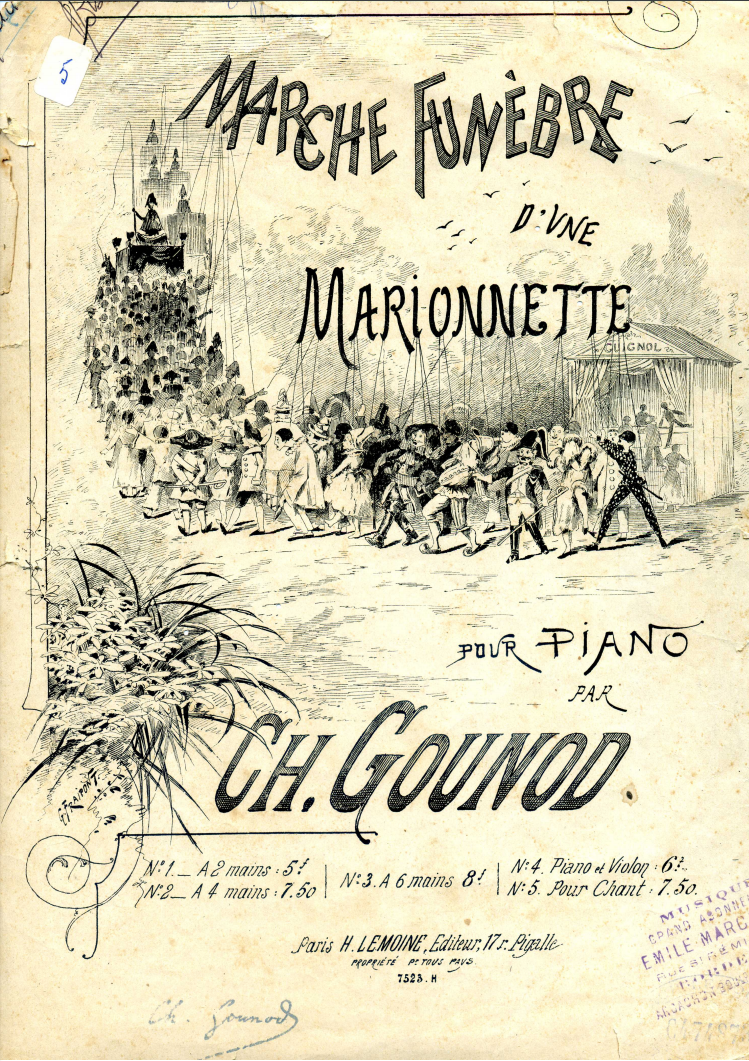
Charles Gounod (17 giugno 1818 - 1893): Marche funèbre d’une marionnette, versione originale per pianoforte (1872). David Dekker.
(Fra i tanti, ho scelto questo video per i suoi bellissimi disegni.)
La partitura contiene le seguenti didascalie:
Lo stesso brano nella versione per orchestra che Gounod realizzò nel 1879. The Boston Pops Orchestra, dir. Arthur Fiedler.

Guy Ropartz (15 giugno 1864 - 1955): Andante et Allegro per tromba e pianoforte (1903). Philip Smith, tromba; Joseph Turrin, pianoforte.
Have a WordPress.com account? Log in now.

