
Ludwig van Beethoven (1770 - 1827): 24 Variazioni in re maggiore per pianoforte sopra l’arietta Venni amore di Vincenzo Righini WoO 65 (1801). Rudolf Buchbinder.
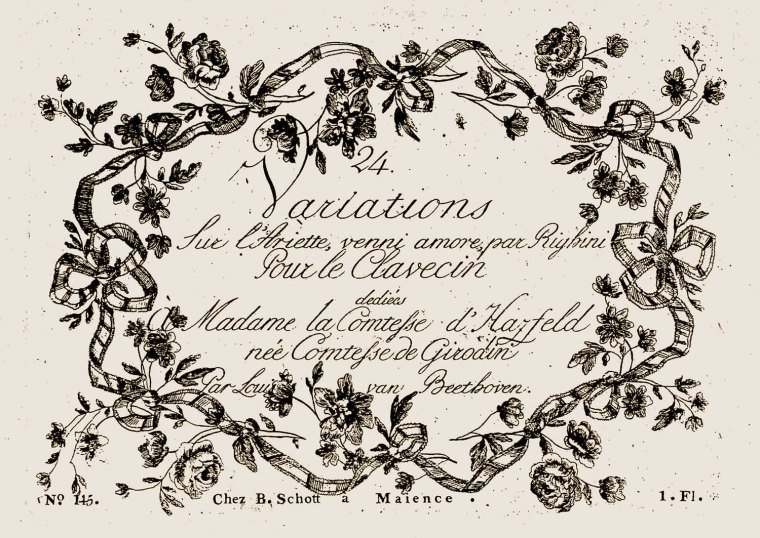
Ludwig van Beethoven (1770 - 1827): 24 Variazioni in re maggiore per pianoforte sopra l’arietta Venni amore di Vincenzo Righini WoO 65 (1801). Rudolf Buchbinder.
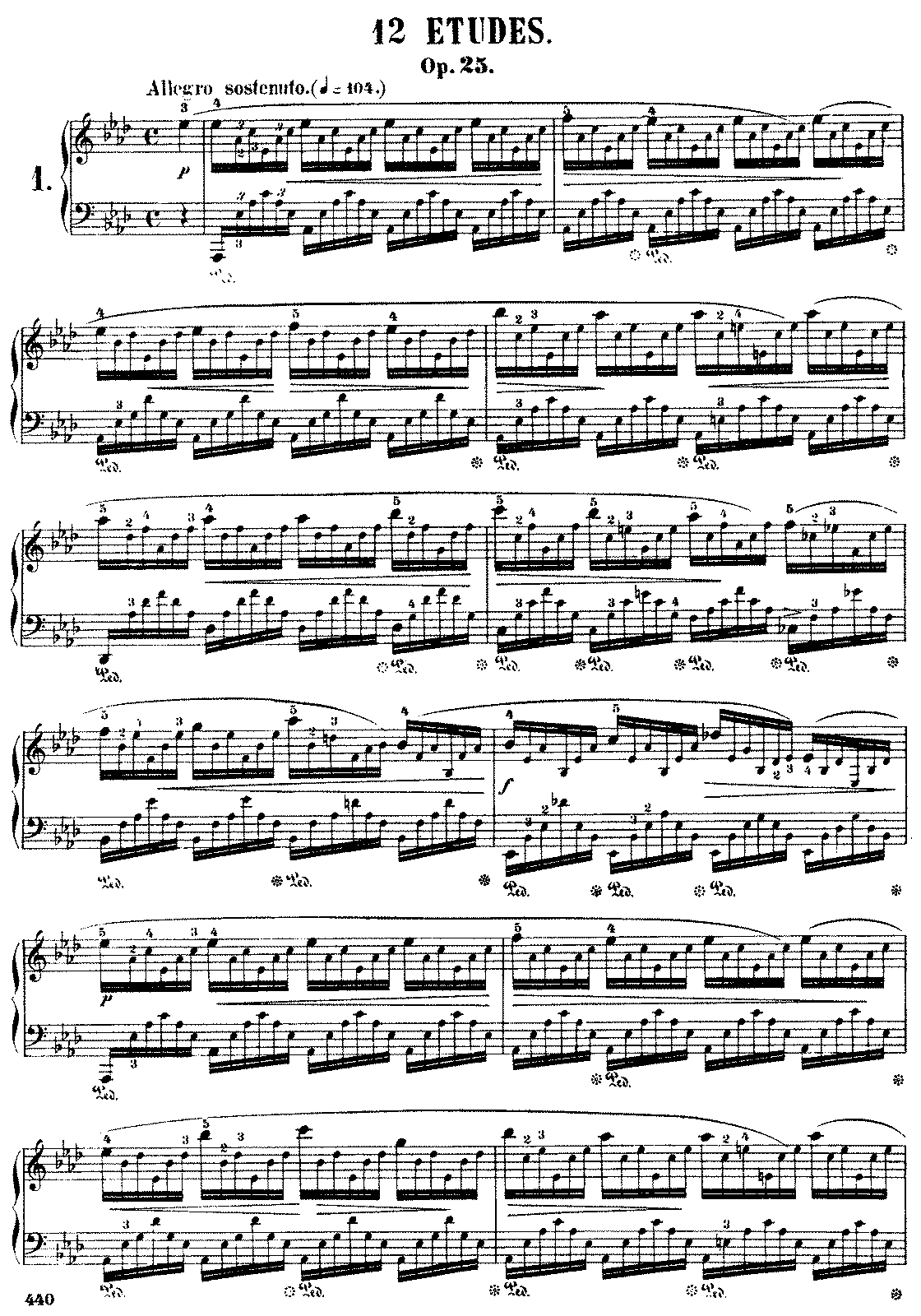
Fryderyk Chopin (1810 - 1849): Studio in la bemolle maggiore (Allegro sostenuto) per pianoforte op. 25 n. 1 (1836). Vladimir Horowitz.
Chopin mal sopportava i tentativi di interpretare le sue opere in chiave descrittiva e detestava l’uso — comune ai suoi tempi — di assegnar loro titoli più o meno fantasiosi ma non propriamente musicali: le composizioni del maestro polacco hanno perciò titoli che semplicemente identificano i generi musicali cui appartengono: concerto, sonata, notturno, polacca, valzer, studio, eccetera. Lo Studio op. 25 n. 1 è noto come Arpa eolia: così lo battezzò Schumann in una famosa recensione, ispirato dagli arpeggi che avvolgono ininterrottamente la melodia in un leggerissimo, vaporoso alone sonoro, vagamente simile a quello prodotto dallo strumento che prende nome da Eolo, il dio dei venti della mitologia greca.
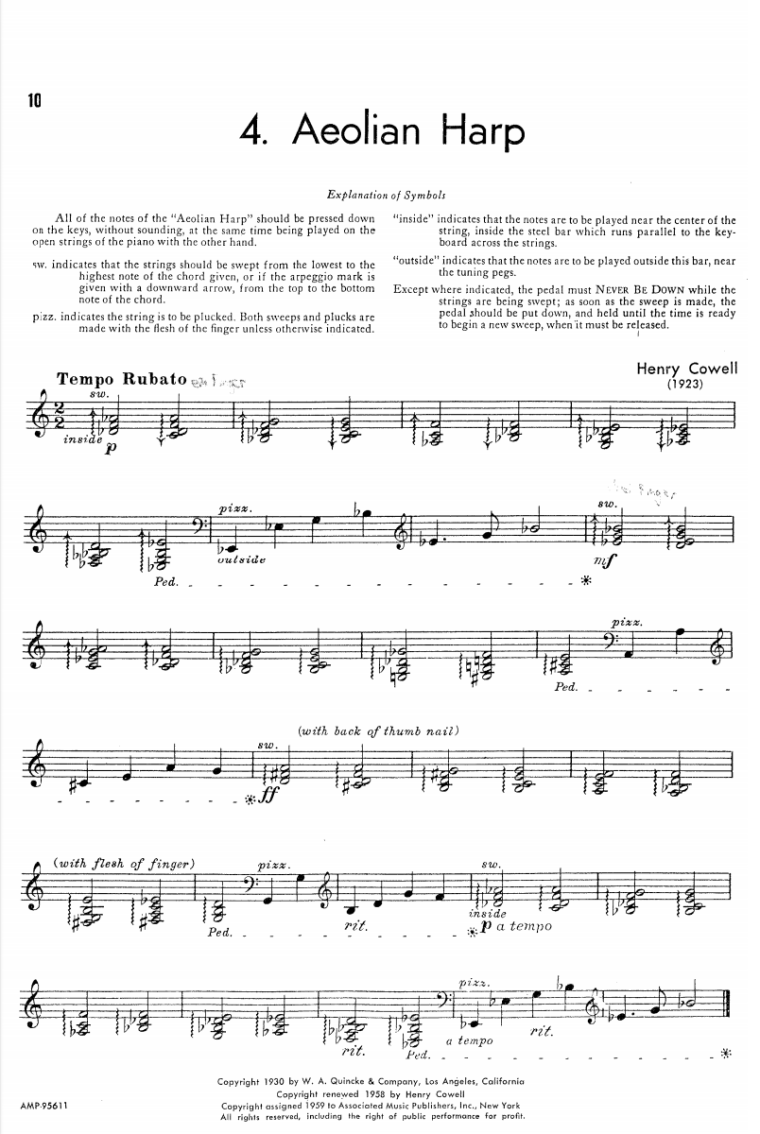
Henry Cowell (1897 - 1965): Aeolian Harp per pianoforte (1923). Fausto Bongelli.
Seguendo le indicazioni sulla partitura, l’esecutore con una mano abbassa i tasti corrispondenti alle note, facendo in modo che i martelletti non colpiscano le corde ma liberando così queste ultime dal contatto con gli smorzatori, e con l’altra mano mette in vibrazione le corde stesse sfregandole o pizzicandole, con le unghie o con i polpastrelli.
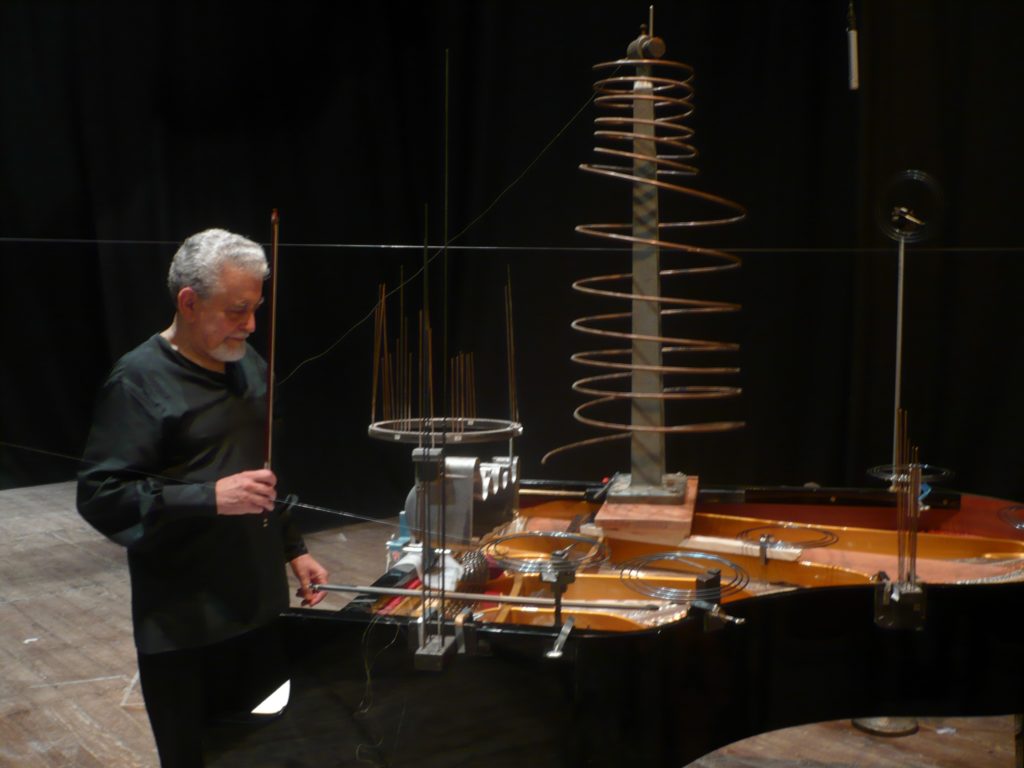
Mario Bertoncini (1932 - 19 gennaio 2019): Chanson pour instruments à vent, «assemblage per arpe e gong eolici» per un esecutore (1974).
Emmanuel Chabrier (18 gennaio 1841 - 1894): Bourrée fantasque (1891). Aldo Ciccolini, pianoforte.
Lo stesso brano nella trascrizione per orchestra di Felix Mottl. Orchestre National de France, dir. Cristian Mācelaru.
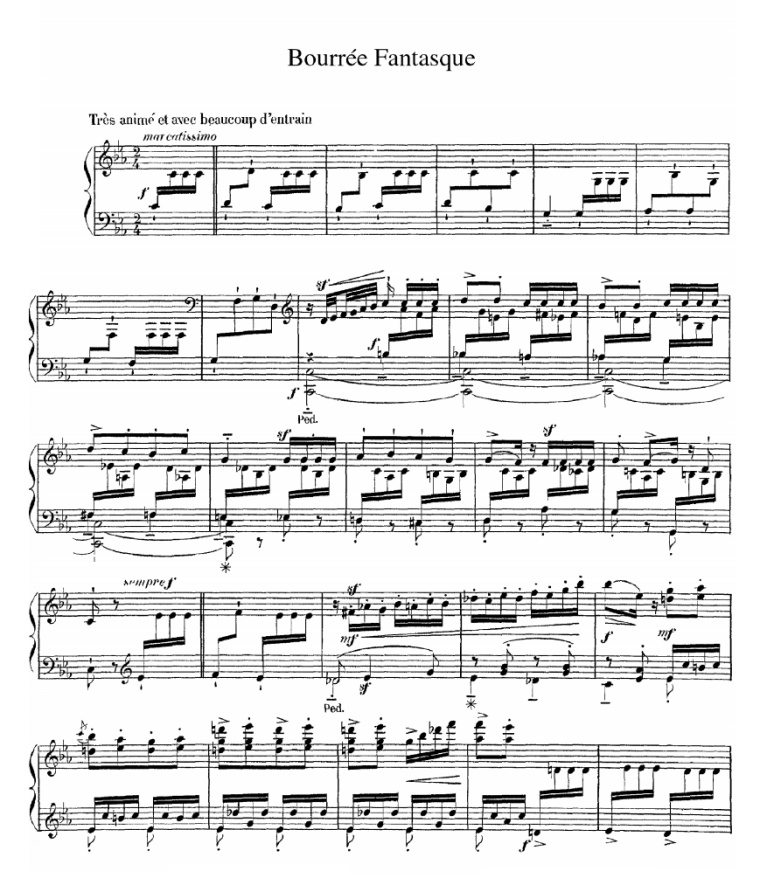
Arcangelo Corelli (1653 - 1713): Sonata per violino e basso in re minore op. 5 n. 12, La Follia (1700). Fabio Paggioro, violino; Massimiliano Ferrati, pianoforte.
Marin Marais (1656 - 1728): Couplets de folies per viola da gamba e basso (1701). La Spagna: Alejandro Marías, viola da gamba solista; Pablo Garrido, viola da gamba per il basso continuo; Juan Carlos de Mulder, tiorba; Ramiro Morales, chitarra barocca; Jorge López-Escribano, clavicembalo.
Reinhard Keiser (9 gennaio 1674 - 1739): Ouverture per il Singspiel Der lächerliche Prinz Jodelet (1726). Das Lausitzer Barockensemble.
E ora, una lectio magistralis di Francesco Di Fortunato:
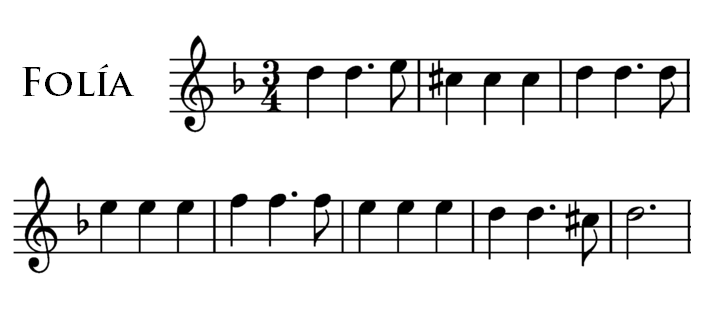
Valborg Aulin (9 gennaio 1860 - 11 gennaio 1928): Sonata per pianoforte in fa minore op. 14, Grande Sonate sérieuse (1885). Lucia Negro.
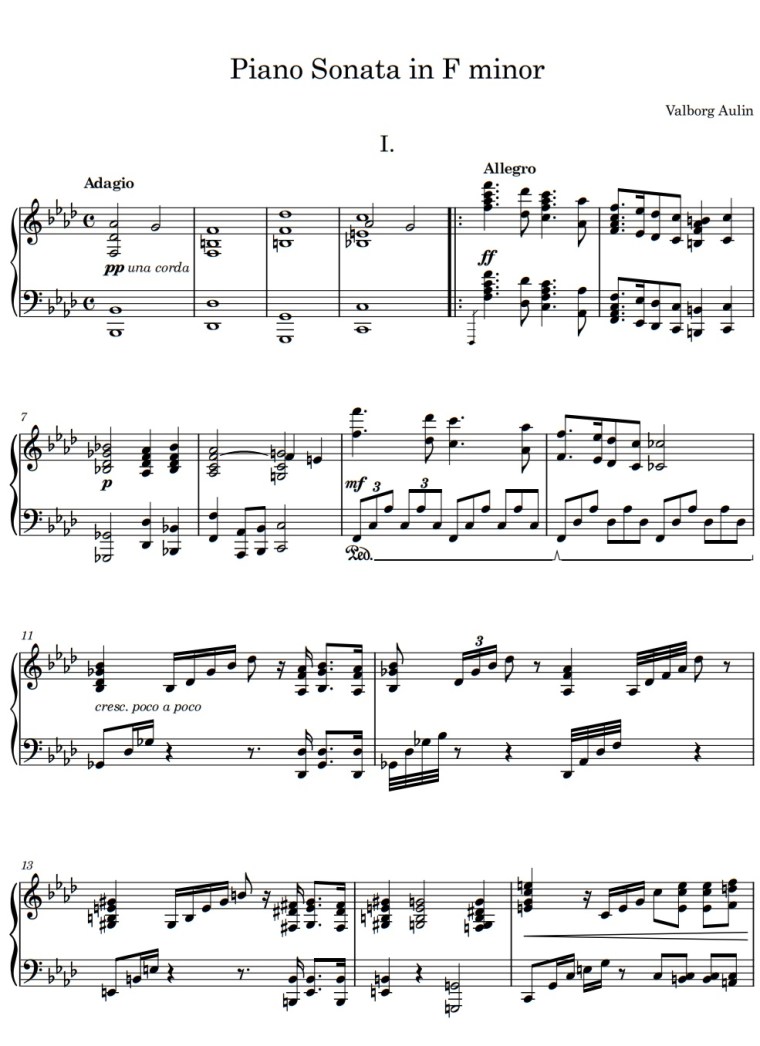
Sigismond Thalberg (8 gennaio 1812 - 1871): Concerto per pianoforte e orchestra in fa minore op. 5 (1830), dedicato a Johann Nepomuk Hummel. Francesco Nicolosi, pianoforte; Razumovsky Symphony Orchestra, dir. Andrew Mogrelia.
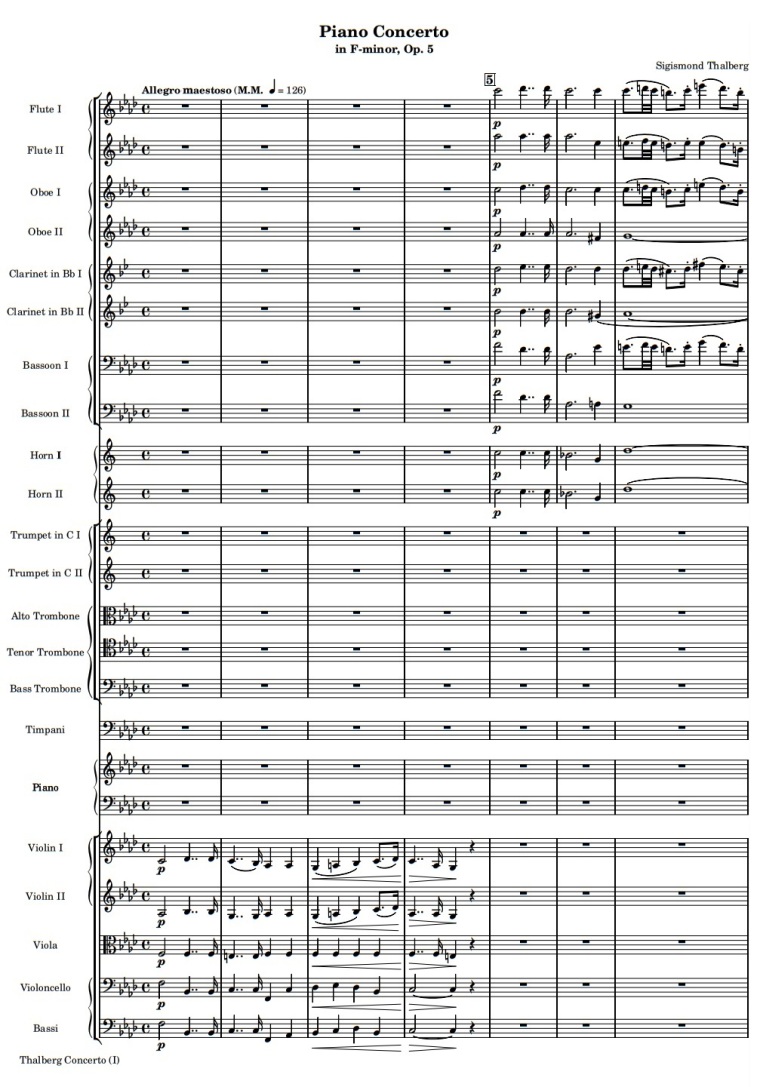
Antonio Scontrino (1850 - 7 gennaio 1922): Sei Bozzetti per clarinetto e pianoforte (1909). Sergio Bosi, clarinetto; Riccardo Bartoli, pianoforte.

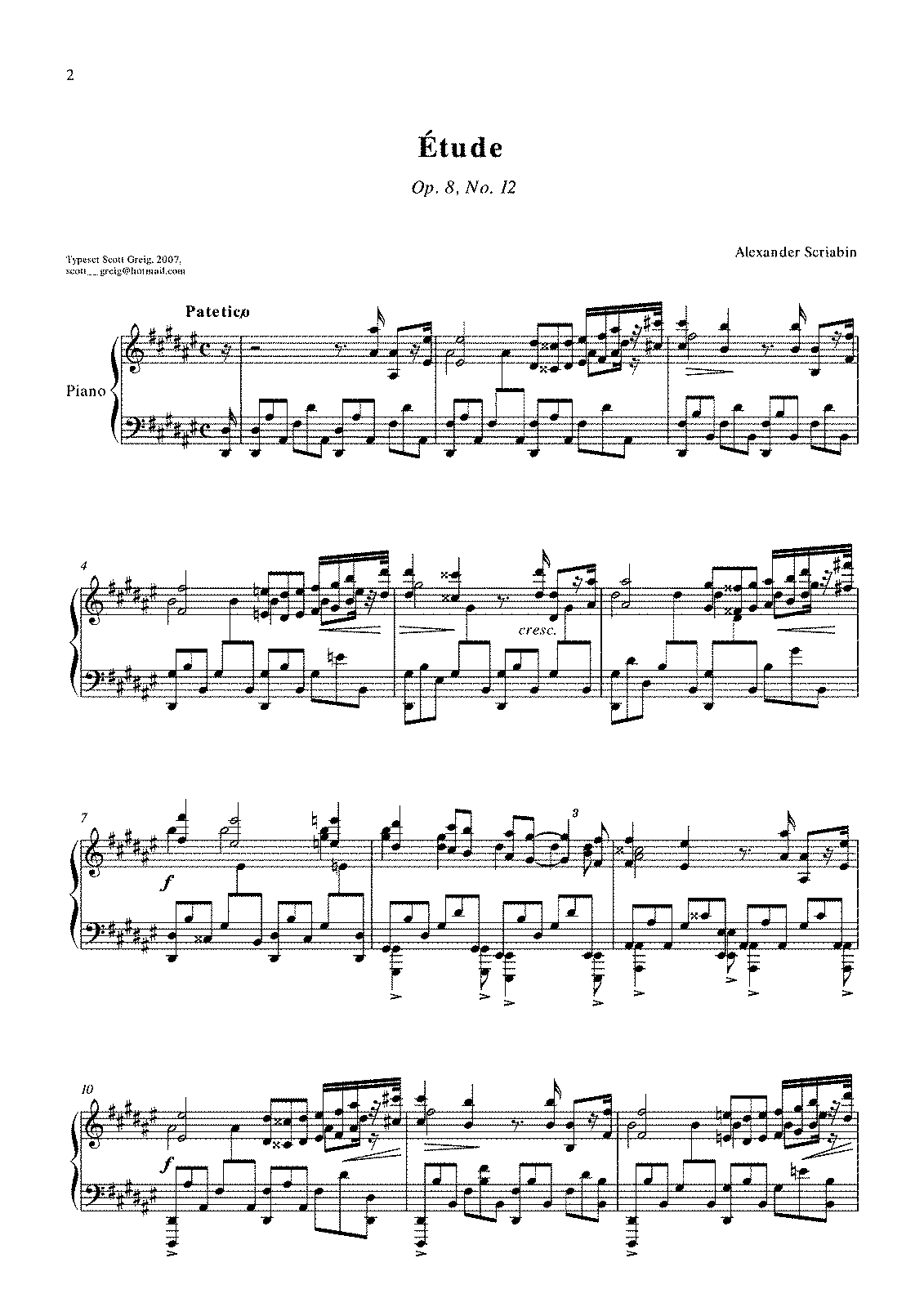
Aleksandr Nikolaevič Skrjabin (6 gennaio 1872 - 1915): 12 Études per pianoforte op. 8 (1894). Vladimir Sofronickij (registrazione del 1952 circa).
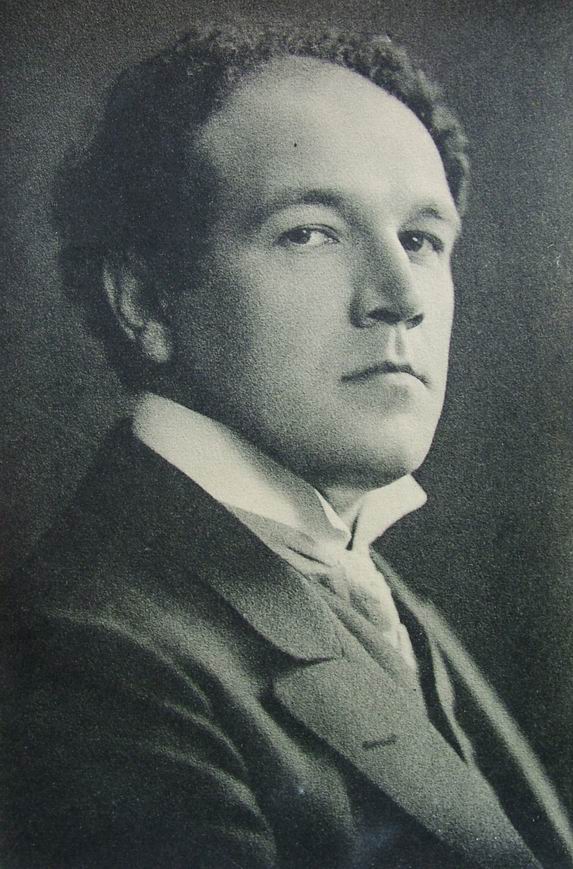
Nikolaj Karlovič Metner (o Medtner; 5 gennaio 1880 - 1951): Melodie dimenticate per pianoforte, I serie, op. 38 (1919-22). Geoffrey Tozer.
Milij Alekseevič Balakirev (2 gennaio 1837 - 1910): Islamej, fantasia orientale op. 18 (1869). Boris Berezovskij, pianoforte.

Ludwig van Beethoven (1770 - 1827): Auld Lang Syne, n. 11 degli Zwölf Schottische Lieder mit obligater Begleitung von Pianoforte, Violine und Violoncell WoO 156 (1818); melodia tradizionale (da alcuni attribuita a Davide Rizzio), testo di Robert Burns. Felicity Lott, soprano; John Mark Ainsley, tenore; Thomas Allen, baritono; Elizabeth Layton, violino; Ursula Smith, violoncello; Malcolm Martineau, pianoforte.
Should auld acquaintance be forgot
And never brought to mind?
Should auld acquaintance be forgot
And auld lang syne!
For auld lang syne, my dear,
For auld lang syne
We’ll tak a cup o’ kindness yet,
For auld lang syne.
We twa hae run about the braes,
And pa’d the gowans fine;
But we’ve wander’d mony a weary foot,
Sin’ auld lang syne.
For auld lang syne, my dear…
And there’s a hand, my trusty fiere!
And gie’s a hand o’ thine!
And we’ll take a right gude-willie-waught,
For auld lang syne.
For auld lang syne, my dear…

Sylvio Lazzari (30 dicembre 1857 - 1944): Sonata in mi minore-maggiore per violino e pianoforte op. 24 (1893). Marcello Defant, violino; Andrea Bambace, pianoforte.

 Henri Büsser (1872 - 30 dicembre 1973): Portuguesa sur des chansons populaires du Portugal per fagotto e pianoforte op. 106 (1939). Daniel Fendrick, fagotto; Liz Ames, pianoforte.

Peggy Glanville-Hicks (29 dicembre 1912 - 1990): Etruscan Concerto per pianoforte e orchestra da camera (1954). Keith Jarrett, pianoforte; Brooklyn Philharmonic Orchestra, dir. Dennis Russell Davies.
Nella partitura, ciascun movimento reca in esergo una citazione da Etruscan Places di David Herbert Lawrence:
«You cannot think of art, but only of life itself, as if this were the very life of the Etruscans dancing in their coloured wraps with massive yet exhuberant limbs, ruddy from the air and the sea-light, dancing and fluting along through the little olive trees out in the fresh day.»
«There is a queer stillness and a curious peaceful repose about the Etruscan places…»
«There seems to have been in the Etruscan instinct a real desire to preserve the natural humour of life. And that is a task surely more worthy, and even more difficult than conquering the world.»
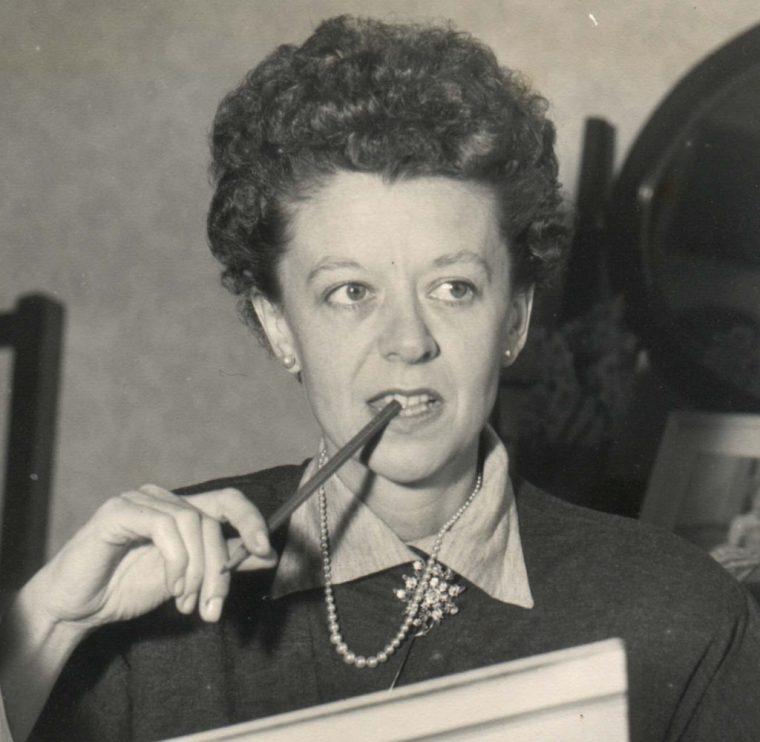
Johann Mederitsch (battezzato il 27 dicembre 1752 - 18 dicembre 1835): 24 Variations en do majeur sur la Danse de l’Ours. Philippe Coulange, pianoforte.

María Teresa Carreño García de Sena (22 dicembre 1853 - 1917): Ballade per pianoforte op. 15. Alexandra Oehler.

Urmas Sisask (1960 - 17 dicembre 2022): Andromeda, sonata per 2 pianoforti a 8 mani (1991). Origami Ensemble.

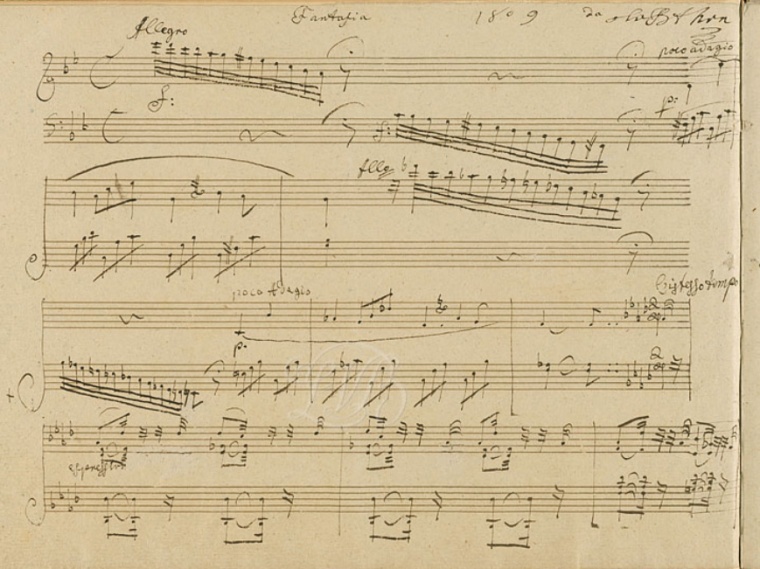
Ludwig van Beethoven (circa 16 dicembre 1770 - 1827): Fantasia in sol minore-si bemolle maggiore per pianoforte op. 77 (1809). Edwin Fischer (1952).
Ai suoi tempi Beethoven era considerato un grande improvvisatore: con la sua maestria in questo campo conquistò i salotti aristocratici viennesi, procurandosi amicizie e mecenatismo. Secondo Carl Czerny, che di Beethoven fu allievo, la Fantasia op. 77 dà un’idea esatta dell’arte improvvisatoria beethoveniana.
Maria Szymanowska (14 dicembre 1789 - 1831): Notturno in si bemolle maggiore per pianoforte. Roberto Piana.

Alvin Curran (13 dicembre 1938): For Cornelius per pianoforte (1981-94). Eve Egoyan.
« For Cornelius was written in December 1981 just after my hearing the news of the accidental and tragic death of the English composer Cornelius Cardew. Cornelius was a visionary and his humane, prophetic powers affected everyone around him. Since my first meeting with him in Rome in 1965 and later through the many collaborations of MEV (Musica Elettronica Viva) and Cardew’s AMM group, his subtle influence has remained with me. For Cornelius is structured simply in three sections — a song, a thundering study on slowly changing harmonies, and a chorale. Though not intentionally made so, this piece may be seen as a tribute to Cardew’s own utopian dreams of making “elitist” music popular » (Alvin Curran).
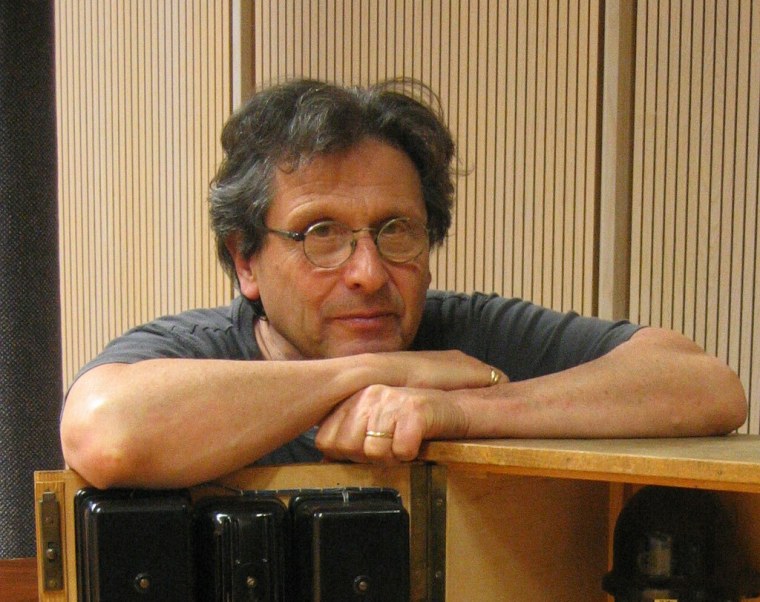
Lodovico Giustini (12 dicembre 1685 - 1743): Sonata in do maggiore per pianoforte op. 1 n. 9 (1732). Andrea Coen.

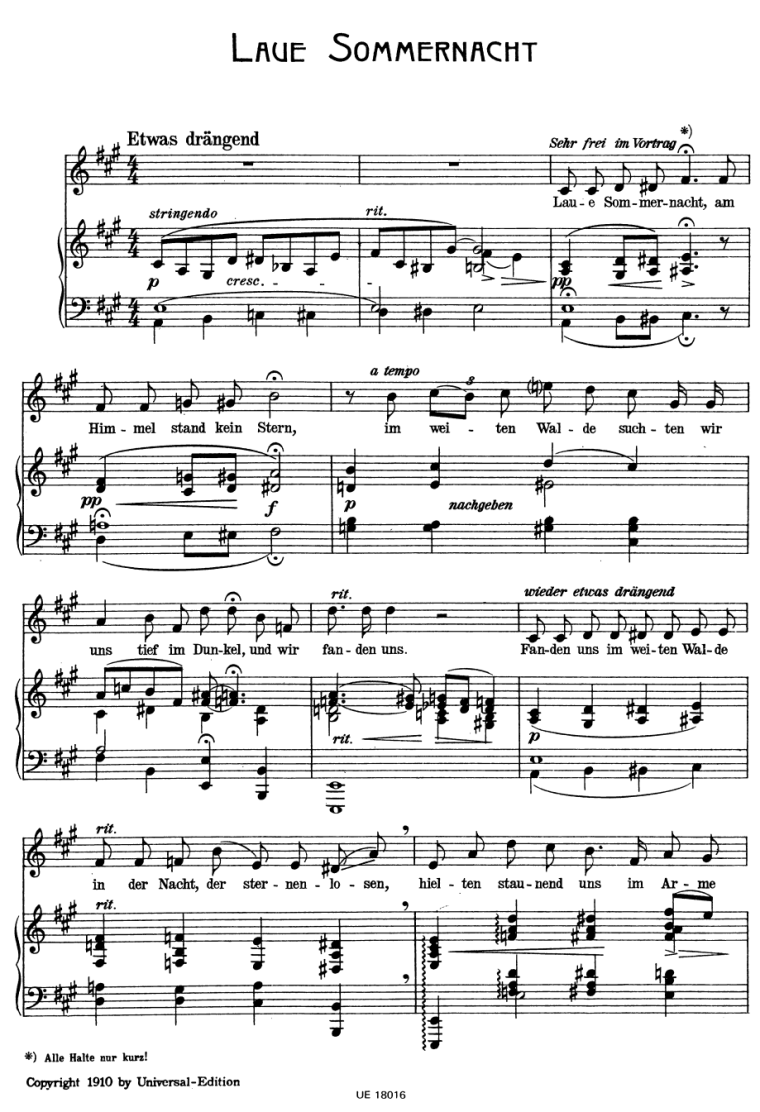
Alma Maria Schindler, nota anche come Alma Mahler Werfel (1879 - 11 dicembre 1964): Laue Sommernacht, Lied su testo di Otto Julius Bierbaum (talvolta erroneamente attribuito a Gustav Falke). Angelika Kirchschlager, mezzosoprano; Helmut Deutsch, pianoforte.
Laue Sommernacht: am Himmel
Steht kein Stern, im weiten Walde
Suchten wir uns tief im Dunkel,
Und wir fanden uns.
Fanden uns im weiten Walde
In der Nacht, der sternenlosen,
Hielten staunend uns im Arme
In der dunklen Nacht.
War nicht unser ganzes Leben
Nur ein Tappen, nur ein Suchen-
Da: In seine Finsternisse
Liebe, fiel Dein Licht.
(Mite notte d’estate: non c’è stella nel cielo, nell’ampia foresta ci siamo cercati e ci siamo trovati.
Ci siamo trovati nell’ampia foresta nella notte senza stelle, stupefatti ci siamo tenuti fra le braccia nella notte oscura.
Tutta la nostra vita non era che un cercare, un brancolare. Là, nella sua oscurità, amore, è caduta la tua luce.)
Lo stesso Lied nell’orchestrazione di Jorma Panula. Lucie Ceralová, mezzosoprano; Norddeutsche Philharmonie, dir. Manfred Herrman Lehner.
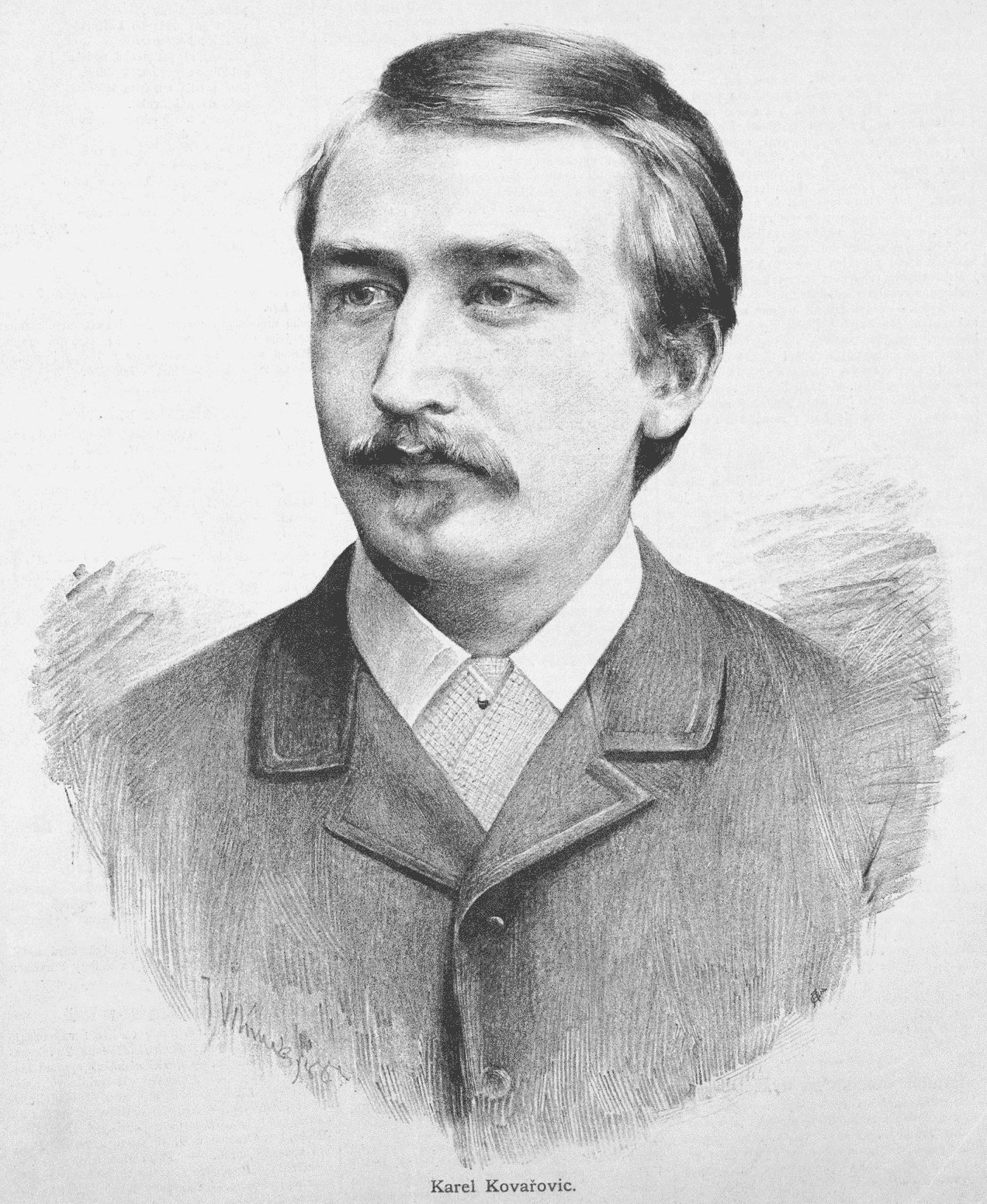
Karel Kovařovic (9 dicembre 1862 - 6 dicembre 1920): Concerto in fa minore per pianoforte e orchestra op. 6 (1887). Zdeněk Jílek, pianoforte; Symfonický orchestr Českého rozhlasu (Orchestra sinfonica della Radio ceca), dir. Josef Hrnčíř.
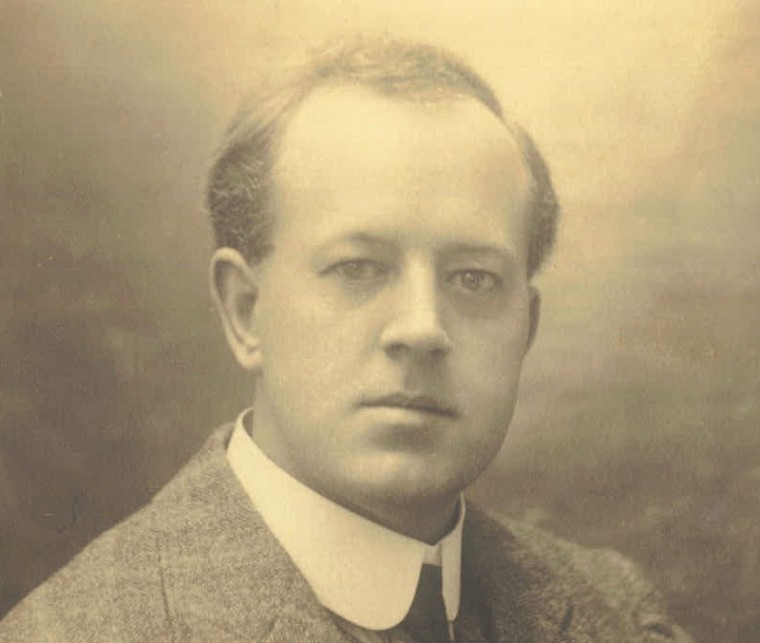
Edgar Bainton (1880 - 8 dicembre 1956): Concerto fantasia per pianoforte e orchestra (1917-20). Margaret Fingerhut, pianoforte; BBC Philharmonic Orchestra, dir. Paul Daniel.
Leoš Janáček (1854 - 1928): V mlhách (Nella nebbia), ciclo di quattro composizioni per pianoforte. Rudolf Firkušný.
La prima esecuzione, interprete Marie Dvořáková, ebbe luogo il 7 dicembre 1913 a Kroměříž.

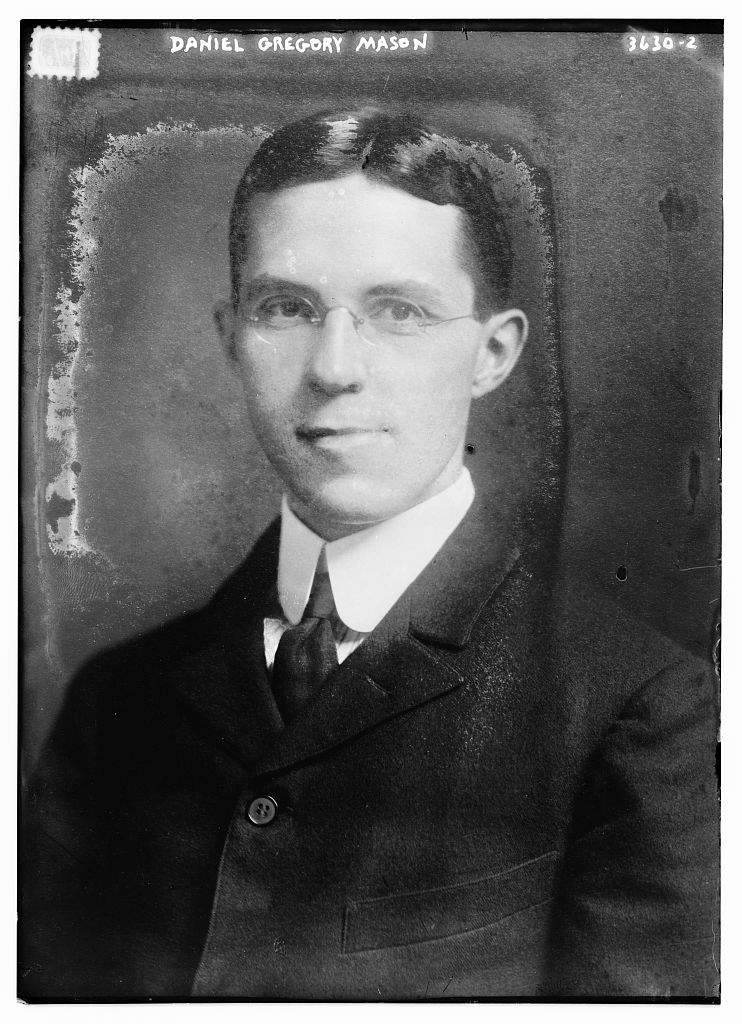
Daniel Gregory Mason (1873 - 4 dicembre 1953):Preludio e Fuga per pianoforte e orchestra (1921). Mary Louise Bohm-Kooper, pianoforte; Westfälischen Sinfonieorchester, dir. Siegfried Landau.
Josephine Lang (1815 - 2 dicembre 1880): Arabeske in fa maggiore per pianoforte (pubblicato postumo nel 1905). Mario L. S. Barbosa.

Leo Ornstein (Juda-Lejv Gornštejn; 2 dicembre 1893 - 2002): A Morning in the Woods per pianoforte (1971). Janice Weber.

Agathe Backer-Grøndahl (1° dicembre 1847 - 1907): Suite in sol minore per pianoforte op. 20 (1887). Geir Henning Braaten.

Charles Valentin Alkan (30 novembre 1813 - 1888): le Festin d’Ésope, studio in mi minore per pianoforte op. 39 n. 12. Jack Gibbons.
Ultima delle Douze Études dans tous les tons mineurs op. 39 (pubblicate nel 1857), consiste in una serie di 25 variazioni sopra un tema originale.


 la regina gioiosa