
Richard Flury (1896 - 23 dicembre 1967): Sinfonia n. 4 in re maggiore, Liechtensteinische-Sinfonie (1950-51). BBC Symphony Orchestra, dir. Paul Mann.
- Allegro
- Andante
- Scherzo: Prestissimo
- Finale: Allegro

Richard Flury (1896 - 23 dicembre 1967): Sinfonia n. 4 in re maggiore, Liechtensteinische-Sinfonie (1950-51). BBC Symphony Orchestra, dir. Paul Mann.
Michele Novaro (23 dicembre 1818 - 1885): Roma e Venezia, gran polka nazionale in fa maggiore per pianoforte (c1864). Vito Maggiolino.
Questa vivace danza contiene citazioni del Canto degli italiani, composto dallo stesso Novaro sul celebre testo di Mameli, e della Marcia reale d’ordinanza di Giuseppe Gabetti, inno della monarchia sabauda.
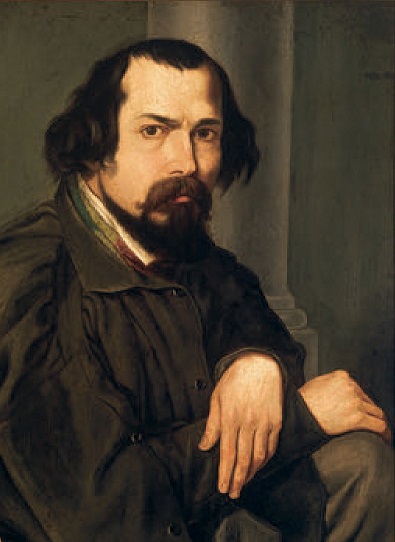
Carl Friedrich Abel (22 dicembre 1723 - 1787): Sinfonia in re maggiore op. 17 n. 3, WK 33 (1783). The Hanover Band, dir. Anthony Halstead.
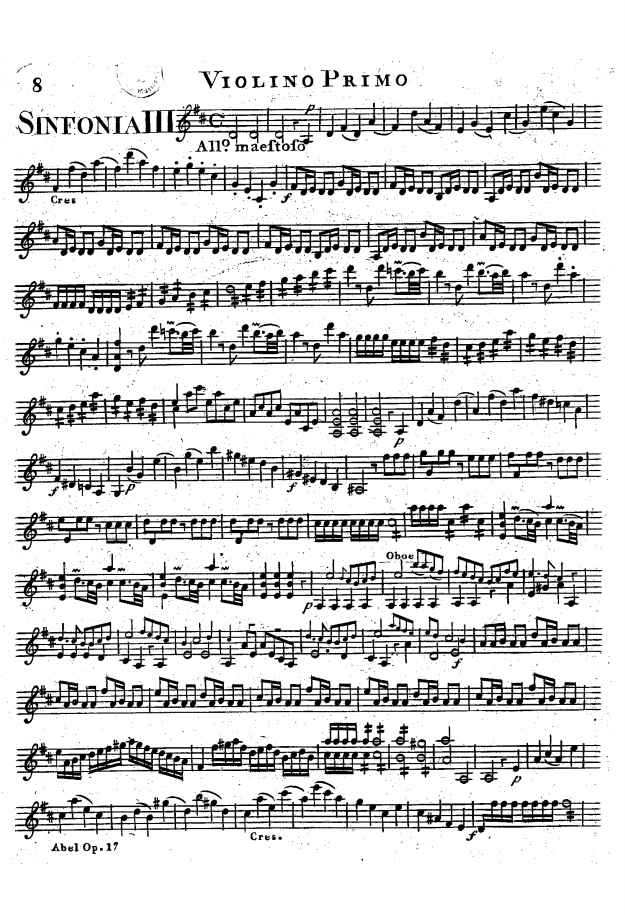
María Teresa Carreño García de Sena (22 dicembre 1853 - 1917): Ballade per pianoforte op. 15. Alexandra Oehler.

Eric Coates (1886 - 21 dicembre 1957): London ovvero London Every Day, suite sinfonica (1933). The East of England Orchestra, dir. Malcolm Nabarro.
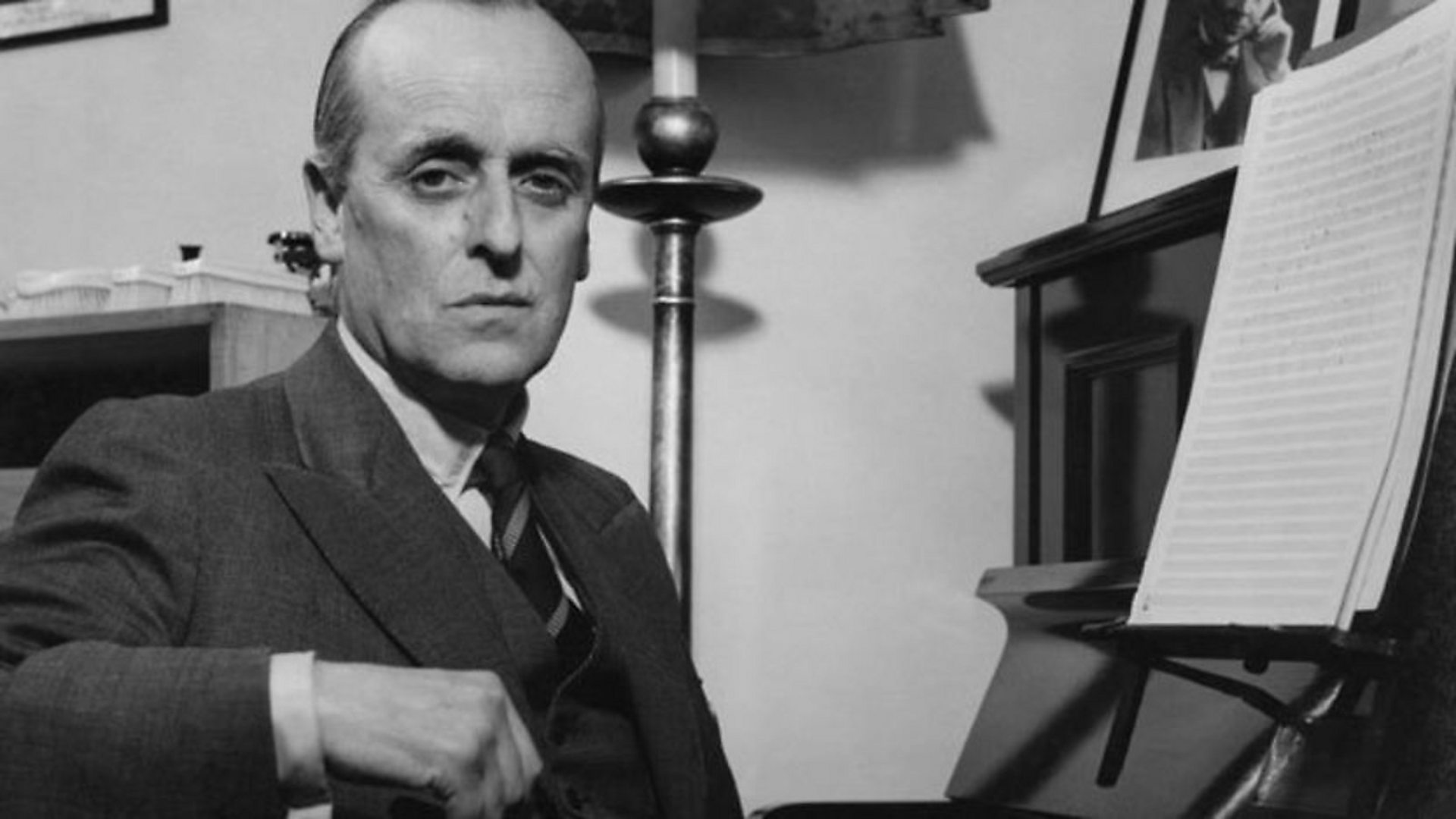
Anonimo (sec. XVI): All Hail to the Days, carol natalizio inglese, noto anche come Drive the Cold Winter Away e In Praise of Christmas. The Baltimore Consort (strumentale); The Sixteen, dir. Harry Christophers.
All hail to the days
that merit more praise
Than all the rest of the year,
And welcome the nights
that double delights,
As well for the poor as the peer!
Good fortune attend
each merry man’s friend,
That doth but the best that he may;
Forgetting old wrongs,
with carols and songs,
To drive the cold winter away.
This time of the year
is spent in good cheer,
And neighbours together do meet,
To sit by the fire,
with friendly desire,
Each other in love do greet;
Old grudges forgot,
are put in the pot,
All sorrows aside they lay,
The old and the young
doth carol his song,
To drive the cold winter away.
To mask and to mum
kind neighbours will come
With wassails of nut-brown ale,
To drink and carouse
to all in the house,
As merry as bucks in the dale;
Where cake, bread and cheese
is brought for your fees,
To make you the longer stay;
At the fire to warm
will do you no harm,
To drive the cold winter away.
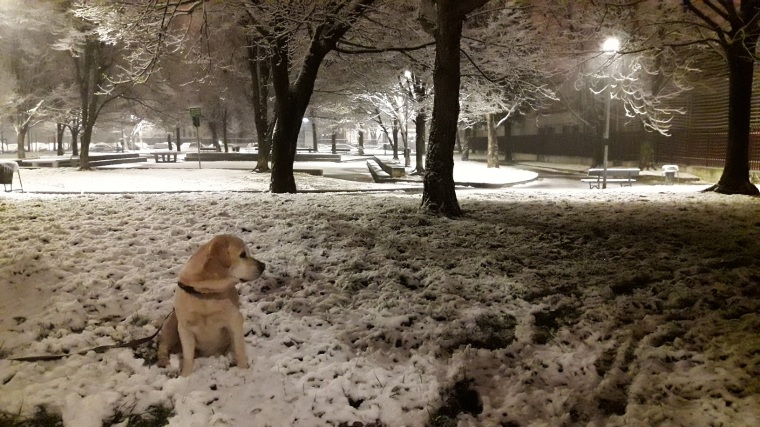
Felice inverno a tutti 🙂
André Jolivet (1905 - 20 dicembre 1974): Concerto per strumenti a percussione e orchestra. Masako Iguchi, percussione; San Francisco Conservatory of Music Orchestra, dir. Alasdair Neale.
Per Jolivet — che ha una concezione molto beethoveniana della figura del compositore, il quale deve assumersi il compito di fare da vera e propria guida morale — la musica è prima di tutto comunione: fra compositore e natura nel momento della composizione, fra compositore e pubblico nel momento dell’esecuzione. Fare musica è “far leva sul sentimento dell’umano”, dando all’arte musicale “il suo senso originale antico, quando era l’espressione magica e incantatrice della religiosità degli uomini”. Jolivet cerca costantemente, lungo l’intero arco della sua attività creativa, di ampliare il linguaggio musicale, senza però perdere mai i profondi agganci con il “sistema cosmico universale”.
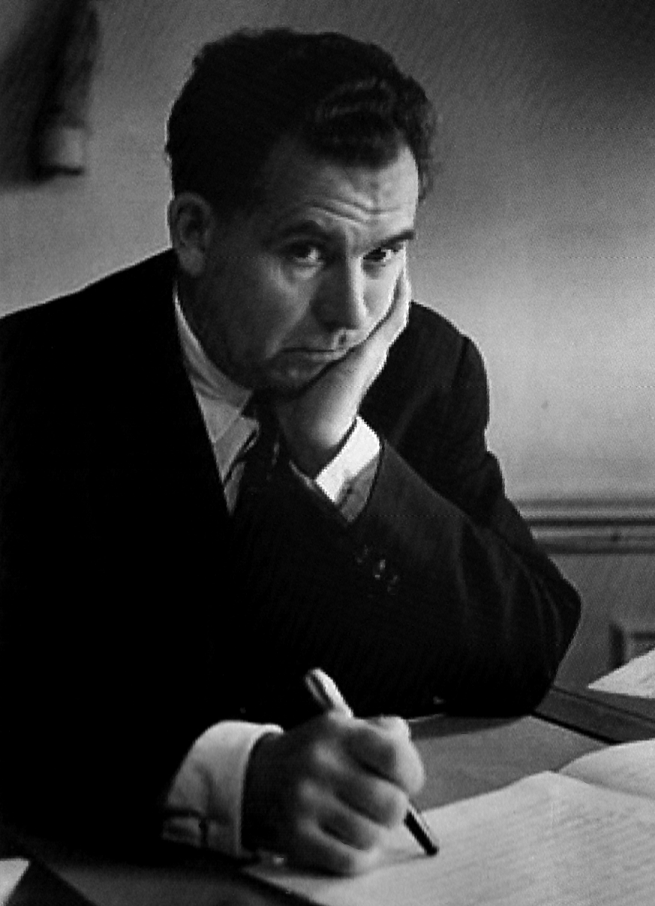
John Harbison (20 dicembre 1938): Ulysses’ Bow, II atto del balletto Ulysses (1983). Pittsburgh Symphony Orchestra, dir. André Previn.

Rebecca Saunders (19 dicembre 1967): Dust per 1 percussionista (2017-2018). Rebecca Lloyd-Jones.

 Francesco Antonio Bonporti (1672 - 19 dicembre 1749): Serenata IV in la minore (c1720). Luigi Mangiocavallo, violino; Claudio Ronco, violoncello; Marco Mencoboni, clavicembalo.
Horatio Parker (1863 - 18 dicembre 1919): A Northern Ballad, poema sinfonico op. 46 (c1899). Royal Philharmonic Orchestra, dir. Karl Krueger.


Christopher Theofanidis (18 dicembre 1967): Rainbow Body per orchestra (2000). Atlanta Symphony Orchesta, dir. Robert Spano.
Peter Warlock (pseudonimo di Philip Heseltine; 1894 – 17 dicembre 1930): Bethlehem Down, carol per coro a 4 voci (1927) su testo Bruce Blunt (1899 – 1957). Coro del King’s College di Cambridge.
«When He is King we will give Him a King’s gifts,
Myrrh for its sweetness, and gold for a crown,
Beautiful robes», said the young girl to Joseph,
Fair with her first-born on Bethlehem Down.
Bethlehem Down is full of the starlight,
Winds for the spices, and stars for the gold,
Mary for sleep, and for lullaby music,
Songs of a shepherd by Bethlehem fold.
When He is King they will clothe Him in grave-sheets,
Myrrh for embalming, and wood for a crown,
He that lies now in the white arms of Mary,
Sleeping so lightly on Bethlehem Down.
Here He has peace and a short while for dreaming,
Close-huddled oxen to keep him from cold,
Mary for love, and for lullaby music,
Songs of a shepherd by Bethlehem Down.
Lo stesso brano nella trascrizione per orchestra d’archi realizzata nel 2002 da Philip Lane (1950-). Royal Ballet Sinfonia, dir. Gavin Sutherland.
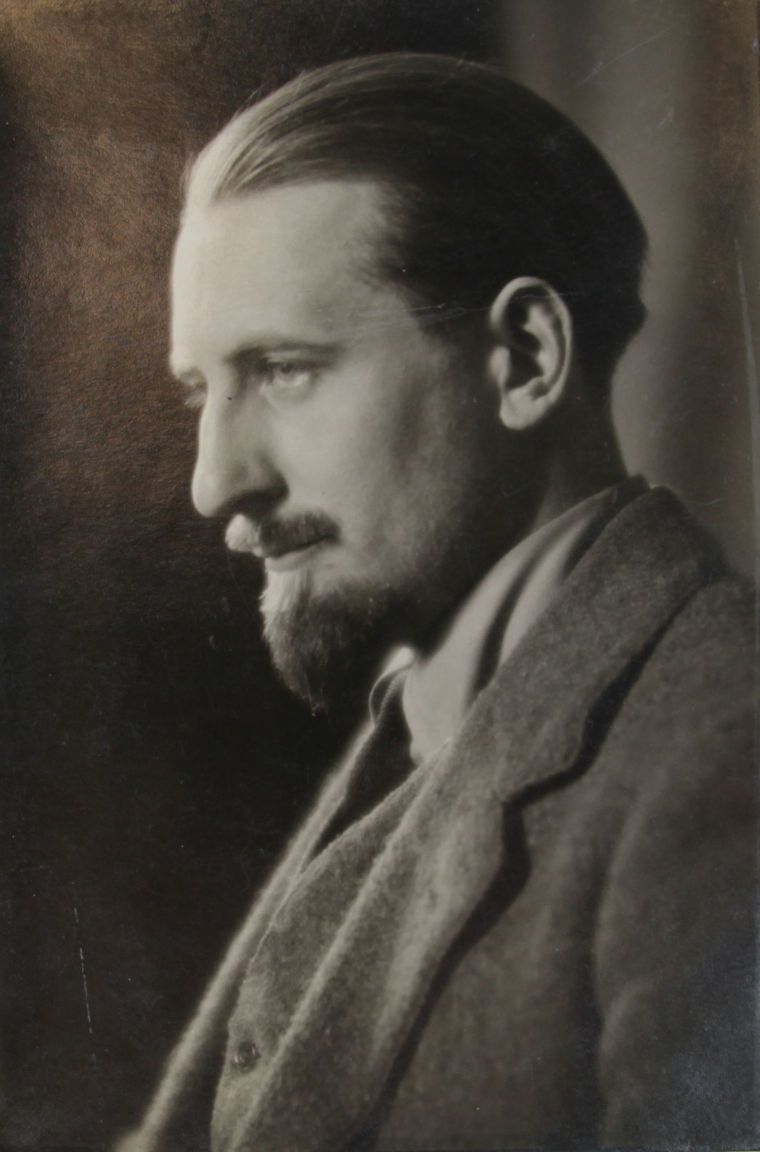
Urmas Sisask (1960 - 17 dicembre 2022): Andromeda, sonata per 2 pianoforti a 8 mani (1991). Origami Ensemble.

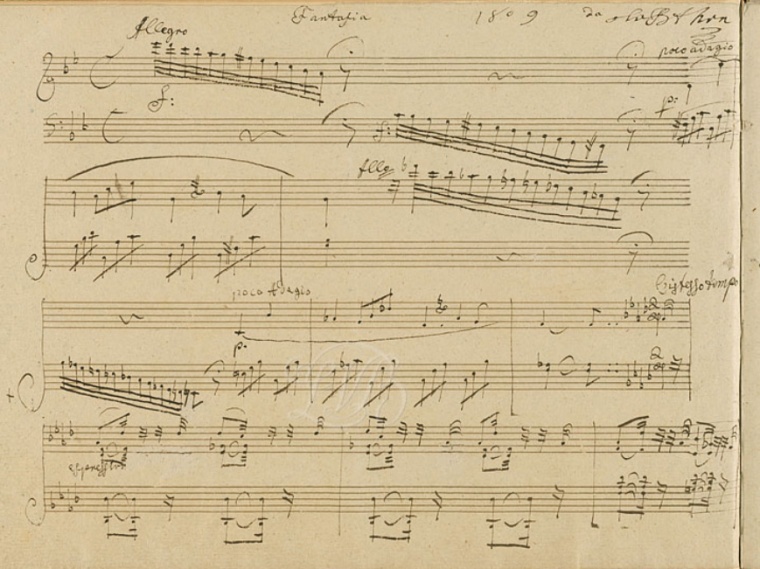
Ludwig van Beethoven (circa 16 dicembre 1770 - 1827): Fantasia in sol minore-si bemolle maggiore per pianoforte op. 77 (1809). Edwin Fischer (1952).
Ai suoi tempi Beethoven era considerato un grande improvvisatore: con la sua maestria in questo campo conquistò i salotti aristocratici viennesi, procurandosi amicizie e mecenatismo. Secondo Carl Czerny, che di Beethoven fu allievo, la Fantasia op. 77 dà un’idea esatta dell’arte improvvisatoria beethoveniana.
Georgij Vasil’evič Sviridov (16 dicembre 1915 - 1998): La tormenta (Метель), suite sinfonica tratta dalla colonna sonora del film omonimo, diretto nel 1964 da Vladimir Basov su sceneggiatura ispirata dal racconto breve di Puškin che reca il medesimo titolo (dalle Novelle del compianto Ivan Petrovič Belkin, 1831). Orchestra filarmonica di Mosca, dir. Igor’ Manašerov.
Joseph Martin Kraus (1756 - 15 dicembre 1792): Sinfonia in do minore VB 142 (?1783). Concerto Köln, dir. Werner Ehrhardt.
È forse questa la sinfonia eseguita a Eszterháza nell’ottobre 1783 e dedicata a Haydn, il quale ne diede un giudizio assai lusinghiero.

Michel-Richard Delalande (15 dicembre 1657 - 1726): Te Deum, grand motet per soli, coro e orchestra S.32 (1684). Emmanuelle de Negri e Dagmar Šaškova, soprani; Sean Clayton, haute-contre; Cyril Auvity, tenore; André Morsch, basso; Le Poème Harmonique e Ensemble Aedes, dir. Vincent Dumestre.

Joseph Jongen (14 dicembre 1873 - 1953): Sonata Eroïca per organo op. 94 (1930). Gabriel Dessauer.

Maria Szymanowska (14 dicembre 1789 - 1831): Notturno in si bemolle maggiore per pianoforte. Roberto Piana.

George Stephănescu (13 dicembre 1843 - 1925): Sinfonia in la maggiore (1869). Orchestra simfonică a filarmonicii din Arad, dir. Eliodor Rau.

Alvin Curran (13 dicembre 1938): For Cornelius per pianoforte (1981-94). Eve Egoyan.
« For Cornelius was written in December 1981 just after my hearing the news of the accidental and tragic death of the English composer Cornelius Cardew. Cornelius was a visionary and his humane, prophetic powers affected everyone around him. Since my first meeting with him in Rome in 1965 and later through the many collaborations of MEV (Musica Elettronica Viva) and Cardew’s AMM group, his subtle influence has remained with me. For Cornelius is structured simply in three sections — a song, a thundering study on slowly changing harmonies, and a chorale. Though not intentionally made so, this piece may be seen as a tribute to Cardew’s own utopian dreams of making “elitist” music popular » (Alvin Curran).
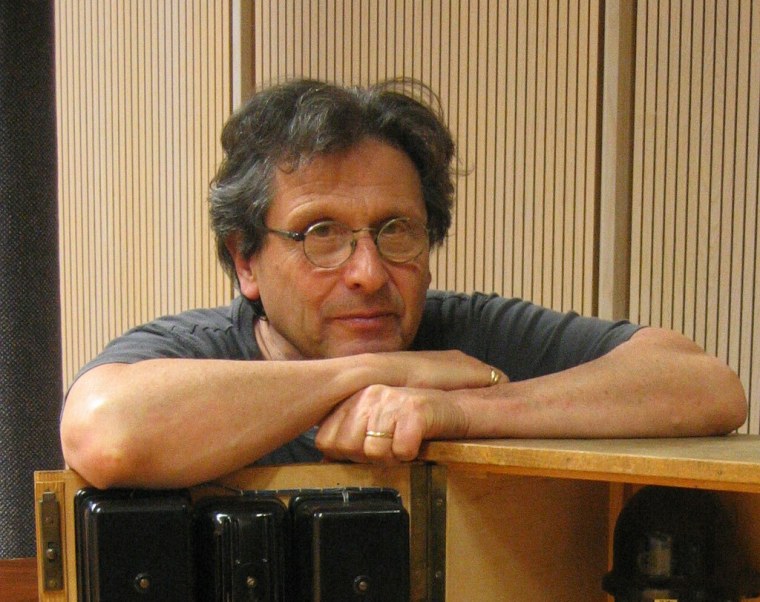
Lodovico Giustini (12 dicembre 1685 - 1743): Sonata in do maggiore per pianoforte op. 1 n. 9 (1732). Andrea Coen.

Michèle Reverdy (12 dicembre 1943): Dix musiques minutes per violino, viola e violoncello (1994). Guy Comentale, violino; Laurent Verney, viola; Dominique de Williencourt, violoncello.

Rachel Portman (11 dicembre 1960): The Emperor’s New Clothes, suite sinfonica dalla colonna sonora dell’omonimo film (2001) di Alan Taylor.
Un film molto garbato, ambientato a Parigi ma girato in buona parte 🙂 a Torino, ha come protagonista Ian Holm nei panni di Napoleone: il quale, dopo Waterloo, potrebbe aver avuto una sorte assai diversa da quella che raccontano i libri di storia…
A very lovely film, set in Paris but partly shot in Turin, stars Ian Holm in the role of Napoleon: who, after Waterloo, may have had a very different fate from the one the history books tell…

A poster from The Emperor’s New Clothes. In the background on the left you can see the Valentino Castle in Turin, which in the film fiction becomes a Parisian building.
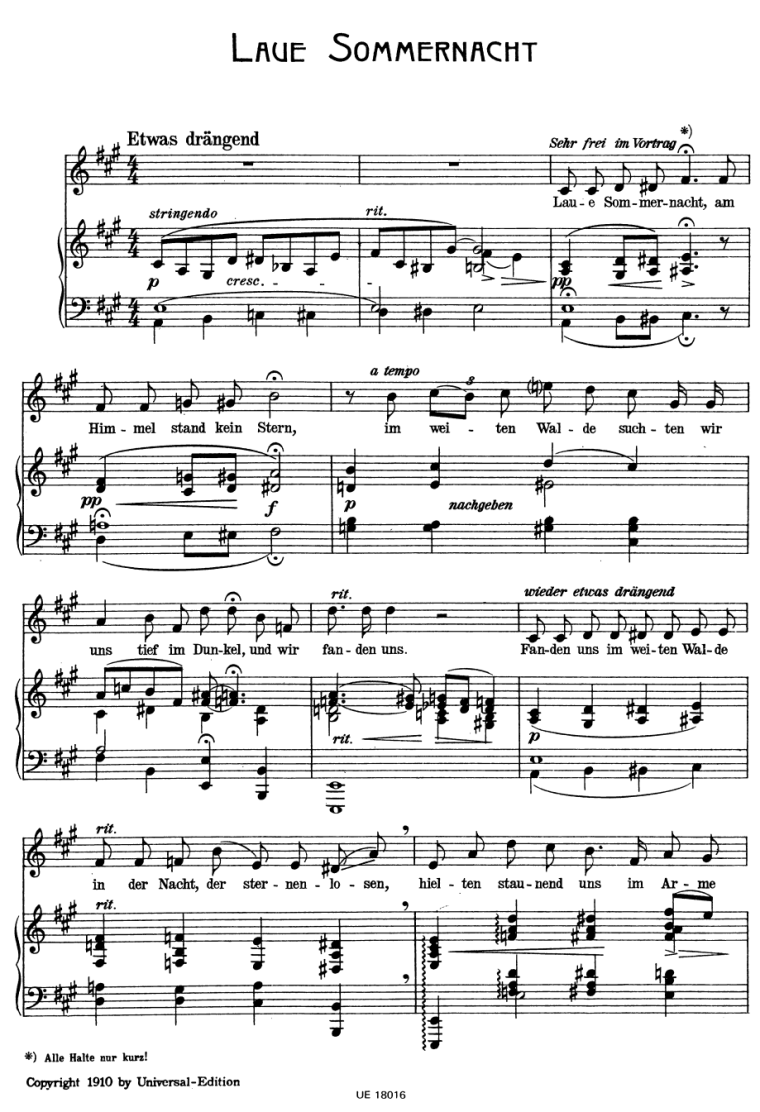
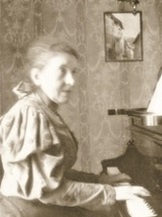
Alma Maria Schindler, nota anche come Alma Mahler Werfel (1879 - 11 dicembre 1964): Laue Sommernacht, Lied su testo di Otto Julius Bierbaum (talvolta erroneamente attribuito a Gustav Falke). Angelika Kirchschlager, mezzosoprano; Helmut Deutsch, pianoforte.
Laue Sommernacht: am Himmel
Steht kein Stern, im weiten Walde
Suchten wir uns tief im Dunkel,
Und wir fanden uns.
Fanden uns im weiten Walde
In der Nacht, der sternenlosen,
Hielten staunend uns im Arme
In der dunklen Nacht.
War nicht unser ganzes Leben
Nur ein Tappen, nur ein Suchen-
Da: In seine Finsternisse
Liebe, fiel Dein Licht.
(Mite notte d’estate: non c’è stella nel cielo, nell’ampia foresta ci siamo cercati e ci siamo trovati.
Ci siamo trovati nell’ampia foresta nella notte senza stelle, stupefatti ci siamo tenuti fra le braccia nella notte oscura.
Tutta la nostra vita non era che un cercare, un brancolare. Là, nella sua oscurità, amore, è caduta la tua luce.)
Lo stesso Lied nell’orchestrazione di Jorma Panula. Lucie Ceralová, mezzosoprano; Norddeutsche Philharmonie, dir. Manfred Herrman Lehner.
Tarquinio Merula (1595 - 10 dicembre 1665): Ciaccona per 2 violini e continuo (1637). Hespèrion XXI. dir. Jordi Savall.
Merula: Aria sopra la Ciaccona. Montserrat Figueras, soprano; Hespèrion XXI; Jordi Savall, viola da gamba e direzione.
Su la cetra amorosa,
In dolce e lieto stile,
Io non pensavo mai di più cantar
Ch’anima tormentosa,
In suon funesto umile,
Dovea pianger mai e sempre sospirar.
Pur da nova cagion
Chiamato son d’Amor al canto e al suon.
Io, ch’amante infelice
Ceneri fredde a pena
Dal rogo riportai l’infaust’amor,
Sento che più non lice,
Con roca e stanca lena,
Narrar le fiamme antiche e’l vecchio ardor.
Hora che novo sol
M’accende, e vuol ch’io di lui canti sol.
Questa lacera spoglia
D’un cor trafitto ed arso,
Miserabile avanzo dei martir,
Invece che l’accoglia
Povero avello e scarso,
Amor tiranno anche pur vuol ferir.
Eccomi fatto egual
Scuopo al suo stral dispietato e mortal.
Io non intesi mai
Che si tragga di tomba
Nemico estinto, a farli guerra più,
È pur amor omai
Sona guerriera tromba,
Pur contro chi d’amor già morto fu.
Ecco a battaglia me
Rappella, ahimè, d’amor, d’onor, di fé.
Ei potea pur lasciarmi
Sepolt’infra i cipressi,
O nel sasso d’Elisa, algente e dur.
E con più gloria, l’armi
Volger contro quei stessi
Cori ch’al regno suo rubelli fur.
E in pace me lasciar,
Dopo il penar, mort’almen riposar.
Pur se di nuovo vuoi,
Ch’io porti il cor piagato,
Di tue quadrella, o dispietato arcier,
S’ancor da’ lacci tuoi
Mi vuoi pres’e legato,
E vuoi ch’avampi del tuo fuoco, o fier.
Deh, meco almen fa’ sì,
Ch’arda così colei che mi ferì.
E se tu vuoi ch’io canti
Nove fiamme, altri ardori
E divina beltà, scesa dal ciel,
Fa’ sì ch’anch’io mi vanti,
D’esser, tra casti allori,
Degno di non morir sempre di gel.
Ch’i più canori augei
Io emulerei, sì dolce canterei.

 Elvira de Gresti (1846 - 10 dicembre 1913): Tantum ergo sacramentum a 4 voci miste con accompagnamento d’organo ad libitum. Coro polifonico Castelbarco, dir. Luigi Azzolini; Stefano Rattini, organo.
Tantum ergo sacramentum
veneremur cernui
et antiquum documentum
novo cedat ritui.
Praestet fides supplementum
sensuum defectui.
Genitori genitoque
laus et jubilatio
salus, honor, virtus quoque
sit et benedictio.
Procedenti ab utroque
compar sit laudatio.
Amen.
Pierre Schaeffer (1910 - 1995) e Pierre Henry (9 dicembre 1927 - 2017): Orphée 53, musique concrète (1953).

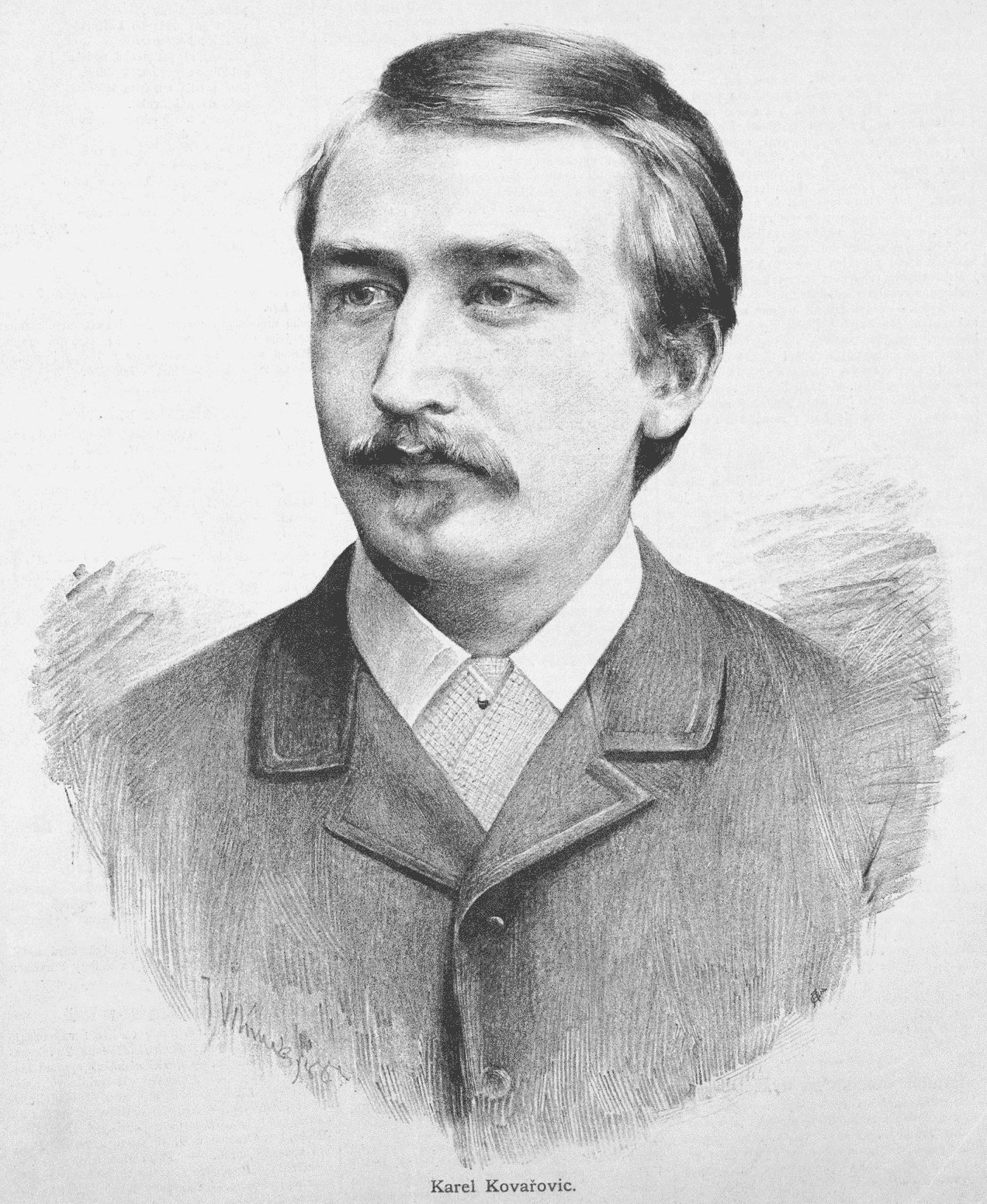
Karel Kovařovic (9 dicembre 1862 - 6 dicembre 1920): Concerto in fa minore per pianoforte e orchestra op. 6 (1887). Zdeněk Jílek, pianoforte; Symfonický orchestr Českého rozhlasu (Orchestra sinfonica della Radio ceca), dir. Josef Hrnčíř.


 la regina gioiosa