
Eduard Schütt (1856 - 26 luglio 1933): Scènes champêtres, quatre morceaux caractéristiques pour piano à 4 mains op. 46 (1895). Andrea Bambace e Sabrina Kang.
- Dans la cabane
- Dans la prairie [3:16]
- Au bois [6:19]
- Au Village [9:01]

Eduard Schütt (1856 - 26 luglio 1933): Scènes champêtres, quatre morceaux caractéristiques pour piano à 4 mains op. 46 (1895). Andrea Bambace e Sabrina Kang.
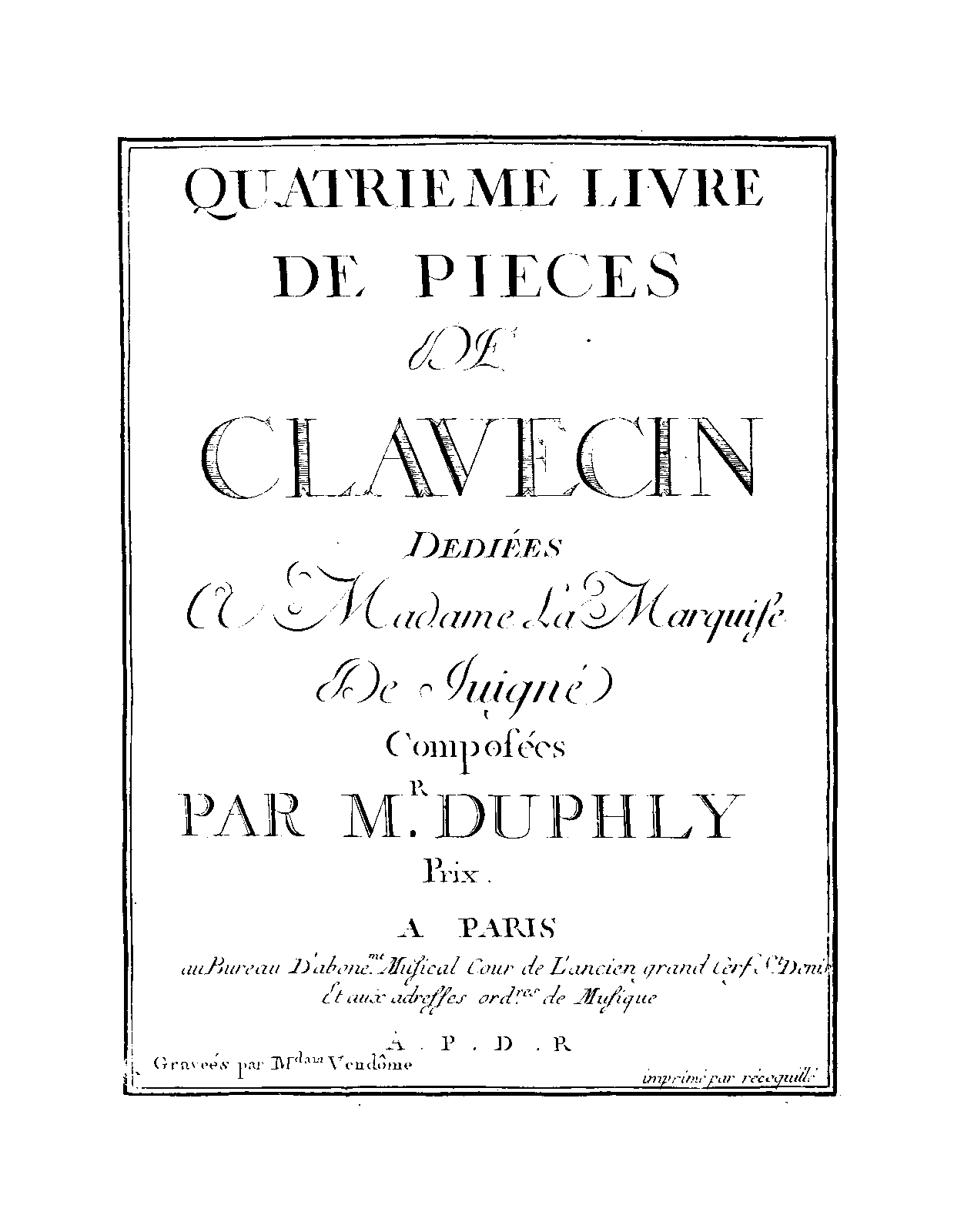
Jacques Duphly (1715 - 15 luglio 1789): Quatrième Livre de Pièces de Clavecin (1768). Pieter-Jan Belde, clavicembalo.
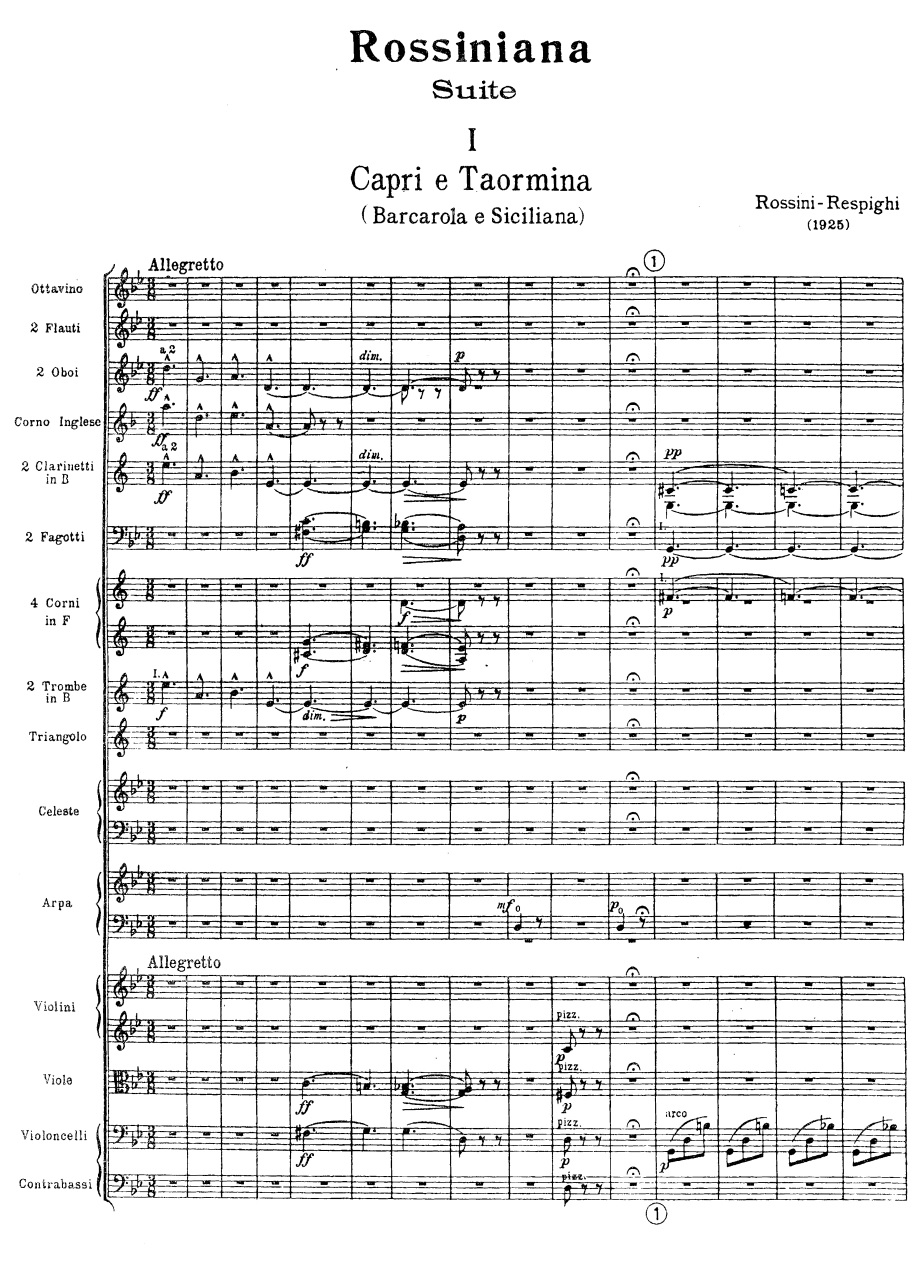
Ottorino Respighi (9 luglio 1879 - 1936): Rossiniana, suite sinfonica (1925) su temi di Gioachino Rossini (tratti da Quelques rien pour album per pianoforte). Orchestre de la Suisse Romande, dir. Ernest Ansermet.
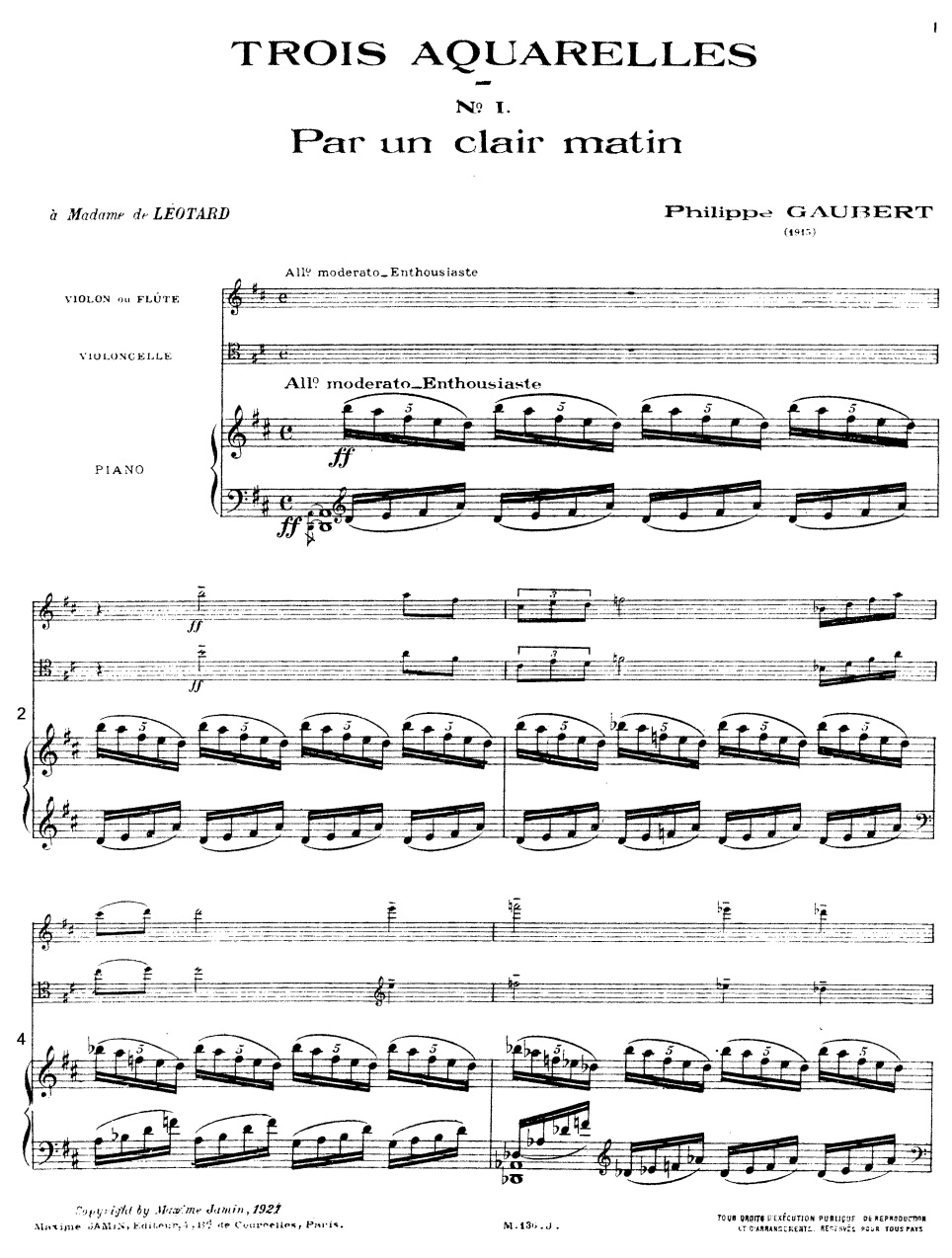
Philippe Gaubert (5 luglio 1879 - 8 luglio 1941): Trois Aquarelles per flauto, violoncello e pianoforte (1921). Leone Buyse, flauto; Desmond Hoebig, violoncello; Robert Moeling, pianoforte.
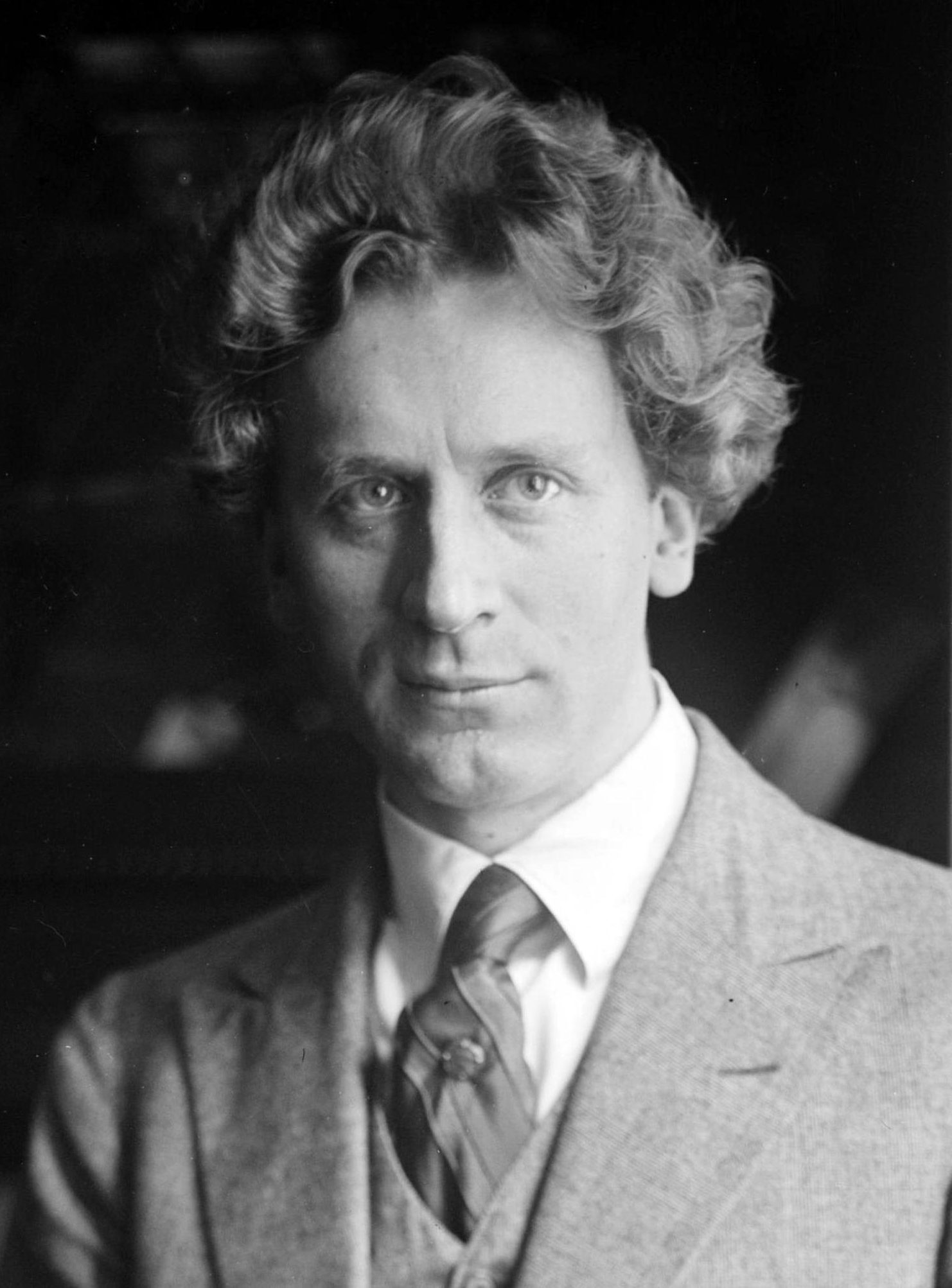
Percy Grainger (8 luglio 1882 - 1961): In a Nutshell, «Suite for Orchestra, Piano and Deagan Percussion Instruments» (1916). BBC Philharmonic Orchestra, dir. Richard Hickox.
Romeo and Juliet, a piano suite
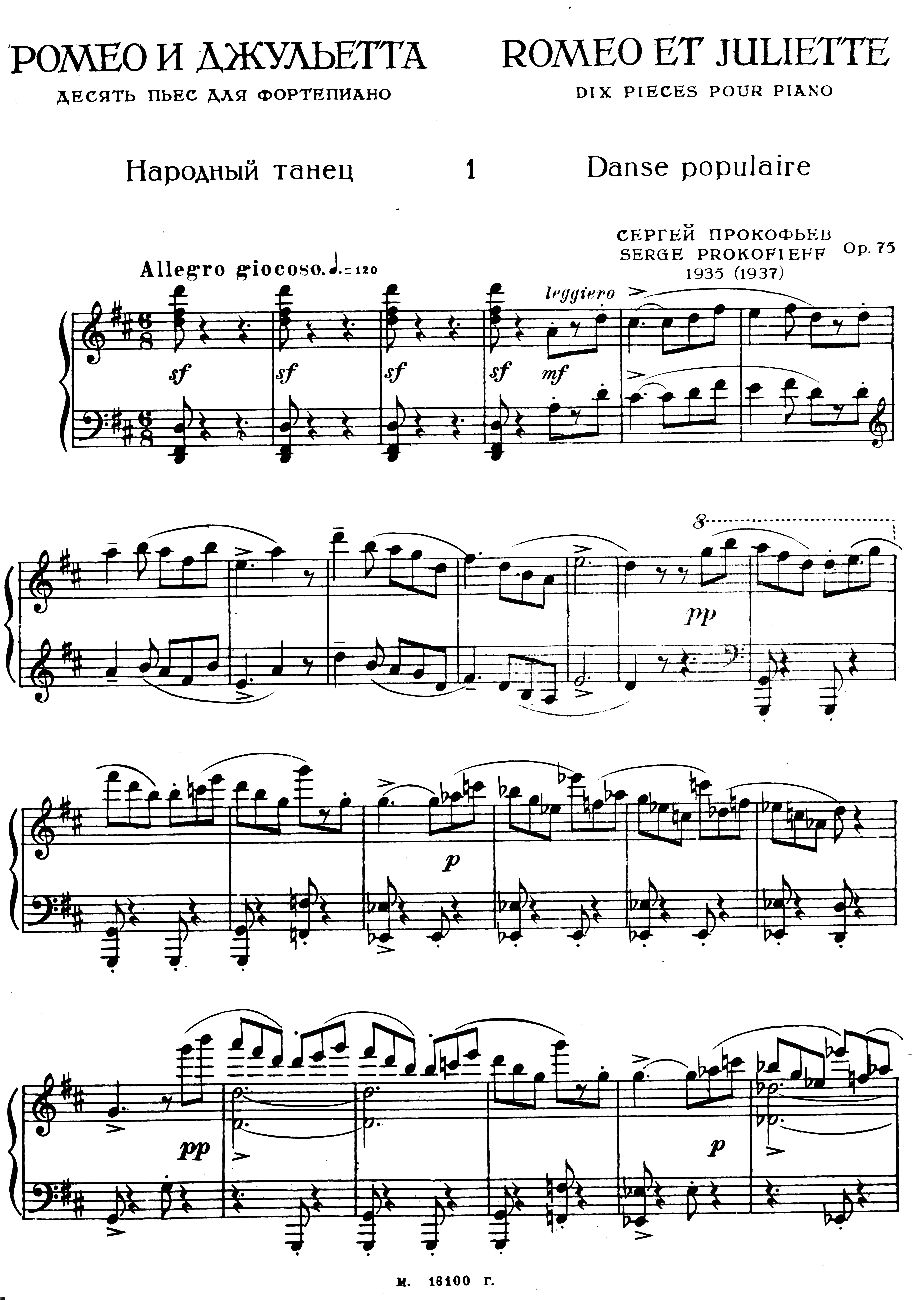
Sergei Prokofiev (Sergej Sergeevič Prokof’ev; 1891 - 1953): 10 Pieces for piano from the ballet Romeo and Juliet / Десять пьес для фортепиано из балета Ромео и Джульетта op. 75 (1937). Igor Roma, piano.
Gordon Jacob (5 luglio 1895 - 1984): Old Wine in New Bottles per 2 flauti, 2 oboi, 2 clarinetti, 2 fagotti, 2 corni e 2 trombe (1959). US Air Force Air Combat Command Heritage of America Band, dir. Lowell E. Graham.

Erik Satie (1866 - 1° luglio 1925): Pièces froides. Airs à faire fuir I, II & III (1897). Jean-Yves Thibaudet, pianoforte.

Alberto Ginastera (1916 - 25 giugno 1983): Suite de danzas criollas per pianoforte op. 15 (1946). Dmytro Choni.
Symphonic Hamlet
Franz Liszt (1811 - 1886): Hamlet, symphonic poem no. 10 (1858). London Philharmonic Orchestra; conductor: Bernard Haitink.
Pëtr Il’ič Čajkovskij (1840 - 1893): Hamlet, ouverture op. 67a (1889). London Symphony Orchestra; conductor: Valerij Gergiev.
Heinz Tiessen (1887 - 1971): Hamlet-Suite op.30 (1922). Rundfunk-Sinfonieorchester Berlin; conductor: Israel Yinon.
 Eugène Delacroix: Hamlet et Horatio au cimetière (1839), Paris, Louvre
Prospero’s incantations
Egon Wellesz (1885 - 1974): Prosperos Beschwörungen, 5 symphonische Stücke nach Shakespeares „Der Sturm“ op. 53 (1934-36). Wiener Philharmoniker, dir. Bernard Haitink.
John Ireland (1879 - 12 giugno 1962): Decorations (1912-13). John Lenehan, pianoforte.

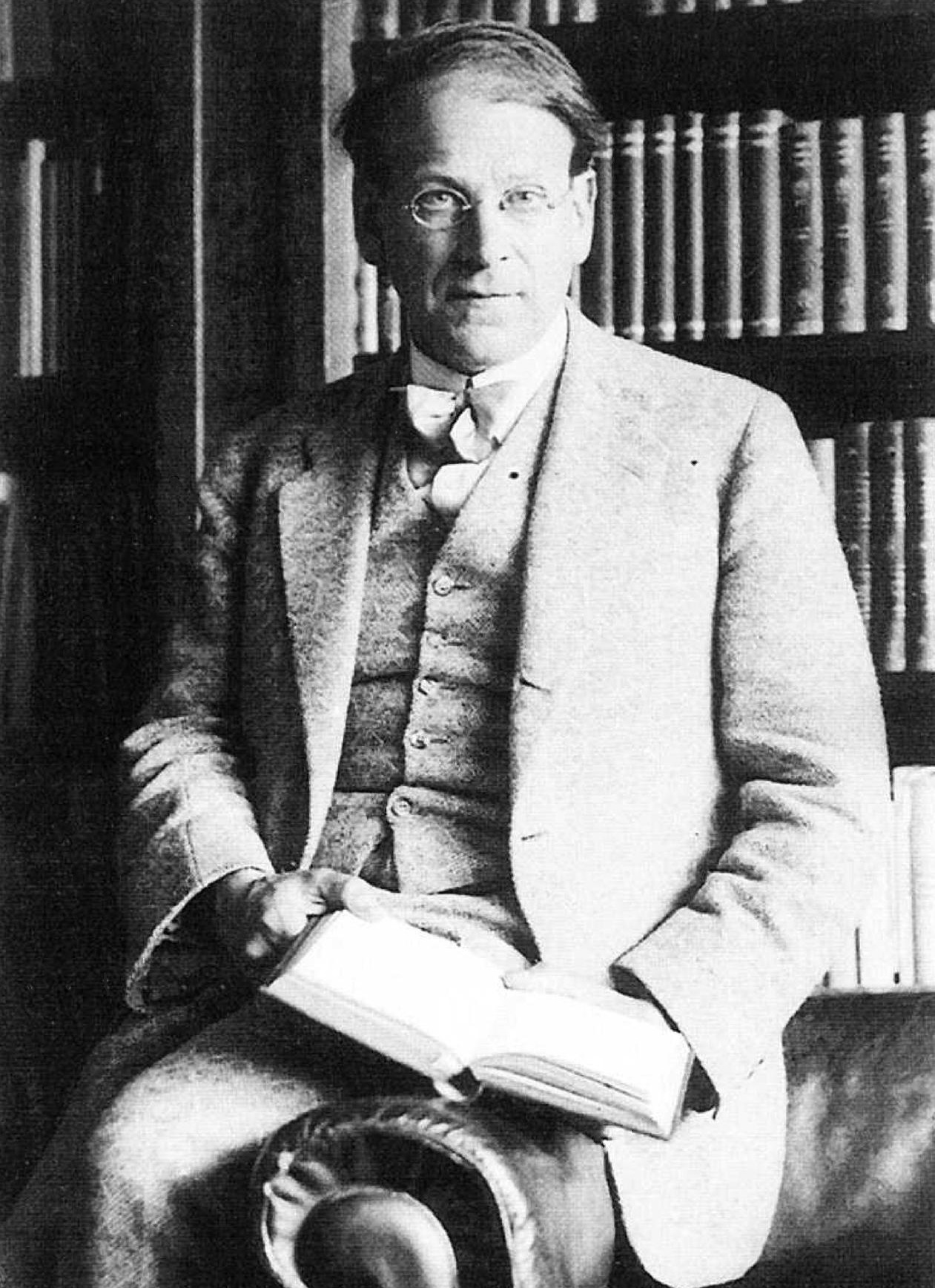
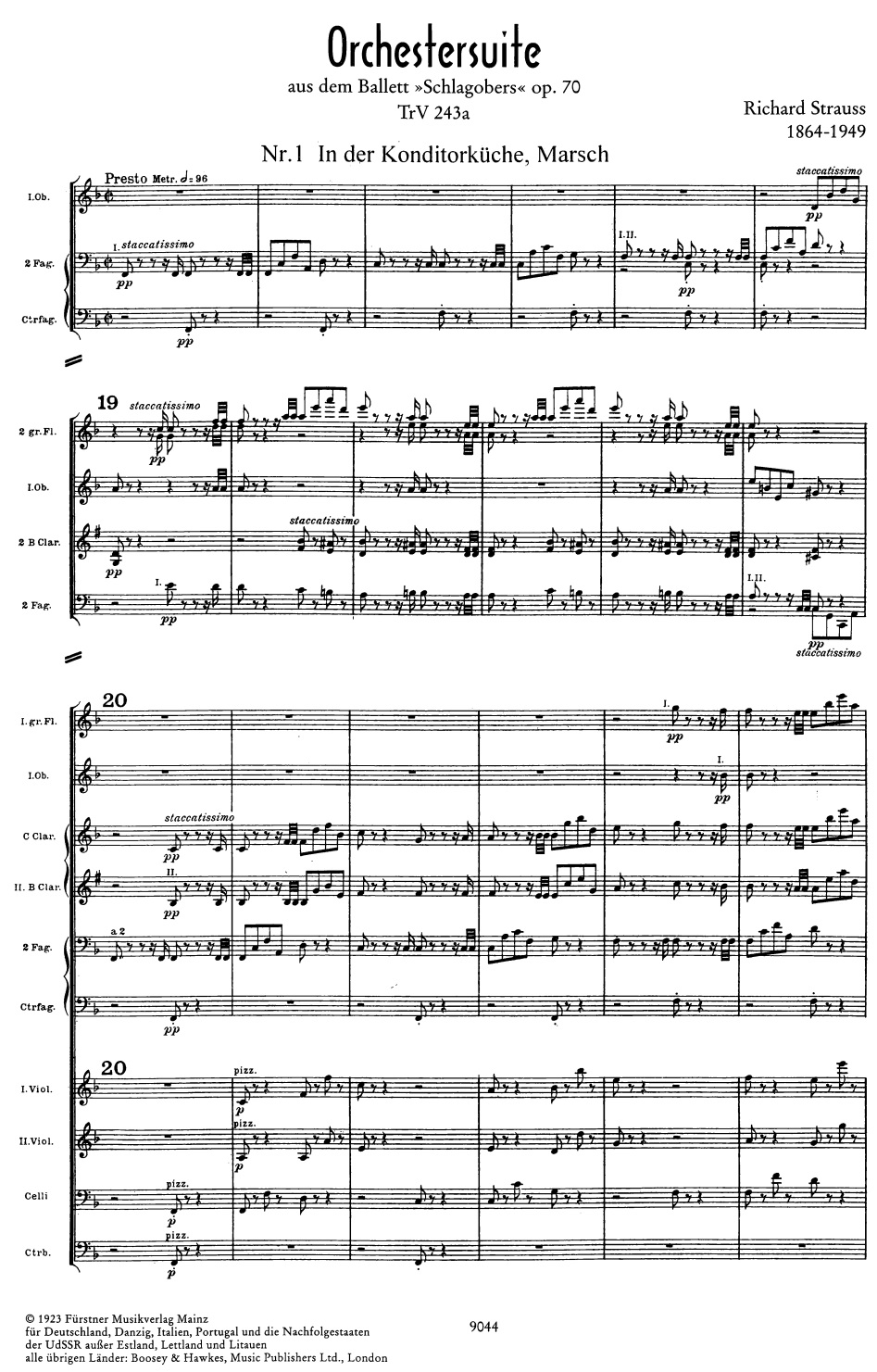
Richard Strauss (11 giugno 1864 - 1949): Suite dal balletto Schlagobers (1921-22). Orkiestra filharmonii narodowej w Warszawie (Orchestra filarmonica di Varsavia), dir. Jacek Kaspszyk.
Il balletto è ambientato a Vienna. Un gruppo di bambini dopo la cresima vengono accompagnati dalle rispettive madrine in una pasticceria del Prater, dove si abbuffano di ogni sorta di dolciumi: ne consegue inevitabile l’indigestione, sicché finiscono in ospedale. Durante la notte, i bambini sognano che tutti i dolcetti divorati il giorno prima prendono vita e danzano. La mattina successiva il medico constata la guarigione dei piccoli, che possono tornare ai loro giochi spensierati.
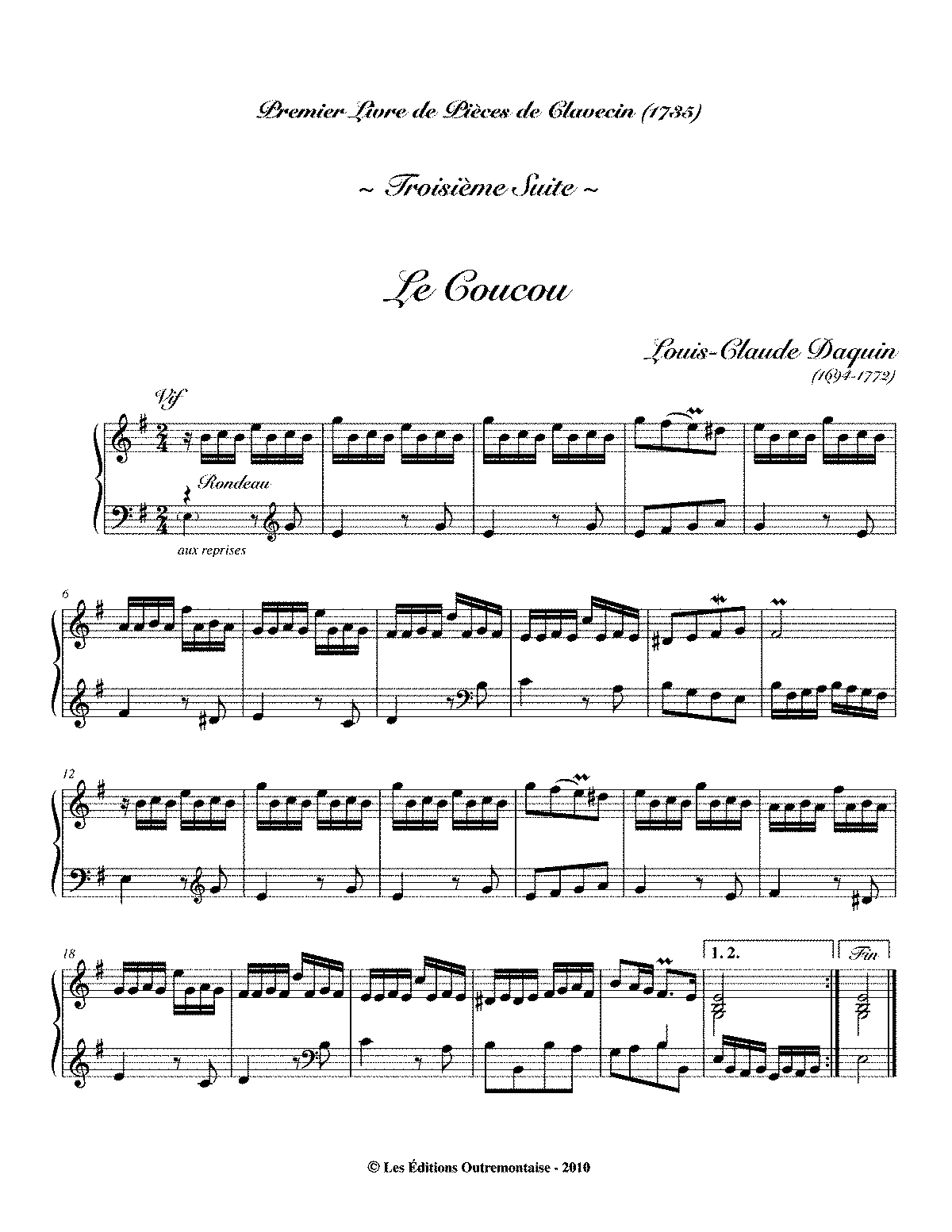
Louis-Claude Daquin (4 giugno 1694 - 1772): le Coucou, rondeau in mi minore, dalla 3a Suite del Premier Livre de pièces de clavecin (1735).
Segej Rachmaninov al pianoforte (registrazione del 1920).
György Cziffra al pianoforte (1982).
Trevor Pinnock al clavicembalo (1984).
Marie-Pierre Langlamet all’arpa (2015).
Jonathan Scott all’organo (2018).
Kaija Saariaho (1952 - 2 giugno 2023): Orion per orchestra (2002). Orchestre de Paris, dir. Christoph Eschenbach.

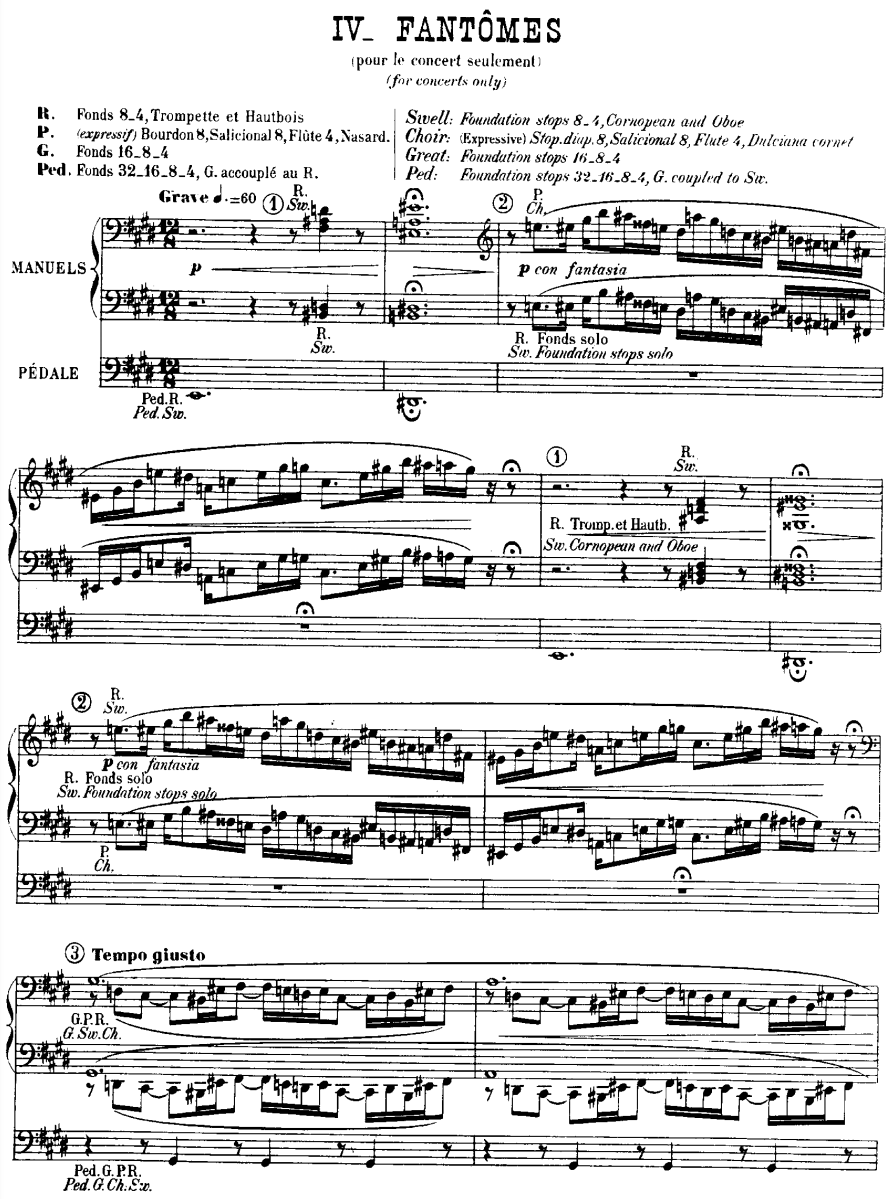
Louis Vierne (1870 - 2 giugno 1937): Fantômes, n. 4 della Suite III per organo op. 55 (24 Pièces de Fantaisie, 1927). Ben Bloor.
A Shakespearean Suite
 Josef Bohuslav Foerster (1859 - 1951): Suita ze Shakespeareho per orchestra op. 76 (1908-09). Orchestra sinfonica di Praga, dir. Václav Smetáček.
Grimaces within a Dream
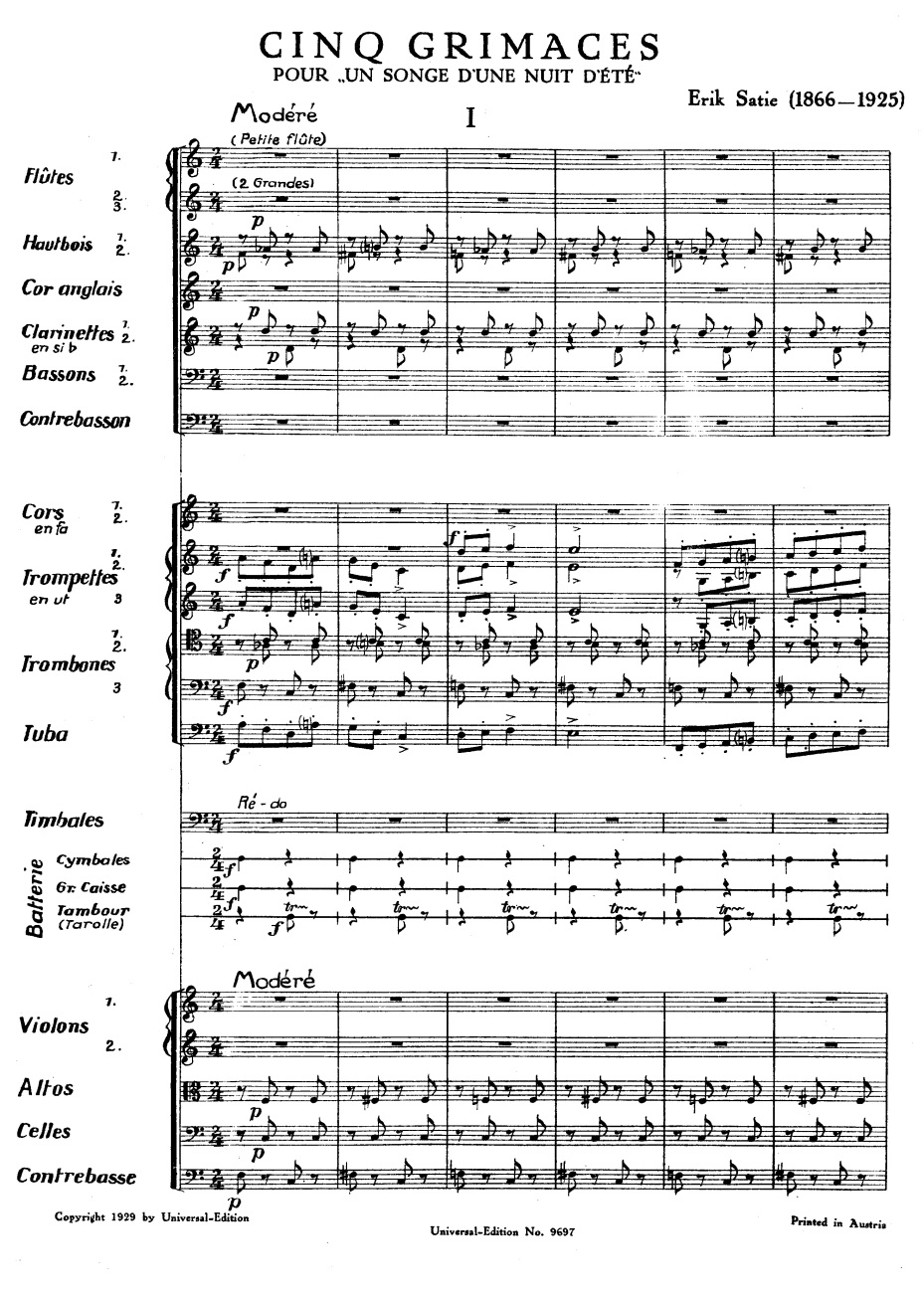
Érik Satie (1866 - 1925): Cinq Grimaces pour «Un Songe d’une nuit d’été» per orchestra op. posth. (1915). Orchestre du Capitole de Toulouse, dir. Michel Plasson.
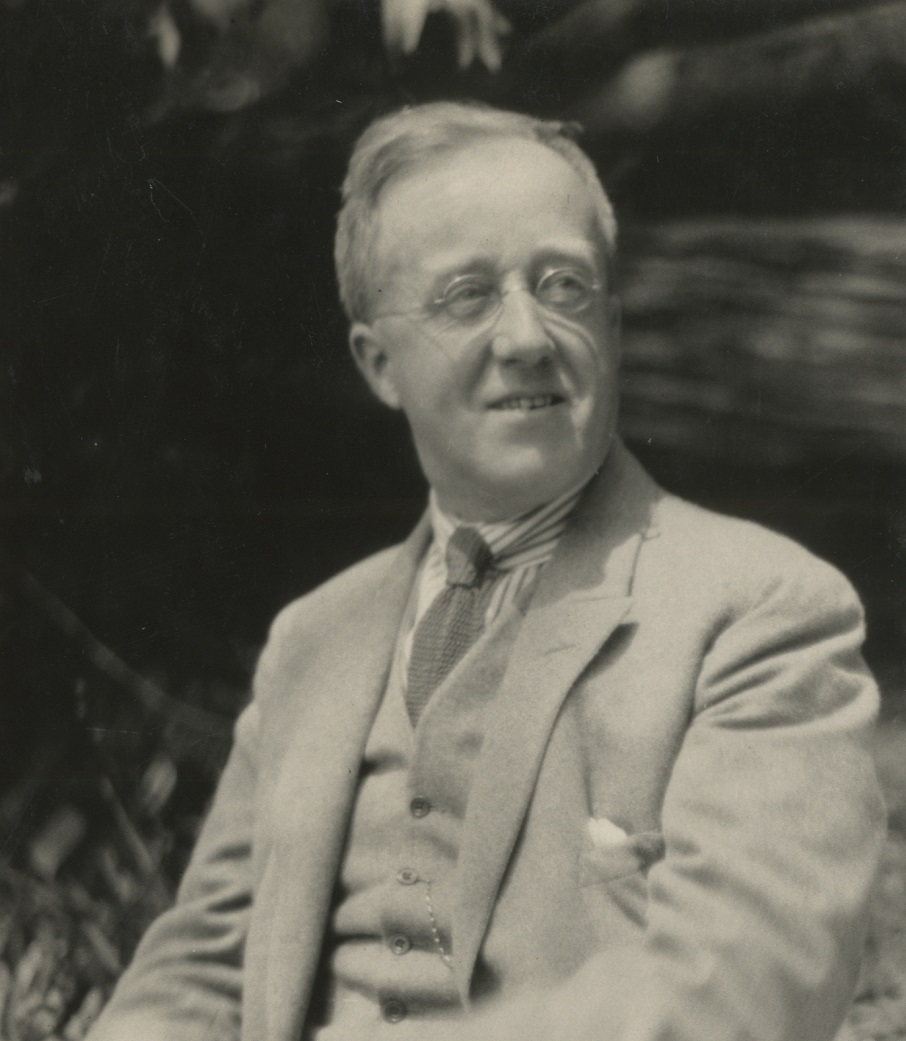
Gustav Holst (1874 - 25 maggio 1934): Suite n. 2 in fa maggiore per banda militare op. 28 n. 2 (1911). University of Michigan Symphony Band, dir. Michael Haithcock.
 Greensleeves è citata nell’ultimo movimento della Suite n. 2 [10:14 e 11:33], in contrappunto con la vivace melodia irlandese intitolata Dargason (parola forse derivata da un termine anglosassone che significa nano o fata); anche Dargason, come Greensleeves, risale al XVI secolo.
Un anno dopo la composizione della Suite n. 2, Holst ne rielaborò il finale e lo inserì quale ultimo movimento nella Saint Paul’s Suite, composta per le sue allieve della Saint Paul’s Girls’ School di Londra, istituto del quale fu direttore musicale dal 1905 al 1934.
 Greensleeves is quoted in the last movement of the Second Suite [10:14 and 11:33], in counterpoint to a lively Irish tune called Dargason (a word possibly derived from an Anglo-Saxon term meaning dwarf or fairy); both Dargason and Greensleeves date from the 16th century.
A year after completing the Second Suite, Holst reworked its Finale and used it as the last movement of the Saint Paul’s Suite, composed for his students at Saint Paul’s Girls’ School in London, where he was musical director from 1905 to 1934.
Gustav Holst: Saint Paul’s Suite per archi op. 29 n. 2 (1912). The Bournemouth Sinfonietta, dir. Richard Studt.
Jacob Druckman (1928 - 24 maggio 1996): Chiaroscuro per orchestra (1977). The Juilliard Orchestra, dir. Lukas Foss.
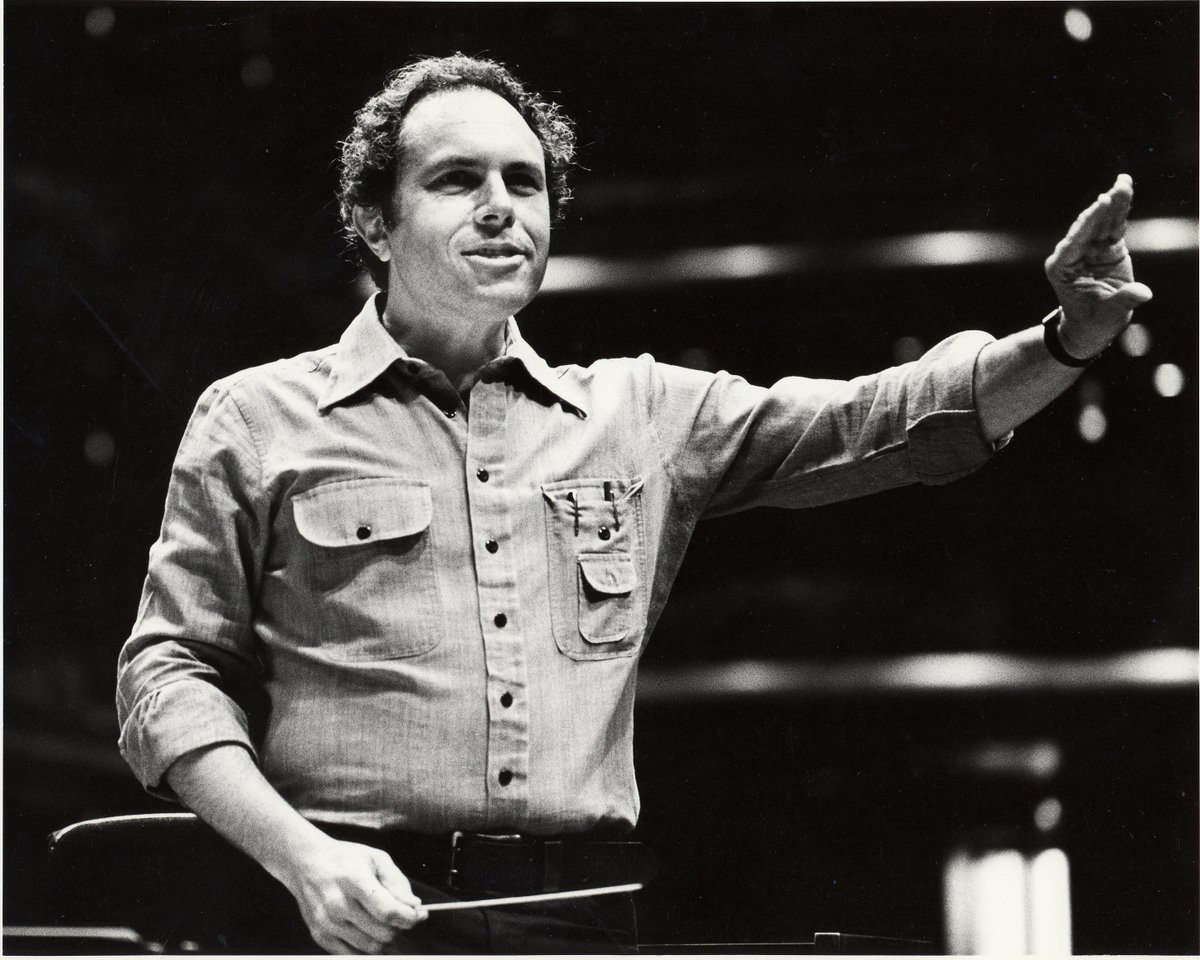
Guillaume Dumanoir père (1615 - 18 maggio 1697): Suite per archi in fa maggiore-do maggiore. Le Concert des Nations, dir. Jordi Savall.

Erik Satie (17 maggio 1866 - 1925): Vieux sequins et vieilles cuirasses (1913). Pascal Rogé, pianoforte.
Chez le Marchand d’or contiene una citazione della scena del vitello d’oro nel Faust di Gounod.
La Danse cuirassée è costruita sul refrain di un canto soldatesco francese, La casquette du père Bugeaud.
Nella Défaite des Cimbres sono citate Malbrough s’en va-t-en guerre e Le bon roi Dagobert.
Nella partitura, l’ultimo brano della suite reca in esergo un’annotazione di Satie:
« Un tout petit enfant dort dans son petit lit. Son très vieux grand-père lui fait journellement une sorte d’étrange tout petit cours d’Histoire générale, puisée dans ses vagues souvenirs. Souvent il lui parle du célèbre roi Dagobert, de Monsieur le Duc de Marlborough et du grand général romain Marius. En rêve, le tout petit enfant voit ces héros combattant les Cimbres, à la journée de Mons-en-Puelle (1304). »

Werner Egk (17 maggio 1901 - 1983): Französische Suite nach Rameau per orchestra (1949). SWR Sinfonieorchester Baden-Baden und Freiburg, dir. Leopold Stokowski.
Satz I.
Satz II. [5:00]
Satz III. [7:14]
Satz IV. [12:42]
Satz V. [13:53]
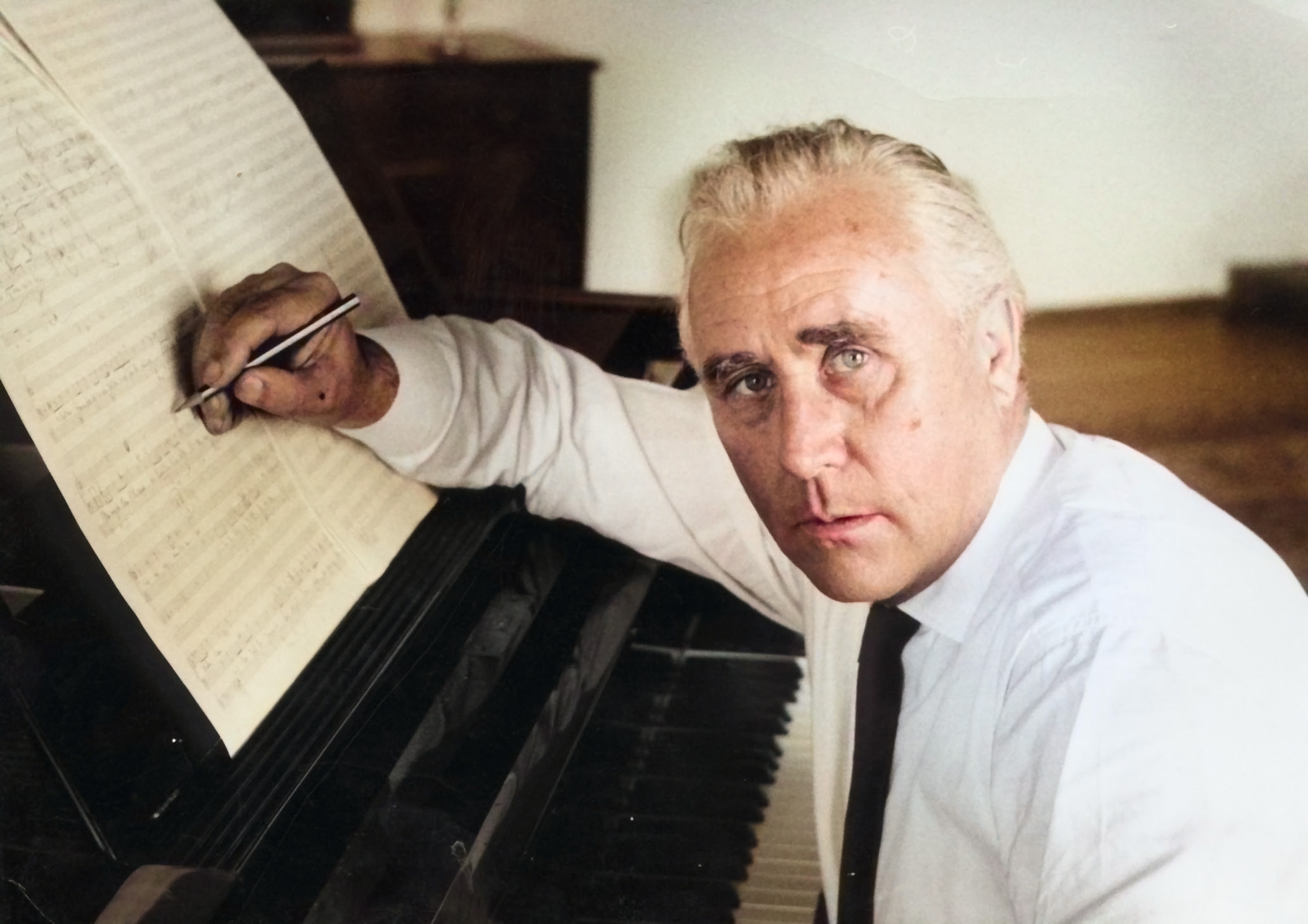
Jean Langlais (1907 - 8 maggio 1991): Suite medievale per organo op. 56 (1947). Bruno Mathieu.
Robert Paterson (29 aprile 1970): Shine per quintetto di ottoni (2015). Atlantic Brass Quintet: Thomas Bergeron e Tim Leopold, trombe; Seth Orgel, corno; Tim Albright, trombone; John Manning, tuba.

Armas Launis (22 aprile 1884 - 1959): Häiden vietto Karjalan runomailla (Matrimonio nella poetica terra di Carelia) per ensemble da camera (1921). Ensemble Avanti!, dir. Yrjö Hjelt.
La composizione consiste in una suite di musiche tratte dalle opere Seitsemän veljestä (I sette fratelli, 1903) e Kullervo (1917) riarrangiate da Launis per essere eseguite durante la proiezione del documentario omonimo, girato a Suojärvi nello stesso 1921 e diretto da Armas Otto Väisänen, illustre etnografo e etnomusicologo.
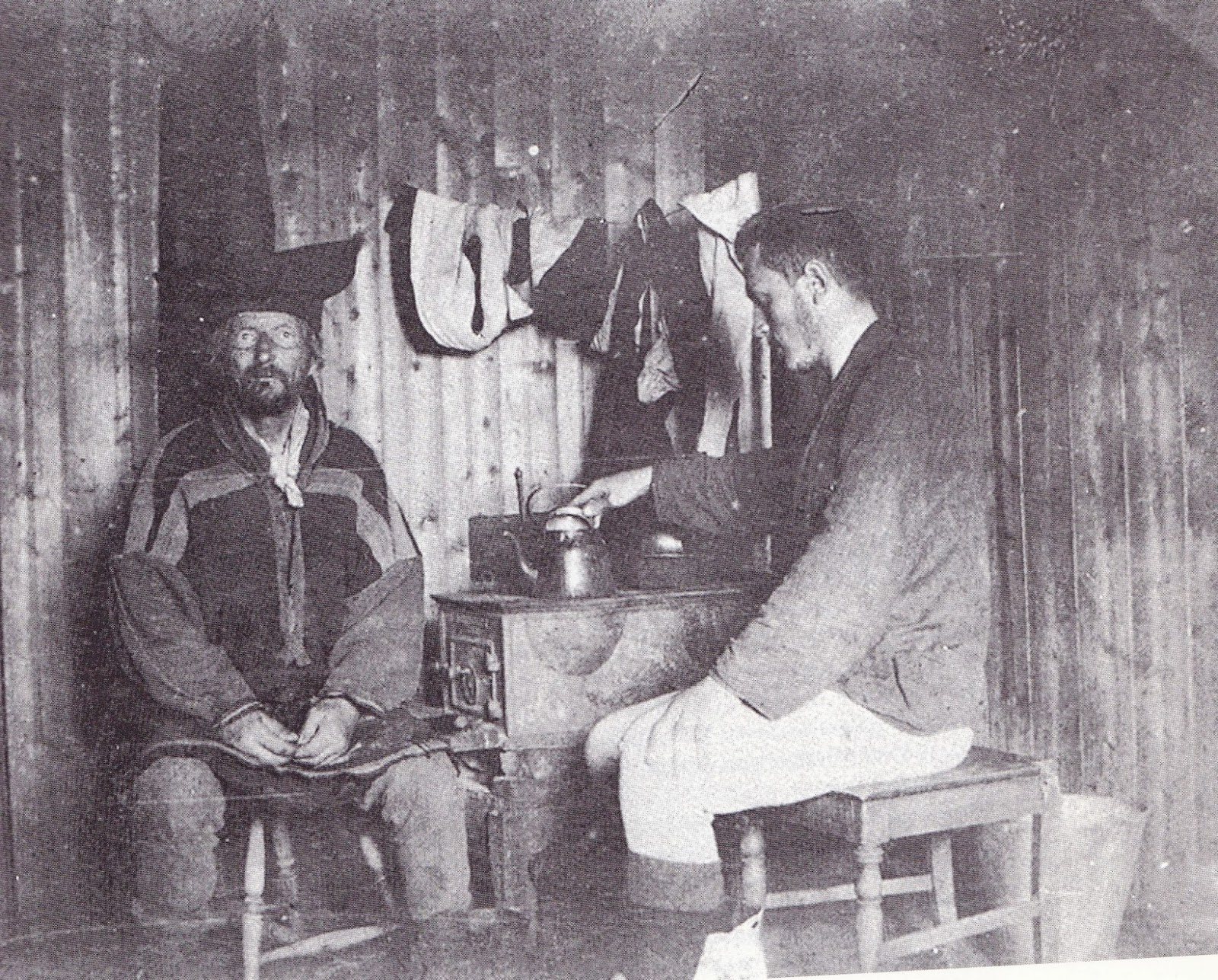 Armas Lauris raccoglie melodie popolari in Lapponia nel 1905
Michael Colgrass (22 aprile 1932 - 2019): Winds of Nagual per fiati e percussione (1985) ispirato da scritti di Carlos Castaneda. University of Michigan Symphony Band, dir. Michael Haithcock.
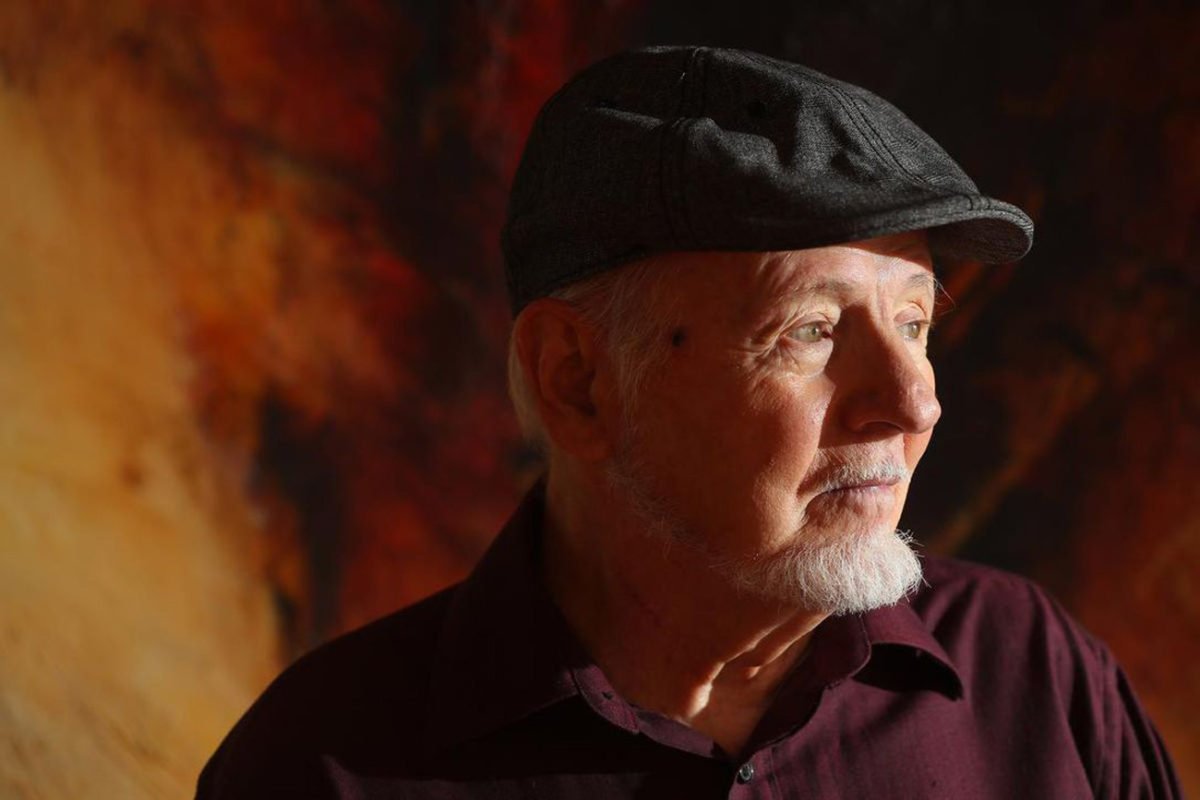
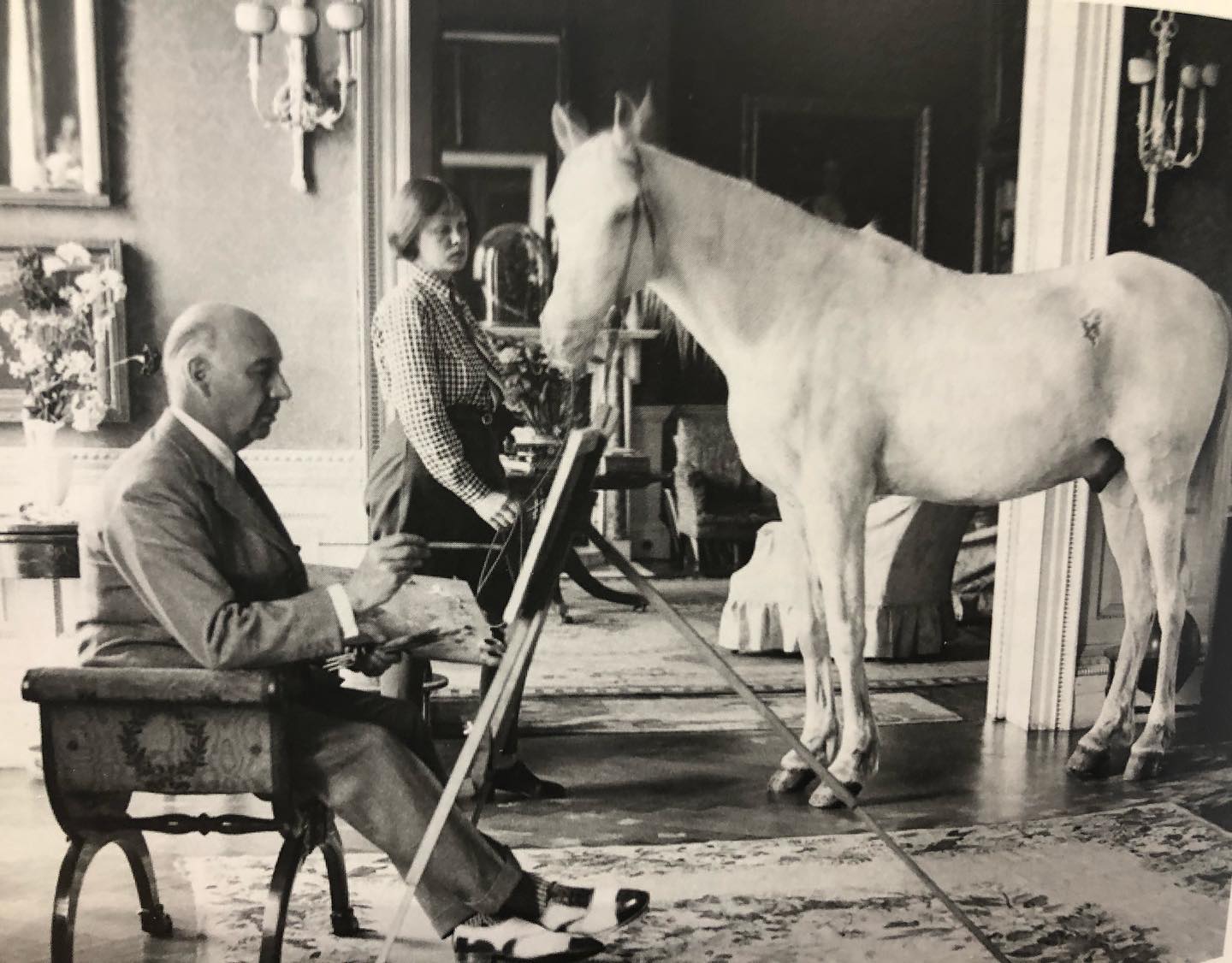
Lord Berners (Gerald Hugh Tyrwhitt-Wilson, XIV barone Berners; 1883 - 19 aprile 1950): The Triumph of Neptune, suite dal balletto (1926). Royal Liverpool Philharmonic Orchestra, dir. Barry Wordsworth.
Jean-Féry Rebel (18 aprile 1666 - 1747): Fantaisie per orchestra (1729). Bremer Barockorchester. Coreografia: Alta Danza.
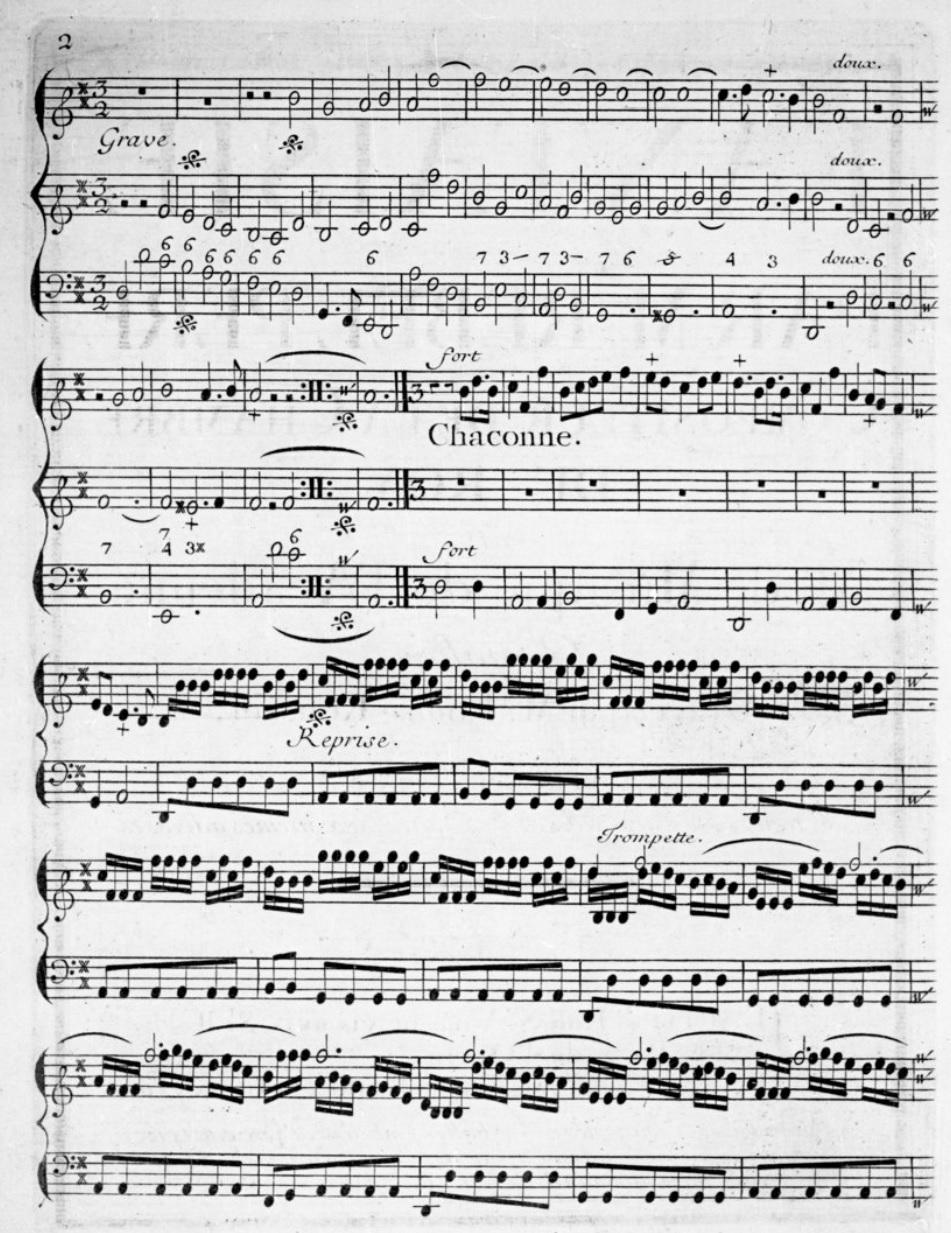
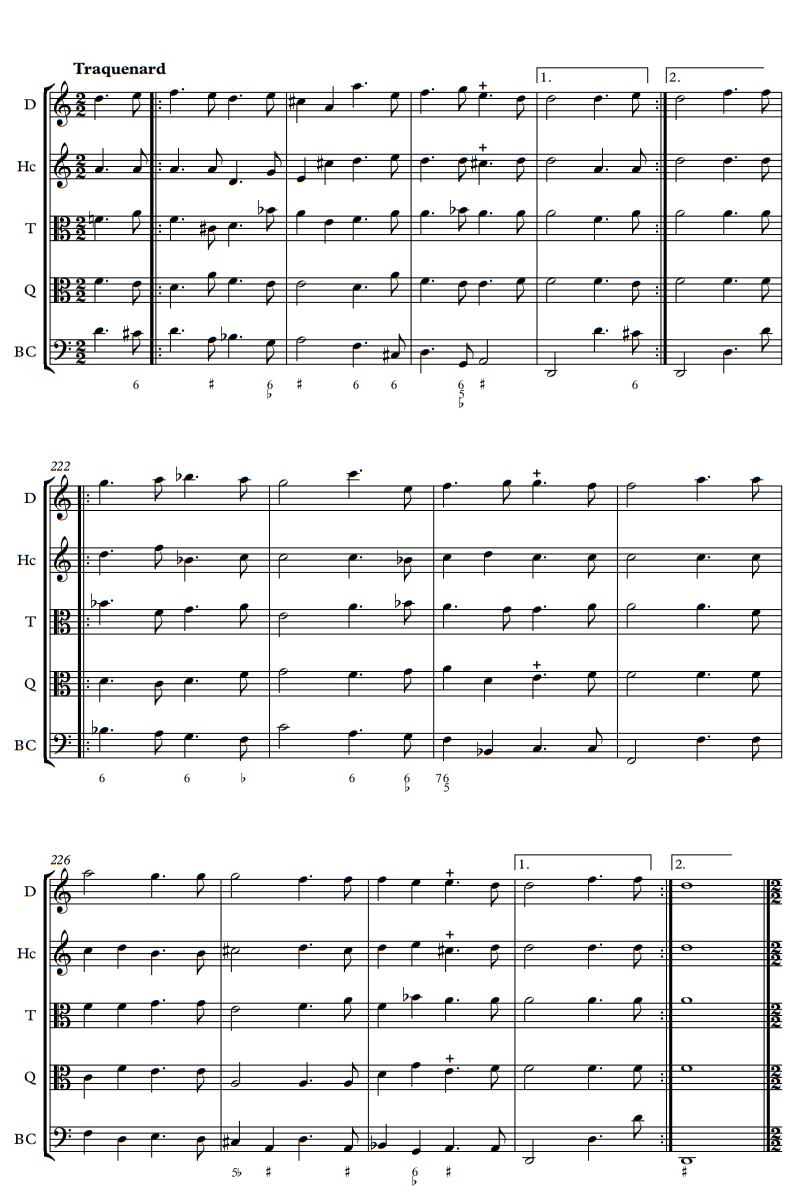
Philipp Heinrich Erlebach (1657 - 17 aprile 1714): Ouverture [Suite] IV in re minore per 2 violini, 2 viole e continuo (pubblicata in VI Ouvertures… nach französischer Art, 1693). Capricornus Consort Basel, dir.Peter Barczi.
Il traquenard è una danza francese diffusasi nel ’600, ma di origini verosimilmente più antiche; caratterizzata dal ritmo puntato, prende nome dall’andatura irregolare del cavallo che trotta con le zampe anteriori e contemporaneamente galoppa con le posteriori.

 la regina gioiosa