
Gian Carlo Menotti (7 luglio 1911 - 2007): Primo Concerto per pianoforte e orchestra (1945). Earl Wild, pianoforte; Symphony of the Air, dir. Jorge Mester.
- Allegro
- Lento [13:56]
- Allegro [23:21]

Gian Carlo Menotti (7 luglio 1911 - 2007): Primo Concerto per pianoforte e orchestra (1945). Earl Wild, pianoforte; Symphony of the Air, dir. Jorge Mester.
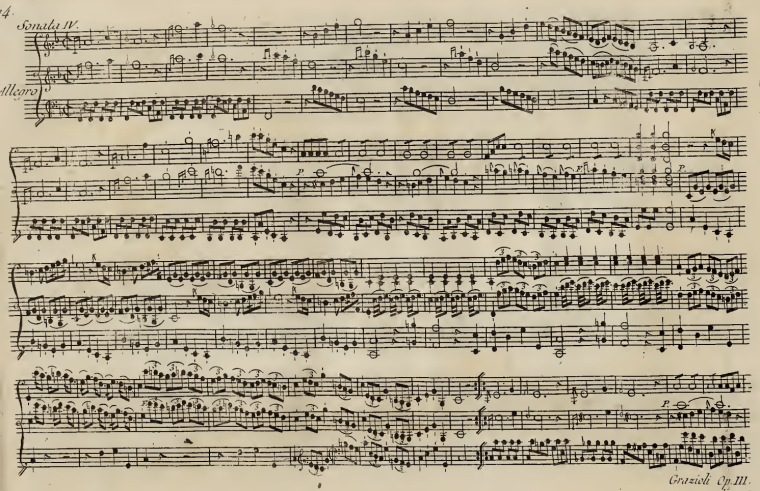
Giovanni Battista Grazioli (6 luglio 1746 - 1828): Sonata in fa maggiore per clavicembalo e violino obbligato op. 3 n. 4 (1781-84). Enrico Zanovello, clavicembalo; Enrico Casazza, violino.
Oltre che per un celebre Adagio (dalla Sonata op. 1 n. 11), Grazioli è noto per aver ispirato Al Bano e Michael Jackson 😀
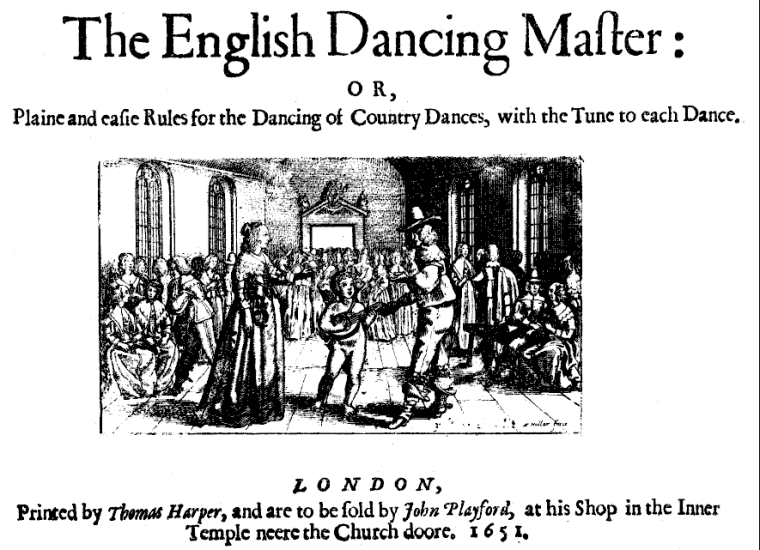
Anonimo (sec. XVII): Cold and raw ovvero The Maid who Sold her Barley o anche The Farmer’s Daughter, ballad di probabile origine scozzese. The Baltimore Consort.
Cold and raw the North did blow, bleak in a morning early;
All the trees were hid with snow, cover’d with winter fearly.
As I came riding o’er the slough, I met with a farmer’s daughter,
Rosie cheeks, and bonny brow, geud faith, made my mouth to water.
Down I vail’d my bonnet low, meaning to show my breeding,
She return’d a graceful bow, her visage far exceeding:
I ask’d her where she went so soon, and long’d to begin a parley:
She told me to the next market town, a purpose to sell her barley.
«In this purse, sweet soul!» said I, «twenty pound lies fairly,
Seek no farther one to buy, for I’se take all thy barley:
Twenty more shall purchase delight, thy person I love so dearly,
If thou wilt lig by me all night, and gang home in the morning early.»
«If forty pound would buy the globe, this thing I’s not do, sir;
Or were my friends as poor as Job, I’d never raise’em so, sir:
For shou’d you prove to-night my friend, we’se get a young kid together,
And you’d be gone e’r nine months end, & where shall I find the father?»
«Pray what would my parents say, if I should be so silly,
To give my maidenhead away, and lose my true love, Billy!
Oh this would bring me to disgrace, and therefore I say you nay, sir;
And if that you would me embrace, first marry, & then you may, sir!»
I told her I had wedded been, fourteen years and longer,
Else I’d chuse her for my queen, and tye the knot yet stronger.
She bid me then no farther roame, but manage my wedlock fairly,
And keep my purse for poor spouse at home, for some other should have her barley.
Then as swift as any roe, she rode away and left me;
After her I could not go, of joy she quite bereft me:
Thus I my self did disappoint, for she did leave me fairly,
My words knock’d all things out of joint, I lost both the maid and the barley.
Il testo è compreso nella monumentale silloge Wit and Mirth, or Pills to Purge Melancholy curata da Thomas D’Urfey, la cui 1a edizione risale al 1698; nel corso degli anni è stato associato a musiche diverse: la versione del Baltimore Consort adotta la melodia di Stingo, or The Oyle of Barley, un jig (danza) tratta dalla raccolta The English dancing master (16511, n. 10) di John Playford; stingo e oil of barley sono due modi di dire popolari con i quali all’epoca si indicava una birra forte a gradazione elevata. Ecco Stingo nell’interpretazione dei Musicians of Swanne Alley:
La melodia doveva essere assai popolare nel primo Settecento, tant’è vero che Pepusch la utilizzò per rivestire di musica l’aria «If any Wench Venus’s Girdle wear», cantata da Mrs Peachum nella 4a scena del I atto della Beggar’s Opera di John Gay (rappresentata per la 1a volta nel 1728). Qui è eseguita dall’ensemble The Broadside Band diretto da Jeremy Barlow, con Patrizia Kwella voce solista:
If any Wench Venus’s Girdle wear,
Though she be never so ugly;
Lilies and Roses will quickly appear,
And her Face look wond’rous smugly.
Beneath the left Ear so fit but a Cord,
(A Rope so charming a Zone is!)
The Youth in his Cart hath the Air of a Lord,
And we cry, There dies an Adonis!
All’aria di Mrs Peachum la Broadside Band fa seguire [a 1:17] una breve serie di variazioni per violino e basso continuo sulla medesima melodia, pubblicate con il titolo Up in the Morning Early dal compositore e violinista scozzese William McGibbon (1690 - 1756).

 Pietro Torri (c1650 - 6 luglio 1737): «Quando il flebile usignolo», aria per soprano dal II atto dell’opera L’Ippolito (1731). Ann Hallenberg, mezzosoprano; Baroque Ensemble Musikdorf Ernen, dir. e violino principale Ada Pesch.
Quando il flebile usignolo
Lasciar deve a forza il nido
Si rivolge in altro lido
E spiegando afflitto il volo
Va sfogando il suo dolor.
Władysław Szpilman (1911 - 6 luglio 2000): Concertino per pianoforte e orchestra, composto nel Ghetto di Varsavia nel 1940. L’esegue l’autore con l’Orchestra della Radio polacca (Polska orkiestra radiowa), dir. Stefan Rachon; registrazione del 1972.

Ennio Morricone (1928 - 6 luglio 2020): Voci dal silenzio per voce recitante, voci registrate, coro e orchestra (2002). The Canticum Novum Singers e Roma Sinfonietta diretti dall’autore.
« L’ho composta sull’onda dell’emozione per la tragedia dell’11 settembre. Poi si è trasformata con il passare del tempo, è diventata un canto per tutte le tragedie, per tutte le stragi del mondo » (Ennio Morricone).

Nicolas Lebègue (1631 - 6 luglio 1702): Les Cloches, dal Troisième livre d’orgue (1685). Aart de Kort, organo.

Thomas Ravenscroft (c1582 - c1635): The three ravens. Versione per 1 voce e liuto: Alfred Deller e Desmond Dupré; versione per 4 voci e viol consort: Theatre of Voices diretto da Paul Hillier (voce solista Else Torp) e Fretwork.
Nell’interpretazione di Deller, le strofe sono accorpate a due a due.
There were three ravens sat on a tree,
down a down, hay down, hay down,
There were three ravens sat on a tree,
with a down,
There were three ravens sat on a tree,
They were as black as black could be,
with a down, derry, derry, derry, down, down.
And one of them said to his mate:
Where shall we our breakfast take?
Down, [down] in yonder green field,
There lies a knight slain with his shield.
His hounds they lie down at his feet,
So well they their master keep.
His hawks they fly so eagerly,
There’s no fowl dare him come nie.
Down there comes a fallow doe,
As great with young as she might go.
She lift up his bloody head,
And kissed his wounds that were so red.
She got him up upon her back,
And carried him to earthen lake.
She buried him before the prime.
She was dead herself ere even-song time.
God send every gentleman
Such hawks, such hounds, and such a leman.
Non si hanno molte notizie su Ravenscroft, che però fu molto ammirato e stimato dai musicisti suoi contemporanei. Più che per le sue composizioni originali, è noto per un cospicuo numero di raffinati arrangiamenti di melodie tradizionali — qual è appunto The three ravens — che Ravenscroft pubblicò in tre diverse raccolte: Pammelia (1609), Deuteromelia: or The Second part of Musicks melodie (1609) e Melismata (1611).
Il nome di Ravenscroft comparirà spesso in questo blog 😉
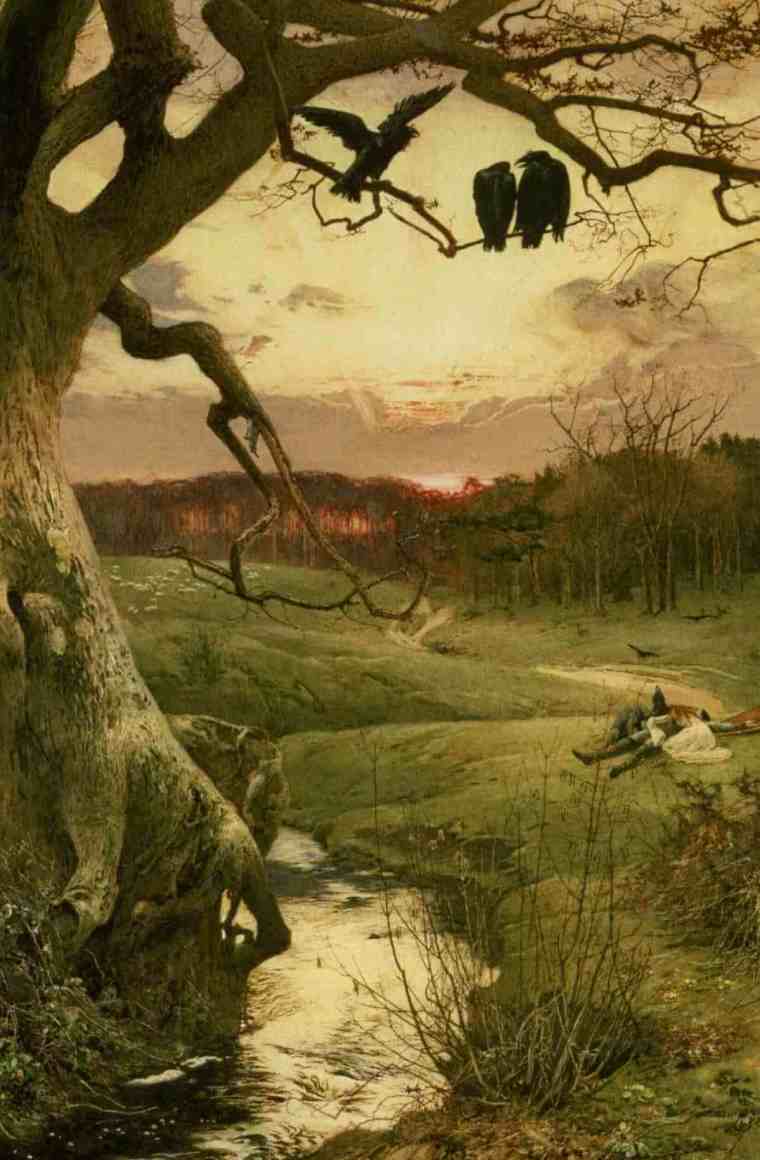 Edward Frederick Brewtnall (1846-1902): The Three Ravens, acquerello su carta, c1883
 Michel Yost (1754 - 5 luglio 1786): Concerto n. 7 in si bemolle maggiore per clarinetto e orchestra. Dieter Klöcker, clarinetto; Pražský komorní orchestr.
Paul Ben-Haim (5 luglio 1897 - 1984): Prima Sinfonia (1939-40). NDR Radiophilharmonie, dir. Israel Yinon.

Stefano Gobatti (5 luglio 1852 - 1913): Preludio sinfonico all’opera I goti (versione 1898). I Musici dell’Accademia, dir. Luigi Verdi.

Ecco un caso alquanto curioso di compositore acclamatissimo quando era in vita e oggi completamente dimenticato.
«Salute e trionfo al giorno in cui Stefano Gobatti segnerà dell’impronta sua la prossima evoluzione dell’arte musicale in Italia» (Giosue Carducci).
Un altro omaggio ai miei amici statunitensi nel giorno della loro festa nazionale. Questa volta propongo un celebre minstrel song di Stephen Foster, seguito dalla sua trasfigurazione in una quasi altrettanto famosa composizione pianistica di Louis Moreau Gottschalk. Di tutte e due le composizioni si trovano in rete interpretazioni differenti: ho scelto, per il primo, un gustoso arrangiamento per coro misto accompagnato dal suono di un banjo e, per la seconda, la performance di Cory Hall che, facendo risuonare distintamente ogni nota, riesce a trasformare il proprio pianoforte in un accettabile succedaneo di un banjo.
Stephen Collins Foster (4 luglio 1826 - 1864): Gwine to Run All Night, or De Camptown Races (1850). Robert Shaw Chorale.
De Camptown ladies sing dis song — Doo-dah! doo-dah!
De Camptown race-track five miles long — Oh! doo-dah day!
I come down dah wid my hat caved in — Doo-dah! doo-dah!
I go back home wid a pocket full of tin — Oh! doo-dah day!
Gwine to run all night!
Gwine to run all day!
I’ll bet my money on de bob-tail nag—
Somebody bet on de bay.
De long tail filly and de big black hoss,
Dey fly de track and dey both cut across.
De blind hoss sticken in a big mud hole
Can’t touch bottom wid a ten foot pole.
Gwine to run all night…
Old muley cow come on to de track,
De bob-tail fling her ober his back.
Den fly along like a rail-road car
Runnin’ a race wid a shootin’ star.
Gwine to run all night…
See dem flyin’ on a ten mile heat,
Round de race track, den repeat.
I win my money on de bob-tail nag,
I keep my money in an old tow-bag.
Gwine to run all night!
Gwine to run all day!
I’ll bet my money on de bob-tail nag—
Somebody bet on de bay.
Louis Moreau Gottschalk (1829 - 1869): The Banjo, «Grotesque Fantasie – An American Sketch» op. 15 (1853). Cory Hall, pianoforte.

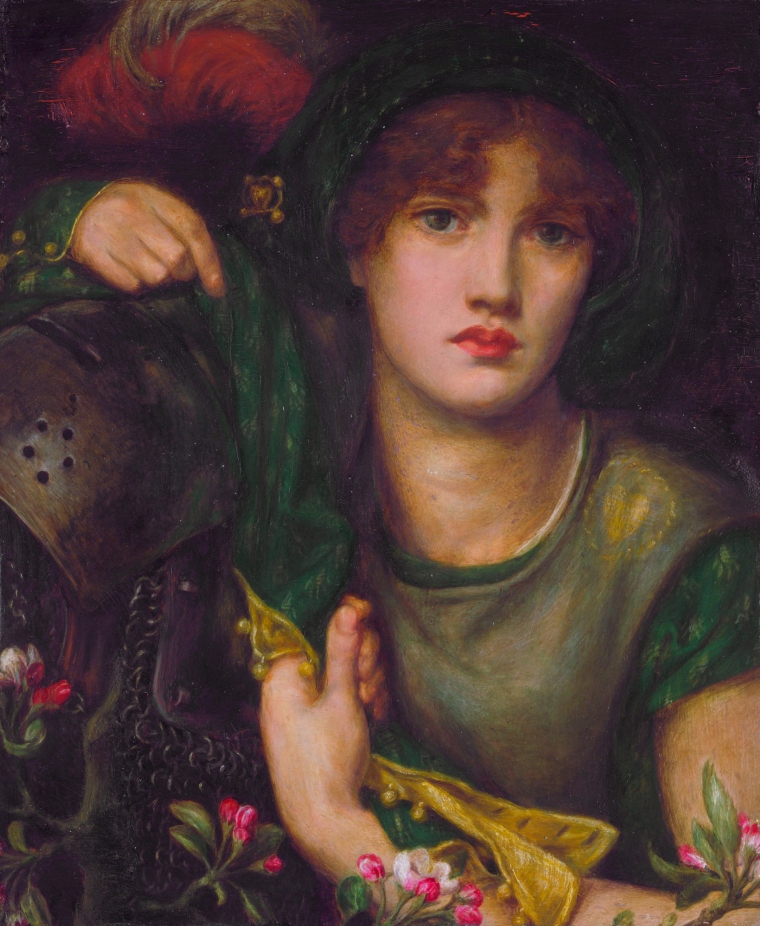
Anonimo (sec. XVI) Greensleeves, ballad (versione per voce e liuto); gli interpreti sono Donna Stewart e Ron Andrico, ossia il duo Mignarda, che ritroveremo più volte in un prossimo futuro. Buone emozioni a tutti 🙂
Alas, my love, you do me wrong
To cast me off discourteously,
And I have loved you so long,
Delighting in your company.
Greensleeves was all my joy,
Greensleeves was my delight,
Greensleeves was my heart of gold,
And who but my lady Greensleeves.
I have been ready at your hand,
To grant whatever you would crave;
I have both waged life and land,
Your love and good-will for to have.
I bought thee petticoats of the best,
The cloth so fine as fine might be:
I gave thee jewels for thy chest;
And all this cost I spent on thee.
Thy crimson stockings all of silk,
With gold all wrought above the knee,
Thy pumps as white as was the milk,
And yet thou wouldst not love me.
Well! I will pray to God on high,
That thou my constancy mayst see,
And that, yet once before I die,
Thou wilt vouchsafe to love me!
Quadro I: In full glee
John Stafford Smith (1750 - 1836): The Anacreontic Song, or To Anacreon in Heav’n, canto bacchico su testo di Ralph Tomlinson composto a Londra intorno al 1775. Jacob Wright, voce solista; Jerry Blackstone, direttore.
To Anacreon, in Heav’n, where he sat in full glee,
A few sons of harmony sent a petition,
That he their inspirer and patron would be;
When this answer arrived from the jolly old Grecian –
Voice, fiddle and flute, no longer be mute.
I’ll lend ye my name, and inspire you to boot,
And, besides, I’ll instruct you, like me, to entwine,
The myrtle of Venus with Bacchus’s vine.
The news through Olympus immediately flew;
When Old Thunder pretended to give himself airs –
If these mortals are suffer’d their scheme to pursue,
The devil a goddess will stay above stairs.
Hark! already they cry in transports of joy.
Away to the Sons of Anacreon we’ll fly…
And there with good fellows, we’ll learn to entwine,
The myrtle of Venus with Bacchus’s vine.
The yellow-hair’d god, and his nine fusty maids,
From Helicon’s banks will incontinent flee.
Idalia will boast but of tenantless shades,
And the biforked hill a mere desert will be.
My Thunder, no fear on’t shall soon do its errand,
And dam’me! I’ll swing the ringleaders, I warrant.
I’ll trim the young dogs for thus daring to twine,
The myrtle of Venus with Bacchus’s vine.
Apollo rose up; and said, Pr’ythee ne’er quarrel,
Good King of the gods, with my vot’ries below!
Your thunder is useless – then, shewing his laurel,
Cry’d, Sic evitabile fulmen, you know!
Then over each head my laurels I’ll spread;
So my sons from your crackers no mischief shall dread,
Whilst snug in their club-room, they jovially twine,
The myrtle of Venus with Bacchus’s vine.
Next Momus got up, with his risible phiz;
And swore with Apollo he’d cheerfully join –
The full tide of harmony still shall be his,
But the song, and the catch, and the laugh shall be mine;
Then, Jove, be not jealous of these honest fellows.
Cry’d Jove, We relent, since the truth you now tell us;
And swear by Old Styx that they long shall entwine,
The myrtle of Venus with Bacchus’s vine.
Ye sons of Anacreon, then, join hand in hand;
Preserve unanimity, friendship and love.
‘Tis your’s to support what’s so happily plan’d;
You’ve the sanction of gods, and the fiat of Jove.
While thus we agree, our toast let it be.
May our club flourish happy, united, and free!
And long may the sons of Anacreon entwine,
The myrtle of Venus with Bacchus’s vine.
Sul modello dell’Anacreontic Song di Tomlinson è esemplata l’ode Defence of Fort McHenry, composta da Francis Scott Key per celebrare la vittoria dei soldati statunitensi e della popolazione di Baltimora sulla flotta inglese il 14 settembre 1814. In seguito il testo di Francis Scott Key, adattato alla musica di John Stafford Smith, divenne un canto patriottico, e nel 1931 fu ufficialmente adottato quale inno nazionale degli Stati Uniti d’America, oggi noto con il titolo The Star-Spangled Banner.
Quadro II: La versione di Igor’
The Star-Spangled Banner nella versione orchestrale curata da Igor’ Stravinskij nei primi anni 1940. National Symphony Orchestra, dir. Gianandrea Noseda.
Una pubblica esecuzione di questa versione si sarebbe dovuta tenere a Boston nel gennaio del 1944, con la Boston Symphony Orchestra diretta dal compositore stesso, ma fu depennata dal programma del concerto a causa di un curioso incidente: la polizia locale avvertì Stravinskij dell’esistenza di una legge che proibiva la manomissione, parziale o integrale, dell’inno nazionale, aggiungendo che ogni trasgressione sarebbe stata punita con un’ammenda di 100 dollari.
(La polizia di Boston era però in errore: una legge c’era davvero, ma si limitava a vietare l’uso dell’inno come musica da ballo o da intrattenimento.)
In effetti Stravinskij aveva modificato l’armonizzazione originale: perciò, per quanto dispiaciuto, rinunciò a dirigere il brano.
Quadro III: Le variazioni di Paine
John Knowles Paine (1839 - 1906): Concert Variations on «The Star-Spangled Banner» per organo op. 3 n. 2 (1861). Andrew Meagher.
Quadro IV: Lo yankee vagabondo
Giacomo Puccini (1858-1924): «Dovunque al mondo», da Madama Butterfly (1904), atto I. Luciano Pavarotti e Michel Sénéchal, tenori; Robert Kerns, baritono; Chor der Wiener Staatsoper e Wiener Philharmoniker diretti da Herbert von Karajan.

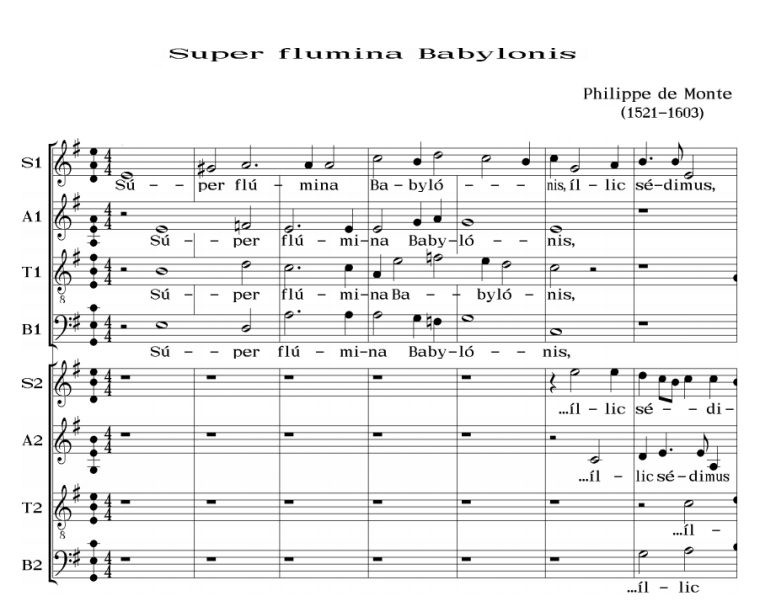
Philippe de Monte (1521 - 4 luglio 1603): Super flumina Babylonis, mottetto per doppio coro a 8 voci sul testo del Salmo 137 (modificato). The Sixteen, dir. Harry Christophers.
Super flumina Babylonis illic sedimus et flevimus dum recordaremur tui, Sion.
Illic interrogaverunt nos qui captivos abduxerunt nos verba cantionum.
Quomodo cantabimus canticum Domini in terra aliena?
In salicibus in medio ejus suspendimus organa nostra.
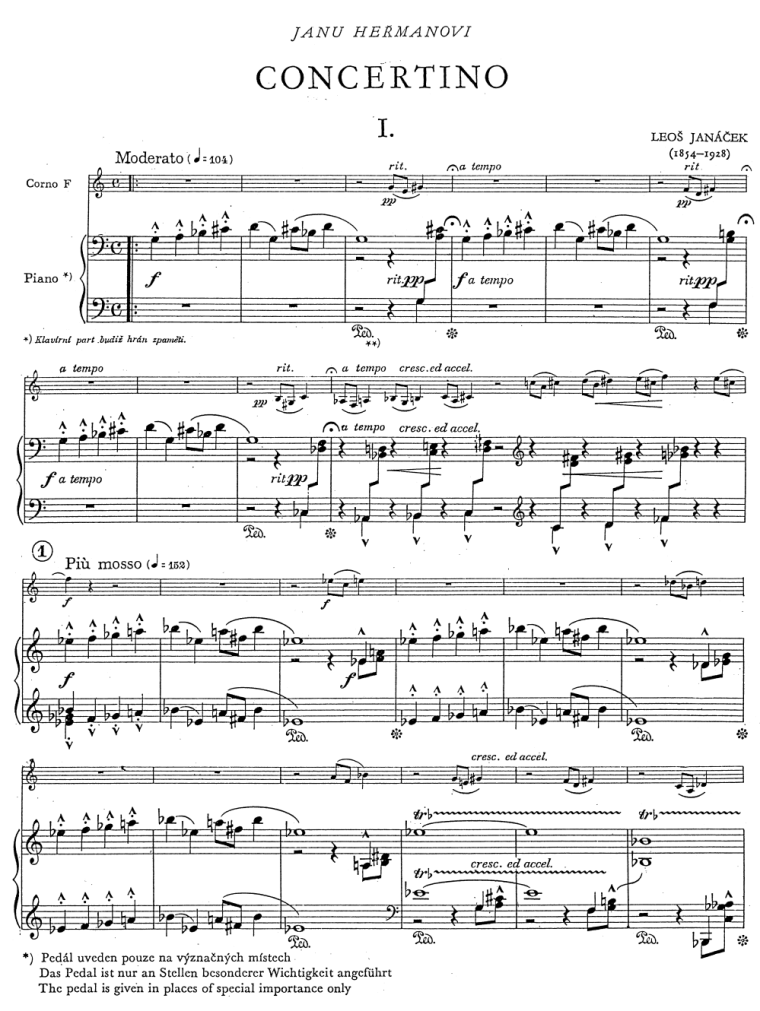
Leoš Janáček (3 luglio 1854 - 1928): Concertino per pianoforte, due violini, viola, clarinetto, corno e fagotto (1925). Quintetto di fiati «Claude Debussy» e altri.
Composto durante una visita a Hukvaldy, in Moravia, luogo natale e ritiro campestre di Janáček, il Concertino è, secondo le indicazioni dell’autore, una descrizione dei giochi di vari animali nel bosco: in una lettera datata 23 aprile 1925 Janáček parla di “uno scoiattolo, alcuni moscerini, un capriolo”, mentre in un articolo scritto qualche tempo dopo aggiunge alla lista un riccio e dei gufi. Gli animaletti sono raffigurati prima individualmente, poi nel terzo movimento compaiono insieme, e nel Finale tutti giocano, saltano e corrono con crescente vivacità.
Leoš Janáček (3 luglio 1854 - 1928): Suita (o Serenada) per orchestra op. 3 (1891). Janáčkova filharmonie Ostrava, dir. Otakar Trhlík.
Appassionato studioso delle tradizioni musicali della propria terra, Janáček ne adotta gli elementi caratteristici — come per esempio le formule ripetitive — in varie composizioni. Il delizioso Allegretto della Suita op. 3 era già stato inserito, come II movimento, con strumentazione leggermente diversa, nella serie delle Danze dei lachi (1889).
 Leoš Janáček con la moglie Zdenka Schulzová nel 1881.
Leoš Janáček (3 luglio 1854 - 1928): Lašské tance (Danze dei lachi; 1889). Orchestra sinfonica della Radio slovacca di Bratislava, dir. Ondrej Lenárd.
Il titolo originale di questa suite era Valašské tance, ossia danze della Valacchia morava, la regione di cui Janáček era originario.

Leoš Janáček (3 luglio 1854 - 1928): Idyla per orchestra d’archi (1878). Orchestra da camera A Far Cry.

Leoš Janáček (3 luglio 1854 - 1928): Suita per orchestra d’archi (1877). New York Classical Players, dir. Dongmin Kim.

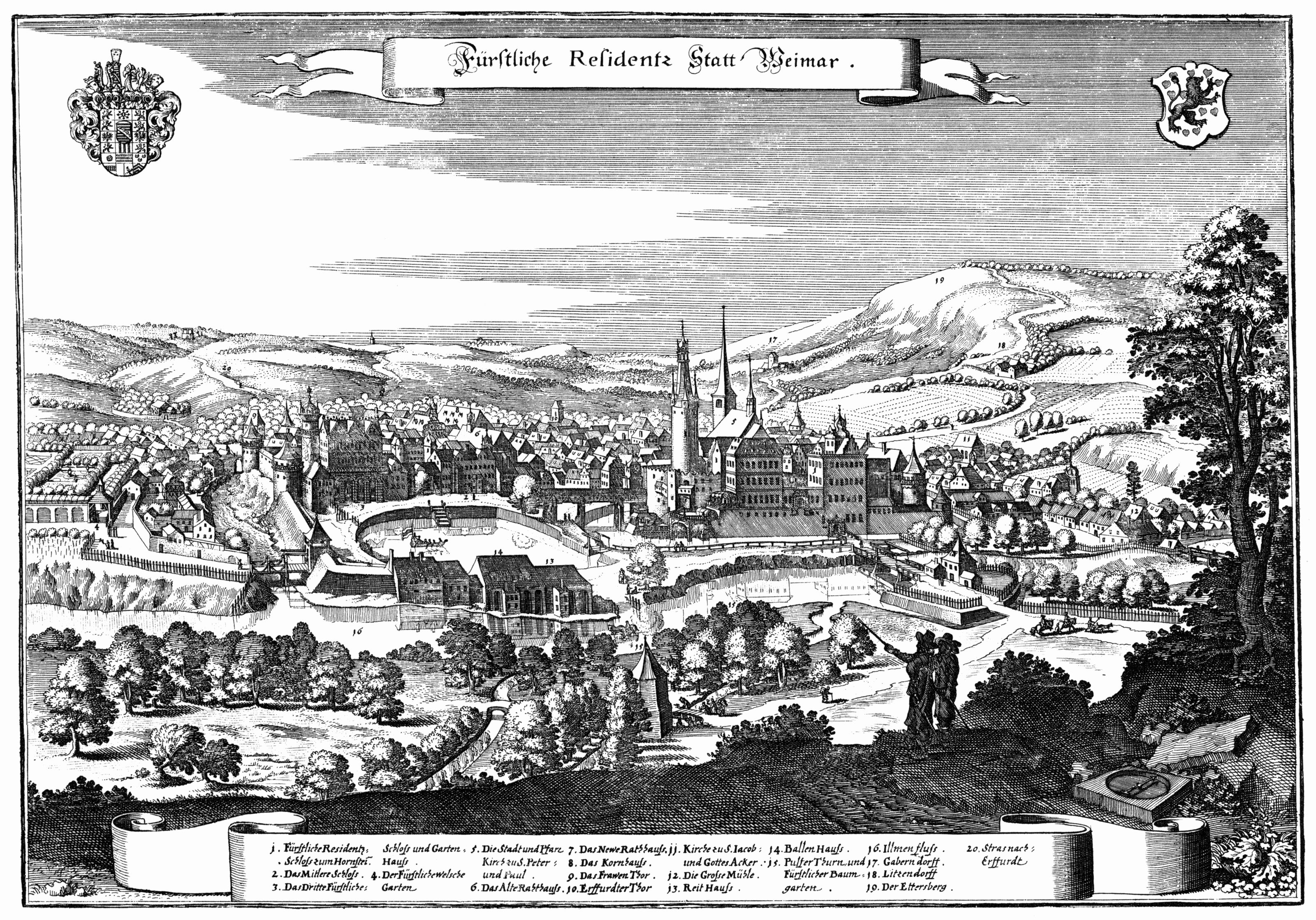
Christoph Willibald Gluck (2 luglio 1714 - 1787): Sinfonia in sol maggiore Chen G3, Weimarer. L’Orfeo Barockorchester, dir. Michi Gaigg.
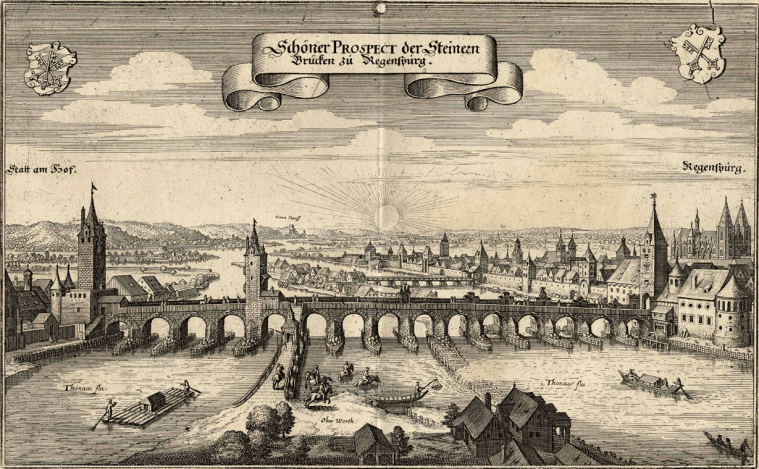
Christoph Willibald Gluck (2 luglio 1714 - 1787): Sinfonia in la maggiore Chen A1, Regensburger. L’Orfeo Barockorchester, dir. Michi Gaigg.
Wolfgang Amadeus Mozart (1756 - 1791): Concerto in do maggiore per pianoforte e orchestra K 467 (1785). Fazıl Say, pianoforte; hr-Sinfonieorchester, dir. Peter Oundjian.
Oggi, per cambiare un po’, ecco qualcosa di ben noto 🙂

Jean-Luc Darbellay (2 luglio 1946): Étoile per pianoforte (2014). Esegue Satoko Inoue, dedicataria della composizione.

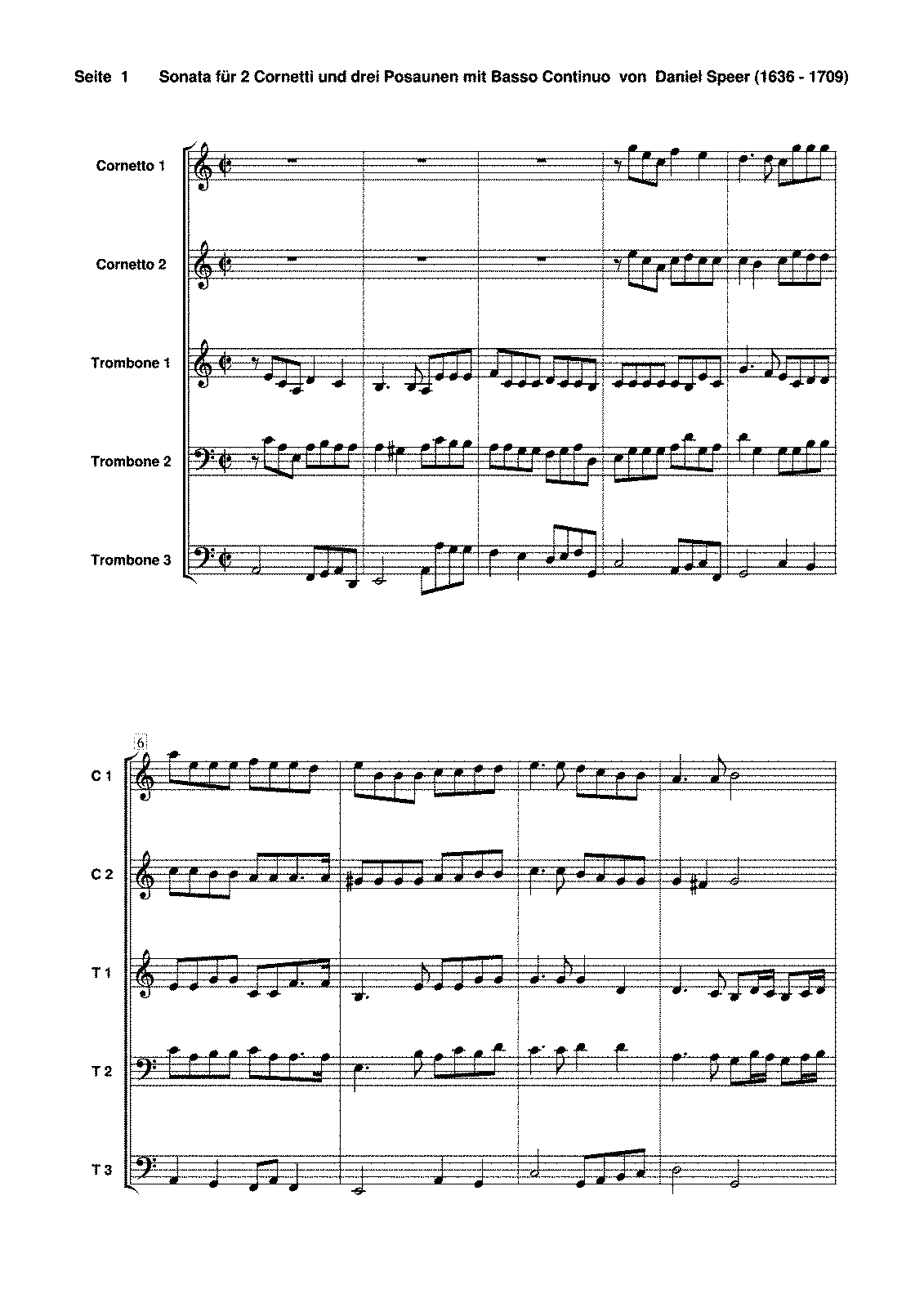
Georg Daniel Speer (2 luglio 1636 - 1707): Sonata a 5 in la minore e Sonata a 4 in do maggiore. Corelli Consort: Julia Fritz e Raivo Tarum, cornetti; Esa Fagerholm e Vairis Nartiss, tromboni; Peeter Sarapuu, dulciana; Lembit Orgse, organo.
Claudio Saracini detto il Palusi (1° luglio 1586 - 1630): Da te parto, cor mio, aria a 1 voce e basso continuo (pubblicata nella raccolta Le seconde musiche, 1620, n. 7). Nigel Rogers, tenore; Colin Tilney, clavicembalo; Jordi Savall, viola da gamba.
Da te parto, cor mio.
Io vado, anima mia.
Peregrin sconosciuto
d’ignoti lidi ad habitar l’arene,
erme campagne, abbandonati horrori
saran delle mie pene de miei passati ardori!
Dell’idol mio perduto
ecco misera e flebil’e dolente
del mio duol dal mio ardir memori ardente.

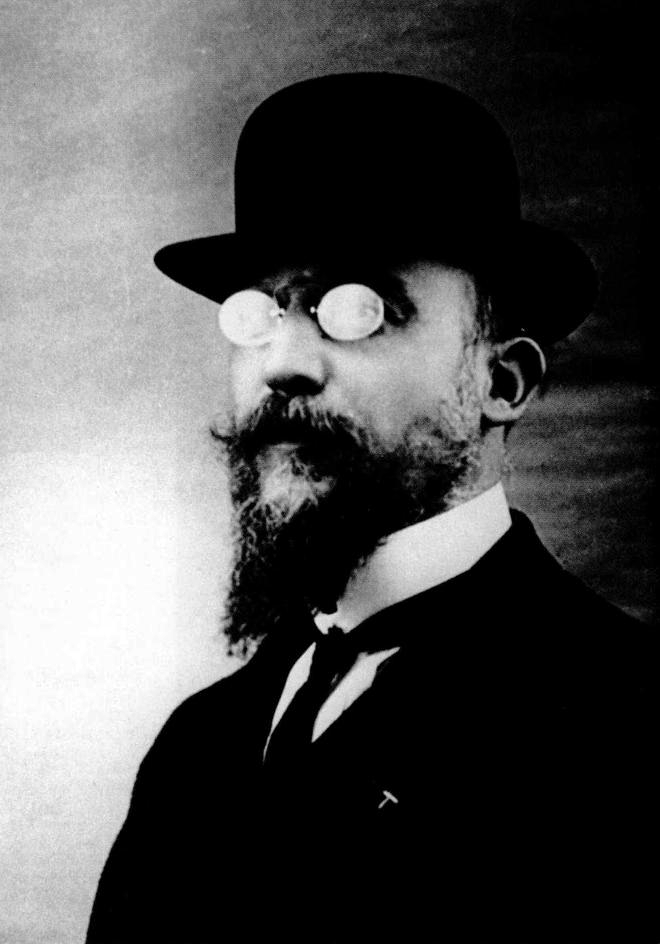
Érik Satie (1866 - 1° luglio 1925): Trois Morceaux en forme de poire per pianoforte a 4 mani (1903). Alexandre Tharaud e Eric Le Sage.
Manière de Commencement
Prolongation du même [2:38]

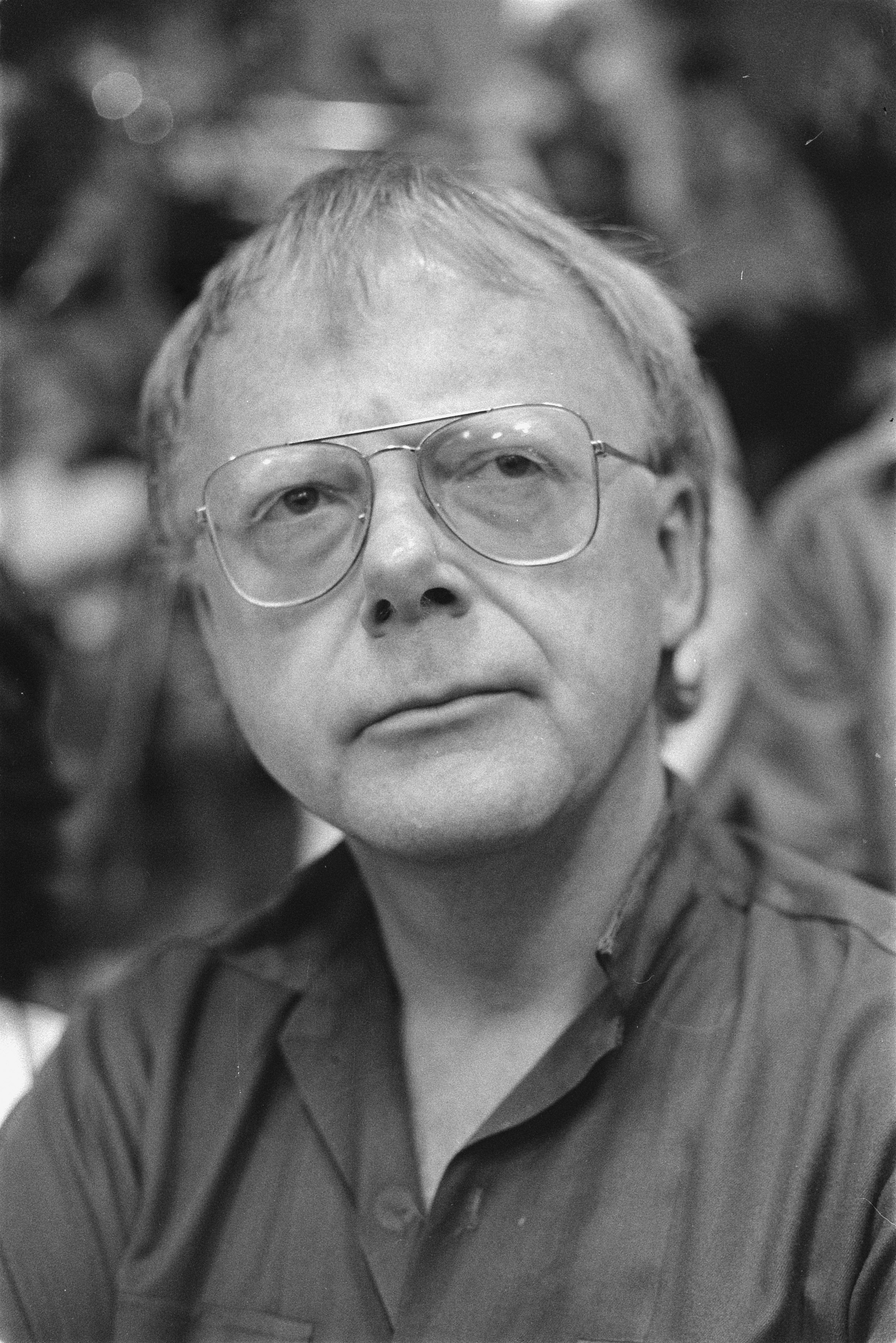
Louis Andriessen (1939 - 1° luglio 2021): Contra tempus per fiati, percussione e ensemble che improvvisa (1968). Membri del Balletorkest, dir. Howard Williams.
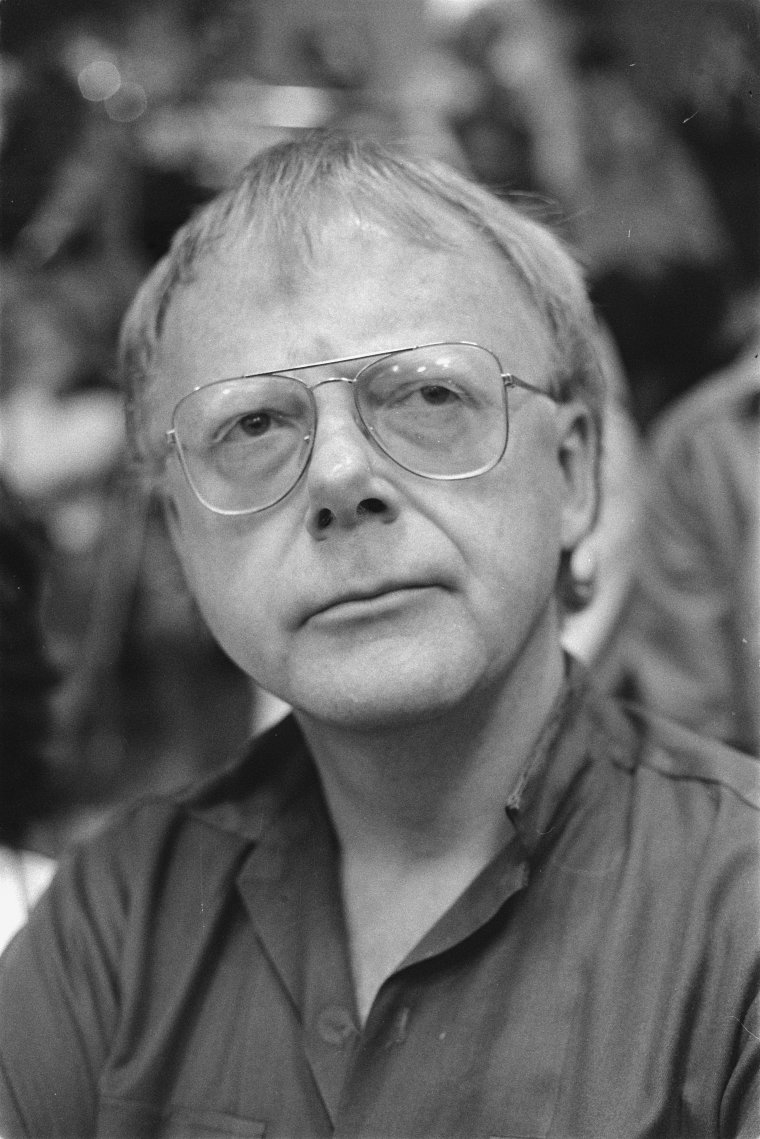
Louis Andriessen (1939 - 1° luglio 2021): De negen Symfonieën van Beethoven voor promenade-orkest en ijscobel (1970).
Érik Satie (1866 - 1° luglio 1925): Cinq Nocturnes per pianoforte (1919). Pascal Rogé.
Have a WordPress.com account? Log in now.

