
Johann Gottfried Müthel (1728 - 14 luglio 1788): Terzo Concerto in sol maggiore per clavicembalo e archi. Berliner Barock-Compagney, dir. e fortepiano Christine Schornsheim.
- Non troppo allegro
- Un poco adagio [8:55]
- Vivace [16:21]

Johann Gottfried Müthel (1728 - 14 luglio 1788): Terzo Concerto in sol maggiore per clavicembalo e archi. Berliner Barock-Compagney, dir. e fortepiano Christine Schornsheim.
Arnold Schoenberg (1874 - 13 luglio 1951): Serenata per baritono e 7 strumenti (clarinetto, clarinetto basso, mandolino, chitarra, violino, viola, violoncello) op. 24 (1921-23); testo di Francesco Petrarca (Sonetto 217, Canzoniere CCLVI) nella traduzione di Stefan George. Derrik Olsen, baritono; membri del SWR Sinfonieorchester Baden-Baden und Freiburg, dir. Hans Rosbaud.
O könnt’ ich je der Rach’ an ihr genesen,
die mich durch Blick und Rede gleich zerstöret,
und dann zu grösserm Leid sich von mir kehret,
die Augen bergend mir, die süssen, bösen!
So meiner Geister matt bekümmert Wesen
sauget mir aus allmählich und verzehret
und brülend, wie ein Leu, ans Herz mir fähret
die Nacht, die ich zur Ruhe mir erlesen!
Die Seele, die sonst nur der Tod verdränget,
trent sich von mir, und ihrer Haft entkommen,
fliegt sie zu ihr, die drohend sie empfänget.
Wohl hat es manchmal Wunder mich genommen
wenn die nun spricht und weint und sie umfänget,
dass fort sie schläft, wenn solches sie vernommen.
Far potess’io vendetta di colei
che guardando et parlando mi distrugge,
et per piú doglia poi s’asconde et fugge,
celando gli occhi a me sí dolci et rei.
Cosí li afflicti et stanchi spirti mei
a poco a poco consumando sugge,
e ‘n sul cor quasi fiero leon rugge
la notte allor quand’io posar devrei.
L’alma, cui Morte del suo albergo caccia,
da me si parte, et di tal nodo sciolta,
vassene pur a lei che la minaccia.
Meravigliomi ben s’alcuna volta,
mentre le parla et piange et poi l’abbraccia,
non rompe il sonno suo, s’ella l’ascolta.

Annie Laurie, ballad scozzese attribuita a William Douglas (1672? - 1748) con melodia di Alicia Scott (nata Alicia Ann Spottiswoode, 1810 - 1900). Interpreti Deanna Durbin (registrazione del 1936: Durbin aveva 14 anni) e, in un arrangiamento di Alice Parker e Robert Shaw, il Westminster Choir diretto da Joseph Flummerfelt.
Maxwelton’s braes are bonnie,
Where early fa’s the dew,
‘Twas there that Annie Laurie
Gi’ed me her promise true.
Gi’ed me her promise true —
Which ne’er forgot will be,
And for bonnie Annie Laurie
I’d lay me down and dee.
Her brow is like the snaw-drift,
Her neck is like the swan,
Her face it is the fairest,
That ‘er the sun shone on.
That ‘er the sun shone on —
And dark blue is her e’e,
And for bonnie Annie Laurie
I’d lay me down and dee.
Like dew on gowans lying,
Is the fa’ o’ her fairy feet,
And like winds, in simmer sighing,
Her voice is low and sweet.
Her voice is low and sweet —
And she’s a’ the world to me;
And for bonnie Annie Laurie
I’d lay me down and dee.
Secondo la tradizione, l’amore fra William Douglas, capitano dei Royal Scots, e Annie, figlia di Robert Laurie, primo baronetto di Maxwellton, fu osteggiato dal padre di lei, forse perché Annie era all’epoca molto giovane, o forse perché Douglas era fedele alla causa giacobita. Comunque sia, si sa per certo che Douglas infine si consolò fra le braccia di una ereditiera del Lanarkshire, Elizabeth Clerk di Glenboig: i due convolarono a nozze nel 1706 a Edimburgo. Tre anni dopo, Annie sposò Alexander Fergusson, 14° Laird di Craigdarroch; ebbe una vita relativamente felice e morì ottantunenne nel 1764.
Non è certo che il testo della ballata sia stato scritto da William Douglas: è probabile che il vero autore sia lo scrittore e giornalista scozzese Allan Cunningham (1784 - 1842), il quale collaborò alla stesura del Ballad Book curato da Charles Kirkpatrick Sharpe (1781? - 1851), la cui edizione originale, del 1823, contiene la prima pubblicazione a stampa di Annie Laurie. Il testo fu poi rimaneggiato da Alicia Scott per adattarlo alla musica da lei stessa precedentemente composta per un’altra poesia scozzese, Kempye Kaye.
Il fantasma della camera azzurra
(Storia di mio zio)
— Non voglio impaurirvi — iniziò mio zio, con tono di voce particolarmente solenne, per non dire che faceva gelare il sangue nelle vene — e, se preferite che non ne parli, non lo farò; ma il fatto è che proprio questa casa, dove siamo ora riuniti, è infestata.
— Non me lo dica! — esclamò Mister Coombes.
— Che mi dice a fare di non dirglielo, se l’ho appena detto? — ribatté lo zio con una certa stizza. — Lei dice cose assurde! Vi dico che questa casa è infestata. Regolarmente, la Vigilia di Natale, la Camera azzurra [a casa dello zio chiamavano Camera azzurra la stanza vicina a quella dei bambini, perché quasi tutto il servizio da toletta era di quel colore] è infestata dal fantasma di un criminale, un uomo che una volta uccise con un pezzo di carbone uno di quei cantanti che, a Natale, vanno di casa in casa.
— Come fece? — chiese Mister Coombes, con curiosità e impazienza. — Fu difficile?
— Non so come fece — rispose lo zio, — non mi spiegò il procedimento. Il cantante era in piedi dentro l’entrata principale e stava cantando una ballata. Si presume che, quando aprì la bocca per il si bemolle, il criminale abbia lanciato il pezzo di carbone da una delle finestre e questo si sia infilato nella gola del cantante e l’abbia soffocato.
— Bisogna essere un bravo tiratore, ma vale certamente la pena di provare — mormorò pensosamente Mister Coombes.
— Ma quello non fu il suo unico crimine, ahimé! — aggiunse lo zio. — Prima, aveva ucciso un solista di cornetta.
— No! Ma è un fatto veramente accaduto? — chiese Mister Coombes.
— Certo che è un fatto veramente accaduto — rispose lo zio, irritato. — Almeno, per quanto si possa parlare di fatti in casi di questo tipo. Com’è pignolo, stasera. Le prove indiziarie erano schiaccianti. Il poveretto, il solista di cornetta, si trovava in questa zona da appena un mese. Il vecchio Mister Bishop, che allora gestiva il Jolly Sand Boys, e dal quale ho saputo la storia, diceva di non aver mai visto un solista di cornetta più operoso e attivo. Il solista di cornetta conosceva solo due motivi, ma Mister Bishop diceva che quell’uomo non avrebbe potuto suonare con più energia, né per più ore al giorno, se ne avesse conosciuti quaranta. I due motivi che suonava erano Annie Laurie e Home! Sweet Home! e, per ciò che concerne l’esecuzione della prima melodia, Mister Bishop diceva che l’avrebbe capita anche un bambino. Questo musicista, questo povero artista senza amici, aveva l’abitudine di venire regolarmente a suonare in questa strada, proprio qui di fronte, due ore ogni sera. Una sera, fu visto entrare proprio in questa casa, evidentemente in risposta a un invito, ma non fu mai visto uscirne!
— I cittadini provarono a offrire una ricompensa per il suo ritrovamento? — chiese Mister Coombes.
— Neanche mezzo penny — replicò lo zio.
— Un’altra estate — continuò lo zio, — venne qui una banda musicale tedesca, che voleva (così annunciarono, al loro arrivo) fermarsi fino all’autunno. Due giorni dopo il loro arrivo, tutta la compagnia, dei pezzi d’uomini così sani e vigorosi che faceva piacere guardarli, fu invitata a cena da questo criminale e, dopo aver passato a letto le ventiquattr’ore successive, lasciò la città: degli uomini finiti, gravemente ammalati di dispepsia. Il medico condotto, che li aveva assistiti, disse che, secondo lui, difficilmente anche uno solo di loro sarebbe stato in grado di suonare di nuovo un’aria.
— Lei… lei non conosce la ricetta, vero? — chiese Mister Coombes.
— Sfortunatamente no — replicò lo zio, — ma si disse che l’ingrediente principale fosse pasticcio di carne di maiale del buffet della stazione. Ho dimenticato gli altri crimini di quest’uomo — continuò lo zio, — prima li conoscevo tutti, ma la mia memoria non è più quella di una volta. Non penso, comunque, di fare torto alla sua memoria se affermo che non fu del tutto estraneo alla morte, e poi al seppellimento, di un signore che suonava l’arpa con le dita dei piedi; e che non aveva la coscienza pulita neppure circa la tomba solitaria di un forestiero sconosciuto che venne una volta in questa zona, un contadinello italiano che suonava l’organetto di Barberia. Ogni anno, la Vigilia di Natale — disse lo zio in tono basso e solenne, rompendo lo strano silenzio sgomento che, come un’ombra, sembrava essersi lentamente infiltrato, furtivo, nella stanza, per poi avvolgerla completamente, — il fantasma di questo criminale infesta la Camera azzurra, proprio in questa casa. Là, da mezzanotte fino al canto del gallo, tra grida selvagge soffocate e gemiti e risate di scherno e il suono spettrale di orridi tonfi, sostiene una fiera lotta fantasma con gli spiriti del solista di cornetta e del cantante assassinato, aiutati, ogni tanto, dalle ombre della banda musicale tedesca, mentre il fantasma dell’arpista strangolato suona folli melodie spettrali, con dita di piedi fantasma, sullo spettro di un’arpa rotta.
Lo zio disse che la Camera azzurra era praticamente inutile, come camera da letto, la Vigilia di Natale.
— Ascoltate! — disse lo zio alzando una mano verso il soffitto, in segno di ammonimento, mentre noi trattenevamo il respiro e ascoltavamo. — Ascoltate! Credo che siano loro: nella Camera azzurra!
da Jerome K. Jerome, Storie di fantasmi per il dopocena
(Told After Supper, 1891. Qui il testo originale.)
Jean-Baptiste Arban (1825 - 1889): Variazioni per cornetta a pistoni su Home! Sweet Home! di sir Henry Bishop (1786 - 1855).

Cataldo Amodei (1649 - 13 luglio 1693): Tra l’herbette il pie sciogliea, cantata per voce e basso continuo (1685). Emma Kirkby, soprano; Jakob Lindberg, liuto; Lars Ulrik Mortensen, clavicembalo.
Aria
Tra l’herbette il piè sciogliea
Strepitoso un fiumicello
Al cui sen l’onde accrescea
Col suo pianto un pastorello.
Recitativo
Tacquero in aria i venti
Si dolsero le selve,
E ‘l suon de’ suoi lamenti
Con rauchi gridi accompagnar le belve.
Ond’ei con queste voci
Poiché gl’occhi turbati al ciel affisse,
De’ suoi tormenti atroci
Fè preludio un sospiro, e così disse:
Aria
Cristalli fugaci
Ch’all’umide sponde
Stampate con l’onde
Vestigi di baci.
Se con rauco mormorio
Voi sciogliete il piede errante
Per pietà d’un mesto Amante
Raccogliete il pianto mio.
E con l’onde correnti
De’ vostri molli argenti
Anche le stille amare
Delle lagrime mie portate al mare.
Recitativo
Fermate omai fermate
Il precipizio vostro acque tranquille
E se per questa riva
Stampasse orme remote il piè di Fille
Voi con lingua d’argento
Alla beltà ch’adoro
Sussurrando narrate il mio lamento.
Aria
Voi con suon dolente e basso
Ammollite un cor di pietra,
Che percosso alfin si spetra
Al giocciolar dell’onde ancora un sasso.
Recitativo
Lasso, ma che deliro?
Folle, ma che vaneggio?
A chi narro i miei pianti?
Alle piante insensate al sordo Fiume;
E con flebili accenti
Scongiuro ai sassi, e mi querelo ai venti.
Aria
Aurette veloci
Foriere del dì
Al suon di mie voci
Fermatevi qui
Se Filli mi sprezza
Di me che sarà?
Se un’empia bellezza
D’un cor che l’adora
Tiranna si fa
Date morte a quest’alma o libertà.
Con questi amari accenti
Quando il vecchio Silen dal bosco udillo,
Su la sponda d’un rio pianse Mirtillo.

Arnold Schoenberg (1874 - 13 luglio 1951): Secondo Quartetto per archi, con soprano, op. 10 (1908); testi di Stefan George (da Der siebente Ring, 1907). Bethany Beardslee, soprano; The Sequoia String Quartet.
Tief ist die trauer die mich umdüstert,
Ein tret ich wieder, Herr! in dein haus.
Lang war die reise, matt sind die glieder,
Leer sind die schreine, voll nur die qual.
Durstende zunge darbt nach dem weine.
Hart war gestritten, starr ist mein arm.
Gönne die ruhe schwankenden schritten,
Hungrigem gaume bröckle dein brot!
Schwach ist mein atem rufend dem traume,
Hohl sind die hände, fiebernd der mund.
Leih deine kühle, lösche die brände.
Tilge das hoffen, sende das licht!
Gluten im herzen lodern noch offen,
Innerst im grunde wacht noch ein schrei.
Töte das sehnen, schliesse die wunde!
Nimm mir die liebe, gib mir dein glück!
Ich fühle luft von anderem planeten.
Mir blassen durch das dunkel die gesichter
Die freundlich eben noch sich zu mir drehten.
Und bäum und wege die ich liebte fahlen
Dass ich sie kaum mehr kenne und du lichter
Geliebter schatten—rufer meiner qualen—
Bist nun erloschen ganz in tiefern gluten
Um nach dem taumel streitenden getobes
Mit einem frommen schauer anzumuten.
Ich löse mich in tönen, kreisend, webend,
Ungründigen danks und unbenamten lobes
Dem grossen atem wunschlos mich ergebend.
Mich überfährt ein ungestümes wehen
Im rausch der weihe wo inbrünstige schreie
In staub geworfner beterinnen flehen:
Dann seh ich wie sich duftige nebel lüpfen
In einer sonnerfüllten klaren freie
Die nur umfängt auf fernsten bergesschlüpfen.
Der boden schüffert weiss und weich wie molke.
Ich steige über schluchten ungeheuer.
Ich fühle wie ich über letzter wolke
In einem meer kristallnen glanzes schwimme—
Ich bin ein funke nur vom heiligen feuer
Ich bin ein dröhnen nur der heiligen stimme.

Alla Pàvlova (13 luglio 1952): Sinfonia n. 6, Vincent (2008); ispirata dal capolavoro di Vincent van Gogh Notte stellata (1889) e dedicata all’artista olandese. Orchestra sinfonica «Čajkovskij» di Mosca, dir. Patrick Baton.
I movimento
II movimento [13:55]
III movimento [26:18]
IV movimento [32:23]

Joseph Jongen (1873 - 12 luglio 1953): Impressions d’Ardennes per orchestra op. 44 (1913). Orchestre National de Belgique, dir. Roman Kofman.
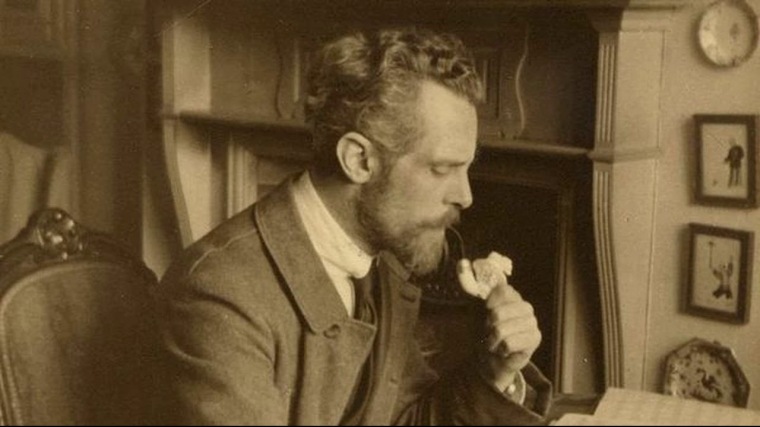
Thomas Ravenscroft (c1582 - c1633): We be souldiers three, partsong a 3 voci (pubblicato nella raccolta Deuteromelia, 1609, n. 3). Deller Consort, dir. Alfred Deller.
We be souldiers three,
Pardona moy ie vous an pree,
Lately come forth of the low country,
With never a penny of mony.
Here, Good fellow, I’ll drinke to thee,
To all good Fellowes where ever they be.
And he that will not pledge me this
Payes for the shot what ever it is.
Charge it againe boy, charge it againe,
As long as there is [you have] any incke in thy [your] pen.
Ecco un’altra armonizzazione a tre voci di Ravenscroft, moderna e elegante quanto rozzo e grossolano, per contrasto, è il testo. Quest’ultimo fa con tutta probabilità riferimento alle disavventure di tre soldati che hanno combattuto nei Paesi bassi allora sotto la dominazione spagnola, in quella che fu poi chiamata guerra degli ottant’anni (1568-1648): riparati in terra britannica senza il becco di un quattrino, i nostri prodi sono costretti a elemosinare da bere. Alcune parole del testo, come charge e shot, sono ambivalenti: in un campo di battaglia hanno un certo significato, un altro assai diverso in una taverna.

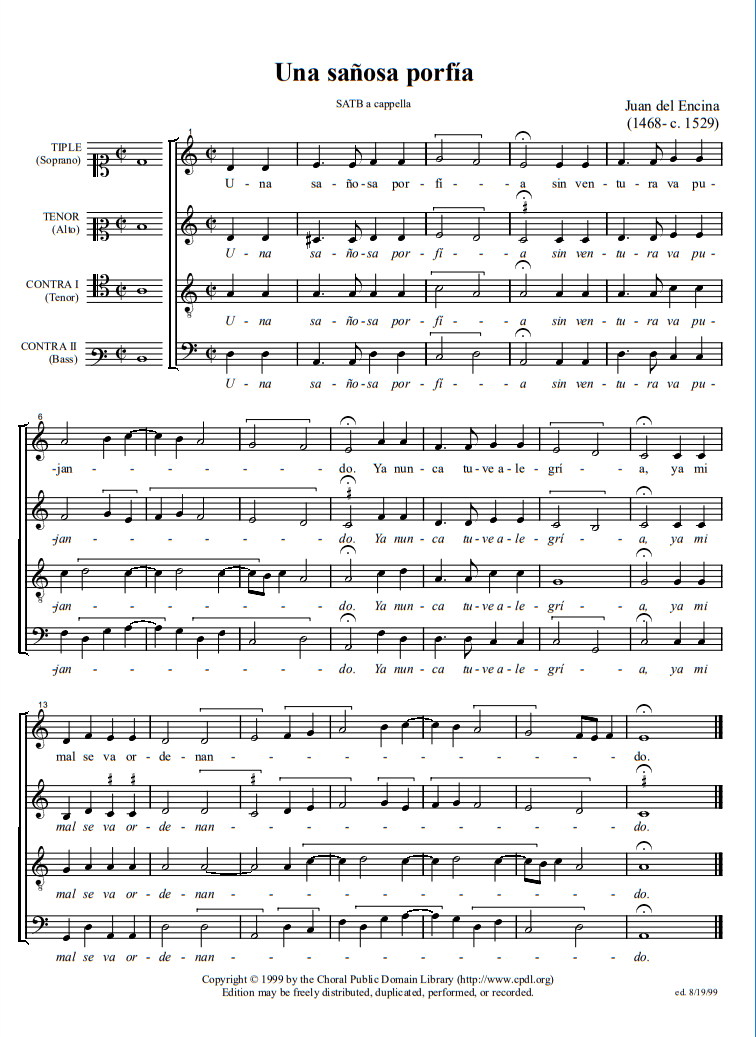
Juan del Encina (12 luglio 1468 - 1529): Una sañosa porfía, romance a 4 voci (dal Cancionero de Palacio, 1465, n. 327). La Capella Reial de Catalunya e Hespèrion XX, dir. Jordi Savall.
Una sañosa porfía
sin ventura va pujando.
Ya nunca tuve alegría
ya mi mal se va ordenando.
Ya fortuna disponía
quitar mi próspero mando
Qu’el bravo León d’España
mal me viene amenazando.
Su espantosa artillería
Los adarves derribando
mis villas y mis castillos
mis ciudades va ganando.
La tierra y el mar gemían
que viene señoreando
sus pendones y estandartes
y banderas levantando.
La muy gran caballería
hela, viene relumbrando
sus huestes y peonaje
all aire viene turbando.
Correme la morería
los campos viene talando
mis compañas y caudillos
viene venciendo y matando.
Las mezquitas de Mahoma
en iglesias consagrando,
las moras lleva cativas
con alaridos llorando.
Al cielo dan apellido
Viva el gran Rey don Fernando
viva la muy gran leona
Alta Reina prosperando.
Una generosa Virgen
esfuerzo les viene dando
un famoso caballero
delante viene volando.
Con una cruz colorada
y una espada relumbrando
d’un rico manto vestido
toda la gente guiando.
Anton Stepanovič Arenskij (12 luglio 1861 - 1906): Sinfonia n. 1 in si minore op. 4 (1883). Orchestra sinfonica di Stato della Federazione russa, dir. Valerij Poljanskij.

Pavle Merkù (12 luglio 1927 – 2014): Tri uspavanke za Jasno (Tre Ninne-nanne per Jasna) per clarinetto e pianoforte. Andrej Zupan, clarinetto; Jan Sever, pianoforte.

George Gershwin (1898 - 11 luglio 1937): I got rhythm, testo di Ira Gershwin, dal musical Girl Crazy (1930), cantato da Judy Garland.
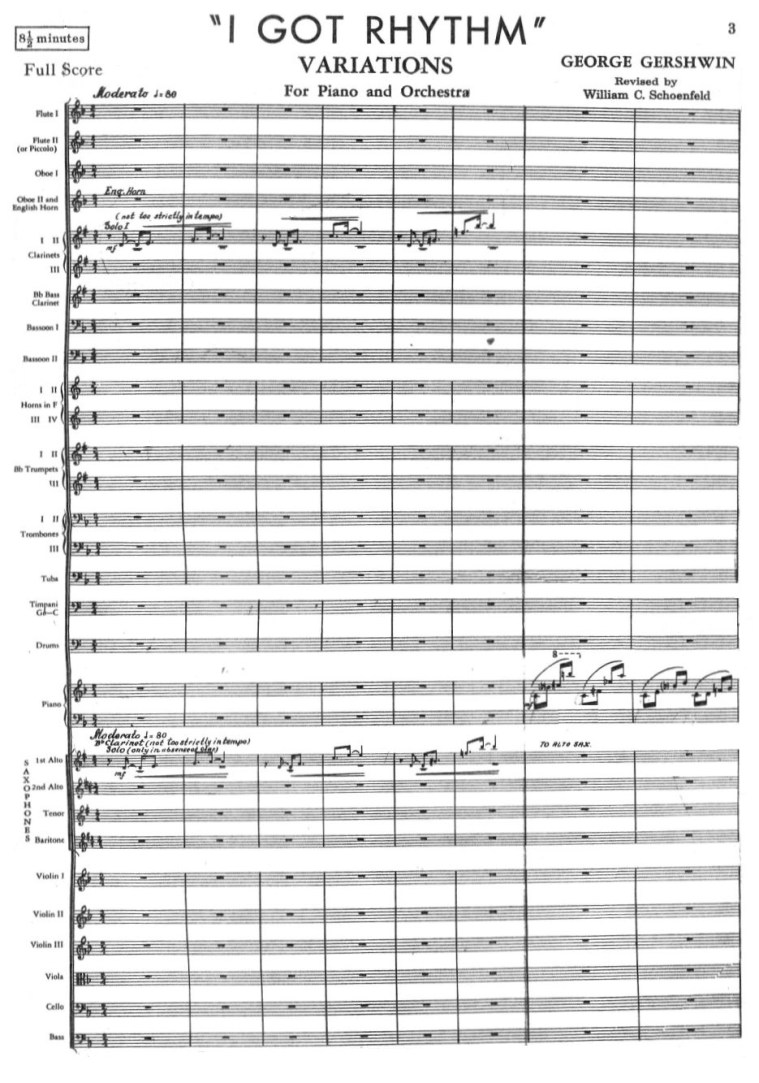
George Gershwin: Variazioni su I got rhythm per pianoforte e orchestra (1933–34). Oscar Levant, pianoforte; Morton Gould and His Orchestra.
Anonimo (secolo XVI): The oak and the ash, ovvero The Northern Lasse’s Lamentation. Alfred Deller, controtenore; Desmond Dupré, liuto.
A North Country maid up to London had strayed
Although with her nature it did not agree,
She wept, and she sighed, and she bitterly cried:
I wish once again in the North I could be.
Oh the oak and the ash and the bonnie ivy tree,
They flourish at home in my own country.
While sadly I roam, I regret my dear home
Where lads and young lasses are making the hay,
The merry bells ring and the birds sweetly sing,
And maidens and meadows are pleasant and gay.
Oh the oak and the ash and the bonnie ivy tree,
They flourish at home in my own country.
No doubt, did I please, I could marry with ease,
Where maidens are fair many lovers will come.
But he whom I wed must be North Country bred,
And carry me back to my North Country home.
Oh the oak and the ash and the bonny ivy tree,
They flourish at home in my own country.
Una serie di variazioni sulla melodia di The Oak and the Ash, opera di Giles Farnaby (c1563 - 1640), si trova con il titolo Quodlings Delight nel Fitzwilliam Virginal Book (n. [CXIV]). Qui la composizione di Farnaby è interpretata al clavicembalo da Pieter-Jan Belder:
La medesima melodia ha inoltre dato origine a diverse danze popolari, fra cui una contraddanza pubblicata con il numero 52 nella fortunata raccolta The English Dancing Master (16511) di John Playford: il brano reca il suggestivo titolo di Goddesses, probabilmente ispirato da quello di un masque, The Vision of the Twelve Goddesses, scritto da Samuel Daniel e rappresentato nel 1604. Ecco Goddesses in un arrangiamento di Bernard Thomas interpretato dal bravissimo Nicolas Fendt, che suona chitarra rinascimentale, liuto-chitarra, flauto dolce soprano, contralto, tenore e basso, e percussioni:

Giorgio Federico Ghedini (11 luglio 1892 - 1965): Concerto dell’Albatro per voce recitante, violino, violoncello, pianoforte e orchestra (1945) su testi tratti da Moby Dick di Herman Melville (traduzione di Salvatore Quasimodo). Gordon Stanley, voce recitante; Mela Tenenbaum, violino; Dorothy Lawson, violoncello; Cameron Grant, pianoforte; Philharmonia Virtuosi, dir. Richard Kapp.
« Ricordo il primo albatro che vidi.
« Fu durante un lungo colpo di vento in acque remote nei mari antartici.
« Dopo la mia guardia franca del mattino, ero salito sul ponte coperto di nubi e là vidi, gettato sulle boccaporte di maestro, un essere regale, pennuto, di immacolata bianchezza e dal sublime romano rostro adunco.
« A intervalli esso allargava le ali immense da arcangelo, come per abbracciare qualche arca santa. Stupefacenti palpitazioni e sussulti lo scuotevano.
« Attraverso i suoi inesprimibili, stranissimi occhi mi pareva di scorgere segreti che giungevano a Dio.
« A lungo contemplai quel prodigio di penne. Non posso dire, ma soltanto far sentire, le cose che mi guizzarono allora nella mente. »

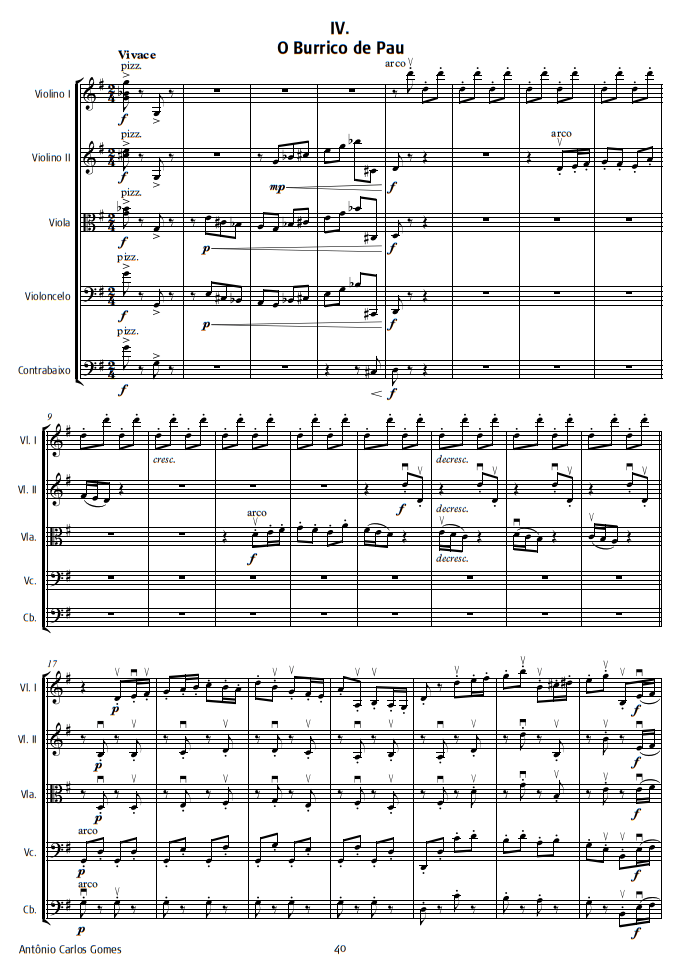
Antônio Carlos Gomes (11 luglio 1836 - 1896): Sonata in re maggiore per archi (1894). Quarteto Bessler-Reis.
Sigismund von Neukomm (10 luglio 1778 - 1858): Quintetto in si bemolle maggiore per clarinetto e archi op. 8 (c1806). Ensemble Divertimento Salzburg.

Anonimo del XVI secolo: Mignonne, allons (pubblicato nel Recueil des plus belles et excellentes chansons en forme de voix de ville, 1576) di Jean Chardevoine; testo di Pierre de Ronsard (ode À Cassandre, 1545). Duo Mignarda: Donna Stewart, voce; Ron Andrico, liuto.
Mignonne, allons voir si la rose
Qui ce matin avait déclose
Sa robe de pourpre au Soleil,
A point perdu cette vesprée,
Les plis de sa robe pourprée,
Et son teint au vôtre pareil.
Las! voyez comme en peu d’espace,
Mignonne, elle a dessus la place
Hélas! ses beautés laissé choir!
Ô vraiment marâtre Nature,
Puis qu’une telle fleur ne dure
Que du matin jusques au soir!
Donc, si vous me croyez, mignonne,
Tandis que vôtre âge fleuronne
En sa plus verte nouveauté,
Cueillez, cueillez votre jeunesse:
Comme à cette fleur la vieillesse
Fera ternir votre beauté.
La Cassandre cui è dedicata l’ode di Ronsard, fra i più celebri componimenti del poeta francese, è Cassandra Salviati, figlia del banchiere fiorentino Bernardo.
 Pierre de Ronsard e Cassandra Salviati nel frontespizio della prima edizione degli Amours (Parigi 1552).
Un sentito ringraziamento a Luisa Zambrotta, il cui interessantissimo blog ha richiamato alla mia mente questa struggente chanson.
Eliodoro Sollima (10 luglio 1926 - 2000): Piccolo scherzo su temi di Mozart, trascrizione di Giovanni Sollima per flauto, clarinetto, violino, violoncello e pianoforte. Luigi Sollima, flauto; Calogero Palermo, clarinetto; Salvatore Greco, violino; Giovanni Sollima, violoncello; Giuseppe Andaloro, pianoforte.

Sir Donald Francis Tovey (17 luglio 1875 - 10 luglio 1940): Sinfonia in re maggiore op. 32 (1913). Malmö Operaorkester, dir. George Vass.
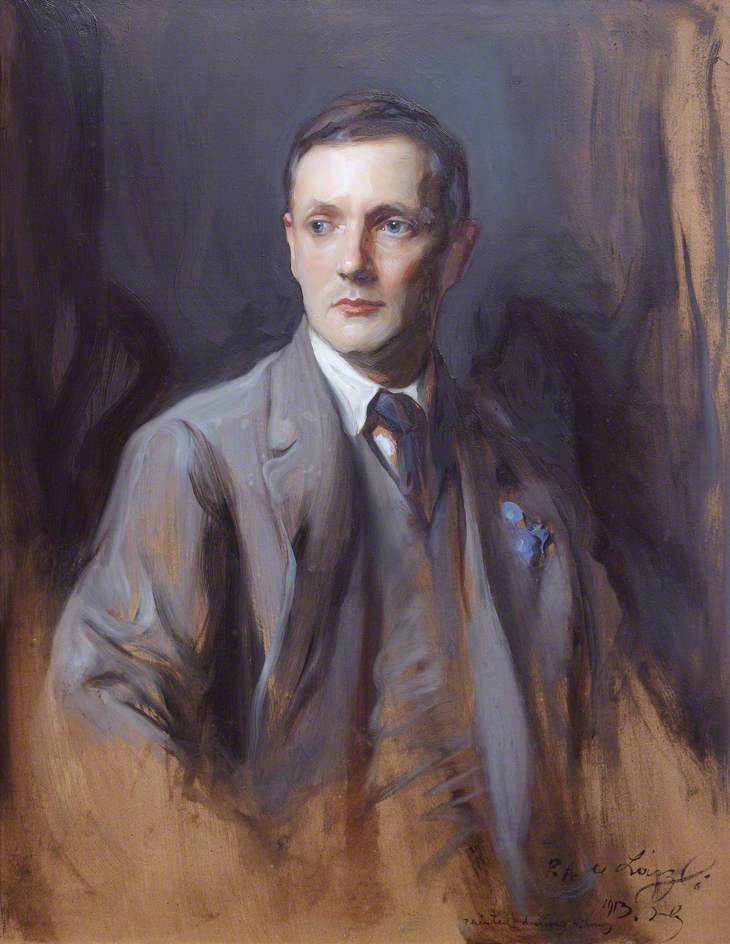
Henryk Wieniawski (10 luglio 1835 - 1880): Concerto per violino e orchestra n. 1 in fa diesis minore op. 14 (1852: composto a 17 anni). Ray Chen, violino; WDR Sinfonieorchester Köln, dir. Cristian Măcelaru.

Rued Langgaard (28 luglio 1893 - 10 luglio 1952): Sinfonia n. 1, Klippepastoraler, BVN 32 (1908-11). DR SymfoniOrkestret, dir. Leif Segerstam.

Anonimo del XIII secolo: La quarte estampie royal. Hespèrion XXI, dir. Jordi Savall.
Questa composizione è trascritta nel codice detto Chansonnier du Roi (fr. 844 della Bibliothèque nationale de France, f. 104r ). Di che cosa si tratta? L’estampie (in lingua d’oc estampida, in italiano antico stampita o istampitta) è una delle rarissime forme musicali medievali interamente o prevalentemente strumentali, presumibilmente destinata a accompagnare la danza: il nome deriverebbe dal francone estampir = battere i piedi. La struttura dell’estampie, accuratamente descritta nel trattato del teorico francese Johannes de Groche[i]o (Jean de Grouchy, c1255 - c1320), consiste nel susseguirsi di un certo numero di frasi musicali chiamate puncta (la Quarte estampie royal ne ha 7); ciascun punctum è ripetuto due volte con due differenti conclusioni, dette rispettivamente apertum / ouvert e clausum / clos. Mentre i puncta sono diversi l’uno dall’altro, in genere apertum e clausum si ripetono invariati.
Johannes de Grocheo — l’unico teorico dell’epoca che si occupi della musica popolare, da lui chiamata musica simplex — descrive alcune forme affini all’estampie: una di queste è la ductia, che presenta caratteri di minore complessità. Scrive il nostro trattatista, il quale asseriva convintamente (come già Platone) che la musica abbia il potere di influire sulla psiche: «Si dice che [la ductia] sia efficace nella cura di quella passione chiamata mal d’amore».
Ecco una ductia davvero graziosa, eseguita dall’ensemble Arte Factvm:

 Randall Thompson (1899 - 9 luglio 1984): Secondo Quartetto per archi (1967). New Jefferson Chamber Players.
 Giovanni Benedetto Platti (9 luglio 1697 - 1763): Concerto in la maggiore per violoncello e orchestra. Stefano Veggetti, violoncello; Ensemble Cordia.
George Antheil (8 luglio 1900 - 1959): Sonata sauvage per pianoforte (1922). Steffen Schleiermacher.

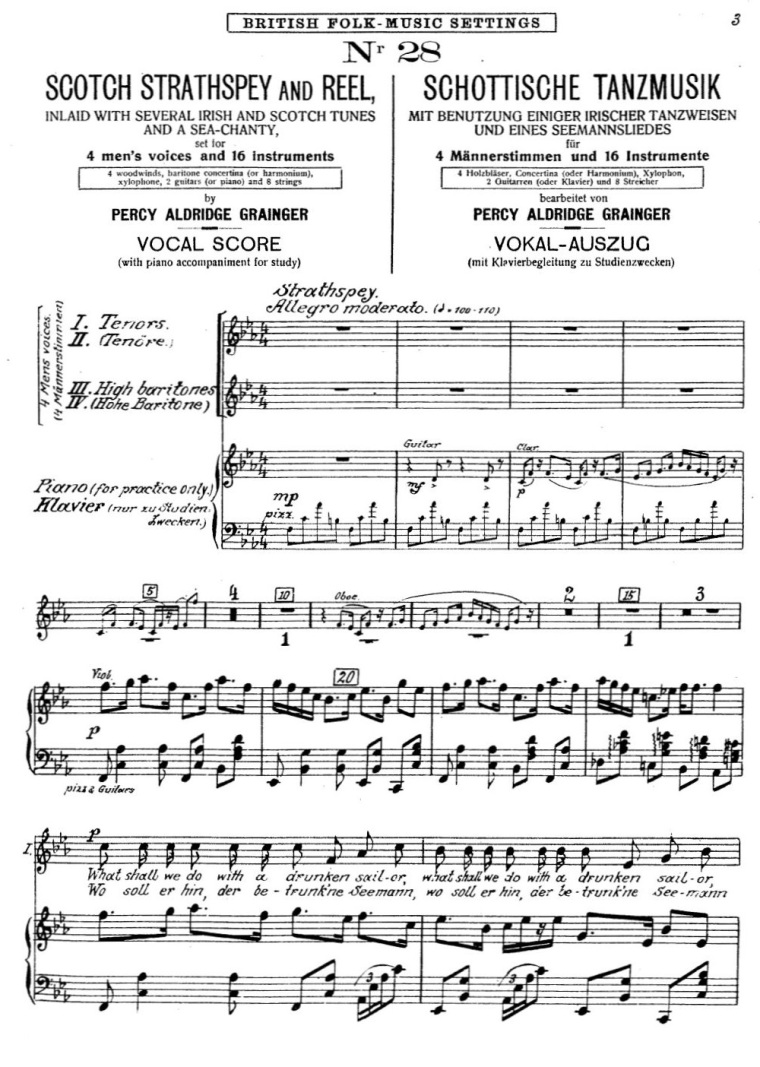
Percy Grainger (8 luglio 1882 - 1961): Scotch Strathspey and Reel per coro e orchestra (1924). The Ambrosian Singers & English Chamber Orchestra, dir. Benjamin Britten.
Strathspey e reel sono danze tradizionali britanniche, di origine scozzese, in ritmo binario (2/2 o 4/4), la prima leggermente più lenta della seconda. La composizione di Grainger, il cui titolo completo è Scotch Strathspey and Reel inlaid with Several Irish and Scotch Tunes and Sea-Chanty, si fonda sopra un celebre canto marinaresco, Drunken Sailor (ovvero What Shall We Do with a/the Drunken Sailor? ), con melodia di probabile origine irlandese. Nelle due clip che seguono potete ascoltarlo in due diverse interpretazioni: del gruppo Irish Rovers la prima, più “tradizionale” e corredata dal testo; l’altra, più fantasiosa, è dei King’s Singers.
Riccardo Pick-Mangiagalli (10 luglio 1882 - 8 luglio 1949): Deux Lunaires per pianoforte op. 33 (1916). Aldo Ciccolini.

Ludwig Wenzel Lachnith (7 luglio 1746 - 1820): Sinfonia in si bemolle maggiore. Kurpfälzisches Kammerorchester, dir. Hans Oskar Koch.
Oggi Lachnith sarebbe del tutto dimenticato, se non fosse per una sua rivisitazione del Flauto magico andata in scena a Parigi nel 1801 con il titolo Les Mystères d’Isis ; si tratta di un adattamento del capolavoro mozartiano al gusto francese dell’epoca: nell’immediato ebbe un grande successo di pubblico, ma suscitò molte critiche anche postume, fra cui quella di Berlioz, feroce e al tempo stesso assai spassosa.

Anonimo (XVII secolo): Blew-cap for me. Ellen Hargis, soprano; Paul O’Dette, cittern.
Il testo fu pubblicato per la prima volta intorno al 1634 con il titolo Blew cap for me. Or, A Scottish lasse her resolute chusing shee’l have bonny blew-cap, all other refusing. To a curious new Scottish tune called Blew-cap.
There lives a blithe Lasse in Faukeland towne,
and shee had some suitors, I wot not how many;
But her resolution she had set down,
that shee’d have a Blew-cap gif e’re she had any:
An English man,
when our good king was there,
Came often unto her,
and loved her deere:
But still she replide, «Sir,
I pray let me be,
Gif ever I have a man,
Blew-cap for me.»
A Frenchman, that largely was booted and spur’d,
long lock’t, with a Ribon, long points and breeches,
Hee’s ready to kisse her at every word,
and for further exercise his fingers itches:
«You be pritty wench,
Mistris, par ma foy;
Be gar, me doe love you,
then be not you coy.»
But still she replide, «Sir,
I pray let me be;
Gif ever I have a man,
Blew-cap for me.»
An Irishman, with a long skeane in his hose,
did tinke to obtaine her it was no great matter;
Up stayres to her chamber so lightly he goes,
that she ne’re heard him until he came at her.
Quoth he, «I do love you,
by fate and by trote,
And if you will have me,
experience shall shote.»
But still she replide, «Sir,
I pray let me be;
Gif ever I have a man,
Blew-cap for me.»
A Dainty spruce Spanyard, with haire black as jett,
long cloak with round cape, a long Rapier and Ponyard;
Hee told her if that shee could Scotland forget,
hee’d shew her the Vines as they grow in the Vineyard.
«If thou wilt abandon
this Country so cold,
Ile shew thee faire Spaine,
and much Indian gold.»
But stil she replide, «Sir,
I pray let me be;
Gif ever I have a man,
Blew-cap for me.»
A haughty high German of Hamborough towne,
a proper tall gallant, with mighty mustachoes;
He weepes if the Lasse upon him doe but frowne,
yet he’s a great Fencer that comes to ore-match us.
But yet all his fine fencing
could not get the Lasse;
She deny’d him so oft,
that he wearyed was;
For still she replide, «Sir,
I pray let me be;
Gif ever I have a man,
Blew-cap for me.»
At last came a Scottish-man (with a blew-cap),
and he was the party for whom she had tarry’d;
To get this blithe bonny Lasse ‘twas his gude hap,–
they gang’d to the Kirk, & were presently marry’d.
I ken not weele whether
it were Lord or Leard;
They caude him some sike
a like name as I heard;
To chuse him from au
she did gladly agree,–
And still she cride, «Blew-cap,
th’art welcome to mee.»
La melodia è presente nella prima edizione (1651) della raccolta The English Dancing Master, curata da John Playford, con il titolo Blew Cap (n. 2). Qui è eseguita dai City Waites diretti da Lucie Skeaping:

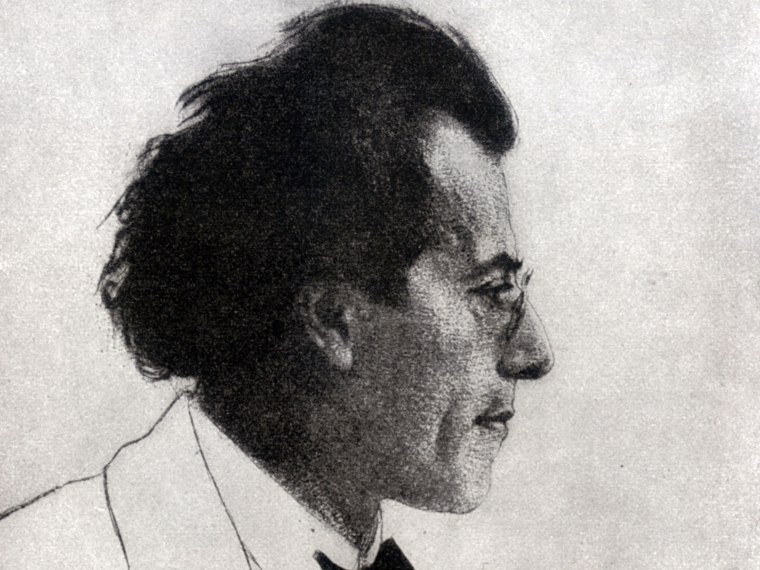
Gustav Mahler (7 luglio 1860 - 1911): incisioni su rullo perforato (1905) di:
(Da 10:42 a 14:13 c’è purtroppo un rumore di fondo alquanto fastidioso dovuto a un difetto del cd.)
Have a WordPress.com account? Log in now.

