
Carlotta Ferrari (1975): Shiva, meditazione per organo (2005). Luca Massaglia.
Carlotta Ferrari: Toccata in modo gravitazionale per organo (2003). Carson Cooman.
Carlotta Ferrari (1975): Shiva, meditazione per organo (2005). Luca Massaglia.
Carlotta Ferrari: Toccata in modo gravitazionale per organo (2003). Carson Cooman.
Antonio Vivaldi (4 marzo 1678 - 1741): Concerto in mi bemolle maggiore per 2 violini, archi e basso continuo RV 515. Riccardo Minasi e Dmitrij Sinkovskij, violini; Il Pomo d’Oro.
Claudio Monteverdi (1567 - 1643): sezioni strumentali dell’Orfeo (1607). English Baroque Soloists, dir. John Eliot Gardiner.
Io la Musica son, ch’ai dolci accenti
So far tranquillo ogni turbato core,
Et hor di nobil ira, et hor d’Amore
Poss’infiammar le più gelate menti.
(L’Orfeo, Prologo)
Johann Pachelbel (1653 - 3 marzo 1706): Toccata in fa maggiore per organo P 464. Kateřina Málková.
Johann Heinrich Schmelzer (1620 - 1680): Ciaccona in la maggiore. Hélène Schmitt, violino; Jan Krigovsky, violone; Stephan Rath, tiorba; Jörg-Andreas Bötticher, claviorgano.

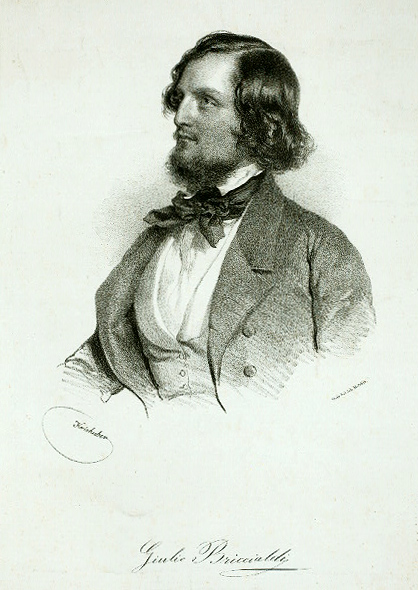
Giulio Briccialdi (2 marzo 1818 - 1881): Il vento, capriccio per flauto e pianoforte op. 112. Carmen Caballero, flauto; Toon Bierman, pianoforte.
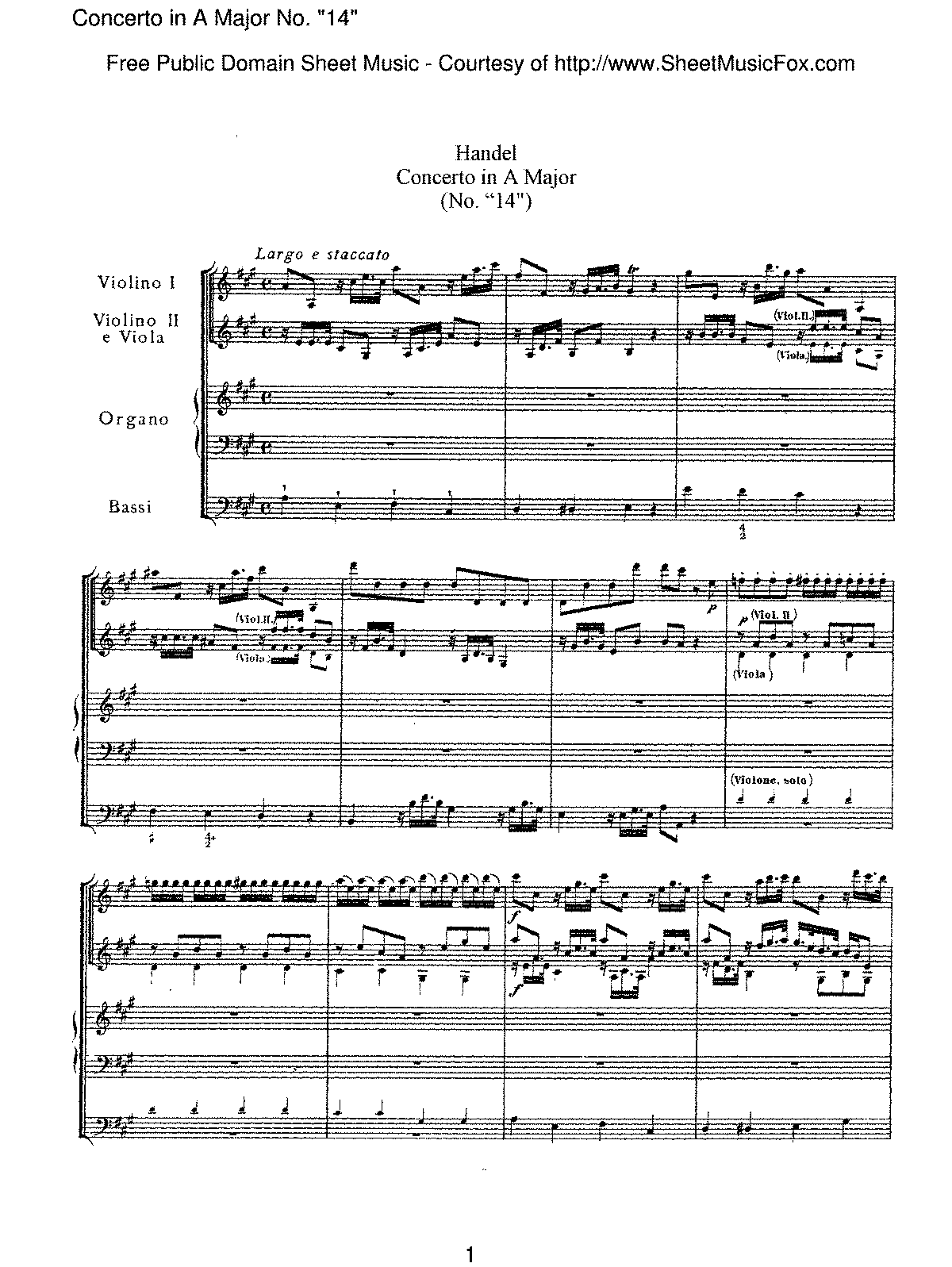
Georg Friedrich Händel (1685 - 1759): Concerto in la maggiore per organo, archi e basso continuo HWV 296a. Lorenzo Ghielmi, organo e direzione; La Divina Armonia.
Il 1° marzo 1979 iniziai a lavorare per la Utet: quel giorno divenni ufficialmente un membro della Redazione dell’enciclopedia della musica, la quale avrebbe poi assunto la denominazione di Dizionario enciclopedico universale della musica e dei musicisti (DEUMM) e con questo titolo sarebbe stata pubblicata dalla Casa editrice torinese fra il 1983 e il 2005.
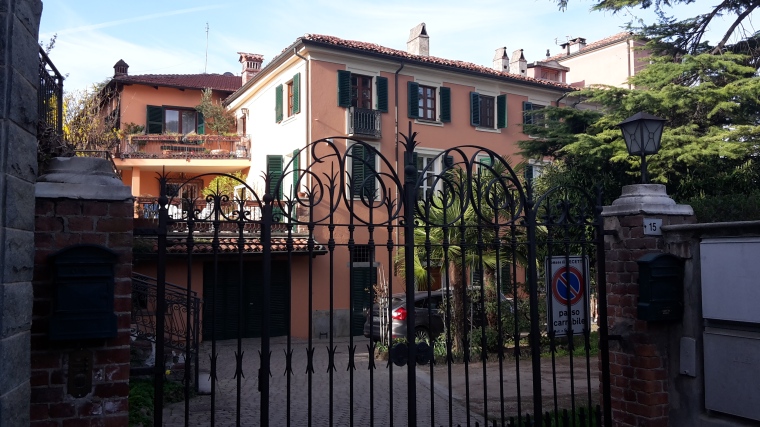
L’enciclopedia era stata concepita nel 1975 dal professor Alberto Basso, consulente della Utet per le opere musicologiche. Basso aveva chiesto e ottenuto dall’Azienda che i redattori potessero lavorare sotto la sua guida diretta: l’attività redazionale si svolgeva dunque, all’epoca, nell’abitazione del professore, in una graziosa villa sita in un’amena località della collina torinese, famosa per le sue ciliegie.
Oggi voglio fare un piccolo omaggio a Loredana Montanaro, gentile consorte del professore, ospite squisita e infinitamente paziente, nonché appassionata cultrice dei concerti per organo di Händel.
🇬🇧 On March 1, 1979 I started working for Utet (Unione tipografico-editrice torinese, an esteemed Turin publishing house): on that day I officially became a member of the editorial team of the encyclopedia of music, which was later given the title Dizionario enciclopedico universale della musica e dei musicisti (Deumm) and was published between 1983 and 2005.
The encyclopedia was conceived in 1975 by Professor Alberto Basso, Utet consultant for musicological works. Basso had requested and obtained from the Company that the editors could work under his direct guidance: the editorial activity therefore took place, at the time, in the professor’s home, in a lovely villa located in a charming town on the Turin hills, renowned for the production of cherries.
Today I want to pay a tribute to Loredana Montanaro, the professor’s kind wife, an exquisite and infinitely patient host, as well as a passionate lover of Handel’s organ concertos.
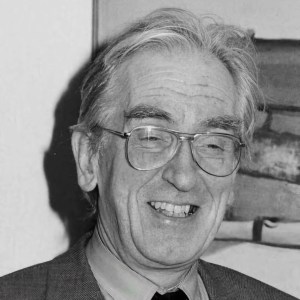 Jacques Leduc (1° marzo 1932 - 2016): Sinfonia op. 29 (1969). Orchestre Philharmonique de Liège, dir. Pierre Bartholomée.
Steve Reich (1936): Clapping Music (1972) eseguita dall’autore stesso in collaborazione con Wolfram Winkel.
Il brano del celebre compositore minimalista americano è presente su YouTube in numerose altre clip. Vi segnalo l’interessante animazione proposta da gerubach:
V’è poi, molto coinvolgente, questa… interpretazione di Angie Dickinson e Lee Marvin (dal film Point Blank, diretto nel 1967 da John Boorman e distribuito in Italia con il titolo Senza un attimo di tregua):

Gioachino Rossini (29 febbraio 1792-1868): Sonata a quattro (2 violini, violoncello e contrabbasso) n. 1 in sol maggiore (1804). Membri dello Slovenský komorný orchester (Orchestra da camera slovacca), dir. Bohdan Warchal.
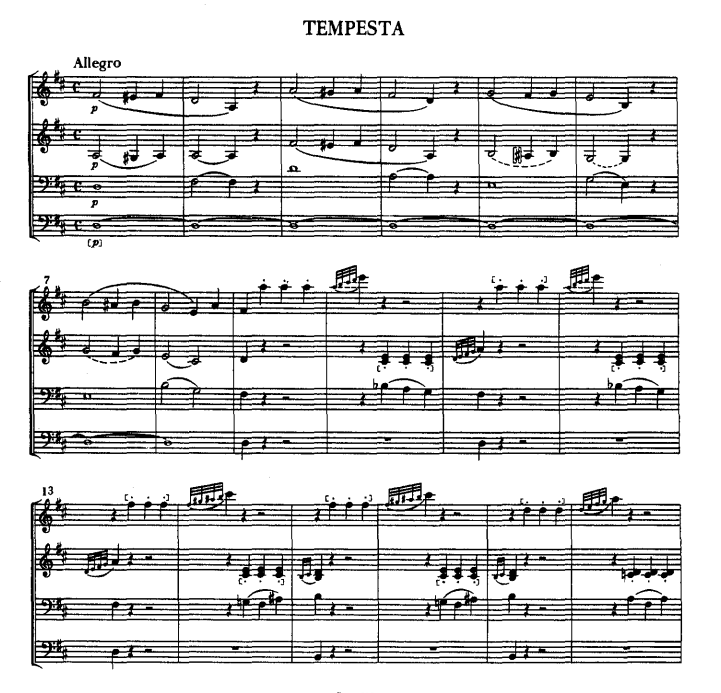
Gioachino Rossini: Sonata a quattro n. 6 in re maggiore, La tempesta. Stessi interpreti.
 Artur Kapp (28 febbraio 1878 – 1952): Sonata per organo n. 1 in fa minore (1897). Aare-Paul Lattik.
John Alden Carpenter (28 febbraio 1876 - 1951): Skyscrapers: A Ballet of Modern American Life (1926). London Symphony Orchestra, dir. Kenneth Klein.

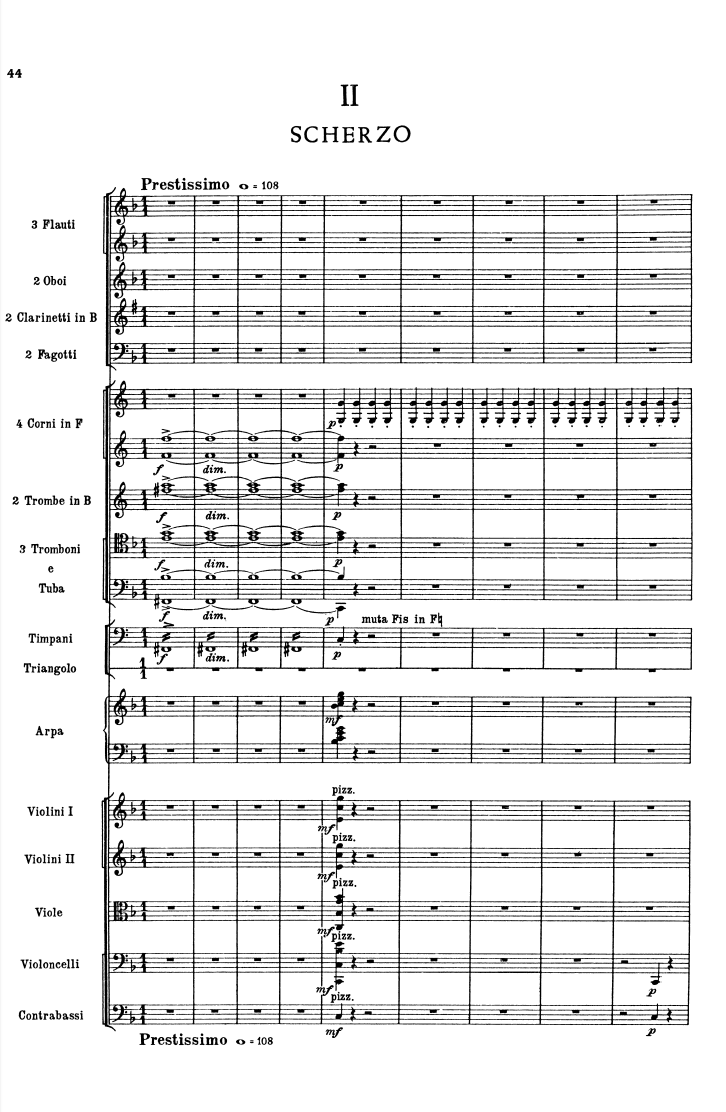
Aleksandr Porfir’evič Borodin (1833 - 27 febbraio 1887): Sinfonia n. 2 in si minore op. 5 (1869-76). Orchestra del Teatro Mariinskij, dir. Valerij Gergiev.
Una delle più belle e originali composizioni sinfoniche russe del secondo Ottocento. Secondo il critico Vladimir Stasov, amico e primo biografo di Borodin, nel I movimento il compositore intese raffigurare un raduno di bogatyri, eroici guerrieri medievali russi.

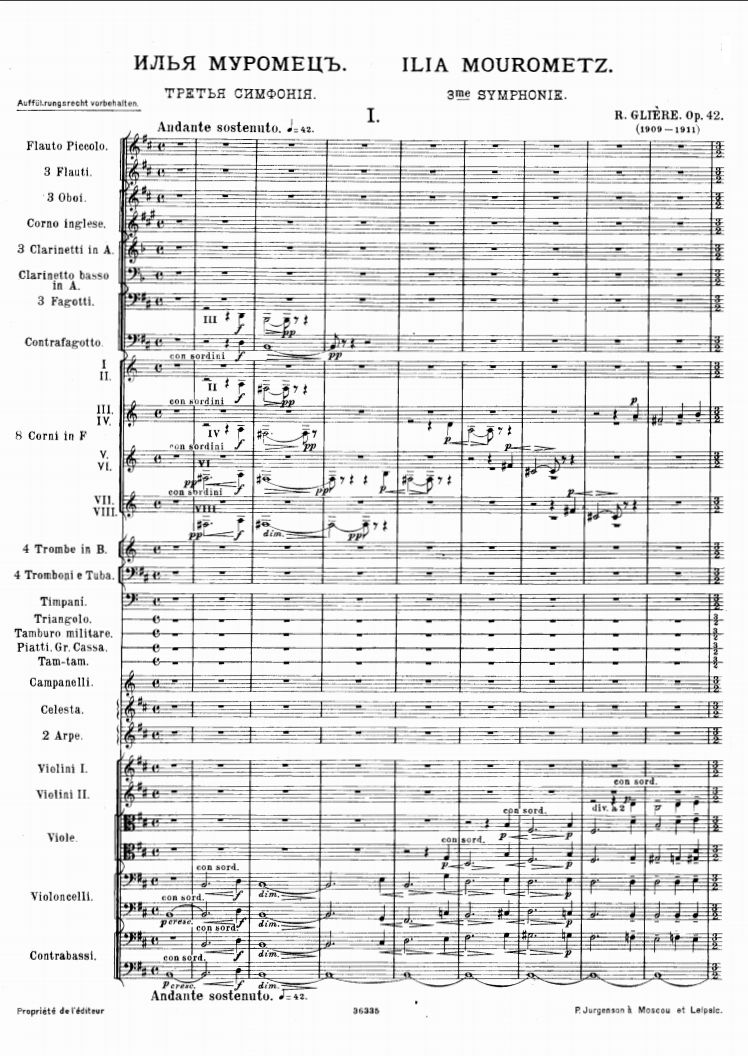
Reinhold Glier (o Glière; 1875 - 1956): Terza Sinfonia op. 42, Il'ja Muromec′ (1912). BBC Philharmonic Orchestra, dir. sir Edward Downes.
Pellegrini in viaggio. Il'ja Muromec′ e Svjatogor′: Andante sostenuto – Allegro risoluto – Tranquillo misterioso – Tempo I
Le eroiche gesta e la pietrificazione di Il'ja Muromec′: Allegro tumultuoso – Tranquillo – Maestoso solenne – Andante sostenuto [51:55]
William Brade (1560 - 26 febbraio 1630): due Canzoni tratte dalla raccolta Newe ausserlesene Paduanen, Galliarden, Canzonen, Allmand und Coranten auff allen musicalischen Instrumenten lieblich zu gebrauchen (1609). Hespèrion XX, dir. Jordi Savall.

 Antonín Reicha (26 febbraio 1770 - 1836): Quintetto in mi maggiore per corno e quartetto d’archi op. 106 (1807). Vladimira Klánská, corno; membri del České noneto.
Armand-Louis Couperin (25 febbraio 1727 - 2 febbraio 1789): Les Quatre Nations (dalle Pièces de Clavecin, 1751). Jennifer Paul, clavicembalo.

Maryanne Amacher (25 febbraio 1938 - 2009): Synaptic Island, versione abbreviata (1999).
Maryanne Amacher: Living sound per serie di “stanze collegate acusticamente” (1980).

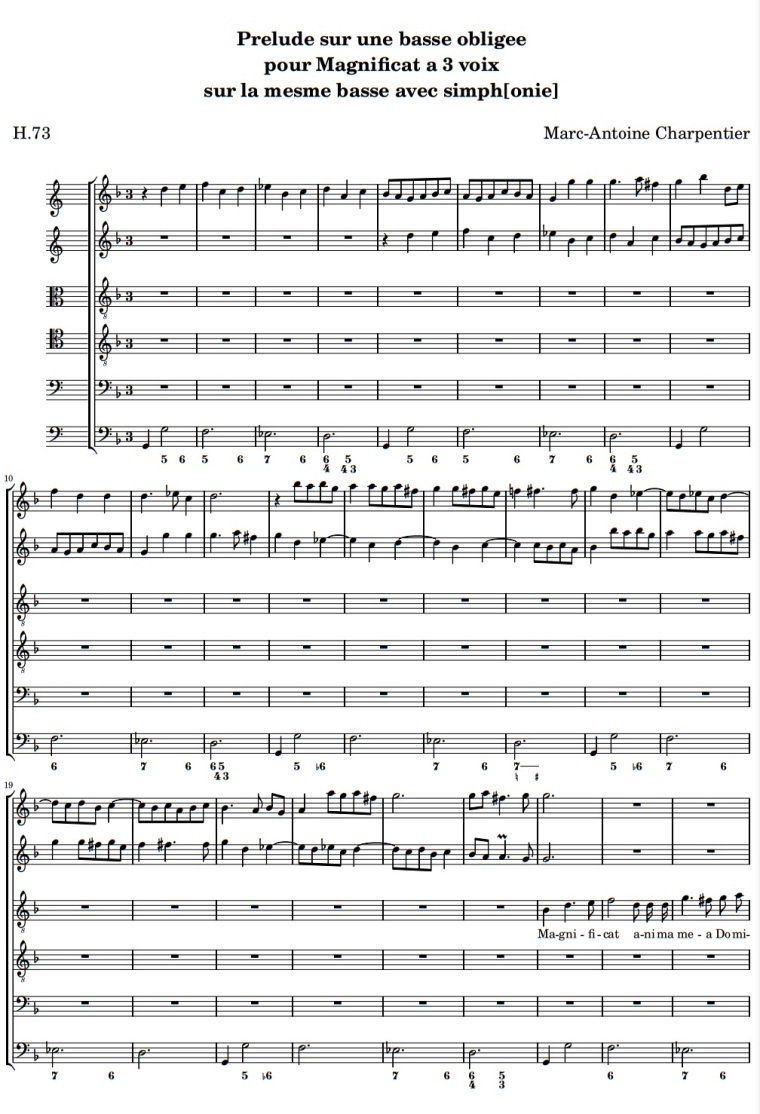
Marc-Antoine Charpentier (1643 - 24 febbraio 1704): Magnificat a 3 voci e basso continuo H. 73 (1670-71). Les Arts Florissants, dir. William Christie.
Franz Waxman (pseudonimo di Franz Wachsmann; 1906 - 24 febbraio 1967): Suite dalla colonna sonora del film Sunset Boulevard (1950) di Billy Wilder. Paramount Symphony Orchestra diretta dall’autore.

Edward Elgar (1857 - 23 febbraio 1934): Quartetto in mi minore per 2 violini, viola e violoncello op. 83 (1918). Ruysdael Kwartet: Joris van Rijn e Emi Ohi Resnick, violini; Gijs Kramers, viola; Jeroen den Herder, violoncello.
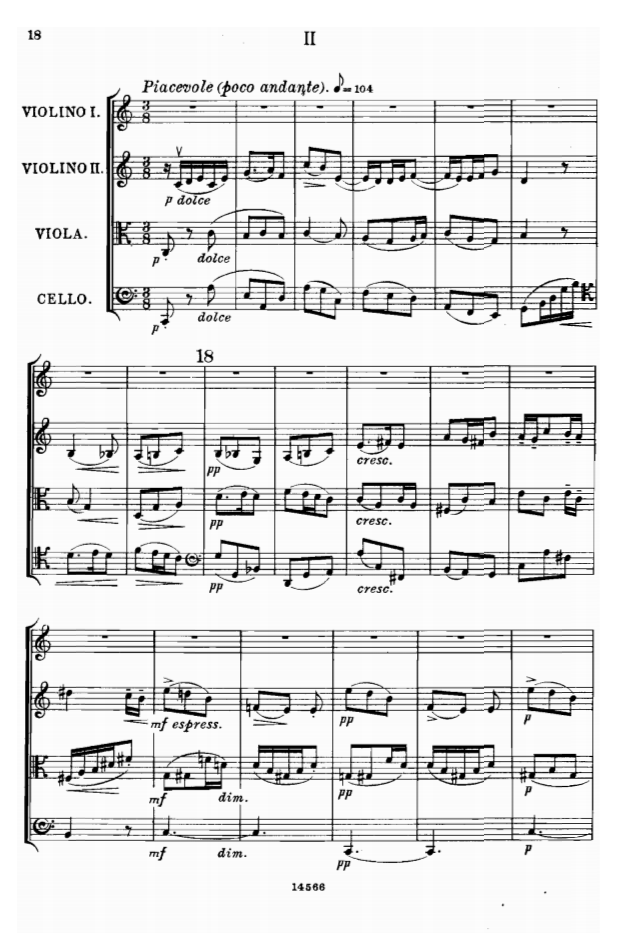
Georg Friedrich Händel (23 febbraio 1685 - 1759): Concerto in sol minore per organo e archi op. 7 n. 5, HWV 310. Lorenzo Ghielmi, organo e direzione; La Divina Armonia.
Nel III movimento, uno dei più famosi ostinati del repertorio barocco.
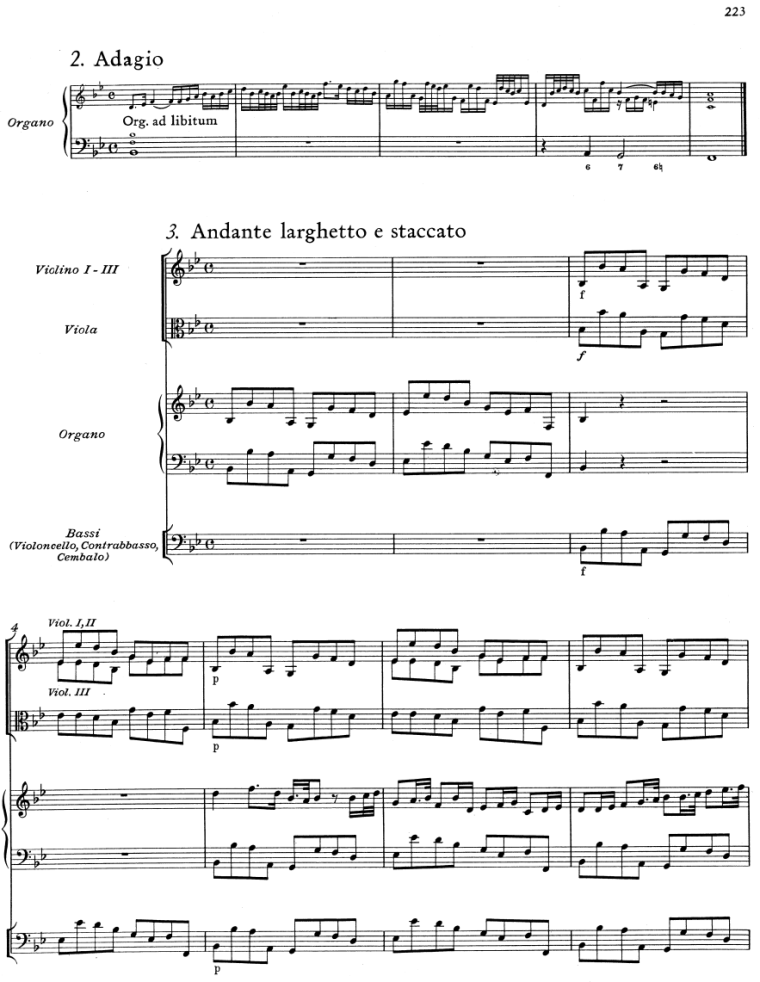
Giovanni Gabrieli (c1554/57-1612): Sonata a 8 pian e forte; arrangiamento di Fabio Codeluppi. Membri dell’Orchestra del Teatro La Fenice di Venezia.
 .
.
Paolo Castaldi (1930 - 22 febbraio 2021): Canoni armonici per 2 pianoforti (1997-99). Antonella Moretti e Mauro Ravelli.
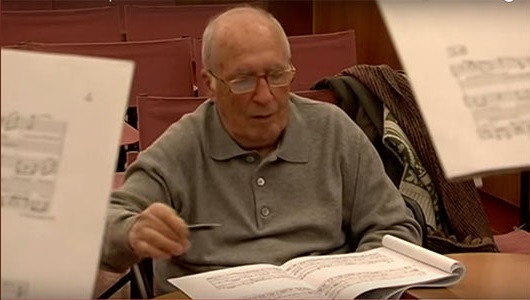
Benedikt Anton Aufschnaiter (21 febbraio 1665 - 1742): Serenata a 5 in la minore, n. 4 della raccolta Concors discordia op. 2 (1695). L’Orfeo Barockorchester, dir. Michi Gaigg.

Charles-Marie Widor (21 febbraio 1844 - 1937): Sonata in la maggiore per violoncello e pianoforte op. 80 (1907). Peter Bruns, violoncello; Annegret Kuttner, pianoforte.

John Dowland (1563 - 20 febbraio 1626): Lasso vita mia (da A Pilgrimes Solace, 1612, n. 11). Michael Chance, controtenore; Monica Huggett, violino; Bruce Dickey, cornetto; Paul Beyer, liuto e direzione.
Lasso vita mia, mi fa morire,
Crudel amor mio cor consume,
Da mille ferite, che mi fa morir.
Ahi me, deh, che non mi fa morire.
Crudel amor mi fa sofrir mille martire.

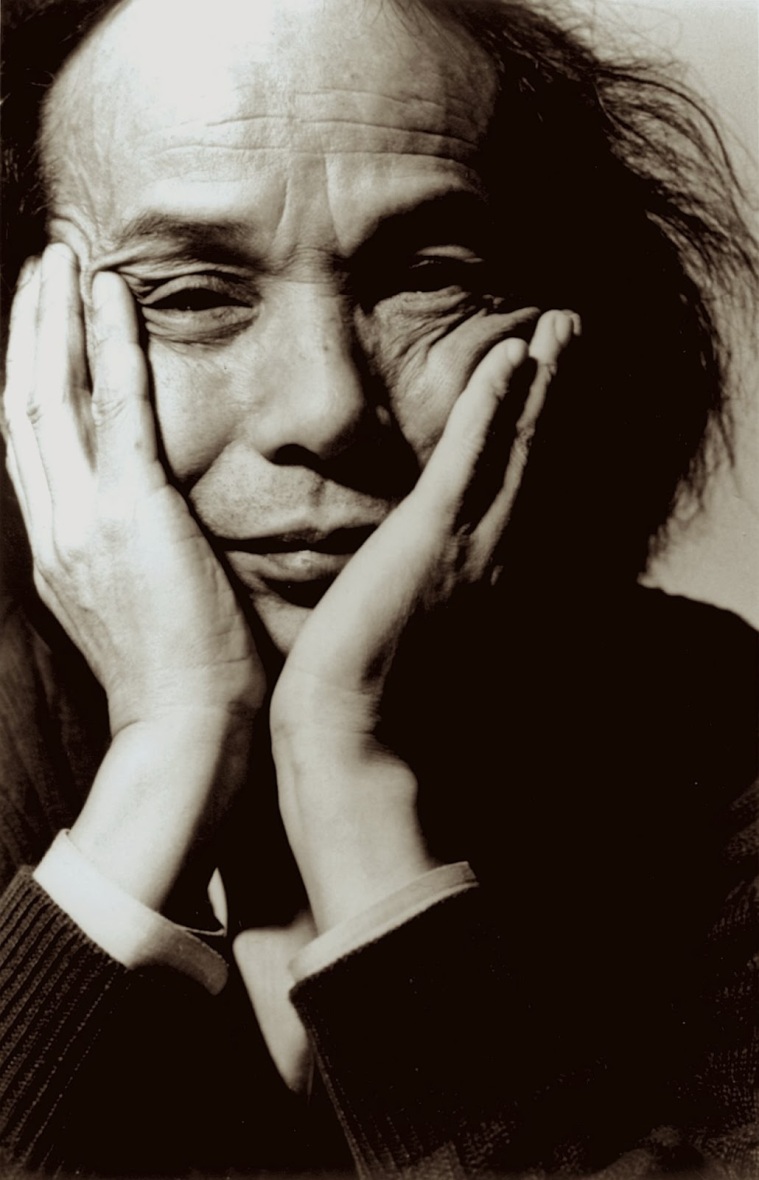
Tōru Takemitsu (1930 - 20 febbraio 1996): How slow the wind (1991). Netanya Kibbutz Orchestra, dir. Yaron Gottfried. Video art di Yael Toren.
Ancora una composizione di Takemitsu ispirata da versi di Emily Dickinson:
How slow the Wind — how slow the Sea —
how late their Feathers be!
Anonimo (Spagna, sec. XIV): Ad mortem festinamus. La Capella Reial de Catalunya, Hespèrion XXI e Jordi Savall.
Anche questo brano, una delle più celebri danze macabre medievali, ha la forma di un virelai.
Ad mortem festinamus
peccare desistamus.
Scribere proposui
de contemptu mundano
ut degentes seculi
non mulcentur in vano;
iam est hora surgere
a sompno mortis pravo.
Ad mortem festinamus
peccare desistamus.
Vita brevis breviter
in brevi finietur,
mors venit velociter
quae neminem veretur.
Omnia mors perimit
et nulli miseretur.
Ad mortem festinamus
peccare desistamus.
Ni conversus fueris
et sicut puer factus
et vitam mutaveris
in meliores actus,
intrare non poteris
regnum Dei beatus.
Ad mortem festinamus
peccare desistamus.
Tuba cum sonuerit
dies erit extrema
et iudex advenerit
vocabit sempiterna
electos in patria
prescitos ad inferna.
Ad mortem festinamus
peccare desistamus.
Quam felices fuerint
qui cum Christo regnabunt
facie ad faciem
sic eum adspectabunt.
Sanctus, Sanctus, Dominus
Sabaoth conclamabunt.
Ad mortem festinamus
peccare desistamus.
Et quam tristes fuerint
qui eterne peribunt,
pene non deficient,
non propter has obibunt,
heu, heu, heu, miserrimi,
nunquam inde exibunt.
Ad mortem festinamus
peccare desistamus.
Cuncti reges seculi
et in mundo magnates
adventant et clerici
omnesque potestates,
fiant velut parvuli,
dimittant vanitates.
Ad mortem festinamus
peccare desistamus.
Heu, fratres karissimi,
si digne contemplemus
passionem Domini
amara et si flemus,
ut pupillam oculi
servabit, ne peccemus.
Ad mortem festinamus
peccare desistamus.
Alma Virgo virginum,
in celis coronata,
apud tuum filium
sis nobis advocata
et post hoc exilium
occurrens mediata.
Ad mortem festinamus
peccare desistamus.
Vile cadaver eris:
cur non peccare vereris?
cur intumescere queris?
ut quid pecuniam queris?
quid vestes pomposas geris?
ut quid honores queris?
cur non penitens confiteris?
contra proximum non leteris?
Ad mortem festinamus
peccare desistamus.

Le puntate precedenti (per accedervi, cliccare sul titolo):
Elfrida Andrée (19 febbraio 1841 - 1929): Konsertuvertyr in re maggiore (1873). Sveriges Radios Symfoniorkester, dir. Michael Bartosch.


 la regina gioiosa