
Gottfried von Einem (1918 - 12 luglio 1996): Ludi Leopoldini, variazioni concertanti per orchestra op. 55 sopra un tema dell’imperatore Leopoldo I (1980). Wiener Symphoniker, dir. Wolfgang Sawallisch.

Gottfried von Einem (1918 - 12 luglio 1996): Ludi Leopoldini, variazioni concertanti per orchestra op. 55 sopra un tema dell’imperatore Leopoldo I (1980). Wiener Symphoniker, dir. Wolfgang Sawallisch.
Juan del Encina (12 luglio 1468 - 1529): Triste España sin ventura, romance a 4 voci (1497), dal Cancionero de Palacio (n. 317). La Capella Reial de Catalunya e Hespèrion XXI, dir. Jordi Savall.
Triste España sin ventura,
todos te deven llorar.
Despoblada de alegría,
para nunca en ti tornar.
Tormentos, penas, dolores,
te vinieron a poblar.
Sembróte Dios de plazer
porque naciesse pesar.
Hízote la más dichosa
para más te lastimar.
Tus vitorias y triunfos
ya se hovieron de pagar.
Pues que tal pérdida pierdes,
dime en qué podrás ganar.
Pierdes la luz de tu gloria
y el gozo de tu gozar.
Pierdes toda tu esperança,
no te queda qué esperar.
Pierdes Príncipe tan alto,
hijo de reyes sin par.
Llora, llora, pues perdiste
quien te havía de ensalçar.
En su tierna juventud
te lo quiso Dios llevar.
Llevóte todo tu bien,
dexóte su desear,
porque mueras, porque penes,
sin dar fin a tu penar.
De tan penosa tristura
no te esperes consolar.

An appealing instrumental rendition by The Musicians of Swanne Alley.
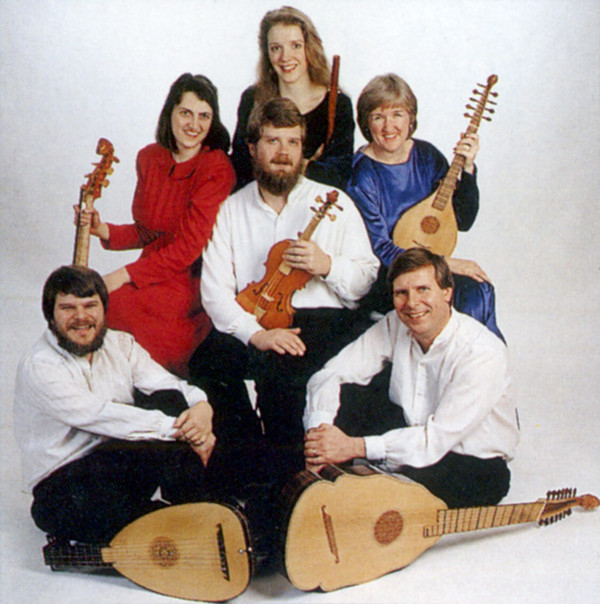
George Gershwin (1898 - 11 luglio 1937): Swanee (1919) eseguito al pianoforte dall’autore (incisione su rullo per pianoforte automatico). Il brano fu concepito, almeno in parte, come parodia di Old Folks At Home ovvero Swanee River (1851), famosissimo minstrel song di Stephen Foster.
Lo stesso brano cantato da Al Jolson, sul testo originale di Irving Caesar, nel film Rapsodia in blu (Rhapsody in Blue), biografia cinematografica di Gershwin diretta nel 1945 da Irving Rapper.
I’ve been away from you a long time.
I never thought I’d missed you so.
Somehow I feel
You love is real,
Near you I long to wanna be.
The birds are singin’, it is song time,
The banjos strummin’ soft and low.
I know that you
Yearn for me too.
Swanee! You’re calling me!
Swanee!
How I love you, how I love you!
My dear ol’ Swanee,
I’d give the world to be
Among the folks in
D-I-X-I-E-ven now My mammy’s
Waiting for me,
Praying for me,
Down by the Swanee.
The folks up north will see me no more
When I go to the Swanee Shore!
Swanee eseguito dal Banjo-Orchestra, uno strumento meccanico recentemente prodotto dalla D. C. Ramey Piano Company di Marysville, Ohio, sulla base del pressoché omonimo Banjorchestra, realizzato nel 1914 dalla Connorized Music Company, che aveva sedi a New York, a Chicago e a Saint Louis.

José de Nebra (1702 - 11 luglio 1768): Salve regina per 2 cori a 8 voci, 2 violini e basso continuo. Ensemble Los Elementos.

Ivresse de jeunesse
Charles Gounod (1818 - 1893): «Je veux vivre», Juliette’s valse-ariette (waltz song) from the 1st act of the opera Roméo et Juliette (1867), libretto by Jules Barbier and Michel Carré, based on Romeo and Juliet by William Shakespeare. Natalie Dessay, soprano; Orchestre du Capitole de Toulouse conducted by Michel Plasson.
Ah!
Je veux vivre
Dans ce rêve qui m’enivre
Ce jour encore!
Douce flamme,
Je te garde dans mon âme
Comme un trésor!
Cette ivresse de jeunesse
Ne dure, hélas, qu’un jour!
Puis vient l’heure
Où l’on pleure,
Le cœur cède à l’amour
Et le bonheur fuit sans retour!
Loin de l’hiver morose
Laisse-moi sommeiller
Et respirer la rose
Avant de l’effeuiller.
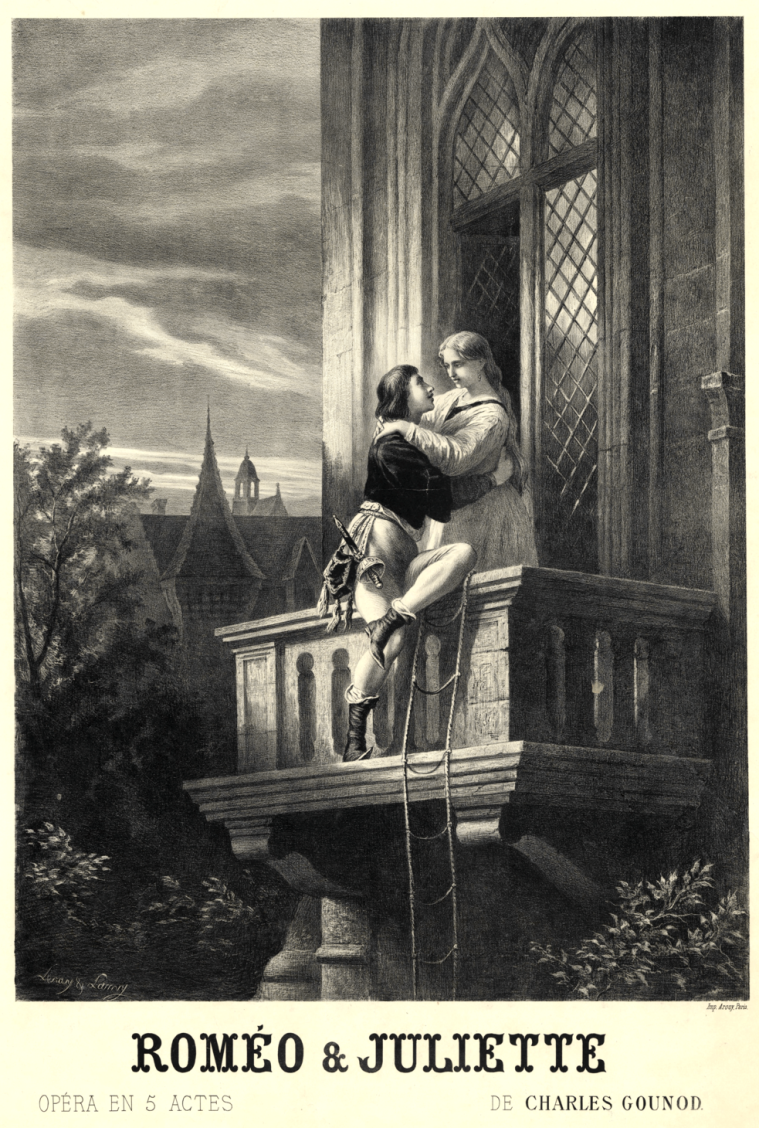
Riccardo Pick-Mangiagalli (10 luglio 1882 - 8 luglio 1949): Sortilegi, poema sinfonico per pianoforte e orchestra op. 39 (1917). Stephanie Onggowinoto, pianoforte; Jakarta Concert Orchestra, dir. Avip Priatna.
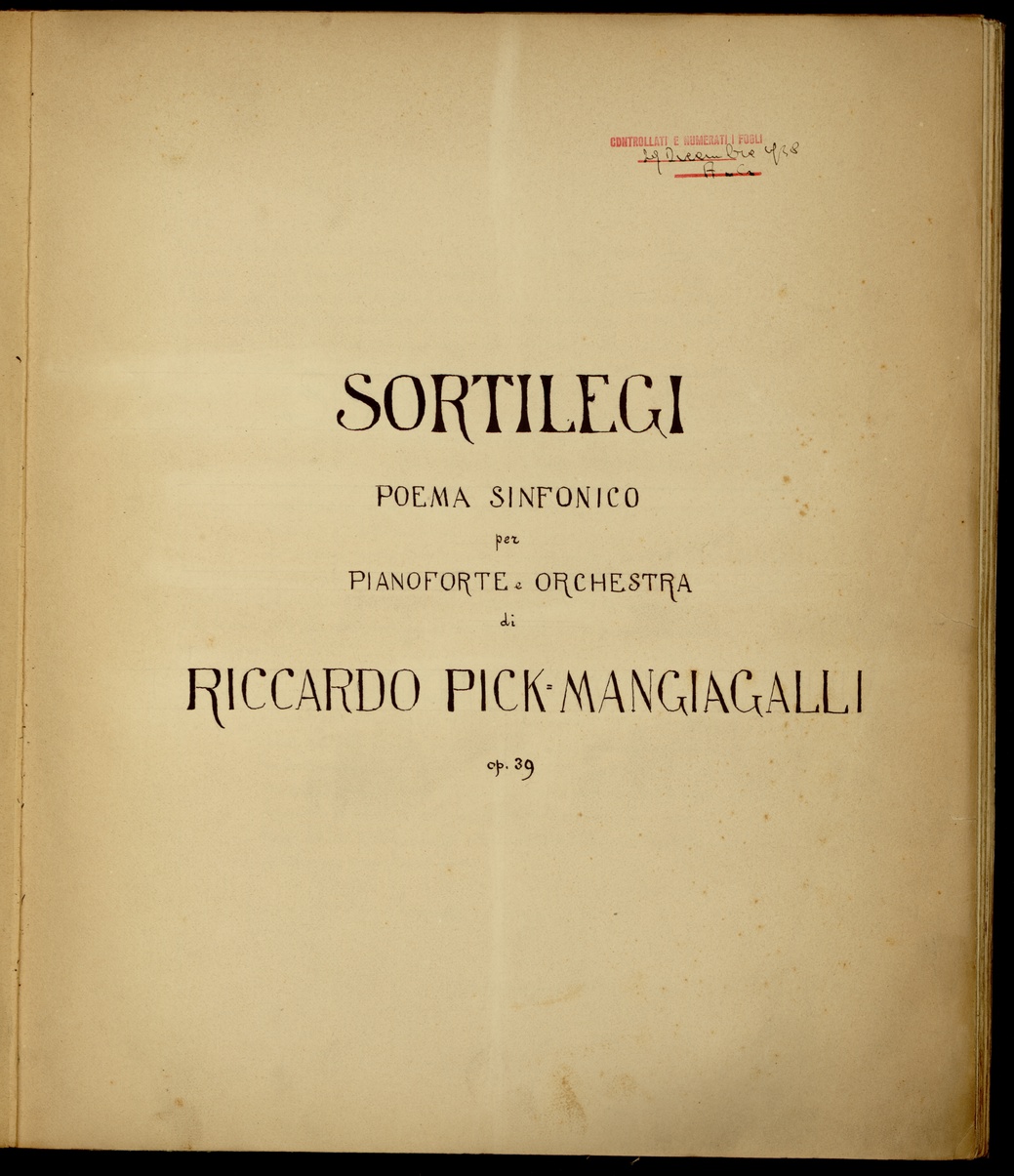
Sigismund von Neukomm (10 luglio 1778 - 1858): Sinfonie héroïque in re maggiore op. 19 (1818). Kölner Akademie, dir. Michael Alexander Willens.

Ottorino Respighi (9 luglio 1879 - 1936): Rossiniana, suite sinfonica (1925) su temi di Gioachino Rossini (tratti da Quelques rien pour album per pianoforte). Orchestre de la Suisse Romande, dir. Ernest Ansermet.
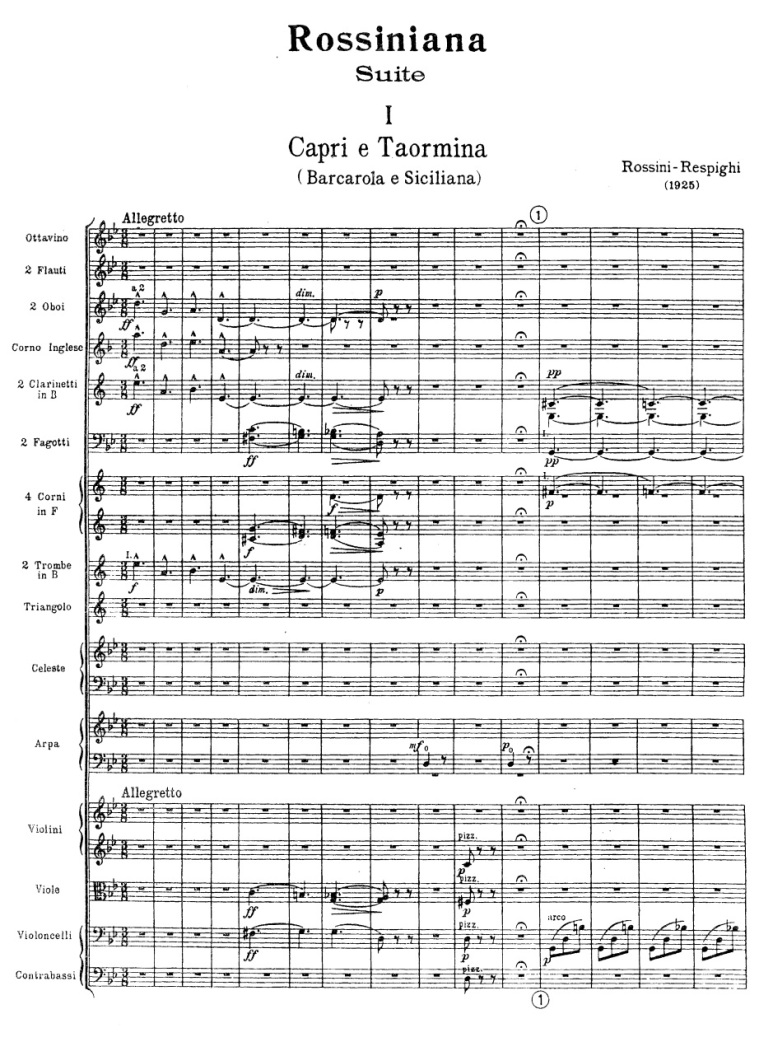
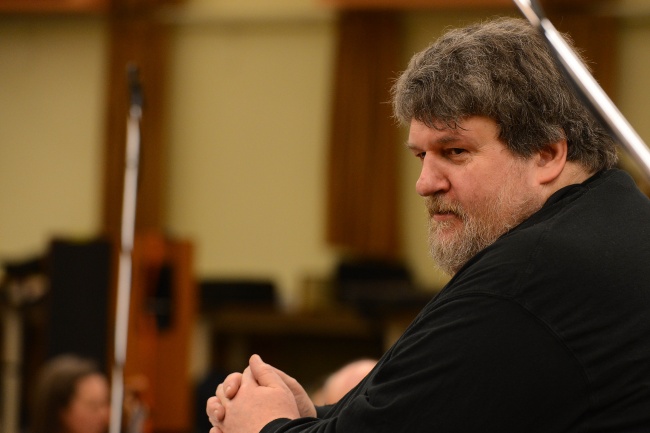
Oliver Knussen (1952 - 9 luglio 2018): Sinfonia n. 3 op. 18 (1973-79). Philharmonia Orchestra, dir. Michael Tilson Thomas.
Johann Rudolf Ahle (1625 - 9 luglio 1673): Jesu dulcis memoria, mottetto per voce, 3 viole, violone e basso continuo (1657). Henri Ledroit, haute-contre; Ricercar Consort.
Jesu dulcis memoria,
dans vera cordi gaudia,
et super mel et omnia
eius dulcis praesentia.
Nil canitur suavius,
nil auditur iocundius,
nil cogitatur dulcius
quam Jesus Dei filius.

Philippe Gaubert (5 luglio 1879 - 8 luglio 1941): Trois Aquarelles per flauto, violoncello e pianoforte (1921). Leone Buyse, flauto; Desmond Hoebig, violoncello; Robert Moeling, pianoforte.

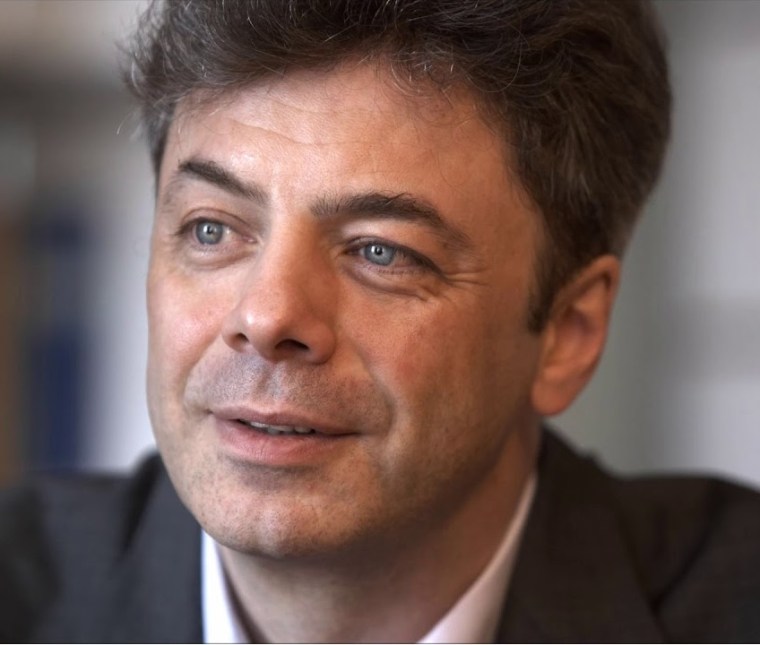
Hanspeter Kyburz (8 luglio 1960): Maelstrom per orchestra (1998). SWR Sinfonieorchester Baden-Baden und Freiburg, dir. Hans Zender.
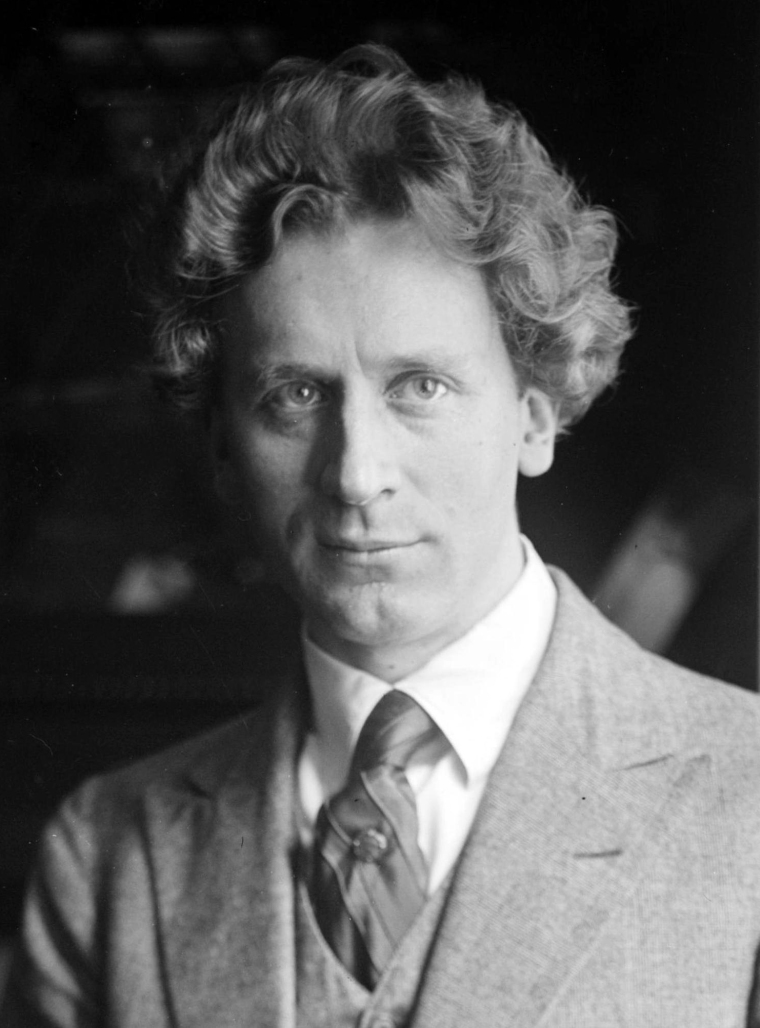
Percy Grainger (8 luglio 1882 - 1961): In a Nutshell, «Suite for Orchestra, Piano and Deagan Percussion Instruments» (1916). BBC Philharmonic Orchestra, dir. Richard Hickox.
Ophelia sings
Anonymous (16th century): How should I your true love know, song of Ophelia from Shakespeare’s play Hamlet, act 4, scene 5. Alfred Deller, countertenor; Desmond Dupré, lute.
How should I your true-love know
From another one?
By his cockle bat and staff
And his sandal shoon.
He is dead and gone, lady,
He is dead and gone;
At his head a grass-green turf,
At his heels a stone.
White his shroud as the mountain snow,
Larded with sweet flowers.
Which bewept to the grave did go
With true-love showers.

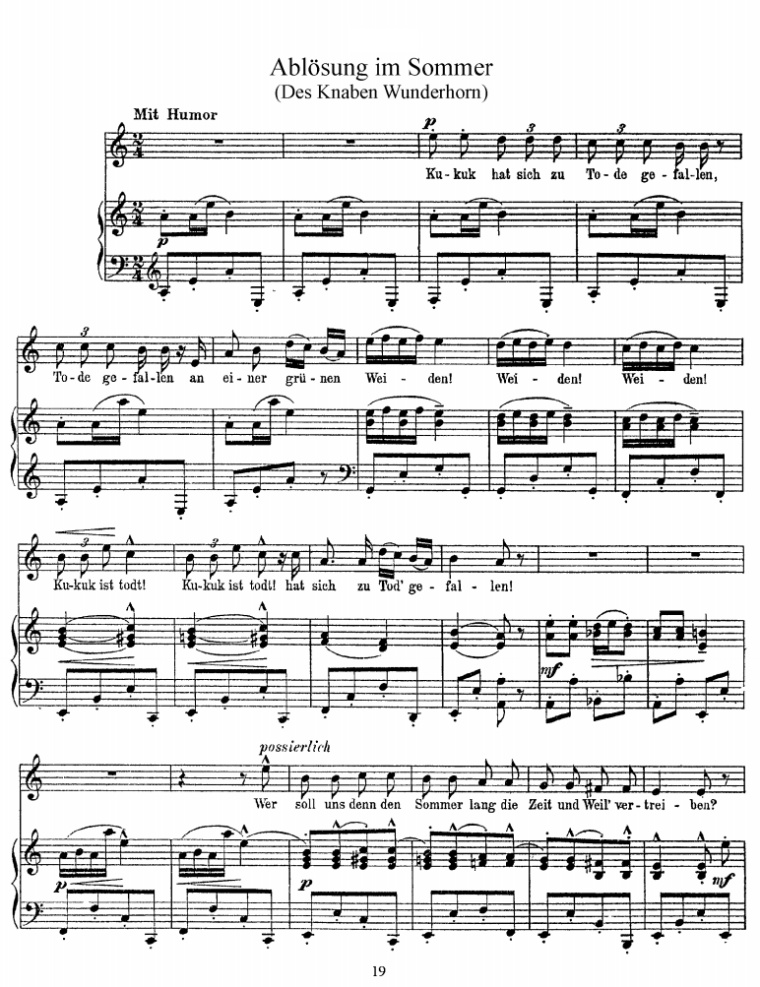
Gustav Mahler (7 luglio 1860 - 1911): Ablösung im Sommer (Cambio della guardia in estate), Lied in la minore per voce e pianoforte (c1887-90); testo tratto dalla raccolta Des Knaben Wunderhorn rielaborato da Mahler. Dietrich Fischer-Dieskau, baritono; Leonard Bernstein, pianoforte (registrazione dell’8 novembre 1968).
Lo stesso Lied nella versione orchestrale di Harold Byrns. Bernd Weikl, baritono; Philharmonia Orchestra, dir. Giuseppe Sinopoli.
|
Kuckuck hat sich zu Tode gefallen Ei! Das soll tun Frau Nachtigall, Wir warten auf Frau Nachtigall, |
Il cucù è caduto, morto, Ah! Ci penserà il signor usignolo Aspettiamo il signor usignolo, |
Michelangelo Rossi, detto Michel Angelo del Violino (1601/02 - 7 luglio 1656): Toccata in re minore (da Toccate e correnti d’intavolatura d’organo e cembalo, 1657, n. 7). Andrea Buccarella, clavicembalo.

Greensleeves arranged for choir by Geoffrey Webber. Armonico Consort directed by Christopher Monks.
Václav Matějka (Wenzel Matiegka; 6 luglio 1773 - 1830): Sonata in si minore per chitarra op. 23. Giulio Tampalini.

Franz Anton Maichelbeck (6 luglio 1702 - 1750): Sonata in fa minore op. 1 n. 7 (1736). Fernando De Luca, clavicembalo.

Romeo and Juliet, a piano suite
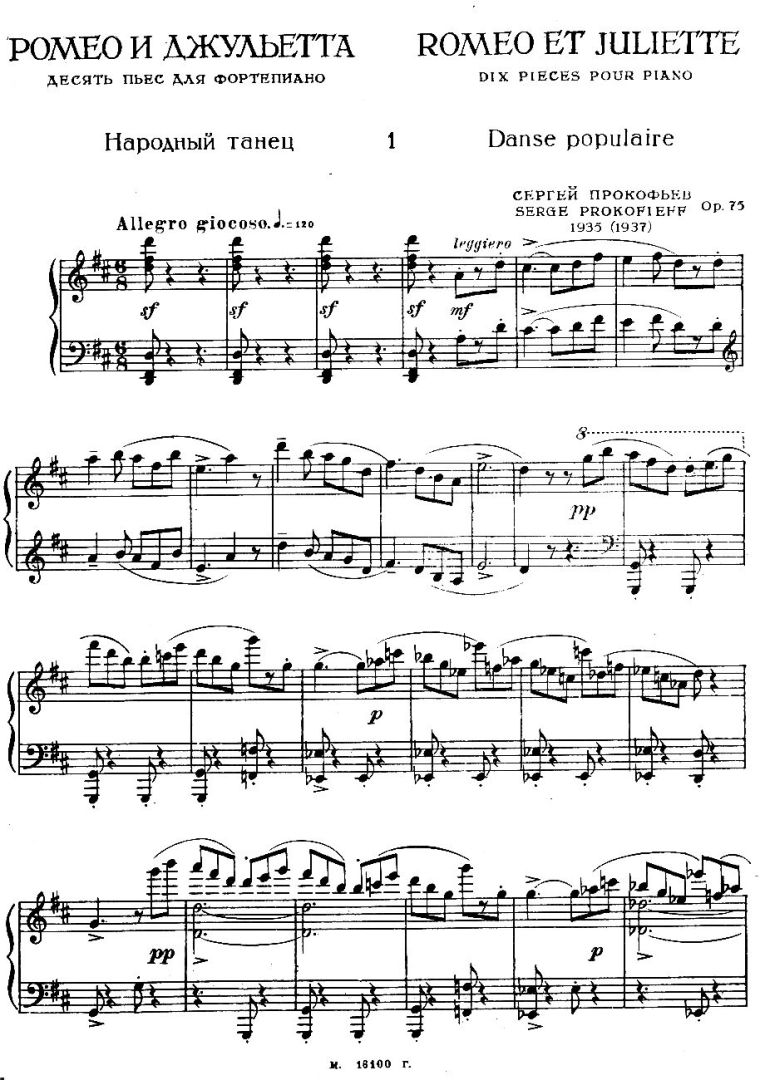
Sergei Prokofiev (Sergej Sergeevič Prokof’ev; 1891 - 1953): 10 Pieces for piano from the ballet Romeo and Juliet / Десять пьес для фортепиано из балета Ромео и Джульетта op. 75 (1937). Igor Roma, piano.
Volkmar Andreae (5 luglio 1879 - 1962): Sinfonia in do maggiore op. 31 (1919). Bournemouth Symphony Orchestra, dir. Marc Andreae.

Gordon Jacob (5 luglio 1895 - 1984): Old Wine in New Bottles per 2 flauti, 2 oboi, 2 clarinetti, 2 fagotti, 2 corni e 2 trombe (1959). US Air Force Air Combat Command Heritage of America Band, dir. Lowell E. Graham.

Anonimo: John, come kiss me, now. Ernst Stolz, viol e chitarra rinascimentali.
William Byrd (c1540 - 4 luglio 1623): Jhon come kisse me now (sic!), 16 variazioni per strumento a tastiera (dal Fitzwilliam Virginal Book, n. X). Rosemary Thomas, clavicembalo.

William Byrd (c1540 - 4 luglio 1623): Is Love a boy?, 2ª parte Boy pity me, partsong a 4 voci (pubblicato in Songs of sundrie natures, 1589, n. 15-16). The King’s Singers.
Part 1
Is Love a boy? What means he then to strike?
Or is he blind? Why will he be a guide?
Is he a man? Why doth he hurt his like?
Is he a God? Why doth he men deride?
No one of these, but one compact of all,
A wilful boy, a man still dealing blows,
Of purpose blind, to lead men to their thrall,
A God that rules unruly, God he knows.
Part 2
Boy, pity me that am a child again,
Blind be no more, my guide to make me stray,
Man, use thy might to force away my pain,
God, do me good, and lead me to my way:
And if thou be’st a power to me unknown,
Power of my life, let here thy grace be shown.

Calleno custure me
Anonymous (16th century): Calleno custure me, song. Alfred Deller, countertenor; Desmond Dupré, lute.
When as I view your comely grace
Calleno custure me,
Your golden hairs, your angel’s face,
Calleno custure me.
Your azure veins much like the skies
Your silver teeth, your crystal eyes.
Your coral lips, your crimson cheeks
That gods and men both love and leeks.
My soul with silence moving sense
Doth wish of God with reverence.
Long life and virtue you possess
To match the gifts of worthiness.
The recurring line (chorus) which gives the song its title is probably an adaptation to the English pronunciation of the Irish Cailín ó chois tSiúre mé, i.e. « I am a girl from the Suir-side » (Suir is a river in Ireland that flows into the Atlantic Ocean near Waterford): a harp composition with this title is mentioned in a seventeenth-century Irish poetic text.
The earliest known source for the tune (no text) is William Ballet’s Lute Book, a composite volume containing lute tablature dating back to the late 16th century and owned by the Library of Trinity College, Dublin. Here the piece is performed by Dorothy Linell:
On this tune William Byrd (c1540 - 1623) composed a short but flavorful set of variations for keyboard instrument, preserved in the Fitzwilliam Virginal Book under the title Callino Casturame (n. [CLVIII]). YouTube offers various performances: I chose those of David Clark Little on the virginal and Lorenzo Cipriani on the organ.
Calleno custure me often appears in anthologies of Shakespearean music: it is in fact mentioned in Henry V (act 4, scene 4) within a pun that sounds a bit silly today, but which bears witness to the song’s popularity in Shakespeare’s time.
The scene takes place before the battle of Azincourt: Pistol, the king’s old party companion, surprises a French soldier, Le Fer, who has infiltrated the English lines. Fearing that Pistol wants to kill him, the Frenchman tries to cajole him, however speaking to him in his own language:
« Je pense que vous êtes gentilhomme de bonne qualité. »
Unable to understand even a syllable, Pistol replies by mimicking Le Fer’s speech, the sound of whose words evidently reminds him of our song:
« Qualtitie calmie custure me! »
In short, he mimics it with a kind of “meh, meh, meh” but more elegant 🙂
Then Le Fer agrees with Pistol, who frees him for the price of two hundred crowns.

 English translation: please click here.
Calleno custure me
Anonimo del XVI secolo: Calleno custure me. Alfred Deller, controtenore; Desmond Dupré, liuto.
When as I view your comely grace
Calleno custure me,
Your golden hairs, your angel’s face,
Calleno custure me.
Your azure veins much like the skies
Your silver teeth, your crystal eyes.
Your coral lips, your crimson cheeks
That gods and men both love and leeks.
My soul with silence moving sense
Doth wish of God with reverence.
Long life and virtue you possess
To match the gifts of worthiness.
Il verso ricorrente che dà titolo alla composizione è probabilmente un adattamento alla pronuncia inglese della frase in gaelico irlandese Cailín ó chois tSiúre mé, ossia « Sono una ragazza delle rive del Suir » (fiume che sfocia nell’Atlantico in prossimità di Waterford): la frase compare quale titolo di una composizione per arpa in un testo poetico irlandese del XVII secolo.
La più antica fonte nota della melodia (priva di testo) è il William Ballet’s Lute Book, una raccolta manoscritta di composizioni intavolate per liuto, risalente al tardo Cinquecento e conservata nella Biblioteca del Trinity College di Dublino. Qui il brano è interpretato da Dorothy Linell:
La melodia è stata rielaborata da William Byrd (c1540 - 4 luglio 1623) in una breve ma saporita serie di variazioni per strumento a tastiera, tramandataci dal Fitzwilliam Virginal Book con il titolo Callino Casturame (n. [CLVIII]). YouTube ne offre numerose interpretazioni: ho scelto quelle di David Clark Little al virginale e Lorenzo Cipriani all’organo.
Resta da segnalare che Caleno custure me figura spesso nelle antologie di musiche scespiriane: è infatti citata nell’Enrico V (atto IV, scena 4a) in un gioco di parole che oggi suona alquanto insulso, ma che testimonia la popolarità della canzone all’epoca del Bardo.
La scena si svolge prima della battaglia di Azincourt: Pistol, vecchio compagno di bagordi del re, sorprende un soldato francese, Le Fer, infiltratosi fra le linee inglesi. Temendo che l’altro voglia ammazzarlo, il francese tenta di blandirlo, parlandogli però nella propria lingua:
« Je pense que vous êtes gentilhomme de bonne qualité. »
Non riuscendo a comprendere nemmeno una sillaba, Pistol risponde scimmiottando la parlata di Le Fer, il suono delle cui parole evidentemente gli rammenta il titolo della nostra canzone:
« Qualtitie calmie custure me! »
Gli fa insomma il verso, una specie di “gnegnegné” ma più raffinato 🙂
Le Fer poi si accorda con Pistol, che in cambio di duecento scudi lo lascia libero.
William Byrd (c1540 - 4 luglio 1623); The Bells, variazioni per strumento a tastiera (dal Fitzwilliam Virginal Book, n. LXIX). Andreas Staier, clavicembalo.
Lo stesso brano eseguito da Stefan Müller all’organo della chiesa abbaziale di Wettingen (Argovia).

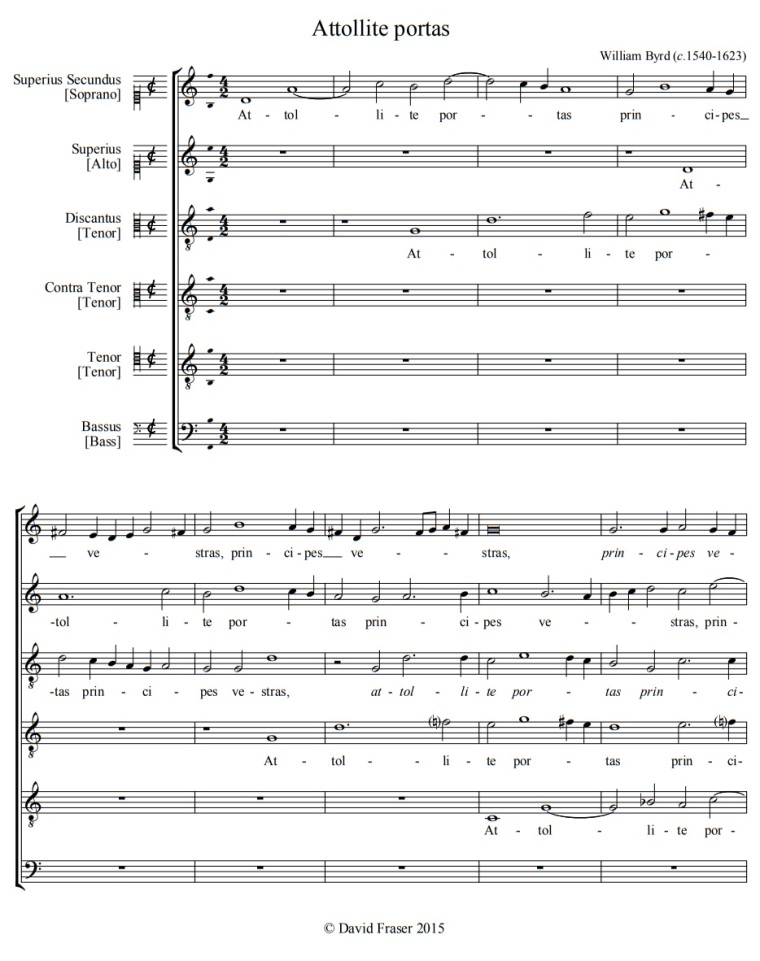
William Byrd (c1540 - 4 luglio 1623): Attollite portas, mottetto a 6 voci (pubblicato in Cantiones quae ab argumento sacrae vocantur, 1575, n. 11); testo: Salmo XXIV:7-8, 10 e dossologia. Ensemble Alamire, dir. David Skinner.
Attollite portas, principes, vestras, et elevamini, portæ æternales, et introibit rex gloriæ.
Quis est iste rex gloriæ? Dominus fortis et potens, Dominus potens in prælio.
Quis est iste rex gloriæ? Dominus virtutum ipse est rex gloriæ.
Gloria Patri et Filio et Spiritui Sancto,
Sicut erat in principio et nunc et semper,
Et in sæcula sæculorum. Amen.
William Byrd (c1540 - 4 luglio 1623): The Earl of Salisbury Pavan (1612 o prima). Simone Stella, spinetta.
Il titolo di questo post non fa riferimento a una raccolta di pezzi facili, bensì al mio primo incontro con la musica di Byrd, che avvenne, eoni fa, appunto per il tramite di questa bella pavana. Brano assai apprezzato da diversi musicisti, britannici e no, alcuni dei quali l’hanno elaborato per organici differenti: oltre alla trascrizione di sir Barbirolli (I movimento della sua Elizabethan Suite) ne segnalo una per quartetto d’archi di John Liberatore e un’altra, piena di pathos, concepita per un ampio complesso sinfonico da Leopold Stokowski:
Da sottolineare il fatto che Stokowski ha utilizzato come sezione centrale un’altra composizione di Byrd, una giga tratta dal Fitzwilliam Virginal Book (n. CLXXXI), e non una delle due gagliarde associate alla pavana nella prima edizione a stampa (il volume antologico Parthenia, del 1612).
Fernando De Luca, clavicembalo.


 la regina gioiosa