
 Giovanni Battista Sammartini (1700 o 1701 - 17 gennaio 1775): Sinfonia in do maggiore J-C 7. I Giovani di Nuova Cameristica, dir. Daniele Ferrari.
- Allegro
- Andante piano [3:06]
- Presto [6:56]
Giovanni Battista Sammartini (1700 o 1701 - 17 gennaio 1775): Sinfonia in do maggiore J-C 7. I Giovani di Nuova Cameristica, dir. Daniele Ferrari.
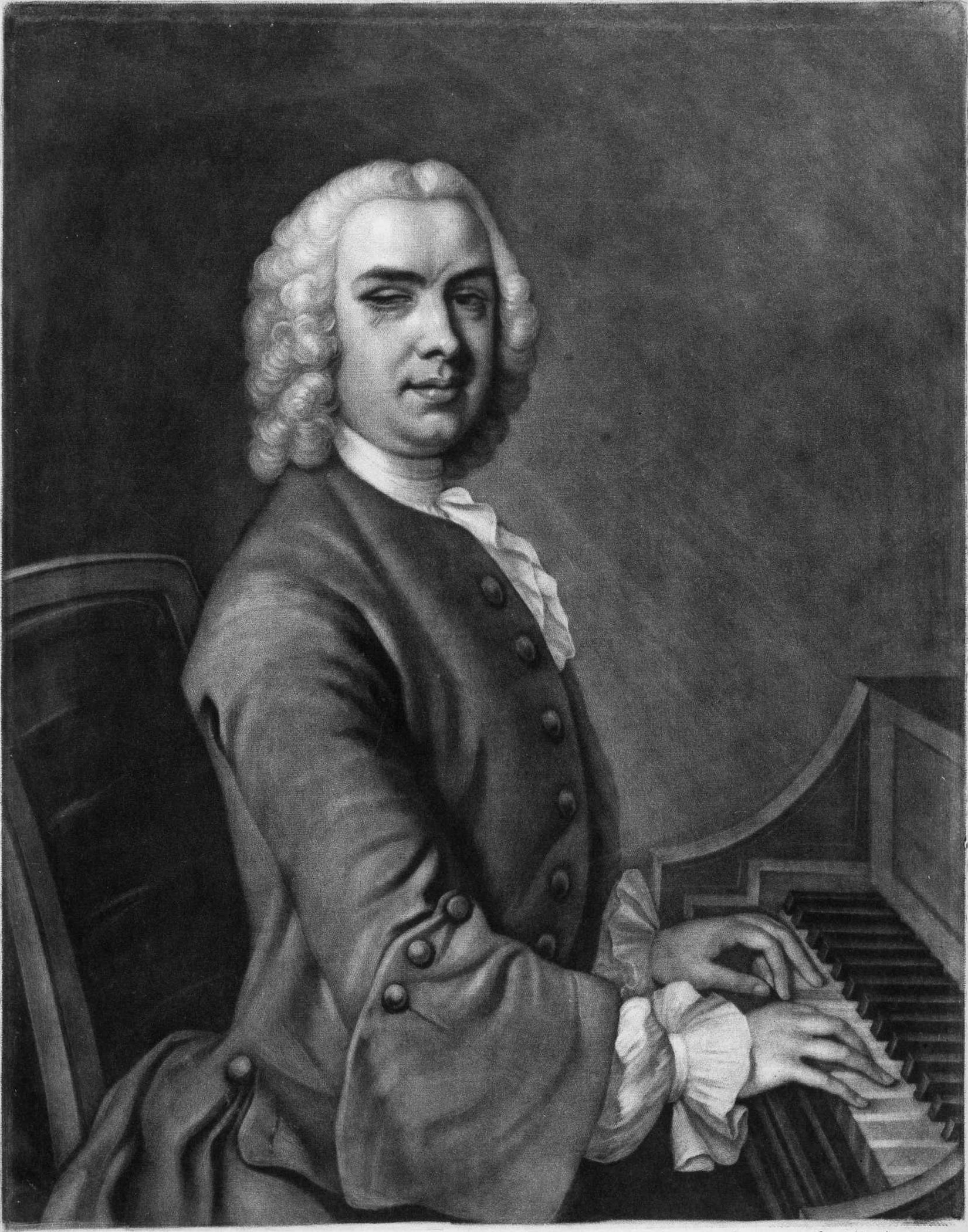
John Stanley (17 gennaio 1712 - 1786): Concerto in do minore per organo e orchestra op. 10 n. 4 (1775). Gerald Gifford, organo e direzione; Royal Northern Sinfonia.
Claudia Montero (1962 - 16 gennaio 2021): Luces y sombras, concerto per per chitarra e orchestra (2017). María Isabel Siewers, chitarra; Orchestra sinfonica di Praga (Symfonický orchestr hlavního města Prahy), dir. Lucía Zicos.

Gavin Bryars (16 gennaio 1943): Concerto per pianoforte, coro maschile e orchestra, The Solway Canal (2010); testi di Edwin Morgan (1920 - 2010). Ralph van Raat, pianoforte; Cappella Amsterdam, Nederlands Radio Kamer Filharmonie, dir. Otto Tausk.
The Solway Canal
Slowly through the Cheviot Hills at dawn
we sailed. The high steel bridge at Carter Bar
passed over us in fog with not a car
in its broad lanes. Our hydrofoil slid on,
vibrating quietly through wet rock walls
and scarves of dim half-sparkling April mist;
a wizard with a falcon on his wrist
was stencilled on our bow. Rough waterfalls
flashed on that northern island of the Scotts
as the sun steadily came up and cast
red light along the uplands and the waves,
and gulls with open beaks tore out our thoughts
through the thick glass to where the Eildons massed,
or down to the Canal’s drowned borderers’ graves.
A Place of Many Waters
Infinitely variable water,
let seals bob in your silk or loll on Mull
where the lazy fringes rustle; let hull
and screw slew you round, blind heavy daughter
feeling for shores; keep kelpies in loch lairs,
eels gliding, malts mashing, salmon springing;
let the bullers roar to the terns winging
in from a North Sea’s German Ocean airs
of pressing crashing Prussian evening blue;
give linns long fall; bubble divers bravely
down to mend the cable you love to rust;
and slant at night through lamplit cities, true
as change is true, on gap-site pools, gravely
splintering the puckering of the gust.
 Richard Wetz (1875 - 16 gennaio 1935): Kleist-Ouvertüre in re minore op. 16 (1908). Deutsche Staatsphilharmonie Rheinland-Pfalz, dir. Werner Andreas Albert.
Omaggio al drammaturgo Heinrich von Kleist (1777 - 1811), la partitura reca in epigrafe alcuni versi di Friedrich Hölderlin (1770 - 1843):
Nicht in der Blüt’ und Purpurtraub’
Ist heilige Kraft allein, es nährt
Das Leben vom Leide sich,
Und trinkt, wie mein Held, doch auch
Am Todeskelche sich glücklich.
(Non soltanto nel fiore e nell’uva purpurea è la sacra energia; la vita si nutre di dolore e beve, come il mio eroe, anche la gioia dal calice della morte.)
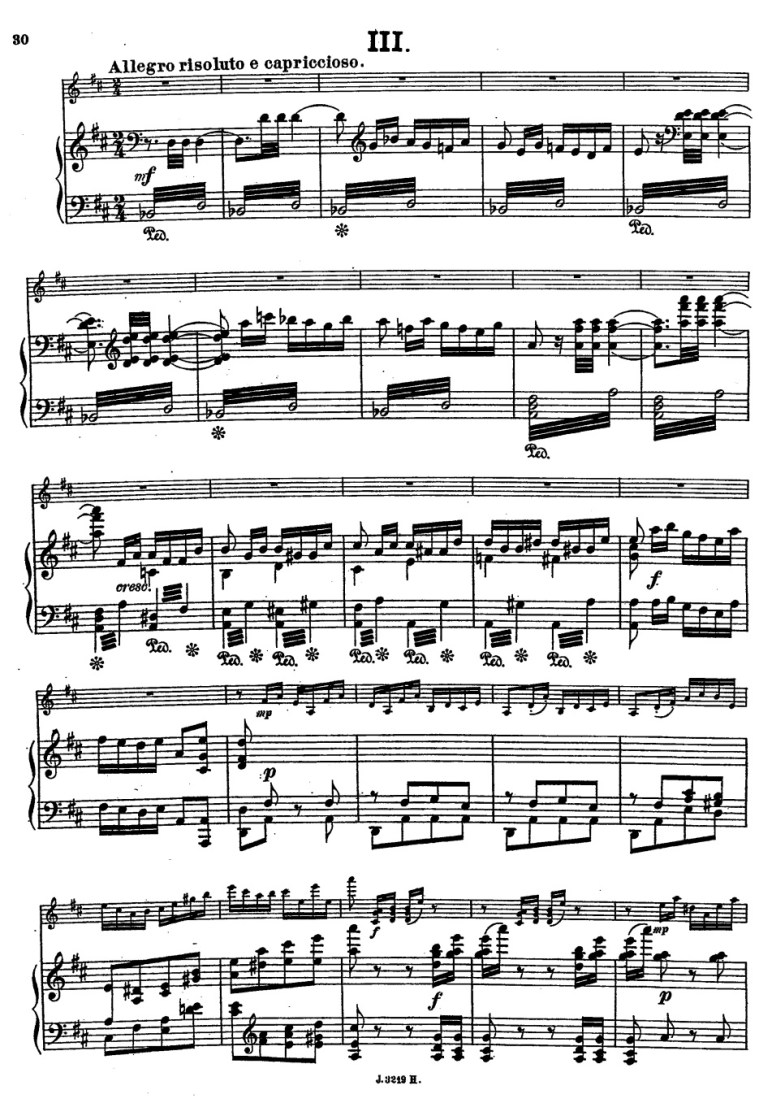
Eduard Lassen (1830 - 15 gennaio 1904): Concerto in re maggiore per violino e orchestra op. 87 (1888). Jiří Vodička, violino; Janáčkova filharmonie Ostrava, dir. Heiko Mathias Förster.
Aaron Jay Kernis (15 gennaio 1960): Musica celestis per archi (1990). Ensemble Symphonique Neuchâtel, dir. Alexander Mayer.

Francesco Petrini (1744 - 1819): Concerto per arpa n. 1 in si bemolle maggiore op. 25 (c1786). Masumi Nagasawa, arpa; Kölner Akademie, dir. Michael Alexander Willens.

André Bloch (14 gennaio 1873 - 1960): Concerto-ballet per pianoforte e orchestra (1947). Sondra Bianca, pianoforte; Philharmonisches Staatsorchester Hamburg, dir. Hans-Jürgen Walther.

Paul Ben-Haim (1897 - 14 gennaio 1984): Yizkor (Evocazione), poema per violino e orchestra (1942). Itamar Zorman, violino; Orchestra filarmonica d’Israele, dir. Uri Segal.

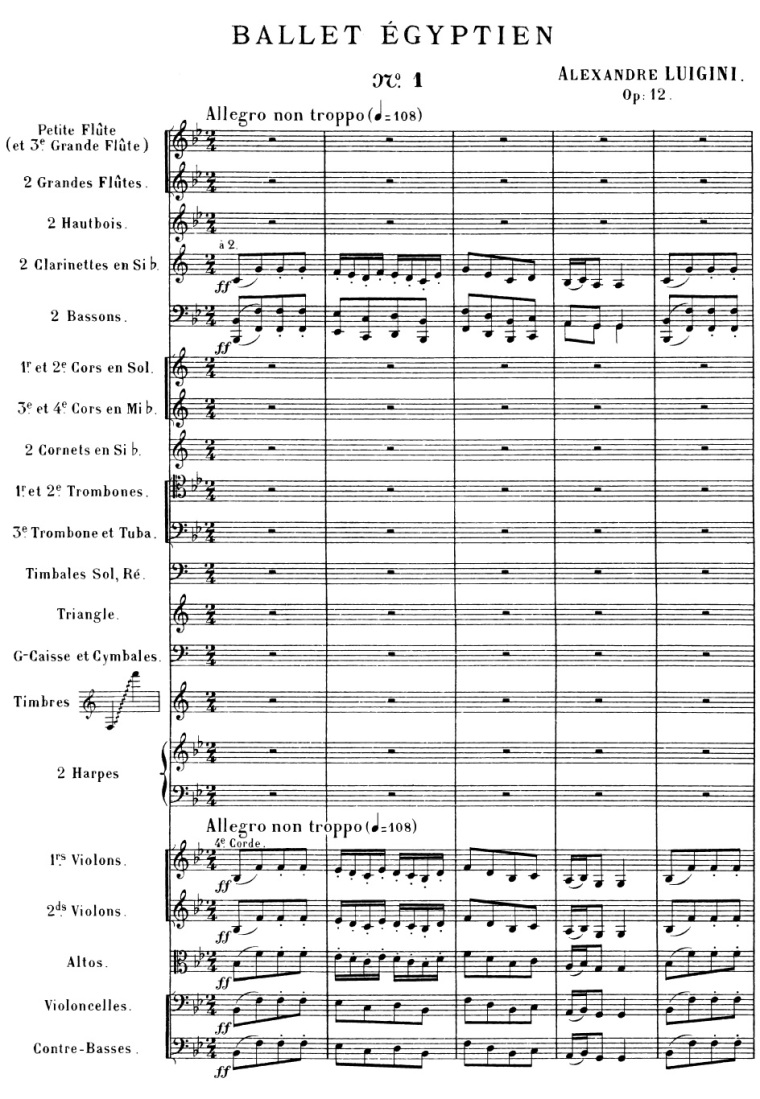
Alexandre Luigini (1850 - 1906): Ballet égyptien op. 12 (1875). London Symphony Orchestra, dir. Richard Bonynge.
Rappresentato per la prima volta al Grand Théâtre di Lione il 13 gennaio 1875, il balletto di Luigini acquisì una certa notorietà undici anni più tardi, nel 1886, quando fu eseguito nel corso di una rappresentazione lionese dell’Aida, come introduzione al II atto.
Richard Blackford (13 gennaio 1954): Niobe pr violino e orchestra (2017). Tamsin Waley-Cohen, violino; Orchestra filarmonica ceca, dir. Ben Gernon.

Ferdinand Ries (1784 - 13 gennaio 1838): Sinfonia n. 5 in re minore op. 112 (1813). Het Radio Kamerorkest, dir. Arnold Östman.

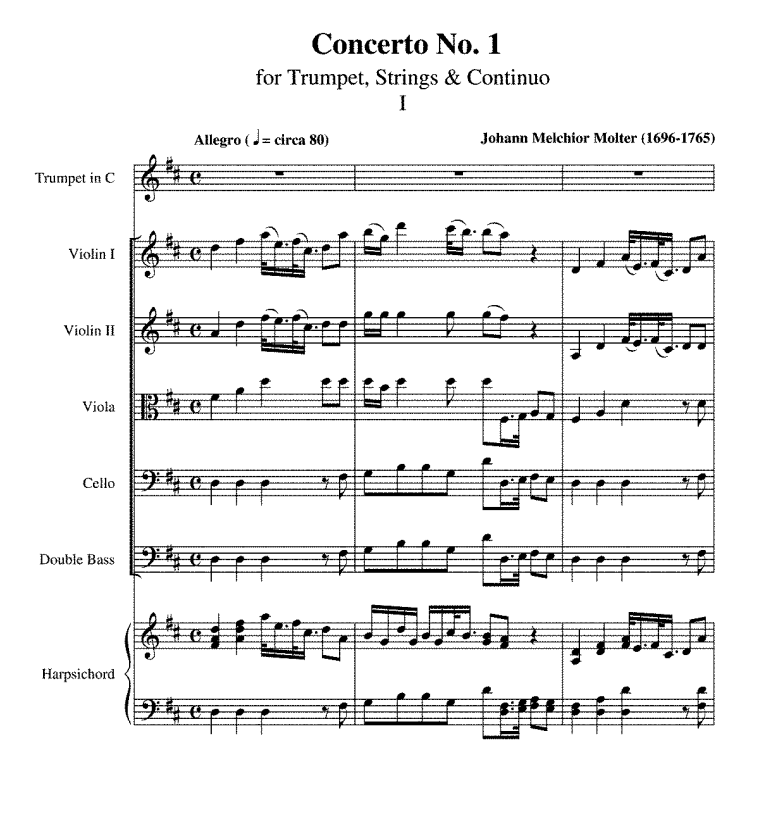
Johann Melchior Molter (1696 – 12 gennaio 1765): Concerto n. 1 in re maggiore per tromba e archi MWV 6:32. Niklas Eklund, tromba barocca; Drottningholms Barockensemble, dir. Nils-Erik Sparf.
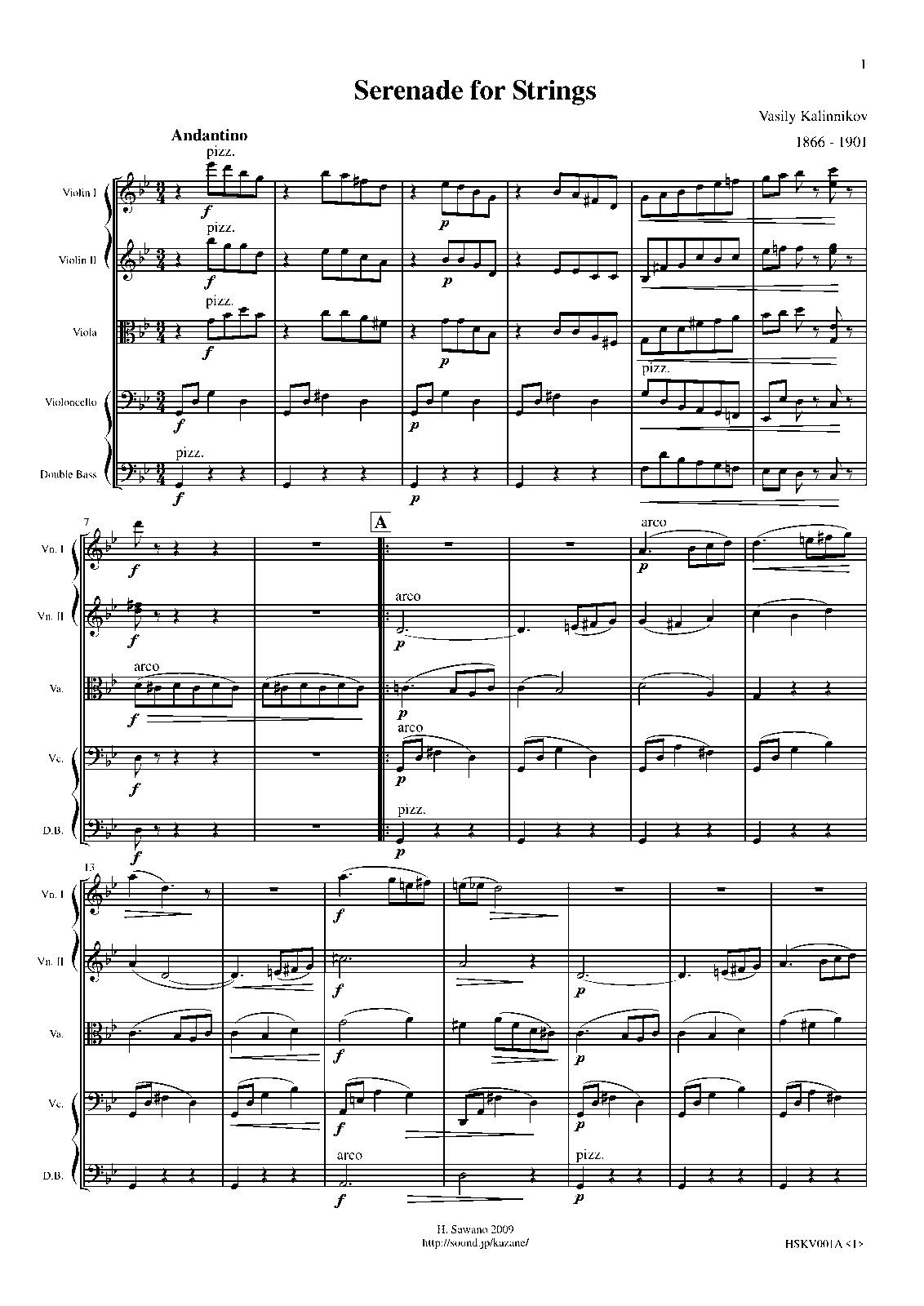
Vasilij Sergeevič Kalinnikov (13 gennaio 1866 - 11 gennaio 1901): Serenata in sol minore per archi (1891). Orchestra sinfonica dell’URSS, dir. Evgenij Svetlanov.
Christian Sinding (11 gennaio 1856 - 1941): Suite im alten Stil per violino e orchestra op. 10 (1889). Itzhak Perlman, violino; Pittsburgh Symphony Orchestra, dir. André Previn.

Maurice Duruflé (11 gennaio 1902 - 1986): Requiem op. 9, versione con grande orchestra (1950). Anne Sofie von Otter, mezzosoprano; Thomas Hampson, baritono; Marie-Claire Alain, organo; coro Orféon Donostiarra; Orchestre du Capitole de Toulouse, dir. Michel Plasson.
I. Introït
Requiem aeternam dona eis Domine,
et lux perpetua luceat eis.
Te decet hymnus Deus in Sion,
et tibi reddetur votum in Jerusalem.
Exaudi orationem meam,
ad te omnis caro veniet.
Requiem aeternam dona eis Domine,
et lux perpetua luceat eis.
II. Kyrie [3:56]
Kyrie eleison.
Christe eleison.
Kyrie eleison.
III. Domine Jesu Christe [8:26]
Domine Jesu Christe, Rex gloriae,
libera animas omnium fidelium defunctorum
de poenis inferni, et de profundo lacu.
Libera eas de ore leonis,
ne absorbeat eas tartarus,
ne cadant in obscurum.
Sed signifer sanctus Michael
repraesentet eas in lucem sanctam,
quam olim Abrahae promisisti, et semini ejus.
Hostias et preces tibi, Domine, laudis offerimus.
Tu suscipe pro animabus illis,
quarum hodie memoriam facimus;
fac eas, Domine, de morte transire ad vitam,
quam olim Abrahae promisisti, et semini ejus.
IV. Sanctus [17:14]
Sanctus Dominus Deus Sabaoth.
Pleni sunt coeli et terra gloria tua.
Hosanna in excelsis.
Benedictus qui venit in nomine domini.
Hosanna in excelsis.
V. Pie Jesu [21:23]
Pie Jesu Domine,
dona eis requiem sempiternam.
VI. Agnus Dei [25:27]
Agnus Dei, qui tollis peccata mundi,
dona eis requiem sempiternam.
VII. Lux aeterna [29:55]
Lux aeterna luceat eis, Domine,
cum sanctis tuis in aeternum, quia pius es.
Requiem aeternam, dona eis Domine,
et lux perpetua luceat eis.
VIII. Libera me [34:08]
Libera me, Domine, de morte aeterna,
in die illa tremenda, quando coeli movendi sunt et terra,
dum veneris judicare saeculum per ignem.
Tremens factus sum ego, et timeo,
dum discussio venerit, atque ventura ira.
Dies illa, dies irae,
calamitatis et miseriae,
dies magna et amara valde.
Dum veneris judicare saeculum per ignem.
Requiem aeternam dona eis, Domine,
et lux perpetua luceat eis.
IX. In Paradisum [40:25]
In Paradisum deducant te Angeli,
in tuo adventu suscipiant te martyres,
et perducant te in civitatem sanctam Jerusalem.
Chorus Angelorum te suscipiat,
et cum Lazaro quondam paupere
aeternam habeas requiem.
Bellissimo lavoro, in sostanza una rielaborazione polifonica moderna di canti gregoriani, tutti desunti dalla Missa pro defunctis. Il Requiem era stato originariamente (1941) commissionato a Duruflé dal governo collaborazionista di Vichy.

Reinhold Glier (o Glière; 11 gennaio 1875 - 1956): Concerto per soprano di coloratura e orchestra op. 82 (1943). Natalie Dessay, soprano; Berliner Sinfonie-Orchester, dir. Michael Schønwandt.

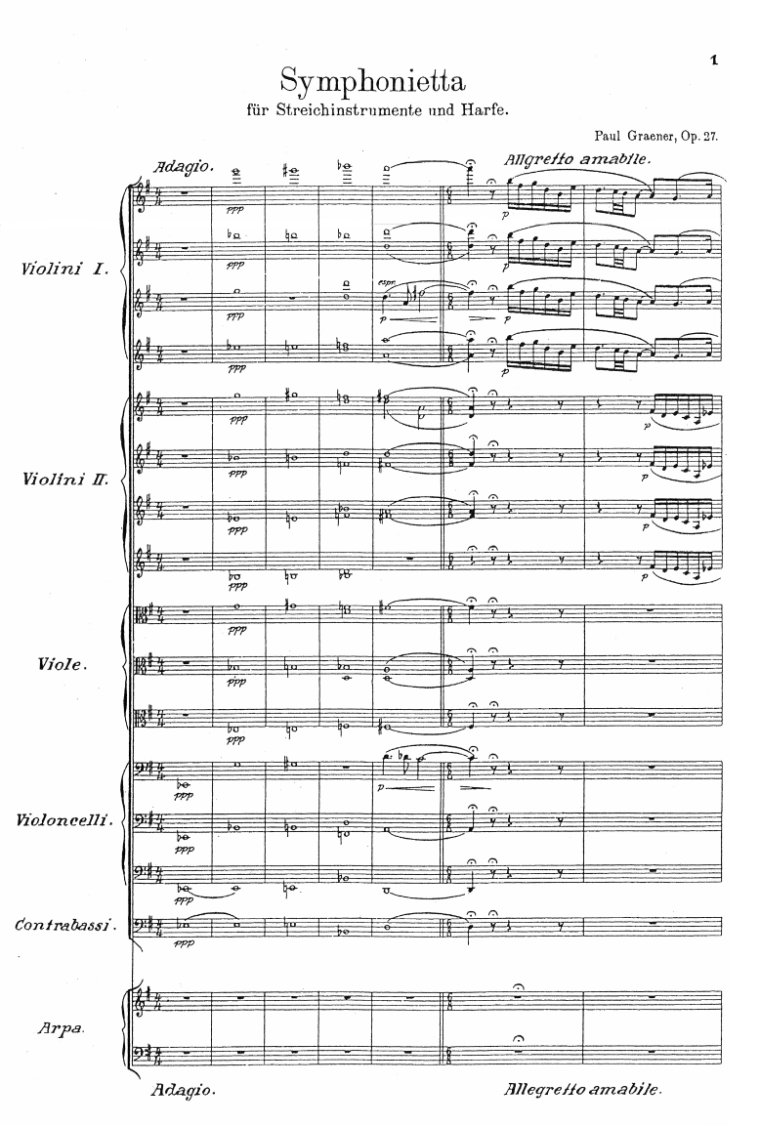
Paul Graener (11 gennaio 1872 - 1944): Symphonietta per archi e arpa op. 27 (1908). Münchner Rundfunkorchester, dir. Alun Francis.
La Symphonietta di Graener si evolve in un unico movimento, con le seguenti indicazioni agogiche: Adagio – All[e]gretto amabile (sol maggiore) – A tempo, ma un poco meno mosso – A tempo (re maggiore) – Tranquillo – Tempo I (do diesis minore) – Wie ein Schlummerlied (do maggiore) – Lento – Tempo I (sol maggiore) – Poco a poco meno mosso – Lento (mi minore) – Schwebend – Feierlich (mi maggiore).
Domenico Cimarosa (1749 - 11 gennaio 1801): Concerto in do minore-maggiore per oboe e archi. Lajos Lencsés, oboe; Kammerorchester arcata Stuttgart, dir. Patrick Strub.
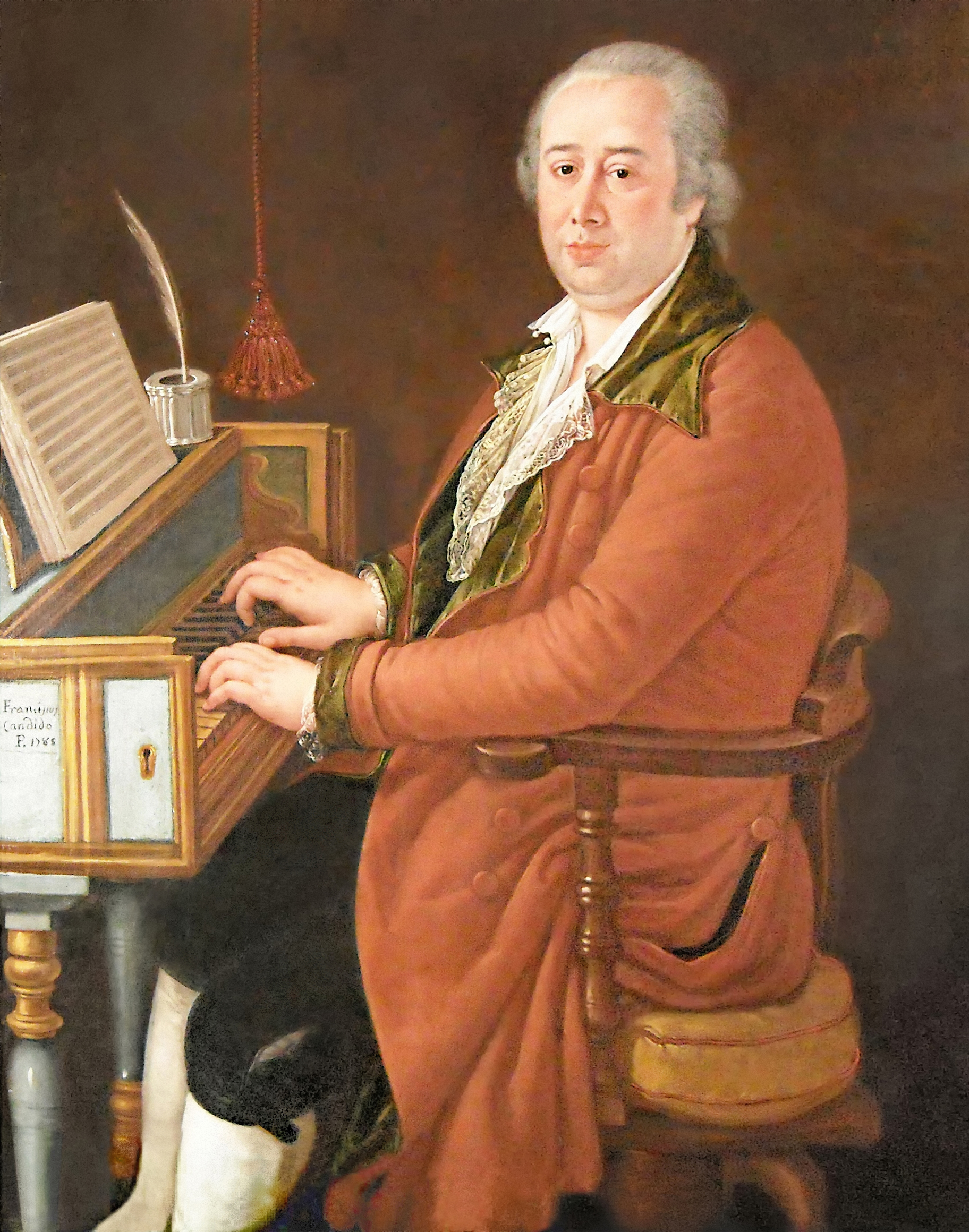
Don Gillis (1912 - 10 gennaio 1978): Sinfonia n. 5½, A Symphony for Fun (1945-46). Sinfonia Varsovia, dir. Ian Hobson.
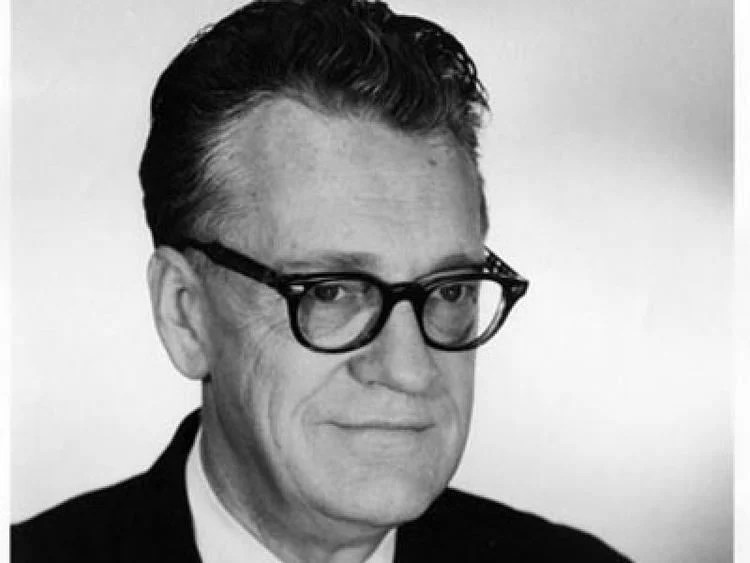
 Francesco Antonio Vallotti (1697 - 10 gennaio 1780): Salve regina, antifona in si bemolle maggiore per soprano, archi e basso continuo. Giorgia Cinciripi, soprano; Ensemble Festa Rustica e Italico Splendore, dir. Giorgio Matteoli.
Frank Bridge (1879 - 10 gennaio 1941): Oration, concerto elegiaco per violoncello e orchestra H 180 (1929-30). Alban Gerhardt, violoncello; BBC National Orchestra of Wales, dir. Richard Hickox .
I movimenti si succedono senza soluzione di continuità: Poco lento – Lento e ritmico – Allegro – Ben moderato (poco lento) – Poco lento – Allegro giusto – Tranquillo – Ben moderato, mesto e tranquillo – (cadenza) – Allegro – Lento – Epilogue: Andante tranquillo.
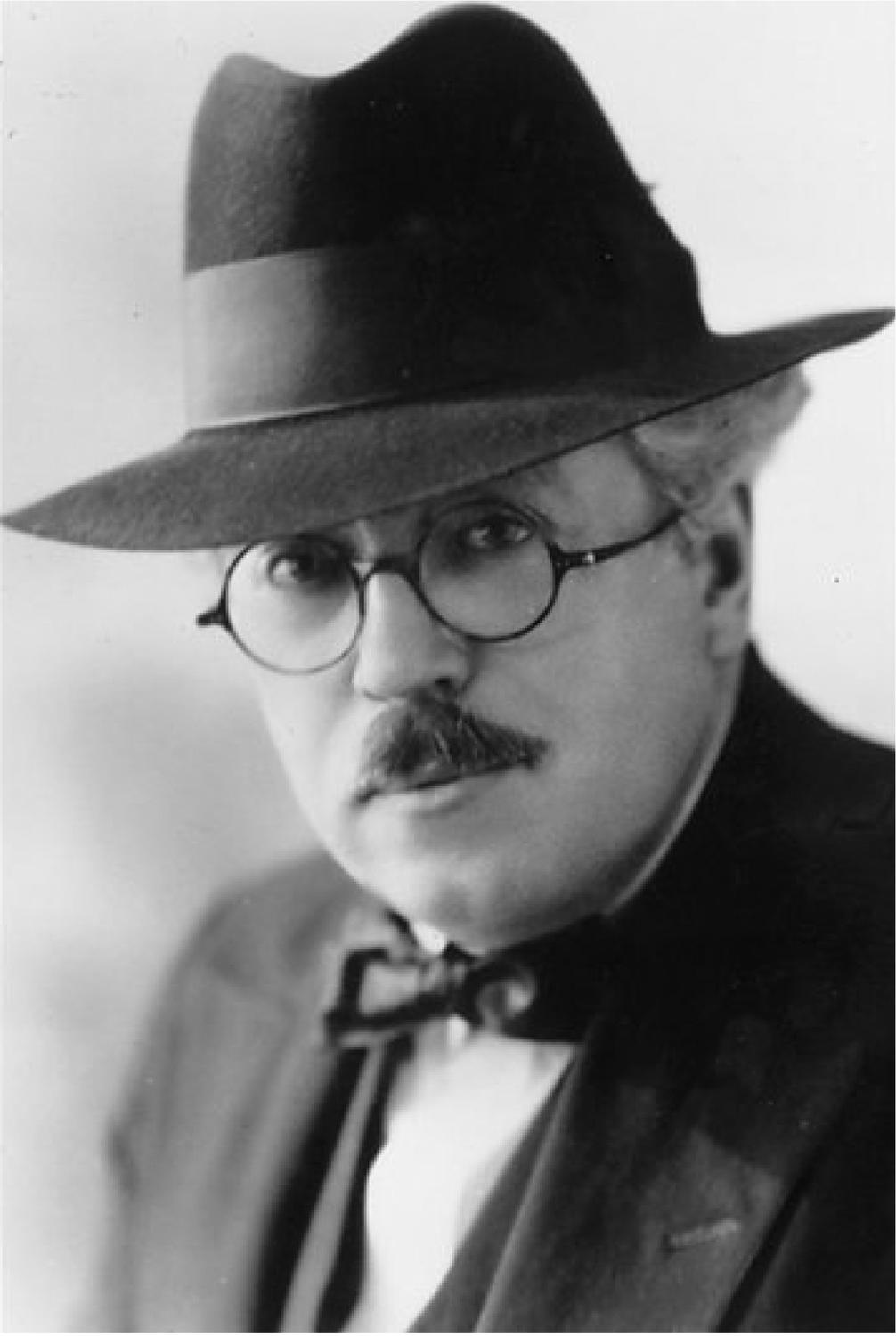
Benjamin Godard (1849 - 10 gennaio 1895): Concerto per violino e orchestra n. 2 in sol minore op. 131 (1892). Chloë Hanslip, violino; Štátna filharmónia Košice (Orchestra filarmonica di Stato slovacca di Košice), dir. Kirk Trevor.
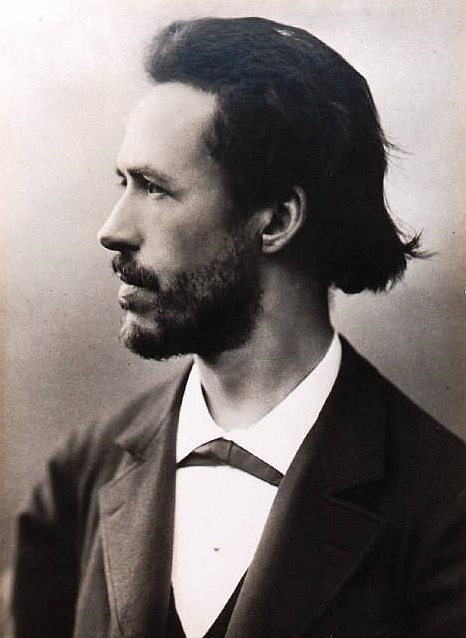
Reinhard Keiser (9 gennaio 1674 - 1739): antologia di brani dal Singspiel Die Verbindung des großen Herkules mit der schönen Hebe (1699) su libretto di Christian Heinrich Postel. Yeree Suh, soprano (nei nn. 6 e 7); Elbipolis Barockorchester Hamburg.

Kazimierz Serocki (1922 - 9 gennaio 1981): Concerto per pianoforte e orchestra, Koncert romantyczny (1951). Bogdan Czepiewski, pianoforte; Polska orkiestra radiowa, dir. Krzysztof Słowinski.

Hans von Bülow (8 gennaio 1830 - 1894): Nirwana, symphonisches Stimmungsbild op. 20 (1866). Ulster Orchestra, dir. Bryden Thomson.

František Kramář (alias Franz Krommer; 1759 - 8 gennaio 1831): Quarta Sinfonia in do minore op. 102 (c1819). London Mozart Players. dir. Matthias Bambert.

Arcangelo Corelli (1653 - 8 gennaio 1713): Concerto grosso in re maggiore op. 6 n. 4. Voices of Music.

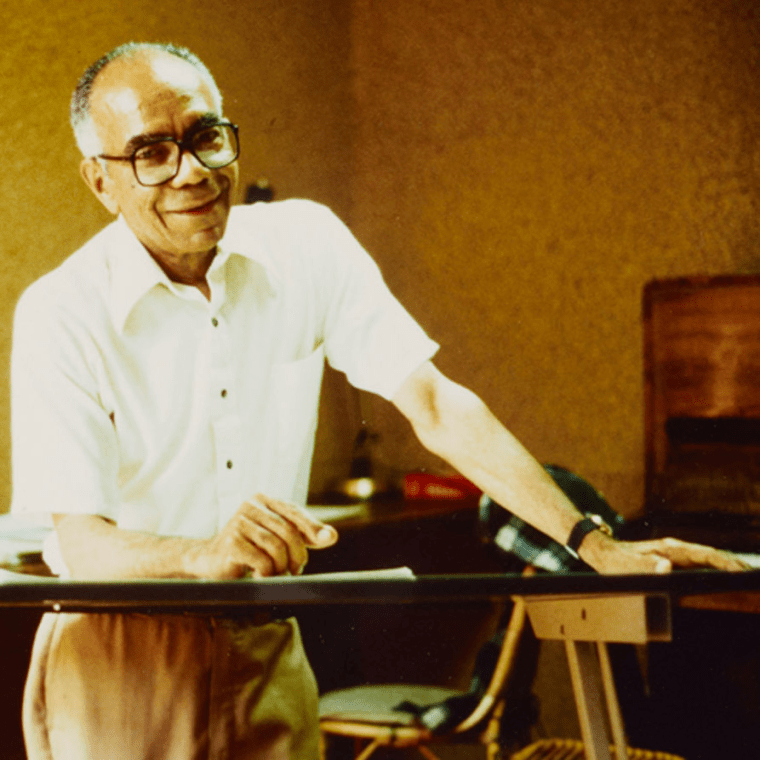
Ulysses Kay (7 gennaio 1917 - 1995): Fantasy Variations per orchestra (1963). Oslo-Filharmonien, dir. Arthur Bennett Lipkin.

 la regina gioiosa