
Henri Hamal (20 luglio 1744 - 1820): Concerto in re maggiore per tromba e orchestra. Maurice André, tromba; Les Solistes de Liège, dir. Géry Lemaire.
- Allegro
- Largo [3:56]
- Allegro [8:30]

Henri Hamal (20 luglio 1744 - 1820): Concerto in re maggiore per tromba e orchestra. Maurice André, tromba; Les Solistes de Liège, dir. Géry Lemaire.
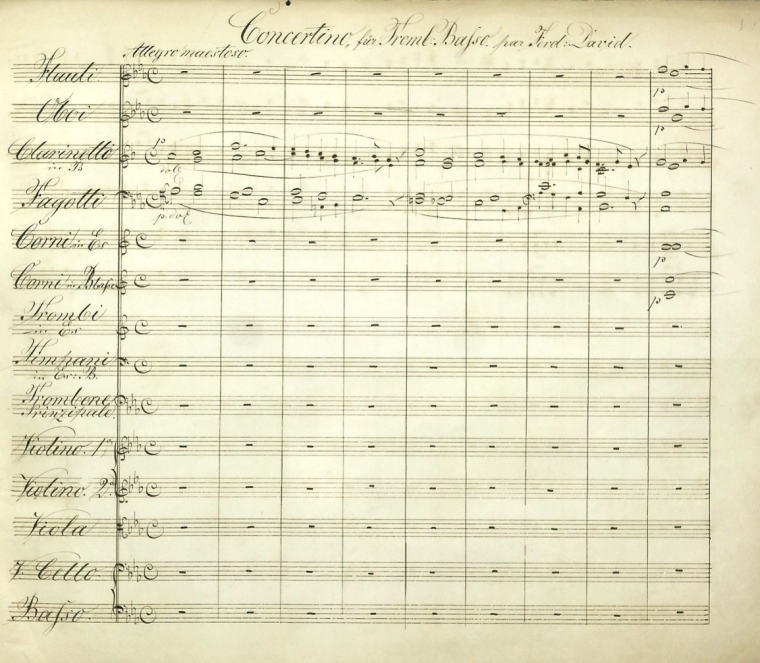
Ferdinand David (1810 - 19 luglio 1873): Concertino per trombone basso e orchestra op. 4 (1837). Branimir Slokar, trombone; Orchestre de Chambre de Lausanne, dir. Jean-Marie Auberson.
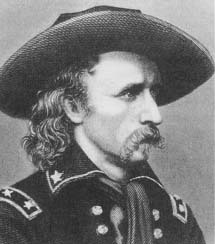
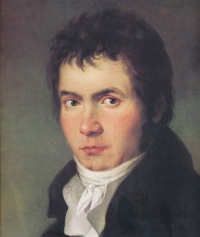 È possibile far sì che in un breve articoletto siano menzionati Ludwig van Beethoven, grande compositore tedesco nato a Bonn nel 1770, e George Armstrong Custer, famoso militare statunitense caduto in battaglia oltre cent’anni più tardi? Sì, è possibile se l’articolo è dedicato a Garyone, una canzone tradizionale irlandese (in Italia è però diffusa l’erronea convinzione che sia scozzese) le cui origini risalgono alla seconda metà del XVIII secolo.
 Esperti linguisti assicurano che il titolo Garyone (anche Garyowen, Garryowen, Garry Owen, Garry Owens) sia derivato dalla locuzione irlandese garrai Eóins, ossia «il giardino di Eóin» (variante gaelica di John).
Intorno al 1810, di Garyone Beethoven eseguì due diverse elaborazioni per canto, violino, violoncello e pianoforte, scritte su commissione di George Thomson (1757 – 1851), compositore e stampatore attivo a Edimburgo: questi aveva avviato un vasto progetto editoriale che prevedeva la pubblicazione di melodie tradizionali irlandesi, scozzesi e gallesi armonizzate e arrangiate da alcuni fra i più celebri musicisti dell’epoca: oltre a Beethoven, parteciparono all’impresa anche Franz Joseph Haydn e Johann Nepomuk Hummel.
Le due versioni beethoveniane di Garyone adottano un testo di tal Trevor Toms, From Garyone, my happy home ; edite a stampa nel 1814 e nel 1816, sono comprese nel catalogo delle opere di Beethoven fra le composizioni prive di numero d’opus (WoO = Werke ohne Opuszahl ) rispettivamente come WoO 152/22 e WoO 154/7.
WoO 152/22. Interpreti: Juliette Allen, soprano; Alessandro Fagiuoli, violino; Andrea Musto, violoncello; Jean-Pierre Armengaud, pianoforte.
WoO 154/7. Interpreti: Kerstin Wagner, contralto; Sachiko Kobayashi, violino; Chihiro Saito, violoncello; Michael Wagner, pianoforte.
From Garyone, my happy home,
Full many a weary mile I’ve come,
To sound of fife and beat of drum,
And more shall see it never.
‘Twas there I turn’d my wheel so gay,
Could laugh, and dance, and sing, and play,
And wear the circling hours away
In mirth or peace for ever.
But Harry came, a blithesome boy,
He told me I was all his joy,
That love was sweet, and ne’er could cloy,
And he would leave me never:
His coat was scarlet tipp’d with blue,
With gay cockade and feather too,
A comely lad he was to view;
And won my heart for ever.
My mother cried, dear Rosa, stay,
Ah! Do not from your parents stray;
My father sigh’d, and nought would say,
For he could chide me never:
Yet cruel, I farewell could take,
I left them for my sweetheart’s sake,
And came, ‘twas near my heart to break
From Garyone for ever.
Buit poverty is hard to bear,
And love is but a summer’s wear,
And men deceive us when they swear
They’ll love and leave us never:
Now sad I wander through the day,
No more I laugh, or dance, or play,
But mourn the hour I came away
From Garyone for ever.
Garyone ispirò anche Mauro Giuliani (1781 – 1829), che ne fece la prima delle sue 6 Arie nazionali irlandesi variate per chitarra op. 125 (c1827); qui è eseguita da William Carroll:
Diffusasi a Limerick nel tardo Settecento come canzone conviviale, Garyone ottenne rapidamente successo tra le file dell’esercito britannico, per il tramite del 5° Reggimento di lancieri (Royal Irish Lancers). Da allora fu adottata quale emblema musicale da numerose altre unità militari, suonata e cantata durante le guerre napoleoniche e poi in Crimea. Attraversò anche l’Oceano Atlantico e giunse negli Stati Uniti, dove nel 1851 fu scelta come canto di marcia dal 2° Reggimento di volontari irlandesi e più tardi dal 7° Reggimento di cavalleria, creato per affrontare le guerre indiane e affidato, fra gli altri, proprio a George Armstrong Custer. Una scena del film agiografico dedicato da Hollywood a questo discusso personaggio (They Died with Their Boots On, 1941, in Italia La storia del generale Custer ; la regia è di Raoul Walsh, protagonista Errol Flynn) racconta in modo romanzato l’episodio — come, del resto, tutta la storia:
We can dare or we can do
United men and brothers too
Their gallant footsteps to pursue
And change our country’s story.
Our hearts so stout have got us fame
For soon tis’ known from whence we came
Where’er we go they dread the name
Of Garryowen in glory.
And when the mighty day comes round
We still shall hear their voices sound
Our clans shall roar along the ground
For Garryowen in glory.
To emulate their high renown
To strike our false oppressor down
And stir the old triumphant sound
With Garryowen in glory.

Günter Bialas (19 luglio 1907 - 18 luglio 1995): Sinfonia piccola per orchestra da camera (1960). Folkwang Kammerorchester di Essen, dir. Heinz Dressel.

Wolfgang Amadeus Mozart (1756 - 1791): Concerto in do maggiore per oboe e orchestra K 314 (1777). François Leleux, oboe; hr-Sinfonieorchester, dir. Andrés Orozco-Estrada.

Emil Hartmann (1836 - 18 luglio 1898): Serenata in la maggiore-minore per clarinetto, violoncello e pianoforte op. 24 (1877). Trio Aurora.

Julius Fučík (18 luglio 1872 - 1916): Baletky (Scarpette da ballo), valzer da concerto op. 226 (1909). Orchestra filarmonica ceca, dir. Václav Neumann.
Julius Fučík: Vjezd gladiátorů / Einzug der Gladiatoren (Entrata dei gladiatori), marcia trionfale op. 68 (1897). Il Philip Jones Ensemble l’esegue correttamente in tempo moderato, cioè non troppo veloce.
Com’è potuto succedere che una marcia militare sia diventata la musica da circo per eccellenza? Nel 1910 un musicista canadese, Louis-Philippe Laurendeau (1861-1916), arrangiò la composizione di Fučík per una piccola formazione bandistica e pubblicò il lavoro con il titolo Thunder and Blazes: in questa forma il brano si diffuse attraverso il Nord-America e iniziò a essere associato a spettacoli circensi.
Le marce da circo hanno in genere andamento più rapido di quelle militari; nei Paesi di lingua inglese sono chiamate screamers.

Anonimo: The Water is Wide ovvero Waly, waly, canto di origine scozzese che risale probabilmente all’inizio del XVIII secolo; la versione pubblicata da Cecil Sharp nel volume Folk Songs From Somerset (1906) è quella più frequentemente eseguita. Gli interpreti sono Alfred Deller (controtenore) e Desmond Dupré (liuto).
The water is wide, I cannot get o’er
And neither have I wings to fly,
O give me a boat that will carry two
And both can row, my love and I.
O down in the meadows the other day
A-gathering flow’rs, both fine and gay,
A-gathering flow’rs, both red and blue,
I little thought what love can do.
I lean’d my back up against some oak,
Thinking that he was a trusty tree.
But first he bended and then he broke,
And so did my false love to me.
A ship there is and she sails the sea,
She’s loaded deep as deep can be,
But not so deep as the love I’m in.
I know not if I sink or swim.
O love is handsome and love is fine,
And love’s a jewel while it is new;
But when it is old it groweth cold
And fades away like morning dew.

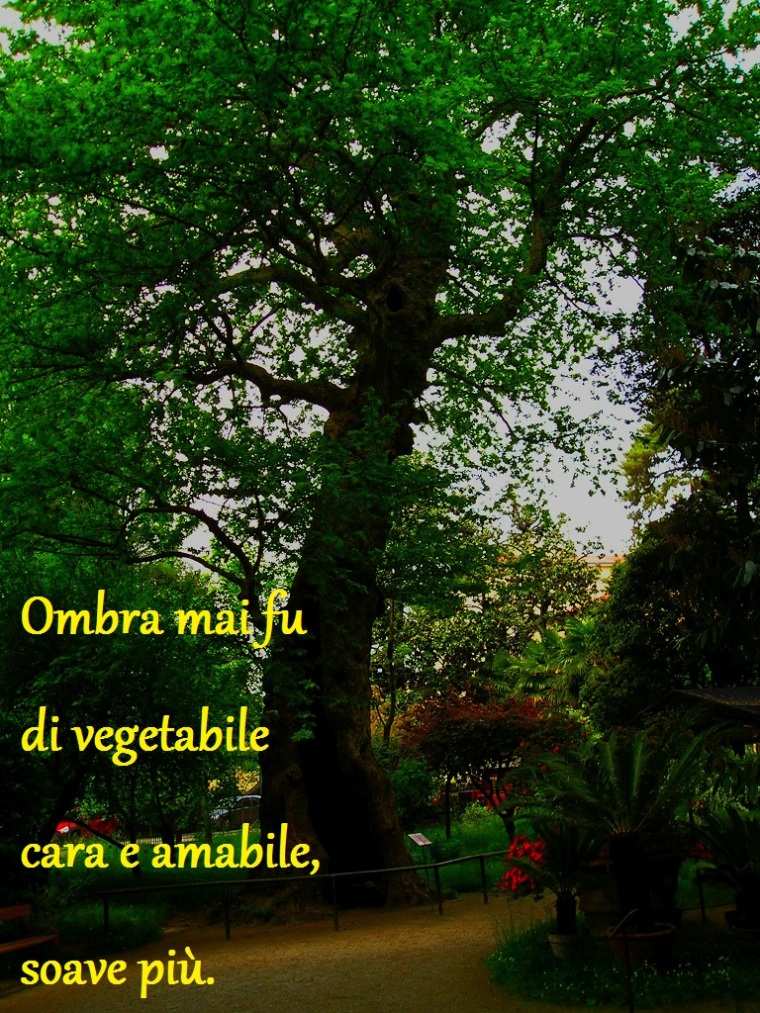
Georg Friedrich Händel (1685 - 1759): «Ombra mai fu», aria dal I atto dell’opera Serse HWV 40 (1738). Andreas Scholl, controtenore; Akademie für Alte Musik Berlin.
Per comporre il Serse Händel si avvalse non solo del libretto di Nicolò Minato rimaneggiato da Silvio Stampiglia che era servito a Giovanni Bononcini 44 anni prima, ma anche di alcune delle musiche dello stesso Bononcini. L’opera non ebbe molta fortuna e fu cancellata dal cartellone dopo sei sole rappresentazioni. Nel corso dell’Ottocento, però, l’aria che apre il I atto fu riscoperta e, riarrangiata come brano strumentale per organici diversi, divenne una delle composizioni più famose del musicista sassone con il titolo Largo di Händel. Eccone una versione sinfonica (London Symphony Orchestra diretta da George Szell) e una organistica (Alexander Jörk):
Giovanni Bononcini (18 luglio 1670 - 1747): «Ombra mai fu», aria dal I atto dell’opera Xerse (1694), libretto di Nicolò Minato rimaneggiato da Silvio Stampiglia. Armin Gramer, controtenore; Hubert Hoffmann, arciliuto; Anna Zauner-Pagitsch, arpa.
Atto I, scena 1a.
Belvedere accanto ad un bellissimo giardino, in mezzo di cui v’è un platano.
Xerse sotto il platano.
Recitativo:
Frondi tenere e belle,
del mio platano amato,
per voi risplenda il Fato.
Tuoni, lampi e procelle
non v’oltraggino mai la cara pace
né giunga a profanarvi mostro rapace.
Arioso:
Ombra mai fu
di vegetabile
cara e amabile,
soave più.
Francesco Cavalli (1602 - 1676): «Ombra mai fu», aria dal I atto dell’opera Il Serse (o Xerse, 1654), libretto di Nicolò Minato. Flavio Ferri-Benedetti, controtenore; Neue Hofkapelle Graz, dir. Michael Hell.
Atto I, scena 1a.
Villaggio delizioso dietro le mura della città, con veduta di bosco.
Xerse sotto un platano.
Ombra mai fu
di vegetabile
cara e amabile,
soave più.
Bei smeraldi crescenti,
frondi tenere, e belle,
di turbini, o procelle
importuni tormenti,
non v’affliggano mai la cara pace,
né giunga a profanarvi austro rapace.
Ombra mai fu…
Mai con rustica scure
bifolco ingiurioso
tronchi ramo frondoso,
e se reciso pure
fia che ne resti alcuno, in stral cangiato,
o lo scocchi Diana, o ‘l dio bendato.
Ombra mai fu…
P.D.Q. Bach (alias Peter Schickele; 17 luglio 1935 - 2024): Grand Serenade for an Awful Lot of Winds and Percussion (1992). Turtle Mountain Naval Base Tactical Wind Ensemble, dir. Peter Schickele.
Grand Entrance : la solennità un po’ statica, severa ma non seria, del I movimento è punteggiata dai versi di alcuni pennuti che incautamente si sono introdotti nell’auditorium; non vorrei dirlo, ma… insomma… peggio per loro.
Simply Grand Minuet : in questo minuetto reboante la banda si fa accompagnare dal suono di ance e bocchini staccati dai rispettivi aerofoni; l’effetto nel complesso ricorda un po’ i richiami da caccia: forse i suonatori vorrebbero catturare altri volatili da sacrificare sull’altare di P.D.Q.
Romance in the Grand Manner : in sostanza è una suggestiva armonizzazione di Old Folks at Home ovvero Swanee River, celeberrimo minstrel song composto da Stephen Foster nel 1851.
Rondo Mucho Grando : il brano più esteso della suite è introdotto da un triplice rullo di timpano e tamburo militare, che si risolve in uno spaventoso crasho grosso quando l’armamentario delle percussioni rovina (fortuitamente?) a terra. Il tema principale del rondò, semplice e orecchiabile (più o meno), s’incrocia di continuo con segnali militari (carica!), con la fanfara che all’ippodromo annuncia l’inizio delle corse e con suggestioni blues. La sezione centrale si apre con una citazione di You Gotta Be a Football Hero, subito metamorfizzato nel tema iniziale del Quartetto n. 7 (op. 59 n. 1) di Beethoven. Una sirena sancisce la fine delle ostilità.
Grand Entrance: in his static solemnity, stern but not serious, the 1st movement is dotted by the cries of some birds who recklessly entered the auditorium; I don’t want to say it, but– well– worse for them.
Simply Grand Minuet: playing this booming minuet the band is accompanied by reeds and mouthpieces detached from their respective aerophones; the overall effect is somewhat reminiscent of hunting calls: maybe our players would like to capture other birds to be sacrificed on the altar of P.D.Q.
Romance in the Grand Manner: it substantially is a suggestive harmonization of Old Folks at Home or Swanee River, a famous minstrel song composed by Stephen Foster in 1851.
Rondo Mucho Grando: the most extensive movement of the Serenade is introduced by a triple roll performed by timpani and snare drum, which results in a frightening crasho grosso when all the percussion instruments fall (fortuitously?) to the ground. The main theme of the Rondo, (almost) simple and catchy, constantly intersects with military signals (charge!), the fanfare that announces the start of races at the hippodrome and bluesy tones. The middle section opens with a quote from You Gotta Be a Football Hero, which is immediately metamorphosed into the first theme of Beethoven’s Quartet no. 7 (op. 59 n. 1). A siren marks the end of hostilities.


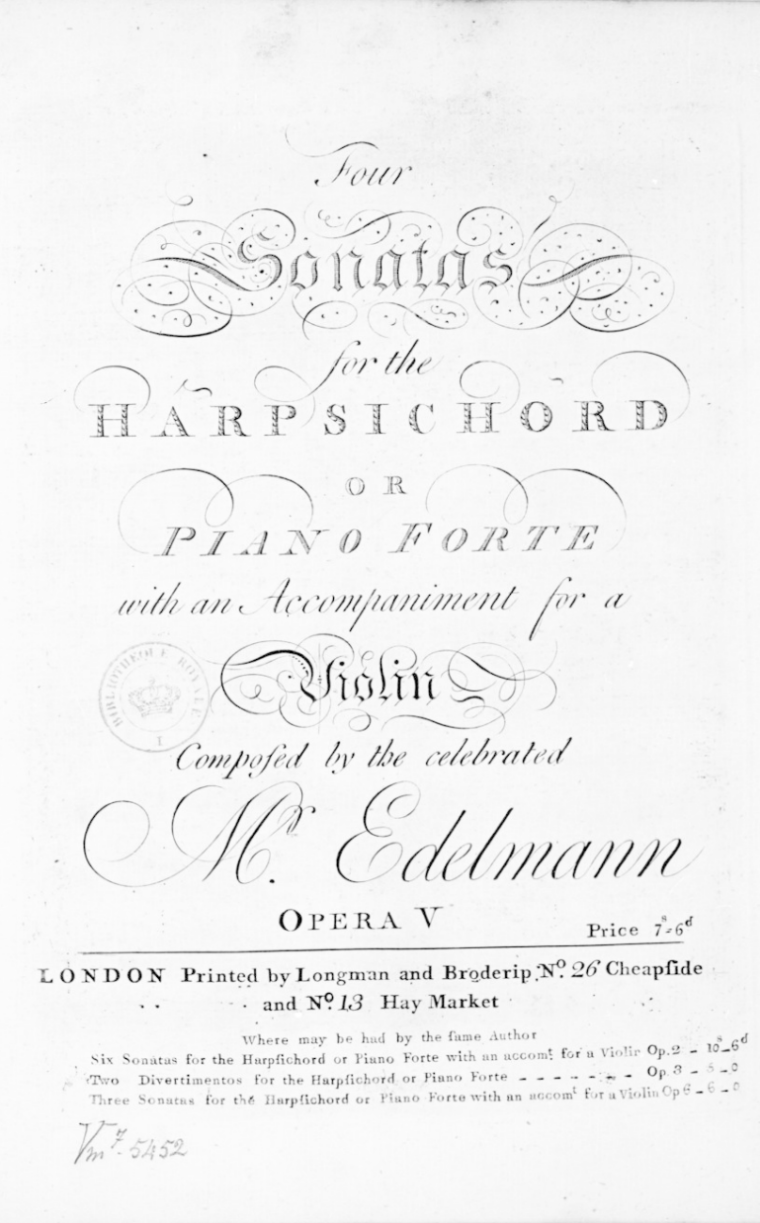
Jean-Frédéric Edelmann (1749 - ghigliottinato il 17 luglio 1794): Sonata in re minore-mi bemolle maggiore per pianoforte op. 5 n. 4 (1777). Sylvie Pecot-Douatte.
Niccolò Castiglioni (17 luglio 1932 - 1996): Gymel per flauto e pianoforte (1960). Severino Gazzelloni, flauto; Bruno Canino, pianoforte.

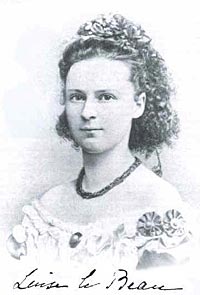 Luise Adolpha Le Beau (1850 - 17 luglio 1927): Concerto in re minore per pianoforte e orchestra op. 37 (1887). Katia Tchemberdji, pianoforte; Kammersymphonie Berlin, dir. Jürgen Bruns.
Antoine-François Marmontel (16 luglio 1816 - 1898): Nocturne élégant per pianoforte op. 22 (c1855). Gamma1734.

Eugène Ysaÿe (16 luglio 1858-1931): Sonata in la minore per violino solo op. 27 n. 2, Obsession (1923), dedicata a Jacques Thibaud. Hilary Hahn.

Johann David Heinichen (1683 - 16 luglio 1729): Concerto grosso in sol maggiore S 213 (c1720). Musica Antiqua Köln, dir. Reinhard Goebel.
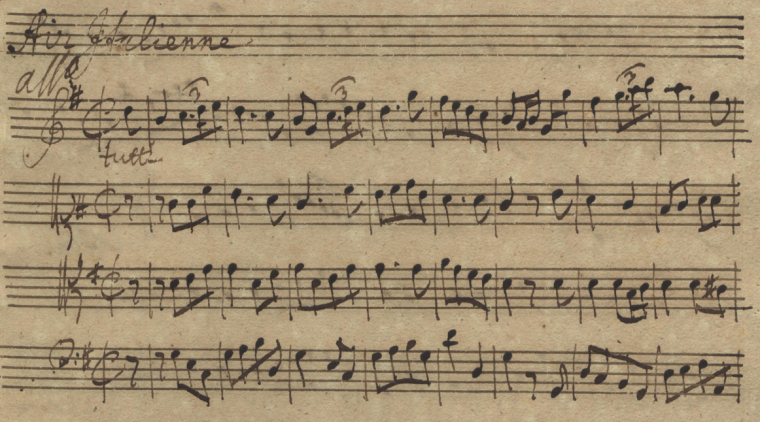
Thomas Campion (o Campian; 1567 - 1620): Shall I come, sweet Love, to thee, ayre (pubblicato nel Third Booke of Ayres, 1617, n. 8). Alfred Deller, controtenore; Robert Spencer, liuto.
Deller morì a Bologna il 16 luglio 1979.
Shall I come, sweet Love, to thee
When the evening beams are set?
Shall I not excluded be,
Will you find no feigned let?
Let me not, for pity, more
Tell the long hours at your door.
Who can tell what thief or foe,
In the covert of the night,
For his prey will work my woe,
Or through wicked foul despite?
So may I die unredressed
Ere my long love be possesed.
But to let such dangers pass,
Which a lover’s thoughts disdain,
’Tis enough in such a place
To attend love’s joys in vain:
Do not mock me in thy bed,
While these cold nights freeze me dead.

Goffredo Petrassi (16 luglio 1904 - 2003): Preludio, Aria e Finale per violoncello e pianoforte (1933). Massimo Macrì, violoncello; Sandro Fuga, pianoforte.

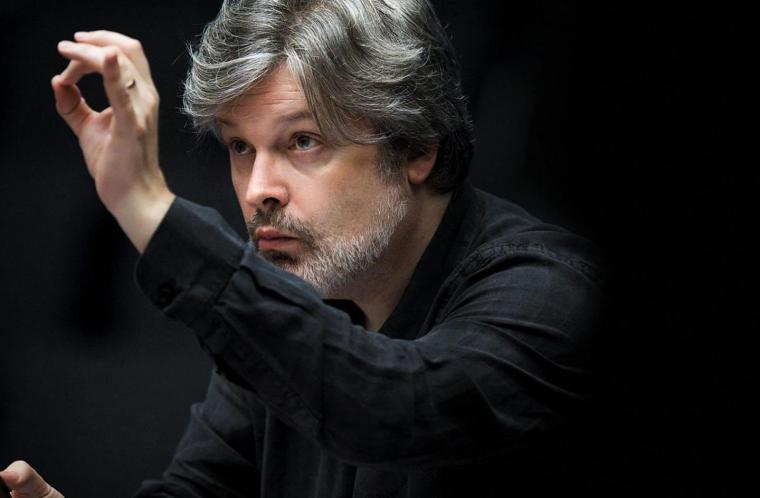
Sir James MacMillan (16 luglio 1959): Primo Concerto per pianoforte e orchestra, The Berserking (1989). Martin Roscoe, pianoforte; BBC Philharmonic Orchestra diretta dall’autore.
Originariamente ispirato da una partita di calcio fra le squadre del Celtic di Glasgow e del Partizan di Belgrado.
« J’aime beaucoup mieux ce qui me touche que ce qui me surprend » (François Couperin le Grand).
Antoine Forqueray (1672 - 1745): La Couperin, n. 6 della Suite in re minore per viola da gamba e continuo (Pièces de viole, pubblicate postume dal figlio Jean-Baptiste nel 1747). Il Giardino Armonico: Vittorio Ghielmi, viola da gamba; Luca Pianca, liuto attiorbato.
François Couperin le Grand (1668 - 1733): La superbe, ou La Forqueray, n. 1 dell’Ordre XVII (Pièces de clavecin III, 1722). Gustav Leonhardt, clavicembalo.
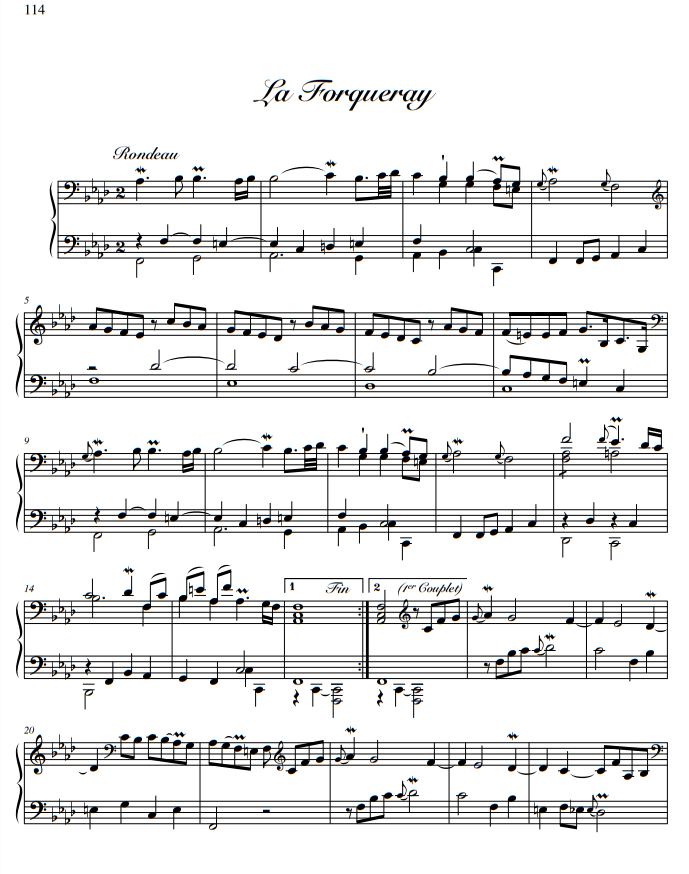
Jacques Duphly (1715 - 15 luglio 1789): La Forqueray, rondeau in fa minore (dal Troisième Livre de Pièces de Clavecin, 1756). Gustav Leonhardt, clavicembalo.
Herbert Hughes (1882 - 1937): Down by the Salley Gardens, melodia tradizionale irlandese (Maids of Mourne Shore) adattata a un testo di William Butler Yeats (da The Wanderings of Oisin and Other Poems, 1889). Alfred Deller, controtenore; Desmond Dupré, liuto.
Down by the salley gardens my love and I did meet;
She passed the salley gardens with little snow-white feet.
She bid me take love easy, as the leaves grow on the tree;
But I, being young and foolish, with her would not agree.
In a field by the river my love and I did stand,
And on my leaning shoulder she laid her snow-white hand.
She bid me take life easy, as the grass grows on the weirs;
But I was young and foolish, and now am full of tears.

Sir Harrison Birtwistle (15 luglio 1934 - 2022): Earth Dances (1986). Ensemble Modern Orchestra, dir. Pierre Boulez.

Ernest Bloch (24 luglio 1880 - 15 luglio 1959): Suite hébraïque per viola e orchestra (1951). Gérard Caussé, viola; Orchestre de la Suisse Romande, dir. Lior Shambadal.

Oggi parliamo di un brano tradizionale le cui origini risalgono al XVII secolo, se non a un’epoca precedente, famosissimo tanto nelle isole britanniche quanto nel Nordamerica. Come sempre succede alle melodie molto celebri, anche a questa sono stati adattati più testi diversi; è stata inoltre rielaborata in composizioni destinate a accompagnare danze popolari.
1. Tom, Tom, the Piper’s Son
Canzoncina infantile tradizionale; il testo cita il titolo Over the hills and far away, segno che una melodia così chiamata sicuramente preesisteva a questa canzone. Qui è interpretata da Vivien Ellis, Tim Laycock e The Broadside Band:
Tom, he was a piper’s son,
He learnt to play when he was young,
And all the tune that he could play
Was Over the hills and far away.
Over the hills and a great way off,
The wind shall blow my top-knot off.
Tom with his pipe made such a noise,
That he pleased both the girls and boys,
They all stopped to hear him play
Over the hills and far away.
[Tom with his pipe did play with such skill
That those who heard him could never keep still;
As soon as he played they began for to dance,
Even the pigs on their hind legs would after him prance.]
As Dolly was milking her cow one day,
Tom took his pipe and began to play;
So Dolly and the cow danced The Cheshire Round
Till the pail was broken and the milk ran on the ground [down].
He met old Dame Trot with a basket of eggs,
He used his pipe and she used her legs;
She danced about till the eggs were all broke,
She began for to fret, but he laughed at the joke.
Tom saw a cross fellow was beating an ass,
Heavy laden with pots, pans, dishes, and glass;
He took out his pipe and he played them a tune,
And the poor donkey’s load was lightened full soon.
Over the hills and a great way off,
The wind shall blow my top-knot off.
2. The distracted Jockey’s Lamentations
Da Wit and Mirth: Or Pills to Purge Melancholy (1698-1720) di Thomas D’Urfey; il testo doveva forse essere inserito nella commedia di D’Urfey The Campaigners (1698). Ascoltiamolo nell’interpretazione dei City Waites diretti da Lucie Skeaping:
Questo è il testo pubblicato nel V volume (1619) della silloge di D’Urfey:
Jocky met with Jenny fair
Aft by the dawning of the day;
But Jockey now is fu’ of care
Since Jenny staw his heart away.
Altho’ she promis’d to be true
She proven has, alake! unkind
Which gars poor Jockey aften rue
That e’er he loo’d a fickle mind.
‘Tis o’er the hills and far away
‘Tis o’er the hills and far away
‘Tis o’er the hills and far away
The wind has blown my Plad (sic) away.
Jockey was a bonny lad
And e’er was born in Scotland fair;
But now poor Jockey is run mad,
For Jenny causes his despair;
Jockey was a Piper’s son
And fell in love when he was young
But all the springs that he could play
Was, O’er the Hills, and far away.
He sung,”When first my Jenny’s face
I saw, she seem’d sae fu’ of grace
With meikle joy my heart was fill’d
That’s now, alas! with sorrow kill’d.
Oh! was she but as true as fair
‘Twad put an end to my despair.
Instead of that she is unkind
And wavers like the winter wind.
Ah! could she find the dismal wae
That for her sake I undergae
She couldna chuse but grant relief
And put an end to a’ my grief;
But, oh! she is as fause as fair
Which causes a’ my sighs and care;
And she triumphs in proud disdain
And takes a pleasure in my pain.
Hard was my hap, to fa’ in love
With ane that does so faithless prove!
Hard was my fate, to court a maid
That has my constant heart betray’d!
A thousand times to me she sware
She wad be true for evermair;
But, to my grief, alake! I say
She staw my heart and ran away.
Since that she will nae pity take
I maun gae wander for her sake
And, in ilk wood and gloomy grove
I’ll, sighing, sing,” Adieu to love.
Since she is fause whom I adore
I’ll never trust a woman more;
Frae a’ their charms I’ll flee away
And on my pipes I’ll sweetly play.”
O’er hills and dales and far away
O’er hills and dales and far away
O’er hills and dales and far away
The wind has blown my plad away.
3. Hark! now the drums beat up again
Canto di reclutamento risalente agli anni della guerra di successione spagnola (1701-14); il testo si trova, con qualche variante, nella commedia di George Farquhar The Recruiting Officer (1706).
Hark! now the drums beat up again
For all true soldier gentlemen,
Then let us list and march, I say,
Over the Hills and far away.
Over the hills and o’er the main
To Flanders, Portugal and Spain,
Queen Anne commands and we’ll obey,
Over the hills and far away.
All gentlemen that have a mind,
To serve the queen that’s good and kind,
Come list and enter into pay,
Then over the hills and far away.
No more from sound of drum retreat,
While Marlborough and Galway beat
The French and Spaniards every day,
When over the hills and far away.
Testo e musica sono stati rielaborati da John Tams per la serie televisiva Sharpe, protagonista Sean Bean, ambientata all’epoca delle guerre napoleoniche; in ogni episodio è cantata una strofe differente. Potete ascoltare la versione di Tams qui.
4. Were I Laid on Greenland’s Coast
Testo di John Gay per The Beggar’s Opera (Air XVI, cantato da Macheath e Polly) con musica adattata da Johann Christoph Pepusch (1728).
Tratto da un cd dedicato ai più celebri airs della Beggar’s Opera da The Broadside Band (dir. Jeremy Barlow), questo clip comprende:
la melodia di Over the hills and far away eseguita da un violino solista
l’Air XVI interpretato da Paul Elliott (tenore) e Patrizia Kwella (soprano) [0:37]
Over the hills and far away, versione tratta da un manoscritto americano del 1780 circa contenente melodie di country dances [1:35]
The wind has blown my plaid away, una versione per flauto tratta dal Drexel Manuscript (1ª metà del XVIII secolo) conservato nella New York Public Library [2:26]
| Macheath: | Were I laid on Greenland’s Coast, And in my Arms embrac’d my Lass; Warm amidst eternal Frost, Too soon the Half Year’s Night would pass. |
|
| Polly: | Were I sold on Indian Soil, Soon as the burning Day was clos’d, I could mock the sultry Toil When on my Charmer’s Breast repos’d. |
|
| Macheath: | And I would love you all the Day, | |
| Polly: | Every Night would kiss and play, | |
| Macheath: | If with me you’d fondly stray | |
| Polly: | Over the Hills and far away. |
Vediamo ancora un interessante documento: l’Air XVI della Beggar’s Opera interpretato da Laurence Olivier e Dorothy Tutin nella versione cinematografica del lavoro di Gay, diretta da Peter Brook nel 1953.
Jean-Pierre Raillat (1969): Variations sur la Marseillaise per quartetto d’archi. Les Cordes Sans Cibles: Jan-Alexandre Picarda e Christel Peyre, violini; Jean-Pierre Raillat, viola; Delphine Cheney, violoncello.

Johann Gottfried Müthel (1728 - 14 luglio 1788): Terzo Concerto in sol maggiore per clavicembalo e archi. Berliner Barock-Compagney, dir. e fortepiano Christine Schornsheim.

Arnold Schoenberg (1874 - 13 luglio 1951): Serenata per baritono e 7 strumenti (clarinetto, clarinetto basso, mandolino, chitarra, violino, viola, violoncello) op. 24 (1921-23); testo di Francesco Petrarca (Sonetto 217, Canzoniere CCLVI) nella traduzione di Stefan George. Derrik Olsen, baritono; membri del SWR Sinfonieorchester Baden-Baden und Freiburg, dir. Hans Rosbaud.
O könnt’ ich je der Rach’ an ihr genesen,
die mich durch Blick und Rede gleich zerstöret,
und dann zu grösserm Leid sich von mir kehret,
die Augen bergend mir, die süssen, bösen!
So meiner Geister matt bekümmert Wesen
sauget mir aus allmählich und verzehret
und brülend, wie ein Leu, ans Herz mir fähret
die Nacht, die ich zur Ruhe mir erlesen!
Die Seele, die sonst nur der Tod verdränget,
trent sich von mir, und ihrer Haft entkommen,
fliegt sie zu ihr, die drohend sie empfänget.
Wohl hat es manchmal Wunder mich genommen
wenn die nun spricht und weint und sie umfänget,
dass fort sie schläft, wenn solches sie vernommen.
Far potess’io vendetta di colei
che guardando et parlando mi distrugge,
et per piú doglia poi s’asconde et fugge,
celando gli occhi a me sí dolci et rei.
Cosí li afflicti et stanchi spirti mei
a poco a poco consumando sugge,
e ‘n sul cor quasi fiero leon rugge
la notte allor quand’io posar devrei.
L’alma, cui Morte del suo albergo caccia,
da me si parte, et di tal nodo sciolta,
vassene pur a lei che la minaccia.
Meravigliomi ben s’alcuna volta,
mentre le parla et piange et poi l’abbraccia,
non rompe il sonno suo, s’ella l’ascolta.


 la regina gioiosa