Fly Forward

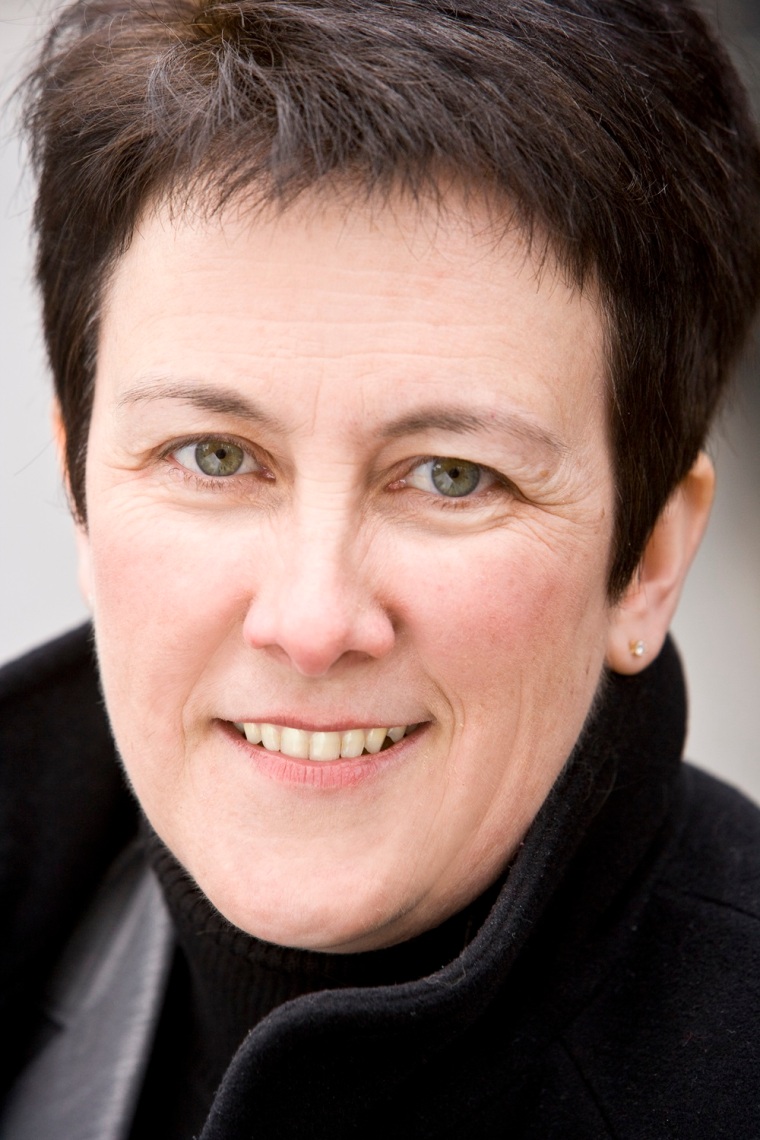
Jennifer Higdon (31 dicembre 1962): Concerto per violino e orchestra (2008; Premio Pulitzer 2010). Solista: Hilary Hahn (dedicataria della composizione); Royal Liverpool Philharmonic Orchestra, dir. Vasilij Petrenko.

  1. 1726
  2. Chaconni
  3. Fly Forward

Etruscan Concerto

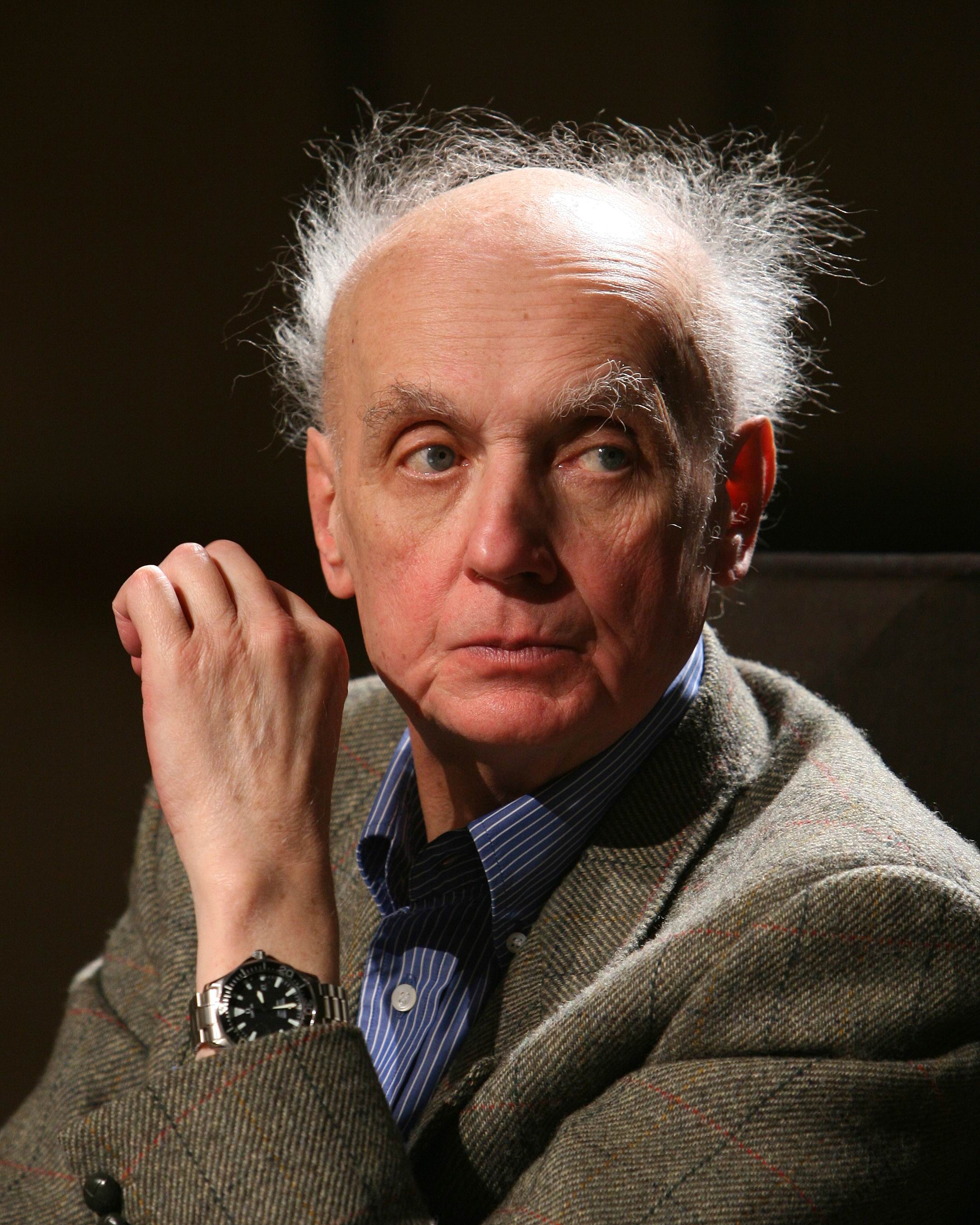
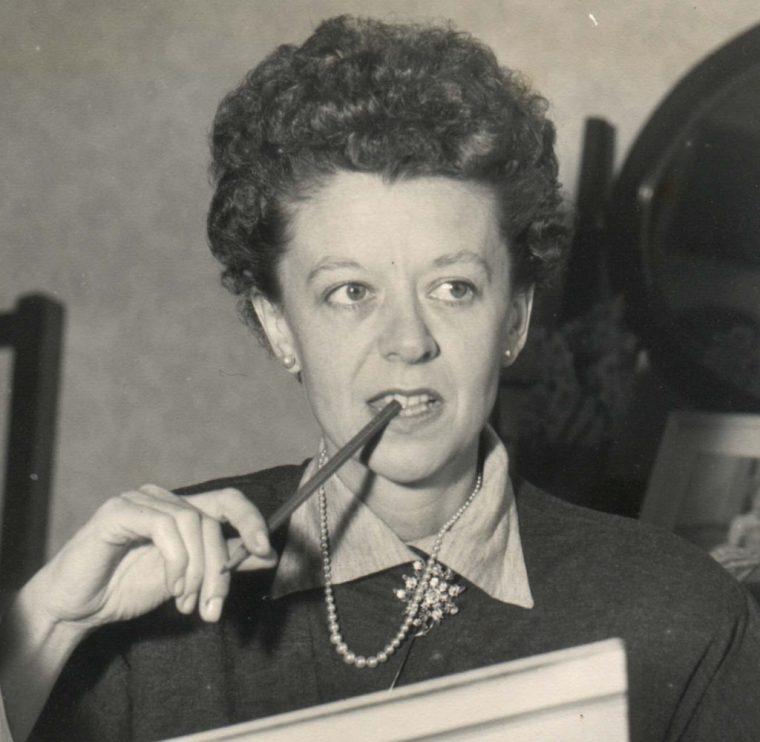
Peggy Glanville-Hicks (29 dicembre 1912 - 1990): Etruscan Concerto per pianoforte e orchestra da camera (1954). Keith Jarrett, pianoforte; Brooklyn Philharmonic Orchestra, dir. Dennis Russell Davies.
Nella partitura, ciascun movimento reca in esergo una citazione da Etruscan Places di David Herbert Lawrence:

  1. Promenade

    «You cannot think of art, but only of life itself, as if this were the very life of the Etruscans dancing in their coloured wraps with massive yet exhuberant limbs, ruddy from the air and the sea-light, dancing and fluting along through the little olive trees out in the fresh day.»

  2. Meditation

    «There is a queer stillness and a curious peaceful repose about the Etruscan places…»

  3. Scherzo

    «There seems to have been in the Etruscan instinct a real desire to preserve the natural humour of life. And that is a task surely more worthy, and even more difficult than conquering the world.»

Mathis il pittore

Paul Hindemith (1895 - 28 dicembre 1963): Symphonie «Mathis der Maler» (1933-34). Boston Symphony Orchestra, dir. Carlo Maria Giulini (dal vivo: Boston, 29 marzo 1974).

  1. Engelkonzert: Ruhig bewegt
  2. Grablegung: Sehr langsam [9:55]
  3. Versuchung des heiligen Antonius: Sehr langsam, frei im Zeitmass. Sehr lebhaft [14:53]

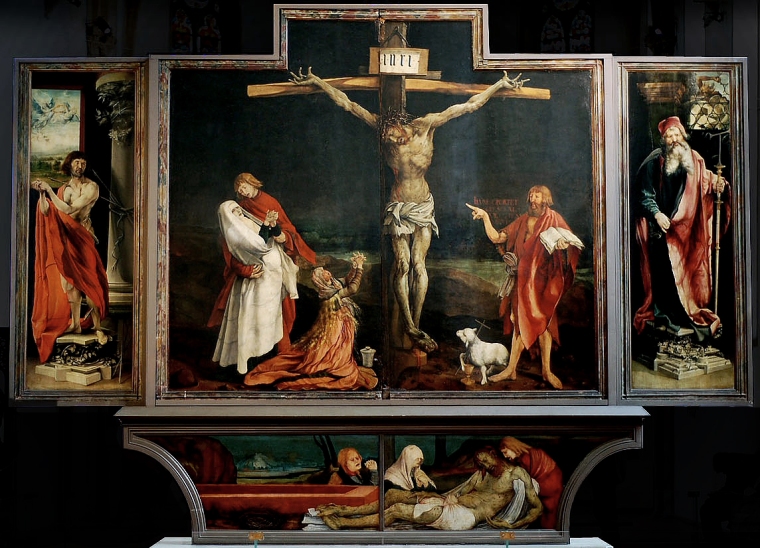
Questa sinfonia è costituita da brani incorporati nell’omonimo lavoro teatrale, completato nel 1935, proibito in Germania dal regime nazista, rappresentato dunque a Zurigo nel 1938: il I movimento della sinfonia è l’ouverture, il II corrisponde all’interludio sinfonico della settima e ultima scena, il III è elaborato e ampliato nella scena sesta. Protagonista dell’opera è Mathis Gothart Nithart, meglio noto come Matthias Grünewald (c1480 - 1528), autore fra l’altro dello stupefacente Altare di Isenheim.

Da Finnegan’s Wake

Stephen Albert (1941 - 27 dicembre 1992): TreeStone per soprano, tenore e orchestra da camera (1983) su testi tratti da Finnegan’s Wake di James Joyce. Lucy Shelton, soprano; David Gordon, tenore; New York Chamber Symphony Orchestra, dir. Gerard Schwarz.

  1. I am Leafy Speafing
  2. A Grand Funferall
  3. Sea Birds
  4. Tristopher Tristan
  5. Fallen Grifs
  6. Anna Livia Plurabella

Lipsia, 1723

Johann Sebastian Bach (1685-1750): Darzu ist erschienen der Sohn Gottes, cantata BWV 40 per la Feria II Nativitatis (Vangelo: Luca 2, 15-20: i pastori a Betlemme), eseguita per la prima volta a Lipsia il 26 dicembre 1723. René Jacobs, contraltista; Marius van Altena, tenore; Max van Egmond, basso; Knabenchor Hannover, dir. Heinz Hennig; Leonhardt-Consort, dir. Gustav Leonhardt.
L’ignoto autore del testo ha utilizzato nel n. 1 un passo del Vangelo secondo san Giovanni (3, 8), nel n. 3 la terza strofe del Lied natalizio Wir Christenleut di Kaspar Füger (1592), nel n. 6 la seconda strofe di Schwingt dich auf zu deinem Gott di Paul Gerhardt (1653) e nel n. 8 la quarta strofe di Freut euch, ihr Christen alle di Christian Keimann (1646).

  1. Coro: Darzu ist erschienen der Sohn Gottes
    Darzu ist erschienen der Sohn Gottes, dass er die Werke des Teufels zerstöre.
  2. Recitativo (tenore): Das Wort ward Fleisch [4:20]
    Das Wort ward Fleisch und wohnet in der Welt,
    Das Licht der Welt bestrahlt den Kreis der Erden,
    Der große Gottessohn
    Verlässt des Himmels Thron,
    Und seiner Majestät gefällt,
    Ein kleines Menschenkind zu werden.
    Bedenkt doch diesen Tausch, wer nur gedenken kann;
    Der König wird ein Untertan,
    Der Herr erscheinet als ein Knecht
    Und wird dem menschlichen Geschlecht
    — O süßes Wort in aller Ohren! —
    Zu Trost und Heil geboren.
  3. Corale: Die Sünd macht Leid [5:37]
    Die Sünd macht Leid;
    Christus bringt Freud,
    Weil er zu Trost in diese Welt ist kommen.
    Mit uns ist Gott
    Nun in der Not:
    Wer ist, der uns als Christen kann verdammen?
  4. Aria (basso): Höllische Schlange, wird dir nicht bange? [6:14]
    Höllische Schlange,
    Wird dir nicht bange?
    Der dir den Kopf als ein Sieger zerknickt,
    Ist nun geboren,
    Und die verloren,
    Werden mit ewigem Frieden beglückt.
  5. Recitativo (contralto): Die Schlange, so im Paradies [8:22]
    Die Schlange, so im Paradies
    Auf alle Adamskinder
    Das Gift der Seelen fallen ließ,
    Bringt uns nicht mehr Gefahr;
    Des Weibes Samen stellt sich dar,
    Der Heiland ist ins Fleisch gekommen
    Und hat ihr allen Gift benommen.
    Drum sei getrost! betrübter Sünder.
  6. Corale: Schüttle deinen Kopf und sprich [9:32]
    Schüttle deinen Kopf und sprich:
    Fleuch, du alte Schlange!
    Was erneurst du deinen Stich,
    Machst mir angst und bange?
    Ist dir doch der Kopf zerknickt,
    Und ich bin durchs Leiden
    Meines Heilands dir entrückt
    In den Saal der Freuden.
  7. Aria (tenore): Christenkinder, freuet euch! [10:16]
    Christenkinder, freuet euch!
    Wütet schon das Höllenreich,
    Will euch Satans Grimm erschrecken:
    Jesus, der erretten kann,
    Nimmt sich seiner Küchlein an
    Und will sie mit Flügeln decken.
  8. Corale: Jesu, nimm dich deiner Glieder [14:07]
    Jesu, nimm dich deiner Glieder
    Ferner in Genaden an;
    Schenke, was man bitten kann,
    Zu erquicken deine Brüder:
    Gib der ganzen Christenschar
    Frieden und ein selges Jahr!
    Freude, Freude über Freude!
    Christus wehret allem Leide.
    Wonne, Wonne über Wonne!
    Er ist die Genadensonne.

BWV 40.1

Noël alsaziano

Anonimo (tradizionale): Dors, ma colombe, noël. La Maîtrise de Dijon.

Dors, ma colombe,
dors, le soir tombe,
chante la vierge à l’enfant Dieu.
Dors: moi, je veille.
Quand on sommeille
on voit s’ouvrir le grand ciel bleu.
  Chantez, beaux anges,
  bercez l’enfant
  qui, dans ses langes,
  rit en rêvant.

Dors, il fait sombre
à travers l’ombre,
Souffle un grand vent qui meut le toit.
Dors tout de même,
Jésus que j’aime:
L’âne et le boeuf sont près de toi.
  Chantez, beaux anges,
  bercez l’enfant
  qui, dans ses langes,
  rit en rêvant.


Pietro Cattaneo (1998): Variations sur un noël alsacien per organo (2018). Carson Cooman.

Laetentur YouTubers. Buon Natale!

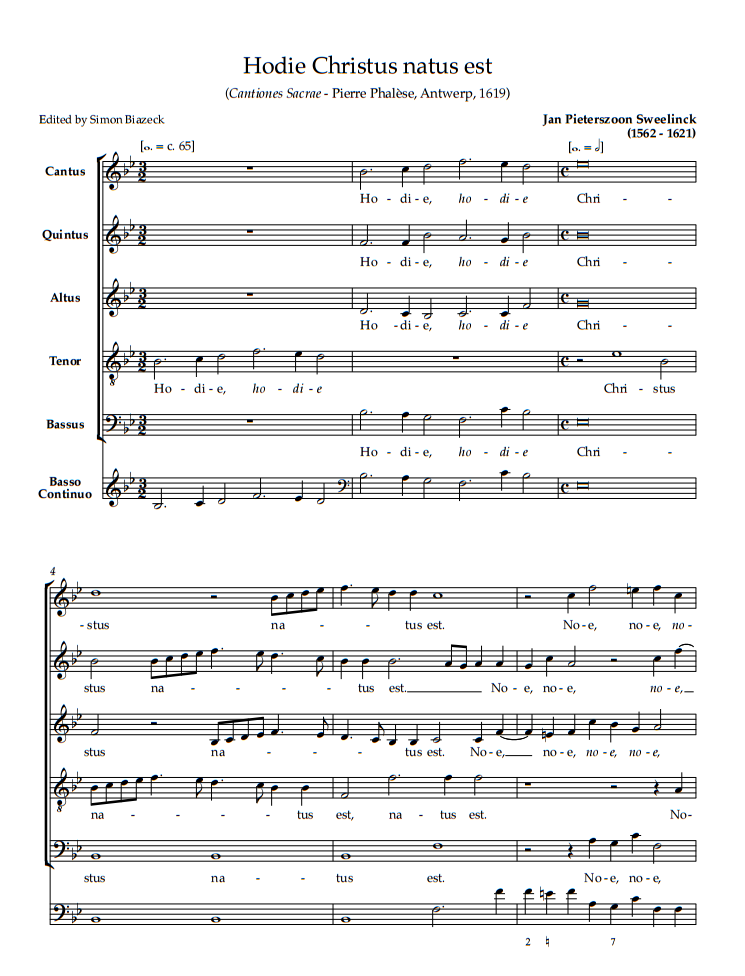
Jan Pieterszoon Sweelinck (1562 - 1621): Hodie Christus natus est, mottetto a 5 voci (dalla raccolta di Cantiones sacrae del 1619). L’esegue un ensemble virtuale formato da cinque cantanti, titolari di altrettanti canali di YouTube: Wei Jiang, soprano I; Julie Gaulke, soprano II; Simone Lo Castro, contralto; Stefan Wyatt, tenore; Patrick Williams, basso.

Hodie Christus natus est
hodie Salvator apparuit:
hodie in terra canunt Angeli,
laetantur Archangeli:
hodie exsultant justi, dicentes:
Gloria in excelsis Deo, alleluja.

Sweelinck - Hodie Christus natus est

Praeter rerum seriem

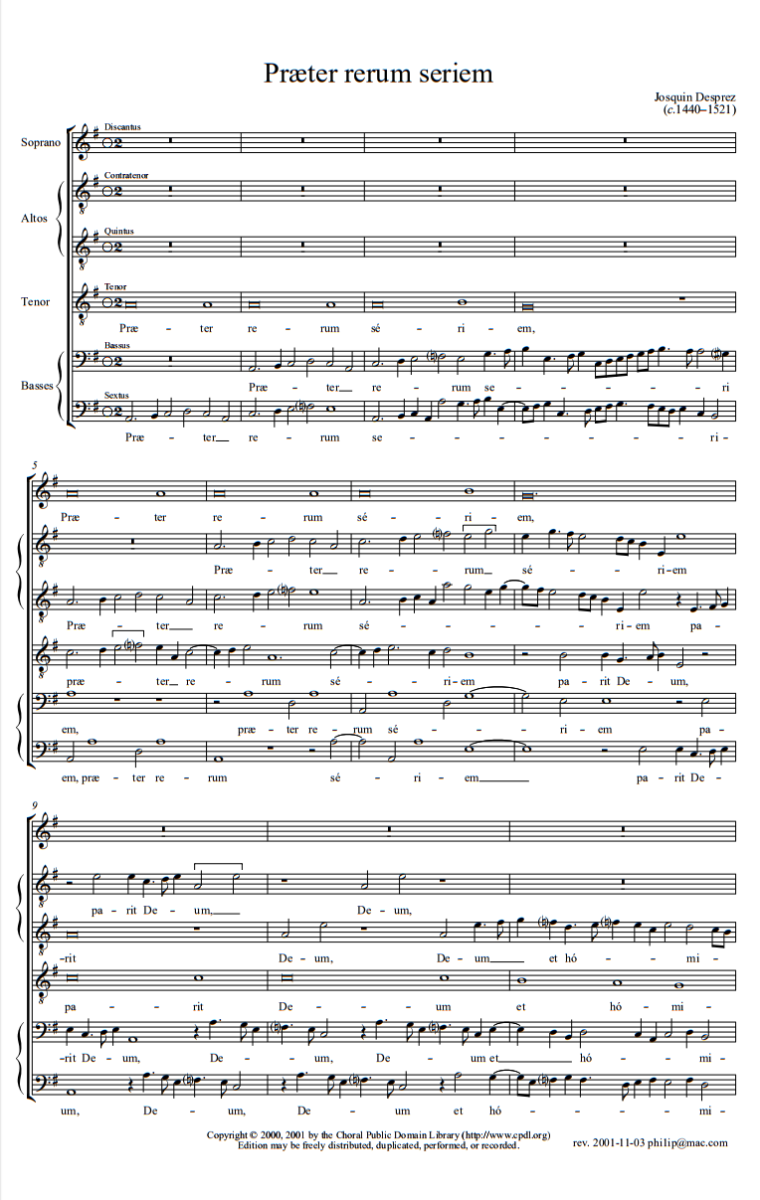
Josquin des Prez (c1450 - 1521): Praeter rerum seriem, mottetto a 6 voci (pubblicato in Motetti de la corona, Libro III, 1519). Lumina Ensemble, dir. Anna Pope.

Præter rerum seriem
parit Deum hominem
virgo mater.
Nec vir tangit virginem
nec prolis originem
novit pater.

Virtus Sancti Spiritus
opus illud cœlitus
operatur.
Initus et exitus
partus tui penitus
quis scrutatur?

Dei providentia
quæ disponit omnia
tam suave.
Tua puerperia
transfer in mysteria.
Mater ave.

Josquin, Praeter rerum seriem


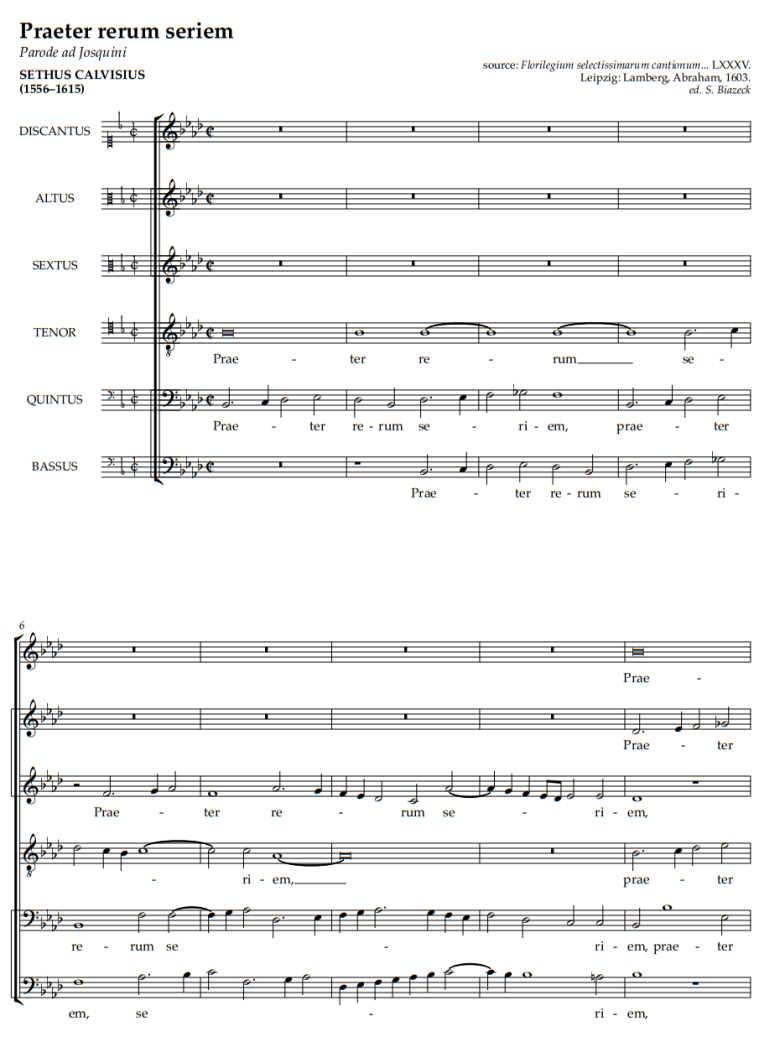
Sethus Calvisius (Seth Kalwitz; 1556 - 1615): Praeter rerum seriem, mottetto a 6 voci, parode ad Josquini (pubblicato in Florilegium selectissimarum cantionum, 1603, n. 85). Kaleidos Ensemble.

Praeter rerum seriem
Parit Deum et hominem
Virgo mater.
Nec vir tangit virginem,
Nec prolis originem
Novit pater.

Virtus Sancti Spiritus
Opus illud caelitus
Operatur.
Initus et exitus
Partus tui penitus
Quis scrutatur?

Dei providentia
Haec disponit omnia
Tam suave,
Et pios caelestia
Transfert in mysteria.
Puer ave.

Calvisius, Praeter rerum seriem

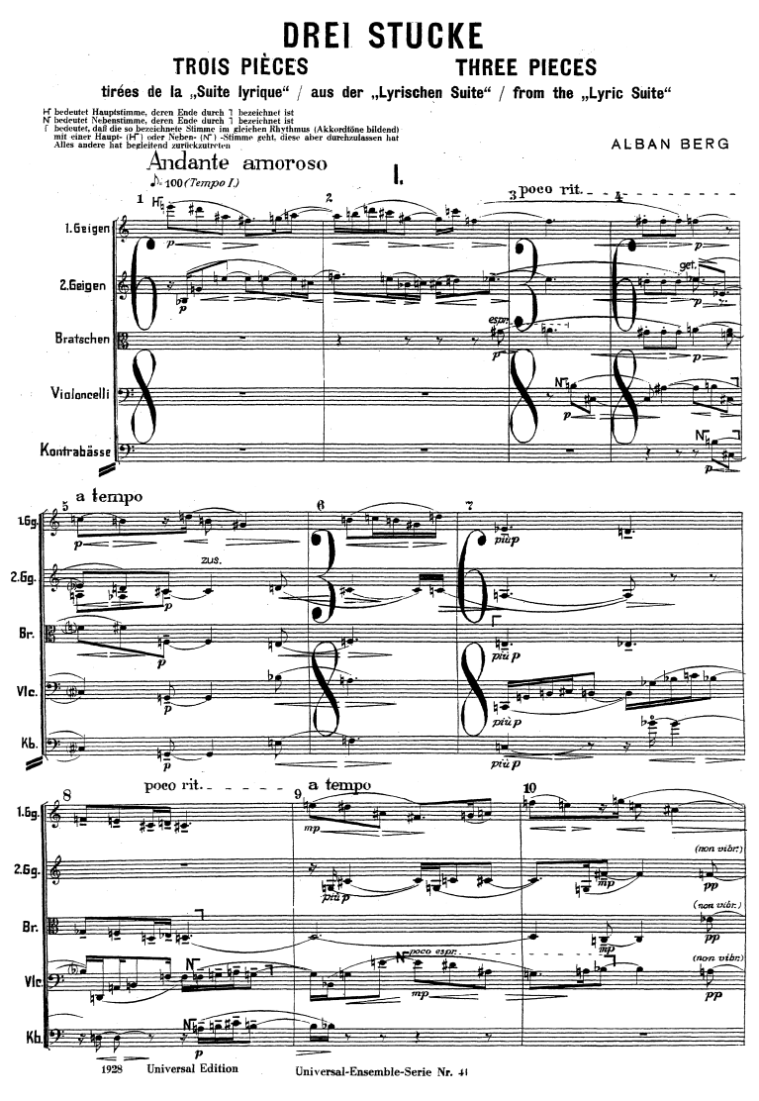
Andante amoroso

Alban Berg (1885 - 24 dicembre 1935): Tre Pezzi per orchestra d’archi (1928), dalla Lyrische Suite. Orchestre philharmonique de Radio France, dir. Daniel Harding.
La Lyrische Suite risale agli anni 1925-26, è per quartetto d’archi ed è suddivisa in 6 movimenti; di questi, Berg ha adattato per orchestra il II, il III e il IV.

  1. Andante amoroso
  2. Allegro misterioso [6:46] – Trio estatico [8:24] – Tempo I [9:18]
  3. Adagio appassionato [10:32]

In floribus rosarum et liliis convalium

John Dunstable (o Dunstaple; c1390 - 24 dicembre 1453): Speciosa facta es, mottetto a 3 voci. Gothic Voices, dir. Christopher Page.

Speciosa facta es et suavis in delitiis virginitatis
sancta Dei genitrix quam videntes filiae Syon
vernantem in floribus rosarum et liliis convalium.
Beatissimam praedicaverunt et regine laudaverunt eam.

Gran polka nazionale

Michele Novaro (23 dicembre 1818 - 1885): Roma e Venezia, gran polka nazionale in fa maggiore per pianoforte (c1864). Vito Maggiolino.

Questa vivace danza contiene citazioni del Canto degli italiani, composto dallo stesso Novaro sul celebre testo di Mameli, e della Marcia reale d’ordinanza di Giuseppe Gabetti, inno della monarchia sabauda.

With carols and songs


Anonimo (sec. XVI): All Hail to the Days, carol natalizio inglese, noto anche come Drive the Cold Winter Away e In Praise of Christmas. The Baltimore Consort (strumentale); The Sixteen, dir. Harry Christophers.

All hail to the days
  that merit more praise
Than all the rest of the year,
And welcome the nights
  that double delights,
As well for the poor as the peer!
Good fortune attend
  each merry man’s friend,
That doth but the best that he may;
Forgetting old wrongs,
  with carols and songs,
To drive the cold winter away.

This time of the year
  is spent in good cheer,
And neighbours together do meet,
To sit by the fire,
  with friendly desire,
Each other in love do greet;
Old grudges forgot,
  are put in the pot,
All sorrows aside they lay,
The old and the young
  doth carol his song,
To drive the cold winter away.

To mask and to mum
  kind neighbours will come
With wassails of nut-brown ale,
To drink and carouse
  to all in the house,
As merry as bucks in the dale;
Where cake, bread and cheese
  is brought for your fees,
To make you the longer stay;
At the fire to warm
  will do you no harm,
To drive the cold winter away.

Felice inverno a tutti 🙂

Allégrement

André Jolivet (1905 - 20 dicembre 1974): Concerto per strumenti a percussione e orchestra. Masako Iguchi, percussione; San Francisco Conservatory of Music Orchestra, dir. Alasdair Neale.

  1. Robuste
  2. Dolent [5:35]
  3. Rapidamente [11:20]
  4. Allégrement [15:95]

Per Jolivet — che ha una concezione molto beethoveniana della figura del compositore, il quale deve assumersi il compito di fare da vera e propria guida morale — la musica è prima di tutto comunione: fra compositore e natura nel momento della composizione, fra compositore e pubblico nel momento dell’esecuzione. Fare musica è “far leva sul sentimento dell’umano”, dando all’arte musicale “il suo senso originale antico, quando era l’espressione magica e incantatrice della religiosità degli uomini”. Jolivet cerca costantemente, lungo l’intero arco della sua attività creativa, di ampliare il linguaggio musicale, senza però perdere mai i profondi agganci con il “sistema cosmico universale”.

L’arco di Ulisse (Harbison 85)

John Harbison (20 dicembre 1938): Ulysses’ Bow, II atto del balletto Ulysses (1983). Pittsburgh Symphony Orchestra, dir. André Previn.

  1. Prelude: Premonitions
  2. Scene I: Ulysses’ Return
  3. Interlude I: Ulysses and Argos
  4. Scene II: The Suitors
  5. Interlude II: While the Suitors Sleep
  6. Scene III: Penelope – Interlude III: Penelope’s Dream
  7. Scene IV: The Trial of the Bow
  8. Interlude IV: The Ritual of Purification
  9. Scene V: Reunion

Siciliana variata

Francesco Antonio Bonporti (1672 - 19 dicembre 1749): Sere­nata IV in la minore (c1720). Luigi Mangiocavallo, violino; Claudio Ronco, violoncello; Marco Mencoboni, clavi­cembalo.

  1. Larghetto
  2. Siciliana variata: Comodo [3:08]
  3. Chiusa: Allegro [9:10]

Bethlehem Down

Peter Warlock (pseudonimo di Philip Heseltine; 1894 – 17 dicembre 1930): Bethlehem Down, carol per coro a 4 voci (1927) su testo Bruce Blunt (1899 – 1957). Coro del King’s College di Cambridge.

«When He is King we will give Him a King’s gifts,
Myrrh for its sweetness, and gold for a crown,
Beautiful robes», said the young girl to Joseph,
Fair with her first-born on Bethlehem Down.

Bethlehem Down is full of the starlight,
Winds for the spices, and stars for the gold,
Mary for sleep, and for lullaby music,
Songs of a shepherd by Bethlehem fold.

When He is King they will clothe Him in grave-sheets,
Myrrh for embalming, and wood for a crown,
He that lies now in the white arms of Mary,
Sleeping so lightly on Bethlehem Down.

Here He has peace and a short while for dreaming,
Close-huddled oxen to keep him from cold,
Mary for love, and for lullaby music,
Songs of a shepherd by Bethlehem Down.


Lo stesso brano nella trascrizione per orchestra d’archi realizzata nel 2002 da Philip Lane (1950-). Royal Ballet Sinfonia, dir. Gavin Sutherland.